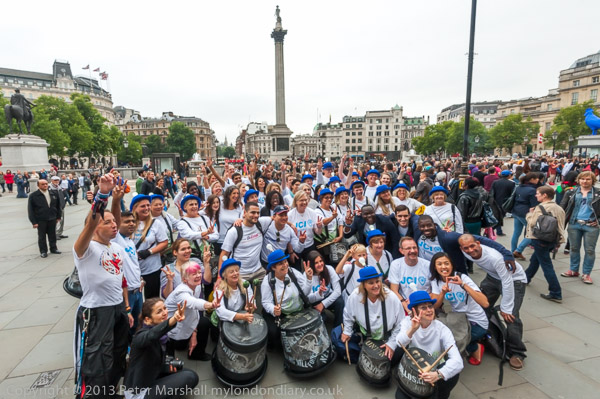
Great River Race & Malta Victory – 2007

Great River Race & Malta Victory: On Saturday 8th September 2007 I went to Ham, a mile or so upstream from Richmond, for the start of the Great River Race, a charity event on the River Thames first held in 1988. It is open only to fixed-seat traditional craft – including skiffs, cutters, Celtic longboats, currachs, and dragon boats (certainly not all traditional craft of the Thames.)

Each boat must all carry at least one passenger and a cox as well as those rowing or paddling. Later I photographed some of the boats as they passed through Central London but they were too spread out to make interesting pictures.

I was on my way to photograph the Maltese Victory Day procession from Westminster Cathedral, and left them some way down Victoria Street to photograph the statue of Nelson Mandela in Parliament Square which had been unveiled a few days earlier.

Here are some pictures from the day, along with what I wrote about them back in 2007. You can see many more pictures on My London Diary.


The Great River Race

Ham & Vauxhall

Great River Race & Malta Victory - 2007
Crews paddling up to Ham for the start of the race
Great River Race & Malta Victory - 2007
Sting came to start the race by firing a cannon – earplugs were handed out to the press and others

The Great River Race isn’t really a particularly great race, but there were well over 200 boats involved, and considerable competition. The event is a handicap, and also has multiple classes and boats start at different times – some over an hour before the fastest – but should all arrive at Island Gardens [21.6 mile away at the tip of the Isle of Dogs] at around the same time. The boats include some of historical interest as well as those built entirely for speed.

Great River Race & Malta Victory - 2007
Sting had a musket to fire a 5 minute warning
Great River Race & Malta Victory - 2007
then a cannon for the nominal start

It’s a long course, and can get a little rough further down in poor weather, but today was a fine day and everyone started from Ham in good spirits – and a few already well-fortified. Sting came along and fired a cannon as a starting signal and then the boats made their way in number order down to the real start a few hundred yards down river, a few at a time according to their handicaps.

Great River Race & Malta Victory - 2007

Media interest mainly centred on Sting and a high-powered crew of young ladies, The Sisterhood, who attracted a great deal of sponsorship. They have already made an enormous amount for charity with a fast paddle across the English Channel, but today turned out to be the second fastest ladies crew, their dragonboat being beaten by an outrigger canoe.

Great River Race & Malta Victory - 2007

My personal favourites were a crew of Welsh ladies who seemed to have a more relaxed approach to the occasion. There did seem to be a great many participants from the Celtic fringes, as well as visitors from the continent.

After all the boats had left I [walked back to Richmond and] took the train to Vauxhall and saw the first few crews pass there, all still rowing well (the paddlers hadn’t yet caught up.)

Far too many more pictures on My London Diary


Malta Day Procession

Westminster Cathedral

The procession on Victoria Street

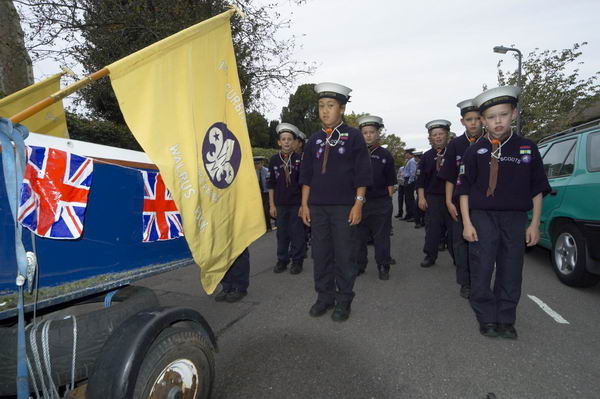
September 8th is a holiday in Malta, celebrated as the Feast Of Our Lady Of Victories (it is also the Feast Of The Nativity Of The Blessed Virgin Mary), and was the day in 1565 when the Knights Of St John Of Malta defeated the Turks. By coincidence it is also the day in 1943 that the Italian occupiers of the island surrendered to the allies.

Traditional dress on the steps of the Cathedral
The procession leaves Westminster Cathedral
after fireworks
with banners, and
with music.

The Maltese in London celebrate with a Mass at Westminster Cathedral followed by fireworks and a procession carrying a statue of the Baby Mary (Bambina) from there to the Sacred Heart Chapel Of Ease in Horseferry Road.

More pictures


Nelson Mandela statue

Parliament Square

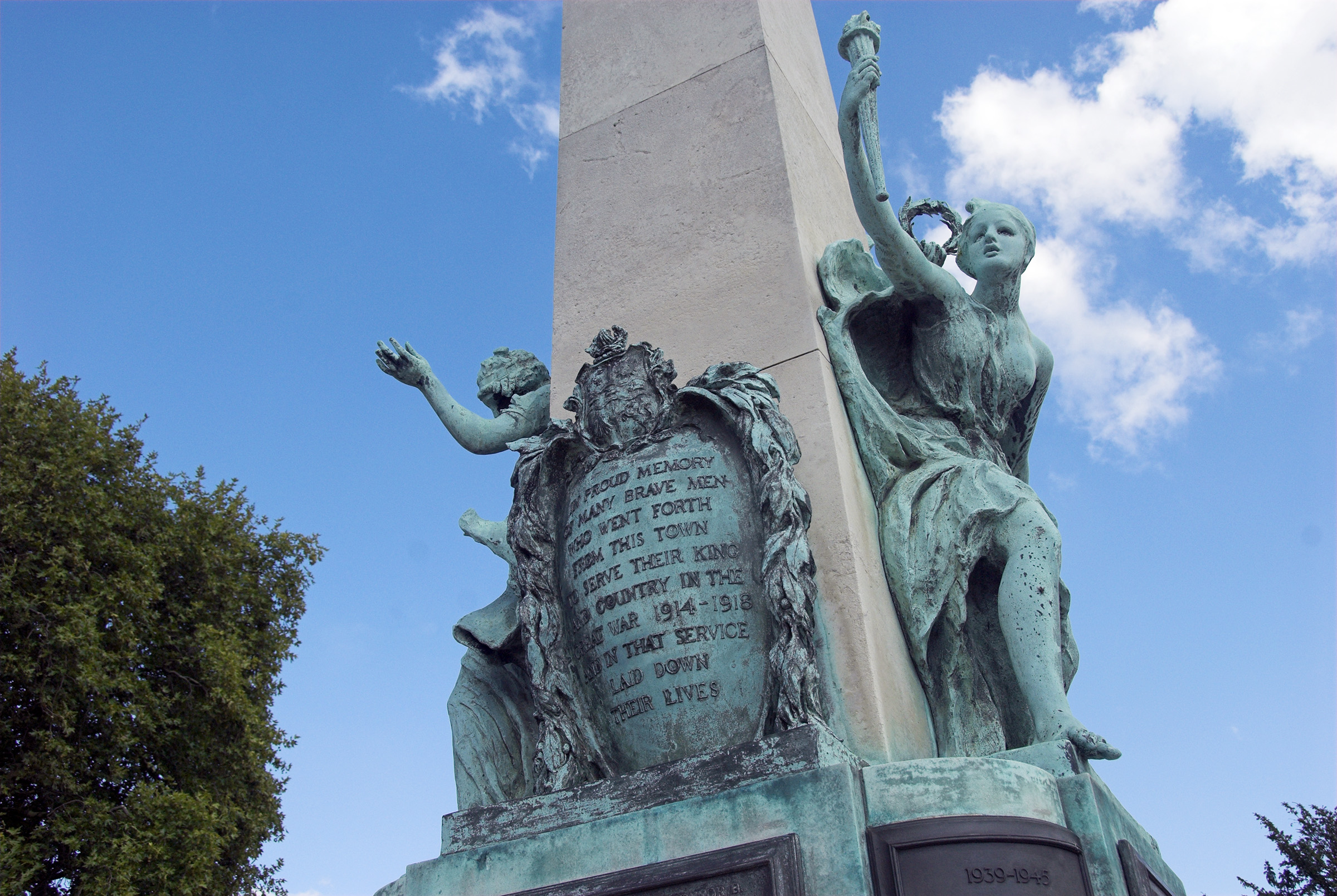
The statue had been unveiled by Prime Minister Gordon Brown on 29 August 2007, with Mandela, his wife Graça Machel and London Mayor Ken Livingstone among those present.


FlickrFacebookMy London DiaryHull PhotosLea ValleyParis
London’s Industrial HeritageLondon Photos

All photographs on this page are copyright © Peter Marshall.
Contact me to buy prints or licence to reproduce.
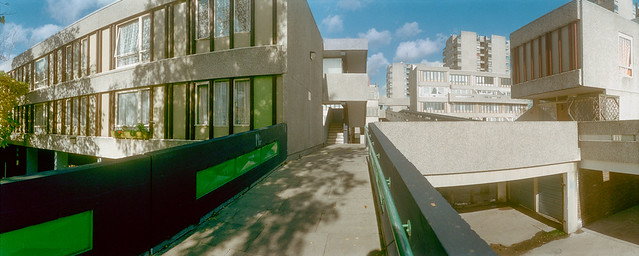

DSEi Arms Fair & Sotheby’s 2 – 2015

DSEi Arms Fair & Sotheby’s 2: On Monday 7th September 2015 I went to the protests outside the world’s largest arms fair which was takes place in East London every two years and on my way home went to a protest in Battersea Park at Sotheby’s international car auction calling on the company to reinstate two sacked cleaners.


DSEi Arms Fair protest Israeli Arms Sales

Excel London, Royal Victoria Dock

DSEi Arms Fair & Sotheby's 2 - 2015
Protesters stopped a lorry going to the DSEi arms fair with a military vehicle for around 2 hours

Protests were taking place on the first of six days outside the world’s largest arms fair, sponsored by the UK government at the Excel Centre. Occupy Democracy had set up a protest camp close to the East Entrance to the Excel Centre.

DSEi Arms Fair & Sotheby's 2 - 2015

The theme of this day’s protest organised by the Stop The Arms Fair Coalition and Occupy Democracy and supported by Campaign Against The Arms Trade and a broad coalition of protest groups was ‘Stop Arming Israel’.

DSEi Arms Fair & Sotheby's 2 - 2015

Israel also has a large arms industry and they were selling their arms at the fair which were said to be ‘battle-tested’, having been used against the Palestinian people in Gaza as well as in Syria.

DSEi Arms Fair & Sotheby's 2 - 2015

When I arrived protesters were setting up a couple of stalls, one to ‘sell’ mock Israeli arms – with arms dealers D. Eath and C. Arnage, who were later joined by two enthusiastic sales representatives apparently from a proudly Israeli firm ‘Killing Machines Unlimited.’

DSEi Arms Fair & Sotheby's 2 - 2015
Sales reps from the (fictional) Israeli company ‘Killing Machines ‘R’ Us’

Excel had fenced in the roundabout at the gates, claiming they owned it, so that protesters were unable to camp there. Later it was found that it belonged to Newham Council and that they had not given permission for the fence, but it did provide a good place to put up a huge banner with the message ‘Stop Arming Israel.

DSEi Arms Fair & Sotheby's 2 - 2015

When a large low-loader arrived carrying a military vehicle protesters rushed into the road to block it and one in an orange jumpsuit and Tony Blair mask locked on to it. Others jumped up on to it. A woman who used a white-board marker to write ‘ARMS TESTED ON CHILDREN’ was arrested for ‘criminal damage’ although the slogan would easily wipe off without trace.

‘Tony Blair’ locked on. Protesters still hope to see him tried for war crimes onver the invasion of Iraq

After around 45 minutes police warned the protesters they might be arrested unless they moved away and most did, but then began a Dabke Arab folk dance workshop in front of the lorry. The police then called for reinforcements and when they arrived they pushed the protesters off the road, allowing the bemused Hungarian driver to move on.

Police come and warn the protesters on the lorry, asking them to leave
The Dabke dance workshop in front of the lorry. Police watch but don’t dance
Eventually police lose patience and a large group come and push or drag eveyone from the road, watched by the photographers

In 2026 the UK still sells arms to Israel which are being used in the genocide of the Palestinian people and some of those protesting against this have been given long prison sentences as ‘terrorists’.

More on My London Diary at DSEi Arms Fair protest Israeli Arms Sales.


Reinstate the Sotheby’s 2 at car auction

Battersea Park

A line of police stopped the protesters at the entrance to the auction site

Barbara and Percy, two cleaners at Sotheby’s in New Bond Street had been sacked after they took part in a protest calling for proper sick pay, holiday pay and pensions, and their trade union, the United Voices of the World had organised a number of protests including this one to demand their reinstatement.

Along with members of the UVW the protest was supported by Class War, SOAS Unison and Unite the Resistance and I met them outside Battersea Park Station from where they marched to the Sotheby’s auction site, Battersea Evolution inside Battersea Park, where police prevented them from entering.

Although they were some distance from the actual auction, the noisy protest could clearly be heard there, as one of those present at it, the mother of UVW General Secretary Petross Elia, came to tell us across the gates.

The protest continued for some time and I was tired and left before the end, missing a a spectacular performance of fire breathing by one of the protesters.

The campaign by the UVW eventually resulted in all outsourced workers there including cleaners, security guards and caterers becoming the first group of outsourced workers in the private sector to receive occupational sick pay – at a significantly enhanced rate to statutory sick pay.

More at Reinstate the Sotheby’s 2 at car auction.


FlickrFacebookMy London DiaryHull PhotosLea ValleyParis
London’s Industrial HeritageLondon Photos

All photographs on this page are copyright © Peter Marshall.
Contact me to buy prints or licence to reproduce.


Monkey Business, Wrecked Cars & Roupell – 1990

Monkey Business, Wrecked Cars & Roupell: I’d thought when I wrote my previous post about 1990 that my day on April 1st 1990 had finished when my walk in Stoke Newington ended, but my contact sheets and the dates written on them tell a different story.

I’d not gone to the Poll Tax demonstration the previous day, but from Stoke Newington took the tube down to Covent Garden and walked to St Martin’s Lane and Tottenham Court Road where I photographed a few burnt out cars before going on to Waterloo East and catching a train to Lewisham to take more photographs there.

Monkey Business, Covent Garden, Westminster, 1990, 90-4b-33

Monkey Business was a restaurant in Covent Garden which apparently came to an untimely end around 1991. In a Facebook post Sajan Narain relates: “While I was studying at Cambridge, a few of us friends went to Monkey Business, an aptly named restaurant in Covent Garden. While we were dining in the basement there, we heard loud sounds of guns being fired, and smashing of glass, like sound effects from an action movie. Waiters and staff were running around shouting.

We saw lots of huge red marks on white shirts worn by waiters. It turned out to be blood. There was a huge gang war going on above us. Many shots were fired and glass windows at the front of Monkey Business had been smashed.

Armed police, ambulances, doctors and paramedics arrived while we were there. We survived the gang war without any injuries. After that incident, Monkey Business had to be shut down, unfortunately.”

Burnt out car, St Martin's Lane, Covent Garden, Westminster, 1990, 90-4b-21
Burnt out car, St Martin’s Lane, Covent Garden, Westminster, 1990, 90-4b-21

Back in 1990 I rarely photographed demonstrations, mainly only on the large marches of organisations to which I belonged such as the Anti-Apartheid movement and CND. Although I was aware of protests against the Poll Tax – and had photographed people burning their community charge demands – I did not attend the major protest called for March 31st when around 200,000 crowded into the area around Trafalgar Square.

The police had thought there would only be a few thousand and laughed at the protest organisers when they had suggested there could be 20,000 but it turned out much, much larger and the police were unprepared.

Smashed car, Charing Cross Rd, Westminster, 1990, 90-4b-22

Heavy-handed policing, including the violent arrest of a man in a wheelchair and a charge by mounted police into the crowd in Trafalgar Square, followed by police driving riot vans into the crowd aroused huge anger from the protesters, many of whom began attacking the police with anything to hand, including scaffold poles. The police actions turned what would have been an angry but largely peaceful protest into a riot.

Smashed car, Charing Cross Rd, Westminster, 1990, 90-4b-23

According to Wikipedia “Scuffles between rioters and police continued until 3 am. Rioters attacked numerous shops, most notably Stringfellow’s nightclub, and car showrooms, and Covent Garden cafés and wine bars were set ablaze, along with motor vehicles.”

Smashed car, Charing Cross Rd, Westminster, 1990, 90-4b-24

A police report the following year found “no evidence that the trouble was orchestrated by left-wing anarchist groups”, though some of these definitely claimed the credit. As usual at protests, most of those responsible for attacks on police evaded arrest and those arrested were largely bystanders and many were acquitted with video evidence showing the police had “fabricated or inflated charges”.

Protests including this one against the Poll Tax led to the questioning of Margaret Thatcher’s position as Prime Minister and led to her replacement by John Major. In 1991 he announced his intention to replace the Poll Tax by a new Council Tax, still in operation.

This returned to basing tax levels on property valuations but was in many respects a much cruder and less fair system than the former rates, particularly favouring owners of large and expensive properties at the expense of those in moderate and smaller homes.

Rooftops, Waterloo, Lambeth, 1990, 90-4b-26

My day was still not finished and I was on my way to Lewisham. As I walked down to the platform at Waterloo East station I pushed my camera through the gap in one of the slightly open windows and took this picture of the rooftops of Roupell Street and its neighbours.

These densely packed late Georgian worker’s cottages were developed by metal merchant John Roupell in 1824. He had married the daughter of a wealthy City wine merchant and after she inherited a wealthy aunt’s estate in Essex bought around 7 acres here at a cost of £8,000 to develop the Roupell Park Estate, its streets named after his family.

In their early years many of these small 4-roomed houses will have housed perhaps four large families, one to a room, perhaps over 20 people. These streets are much used as settings for films and TV, and the small houses now sell for around £1.5m

Pictures from Lewisham in later posts.


FlickrFacebookMy London DiaryHull PhotosLea ValleyParis
London’s Industrial HeritageLondon Photos

All photographs on this page are copyright © Peter Marshall.
Contact me to buy prints or licence to reproduce.


Bikes, Canals & Walthamstow – 2004

Bikes, Canals & Walthamstow: On Sunday 5th September 2004 my work began with cycle racing in Whitehall, after which I went to Islington for a canal festival, finally making my way to High Street Walthamstow for another festival there. As usual I’ll reproduce what I wrote back then and link to more pictures from the three events still on My London Diary.


Cycle racing in Whitehall

Bikes, Canals & Walthamstow - 2004
The first lap of the club race and one cyclist has already broken from the pack on Embankment.

The Tour Of Britain has so far lacked the public interest of the Tour De France, but a last day involving a road race around a mile course through Whitehall should have given it a boost. I only stayed for the warm-up event with club cyclists competing on the same course.

Bikes, Canals & Walthamstow - 2004

The crowding and the pace made for some excitement, but for an outsider I think there needed to be some way to make individuals more recognisable in the crowd.

Bikes, Canals & Walthamstow - 2004

More pictures on My London Diary


Angel Canal Festival

Islington

Bikes, Canals & Walthamstow - 2004
Morris Dancers entertain outside a pub in Islington

Up at the Angel, it was the 19th annual Canal Festival, with singers and other performers, boat trips, decorated boats and various stalls along the towpath.

Bikes, Canals & Walthamstow - 2004
Classical music at the City Road Lock

It really did seem to be a very pleasant event for a sunny summer Sunday with everyone enjoying themselves.

Bikes, Canals & Walthamstow - 2004
Boat trips were a popular attraction

Up on the street people were sitting around the pub and being entertained, first by a three piece band, apparently of Cockney persuasion with a little Dixie thrown in, then by some Morris men

Boats dressed up for the Canal Festival

More pictures


Walthamstow Festival 2004

A women’s morris dancing in High Street , Walthamstow

The attraction that dragged me away [from the canal and the pub] was the promise of belly-dancing in Walthamstow.

The musicians sensibly stayed in the shade

Walthamstow has of course a William Morris connection (and an occasionally open museum [reopening by 1 October 2026 after significant renewal]) but there were no discernible signs of this. [Though I’m sure there were but I missed them.]

The first event that drew my interest was however a women’s Morris performing in the high street.

Belly-dancing is one of those things I always wonder if there is more too it than the obvious attraction. And I was obviously attracted, though it’s hard to think of any way to photograph it other than the obvious.

The display involved two solo performers of very different frame. If you don’t have much to wobble, the movements can be much more controlled, but to this male eye are considerably less provocative.

More pictures


FlickrFacebookMy London DiaryHull PhotosLea ValleyParis
London’s Industrial HeritageLondon Photos

All photographs on this page are copyright © Peter Marshall.
Contact me to buy prints or licence to reproduce.


The New Trafalgar Dispatch – 2005

Staines, Sunday 4th September 2005

The New Trafalgar Dispatch - 2005 Staines
The coach carrying the dispatch is led across Staines Bridge by the mayors of Spelthorne and Runnymede.

The New Trafalgar Dispatch: At a protest in Whitehall the previous day, I had “made the mistake of climbing up onto the small wall by the edge of the grass, which produced a nasty snapping feeling in my knee, leaving me in pain.” So on Sunday 4th September I didn’t feel up to travelling to cover events in London, and instead went to photograph this local event – part of a wider national event – in Staines celebrating the rapid journey to London after the first ship docked at Falmouth following the battle of Trafalgar and brought the news both of the victory and of the death of Admiral Nelson.

The New Trafalgar Dispatch - 2005 Staines
Actor Alex Price plays Lt John Richards Lapontiere, who brought news of Trafalgar from the battle to London

Despite limping badly and painfully I seem to have managed a very full coverage of the event – which you can still view on My London Diary. Here below is the text I wrote in 2005 and a few of the pictures.

The New Trafalgar Dispatch - 2005 Staines
Shepperton town crier Bill Wright reads out the news while mayors, Lieutenant Lapontiere and coach wait on Staines Bridge

Nelson’s final prayer, on 21 October 1804 [the day of the Battle of Trafalgar] included a plea for God to grant victory “to my country and for the benefit of Europe in general.” He continued: “may no misconduct, in any one, tarnish it, and may humanity after victory be the predominant feature in the British fleet.” These noble sentiments were not empty words, and when the battle was over, British sailors would risk their lives to save those of their French counterparts.

The New Trafalgar Dispatch - 2005 Staines
Lapontiere is greeted by Runnymede mayor, Councillor Frances Barden on Staines Bridge

I thought about the humanity towards refugees and asylum seekers currently being shown by our New Labour government during the new Trafalgar Dispatch events at Staines on Sunday and felt a sense of shame about my country.

The New Trafalgar Dispatch - 2005 Staines
Coming into Staines – on a street built between 1828 and 1832, some years after Trafalgar

But we were celebrating greater times, although 200 years ago the events were also tinged with great sadness. Along with news of Britain’s great victory, Lt John Richards Lapontiere also brought news of Nelson’s death on his rapid voyage to Falmouth and express post-chaise journey from there to London – covering the 271 miles on land in 37 hours. One of the many places his coach picked up fresh horses was the Bush Inn at Staines, then one of the major market towns of Middlesex, and only two stages from the Admiralty in London.

The New Trafalgar Dispatch - 2005 Staines
Lieutenant Lapontiere should have been very surprised to see Mrs Sarah Goad, Lord Lieutenant of Surrey, on the wrong side of the Thames in Middlesex.

The Bush is long gone, as also is the bridge across which his coach ran, but Sunday saw actor Alex Price playing the role of Lapontiere coming by coach – from Homebase just down the road (more or less on the old Staines boundary) – into Staines and onto the bridge where he was met by the Mayors of Runnymede and Spelthorne and the Lord Lieutenant Of Surrey (all women.) It was a day full of anachronism, as neither Runnymede or Spelthorne existed at the time of Trafalgar, when Staines was one of the main market towns of Middlesex.

The New Trafalgar Dispatch - 2005 Staines
Brownies were formed in 1914 as “Rosebuds”, renamed the following year, but the flag does date from 1801.
The New Trafalgar Dispatch - 2005 Staines
The Trafalgar Way plaque and above it a smaller Spelthorne plaque were unveiled by the Mayor

After a brief ceremony on the bridge, proceedings moved on to Staines Old Town Hall, a fine Victorian building given away at a derisory price recently by the local council to the disgust of most if not all locals to become a [short-lived] pub.

A septet from Staines Brass Band, founded as Staines United Temperance Band in 1930, provided the music for the Trafalgar service

Another short performance there ended with copies of the new Trafalgar Dispatch and a copy of the original being officially presented to the Mayors and Surrey, before a plaque was unveiled on the town hall wall and an Anglican service held at a ‘drumhead church‘ in the fountains in the Market Square – turned off for the day [and more or less ever since].)

I’d stayed in Staines for this event partly because of my painful knee. I was surprised to find how much I had to move around even to cover a relatively simple event such as this. And yes, it hurt.

More pictures on My London Diary.


A few days later I added:

“A visit to my doctor’s [the following day] produced some [powerful prescription only] tablets that soothed the pain, and the advice that physiotherapy on the national health involves a wait of several months – by which time it would probably be fine anyway. Private treatment of course is available more or less on the spot, and he recommended the physios based at a local sports centre.

It’s not the cost, but the principle that stopped me ringing them to make an appointment. I grew up with the national health, orange juice and cod liver oil from the clinic, medicines and treatment when you needed them – not just if you could afford them. Prescription charges were a first step in the dismantling of the system, now more and more of it is being privatised in one way or another. National Health dentistry has more or less disappeared (and looks like going completely with government reforms next year.)

So I’m limping on, or rather trying not to limp, but get some gentle exercise without causing more damage and hoping time will heal.”

Slowly it did, and after a week’s rest I felt able to take some short walks in London and a couple of weeks later was back covering protests. But it was some months before I could walk without any pain.


FlickrFacebookMy London DiaryHull PhotosLea ValleyParis
London’s Industrial HeritageLondon Photos

All photographs on this page are copyright © Peter Marshall.
Contact me to buy prints or licence to reproduce.


Kingston Carnival, Regent St Festival – 2006

Kingston Carnival, Regent St Festival - 2006

Kingston Carnival, Regent St Festival: I went to Kingston upon Thames on Sunday September 3 2006 to photograph Kingston Carnival because I hoped to take at least one picture in the town to include in a show, Another London, I was preparing with two friends to take place in Kingston Museum in January 2007, and I made two pictures which ended up in that show.

Kingston Carnival, Regent St Festival - 2006

But both were of Beeraahaar Sweet Combination, a prize-winning Carnival Mas Band based in Stamford Hill, Hackney, miles away in North London and with no real connection to Kingston. Kingston, formerly in Surrey, since 1965 has been a London borough on the edge of London, but until 2020 still home to the central offices of Surrey County Council.

Kingston Carnival began in 2001, celebrating its 25th anniversary in 2025, although this year it was postponed, but is planned to return in 2027.

Later I went to the Regent Street Festival in central London which had a Spanish theme. Below I’ll post with minor corrections what I wrote in 2006 and links to more pictures.


Kingston Carnival

Kingston, Surrey

Kingston Carnival, Regent St Festival - 2006
The Carnival came from Hackney
Kingston Carnival, Regent St Festival - 2006
With just a handful of people from Kingston.
Kingston Carnival, Regent St Festival - 2006

A little bit of Hackney came to Kingston on Sunday morning to provide the Kingston Carnival. Hard to see why Kingston can’t put up its own carnival, but Beeraahaar Sweet Combination are a fine group that I’ve photographed at Notting Hill and Mardi Gras in Hackney, and even a small group of them gave the event a little atmosphere. Just a pity there weren’t more groups and people from Kingston in the parade to match them.

Kingston Carnival, Regent St Festival - 2006

The stalls around the Guildhall showed there are a diverse range of communities in the area, but the parade didn’t really reflect this. Shipping in a carnival procession provides a little diversion, but surely the whole point of a borough paying for a carnival is to encourage community activities within its own boundaries?

More pictures on My London Diary


Regent Street Festival

Regent St, Westminster

From Kingston I caught the train up to town and to Spain, which was happening in Regent Street, closed to traffic for the day. Of course not closed to shopping, which perhaps rather limits what the organisers could do. I didn’t find the event too exciting, and the large crowds around anything that was going on reflected that too little was happening.

The police, mainly down a side street, were putting on a good show, one of the funniest I’ve seen for a long time, demonstrating how the police are supposed to restrain people, and use weapons such as pepper spray. The gulf between theory and practice is amazing.

I tried out a free sample of a revolting sherry-based drink, watched more Spanish folk dancers than was good for anyone’s sanity, avoided the sand on the ‘beaches’ and decided it was time to go home.

More pictures


FlickrFacebookMy London DiaryHull PhotosLea ValleyParis
London’s Industrial HeritageLondon Photos

All photographs on this page are copyright © Peter Marshall.
Contact me to buy prints or licence to reproduce.
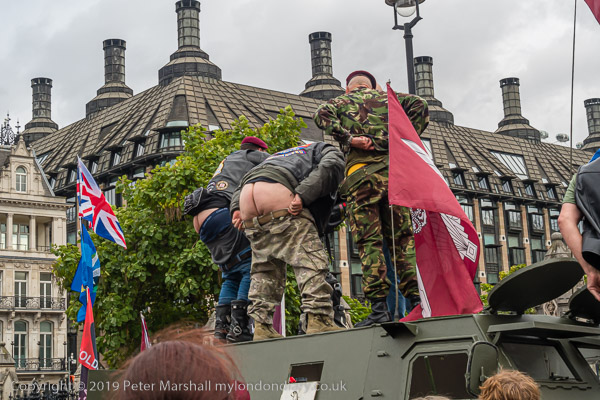

DPAC at BBC – Tell The Truth! 2013

Broadcasting House

DPAC at BBC - Tell The Truth! 2013
BBC security try to get a protester to move – but he refuses

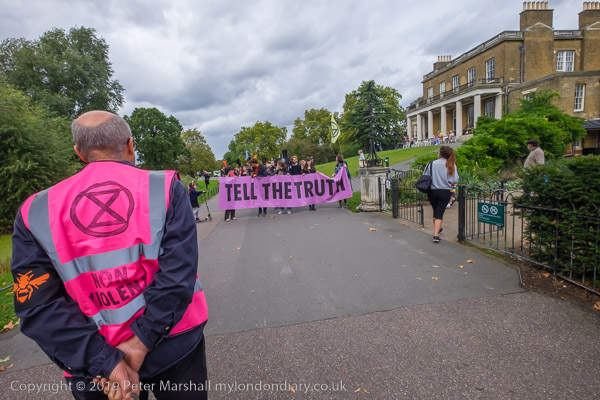
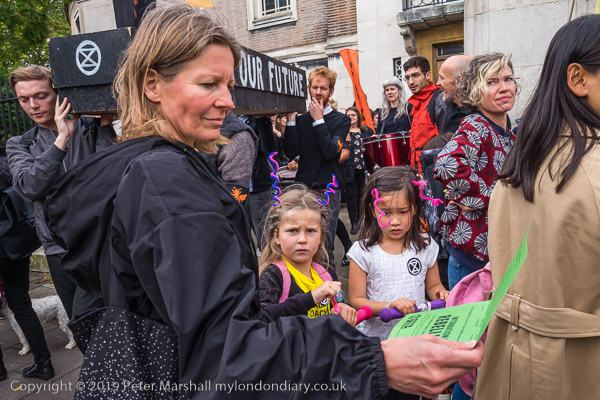
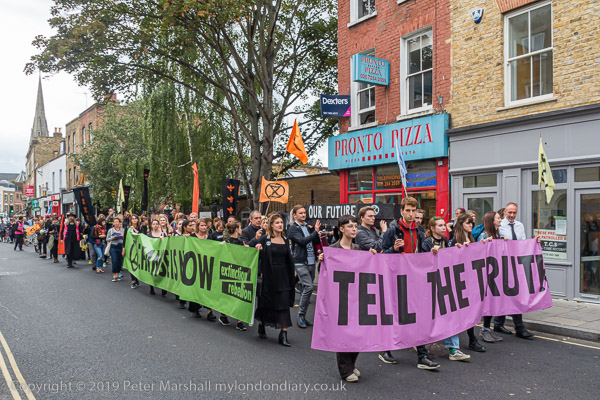
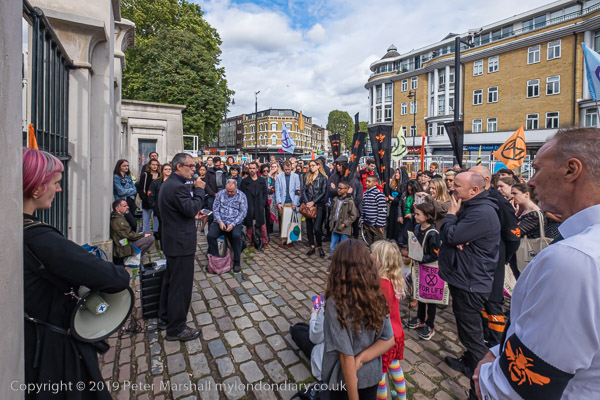
DPAC at BBC – Tell The Truth! Although the BBC has some excellent reporters and produces some great programmes, particularly on Radio 4 and in its World Service, in its coverage of the UK it too often acts as a government mouthpiece. In particular few if any protests get reported, and I would be fairly sure that this one on Monday 2nd September 2013 at Broadcasting House got no mention in the day’s news.

DPAC at BBC - Tell The Truth! 2013
Activists meet up in a McDonalds not far from the BBC

Disabled People Against Cuts (DPAC) and the Scottish Black Triangle campaign came to protest at the failure by the BBX to report truthfully the effects of government cuts – particularly hard on the disabled – blocking the main BBC entrance to Broadcasting House for an hour.

DPAC at BBC - Tell The Truth! 2013
Outside they joined hands before setting out on the protest

The BBC of course relies on the government to award the licence fee settlement and it also appoints the members of the trust which is responsible for its running. And many appointments of senior staff – from the Director General down are essentially made by the government, so it is perhaps unsurprising that the BBC as a whole fails to offer any radical perspective on UK affairs.

DPAC at BBC - Tell The Truth! 2013
They make their way along the street to the BBC

When the Tories came back into power – at first with the help of the Liberal Democrats to whom they threw a few minor carrots (including the 2011 rigged referendum on proportional representation) they instituted an austerity programme that in particular targeted the disabled.

DPAC at BBC - Tell The Truth! 2013
The protesters set up quickly across the entrance

They clearly thought that supporting the disabled was a waste of money and that they would be an easy target to reduce benefits. DPAC and others had shown them they were wrong, with a series of direct action protests – which the BBC largely failed to report, although some were covered by foreign media.

Disabled people had several advantages which aided their protests. Firstly they enjoyed a great deal of public support which meant in particular that police (who often also sympathised with their case) had to handle them with much more consideration and care than non-disabled protesters, particularly when the press were present. Batoning people in wheelchairs would not be good for the public image – and I never saw it happen.

And secondly they presented practical problems for the police, particularly in making arrests of protesters in wheelchairs or on mobility scooters. Police cars and vans are not generally equipped to handle these safely. I can only remember one protest where the police had hired a suitable vehicle – and it only accommodated a single wheelchair.

DPAC invited me to photograph this protest and I met them in a nearby cafe to discuss final plans before making their way with legal observers and a few photographers unnoticed to the main entrance of the BBC building.

Here they spread across the doors and brought out their banners. BBC security failed to stop them but did manage to keep one door at the end free so people could still enter and leave the building.

Many of the protesters spoke about why they were there, calling on the BBC to do its job and report properly on the effects of the cuts on the disabled

A number of the protesters then spoke in turn about the failure of the BBC to report the real hardship caused by ATOS assessments and the withdrawal of benefits, benefit cuts and caps and the bedroom tax. They were all fed up with the BBC repeating the lies and half-truths of government and asked why the real problems and numerous deaths from the austerity programme and the protests over these were not being properly reported.

BBC security try to move the protesters but after some argument they backed off

The situation was dire for many poor and disabled people, with over 500,000 having to resort to food banks set up by churches and charities to fend off starvation.

The protesters chanted ‘BBC, Tell the Truth’ and called for someone from the BBC to come and discuss the issue with them – but no one came. They made clear they were not asking for special treatment for the disabled but for the BBC to live up to the reputation it once had for impartial reporting.

Mark Thomas congratulated the protesters and expressed his support for their attempt to get the BBC to report in an unbiased manner

They were joined for some minutes by activist comedian Mark Thomas who had been at a meeting inside the BBC. He recognised some of the protesters, talked with them and gave a short speech in support.

Shortly after two of the protesters in wheelchairs moved to lock themselves in front of the remaining open door closing it for the remainder of the protest. BBC security then called the police and two cars arrived.

Police talked with security and then came and talked to the protesters. The told the police it was a one hour protest and they would then leave peacefully. Police stayed and watched until the end of the hour when the protesters got up and left.

Before they did so, a BBC cameraman arrived having been asked to film the protest – not for news but for possible use in the future. “I joked with him he might try and sell the footage to Sky or some other broadcaster who were rather more likely to use it.”

Many more pictures on My London Diary at DPAC at BBC – Tell The Truth.


FlickrFacebookMy London DiaryHull PhotosLea ValleyParis
London’s Industrial HeritageLondon Photos

All photographs on this page are copyright © Peter Marshall.
Contact me to buy prints or licence to reproduce.


Cycling The Colne Valley – 2004

Cycling The Colne Valley: The Colne Valley Regional Park was founded in 1965 but its development has been rather frustrated over the years, with the M25 being built along much of it and the M4 and M40 passing through, not to mention the increasing development of Heathrow – and if it ever goes ahead the third runway will cut a huge swathe through it.

The park stretches from Rickmansworth in the north to Staines in the south, and my bike ride on September 1st 2004 was only in the southern half of it, from Staines to Harefield and back.

Cycling The Colne Valley - 2004
Lock and bridge, Grand Union Canal, near Harefield, Middlesex.

Somewhere close to West Drayton was a finger post showing a bridleway – the Colne Valley Trail – to Staines. I rode and walked past it on various occasions; it led just a few yards to a fence and a firmly locked gate. More than 20 years later the trail has still not managed to reach Staines, though the map on the park site shows it now ending on the Colnbrook Bypass, so perhaps some progress has been made.
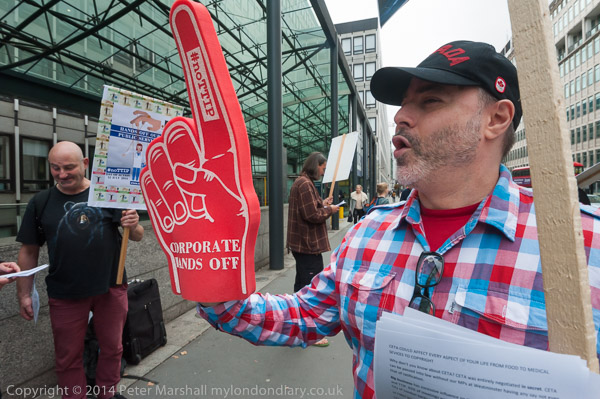
Cycling The Colne Valley - 2004
Weirs; Grand Union canal is out of picture to the right

As my account in 2004 below suggests, it was in some ways a frustrating ride, but the Grand Union Canal always has some interest as I hope the photos show. And there are some good short rides and walks in the park as well as places worth a visit – including Harmondsworth with its Great Barn – the village and others will be destroyed if Heathrow gets another runway and the barn may not survive being moved.

Here’s what I wrote in 2004.


On my bike

Staines – Harefield – Staines

Cycling The Colne Valley - 2004
Reflections on the Colne/Grand Union canal

September seems like the end of summer, but started with some of the best weather we’ve had this year, so I felt like a bike ride. I’m still waiting for the bridle path from Staines to West Drayton to open, so it started with the normal dusty trek up past the edge of the airport. A skeletal T5 (or are they building T6 or T7 as well) looms immense and threatening over the surrounding countryside, but there are no decent views past the fences and screening trees. I push on up to Harefield at speed before descending to the canal, only to find that I’ve picked the one bit of towpath that is actually closed for repair work.
Cycling The Colne Valley - 2004
New housing by Grand Union Canal, Harefield, Middlesex
Cycling The Colne Valley - 2004
Office development on former industrial site next to Grand Union Canal, near Harefield
Offices along Grand Union Canal, Uxbridge, Middlesex

So I take some other footpaths, and don’t so much get lost as overcome with uncertainty as one of these disappears in the middle of a gravel site.

I give up and take to the main road, soon to discover it’s a mistake. Eventually I get back to the canal and cycle back along the towpath all the way back to West Drayton to curse again the barred bridle path and the busy traffic and bicycle hostile road engineering – now in the rush hour – past the airport.


There are a few more pictures on My London Diary beginning here.


FlickrFacebookMy London DiaryHull PhotosLea ValleyParis
London’s Industrial HeritageLondon Photos

All photographs on this page are copyright © Peter Marshall.
Contact me to buy prints or licence to reproduce.