Workers Memorial Day, HS2 Protest – 2014

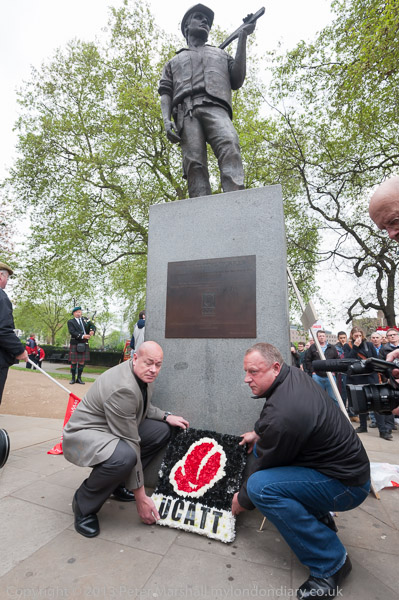
Workers Memorial Day, HS2 Protest: Every year since 1989, April 28th has been International Workers’ Memorial Day, and on Monday 28th April 2014 I once more attended the event commemorating this at the statue of the Building Worker on Tower Hill in London, later going to Parliament Square where protesters called on MPs to vote against the HS2 Bill being debated in the House of Commons.


Workers Memorial Day

Tower Hill

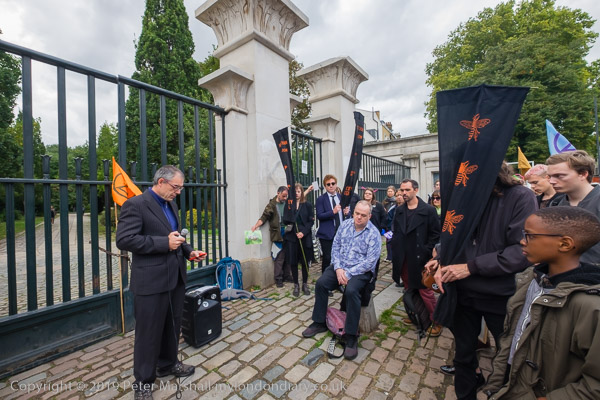
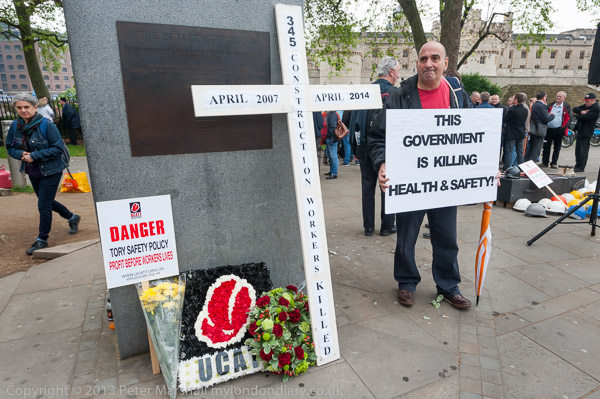
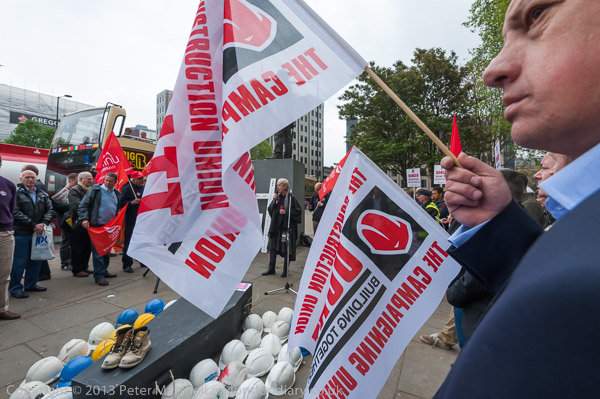
One of the more hazardous industries in the UK is construction, and the annual Workers Memorial Day points this out. There had been over 50 deaths on construction sites in the previous year and the rally place around a coffin with boots, work gloves and hard hats.

Workers Memorial Day, HS2 Protest - 2014

A TUC report published for the day, ‘Toxic, Corrosive and Hazardous: The government’s record on health and safety‘ pointed out that since the coalition government came to power in 2010 it had “drastically cut Health and Safety Executive (HSE) inspections, cut funding to the HSE by 40 per cent, blocked new regulations and removed vital existing protections, prevented improved European regulation on health and safety, cut support for employers and health and safety reps, seen local authorities reduce their workplace inspections by 93 per cent, and made it much harder for workers to claim compensation if they are injured or made ill at work following employer negligence.”

Workers Memorial Day, HS2 Protest - 2014
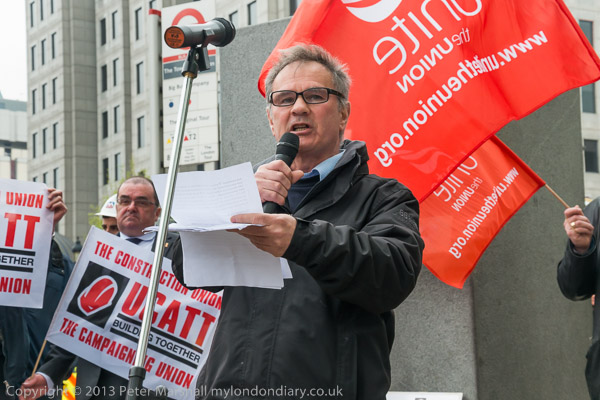
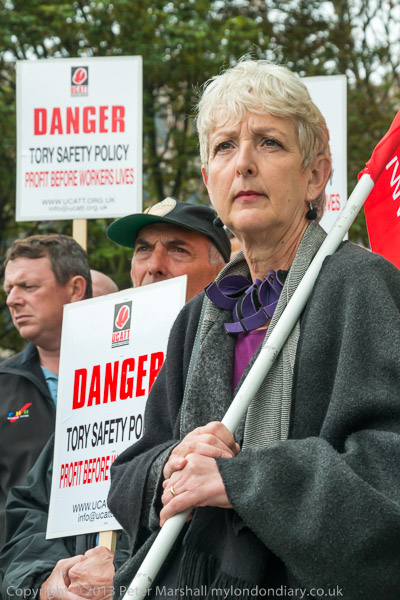
Gail Cartmail, Assistant General Secretary of Unite

The government was now planning to exempt many ‘self-employed workers’ from health and safety protection – despite them being twice as likely to be killed at work than other workers.

Workers Memorial Day, HS2 Protest - 2014

This attack on health and safety, carried out under the title of ‘reducing red tape’ also played an important role in providing the environment which allowed the disastrous fire at Grenfell Tower.

Workers Memorial Day, HS2 Protest - 2014
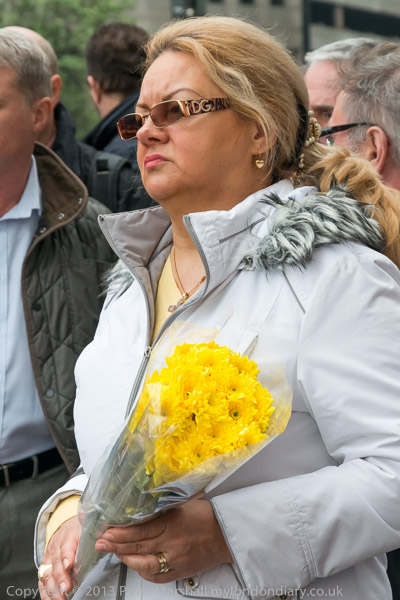
Liliana Alexa of the Battersea Crane Disaster Action Group

The theme for the 2014 events from the ITUC, the global union body coordinating the event worldwide, is ‘Protecting workers around the world through strong regulation, enforcement and union rights’ and it encouraged unions to use the slogan, ‘Unions make work safer’.

Workers Memorial Day, HS2 Protest - 2014
Tony O’Brien of the Construction Safety Campaign

There were speeches including by Gail Cartmail, Assistant General Secretary of Unite, Tony O’Brien of the Construction Safety Campaign and Jerry Swain Regional Secretary for UCATT’s London and South East Region, after which wreaths and flowers were laid at the base of the statue by UCATT, Tower Hamlets Mayor Lutfur Rahman and Liliana Alexa who founded the Battersea Crane Disaster Action Group after her son Michael was killed by a falling crane as he walked past a building site near his Battersea home.

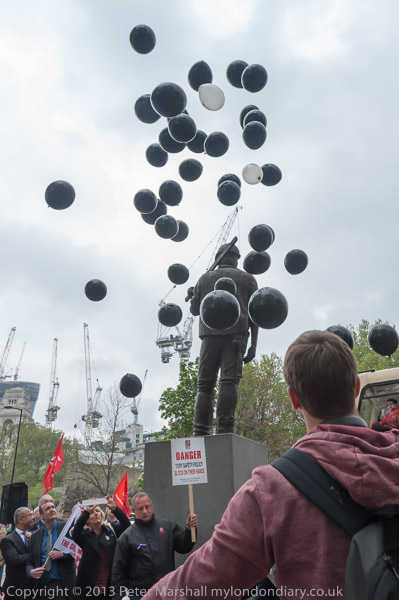
The event ended with the release of black balloons, for the 50 workers killed in the last year and a period of silence around the coffin with its boots, hard hat and work gloves and a hard hat for each one of them.

More pictures from Workers Memorial Day


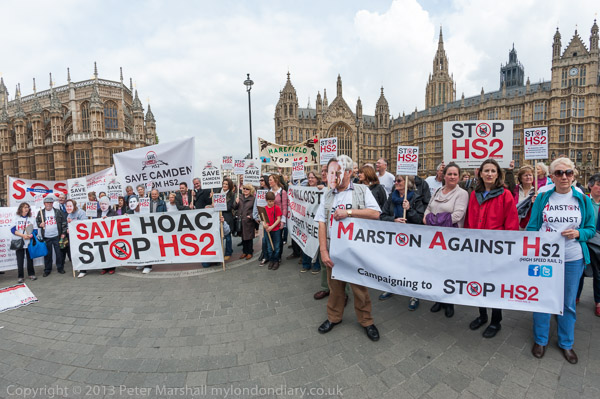
Stop HS2 Rally at Parliament

Old Palace Yard, Westminster

HS2 is generally seen now as an expensive disaster, failing to achieve its aims and becoming something of a white elephant. It doesn’t go to where it was intended and will have to run rather slower than planned.

Despite the plans to run to Manchester and Leeds having been dropped the scheme has had a massive increase in costs. It still remains doubtful if it will ever actually reach its intended destination in London, Euston or simply serve its temporary terminus at Old Oak Common, six miles out in the middle of nowhere very much, where it will largely rely on a connection to the Elizabeth Line.

The project was almost certainly doomed from the start in 2009 under Labour, but its position was worsened by decisions by each successive government. There are various detailed studies of where it went wrong on-line, including by Graham Winch of the Productivity Institute.

The London to Birmingham section we may one day get was only a minor aspect of the original scheme and a part that offers relatively little gain – nobody really needs to get to Birmingham 20 minutes faster. Its route was poorly chosen and bound to result in the kind of local opposition that has greatly put up costs, and the whole project was severely over-specified – and in a way that makes it incompatible with the existing network.

Others, such as High Speed UK have developed much more coherent plans for the future UK rail network which governments have refused to consider seriously – and were one of those supporting and speaking at this protest. Their plans in 2014 would have avoided “damage to the Chilterns by following the M1 and would be 25% cheaper than HS2, while offering time savings on average of 40% for most intercity services – not just those on the high speed route.

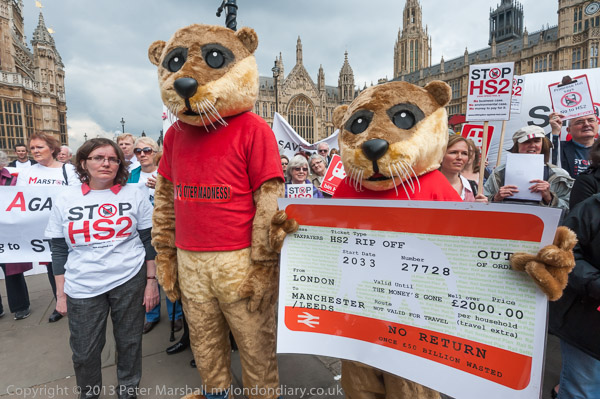
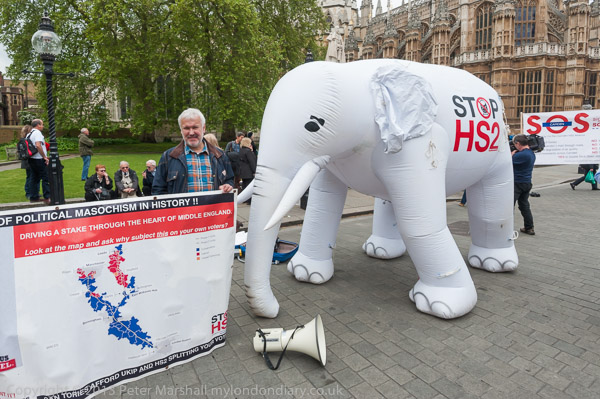
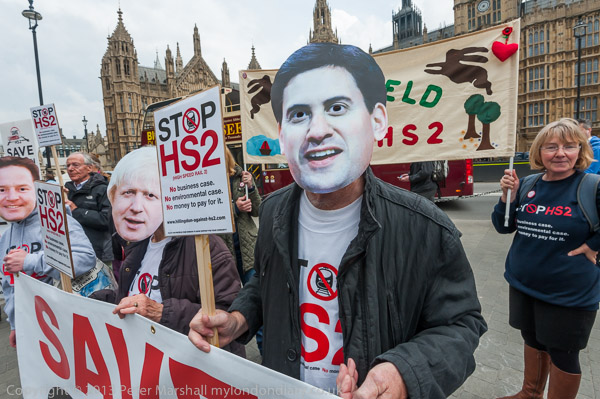
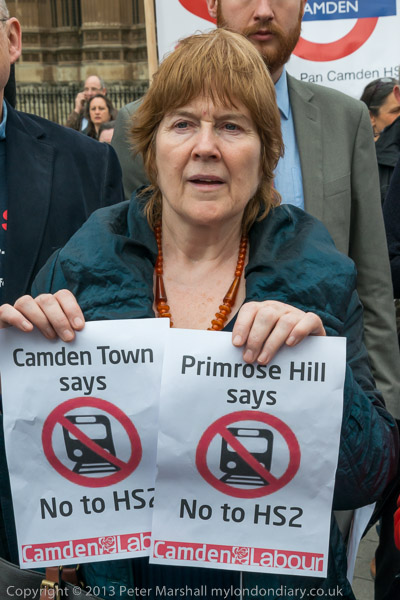
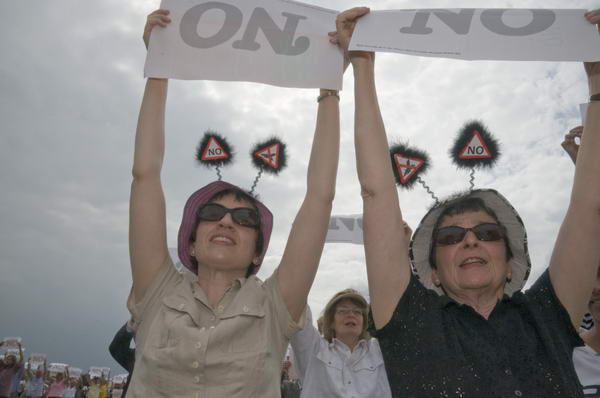
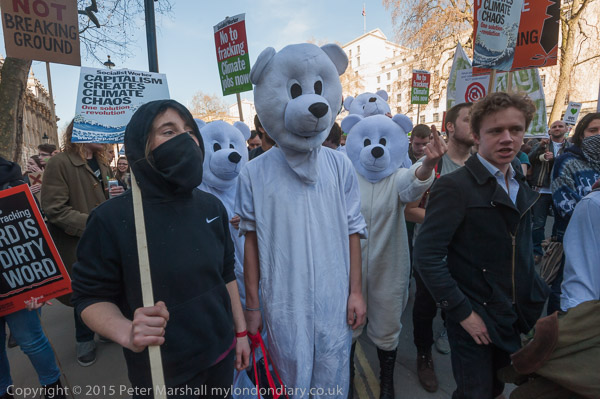
This was a relatively small demonstration with perhaps a couple of hundred people, but a colourful one, with a large inflatable white elephant and a couple of bears with a very large rail ticket about the £50 billion rip-off of HS2. There were speeches including from several MPs and campaigners.

More at Stop HS2 Rally at Parliament.


FlickrFacebookMy London DiaryHull PhotosLea ValleyParis
London’s Industrial HeritageLondon Photos

All photographs on this page are copyright © Peter Marshall.
Contact me to buy prints or licence to reproduce.
Heathrow and More

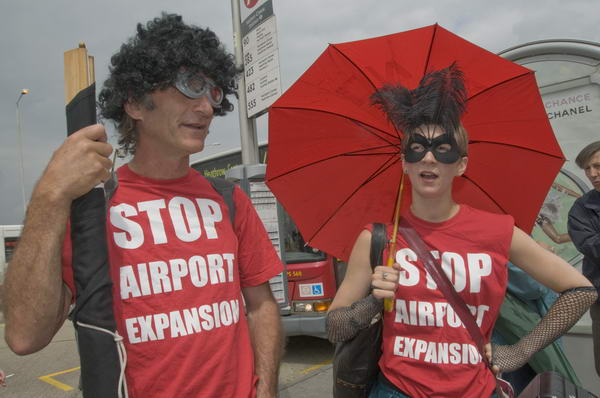
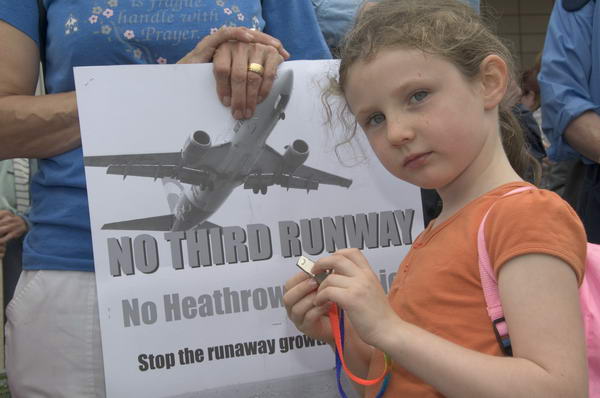
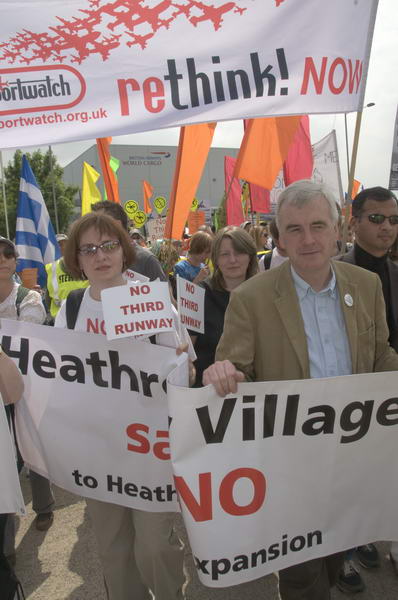
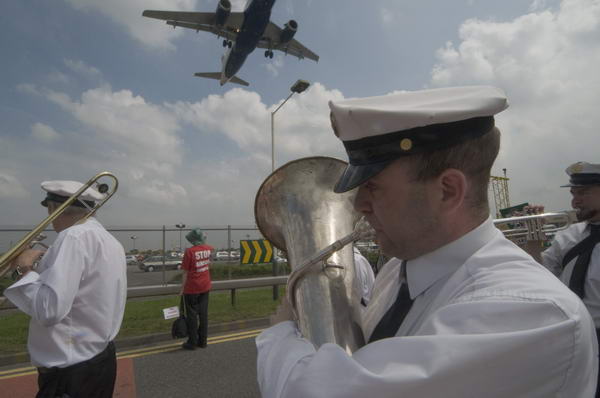
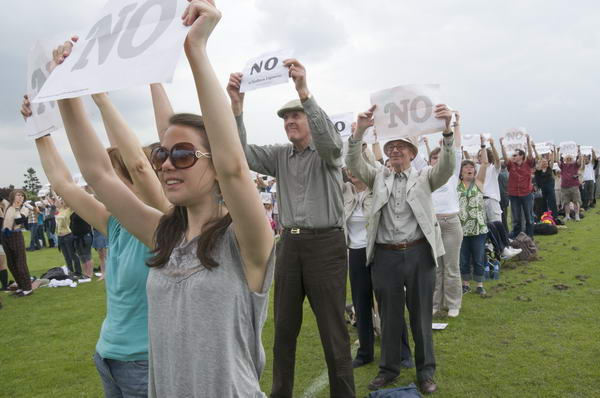
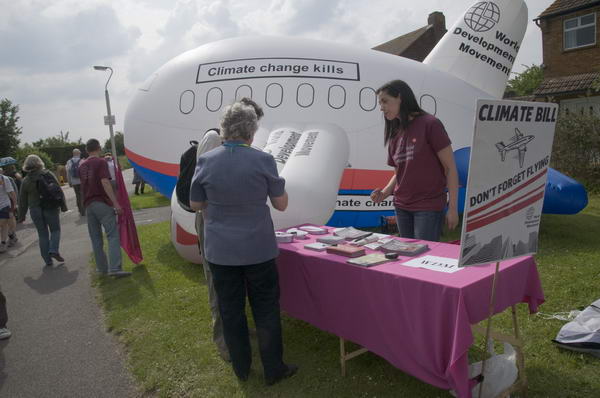
Heathrow – Make a Noise – No Third Runway – 31st May 2008

It really is long past time we saw some real policy changes to back up the governments promise to be leaders in the fight against global heating. We need real action on a number of front, but one obvious area is transport.

There are I think three major announcements that would clearly demonstrate some substance behind the rhetoric, and it would be good to see them all before the start of COP26 in Glasgow.

Firstly there should be a complete re-evaluation of the £27 road building programme for 2020-2025, with the cancellation of most or all new road schemes, with money being diverted into public transport schemes, better infrastructure for electric vehicles and better maintenance of the existing road network, particularly local roads.

Secondly we should see the cancellation of HS2, any economic case for which has disappeared. It’s hard to know why it was ever given the go-ahead, when better alternatives existed. There should be long term savings from stopping it even at this late stage, and it would be good to see more improvements to the existing rail system and in particular local rail and light rail systems.

But perhaps the most important announcement would be to end all thoughts of airport expansion and in particular the plans for another runway at Heathrow. It seems very unlikely to actually go ahead, but it would be good for this to again be ruled out.

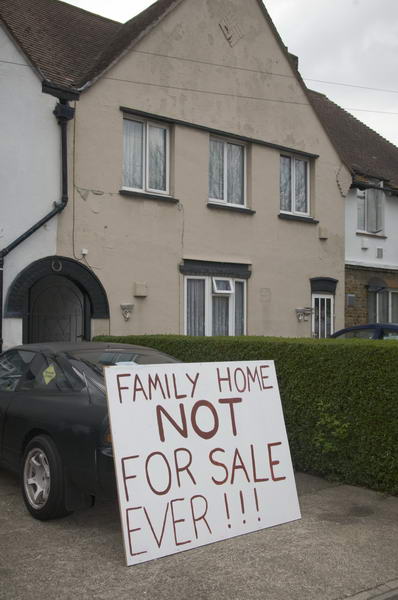
Back on May 31 2008 I was with campaigners marching from Hatton Cross on the edge of Heathrow around the north-eastern edge of the airport to the village of Sipson, a short distance to its north and under threat from demolition for an extra “third” runway. (Heathrow was built with six, but only two are now usable as planes have got larger with higher landing speeds as well as new building on the airport.)

I was one of the campaigners as well as taking photographs, having been a local resident for all but a few years of my life. When I was first aware of Heathrow, DC-3s and other relatively quiet propellor aircraft would amble above my garden perhaps every ten minutes or so and I would see the giant letters under their wings and cross them off in my spotter’s book as they made their way to or from the runway a little under 3 miles away.

By the time I was in secondary school and taking O and A levels, jets had taken over and the noise was ear-splitting and flights more frequent. My school was a mile further way from the airport, but still under a flightpath, and lessons were often interrupted by the noise. A year or two later we moved house as my father was re-marrying and we needed more space, and he chose a street still close to the airport but centrally between the two flypaths, where aircraft noise for us was greatly reduced.

When I moved back to the area in 1974, I chose a house well off the two main flypaths, though still under 4 miles from Heathrow. But when there were strong cross winds, perhaps 20 days a year, aircraft used two of the shorter runways which directed them over our roof – though sometimes it seemed almost as if they were going through the loft and the whole house shook. We had the whole house double-glazed which helped considerably – and the new windows didn’t rattle like the old ones had when the planes flew over.

The protest in May 2008 was a part of a long campaign, one of a number of protests I photographed since 2003 which eventually led to the plans for another runway to be dropped. Among those who opposed to expansion were both Conservative and Liberal Democrat parties (and later it was their coalition government which cancelled it on 12 May 2010) and then Mayor of London Boris Johnson. But Heathrow didn’t give up and after a biased commission report Heathrow expansion became government policy in October 2016. It was the wrong decision then and seems totally crazy now in the light of the climate crisis.

Heathrow – No Third Runway

Climate Change and the Budget

Once again the recent budget has failed to show any real commitment to make the changes we need to combat the climate crisis. The chancellor’s speech and the treasury details were strong on rhetoric, telling use that we need to make radical changes and that cutting carbon was a major government priority, but there were few and only minor changes announced that will combat climate change, while more major announcements that will accelerate it.

Perhaps one of the more disappointing areas were the announcements on infrastructure and on road building. The expected UK national infrastructure strategy was not yet available and is now expected “later in the spring” but it is unlikely to change the commitment made already to wrongheaded project of which HS2 is the most glaring. And the promise of the “largest ever investment in England’s motorways and major A roads” goes completely against the need to get more people using sustainable public transport and will certainly lead to increased road traffic.

Another way the budget encourages car use is of course the continued freezing of fuel duty, which has remained at 58p per litre (+VAT) since 2011. Had the increases promised in the June 2010 budget taken place it would now be at 84p. While fuel duty has been frozen, rail fares have continued to rise.

Although there were minor changes intended to encourage the decarbonisation of heating buildings, any long term plans on the scale needed are still lacking. It is an area which could be addressed in that long promised infrastructure strategy, and one that could be an important source of ‘green jobs’ so fingers are firmly crossed – but I fear we will get yet another disappointment.

There are other disappointments in this budget too. The support for measures to combat the increasing risks of flooding seems lukewarm, and the ambitious programme of tree planting seems to be only roughly a fifth of that in earlier promises, and clearly insufficient. The budget also restates a commitment to invest in carbon capture and storage which still seems very unlikely to deliver any real dividends. It is also very unclear if the £900m for research into nuclear fusion, space and electric vehicles will make any positive contribution to combating climate change.

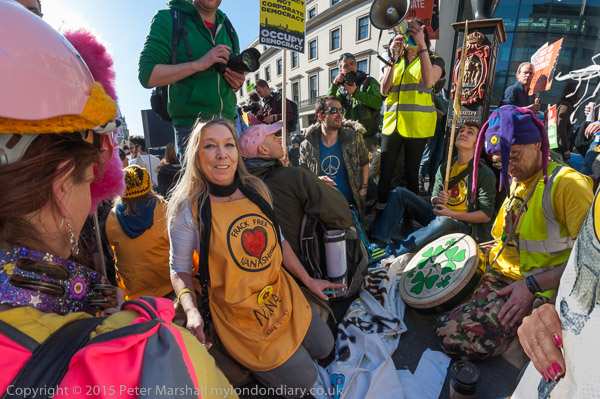
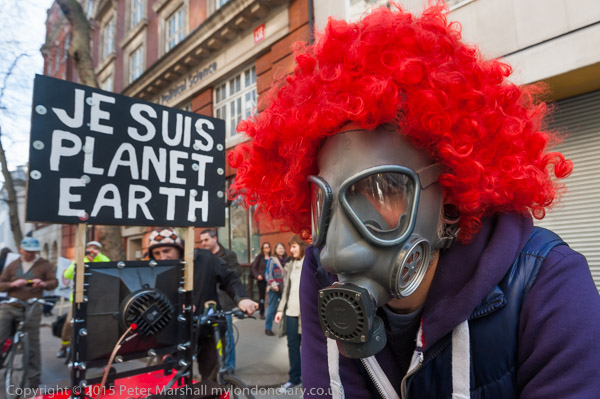
Six years ago, on Saturday 7th March, I was with over 20,000 protesters marching through London to a rally outside Parliament demanding action on climate change with divestment from fossil fuels, an end to fracking and damaging bio-fuel projects and for a 100% renewable energy future which would create a million new jobs.

The case then was clear and the protest made it firmly, but since then governments had spent six years talking about it but doing very little, listening more to the lobbyists from fossil fuel companies rather than the science. Slowly there have been some changes, and more politicians are now saying the right kind of things, but there has been precious little action. It’s probably now too late to avoid some pretty disastrous effects of the inevitable global temperature rise, but we may still be able to mitigate them and avoid the worst possible consequences. But it will need governments to stop fiddling while the planet burns.

More on My London Diary:
Climate Change Rally
Time to Act on Climate Change


All photographs on this and my other sites, unless otherwise stated, are taken by and copyright of Peter Marshall, and are available for reproduction or can be bought as prints.


HS2

Lord Adonis has a lot to answer for, a rival to Failing Grayling who also served as Secretary of State for Transport – from 2016 to 2019. Adonis regards himself as “the architect of HS2” and published the original plan around ten years ago during the then new Labour government. It is down to him that we have the pigs ear which is HS2 rather than a modern railway that would be a great asset to our infrastructure.

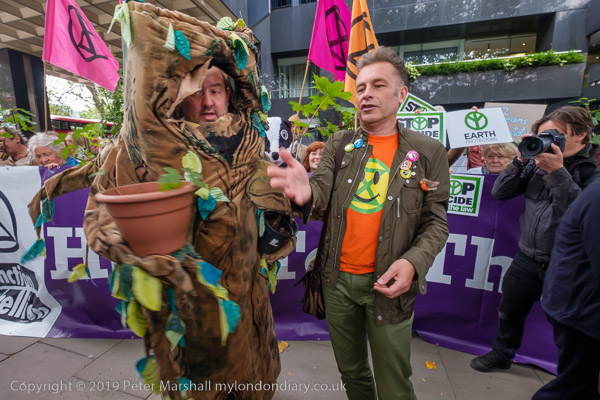
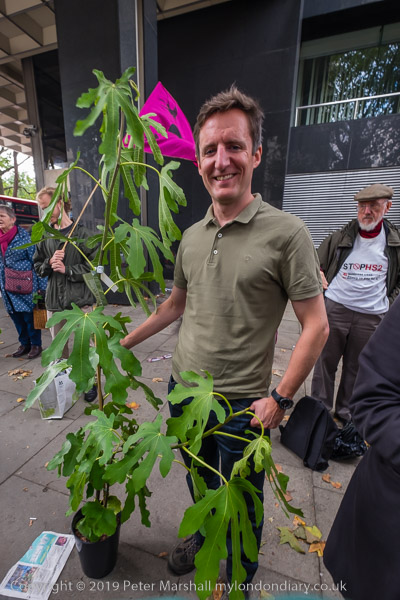
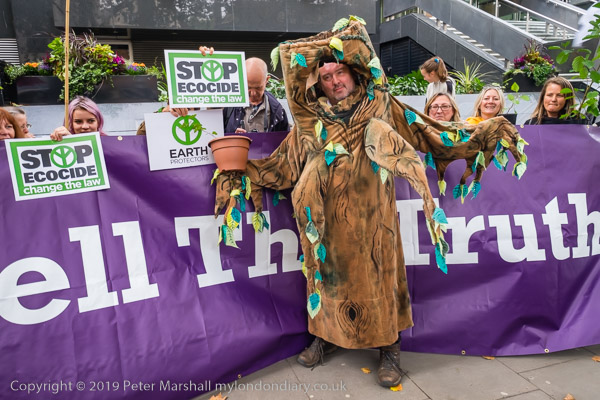
Some protesters came with trees

HS2 as presently planned is crazy. It doesn’t connect with HS1, so we will eventually need to build a new connection there. It doesn’t run into Birmingham New Street, and the time saved by the faster transit into Curzon St will be lost for passengers requiring onward services there. And while the high-speed trains will be able to continue their journeys on existing track further north, they will actually be slower on these than the existing tilting stock.

One campaigner was dressed as a tree

There were alternative routes that would have worked better and certainly been more friendly to the environment, but these were dismissed under Adonis apparently without proper investigation. And it would have been better to have started by sorting out existing northern routes where the need is greater. We already have two working routes to Birmingham from London, from either Euston or Marylebone.

London-Birmingham is really too short a trip for the huge cost of a high-speed 300km/h connection to be worthwhile, they saving in time been too short. Currently the fastest services make the journey in 1 hr 22 mins, and that time could almost certainly be shortened by relatively small changes in to the existing route and signalling. The distance is 161km and the current average speed of the fastest services is only 118 km/h, using trains capable of over 200km/h.

Chris Packham gave me 3 acorns to plant but we have too many trees in our garden already

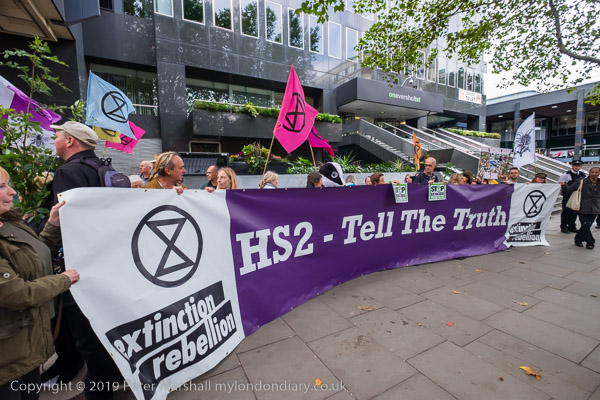
The protest at Euston led by Chris Packham and The Woodland Trust was over the environmental damage being caused by destruction of ancient woodlands on its route, taking place at a time when the whole HS2 project was still in doubt and was precipitated by the imminent destruction of South Cubbington Wood, due to be destroyed on 9th October. This is one of 30 classified ancient woodlands among a total of 108 woods to be wholly or partly lost to HS2. And the felling was put on hold.

Since then, the project has been given the go-ahead by Boris Johnson and is likely to be too far advanced by the time we get a new government to make some sensible changes. But I have a horrible feeling it may just end up as a huge white elephant.

More on the protest: HS2 threatens ancient Woodland


All photographs on this and my other sites, unless otherwise stated, are taken by and copyright of Peter Marshall, and are available for reproduction or can be bought as prints.

There are no adverts on this site and it receives no sponsorship, and I like to keep it that way. But it does take a considerable amount of my time and thought, and if you enjoy reading it, please share on social media.
And small donations via Paypal – perhaps the cost of a beer – would be appreciated.