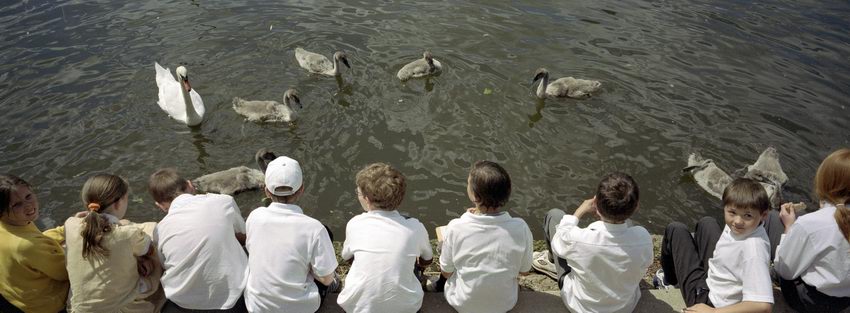
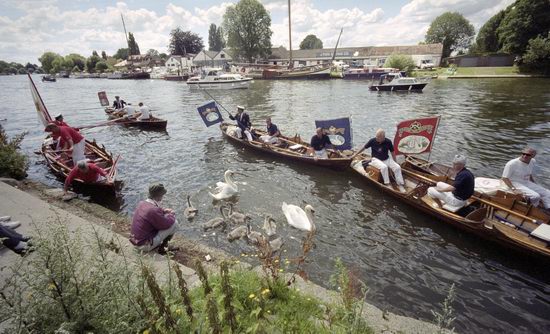
Thames Path – Pangbourne – Cholsey

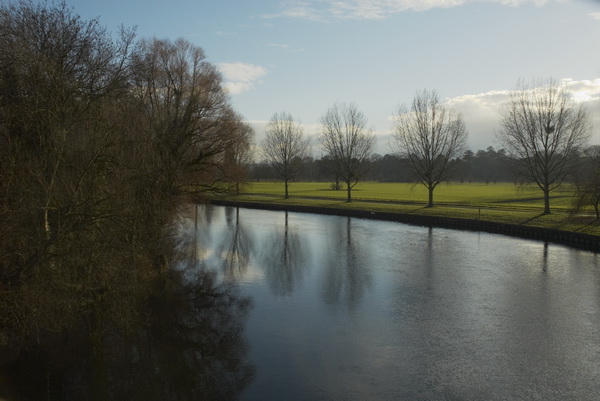
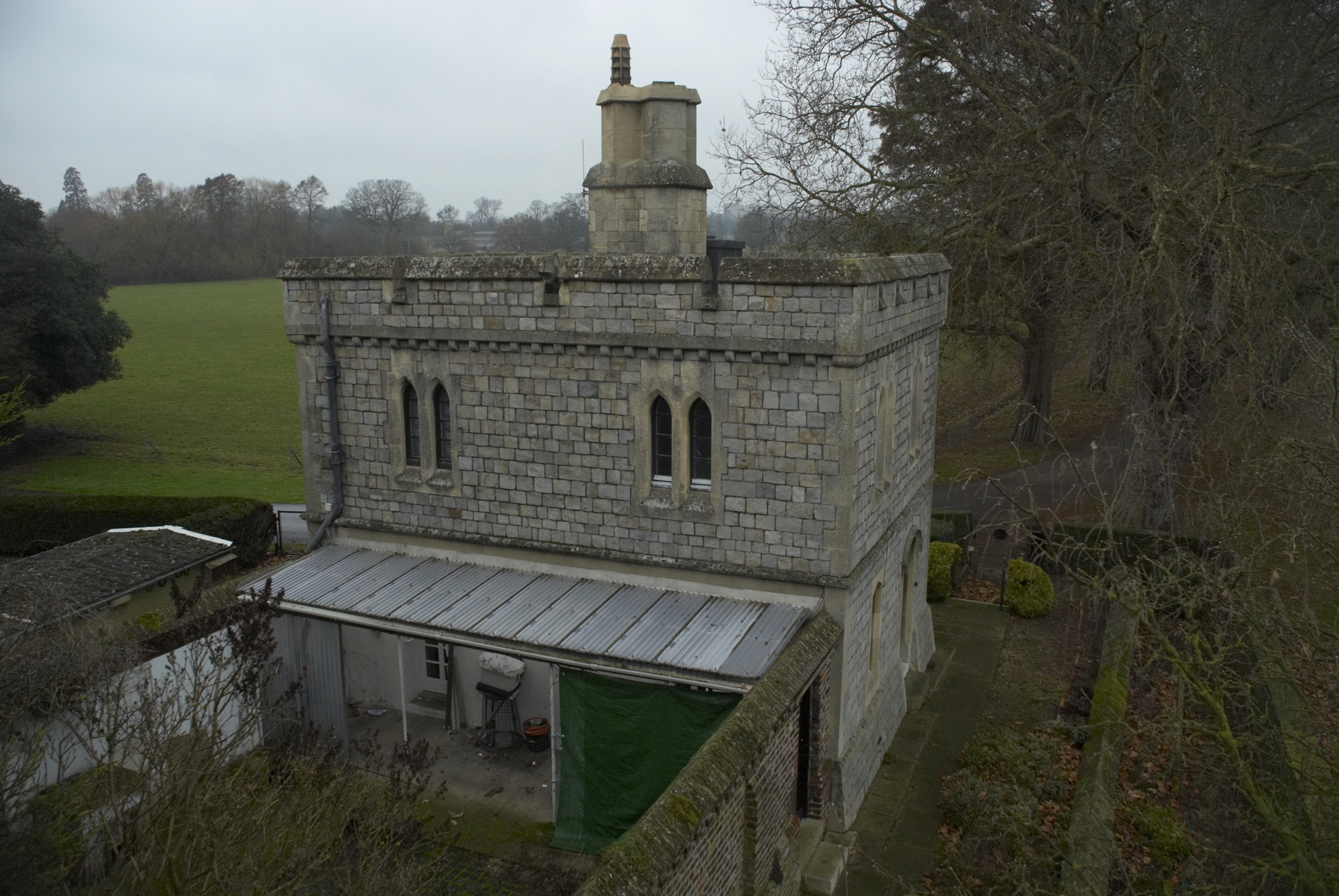
Whitchurch from the bridge from Pangbourne

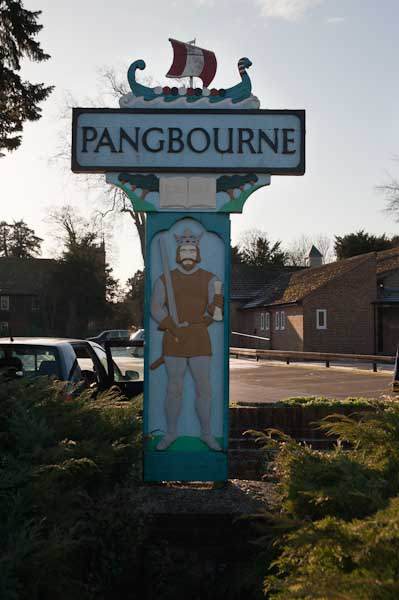
Thames Path – Pangbourne – Cholsey: At the start of 2010 we were still walking sections of the Thames Path. On New Years Day we had walked from Reading to Pangbourne, and on the following day caught the train back to Pangbourne to begin our day’s journey there.

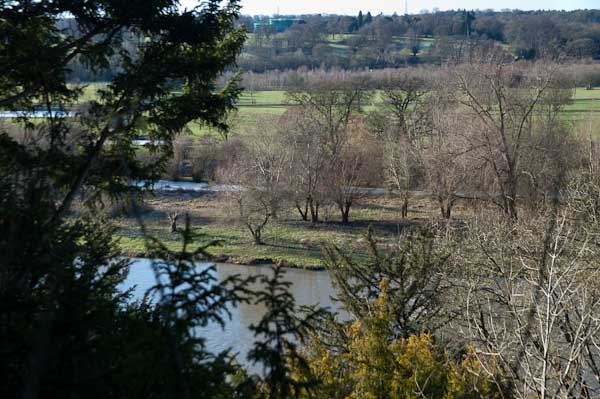
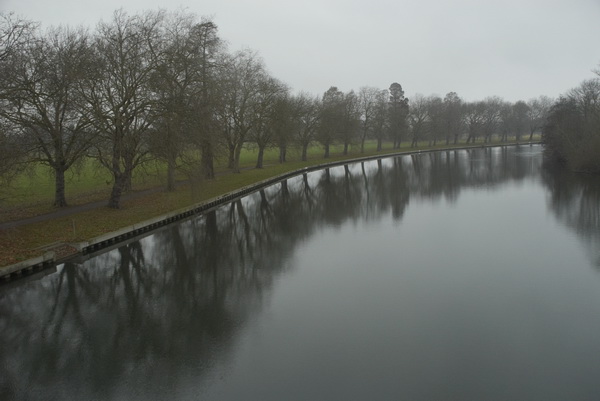
The Thames from the Thames Path along a hillside west of Whitchurch

We were heading to Cholsey, around 8 miles away, an easy distance suitable for a short day with over an hour’s rail travel at each end. Cholsey is a small village and has a railway station a little over a mile from the Thames Path with trains back to Reading from where trains run – if rather slowly – back to Staines.

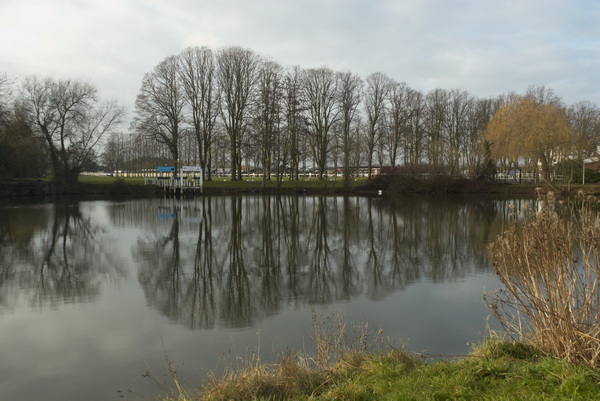
Gatehampton Bridge

Pangbourne is a much larger village, and its station is a short walk from where we joined the Thames Path, and there were a few shops where we could buy some crisps and sweets to supplement the sandwiches in our bags and even a public toilet, so a very useful place to start a walk.

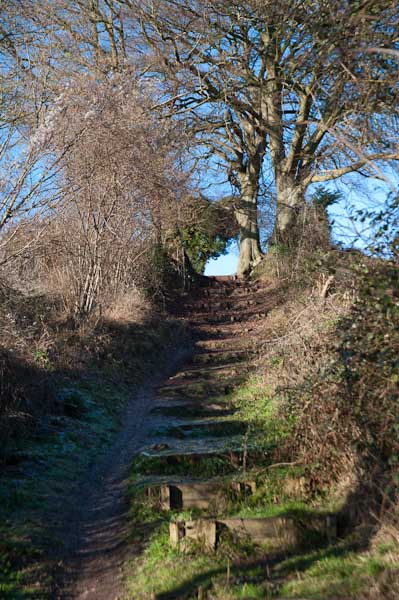
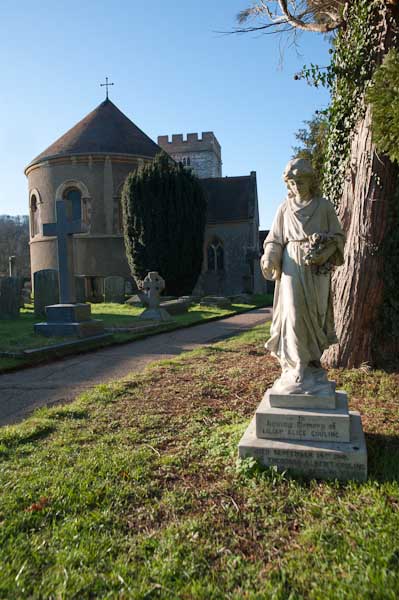
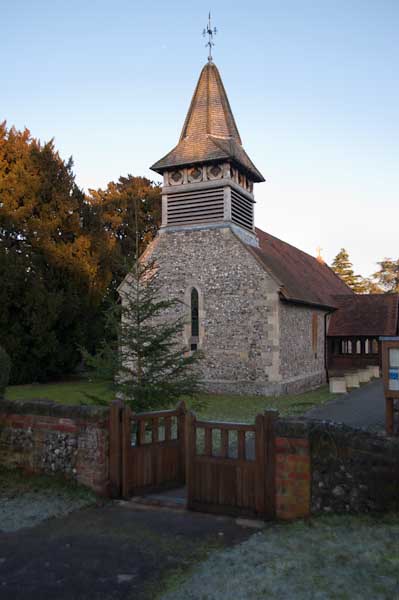
Before our walk really started we spent a little time in Pangbourne, visiting the parish church and photographing the Pang before rejoining the Thames Path at Whitchurch Bridge. Crossing the bridge takes you to Whitchurch, perhaps a prettier village than Pangbourne. Here the path takes quite a long detour away from the river bank and up on a hillside, with some extensive views through trees of the river and country to the south, before going back down to the riverside.
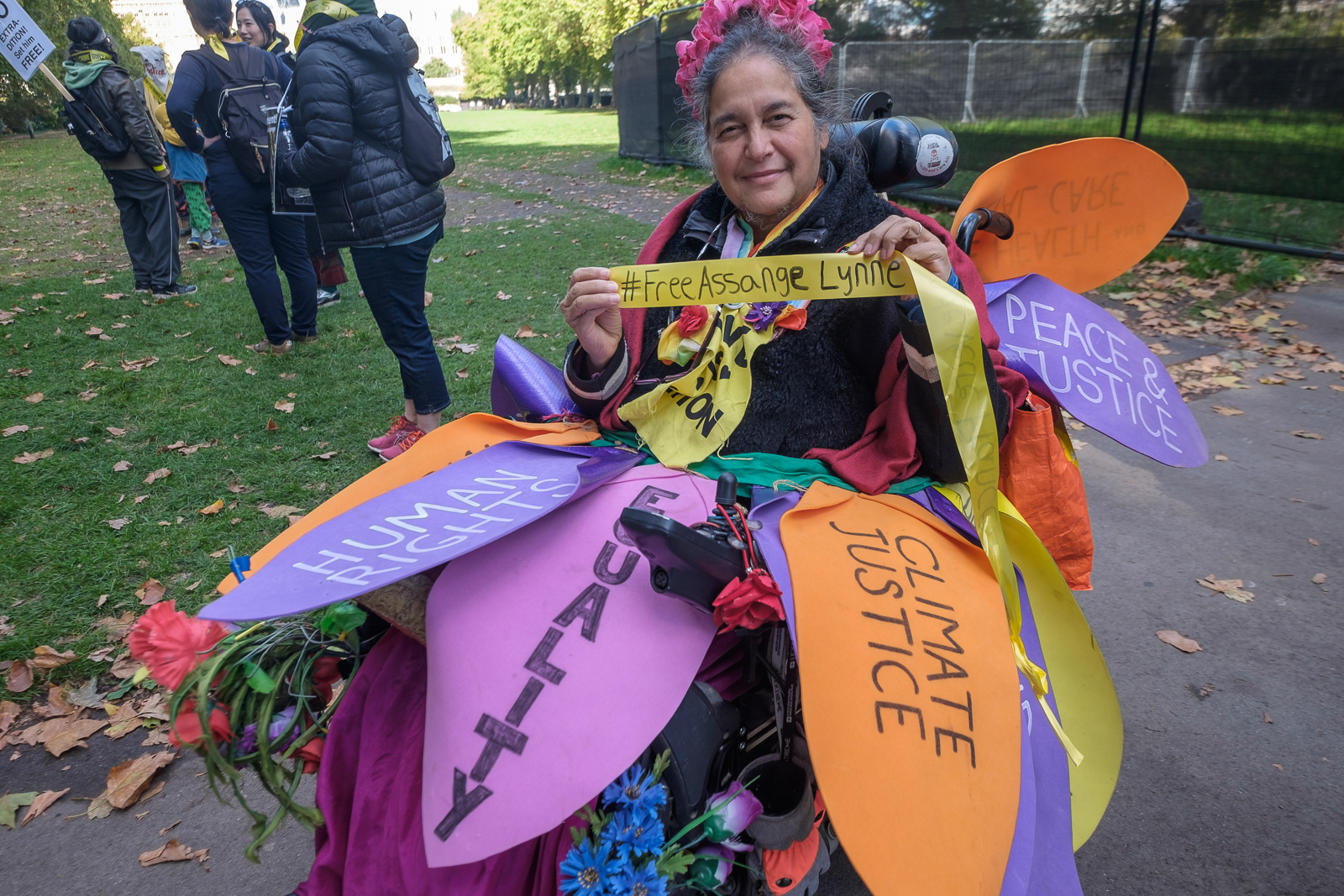
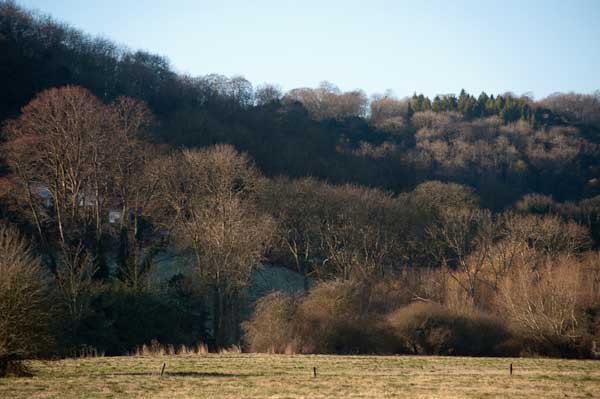
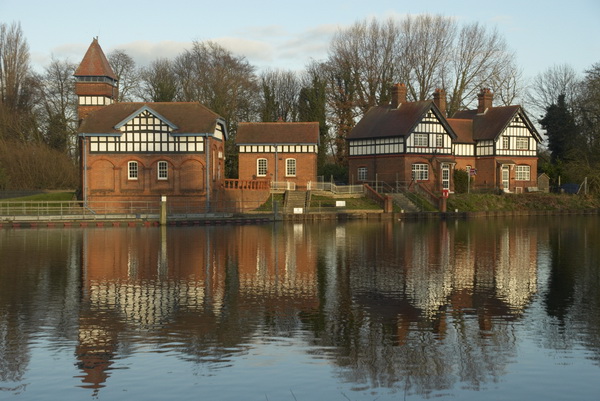
The railway line crosses the path and the river at Gatehampton Bridge, built by Brunel for the GWR main line in 1838 but the path stays on the north bank, passing between the tree-covered slopes of the Goring Gap, where the river cut through to seperate the Chilterns from the Berkshire Downs. Winter sun on the leafless bare branches was magical.

The bridge linking Goring on the north bank with Streatley on the south seems a rather primitive and temporary wooden structure, but has been here since 1923 when it replace the earlier bridge from 1837. Before then there had been both a ferry and a ford, though this was probably more often passable on horseback than on foot. It takes two bridges to reach Streatley from where the Thames Path proceeds westward on the south bank.

Streatley from Goring lock

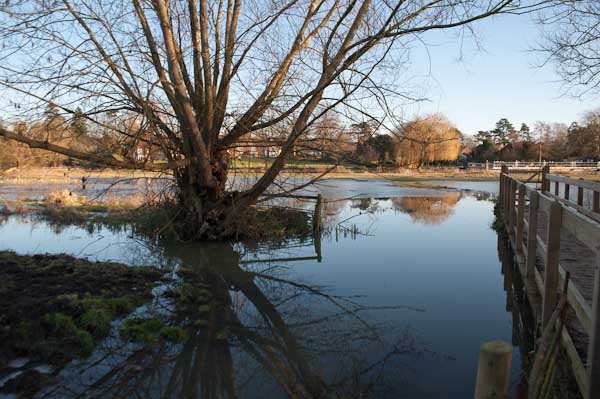
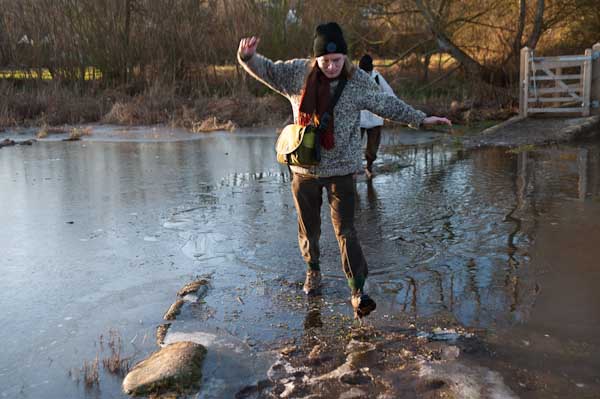
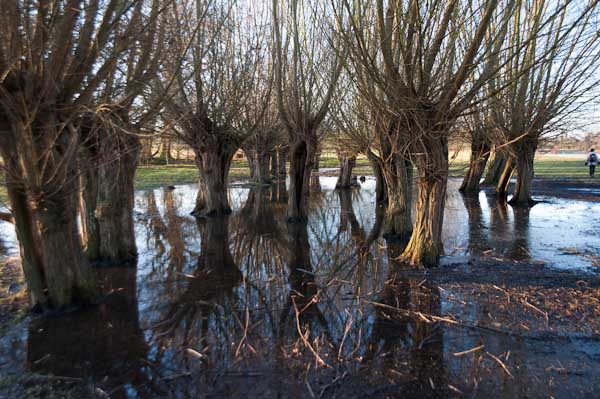
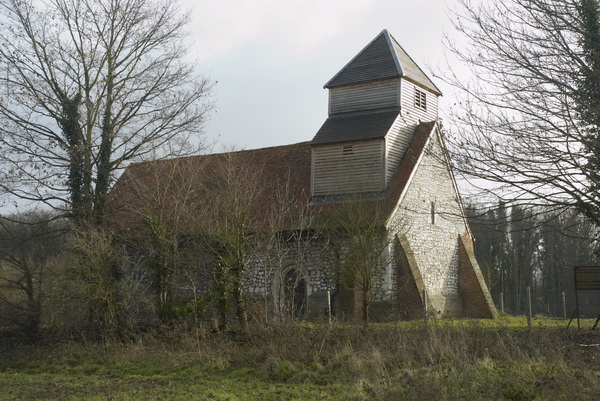
At Streatley, a village until 1938 owned by the Oxfordshire brewers Morrell we visited the church and then set out on a partly underwater path by the river. December 2009 had been one of the wettest months on record and we began to doubt the wisdom of We thought about turning back and abandoning the walk, taking a train from Goring, but after seeing a walker paddle through towards us decided to continue.

Fortunately it was only a few inches deep, but despite our boots I think we all got wet feet. The day was around freezing, but walking kept our feet warm, and many of the smaller puddles along the rest of our route were frozen over, as well as the mud, and it was much easier to walk than had it been warmer.

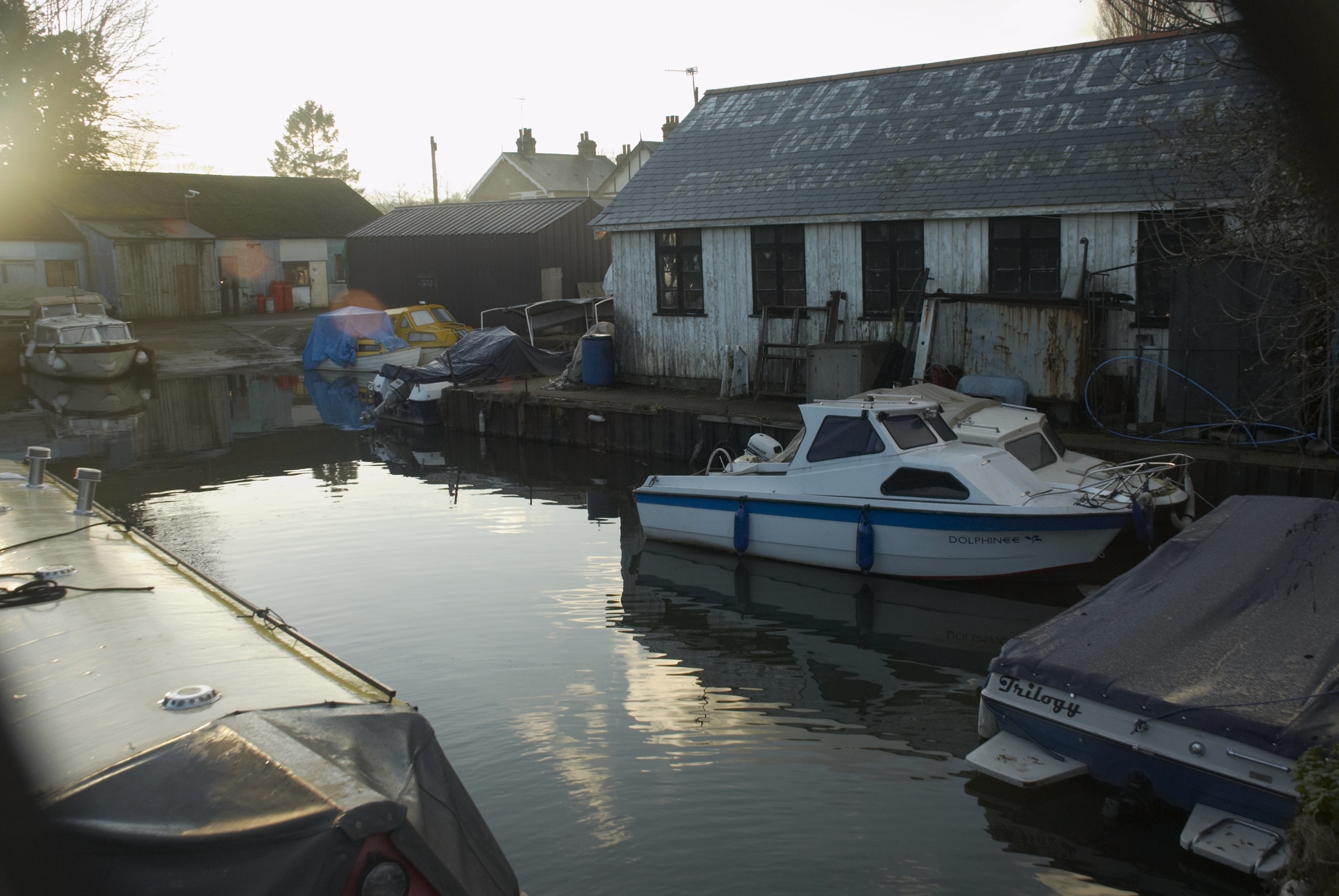
The Beetle and Wedge at Mouslford looked very closed

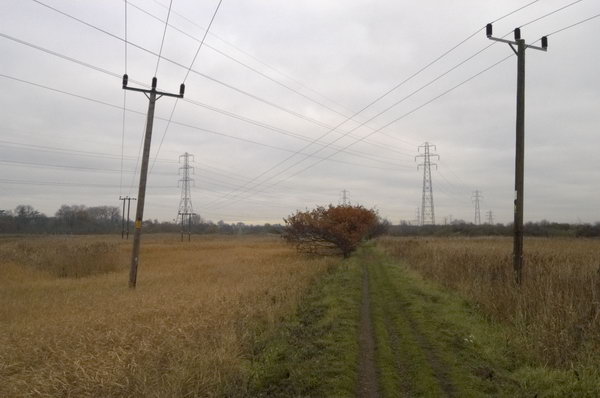
A little further on the tow path moves from the south to the north bank, not a great problem in the past for craft being towed who could pole over to the other side, but more so for walkers, who need to take a path away from the river and along a main road for a mile or so leaving the path were it went down towards the Moulsford railway bridge and continuing to a footpath beside the railway to Cholsey station.

More pictures from this walk at Pangbourne – Cholsey and more from the previous day’s walk at Reading – Pangbourne. You can read my original post at Thames Path.


Thames Path: Maidenhead – Marlow

Thames Path: Maidenhead – Marlow – A New Year’s Eve Walk

Back in 2007 our New Year’s Eve walk was a little more distant than we will attempt this year, though we started from the same place. This year public transport will be rather less available and less reliable than it was 14 years ago, thanks only partly to Covid which this year will put many train and bus drivers into isolation at short notice.

Maidenhead

But we’ve seen an increasing trend over recent years to close various rail lines for engineering works over all of our holiday periods, and travelling anywhere on New Year’s Eve had begun increasingly to resemble Russian Roulette. I can’t understand why the railways now seem to need so many more closures for repairs than they used to; perhaps less work is now carried out overnight.

Ray Mill Island behind Boulters Lock, Maidenhead

We spent a few years walking the Thames Path, from the Estuary beyond its official ending to the source, taking the route in short sections, perhaps ten or twelve miles at a time, with the start and finish determined by where trains and buses could take us until we were some way west of Oxford. It was only for the final three days from Hinton Waldrist to Kemble we had to spend a couple of nights staying at Buscot and Cricklade.

Protected by Laser Security

But to get to Maidenhead we had to take a train to Windsor & Eton Riverside, run from there to Windsor Central to take the train to Slough where we could change for the train to Maidenhead. And after our walk to Marlow we could catch a train back to Maidenhead, another to Slough and then Windsor. At least on the return journey we had time to walk for the connection. It worked in 2007, but the chances of 4 trains running without any cancellations in the early evening of New Years Eve 2021 seem low.

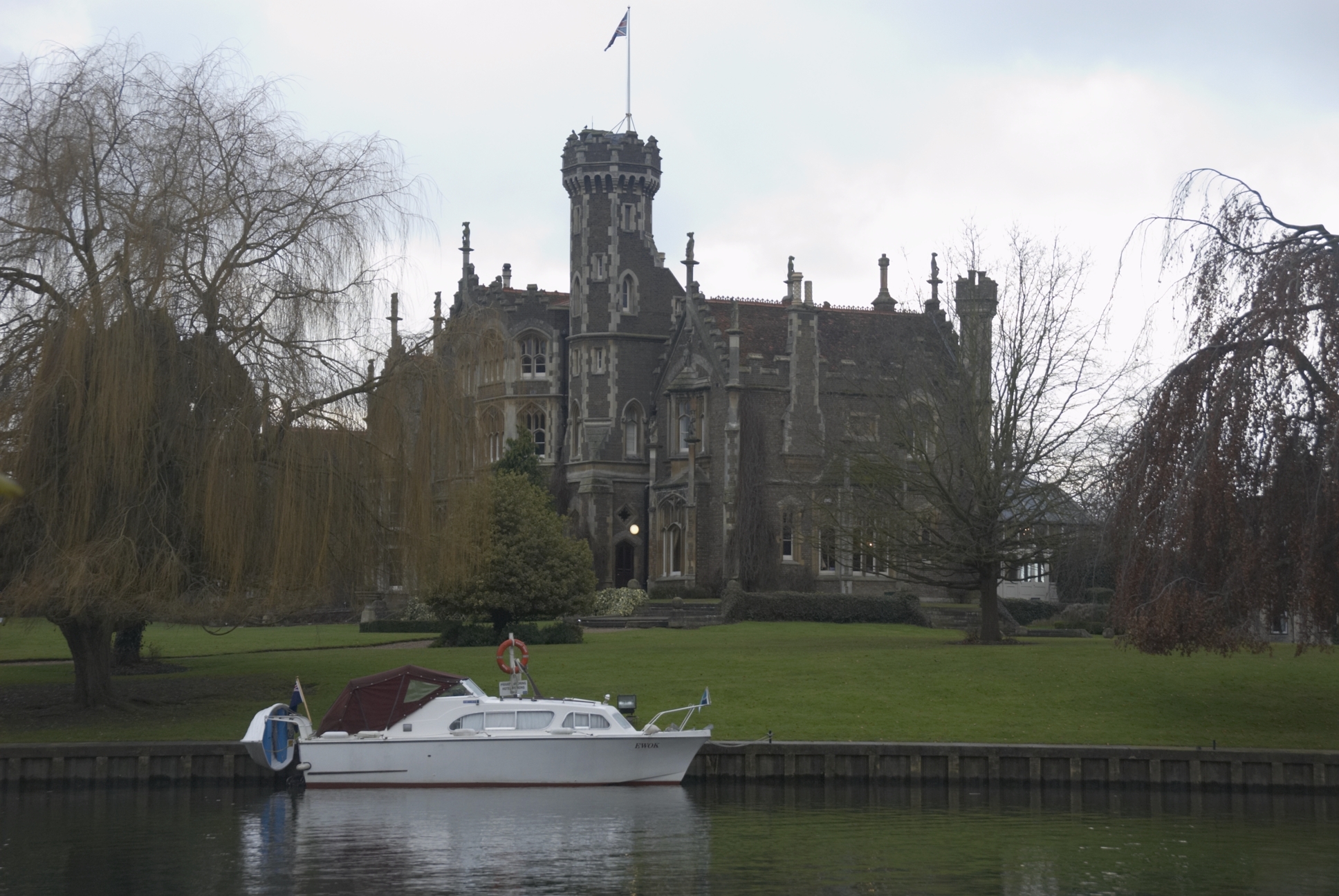
Cliveden woods and River Thames

The section from Maidenhead to Marlow is only around 8 miles, though as usual we made a few detours on the way to explore some of the places it took us through. As the pictures show, the day was a dull one and I left the pictures making that clear rather than try to brighten them up.

Cookham Parish Church

The pictures on My London Diary are generally in the order of the route, and the captions there give some information about the walk. On the introductory page I wrote a very short text, and here it is in full (with the odd typo corrected):

The Thames path between Maidenhead and Marlow is quite picturesque, but full of evidence of how the rich get rich by theft. Anyone attempting to tow their boat will find that large sections of the towpath are now fenced in as private property. For walkers, the lack of access opposite Cliveden is annoying – you can really only see this part of the Thames from the river.

Maidenhead – Marlow
The Stanley Spencer Gallery is in the former chapel at the centre of the old village of Cookham

Parts of the route were familiar to me from earlier walks, and I’d recommend doing this walk on a day of the year when the Stanley Spencer Gallery in Cookham is open – and there are also several pubs worthy of some attention where I wasn’t allowed this time to linger.

I think these paired triangles which are navigational transit markers, placed in pairs a set distance apart for craft to time how long they take between them and thus calculate their speed.

On Marlow Bridge I photographed the seals which state SIGIL DE DESBRO and back in 2007 I invited people to e-mail me to explain these. Sigil is simply an archaic word for a seal or pictorial symbol, from the Latin ‘sigillum’. De for ‘of’ comes from the Norman invasion and Desbro is a shortened form of Desborough, one of the three Chiltern Hundreds which dates back to pre-Norman times, though then made up of a number of smaller hundreds.

But by the time the bridge was built the hundreds were largely or entirely historical, and the Chiltern Hundreds last had a real steward in the sixteenth century. In 1624 it was made illegal for Members of Parliament to retire from office, and still are appointed as either ‘Crown Steward and Bailiff of the Chiltern Hundreds’ or of the Manor of Northstead as a legal fiction enabling them to do so.

Marlow Bridge and Church

The name Desborough came back into use in 1905 when William Henry Grenfell who had been an MP for 25 years and made is home in Taplow was sent to the House of Lords as the 1st Baron Desborough. For 35 years he was President of the Thames Conservancy Board and was responsible for the Desborough Cut, a navigational shortcut on the Thames between Walton and Weybridge which, together with the island it created were named after him.

Looking back towards Bourne End

Given there is little or no commercial traffic on the Thames the creation of the cut now seems rather pointless. Although it saves around 1.2 km on the route, the longer passage is far more interesting. But it was perhaps more a scheme to create jobs for men in the depression than anything else.

More at Maidenhead – Marlow.

After Christmas – Brentford to Hammersmith

After Christmas – Brentford to Hammersmith was one of our more interesting walks in London to walk off our Christmas excesses in recent years. For once I’m not sticking religiously to my usual practice and this was three years AND one day ago, and the four of us set out on 27th December 2018.

Often in recent years we’ve gone away in the period after Christmas to visit one of our sons and his family in Derbyshire, with some great walks in the areas around where they have lived, and there are pictures from these on My London Diary, but in 2018 my other son and his wife were staying with us and came for this walk.

Public transport in the period between Christmas and New Year is at best restricted and rather unreliable, and 2018 was no exception and this always limits our starting point. Even for this relatively local walk what would have been just a short direct train meant taking the train to Twickenham and then catching a local bus to Brentford. And on our return trip again a bus took us back to Twickenham for the train home. It meant less time for walking and we had to abandon the idea of actually going inside Chiswick House in order to complete the relatively short walk of 5-6 miles before it got dark.

Brentford, and particularly the Grand Union Canal where we began our walk is now very different from how I remember it – and indeed since I first went back to photograph it in the 1970s. Commercial traffic on the Grand Union came more or less to an end in the early 1970s. What was once canal docks and wharves by the lock where boats were gauged and tolls charged the sheds have been replaced by rather uglier flats and a small marina.

Walking by the canal towards its junction with the River Thames there are areas which still look much as they did years ago, and some rather more derelict than they were then. This is a side of Brentford invisible from the High Street but with much of interest. Probably in the next few years this too will disappear as gentrification advances.

Shortly before the lock leading to the Thames, the River Brent which is here combined with the canal runs over a weir to make its own way to the main river. There are still working boatyards in the area around here, though a little downstream more new flats and a part of the Thames Path here was closed and a short diversion was necessary.

We continued along past new riverside flats and a new private footbridge to the recently revivied boatyard on Lot’s Ait to an area of open space which was a part of the old gas works site, then along the riverside path past more new flats to Kew Bridge and Strand on the Green. Here it was warm enough to sit in the sun and eat our sandwiches before leaving the river to walk to Chiswick House Gardens.

I’d planned to get here for lunch, perhaps spending an hour or so going around the house and then perhaps a drink in the cafe, but there was no time thanks to the rail problems, so we briefly visited the toilets before heading on to St Nicholas’s Church and Chiswick riverside.

From there it was a straight walk by the river to Hammersmith Bridge, arriving around sunset with some fine views along the river – and then the short walk to the bus station for the bus back to Twickenham and the train home. The two bus journeys made our travel take much longer, but you do get some interesting views from the top deck of a double-decker and the journey was intereresting at least until it got too dark to see much.

More on the walk and many more pictures at Brentford to Hammersmith.


Boxing Day Pictures

Boxing Day Pictures I took in earlier years – mainly on our normal annual walks from Staines to Old Windsor. It’s a family tradition, a walk we’ve made most yearssince we moved here in 1974, though not always taking the same route. This year is one of the few years we won’t be making it.

2010

2011

2012

2013

2014

2015

2016

2017

2018

2019

2020

There are more pictures from all of these walks – except that in 2020 – on My London Diary. Click on the picture for any of the other years to go to more about the walks and more pictures.


Ten Years Ago – 3 Dec 2021

City Xmas Celebrations

I thought I’d see how the City of London was celebrating Christmas and took a few pictures of a real life Music Box in front of the Royal Exchange before going inside and being told I couldn’t take photographs. And although I’d been told there were free drinks I think they were only available for the kind of people who looked as if they would spend vast amounts on the luxury items being sold inside. I went out and walked towards St Paul’s Cathedral, pausing briefly to photograph a band and Santa who had come with a couple of reindeer who seemed rather small to me for his lengthy journey.

City Xmas Celebrations


Occupy LSX Climate Justice Workshops

On the steps of St Paul’s Cathedral was a plain coffin with the message ‘25,700 EXCESS WINTER DEATHS’, a rather lower figure than that I photographed at last week’s Fuel Poverty Action protest – last winter the number was 63,000. Of course this can’t all be put down to 10 years of Tory austerity, and Covid will have played a part, though of course flu deaths were down.

Workshops are not generally the most exciting things to photograph, and I only took a few pictures. I left Occupy LSX shortly after they began a ‘Climate Walk of Shame’ around the offices of various climate change villians (‘unsavoury sites of climate criminality’) which began rather later than advertised to make my way to the Climate March (where they were also heading.)

Occupy LSX Climate Justice Workshops


Stand Up For Climate Justice

Ten years ago we had a chance to begin to disastrous climate change, but world leaders failed to lead. The protest was organised by the Campaign Against Climate Change and around a thousand people marched through London calling for Climate Justice, highlighting the fact the 7% of the world’s population cause 50% of the worlds emissions as the Durban climate talks take place. This was COP17 but by the time of COP26 in Glasgow little had changed.

Here’s a few paragraphs from the post I wrote then on My London Dairy:

The 17th UN climate change conference taking place in Durban is widely expected to lead to a breakdown in efforts to combat global climate change, as the US continues to block serious attempts to combat climate change. The continued refusal of the US to accept mandatory limits on carbon emissions seems likely to prevent any progress on global reductions in emissions, and seems certain to lead to catastrophic increases in global temperature. To put it bluntly, our planet is going to fry.

Currently predicted global temperature rises by the end of the century would lead to an environmental crisis that would be expected to lead to huge areas of the world becoming uninhabitable, and billions dying through flood, famine and and other catastrophes. Those who will die will largely be the poor who currently are responsible for only a small proportion of the emissions, while the rich and highly polluting are those who will survive.

There is no longer any serious scientific debate about the reality of climate change, just about the the exact magnitude of the effects and the timescales involved. But all informed opinion agrees that urgent action is needed. We need to make drastic cuts in carbon emissions. The most industrialised countries who have contributed most to the increase in CO2 levels over the past centuries have a particular moral obligation to make drastic cuts.

Deja-vu all over again! Though perhaps now I might have added something about Australia, China and India also heads firmly in the sand, and also about species extinction – including possibly ours.

Stand Up For Climate Justice


Congolese Election Protests Continue

Congolese continued their protests in London against the election fraud, rapes and massacres and called on the British government to withdraw its support from the immoral regime of President Kabila responsible for the atrocities and voted out by the people.

Congolese Protest Against Kabila Vote-Rigging


London Wandering

As often while walking about London between the various events I photographed I took a few pictures, including some in the city centre, and others as I made my way to and from an evening event in North Acton where a photographer friend was appearing. I’ve always meant to take more photographs of London at night, but have never got around to more than the occasional picture like the one above.

And while I’ve taken many thousands of pictures along the River Thames from its source to the estuary, it’s always good to find something just a little different as in this study of bridges.

London Wandering


City Road & London Bridge

My last walk in May 1988 ended around the City Road which I walked down to catch the ‘drain’ back to Waterloo. In 1988 Bank Station on the Waterloo and City line still was a part of British Rail, and was one of the ‘London Termini’ for which my ticket from the suburbs was valid. Until it was transferred to London Underground in 1994 it provided a cheap route for me into to centre of the City.

Wesley statue, Wesley's Chapel, City Rd, Islington, 1988 88-6a-64-positive_2400
Wesley statue, Wesley’s Chapel, City Rd, Islington, 1988 88-6a-64

Wesley’s Chapel and Leysian Mission at 49 City Road calls itself the Mother Church of World Methodism. Wesley employed the surveyor of the City of London, George Dance the Younger as his architect and the builder was a member of his congregation; the church is Grade I listed despite considerable alterations in the Victorian era and later. When built it was Church of England Church, as Methodism only became a separate church after his death.

The best bit about the Grade II listed statue of Wesley, created in 1891 by Adams Acton is probably the plinth and the wording below the statue ‘THE WORLD IS MY PARISH’. I particularly liked the shadow of the lantern above the entrance on the door below.

Honourable Artillery Company, City Rd, Islington, 1988 88-6a-65
Finsbury Barracks, Honourable Artillery Company, City Rd, Islington, 1988 88-6a-65

This Grade II listed ‘castle’ on City Road was designed by Joseph A Jennings in 1857 as a barracks for the Royal London Militia. It later became the home for City of London Territorial Army and Volunteer Reserve, and since 1961 has been part of the Honourable Artillery Company estate.

When I was very young I had a very secondhand and battered toy fort for my toy soldiers, and either it was based on this building or this building had been based on it.

Lakeside Terrace,  Barbican, City, 1988 88-6a-56-positive_2400
Lakeside Terrace, Barbican, City, 1988 88-6a-56

I think there had just been a shower of rain – and perhaps I had walked into the Barbican to shelter from it and perhaps view the exhibitions in its free spaces. Though I did go also to the major photographic shows that were held there, often taking students to see them. But this walk was in the Whitsun half-term.

But the terrace is clearly wet and there are no people sitting on the many chairs, although a few perch on the low brick walls. At right is the City of London School for Girls.

London Bridge, Southwark, 1988 88-6a-36-positive_2400
London Bridge, Southwark, 1988 88-6a-36

My rail ticket could also take me to London Bridge, and my first walk in June on Saturday 8th began there. I went to London Bridge but didn’t cross it, instead staying on the south bank, and taking this slightly curious picture in which the River Thames appears only as a thin rectangle underneath the white rectangle of Adelaide House. When completed in 1925 this now Grade II listed building was the City’s tallest office block, 43 metres – 141 ft – high.

London Bridge, Southwark, 1988 88-6a-33-positive_2400
London Bridge, Southwark, 1988 88-6a-33

Looking up into the office block at 1 London Bridge Street it’s hard to distinguish reflection from reality as I’m sure architects John S. Bonnington Partnership intended. Completed two years earlier in 1986 it was still a rather startling building.

London Bridge, Southwark, 1988 88-6a-24-positive_2400
London Bridge, Southwark, 1988 88-6a-24

The steps to the riverside walkway go through the corner of 1 London Bridge and over them are some buildings from the Victorian era on the opposite side of Borough High St and the pinnacles of Southwark Cathedral. I seem to have chosen another rainy day for a walk.

Tooley St, Abbots Lane, Southwark, 1988 88-6b-61-positive_2400
Tooley St, Abbots Lane, Southwark, 1988 88-6b-61

I walked east not on the riverside walk, but along Tooley St and photographed this building on the corner of Abbots Lane, a street that has now more or less disappeared and is simply a vehicle entrance to PricewaterhouseCoopers buildin in More London. This former Fire Brigade Headquarters built in 1879, architect George Vulliamy, was for many years the model for other fire stations and the headquarters of the Metropolitan Fire Brigade and its training centre for firefighters. It now houses the Brigade Bar and Kitchen, opened in September 2011 by Chef Founder Simon Boyle, a social enterprise which together with the Beyond Food Foundation gives apprenticeships to people who have been at risk of or have experienced homelessness.

It had been the great fire of Tooley Street in 1861 that led to the formation of the Metropolitan Fire Brigade in 1862, the greatest fire in London since 1666. Many of the riverside warehouses went up in flames over two days and the man in charge of the firefighters, Mr James Braidwood, was killed when a building collapsed. There have been many fires in Tooley St since, and in 1971 Wilson’s Wharf was the site of the ‘Second Great Fire of Tooley St’, with 50 pumps fighting the fire that started in an unoccupied refrigerated warehouse. The area destroyed is now the site of Southwark Crown Court.

Tumonte House, Tooley Hotel, Tooley St, Southwark, 1988 88-6b-62-positive_2400
Tumonté House, Tooley Hotel, Tooley St, Southwark, 1988 88-6b-62

These were fairly typical of the tall warehouse buildings that line much of Tooley Street. I’m unable to identify the exact locations of these buildings which don’t quite seem to match any of those left standing. The negative has been badly damaged at bottom right and since it only affects the roadway and a car I’ve not bothered to try to repair it.

Anchor Brewhouse, Butlers Wharf, Tower Bridge, Southwark, 1988 88-6b-63-positive_2400
Anchor Brewhouse, Butlers Wharf, Tower Bridge, Southwark, 1988 88-6b-63

The picture shows the large amount of building work that was taking place along this section of the bank by Higgs and Hill and McAlpine. It seems too that barges were being used to take away some of the rubble.
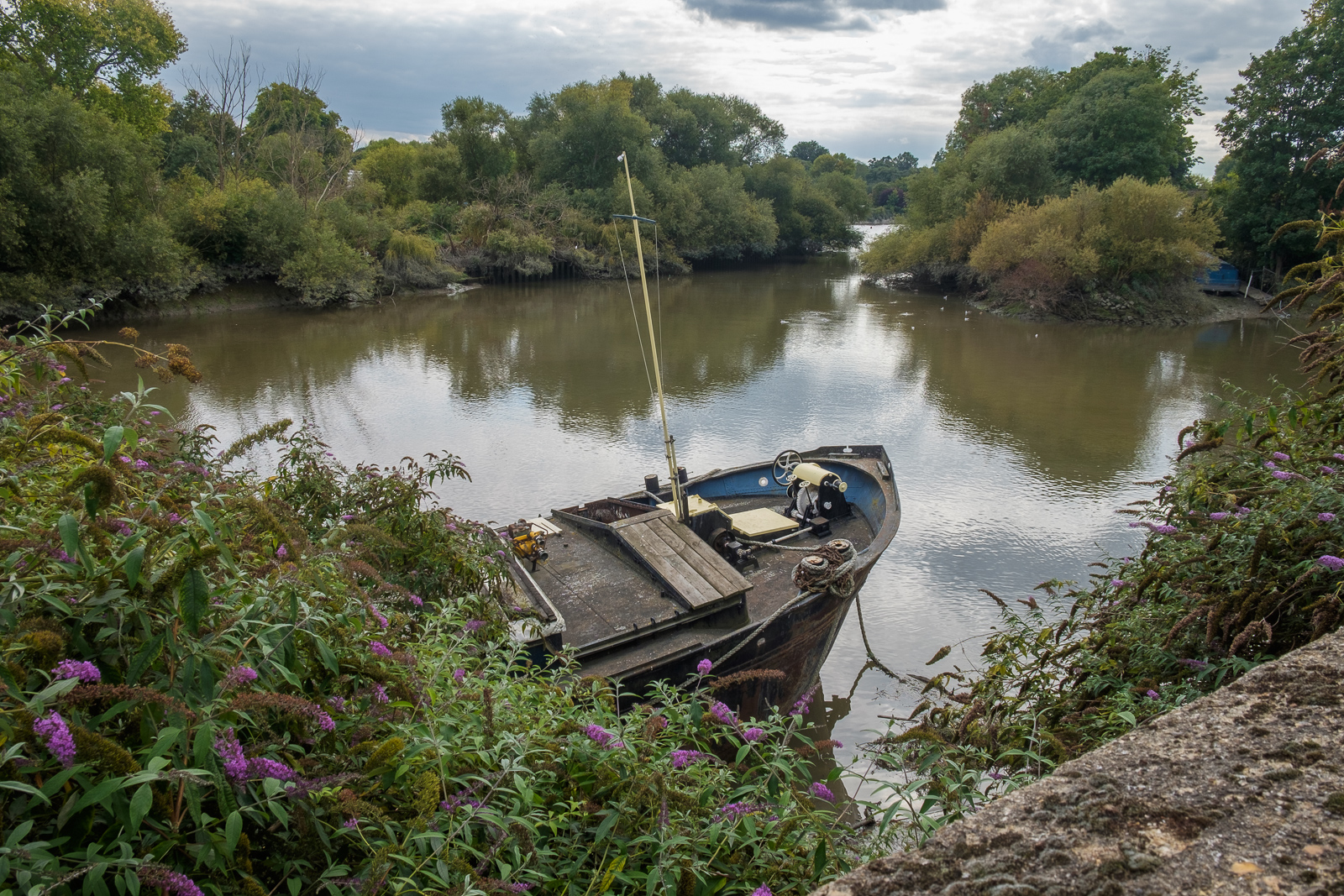
Tower Bridge, Control Room, Tower Hamlets, Southwark, 1988 88-6b-64-positive_2400
Tower Bridge, Control Room, Tower Hamlets, Southwark, 1988 88-6b-64

I have never understood why quite so many levers were needed to raise two sections of roadway to open the bridge for river traffic. There seem to be two handles to turn around at the end furtherst from my camera and a superfluity of dials at top left.
I think I crossed Tower Bridge and made my way to Tower Gateway for the DLR. The station had opened the previous August and my walk continued from Crossharbour on the Isle of Dogs – in another post. Before the opening of the Jubilee Line this was probably the quickest route there.


Around Lots Road

For various reasons the pictures in my albums online are not always in the order that they are taken, but it often makes more sense to write about them in the same order as I walked around taking them – which I can normally see from the contact sheets I made at the time. Usually too these contact sheets identify at least the rough locations of the images, though I often have to resort to maps and sometimes Google Streetview to find the precise spot. Chelsea hasn’t changed radically since I took these pictures but in some other areas this can be impossible. How I wish we had GPS on cameras back in 1986 – and I’m surprised so few cameras incorporate it now.

Westfield Park, Tetcott Rd, Lots Rd Power Station, Chelsea, Kensington & Chelsea, 1988 88-5j-16-positive_2400
Westfield Park, Tetcott Rd, Lots Rd Power Station, Chelsea, Kensington & Chelsea, 1988 88-5j-16

Most people know Lots Road because of the power station of the same name which was built to power the District Railway (now the District Line.) Completed in 1905, it enabled the line, most of which in central London is underground, to convert from steam to electric traction, which must have made it very much more pleasant to use.

Lots Rd, Chelsea,  Kensington & Chelsea, 1988  88-5k-62-positive_2400
Lots Rd, Chelsea, Kensington & Chelsea, 1988 88-5k-62

The power station, which has Chelsea Creek on one side and Lots Road on the other finally closed in 2002 and the area on both sides of the creek was developed as Chelsea Waterfront. The development only began in 2013, delayed both by having to get planning permission from both Kensington & Chelsea and Hammersmith and Fulham and then by the financial crash and was finally due to be completed in 2021. The power station should by now be “193 highest quality luxury loft-style apartments together with high-class restaurants, bar, cafes, boutique shops and a health & fitness club.”

Lots Rd, Chelsea,  Kensington & Chelsea, 1988 88-5k-63-positive_2400
Lots Rd, Chelsea, Kensington & Chelsea, 1988 88-5k-63

As the pictures show, I wandered a little around the area before returning east along Cremorne Road and Cheyne Walk to Battersea Bridge where I took a bus back to Clapham Junction.

Tadema Rd, Chelsea,  Kensington & Chelsea, 1988  88-5k-64-positive_2400
Tadema Rd, Chelsea, Kensington & Chelsea, 1988 88-5k-64

Tadema Road runs north from Lots Road and I doubt if I walked far up it. It’s hard now to see where this Cafe could have been.

Cremorne Rd, Chelsea,  Kensington & Chelsea, 1988 88-5k-66-positive_2400
Cremorne Rd, Chelsea, Kensington & Chelsea, 1988 88-5k-66

I had wandered perhaps up Tadema Road to Cremorne Road some way west from its junction with Lots Road to get to Cornwall Mansions at left of this picture, which is looking east past the junction with Edith Grove with a small part of the World’s End Estate towering in the right half of the picture.

Ornamental gate, Cremorne Gardens, Chelsea,  Kensington & Chelsea, 1988 88-5k-52-positive_2400
Ornamental gate, Cremorne Gardens, Chelsea, Kensington & Chelsea, 1988 88-5k-52

I walked back east on Cremorne Road to the junction with Lots Road and back down on to the riverside Cremorne Gardens. A house was built here around 1750 and later became home to the 1st Viscount Cremorne, an Irish peer from County Monaghan who gave it his name – which came from the Irish for ‘Mountains of Morne’. Charles Random De Berenger, Baron De Beaufain, (actually a fraud called Charles Random) bought the house and grounds here in 1831, turning into a sports club and adding some popular attractions including balloon ascents. The business failed in 1843 and was reopened in 1845 by James Ellis as the Cremorne Pleasure Gardens, with entertainment including concerts, fireworks, balloon ascents and galas. It closed in 1875, losing its licence with accusations that it was a “nursery of every kind of vice”. Much of the gardens were then built over then and later in the 20th century by the 1960s Cremorne Estate. A small riverside garden was re-established and opened in 1981, and the gate which had originally been at the King’s Road end of the Cremorne gardens was re-erected here, having spent the interim at Watney’s Brewery.

Chelsea Wharf, River Thames, Chelsea,  Kensington & Chelsea, 1988 88-5k-53-positive_2400
Chelsea Wharf, River Thames, Chelsea, Kensington & Chelsea, 1988 88-5k-53

I think this view was taken looking upriver from one of the two landing stages at Cremorne Gardens.

Houseboats, River Thames, Chelsea Embankment, Chelsea, Kensington & Chelsea, 1988  88-5k-55-positive_2400
Houseboats, River Thames, Chelsea Embankment, Chelsea, Kensington & Chelsea, 1988 88-5k-55

I think this view is from Old Ferry Wharf, which is actually on Cheyne Walk. The bridge is Battersea Bridge.

Houseboats, River Thames, Chelsea Embankment, Chelsea, Kensington & Chelsea, 1988  88-5k-42-positive_2400
Houseboats, River Thames, Chelsea Embankment, Chelsea, Kensington & Chelsea, 1988 88-5k-42-positive_2400

Another view from a little further east.

Cheyne Walk, Chelsea,  Kensington & Chelsea, 1988 88-5k-56-positive_2400
Cheyne Walk, Chelsea, Kensington & Chelsea, 1988 88-5k-56-positive_2400

These houses at left are on the corner with Blantyre St. The blue plaque at No 120 marks where Sylvia Pankhurst (1882-160) lived as an impoverished art student from 1906-09.

Whistler's House, Cheyne Walk, Chelsea, Kensington & Chelsea, 1988 88-5k-31-positive_2400
Whistler’s House, Cheyne Walk, Chelsea, Kensington & Chelsea, 1988 88-5k-31

James Abbott McNeill Whistler’s house at 98 Cheyne Walk. Some of his best-known pictures show the Thames at Cremorne Gardens. The house next door to the right, hardly visible from the road, was the home of both Sir Marc Isambard Brunel and his son  Isambard Kingdom Brunel.

Click on any image to see a larger version in the album 1988 London Photos, from where you can browse the whole album.


Another Chelsea Walk – 1988

Church Of The Ñazarene, Grant Rd, Battersea, Wandsworth, 1988 88-5j-54-positive_2400
Church Of The Ñazarene, Grant Rd, Battersea, Wandsworth, 1988 88-5j-54

I returned for another walk in Chelsea, taking the train to Clapham Junction and taking a few pictures on my short walk to the bus stop of the Church Of The Ñazarene close to the north entrance to the station on Grant Road. The church, a twelve-sided building by Green Lloyd Adams was built in 1970 on the edge of the Winstanley Estate, developed by Battersea Council in the 1960s. The lettering on the ramp ‘JESUS SAID I AM THE WAY’ is designed for maximum size rather than typographical nicety.

Currently extensive building work is being carried out to considerably extend the church, though its future may be threatened if Crossrail 2 goes ahead. Of the two pictures I made I preferred a view across the small area with seats to a cleaner architectural view also included in the album.

Falcon Rd, Battersea, Wandsworth, 1988 88-5j-55-positive_2400
Falcon Rd, Battersea, Wandsworth, 1988 88-5j-55

On the bus I took advantage of an unusually clean front window on the upper deck to take a photograph of Falcon Road with the Queen Victoria pub. Also apparently known as ‘Spikey Hedghog’ the pub which had been there since the 1860s closed permanently in 1999 and was demolished to build the 8 flats of St Luke’s Court.

The picture also includes a falcon – both image and text on the side of a lorry. Elsewhere you can read a short post Falcon Road – a Memory of Battersea by someone who grew up living in the pub which gives an idea what the area was like, probably in the 1950s.

Beaufort St, Chelsea, Kensington & Chelsea, 1988 88-5j-45-positive_2400
Beaufort St, Chelsea, Kensington & Chelsea, 1988 88-5j-45

I got off the bus in Beaufort St in Chelsea and photographed this doorway there before walking along Cheyne Walk. Although the door is on Beaufort St, this is Belle Vue Lodge with the address 91 Cheyne Walk. It gets a lengthy mention in the Survey of London, first published in 1913 which suggests it dates from before 1771. It states that in 1829 it was occupied by “Luke Thomas Flood, who was a great benefactor to the parish. He was evidently a friend of the historian, for he addressed some lines to him, which conclude with the halting line ‘Sweet Chelsea shall ever live in thee.’ Flood Street was named after him, and his benefactions are celebrated at the parish church by a service on January 13th,—’Flood’s Day.'”

Houseboats, River Thames, Chelsea Embankment, Chelsea, Kensington & Chelsea, 1988 88-5j-32-positive_2400
Houseboats, River Thames, Chelsea Embankment, Chelsea, Kensington & Chelsea, 1988 88-5j-32

I walked across Cheyne Walk to make a photograph over the roofs of houseboats at the moorings, looking towards Chelsea Harbour and at left the Rank Hovis flour mills at Battersea and the Battersea Rail bridge. Then I think only used by goods trains this now carries frequent services of the London Overground as well as Thameslink trains.

Cheyne Walk, Chelsea, Kensington & Chelsea, 1988 88-5j-33-positive_2400
Cheyne Walk, Chelsea, Kensington & Chelsea, 1988 88-5j-33

I took a picture of houses in Cheyne Row. That at left is No 104 with two blue plaques, for the artist Walter Greaves (1846-1930) and Anglo-French ‘Poet, essayist and historian’ Hilaire Belloc (1870-1953) whose poem Jim (who ran away from his Nurse and was eaten by a Lion) ends with the famous lines:
‘And always keep ahold of nurse
For fear of finding something worse.’

No 104 doesn’t get a mention in the Survey of London, but No 100 at right of the picture is part of Lindsey House which it suggests was “rebuilt much in its present external form by the third Earl of Lindsey in 1674” but then divided into separate houses as 95-100 around 1775. It gets a very long entry.

Beaufort St, Chelsea, Kensington & Chelsea, 1988 88-5j-22-positive_2400
Beaufort St, Chelsea, Kensington & Chelsea, 1988 88-5j-22

I walked back up Beaufort St, passing a long row of frontages with identical garden ornaments which I think is Beaufort Mansions, though the gardens now have hedges. I think these mansion flats probably date from around 1890.

Shop window, Kings Rd, Chelsea, Kensington & Chelsea, 1988 88-5j-23-positive_2400
Shop window, Kings Rd, Chelsea, Kensington & Chelsea, 1988 88-5j-23

I was on my way to take a few more photographs on the King’s Road, including a several shop interiors. I think the name of the shop is on the wall at left, part hidden, Pineapple.

More pictures from this walk in a later post.


Click on any of the images above to go to a larger version in my album 1988 London Photos from where you can browse other images in the album.


Richmond and Clapham

Oak House, Old Palace Place, King St, Richmond, 1988 88-1a-53-positive_2400
Oak House, Old Palace Place, King St, Richmond, 1988

I went to Richmond fairly often fairly in my youth some 25 years or so before I took these pictures, sometimes on my bike, on the 37 bus from Hounslow Garage or by car with a friend from school who had a part-time job and could afford to run a Morris Minor. On the bike I would generally ride around Richmond Park, and I took my first cassette of black and white film mainly of the trees there, sending them away to be processed and getting back 36 crinkle-edged black and white enprints. D & P cost something like 17s11d (around 90p) and it was several years before I could afford to take another film. The prints were a dull grey, with no trace of either white or black, but even well-printed they would have been of no great interest.

Flooding, River Thames, Richmond, 1988 88-1a-62-positive_2400
Flooding, River Thames, Richmond, 1988

When we went together in my mate’s car, often with a third friend, it was to sit with a cup of coffee on the terrace of a coffee bar, watching the girls go by while our coffee cooled. I doubt we could ever afford more than a single cup, and certainly none of us had the nerve to talk to any of those passing girls. Richmond at the time was full of young foreign au-pairs, all rather older than us.

Flooding, River Thames, Richmond, 1988 88-1a-02-positive_2400
Flooding, River Thames, Richmond, 1988

I think most of my bus journeys were made on my own, visiting the Palm Court Hotel to listen to jazz in the bar there, standing making a pint of bitter (probably Red Barrel or Worthington E – I then knew no better) last and last as I couldn’t afford another. It was always a rather lonely evening, with little conversation – though occasionally some older man would attempt to pick me up but I wasn’t interested. But there was some truly great music from the likes of Bobby Wellins.

Flooding, River Thames, Richmond, 1988 88-1a-01-positive_2400
Flooding, River Thames, Richmond, 1988

Later, in my thirties, I would visit Richmond regularly, having joined the photographic society there and made a few friends who shared some of my photographic interests. Club photography was in general tired and formulaic and had little to offer, but became used to doing my own thing often to the derision of the majority of the members. I still remember the frisson of revulsion when a visiting judge for an inter-club competion not only praised my entry but awarded it one of the prizes.

Flooding is frequent at Richmond, where the Thames is still tidal (though a half-lock prevents it draining out completely at low tide) and there are always motorists who ignore the warning notices. I think it comes up over parts of the towpath most months during Spring Tides. These pictures were taken in March when I had probably come on one of my regular visits to a couple of second-hand bookshops that often had decent photographic books in stock at a time when these were rare. Many were review copies, probably never reviewed but sold to the dealers as one of the perks of a poorly-paid job. I decided if ever I became a book reviewer (which eventually I did) I would never sell copies, and I didn’t though there were some I gave away, but many more I refused to take.

Heath Terrace, Wandsworth Rd, Silverthorne Rd, Clapham, Lambeth, 1988 88-3a-01-positive_2400
Heath Terrace, Wandsworth Rd, Silverthorne Rd, Clapham, Lambeth, 1988

Once a month we came to visit friends in Kennington, arriving for lunch on a Sunday, and I would often travel up earlier than the rest of my family and spend some time walking around and taking pictures, and I think this may have been taken on one of those mornings. I think I will have chosen this angle on the ornamented Heath Terrace carefully, not just to show the 4 white chimneys of Battersea Power Station at left, but also the rather Lego-like tower block at right, and choosing to put a concrete post at the right edge.

Heath Terrace is still there, though I think now entirely residential, and I’m not sure you can still see the power station, certainly not in summer when Streetview is on its rounds, as that small tree has grown considerably. The concrete post, which I assume was a lamp post as well as holding some other sign has disappeared.

Clapham Manor St, Clapham, Lambeth, 1988 88-3a-04-positive_2400
Clapham Manor St, Clapham, Lambeth, 1988

This Grade II listed building at 42 Clapham Manor St is now home to the London Russian Ballet School and Kids Love Lambeth. It was built in 1854, architect by James Thomas Knowles Snr, as the Clapham General Dispensary for the ‘The Clapham Sick Poor Fund’ formed in 1849 and provided free medical and surgical services for almost a century, closing in the early 1950s.

In 1959 the building was used by the London County Council for industrial training for people with special needs. It later became a pre-school playground and adult education centre, which I think it was at the time of my photograph. Shortly after in 1989 it became empty and suffered some fire damage which led to considerable internal rebuilding. Still owned by Lambeth council, it became a taxi training school until 2005-6 when the council sold the building and its considerable premises at the rear. For some years it was in illegal use as ballet studios, with this being made legal in 2013.

James Thomas Knowles Snr (1806-1884) designed the building free of charge and it was paid for by public subscription. As well as its architectural merit is is listed as one of the earliest provident dispensaries to survive in London.


All photographs on this and my other sites, unless otherwise stated, are taken by and copyright of Peter Marshall, and are available for reproduction or can be bought as prints.


Photography Workshop 9th May 2004

I hope those who came with me on the workshop I led around a part of London’s Dockland 17 years ago found it stimulating. For me it was a familiar walk, but I think most of the others were seeing the area for the first time. One of the instructions for the workshop some will have found difficult was not to bring a tripod, as these were and are red rags to the security staff who closely patrol the Canary Wharf estate. We had no problems with security on this workshop, though I have had confrontations on other occasions – including being once escorted off the estate.

I think I had been asked to run the workshop for London Independent Photography, though I’m not sure. On My London Diary I put a short text about the event and some pictures that I made during it. I’ve corrected the spelling and capitalisation of the original, otherwise it is exactly as written, probably deliberately in part ungrammatically.

May 9 found me taking a group of photographers for a walk around some parts of London’s docklands. we started at the centre of this ‘crime of the century’. I still don’t quite understand why a Conservative government felt so at odds with the City of London that it decided to set up offshore competition in the Enterprise Zone.

The feeding frenzy that ensued, trousering public property and tax breaks into the private pocket at an unprecedented rate.

The long-term consequence has been a distorted development with few real buildings of distinction but some expensively finished tat, and a lack of overall planning. I’m not sure that London would benefit from gaining the Olympics for which it is currently bidding, but if it fails, probably part of the reason will be the docklands debacle.

We started below the obscene gesture towards the old city, at least clear about its symbolism, then took the DLR down to Crossharbour with its silly bridge, walking back to the wharf and taking the Jubilee to Canning Town. then back alongside the Lea (still waiting for that riverside walkway) to East India Dock Basin and along by the Thames, where a galleon appeared in front of the dome.

My London Diary – May 2004

Docklands has continued to change since 2004, but it remains a largely lost opportunity to develop what had become the redundant area for the benefit of the people as a whole rather than to enrich a few.


Back in 2004 I was still working with my first DSLR, the Nikon D100 for which had recently bought the Sigma 12-24mm lens and on this DX format camera this gave effective focal lengths of 18-36mm. The smaller format also avoids the weaker corners of this extreme wide-angle zoom (I think the first of its type) and within the smaller field it was remarkably distortion-free. There are a few more pictures on My London Diary – including that galleon – some rendered rather dully by the RAW software of the time – I’ve improved the rendering of those included in this post.


All photographs on this and my other sites, unless otherwise stated, are taken by and copyright of Peter Marshall, and are available for reproduction or can be bought as prints.