No Third Runway, TTIP & Zombies

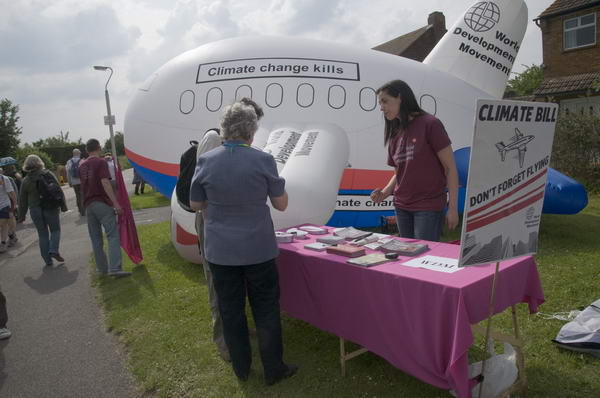
No Third Runway, TTIP & Zombies: Saturday 10th October 2015 saw me in Parliament Square for a rally against building another runway at Heathrow, then outside the Dept of Business, Innovation and Skills against a secret US/EU trade deal and finally meeting charity zombies walking across the Jubilee Bridge.


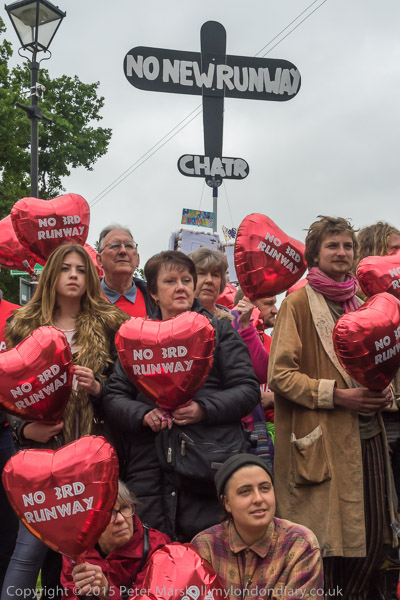
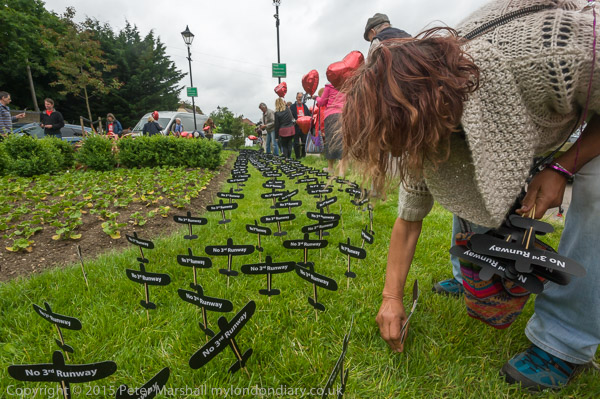
No Third Runway – Parliament Square
No Third Runway, TTIP & Zombies

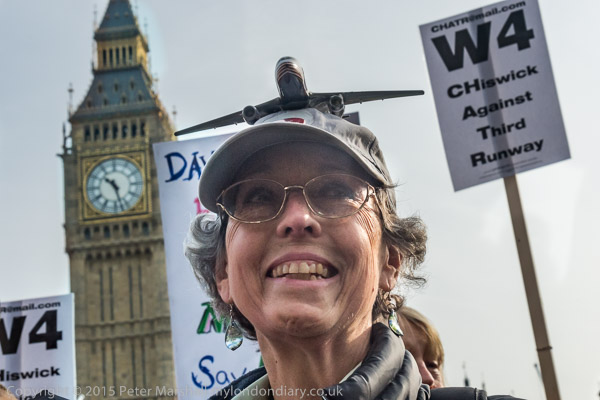
Community protests and a little environmental common sense had defeated plans to expand Heathrow Airport which was cancelled by the coalition government in 2010, but the aviation industry didn’t take no for an answer. A biased commission was set up to look at airport growth and in July 2015 came out with its report putting a third runway back on the table.
No Third Runway, TTIP & Zombies

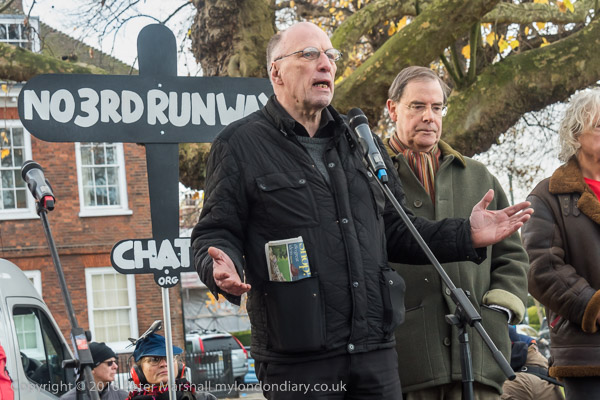
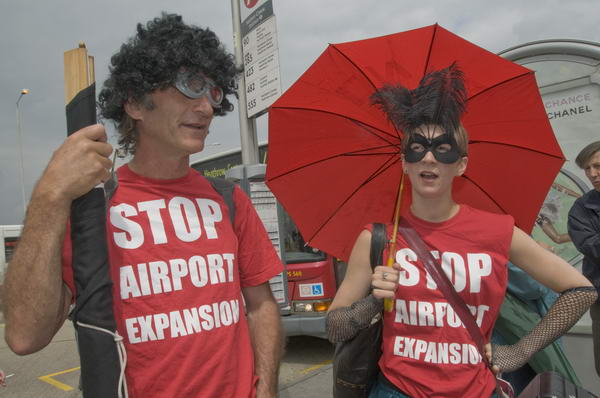
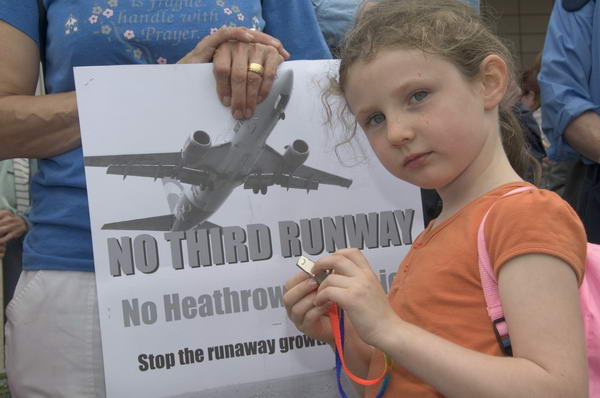
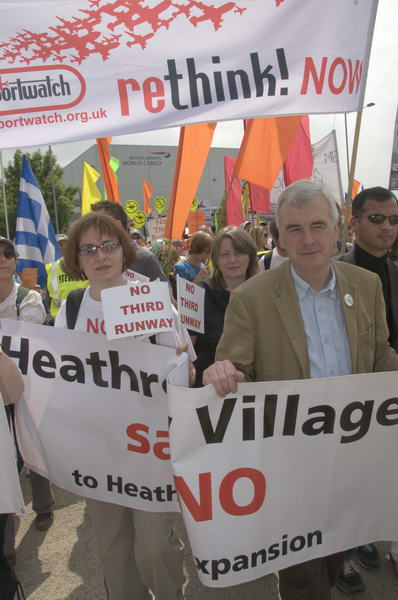
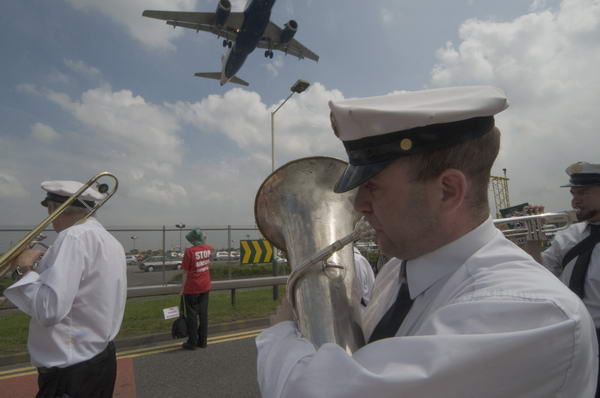
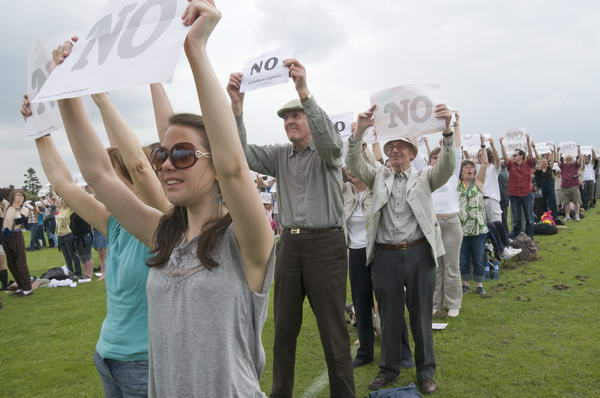
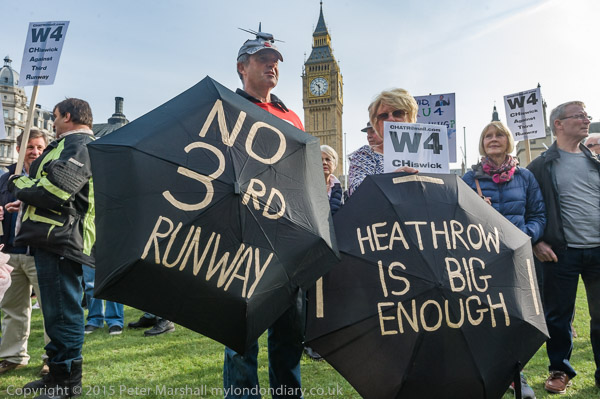
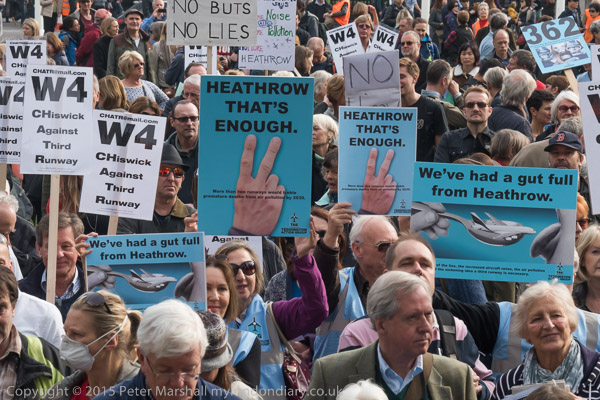
Around a thousand people turned up a few months later on October 10th for a central London rally against the third runway at Heathrow as levels of noise and pollution across London were already unacceptable. They argued the Davies commission was flawed and airport expansion was both unnecessary and impractical.
No Third Runway, TTIP & Zombies

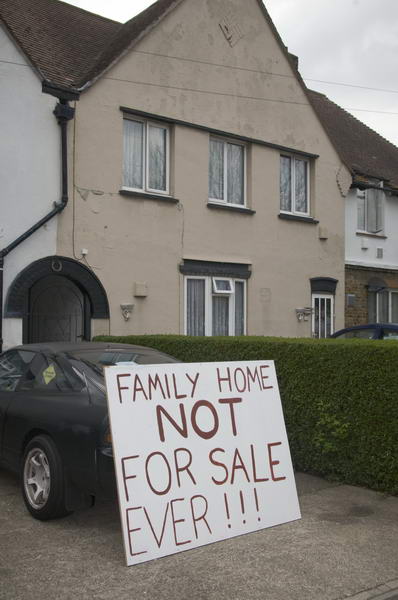
Any expansion would be a catastrophe for those living around the airport whose land and homes would be lost, but huge areas around already suffer from noise and illegal levels of pollution due to Heathrow, including Chiswick, Hammersmith and Teddington. And we would all suffer from increasing carbon emissions leading to global heating as environmental groups including Friends of the Earth and Greenpeace pointed out.
No Third Runway, TTIP & Zombies

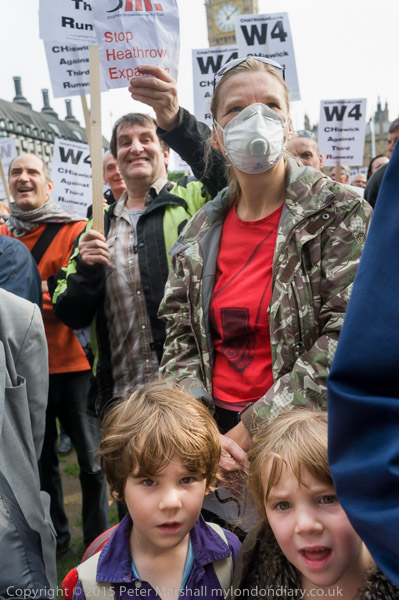
As well as the flights and the problems they cause directly, Heathrow expansion would also increase traffic in the surrounding area, where roads including the M25 which are already often greatly overcrowded are already under stress, with minor incidents often bringing large areas to a standstill. Another runway would bring more road traffic with more pollution and more and more gridlock. The existing problems would also be made worse as the expansion would further disrupt traffic routes in the area.
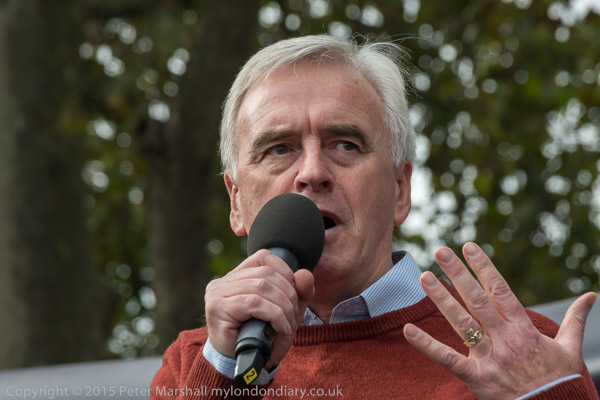
The meeting was chaired by one of my least favourite media presenters Gyles Brandreth who introduced in his usual sick-making way a number of well-known speakers including Shadow Chancellor John McDonnell, MPs Andy Slaughter & Tania Mathias, four of London’s Mayoral candidates, Zac Goldsmith, Sadiq Khan, Sian Berry and Caroline Pidgeon, Richmond Council leader Lord True, campaigners John Sauven of Greenpeace, John Stewart of HACAN and others.
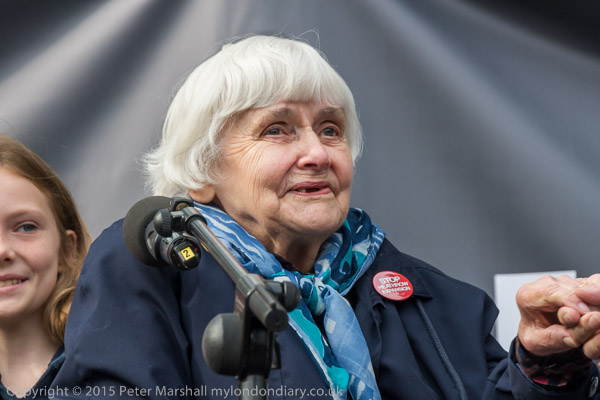
Also treated to his ingratiating manner was the star of the show, local resident Mrs Taylor who has lived in a house right on the edge of the proposed extension for 80 years and came on helped by her daughter and grand-daughter to be interviewed by Brandreth.
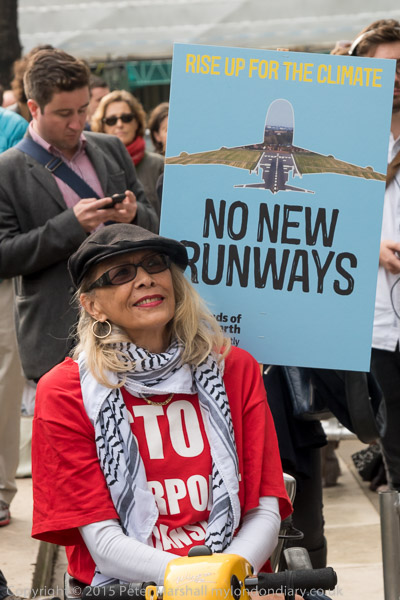
Although Parliament approved the expansion in 2018 and legal challenges were finally dismissed by the Supreme Court in 2020, given that we now feel so much more keenly the disastrous effects of carbon emissions on global temperatures it seems virtually impossible for it to take place – and if it did that it would become a massive white elephant, greater than even the current HS2 scandal.

More at No Third Runway.


TTIP protest at Business Ministry, Westminster
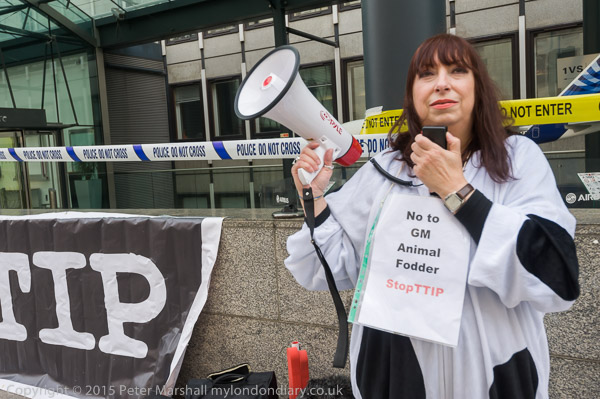
A short distance away outside the Dept of Business, Innovation and Skills a part of an EU-wide protest against TTIP was taking place. The Transatlantic Trade and Investment Partnership was a secret US/EU trade deal which puts company profits above democracy and over 3 million of us EU citizens had signed petitions against it.
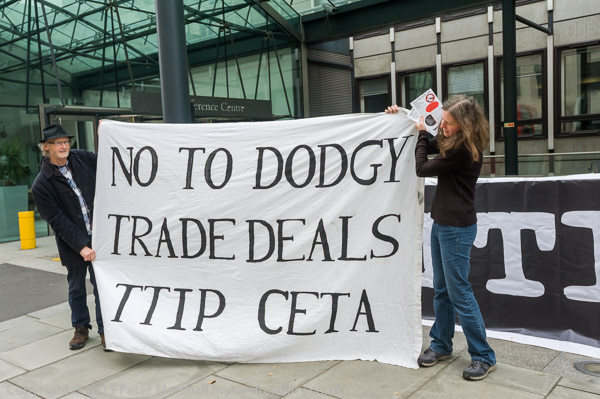
TTIP would have forced us to accept US grown and processed foods, including GM crops and meat and dairy products from animals fed on GM, chickens that are washed in chlorine, meat containing high hormone levels and other chemical solutions to allow sloppy husbandry.
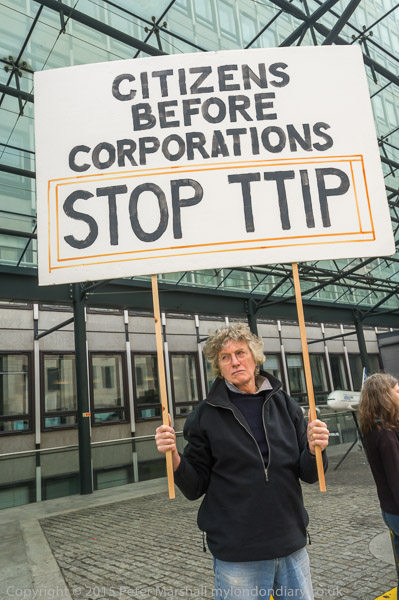
TTIP would also allow corporations to dictate government policies by taking them to courts where any policy might possibly impact on their profits, and would drive the rapid privatisation of the NHS and other public services.
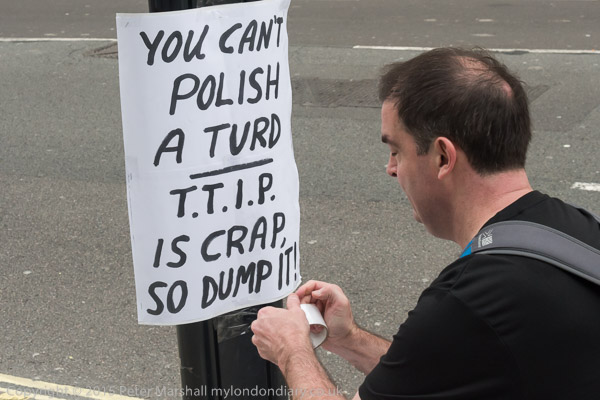
Fortunately the secret negotiations ended without conclusion at the end of 2016, and the EU later declared that they were “obsolete and no longer relevant“. The documents detailing the negotiated proposals are still secret, only available to authorised persons.
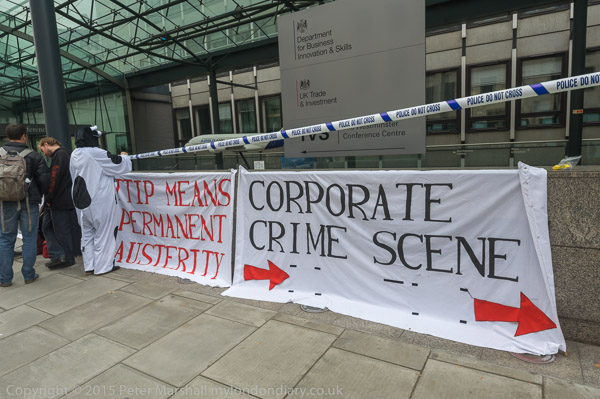
Since Brexit, TTIP would not have directly applied to trade between the US and UK, but similar secret negotiations have been carrying on between the UK and the US. But the US has taken little interest in concluding these as the UK is less important as a trading partner.

TTIP protest at Business Ministry


Zombies crawl for St Mungo’s – Jubilee Bridge & Embankment Gardens
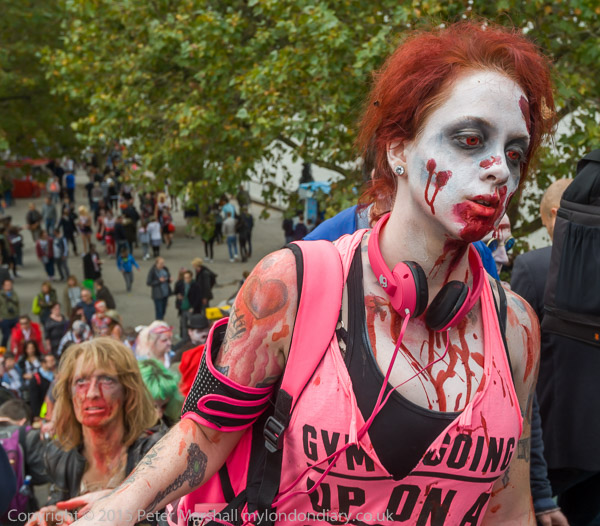
I was too late to see the start of the Zombie crawl at Leake Street,but was able to photograph them as they came up the steps from Jubilee Gardens onto the Jubilee Bridge and as they took a short break in Enbankment Gardens before their lengthy crawl around the West End.
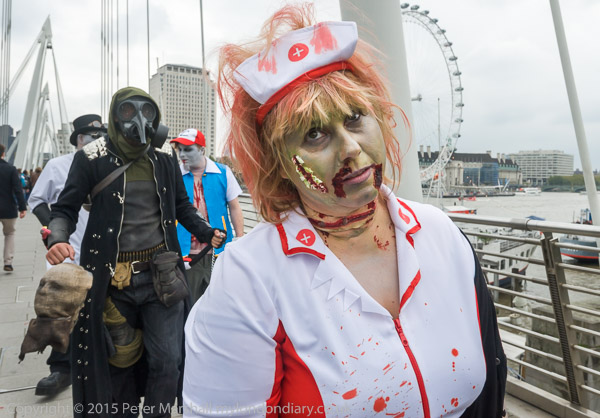
This Zombie crawl was a fund-raising event for St Mungo’s Broadway, a charity which provides the homeless with emergency shelter, housing, healthcare and training, and the zombies were remarkably friendly. Perhaps a little less dramatically zombified than on some zombie crawls I’ve photographed in the past, and certainly rather less alcohol-fuelled than most.
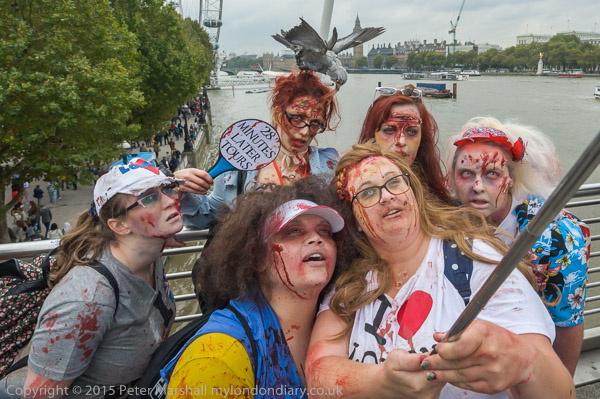
Some zombie crawls have been overtly political, others just young people having a fun pub crawl. This one was for charity, and the fact we need to have charities to provide support for the homeless certainly shows a failure by government to provide support for some of the most needy in our society.

Back in the 1960s I remember going to Paris and seeing people sleeping on the streets and not understanding what a beggar who approached us was doing – I’d just not experienced this on the streets of London.
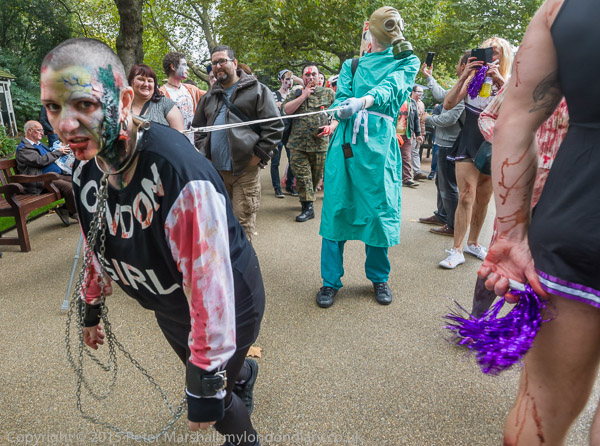
Of course there were some homeless people in our cities, and homeless men walking to the centre of London would sometimes come to our back door and ask my mother for a cup of tea (which she always provided, along with a few pence we couldn’t afford) but nothing on the scale we have seen over the past 20 or 30 years.
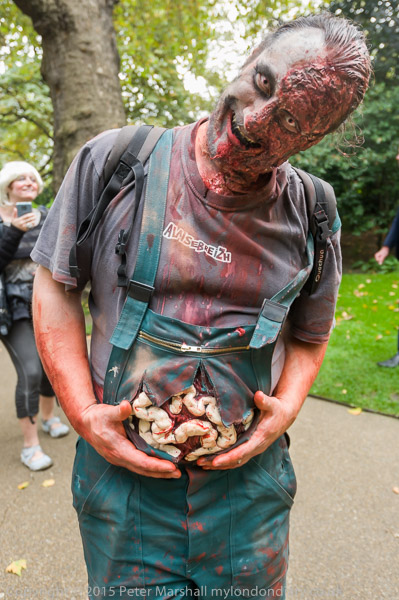
I didn’t spend long photographing the zombies. There were too many other people taking pictures for me to be able to work in the way I like, and it was even worse in the Embankment Gardens than on the bridge. I don’t often crop pictures, liking to work with the full-frame though occasionally making some minor adjustments, but on this occasion there were simply too many other people with cameras who I wanted to remove.
Zombies crawl for St Mungo’s


No Third Runway at Heathrow – 2016

No Third Runway at Heathrow

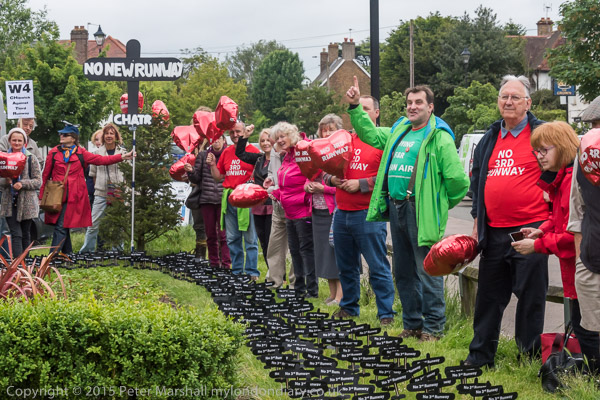
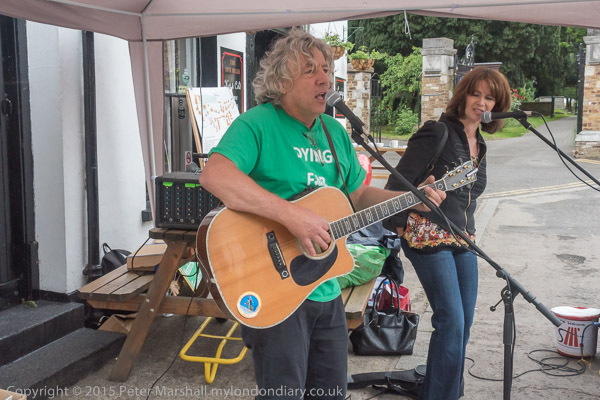
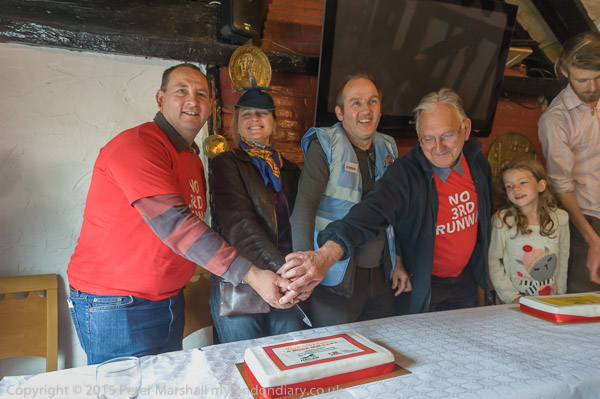
No Third Runway at Heathrow: Heathrow Airport celebrated its 70th anniversary on Monday 30th May 2016. and local residents marked the occasion with a protest on the village green at Harmondsworth against the plans to build a third runway which would destroy over 750 local homes.

No Third Runway at Heathrow

I grew up under the flightpath a couple of miles from touchdown on the main runway used for incoming flights, standing in my back garden and crossing off the registration letters of the planes passing rather close overhead in my spotters book. Those early planes – like the Douglas DC3 and the Vickers Viscount – were small and relatively quiet and gave young boys like me hours of interest with little disruption of normal life, but the generations that followed were very different, larger and ear-shattering. The complaints against their noise grew rapidly – and those easy to read letters on the underside of the wings disappeared so it was harder to identify flights in our complaints.

No Third Runway at Heathrow

Heathrow had been planted on the edge of London’s built up area by deception, beginning as a ‘military’ airport towards the end of the Second World War when it was known it would never be used as such, by people who were determined to make it London’s major civil airport. They did it to get around the objecteons there would have been later to a civil airport here.

No Third Runway at Heathrow
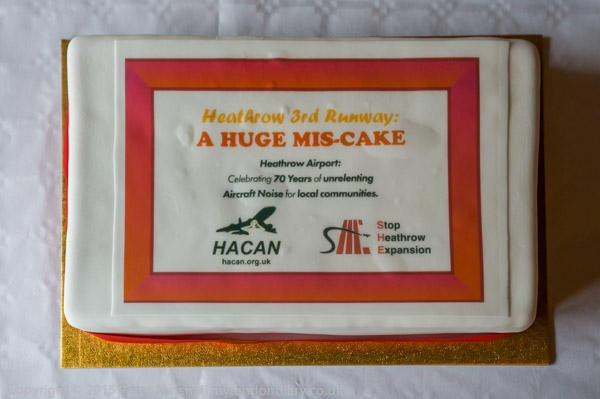
‘A huge mis-cake’ Heathrow Airport: Celebrating 70 years of unrelenting Aircraft Noise for local communities’

Over the years Heathrow continued to grow and grow. More flights and more terminals. More local traffic and more pollution. Every new development was made with promises that were later broken. T4 was promised to be the last new terminal – but then came the application to build T5. With this came the promise that Heathrow would never ask for another runway – but this was broken even before T5 had opened.

The enquiry into the third runway was said to be final – but while the local community were still celebrating their victory – and David Cameron was saying ” No Ifs, No Buts, No Third Runway”, Heathrow Airport was already plotting the setting up of a new inquiry that would somehow against all the evidence come up with the result they wanted – the Davies Commission.

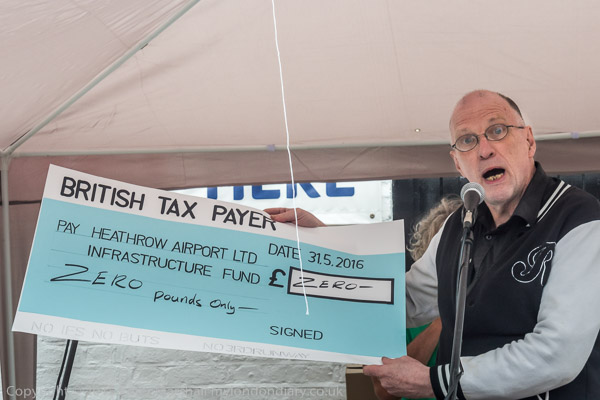
John Stewart – HACAN – Heathrow want taxpayers to pay for the new roads, tunnels etc needed

In 2016 the threat of the new ‘third runway’ loomed dangerously over the area again, with the Conservative Government backing the proposals. Many of those who came to the event at Harmondsworth feared they would soon lose their homes – and property in the area was blighted as it had been for many years. Others outside the actual development would find their lives made impossible by aircraft noise, with people from almost the whole of West London suffering, particularly from flights in the early morning, with plane after plane passing overhead.

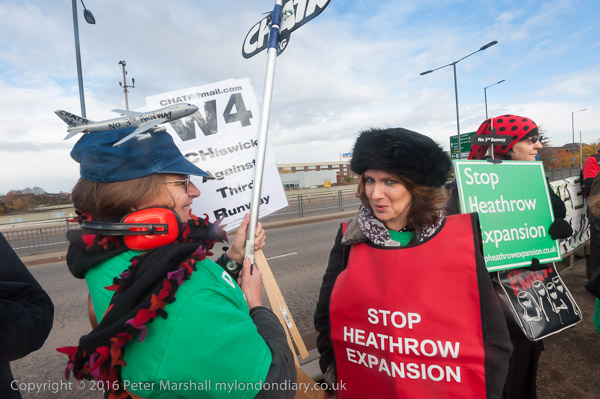
The Heathrow Adobe Hat, with portable air purifier and environmentally biodiverse suitcase

Heathrow’s noise and pollution affect a surprisingly large area of London. Twenty years ago I was in a hospital bed in Tooting in south London, around 12 miles away as the jet flies, awake early in the morning partly by their noise, watching and hearing a whole line of plane after plane in line for touchdown.

Neil Keveren, Chair of Stop Heathrow Expansion (SHE)

In our local area we get the pollution from the planes, both from running their engines on the ground and also from takeoff and landing. But more importantly the airport generates huge amounts of road traffic, both on local roads and the motorways serving the area – M3, M4 and M25.

Seven years on it seems increasingly unlikely that there will ever be a third runway built. Even the most jet-headed politicians are beginning to see that we cannot continue with airport expansion and meet the need to cut carbon emissions. Financial constraints increasingly make it less likely too.

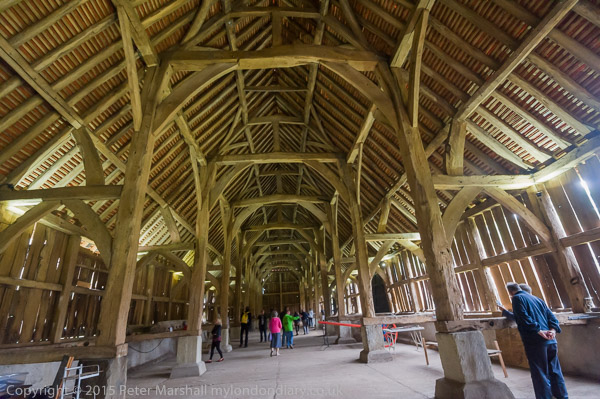
My post on My London Diary has the details about the event on Monday 30th May 2016 and of course more pictures, including some of the village itself, including its pubs, church and remarkable Grade I listed tithe barn, said to be the largest wooden structure in the country, dating from 1426. Local campaigners saved that a few years ago and it was bought by English Heritage in 2012 and has been much restored. It lies just outside the area the airport would take over for the new runway and would be at serous danger from vibration – and would almost certainly need to be re-sited.

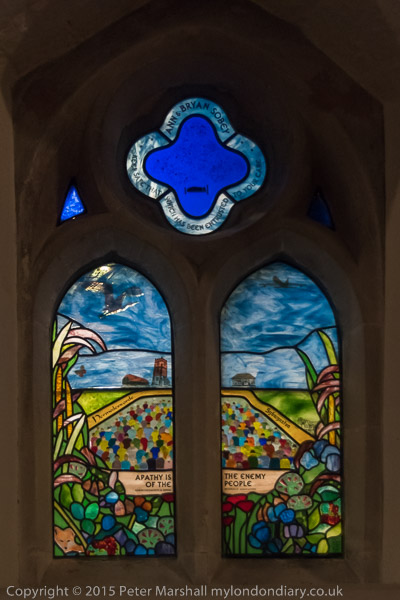
A church window remembers Ann & Bryan Sobey who led the ‘Right to Sleep’ campaign for restrictions on night flights into Heathrow

Though on the edge of London Harmondsworth still has a village atmosphere, and still seems much like the village I cycled through in my youth. I hope it remains that way.

More at No 3rd Runway Heathrow 70th Birthday.


XR – The Big One

Friday 21st April 2023 is the start of ‘The Big One‘, a four day action ending on Monday 24th April organised by Extinction Rebellion when people from a huge range of groups and movements, not just XR, will gather throughout Westminster and at the Houses of Parliament.

The Big One
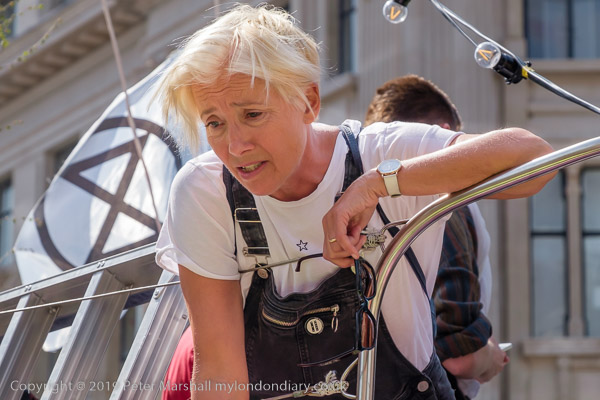
Emma Thompson at XR’ Sea of Protest, 19 Apr 2019

XR say “The climate, nature and humanity face disaster. We know it’s time to act. Do you trust politicians to do the right thing for us? For the planet? Join 100,000 people holding them to account.“

The Big One

More than 200 organisations are supporting the action, including Greenpeace, Friends of the Earth and PCS, although when I checked with a week to go only around 26,000 people had actually registered to come. I imagine many like me are loath to sign up publicly to protest, or just lazy or haven’t got around to it.

The Big One

The events are planned by XR to be family friendly, accessible and welcoming, creative and engaging “with People’s Pickets outside government departments and a diverse programme of speakers, performers and workshops, awash with colour and culture. There will be art and music, talks from experts, places to listen and engage, and activities for the kids.”

I hope to be there and recording the events, though these days I’d having to take things a little easier than I used to and may need to rest, perhaps on the Sunday when The Big One’s Running Out of Time! coexists with the London Marathon. But please come if and when you can to join in. More at the Extinction Rebellion web site.

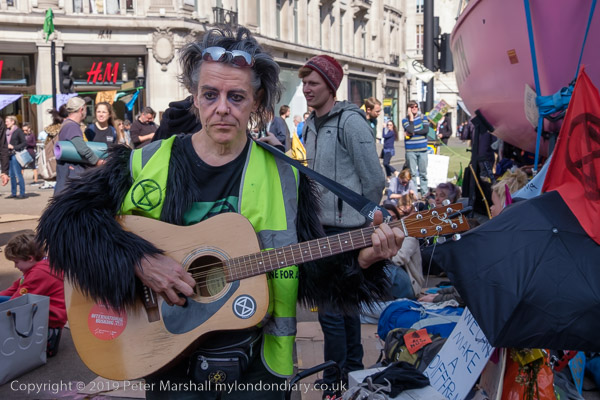
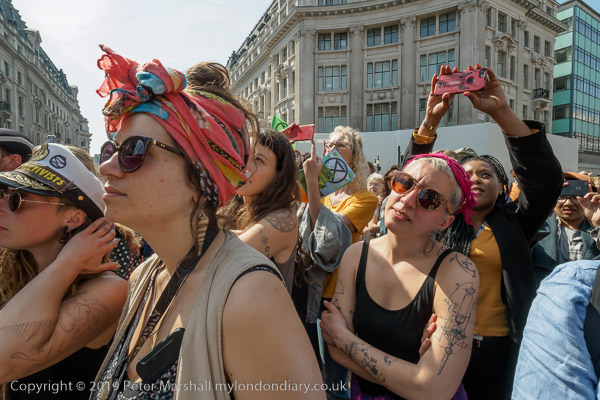
Four Years ago, Extinction Rebellion was coming to the end of a week of protests that shut down much of London, having occupied Waterloo Bridge, Oxford Circus, Mable Arch and other key sites on Monday 25th. I’d photographed a number of their actions and you can read about them and see pictures on My London Diary.

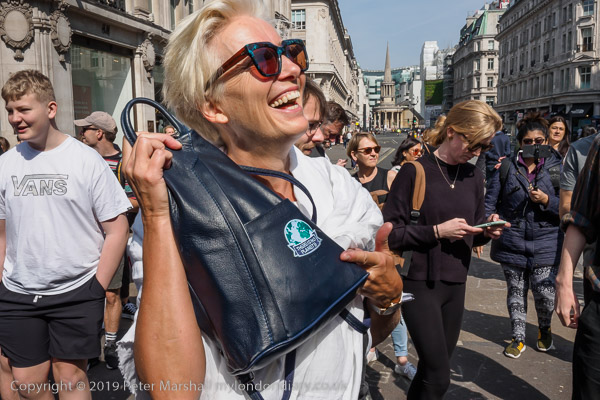
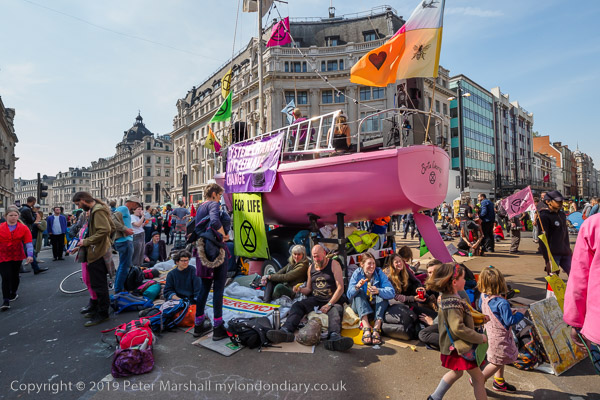
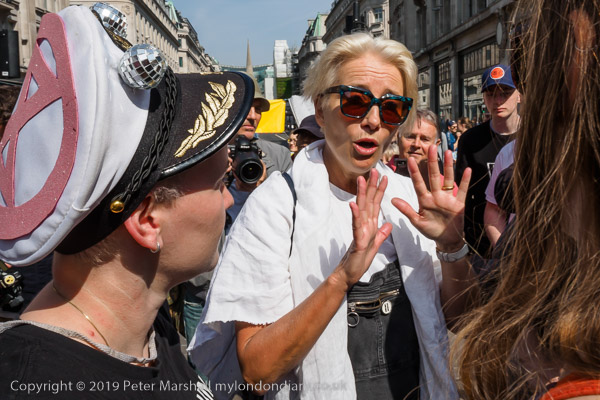
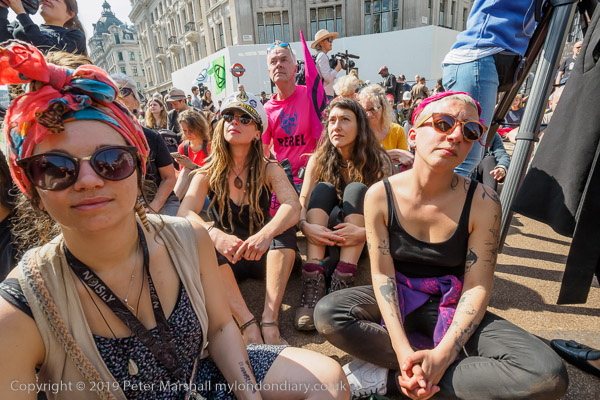
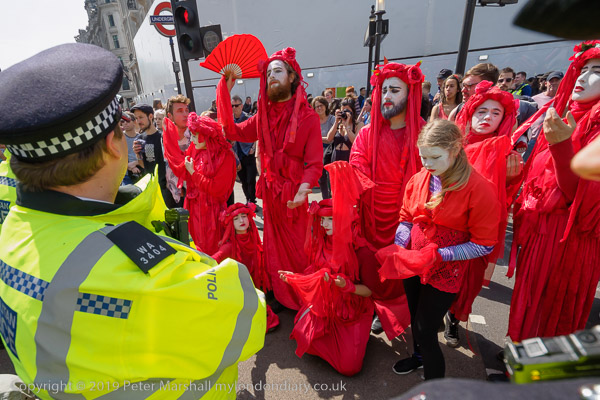
On Friday 19th April 2019 the ‘Sea of Protest’ was still occupying and blocking Oxford Circus with a large pink yacht named for the Honduran environmental activist Berta Cáceres assassinated in 2016. As a part of activities planned to show ‘Love For The Earth’ on the 5th day of the occupation there, actress Dame Emma Thompson arrived from New York to speak.

Parts of the press and media with interests in fossil fuels and giving support to climate deniers criticised here for flying here to speak. But though we need to drastically cut our dependence on aviation, this isn’t about ending journeys like these for which there is no real alternative, but for making huge cuts in the total numbers of flights. We need to end the subsidies to aviation and levy taxes on flying – a system with per person annual carbon allowances and heavy penalties for exceeding these would be more fair.

Police stood and watched the crowd as Thompson spoke, but a few minutes later after I had left the area for a short break, police surrounded the pink yacht and put a ring of officers around Oxford Circus.

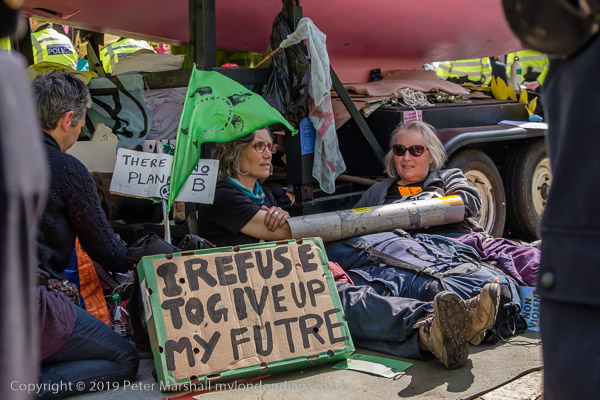
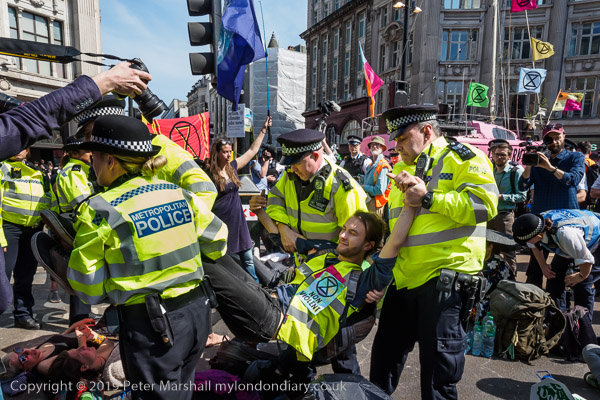
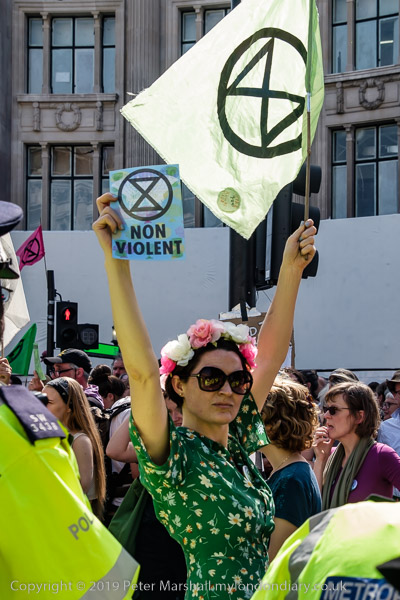
Slowly police persuaded protesters to leave by threatening them with arrest and cutting off those who were locked on around the bottom of the yacht. There were a number of arrests of those who had refused to leave. XR organisers persuaded people not to physically oppose the police action as this went against the non-violent principles of Extinction Rebellion.
XR’s policy of non-violence and encouraging as many people as possible to get arrested has led to criticism from many more militant groups, and puts a great stress on those who give legal assistance, including Green and Black Cross, “an independent grassroots project set up in the spirit of mutual aid to support social and environmental struggles within the UK”.

More from April 19th 2019 on My London Diary:
Police clear XR from Oxford Circus
Emma Thompson speaks at XR


Reparations for Slavery, Vedanta & Blood Diamonds

Reparations for Slavery, Vedanta & Blood Diamonds – the three protests I photographed in London on Friday 1st August 2014 were all related to world trade – the Atlantic Slave Trade and current devastation caused by mining industry and the diamond trade that funds Israeli war crimes against Palestinians.


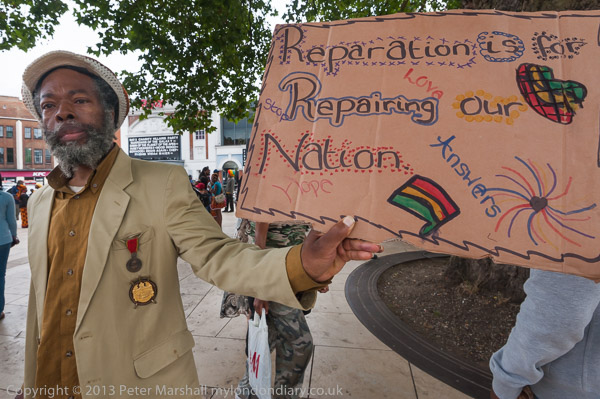
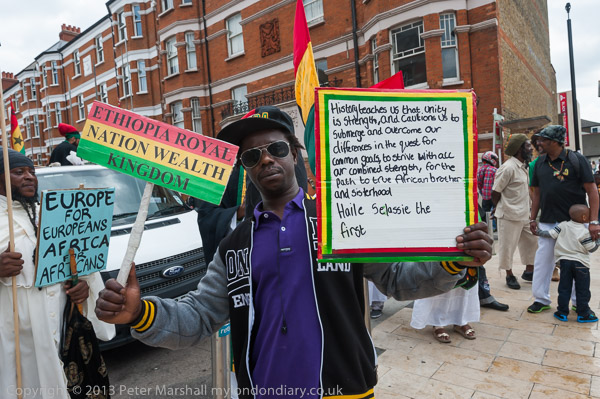
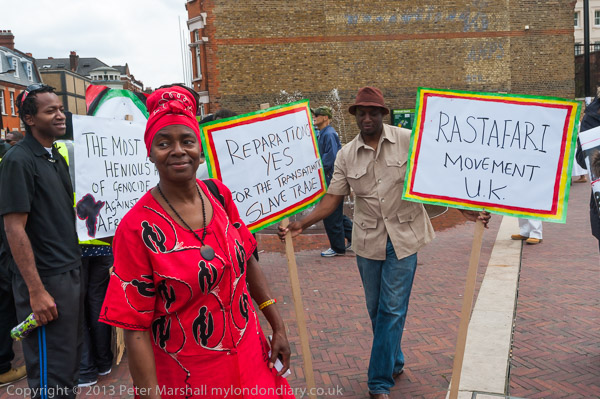
Rastafari demand reparations for slave trade – Windrush Square, Brixton

Reparations for Slave Trade, Vedanta & Blood Diamonds

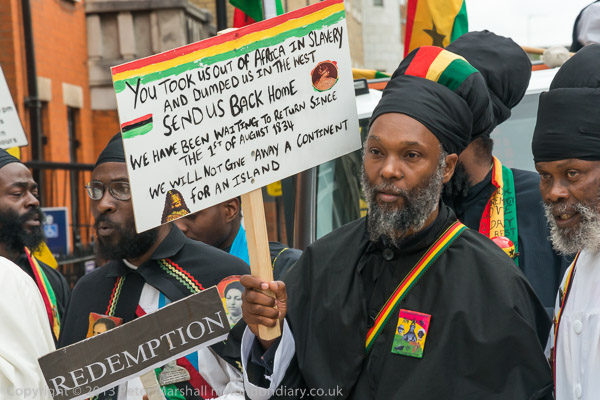
On August 1st 1834 the 1833 Abolition of Slavery Act came into force, ending slavery across the British Empire. But although the slave owners received compensation of £20 millions the freed slaves got none. They were not even freed, but converted to ‘apprentices’ who were expected to continue to work without wages for up to six years until 1838 and were unable to own land.
Reparations for Slave Trade, Vedanta & Blood Diamonds

The payment to the former slave owners was huge – around 40% of the National Budget of the UK, and the Treasury who took out a loan to enable them to pay it. British tax payers – including many descendants of former slaves – were still paying off the debt until 2015, as a rapidly deleted tweet from the UK Treasury confirmed in February 2018.

Reparations for Slave Trade, Vedanta & Blood Diamonds

The Act abolishing slavery was designed largely to ensure that Britain’s hugely profitable sugar industry based on slavery continued after emancipation, and Britain also continued to import cotton grown by slavery in the southern states of the USA as well as sugar from slave plantations in Brazil and Cuba.

August 1st became widely celebrated as ‘Emancipation Day’ and it was the date chosen by Marcus Garvey to found the Universal Negro Improvement Association (UNIA) in Jamaica in 1914, and for a meeting six years later in Madison Square Gardens in New York attended by 25,000 of UNIA’s claimed membership of 4 million.

Demands for reparations to be made to the descendants of slaves have so far been met by only token measures, such as the renaming of streets and buildings and official apologies, with some legislation requiring companies to provide information about their involvement in the trade and insurance of slaves.

But since the 1990s there has been a growing movement demanding financial reparations both for slavery, particularly following the First Pan-African Conference on Reparations convened by the Organisation of African Unity and the Nigerian government and held in Abuja, Nigeria in 1993.

In the UK the movement was led by Bernie Grant, MP for Tottenham until his death in 2000. Prime Minister Tony Blair in 2006 expressed “deep sorrow” for Britain’s role in the slave trade, saying it been “profoundly shameful”, though as Wikipedia notes this was criticised as lacking any measures of reparation. A further public apology for London’s role in the slave trade came from then London Mayor Ken Livingstone during the commemorations of the 200th anniversary of the passage of the 1807 Slave Trade Act.

A case was for compensation was brought against Lloyds of London in 2004, but failed. The same year a Jamaican Rastafari call for European countries, particularly the UK to support the resettlement of 500,000 Jamaican Rastafarians in Africa in a scheme costed at £72.5 billion was rejected. Other claims have been lodged by in 2007 by Guyana, in 2011 by Antigua and Barbuda and Barbados.

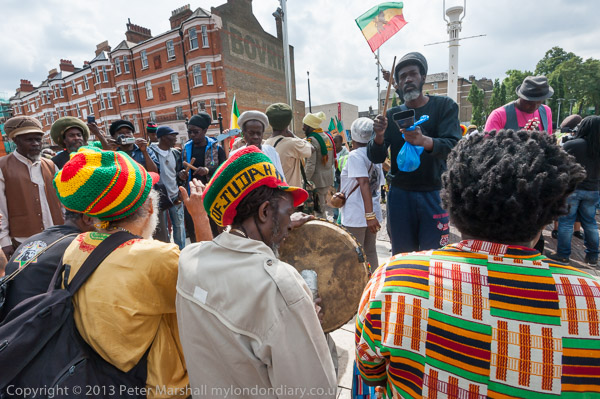
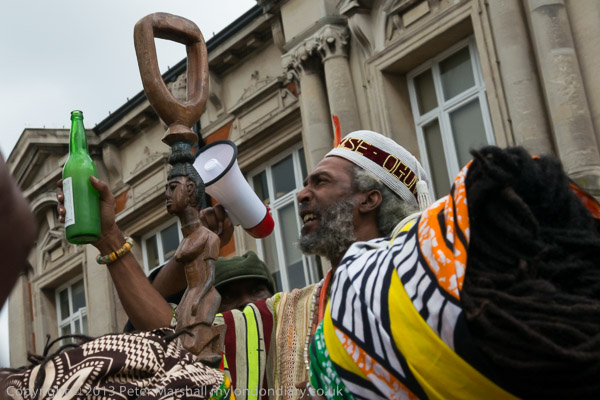
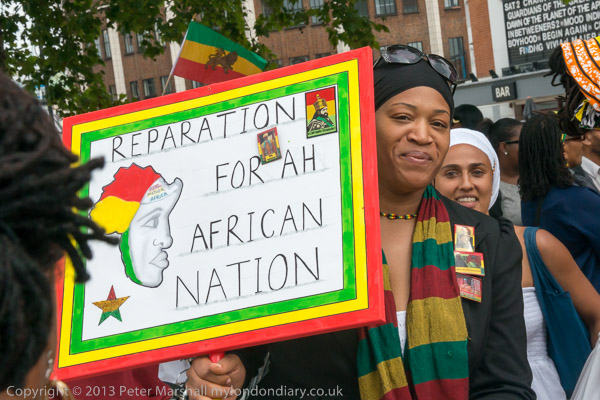
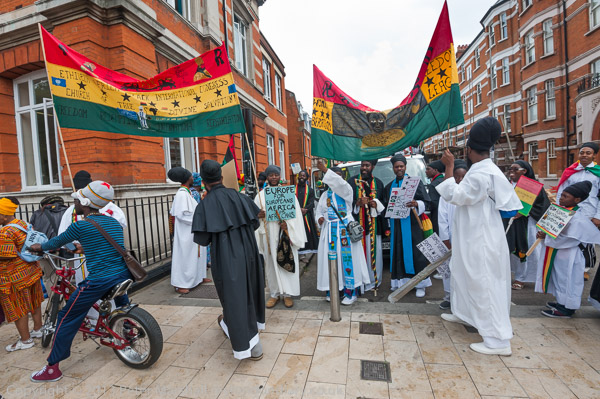
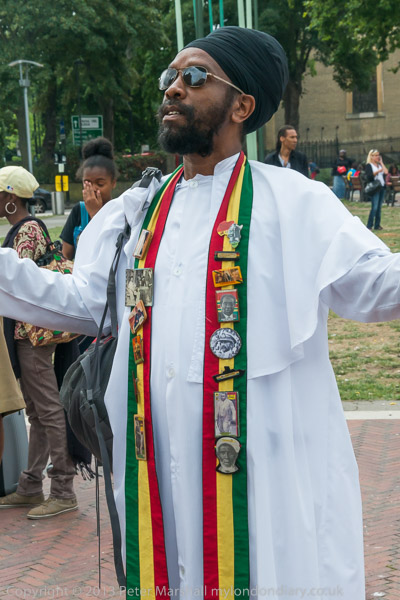
On 1st August 2014, the 100th anniversary of Garvey’s setting up of the UNIA. a large group of mainly people of African and Afro-Caribbean descent gathered in Windrush Square in Brixton for several hours of speeches, celebration, drumming and dancing before they were to march to Parliament to make their demand for reparations. The march has become an annual event in London, but I had to leave shortly before it began.

Rastafari demand reparations for slave trade


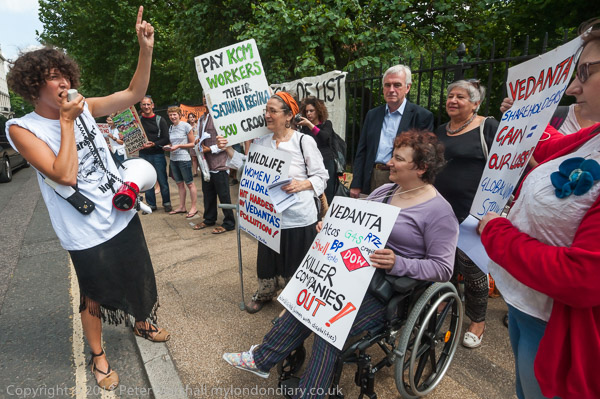
Vedanta told ‘end your killing’ – Lincoln Inn’s Fields

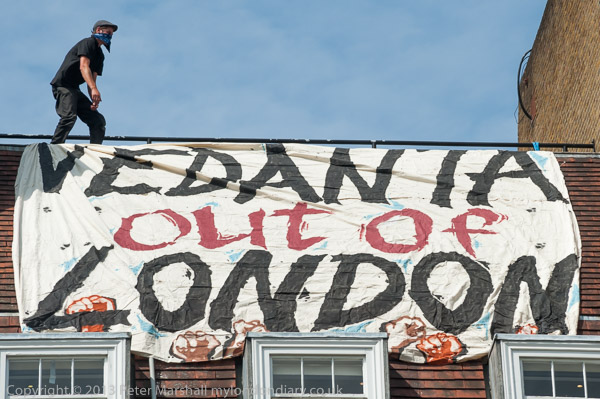
I joined the protest outside the building in Lincoln’s Inn Fields where the FTSE 250 British-Indian mining company Vedanta Resources was holding its AGM. Here and at other protests in Zambia and Odisha and Delhi in India.

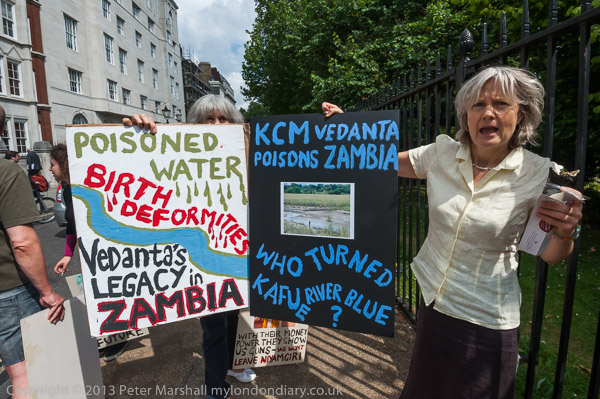
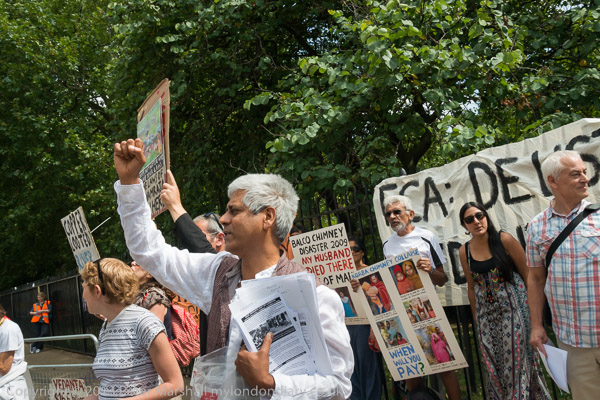
Vedanta is a huge company which protesters say is “guilty of thousands of deaths, environmental devastation, anti union action, corruption and disdain for life on earth. They have become one of the most hated and contentious companies in the world.“

Their activities, particularly their attempt to destroy the sacred Nyamgiri mountain in India for its aluminium ore, have led to protests around the world, and an Indian Supreme Court decision that, at least for the moment have halted the mining there.

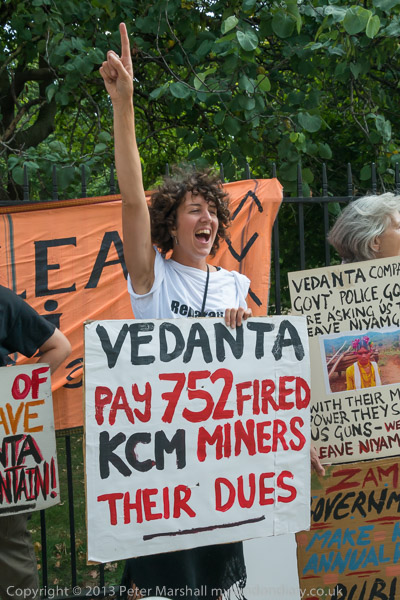
Another setback for Vedanta was the research by activist group Foil Vedanta into their subsidiary Konkola Copper Mines in Zambia, accused of poisoning thousands and causing ongoing birth deformities by major pollution spills in 2006 and 2010. The research showed the company which was claiming it was making a loss and so unable to pay its fines and tax bill was actually making around $500 million a year.

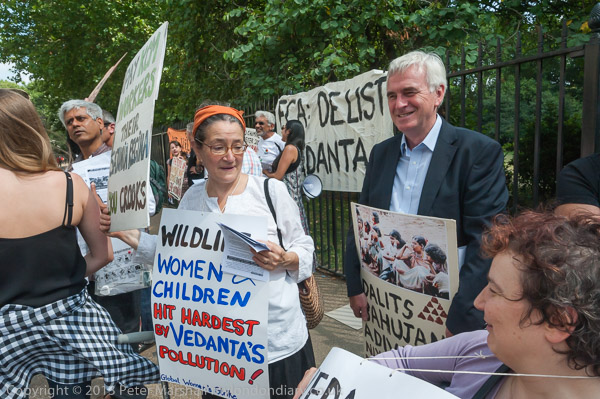
Labour MP John McDonnell was among those who had become a shareholder to attend the AGM

Vedanta’s problems being made public resulted in a dramatic crash in its share price and the previous December it dropped out of the FTSE100. Billionaire owner Anil Agarwal responded by buying large numbers of the shares and was now said to own over two thirds of the company. But there were other shareholders going into the AGM, including a few activists who had bought a share to entitle them to attend and ask questions.

The activities of these activists, both inside and outside the AGM every year, were eventually were an important part in the decision four years later by Agarwal to make Vedanta a private company.

Vedanta told ‘end your killing’


Boycott Israeli Blood Diamonds – De Beers, Piccadilly

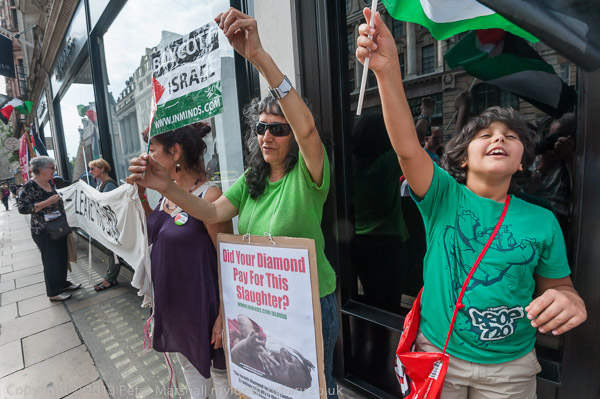
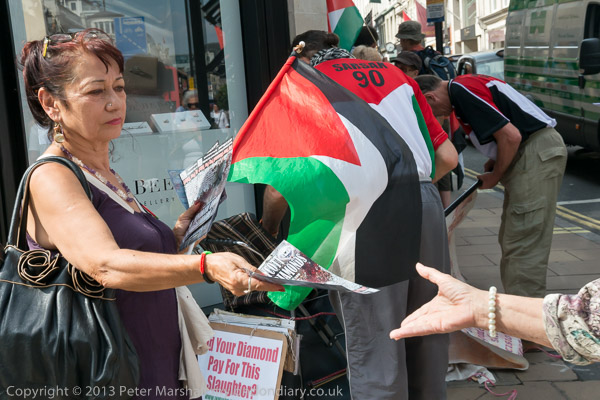
Finally I made my way to Piccadilly where pro-Palestinian campaigners were protesting in front of De Beers jewellery shop, calling on people to boycott diamonds cut and polished in Israel.

Although there are no diamonds mined in Israel, according to Wikipedia, almost a quarter of Israel’s total exports come from the sales of diamonds cut and polished in the country and they account for almost one eighth of the total world production.

Israel claims that all these diamonds are covered by the ‘Kimberley Process’ which aims to prevent diamonds mined in conflict areas and sold to finance war and insurgency coming to the market. But campaigners say that this defines blood diamonds too narrowly, enabling Israel’s diamond-cutting industry to avoid attention, and the “Boycott, Divestment and Sanctions (BDS) campaign, among others, has called for diamonds processed in Israel to be considered conflict diamonds.”

Boycott Israeli Blood Diamonds


Stop Heathrow Expansion – Nov 2016

Post COP26 and the various official reports on the climate crisis it should now be clear to everyone that we need not to increase air traffic but to drastically reduce it if we are to succeed in limiting the global temperature rise even to the highly damaging level of 1.5 degrees Celsius. But still those with large financial interests in aviation are wanting to continue with the expansion of aviation despite its contribution to ruining the world.

The environmental case against Heathrow expansion was clearly won when plans were dropped after years of campaigning against a third runway over the first decade of this century, but despite this our government was persuaded by the industry to change its policies and put the expansion back on the table.

The case against Heathrow is of course even stronger than the case against air travel and air freight generally because of the location of the airport in the west of London. It was always in the wrong place, too close to the city centre and on the wrong side, with prevailing winds meaning aircraft approached over the city and the pollution from them being blown into it. Possibly even those who planned it during WW2 realised this when they avoided any real public debate by pretending the airport was needed for military use.

John Stewart of HACAN

Back in the fifties when I grew up under the flightpath it was less of a nuisance as planes then were smaller and quieter, though we did on several occasions find small parts from them dropped in our garden but fortunately hitting nobody. But over the years noisier aircraft and more frequent landings have made things much worse – though fortunately I’ve moved to a quieter zone but still near Heathrow. The pollution is still with us, not just from the airport itself but also from the road traffic and congestion it generates in the motorways and roads around.

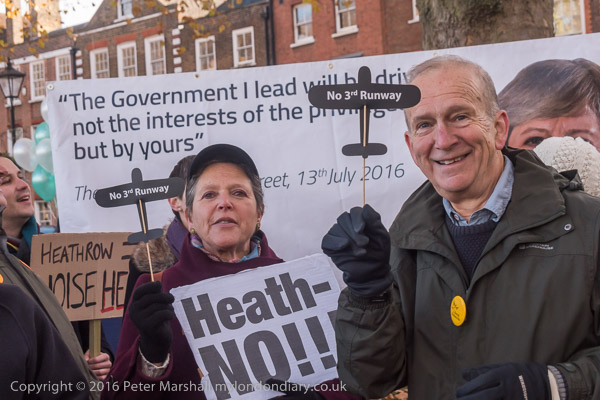
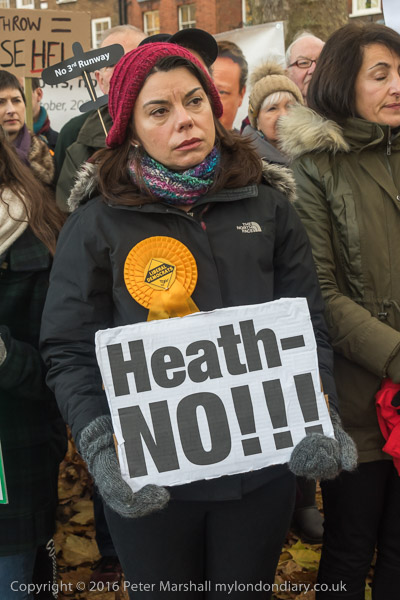
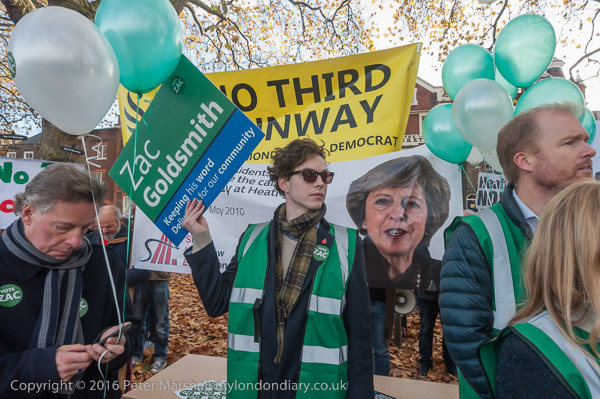
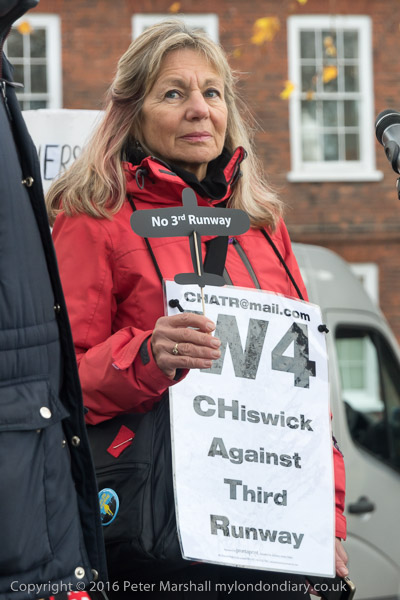
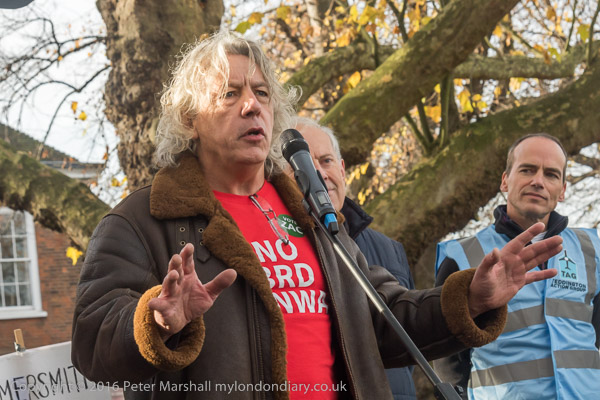
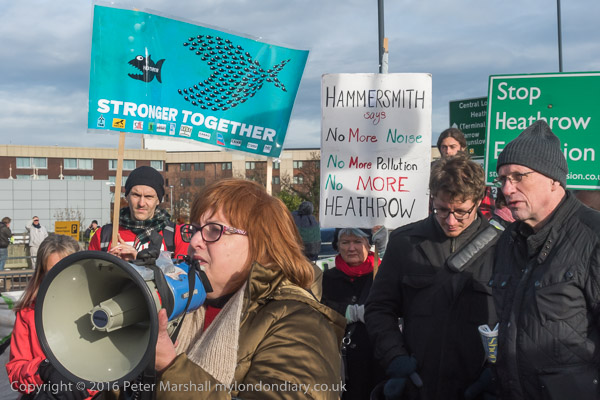
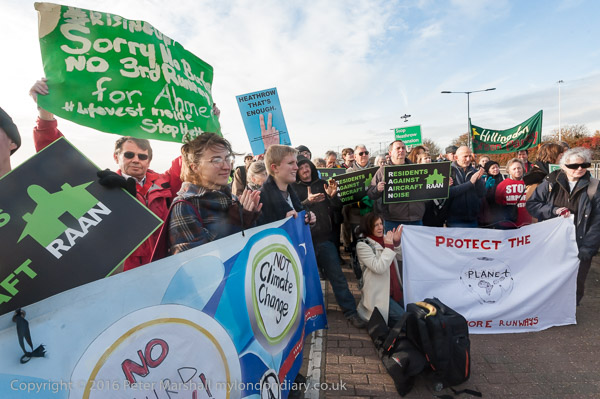
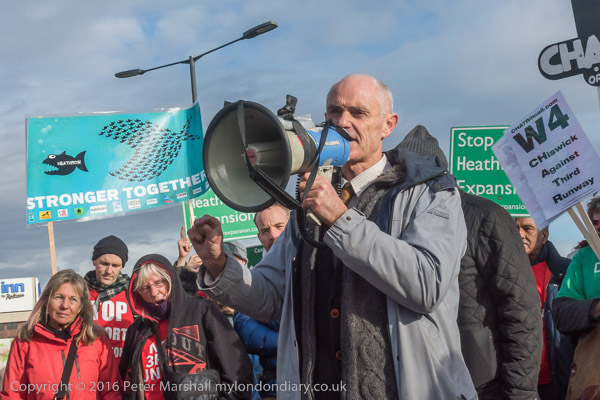
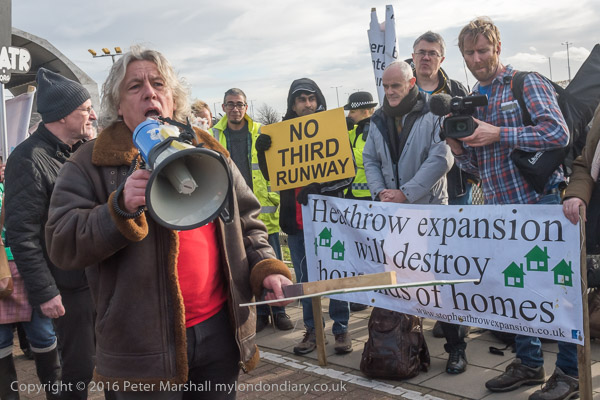
On Saturday 19th November I went to Richmond Green for a rally organised to support Zac Goldsmith who resigned to stand as an anti-Heathrow expansion candidate and supported by Richmond Heathrow Campaign, Teddington Action Group, SHE (Stop Heathrow Expansion), Residents Against Aircraft Noise (RAAN), Chiswick Against the Third Runway and others campaigning against the noise, pollution and catastrophic climate change the third runway and expansion of aviation would cause.

Harmondsworth campaigner Neil Keveren at Richmond

It was perhaps a strange decision by Goldsmith, as both Liberal Democrat and Labour candidates who he was standing against were also strongly opposed to another Heathrow runway, and many locals, particularly members of the Lib-Dems and Green Party were still aggreived at Goldsmith having taken the seat in 2010 from one of the most active campaigners against Heathrow expansion, Susan Kramer. But Goldsmith had resigned as a matter of principle when the government reneged on earlier promises and approved construction of the third runway the month before this protest. Goldsmith lost the election by a fairly narrow margin to the Lib-Dem candidate. Both Kramer and Goldsmith now sit in the House of Lords.

On the Bath Road overlooking the airport at Sipson

It was a strange protest too, though many of the real Heathrow campaigners were there and some spoke, and I was harassed by a member of Goldsmith’s team who followed me around and tried to stand in my way while taking pictures, telling me it was a private meeting. Eventually I had to ask a police officer to speak to him and get him to stop.

Christine Taylor of Stop Heathrow Expansion

I left as speakers from various West London boroughs where coming to the microphone to make clear their opposition to Heathow expansion to rush to another protest on the issue on the Bath Road overlooking the airport. This was a ‘family friendly’ rally taking place at the same time as a short distance away Rising Up activists were blocking the link from the M4 into the airport – and police stopped me from going to photograph them.

There was a large crowd of police at this peaceful and legal protest as well, although it seemed totally unnecessary; as I commented “it did seem a considerable waste of police resources, perhaps an attempt to intimidate the protesters. The police did behave in a friendly manner, though they did restrict the movement of protesters to an unnecessary extent.”

Environmental campaigner Donnachadh McCarthy

I had already heard several of the speakers earlier at Richmond, though Goldsmith and his Conservative supporters had not travelled here but were presumably busy campaigning in Richmond.

Harmondsworth resident Neil Keveren of Stop Heathrow Expansion speaks at Heathrow

Here are the final three paragraphs of the acrount I wrote back then, still appropriate:

The main concerns of speakers were that expansion at Heathrow will cause the UK to break its own national laws to reduce emissions, as well as undermining the international climate commitments agreed in Paris, and that the new runway will devastate local communities with families losing their homes and many over a wider area suffering dangerous levels of air pollution. The construction of a new runway would create enormous problems across the area around the airport, and if completed would bring chaos to an already overstressed transport system in the whole region.

We need to totally rethink the aviation industry and evaluate the contribution it makes to our economy, and to remove its privileged status and subsidies which currently allow it to expand and pollute for the benefit of its shareholders and the convenience of rich frequent flyers. The industry greatly inflates the contribution it makes to the economy while refusing to acknowledge the many problems it creates.

Of course it isn’t something that can be looked at in isolation. We don’t just need to stop airport expansion, but to reassess much of they way we live. We need System Change if we are to avoid the disastrous effects of Climate Change.

Climate Crisis rally against Airport Expansion
Rally against Heathrow Expansion


End Traffic Violence – 2014

A few weeks ago I came to the end of a walk with friends and we stood at a bus stop on the edge of the A3 in south-west London with a relentless flow of traffic moving past in all four lanes in both directions. We were a few yards away on a slip road, but the noise was making my head throb and I could smell and taste the pollution, though I hope the Covid mask I was wearing might filter out some of the particulates. It was a horrible reminder of the mad dedication to traffic which is killing so many of us, poisoning adults and particularly children and playing a significant role in killing the planet through the huge carbon emissions in manufacturing vehicles, building yet more roads and of course burning fossil fuels. Fortunately our bus came earlier than expected.

The switch to electric cars will help a little, and reduce some of the pollution, though not its possibly most dangerous aspect, the particulates that come mainly from rubber tyres and from brakes. And there is still a huge carbon footprint from their manufacture – roughly equivalent to running around 150,000 miles of burning petrol or diesel, and much of the electricity used to power them will come from power stations burning gas or forest-destroying wood.

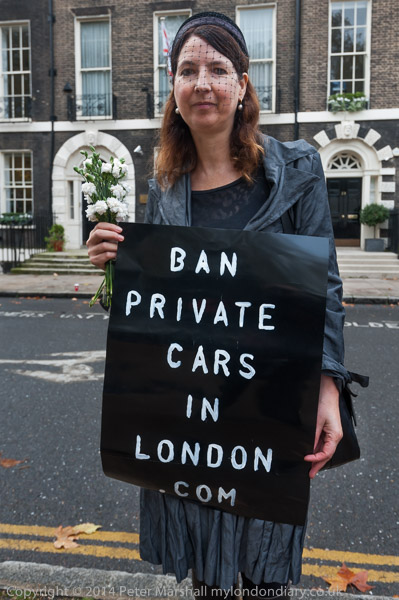
We can only have a sustainable future if we wean ourselves as a species away from travel, and take what journeys are still necessary by ways that reduce the carbon footprint as much as possible. Going on foot or by bicycle, using public transport and severely limiting the more polluting and high-carbon forms of transport. It means measures such as banning private cars in cities, giving priorities to buses, building more light rail and tram systems, ending subsidies to air travel, stopping new road-building and more. But also it means great changes in our way of life.

It’s something I realised over 50 years ago when I sold the only car I’d ever owned. Something I considered very carefully in choosing where to live and what jobs to take. And something which has constrained the holidays I’ve chosen to take and other aspects of my life, but not anything I really regret. I’ve only ever made three trips by air related to my work – where no real alternative was possible, and only taken two holidays which involved flights.

Of course there are some things and situations where cars are essential. It’s very hard to manage without one for those who live in more remote areas, and some need to. I’ve chosen always to live in towns or cities and have been healthy enough to be able to ride a bicycle or walk. In 2019, George Monbiot wrote for the Guardian a piece with the sub-head ‘Cars are ruining our lives. We should cut their use by 90% over the next 10 years’. Like other posts on his web site its worth reading and goes into much greater and well-argued detail than this piece.

Donnachadh McCarthy

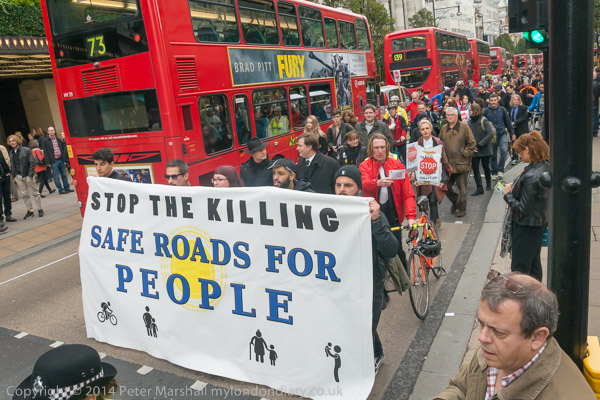
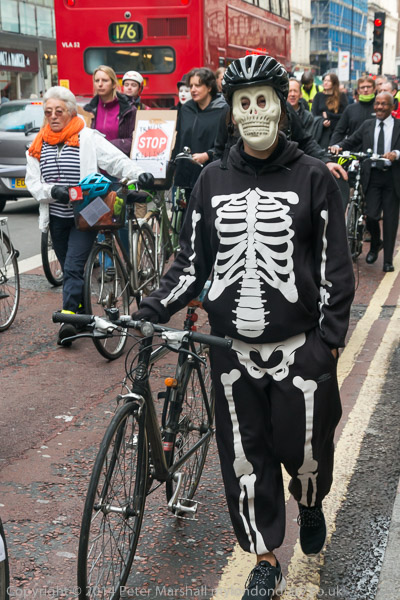
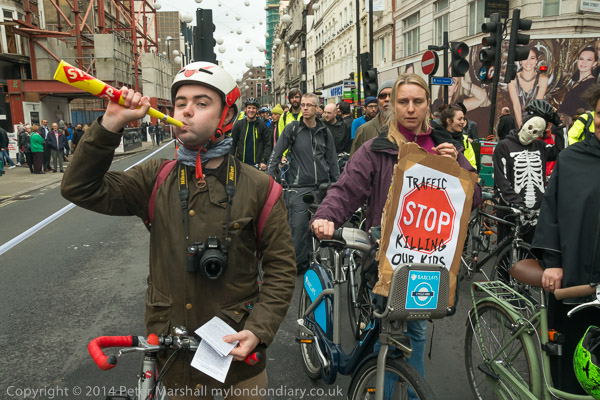
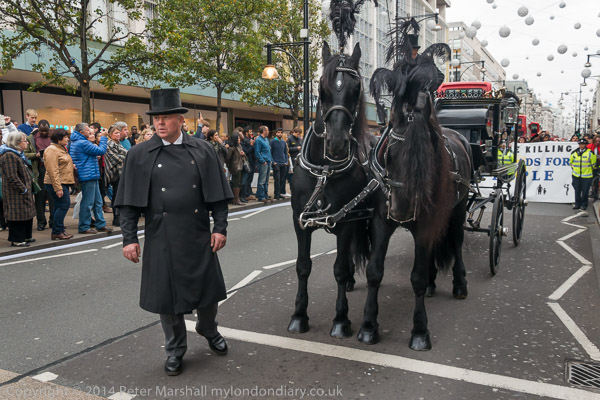
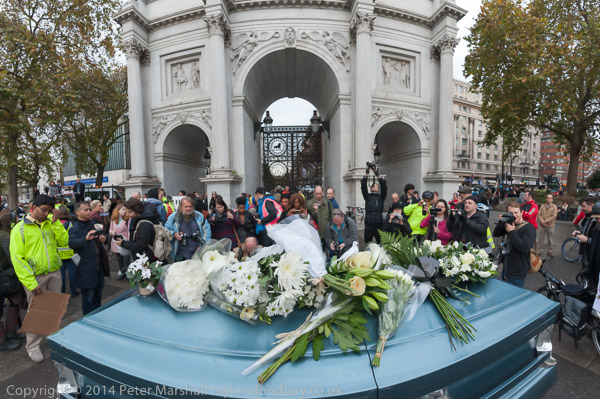
On 15th November 2014 I photographed the ‘Funeral for the Unknown Victim of Traffic Violence’ organised by environmental campaigner Donnachadh McCarthy and ‘Stop Killing Cyclists’. It made its way through the centre of London from Bedford Square going along Oxford St, with a bagpiper playing and a horse-drawn hearse carrying a coffin for a mock funeral ceremony at Marble Arch.

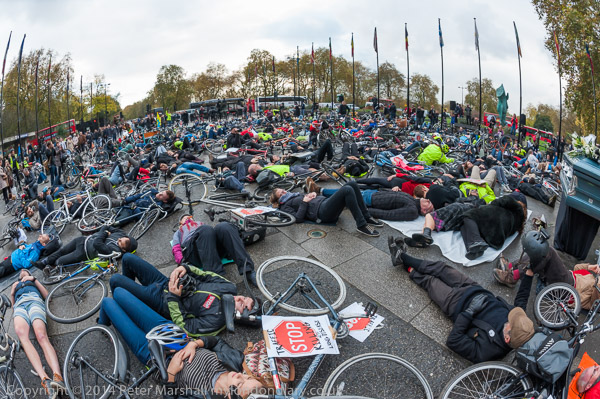
It made the point that while too many pedestrians and cyclists are still killed and maimed by cars and lorries on a road system largely engineered for the convenience of motorised transport, their numbers are dwarfed by the many thousands of premature deaths each year caused by the pollution from road traffic, with pollution levels in many places being well above legal limits. After the funeral, there was a die-in by cyclists more or less filling the hard standing at Marble Arch, and a trumpeter sounded the Last Post.

Here is a list of the demands made by the protesters:

  1. Stop the Killing of Children with a national, multi-billion pound programme to convert residential communities across Britain into living-street Home Zones and abolish dangerous rat-runs.
  2. Stop the Killing of Pedestrians by a national programme to fund pedestrianisation of our city and town centres, including the nation’s high-street, Oxford Street.
  3. Stop the Killing of Pensioners from excessive speed with an enforced speed limit of 20 mph on all urban roads, 40 mph on rural roads/lanes and 60 mph on all other trunk roads.
  4. Stop the Killing of Cyclists, investing£15 billion in a National Segregated Cycle Network over the next 5 years.
  5. Stop the Killing by HGVs by banning trucks with blind spots, making safety equipment mandatory and strictly enforcing current truck-safety regulations; currently around 30% are illegally dangerous.
  6. Stop the Killing without liability with a presumed civil liability law for vehicular traffic when they kill or seriously injure vulnerable road-users, unless there is evidence blaming the victim.
  7. Stop the Killing from Lung, Heart and other Diseases caused by vehicular pollutants with mandatory for particulate filters that meet latest EU emission standards on all existing buses, lorries and taxis.
  8. Stop the Killing at Junctions with pedestrian crossing times long enough for elderly disabled to cross, filtered junction crossings by cyclists and strict legal priority for pedestrians and urgently provide physically protected left-hand turns for cyclists.
  9. Stop the Killing from Climate Crisis caused by CO2 emissions by insisting that all transport fuels are from truly environmentally-sustainable, renewable sources within 10 years.
  10. Focus on Life! with transport governance making safety and quality of life the top priority. Reform all council transport departments, the Department of Transport and Transport for London into Cycling, Walking and Transport Departments with formal pedestrian and cyclist representation.

Again you can read more detail and more evidence in Guardian posts by George Monbiot, available on his own web site such as Don’t Breathe.


Human Rights, NHS and Gold Mining

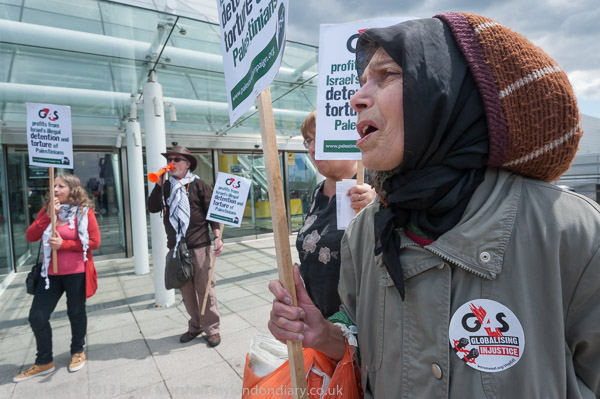
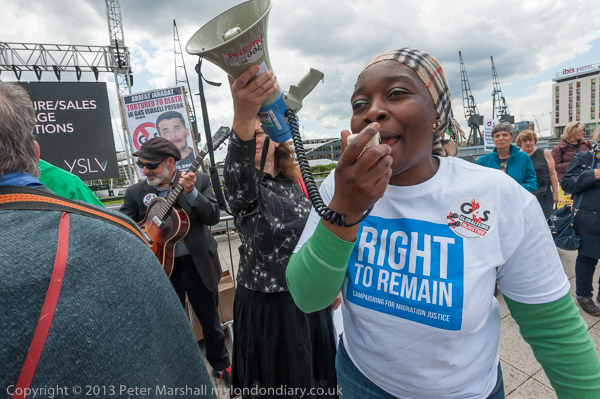
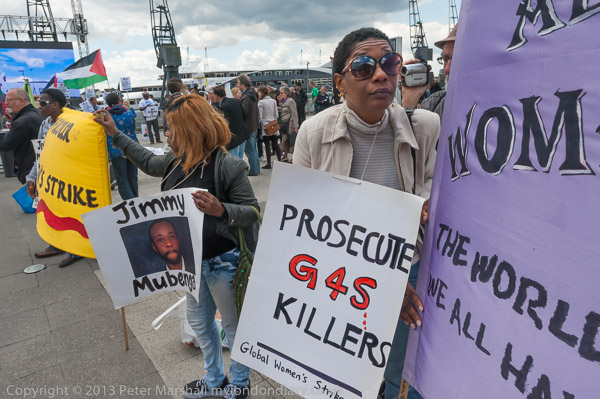
Thursday 5th June 2014 was the day of the AGM of G4S, a company deeply involved in the privatisation of prisons, policing, education and other public services and in human rights abuses both in the UK and in Palestine where it helps to run the Israeli prison system. So unsurprisingly a number of groups had come to protest outside the Excel Centre at Royal Victoria Dock in Newham where the AGM was taking place, and there were also a number of people who had bought shares so they had a right to attend the AGM and also to ask questions, challenging the company’s human rights record.

Among the various groups who had come to protest were the Boycott Israel Network, Boycott Workfare, Campaign to Close Campsfield, Corporate Watch, Friends of Al Aqsa, Inminds.com, Jews for Justice for Palestinians, Palestine Solidarity Campaign, Right to Remain, War on Want, Right to Remain and Global Women’s Strike, though as the protest was on a working day, the numbers representing each group were fairly low.

The protesters sang and handed out leaflets to shareholders attending the meeting, giving details of some of the human rights abuses that G4S has been responsible for or is complicit in. There were also apparently some nasty scenes when shareholders were ejected forcibly from the AGM for insisting on asking awkward questions, but the press was not allowed to photograph inside the venue.

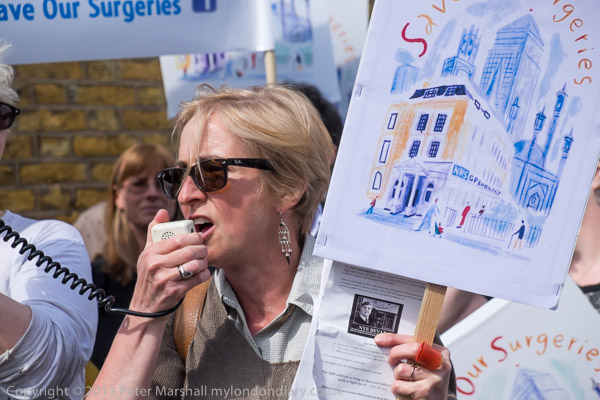
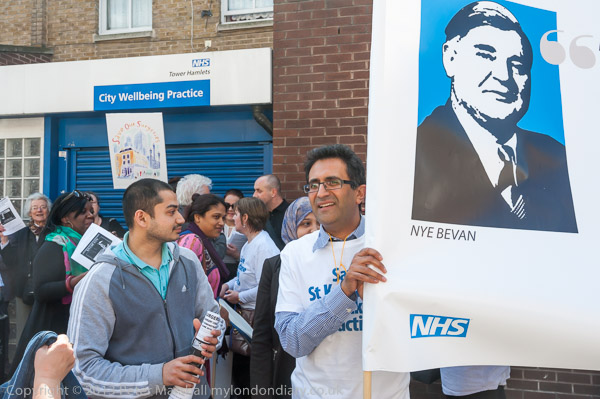
I joined a march in Tower Hamlets, which includes some of the most deprived areas of England, where medical staff and supporters had organised a ‘Nye Bevan’ march to ‘Keep Our NHS Public’, walking around the health practices in the borough. Medical practices were able to give a good level of service in deprived areas by the MPIG, the Minimum practice income guarantee, which was introduced for this purpose in 2004 following negotiations between the government and the BMA to recognise the higher health needs of both some inner city and rural areas. In 2014 the Coalition Government announced this was to be scrapped, with one seventh of it removed each year until 2021.

Many leading politicians (and their family members) have financial interests in healthcare companies, and NHS campaigners see the loss of MPIG as a part of the continuing privatisation by stealth of the NHS. Many GP practices are now run by large healthcare services, who lower costs by providing reduced services and diverting money which should be used for serving the needs of patients into providing profits for shareholders.

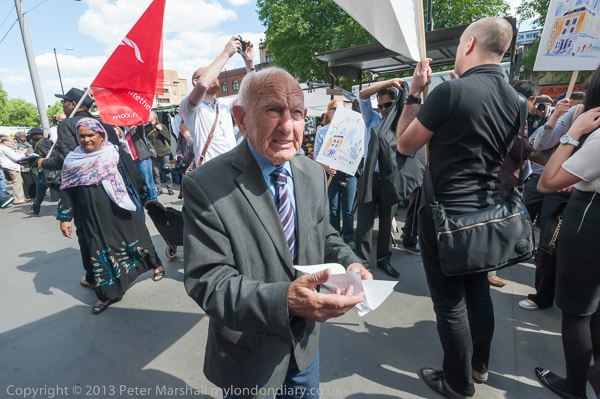
As the marchers arrived at each medical practice they were met by health workers and patients who came out to support them. Among those at the health centre on the Whitechapel Road was veteran anti-fascist and former Communist councillor Max Levitas, who had celebrated his 99th birthday 4 days earlier. I left before the march finished and the rally to go to the Colombian embassy.

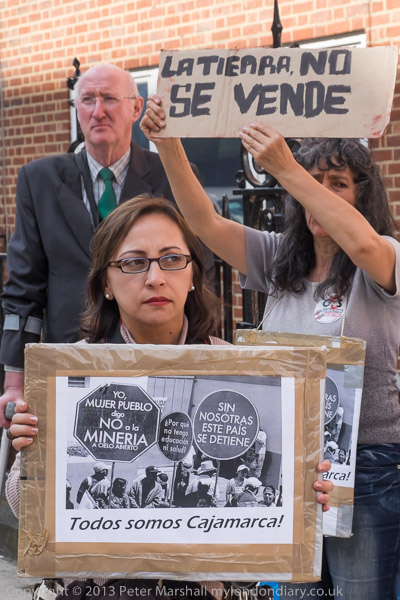
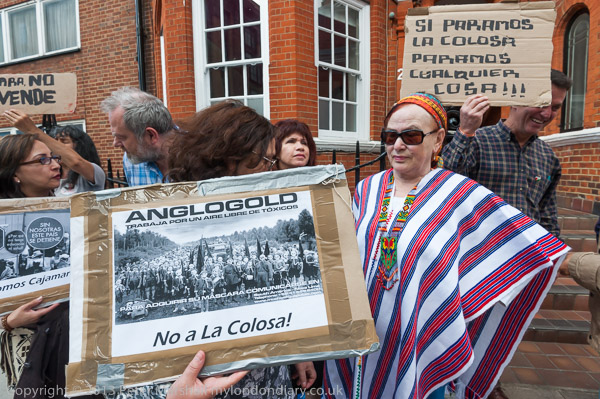
At the Colombian embassy protesters were condemning the vast La Colosa & Santurbán gold mines which endanger water sources in the high mountain regions and could wreck their fragile ecosystems. The London protests on UN World Environment Day and follow protests and carnivals by thousands of people in Ibague, the closest city to the mines as well as in other cities in Colombia. In Bucaramanga the whole city turned out in protests to stop the Santurbán gold mine owned by Canadian company Greystar Resources, and in 2019 there was a protest by 50,000 against the United Arab Emirates backed Soto Norte gold project which would be the largest underground gold mine in Colombia. Gold mining would releases large quantities of cyanide and arsenic into the water supplies of several million people.

The posters were in Spanish as they were aimed at the embassy staff. The Colombian Embassy is a relatively small section of a building just to the rear of Harrods, which also houses the Ecuadorian Embassy, where while this protest was taking place Julian Assange was still in political asylum in their small part of the building, and regular protests were still taking place calling for his release. Unfortunately he was instead handed over to the UK police and now seems likely to die as a political prisoner either in the UK or, if extradited, in the USA.

Colombian Mines – World Environment Day
Tower Hamlets – Save our Surgeries
G4S AGM Protest Against Human Rights Abuses


All photographs on this and my other sites, unless otherwise stated, are taken by and copyright of Peter Marshall, and are available for reproduction or can be bought as prints.


Heathrow and More

Heathrow – Make a Noise – No Third Runway – 31st May 2008

It really is long past time we saw some real policy changes to back up the governments promise to be leaders in the fight against global heating. We need real action on a number of front, but one obvious area is transport.

There are I think three major announcements that would clearly demonstrate some substance behind the rhetoric, and it would be good to see them all before the start of COP26 in Glasgow.

Firstly there should be a complete re-evaluation of the £27 road building programme for 2020-2025, with the cancellation of most or all new road schemes, with money being diverted into public transport schemes, better infrastructure for electric vehicles and better maintenance of the existing road network, particularly local roads.

Secondly we should see the cancellation of HS2, any economic case for which has disappeared. It’s hard to know why it was ever given the go-ahead, when better alternatives existed. There should be long term savings from stopping it even at this late stage, and it would be good to see more improvements to the existing rail system and in particular local rail and light rail systems.

But perhaps the most important announcement would be to end all thoughts of airport expansion and in particular the plans for another runway at Heathrow. It seems very unlikely to actually go ahead, but it would be good for this to again be ruled out.

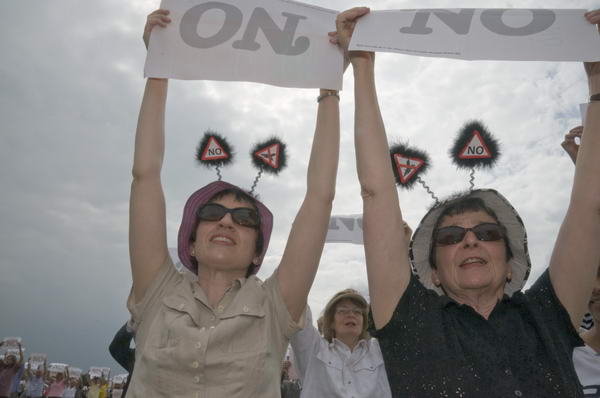
Back on May 31 2008 I was with campaigners marching from Hatton Cross on the edge of Heathrow around the north-eastern edge of the airport to the village of Sipson, a short distance to its north and under threat from demolition for an extra “third” runway. (Heathrow was built with six, but only two are now usable as planes have got larger with higher landing speeds as well as new building on the airport.)

I was one of the campaigners as well as taking photographs, having been a local resident for all but a few years of my life. When I was first aware of Heathrow, DC-3s and other relatively quiet propellor aircraft would amble above my garden perhaps every ten minutes or so and I would see the giant letters under their wings and cross them off in my spotter’s book as they made their way to or from the runway a little under 3 miles away.

By the time I was in secondary school and taking O and A levels, jets had taken over and the noise was ear-splitting and flights more frequent. My school was a mile further way from the airport, but still under a flightpath, and lessons were often interrupted by the noise. A year or two later we moved house as my father was re-marrying and we needed more space, and he chose a street still close to the airport but centrally between the two flypaths, where aircraft noise for us was greatly reduced.

When I moved back to the area in 1974, I chose a house well off the two main flypaths, though still under 4 miles from Heathrow. But when there were strong cross winds, perhaps 20 days a year, aircraft used two of the shorter runways which directed them over our roof – though sometimes it seemed almost as if they were going through the loft and the whole house shook. We had the whole house double-glazed which helped considerably – and the new windows didn’t rattle like the old ones had when the planes flew over.

The protest in May 2008 was a part of a long campaign, one of a number of protests I photographed since 2003 which eventually led to the plans for another runway to be dropped. Among those who opposed to expansion were both Conservative and Liberal Democrat parties (and later it was their coalition government which cancelled it on 12 May 2010) and then Mayor of London Boris Johnson. But Heathrow didn’t give up and after a biased commission report Heathrow expansion became government policy in October 2016. It was the wrong decision then and seems totally crazy now in the light of the climate crisis.

Heathrow – No Third Runway

British Museum and BP

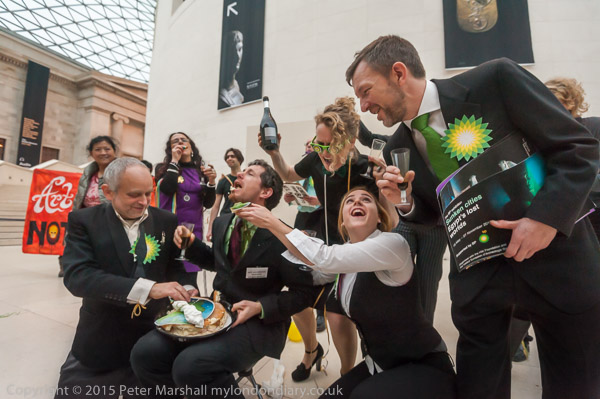
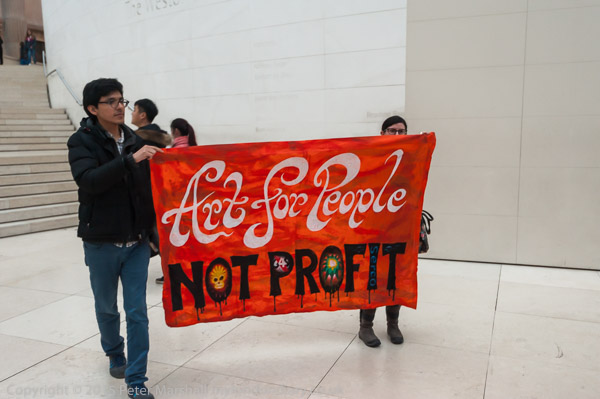
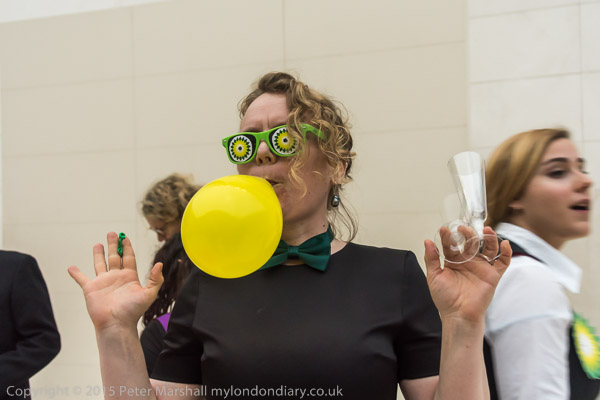
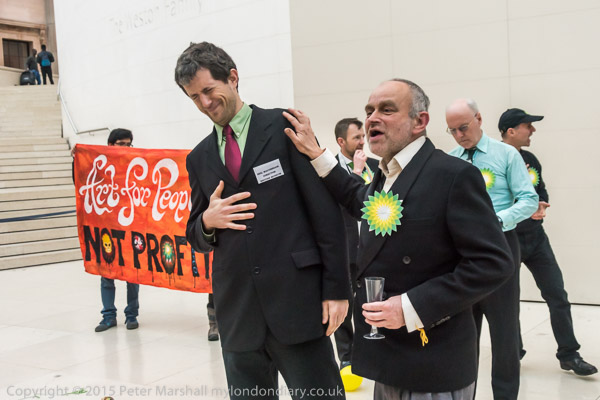
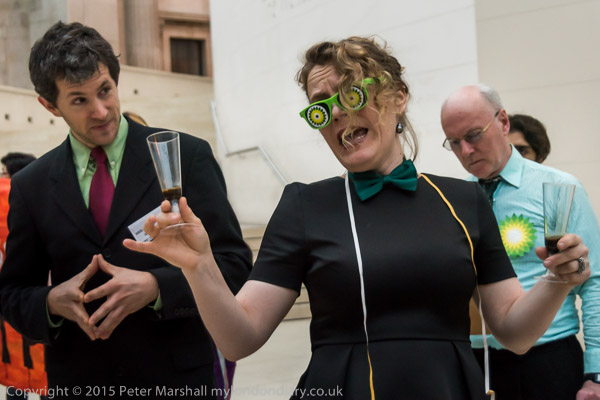
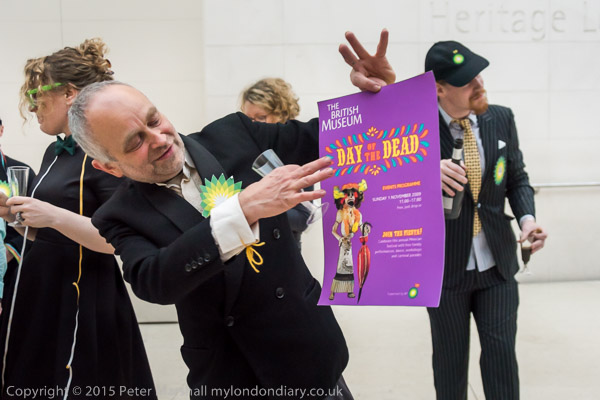
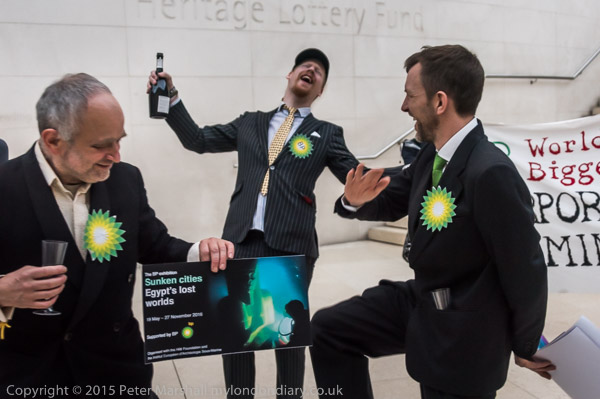
Five years ago today on 20th December 2015 I went into the British Museum with “actor-vists” from ‘BP or not BP‘ to photograph their ‘A Farewell to Neil MacGregor – Director of the British Museum‘ who had enjoyed a “cosy relationship” with the museum’s sponsor, BP.

Fossil-fuel companies make their profits largely through the combustion of the hydrocarbons they produce in the engines of cars, lorries and aeroplanes and the boilers used to generate electricity and heat buildings and other processes which turn the carbon in these fuels into the greenhouse gas carbon dioxide, the main cause of the global warming which is currently threatening the future of human life.

As well as that, the prospecting and exploitation of oil resources, now more and more taking place in environmentally fragile areas such as the Arctic, together with spillages, some inevitable but others demonstrating a remarkable lack of care are causing terrible damage to our environment. And of course most of what doesn’t get burned is made into plastics and we are now becoming aware of the huge amounts of this that ends up in the marine environment with disastrous consequences.

While continuing to fuel the global crisis, companies such as BP have invested heavily in promoting themselves as good guys, publicising the relatively small investments they have been making in renewable energies and other green areas. It’s a short-sighted policy as their long-term future – and ours – depends on a complete move away from carbon fuels, but one which keeps current investors rich at the cost of the rest of us.

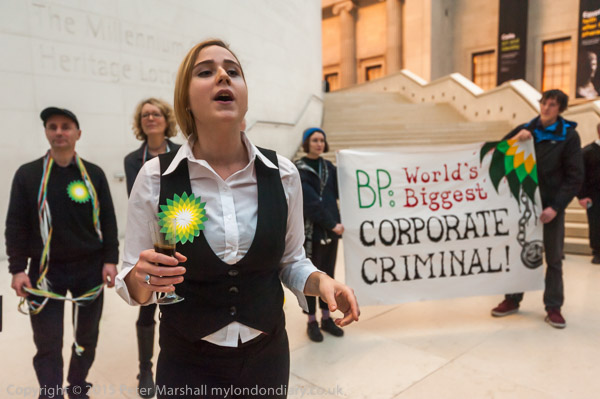
Almost certainly the most cost-effective part of the ‘green-washing’ of BP’s ecologically disastrous activities has been their sponsorship of many of our major cultural institutions including the British Museum, something which the cultural activists of ‘BP or not BP’ have highlighted in a number of artistic interventions. I was pleased to be able to photograph their play depicting ‘BP executives’ giving a farewell party to departing Museum director ‘Neil MacGregor’ inside the British Museum’s Great Court.

Although BP’s contribution is only a fraction of the museum’s budget, they get an engraved message on the wall of the rotunda in the Great Court and their logo prominently on the publicity for the museum’s major exhibitions which have included Vikings, Ming, Indigenous Australia: Enduring Civilisation, the Mexican Day of the Dead and Sunken Cities. As BP or Not BP point out, the last two are particularly unfortunate as BP has been given the largest corporate criminal fine in history of $18.7 billion for the underwater Deepwater Horizon oil spill which caused huge pollution of the ocean around the coast of Mexico.

My write-up on My London Diary gives a fairly full account of what happened with a lot more pictures. Many museum staff are unhappy about taking cash from BP and welcome the publicity protests like this give. The protesters assured the museum security that they would cause no damage and leave without any trouble after the relatively short performance which continued without any interruption and entertained a number of the visitors to the museum.

You can also read a fuller account, with some of my pictures and including the full text of the play on the on the BP or not BP website.


All photographs on this and my other sites, unless otherwise stated, are taken by and copyright of Peter Marshall, and are available for reproduction or can be bought as prints.


Oct 1 2016: Heathrow Climate Die-in

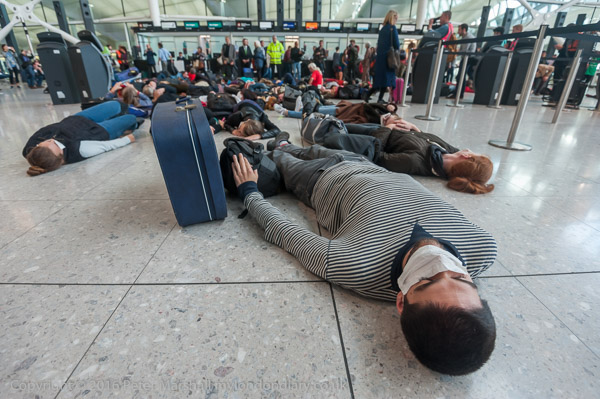
The die-in begins

I’m not a great fan of Prince Charles – or any royalty who I think are all parasites whose ancestors stole the land from the people and are still fleecing us in various ways – but I had to agree with him when a few days ago he called for a ‘Marshall-like plan’ to combat climate change, which he warned will “dwarf” the impact of coronavirus, with potentially devastating consequences. Perhaps he was still rather underplaying the danger we all face, but if he and David Attenborough were ever to come to power we might just see a shift in our establishment and government that could at least alleviate some of the more disastrous effects of global heating.

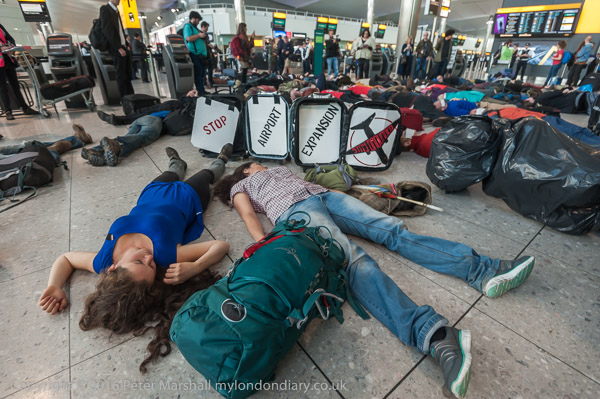
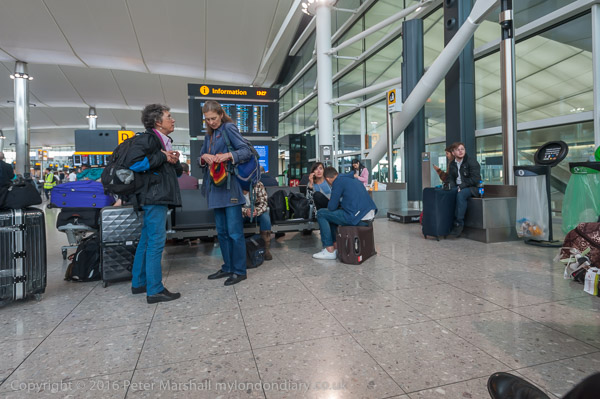
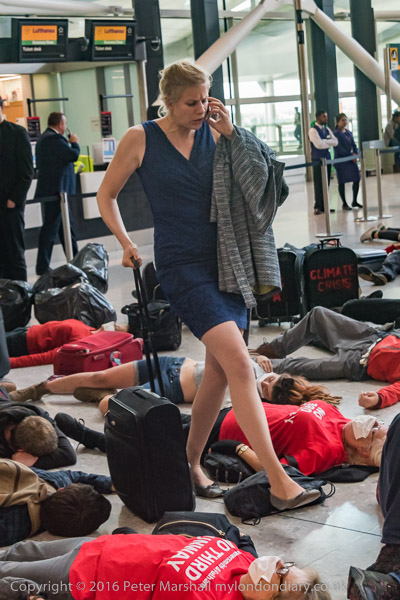
Protesters wait with travellers in the Departures lounge

But I’m not optimistic. Averting catastrophe will require drastic changes in our economic structures and ways of life which will impact the highest polluters most – and that “1%” are those who currently run most of the world to feed their ever-unsatiated greed. The rich are the rich because they have always put themselves first, and have never given up their advantages without a fight – and have always been able to afford the better arms and armies.

One thing that will have to change is aviation. Flights by a relatively small proportion of people make a ridiculous contribution to greenhouse gases – not just by weekend private jet flights to Perugia but much more by ‘frequent fliers’ on regular services. But it isn’t just the emissions from burning fossil fuel in flights, but the huge amounts of energy and materials in making planes and airport infrastructure which present a problem, as well as the effects of global freight leading to deforestation and other environmental problems around the world. Even if hydrogen-fuelled aircraft were to remove most of the pollution problems of actual flights the aviation industry will remain a climate threat.

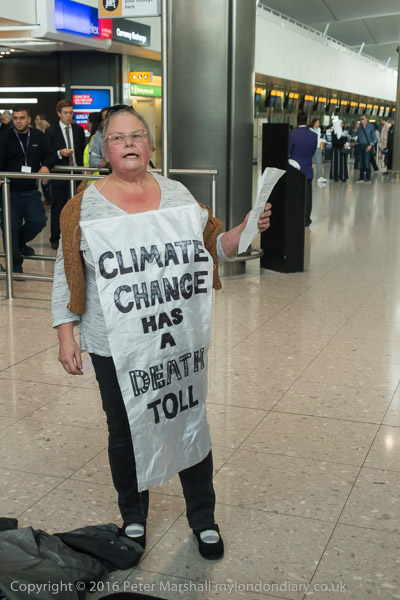
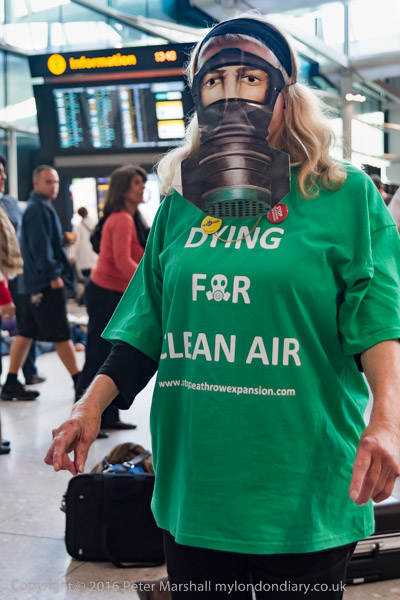
Some had aprons with messages and read out information and there were speeches

Back in 2010 I was with local campaigners celebrating the cancellation of plans to expand Heathrow by building an extra ‘third’ runway. But lobbying by the aviation industry and a deliberately short-sighted ‘Davies Report’ put it back as government policy in 2016, though in 2020 a judicial review ruled that the government’s decision to proceed with building the third runway were unlawful as they had failed to take into account the government’s commitments to combat climate change.

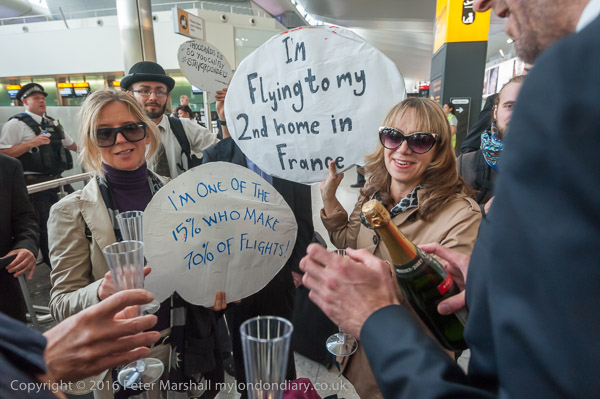
The protest inside Heathrow’s Terminal 2 took place as the government were preparing to back building the third runway again in 2016 and was organised by Reclaim The Power. It was a part of a global wave of resistance to airport expansion on environmental and social grounds, and took the form of a ‘flash mob’ with a well choreographed event, beginning with a die-in over which frequent fliers stepping over their dead bodies and luggage to a champagne fast track check-in desk, followed by songs and dances.’ There were other protests at Gatwick and in Austria, France, Mexico, Turkey and elsewhere.

A protester dressed as a frequent flyer steps through the die-in

I just a just a little nervous anticipation beforehand about photographing the event, which was taking place in a privately owned space, though one open to the public, but airport security made no attempt to stop me or the protesters other than keeping us outside the security zone. I think the organisers had made clear to them that they were not attempting to greatly disrupt the airport and would not be causing any damage.

‘Frequent flyers’ party

Outside the airport where 150 cyclists were protesting things were a little different, with police over-reacting hugely to a relatively minor protest, shutting down roads across a large area for several hours. They turned what would have been hardly noticeable to travellers in the area into a major incident.

Many more pictures from the protest inside Terminal 2 at Heathrow flashmob against airport expansion.