Derbyshire – 2026

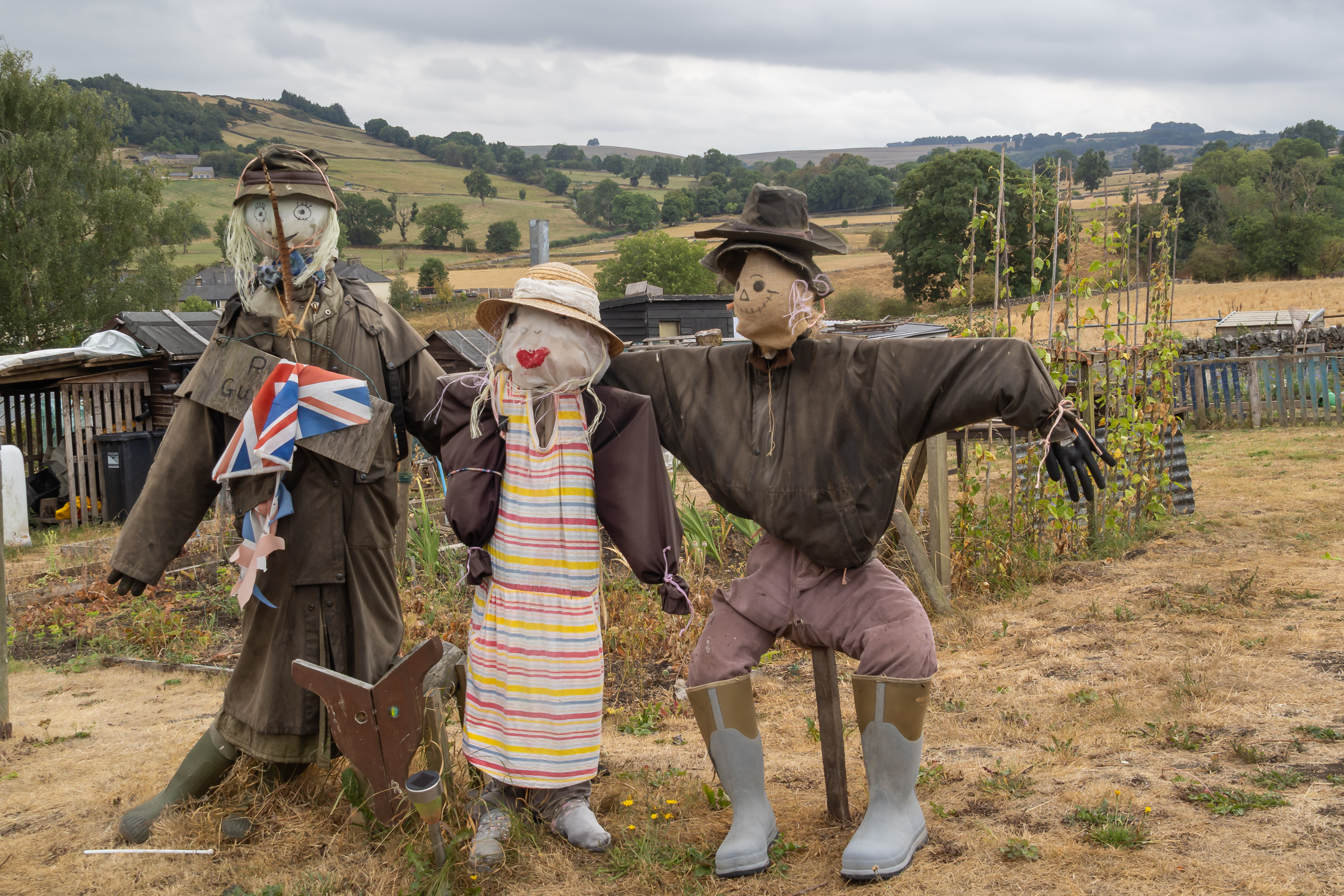
Derbyshire – On 14th August 2026 we set out for a few days of holiday in Derbyshire, staying in a ‘holiday cottage’ – a ground floor flat in the centre of Matlock.

Our journey there by train turned out to be a small nightmare. We had booked to travel via Reading, where we were to board a CrossCountry train to take us to Derby for the local service to Matlock.

Unfortunately we arrived in good time at Reading Station only to find our train on the Departures board with the word CANCELLED. I looked for the information office, but though Reading is a large and very busy station it seems not to have one, so I approached a member of railway staff on the platform and asked for advice and was told to take the next train to Birmingham New Street and change there for Derby.

It was another CrossCountry train, and as usual had too few carriages for its passengers even without extra people like us – who had of course lost our seat reservations. Fortunately I only had to stand as far as Oxford before I got a seat – about half and hour in very overcrowded train. A little over an hour and a half later we arrived in Birmingham New Street – on the minute the next Derby train was due to leave.


Birmingham New Street is the station from Hell, with poor signage and we rushed across and down what a sign had suggested was the right escalator to find an empty platform. Fortunately I spotted a train at the other end of the platform and we rushed onto it, managing to squeeze past people already standing in the crowded vestibule.

We managed to find a ledge we could perch rather uncomfortably in the luggage area at the end of the carriage. I couldn’t quite sit up straight, but it was better than standing for the 33 minute journey, though windowless and a little dark. But of course we arrived at Derby a few minutes after the train for Matlock had left – with over 50 minutes to wait for the next hourly service.

CrossCountry Trains used to be owned by Deutsche Bahn but was bought in 2024 by an ‘infrastructure investment company’. Under both it has had a terrible record. I’ve never been on a service which wasn’t desperately overcrowded with trains only having four carriages where really at least six were needed. And their services have often been cancelled or running significantly late – once 4 hours late.

Our delay on this journey was only 60 minutes – and the only good thing about this journey was that this should enable us to get a complete refund. Though it did take me around ten attempts to fill in the compensation form before it was completed without ‘unknown errors’ or refusing to accept that I had booked two ticked on the same booking reference and other silly things.

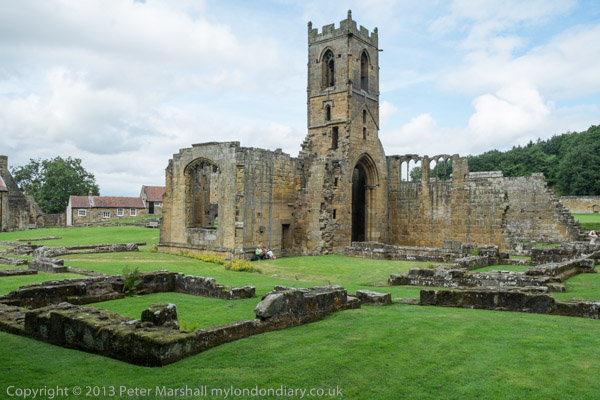
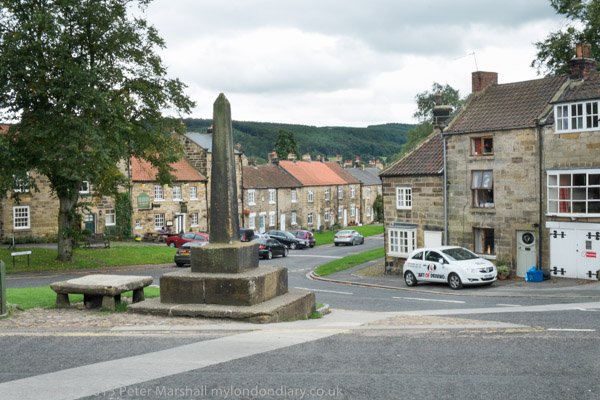
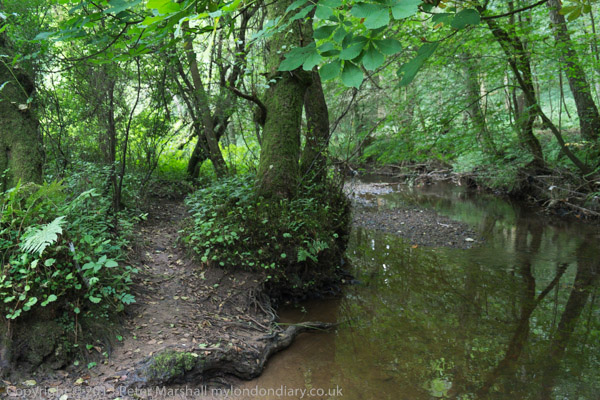
Anyway, we got there and were soon sitting in a nice small flat a short walk from where one of my sons and his family live. We spent the next four days with them, going to various places in Derbyshire, though I did also go on a couple of walks on my own around Matlock and Lumsdale. We also visited Ashbourne, Wirksworth, Bonsall, Whitworth Park and Youlgreave, and drove through many villages I remembered from my visits to Paul Hill’s ‘The Photographers’ Place’ in the 1970s – which you can see more about in http://buildingsoflondon.co.uk/pm/darbis/ Darbis Murmury. I was inspired and set going in the right direction by Raymond Moore and it really was the start of my real life in photography.

We left Matlock on Tuesday by bus to Buxton and from their onto Mancester by Northern Rail. More from our stay there in a later post. But we hadn’t finished with Cross Country Trains, and on Saturday came back from Manchester to Reading on one of these.

This time we were lucky and there was a train and we had our reserved seats and it ran more or less to time. But as usual it was only four coaches and there were many having to stand. Fortunately we had decided not to come home on the following day as Cross Country Trains cancelled ALL services on the Sunday. A total shambles of an organisation who should never be allowed to run any public service, certainly not a railway.

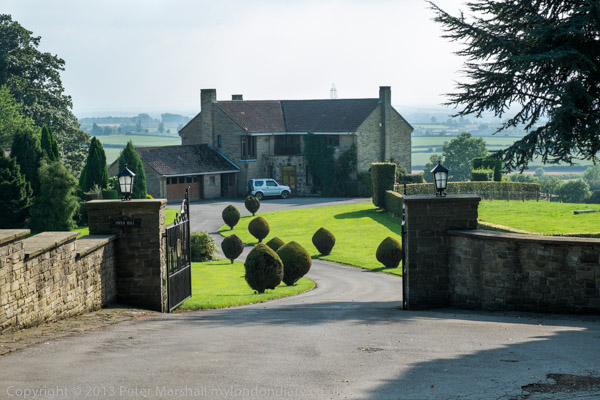
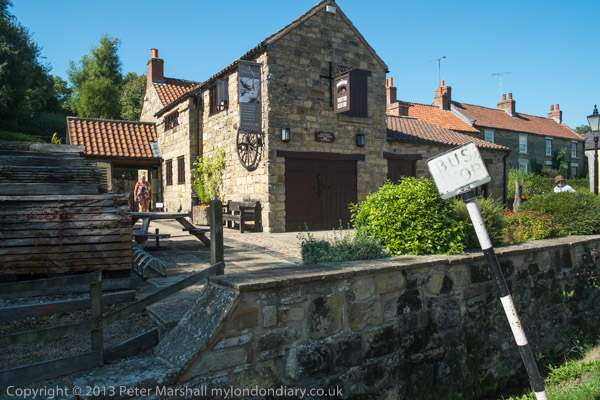
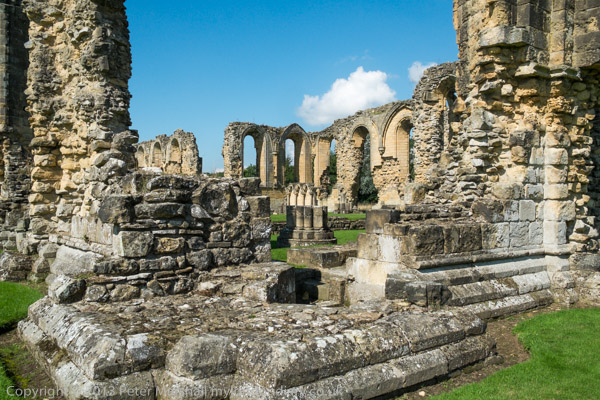
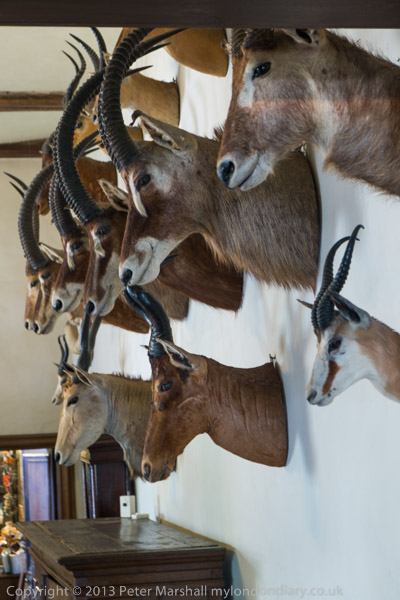
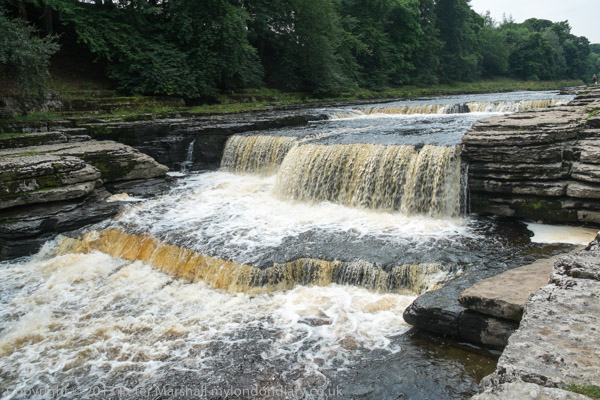
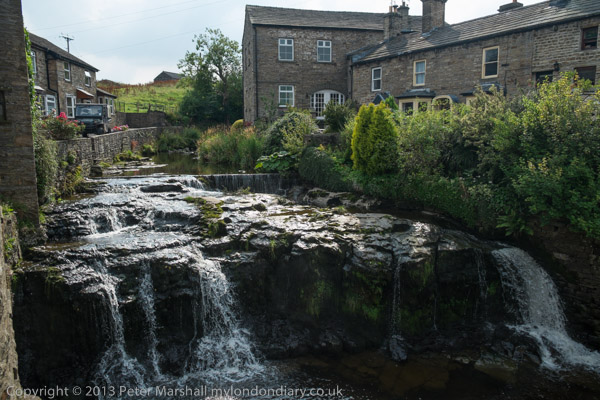
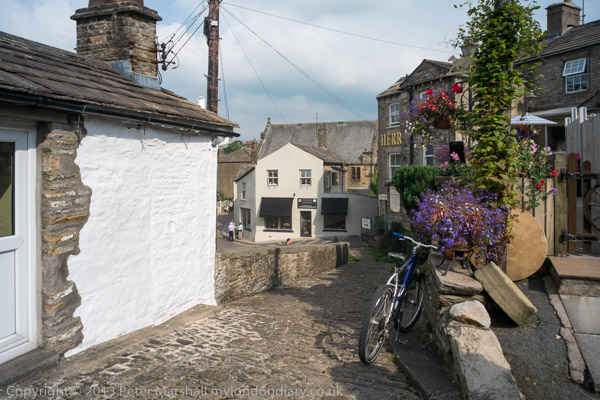
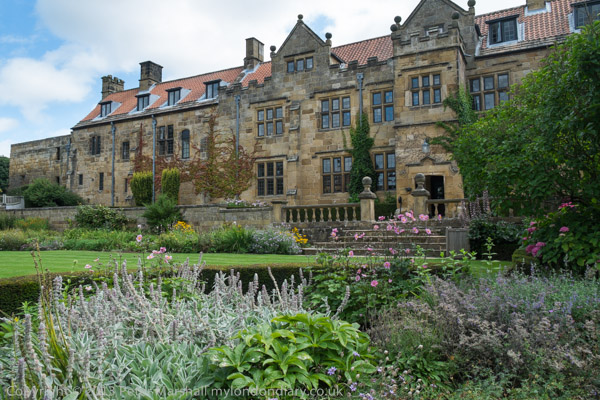
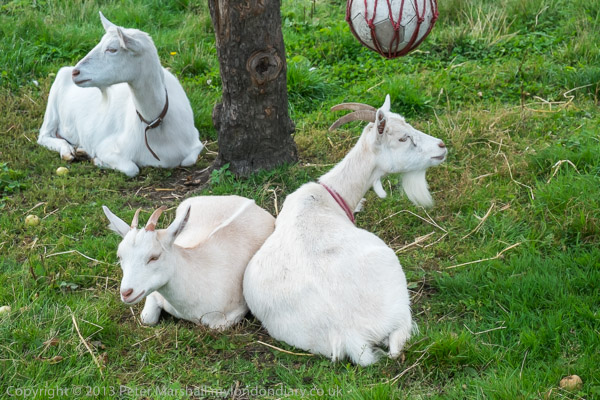
I haven’t captioned the pictures, but some will recognise some of the locations and may like to comment…


Flickr – Facebook – My London Diary – Hull Photos – Lea Valley – Paris
London’s Industrial Heritage – London Photos

All photographs on this page are copyright © Peter Marshall.
Contact me to buy prints or licence to reproduce.

Gunnersbury Park & Brentford – 2018

Gunnersbury Park & Brentford - 2018
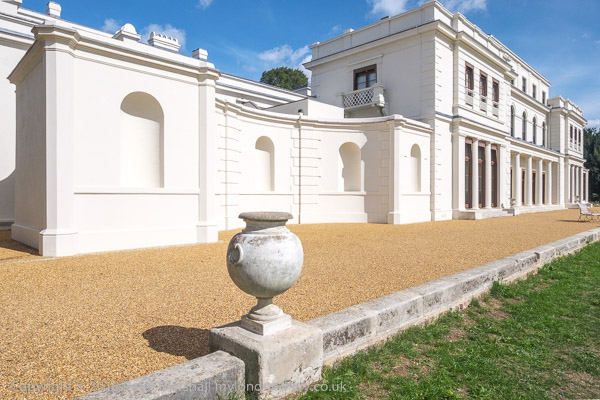
Gunnersbury House Museum – the ‘Large Mansion‘

Gunnersbury Park & Brentford: Another family outing on Friday 24th August 2018 took us to Gunnersbury House Museum, a free museum jointly owned by the London Borough of Hounslow and the London Borough of Ealing. It turned out to be considerably more interesting than I expected.

Gunnersbury Park & Brentford - 2018
Lionel Road – now the site of Brentford Community Stadium

The 200 acre Gunnersbury estate was bought in 1925 from the Rothschild family by Ealing Borough Council and Acton Borough Council for £130,000, although it was all actually just outside their areas and in Brentford Urban District. They wanted to build over it, but the Rothschilds stipulated that all except a small part of it it was only to be used for leisure and recreation and it was opened to the public as a park by Neville Chamberlainn, then Minister of Health, in 1926.

Gunnersbury Park & Brentford - 2018
The elevated section of the M4 above the Great West Rd

Development of the site as a ‘country estate’ on the outskirts of London had begun in the late 17th century when the first large mansion, Gunnersbury House was built around 1663. The estate passed through various hands including wealthy merchant and MP Henry Furnese who had noted landscape designer William Kent give the park a makeover. Next Princess Amelia, favourite daughter of George II, had further changes made to the grounds for her famous parties there, including building a bathhouse.

Gunnersbury Park & Brentford - 2018
The temple is the only 18th century building remaining on site

The first mansion was demolished in 1801 and the estate was split into two adjoining estates each with a new mansion.

Gunnersbury Park & Brentford - 2018
A long series of rooms faces the garden in the ‘Large mansion’

The Grade II* listing for the ‘Large Mansion’ states it was built in “1801-28 by and for Alexander Copland; remodelled 1836 by Sydney Smirke for Nathan Mayer Rothschild, the City financier and Frankfurt-born founder of the British branch of this famous international Jewish banking dynasty.”

Gunnersbury Park & Brentford - 2018
The ‘Small Mansion’ still in rather poor condition

Next door the “Small Mansion”, on the site of the former mansion was built in 1801-1802 for Stephen Cosser according its Grade II listing, though other sources place it a few years later. It was extended with a service wing in 1837-44 by eccentric “Rogue Gothic” architect Joseph Peacock (1821–1893).

The Rothschilds had two French chefs who shared this office

The Rothschilds bought the Large Mansion (now the museum) and its gardens and park in 1835, adding the Small Mansion and its grounds in 1889 to recreate the now Grade II* listed Gunnersbury Park.

Large prints from Leopold de Rothschild’s Autochromes show the place as it was over a hundred years ago – with flamingos

I walked with Linda to the park from Kew Bridge Station along Lionel Road “with some difficulty as it is now a building site and crossed the Great West Road under the overhead M4, a Ballardian trek past the old and closed castellated gate to the park to enter into a sylvan wilderness, walking past the Potomac lake and its gothic folly.”

The garden slopes down from the house to a lake

Older members of our party took a shorter walk from the underground at Acton Central. Lionel Road is now overlooked by Brentford Community Stadium opened in 2020.

Princess Amelia’s Bath House

The park is certainly worth a visit and on My London Diary you can read more about what were for me the two highlights.These were the huge Rothschild’s kitchens where meals, not generally kosher, were prepared under the supervision of two French chefs, and a display of large prints from the Autochromes taken by Leopold de Rothschild using the first practical colour photography process patented by the Lumiere brothers in 1903 and sold to the public from 1907.

I made a new picture as we passed a cafe I photographed almost 30 years earlier on our way to Kew Bridge

We ate, not from those kitchens but from the modern park café, “tasty but rather insubstantial, and if you visit and are hungry, I’d advise a side order of chips” – or a short walk to a cheaper place near Acton Town station.

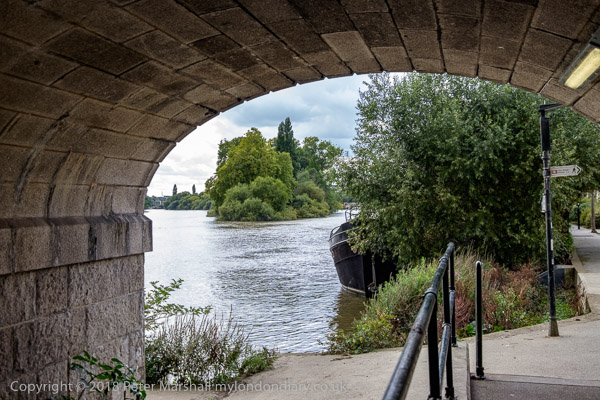
The Thames and Brentford Ait from under Kew Bridge

After the meal we said goodbye to the others and took a longer walk around the park before walking back to Kew Bridge station. With almost half and hour to wait for the next train we took a short walk by the River Thames to Brentford High Street and back.

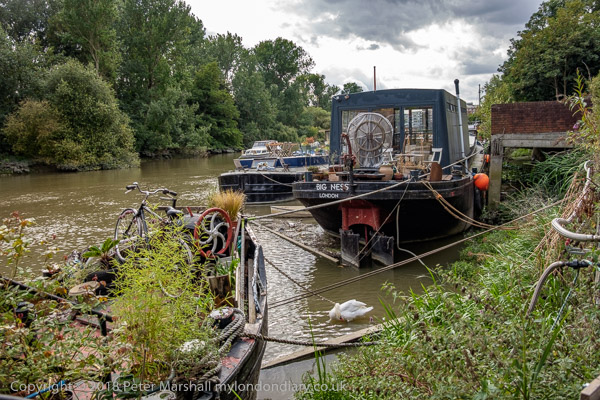
Mooring on The Hollows

You can read more about our trip to the park and the museum and see many more pictures from the day on My London Diary at Gunnersbury Park & Brentford.


Flickr – Facebook – My London Diary – Hull Photos – Lea Valley – Paris
London’s Industrial Heritage – London Photos

All photographs on this page are copyright © Peter Marshall.
Contact me to buy prints or licence to reproduce.


More Holiday Snaps – 2013

More Holiday Snaps: I’ve just got back from this year’s holiday and have still to really look at the pictures that I took. So for the moment I’ll share a few pictures from a week’s holiday with friends which began on 23rd August 2013. You can see many more of the on My London Diary at More Holiday Snaps.

More Holiday Snaps - 2013
Aysgarth falls

We stayed in Sowerby, the other half of the better-known market town of Thirsk in North Yorkshire. Holy Rood House had from 1979-1993 been the The Convent of the Holy Rood but in 2013 was, a Centre for Health and Pastoral Care, and we had hired it for a week during its summer break.

More Holiday Snaps - 2013
Thirsk Hall, home of the Lord of the Manor – John Bell lives here alone. The Bells have owned the manor since 1723

The pictures on My London Diary include some of our friends and some inside the house itself, as well as from out many walks in and around Sowerby and Thirsk as well as from a short stretch of the Cleveland Way, and from visits to Byland Abbey, Nunnington Hall, Mount Grace Priory and across in the Yorkshire Dales, the Aysgarth Falls and Hawes.

More Holiday Snaps - 2013
The sluice gate on the Cod Beck.
More Holiday Snaps - 2013
Near South Kilvington
More Holiday Snaps - 2013
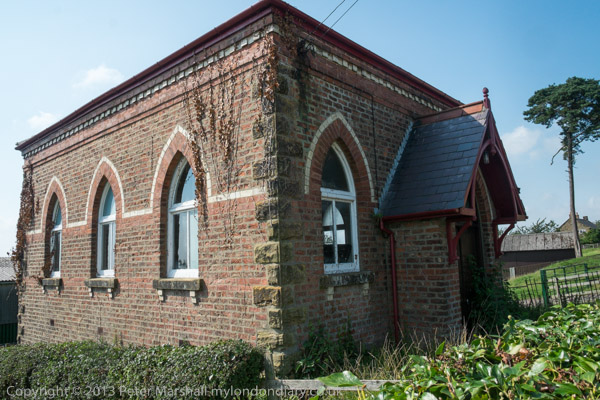
Disused Primitive Methodist chapel at Upsall, built 1887
More Holiday Snaps - 2013
Piper Hill, Felixkirk
More Holiday Snaps - 2013
Kilburn
Byland Abbey
Nunnington Hall
Aysgarth: The lower falls
Hawes
Mount Grace Priory
Behind the house are the ruins of one of the largest and wealthiest of England’s Carthusian monasteries
Osmotherley
We took the Cleveland Way east out of Osmotherley
Finally we said goodbye to our friends and the goats at Holy Rood House and came home.

Many more pictures on My London Diary at More Holiday Snaps.


Flickr – Facebook – My London Diary – Hull Photos – Lea Valley – Paris
London’s Industrial Heritage – London Photos

All photographs on this page are copyright © Peter Marshall.
Contact me to buy prints or licence to reproduce.


A Day in London – 2004

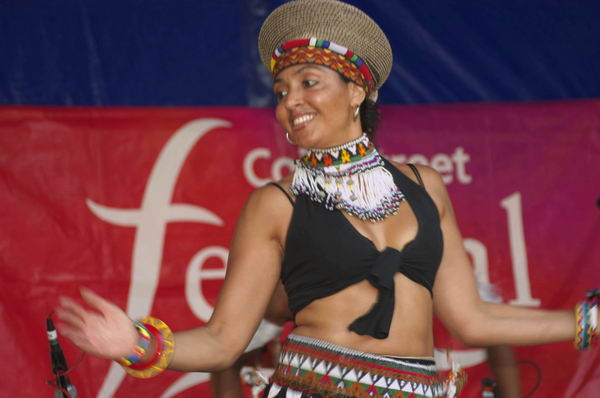
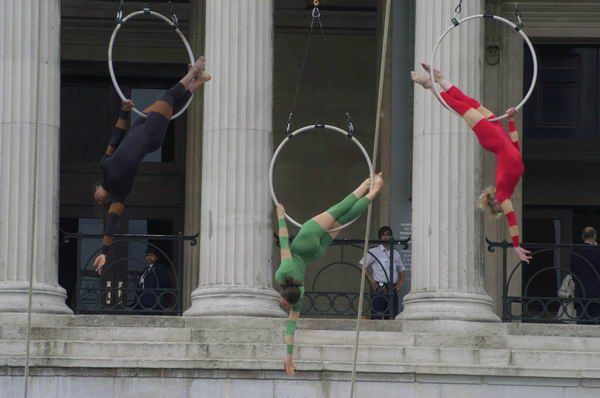
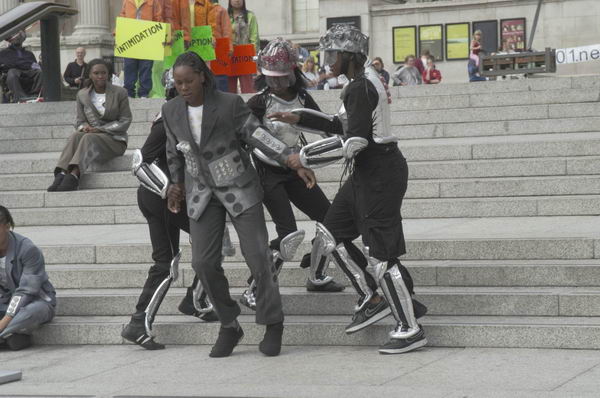
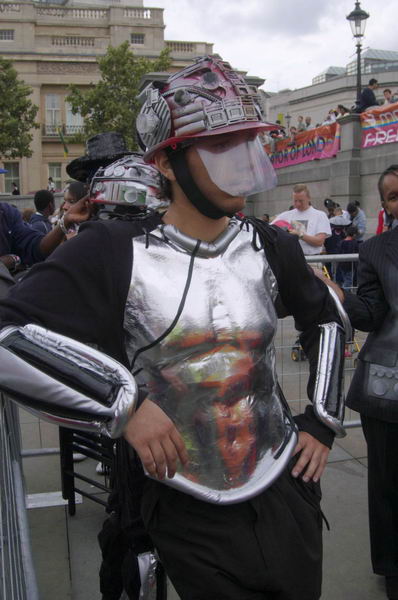
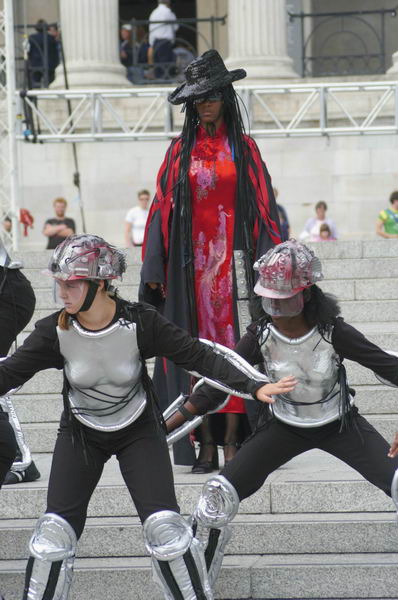
A Day in London: I spent Sunday August 22nd 2004 wandering around London looking for things that didn’t seem to happen and finding other things that hardly seemed worth taking pictures of. But I did take some pictures. A few at Speakers Corner, Fast Forward a BBC Radio London event in Trafalgar Square, Gymnasts in Olympic Rings and some dancers in a dystopian vision in ‘Forward To Da Future’. Finally I went over the river back to Viva South Africa in the Coin Street Festival I’d visited the previous day.

A Day in London - 2004

Here I’ll reproduce (with some minor corrections) what I wrote in 2004 and post a few of the pictures that I took – you can see more on My London Diary here for Viva South Africa and here for more pictures from 22nd August.


A Day in London - 2004
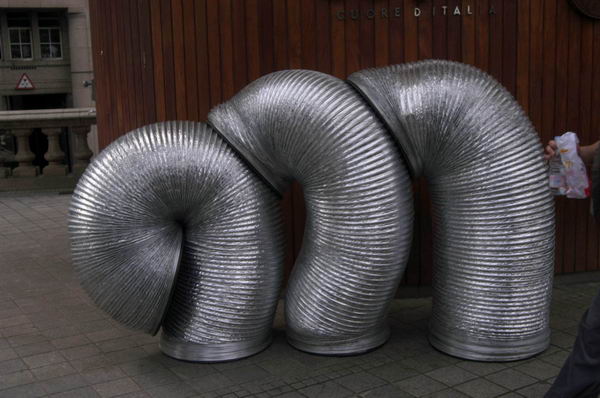
Pipes or Art?

Sunday was disappointing. Two demonstrations I’d been told about either didn’t happen at all or were so late I’d given up and gone away by the time they did. There are quite a few things like this, people publicise events, then change their mind, or sometimes they simply get the day wrong in the announcements.

A Day in London - 2004

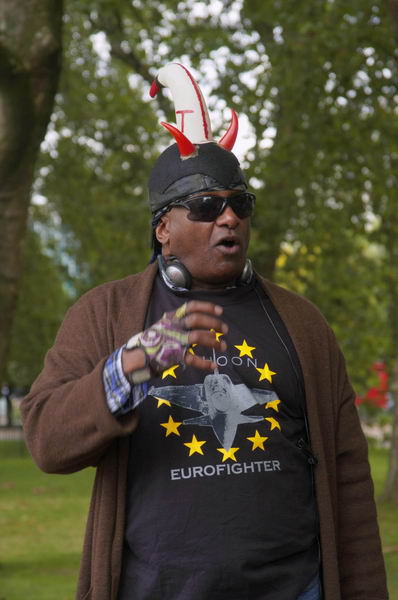
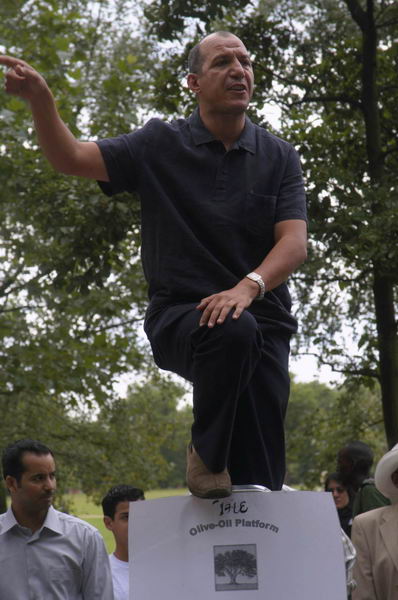
I wandered into Speakers Corner to find the usual guys there, mainly religious nutters, but at least a couple with a sense of humour. My vote goes to the Olive Oil Party; we are superior to the Americans because we don’t need Viagra, we have olive oil, though I wasn’t quite clear what you need to do with it.

A Day in London - 2004

Then I went to Trafalgar Square, to see ‘Fast Forward’,but it seemed to be run by BBC Radio London, and was bad news, too much agitated media-hype like silly kids TV programmes on Saturday mornings. Fast Forward really was a washout, and failed to live up to the billing. Shoreditch parade the previous day had shown what people and communities can do and the real excitement and involvement it can generate; this was more about a few people on the make, exploiting the arts establishment’s guilt about race.

There were some rather clever gymnasts performing in five hoops – ‘Olympic Rings’ – hung from a frame in front of the National Gallery, but there are only so many things you can do with a hoop.

A Day in London - 2004

‘Forward To Da Future’ was more interesting, with lots of kids in a dance performance, the result of a dance summer school. But the woman dancer going on about meeting a man who didn’t turn up and texting on mobile phones was ultimate trivia; wasting her dance talent with inadequate material.

I made for some real music at the second day of the Viva South Africa festival on the south bank.

Viva South Africa on 21 August
More pictures from 22nd August


Flickr – Facebook – My London Diary – Hull Photos – Lea Valley – Paris
London’s Industrial Heritage – London Photos

All photographs on this page are copyright © Peter Marshall.
Contact me to buy prints or licence to reproduce.


Jubilee River & Taplow – 2014

Jubilee River & Taplow - 2014

Jubilee River & Taplow: For many years I went out roughly monthly for walks with members of my elder brother and sister’s families followed by a pub lunch. As we aged the walks got shorter, the number of us still living became fewer, and the walks have become simply lunches for the remaining four at pubs closer to home. But in 2014 we were still walking perhaps five or seven miles before lunch.

Jubilee River & Taplow - 2014

Thursday August 21st 2014 we parked at the ‘Oak and Saw’ in Taplow before setting off for a walk. As I wrote back then, the walk “took me to one of the places where the rich live, Taplow, just across the Thames from Maidenhead, and by the Jubilee River (the Maidenhead, Windsor and Eton Flood Alleviation Scheme) built to protect the riverside homes of billionaires from flooding, taking surges of the Thames after prolonged rain downstream to flood Old Windsor, Datchet, Wraysbury, Staines and Chertsey where most of us are considerably poorer.”

Jubilee River & Taplow - 2014
Oak and Saw, Taplow

We roughly followed the well-described walk from a link on the pub website of around 4.5 miles, though a few short deviations probably added a mile.

Jubilee River & Taplow - 2014
A detail of the gates painted by Sheila Horton at her home with fellow artist Brian Horton

Six months earlier there had been considerable flooding downriver as the Jubilee River protected the homes of the rich upstream, though the Environment Agency denied any connection, common sense says otherwise.

Jubilee River & Taplow - 2014
Walter de la Mare who lived in Hill House from 1925-39

The 7.2 mile long Jubilee River cost £110 million, with repairs found to be needed shortly after due to poor construction adding another £3.5 million – and considerable ongoing costs.

Jubilee River & Taplow - 2014
Skindles Hotel in Maidenhead, once notorious as a place for adulterous assignations.

The River Thames Scheme which would alleviate flooding in the downstream areas would cost more and although over £100 million has been spent on ‘development work’ but nothing has actually been done. It was due to be delivered by 2030 at a cost of £500 million but there seems to be no chance of either target being met.

Maidenhead Bridge
River Thames & Maidenhead Bridge
Jubilee River (Datchet, Old Windsor & Staines etc Flooding Scheme).

It was a pleasant walk and “Taplow seems a nice village, and though I’m sure not everyone is filthy rich, certainly quite a few people there seemed to be from what we could see through their windows as we walked around. Its only a short distance to Maidenhead for the commute into London – or a drive along the M4, and there are many large businesses with their headquarters or large offices in the corridor west from Heathrow an easy drive away.”

And it ended with a pleasant meal and, for me as I no longer drive, a couple of decent pints of real ale.

Many more pictures on My London Diary at Jubilee River & Taplow.


Flickr – Facebook – My London Diary – Hull Photos – Lea Valley – Paris
London’s Industrial Heritage – London Photos

All photographs on this page are copyright © Peter Marshall.
Contact me to buy prints or licence to reproduce.

Leyton & Walthamstow Colour – 1994

S. Gold & Sons, Gold House, 69 Flempton Road, Leyton, Waltham Forest, 1994, 94-101-43

The name was Gold and the building was in a kind of pale gold colour and blue. The company was an independent wholesaler particularly in the music business, distributing records, CDs and videos as well as confectionery. It moved to larger premises at Uplands Business Estate on Blackhorse Road Walthamstow in 2001 and closed down suddenly in 2008 putting its 200 employees out of work.

It was a family business which began outside Sidney Gold’s delicatessen in Ilford in 1955 when his two sons began selling records from racks in front of the shop. From there the moved to a stall in Petticoat Lane before deciding to set up as wholesalers in Leyton.

Lytham House, 19, Chelmsford Rd, Walthamstow, Waltham Forest, 1994, 94-101-46

Just an ordinary house in a long residential terrace but enlivened by decoration by a rather idiosyncratic resident. All the houses in this part of the street have tablets between the upper and lower bays, but this one has its name, Lytham House and decoration pointed out in red and green paint.

Probably the name was chosen by the first residents when this street was built in 1894-7, but the paintwork was rather more recent, and to me suggested a Caribbean influence. The house and wall have now faded to a rather duller appearance in keeping with its neighbours but still has its decorated windows.

Shandar, Lansdowne Rd, Queens Rd, Walthamstow, Waltham Forest, 1994, 94-101-32
Shandar, Landsdowne Rd, 65, Queens Rd, Walthamstow, Waltham Forest, 1994, 94-101-32

Shandar is a Hini and Urdu adjective for something. It is Hindi and Urdu to describe something very impressive, excellent, grand, magnificent or beautiful, and used for this high quality takeaway. The render was scraped off the wall in 2008 and the wall re-covered and is now blank.

Dyke Court, Gosport Rd, Walthamstow, Waltham Forest, 1994, 94-101-33

A mural on the wall of Dyke Court shows different colour youngsters many with very odd hairstyles lamenting the loss of their Markhouse Youth Club.

Jimmy's Fish Bar, Walthamstow, Waltham Forest, 1994, 94-101-36
Jimmy’s Fish Bar, Walthamstow, Waltham Forest, 1994, 94-101-36

You could get a steak and kidney pie for £1 and 60p of chips for a filling meal at Jimmy’s back in 1994, though I think you paid a little extra to sit at the solid wooden table to eat it in rather than take it away. But the colour scheme made me feel a little queasy.

Café, London, 1994, 94-101-22

A traditional English café with a wide range of puddings listed for 55p and a little more. Every table with an ashtray. This could well have been in Walthamstow but might have been elsewhere on my journeys around London.

Café, London, 1994, 94-101-24

A much more limited menu for this smaller cafe located somewhere in London – and again it could be Walthamstow. Two lists give the prices for TAKE AWAY and TO EAT IN CAFE.


Flickr – Facebook – My London Diary – Hull Photos – Lea Valley – Paris
London’s Industrial Heritage – London Photos

All photographs on this page are copyright © Peter Marshall.
Contact me to buy prints or licence to reproduce.


Maggie’s Hugs & Fortnum & Mason – 2011

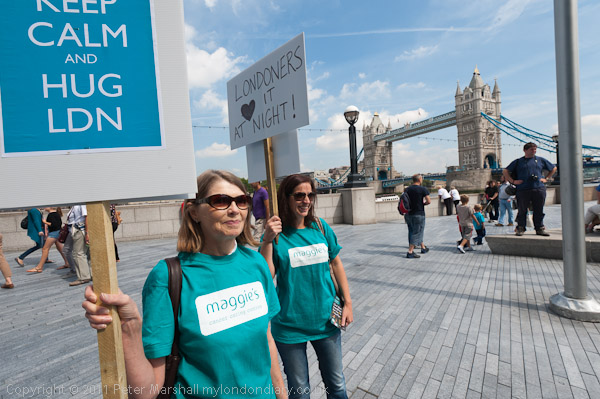
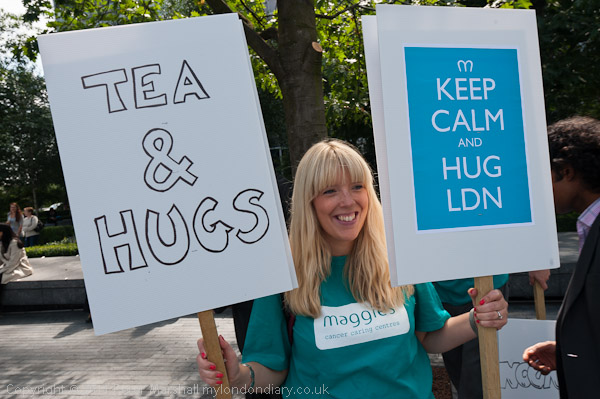
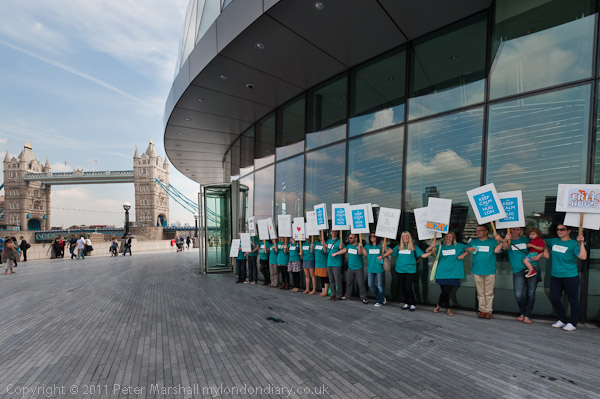
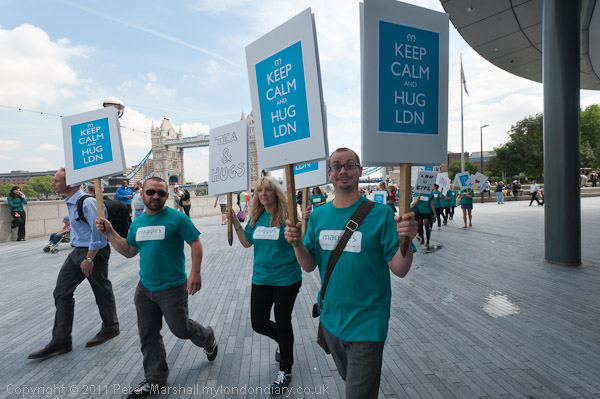
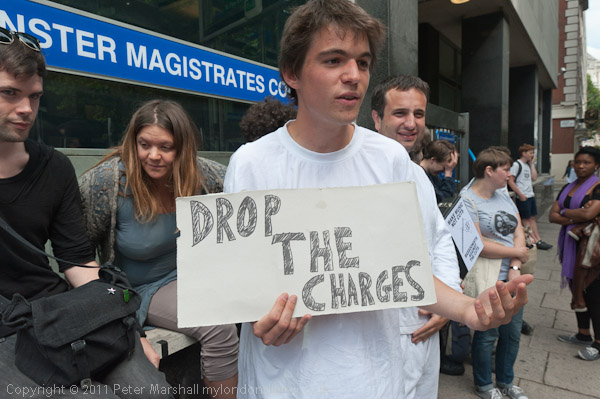
Maggie’s Hugs & Fortnum & Mason: On Friday 19 August 2011 I stopped briefly on the Queen’s Walk outside City Hall on the south bank of the Thames close to Tower Bridge to photograph the ‘Hug London‘ event by cancer charity Maggie’s, before going on to a protest outside Westminster Magistrates Court where protesters arrested during a peaceful protest in luxury food shop Fortnum & Mason were facing charges of aggravated trespass.


Maggie’s Charity Hugs London

City Hall

Maggie's Hugs & Fortnum & Mason - 2011
Keep calm after the riots and join Maggie’s fund-raising Night Hike was the message

Maggie’s Centres offer support for anyone affected by cancer and to their family and friends from the time of diagnosis, during and after treatment, to recurrence, end of life or in bereavement.

Maggie's Hugs & Fortnum & Mason - 2011

The cancer care charity was set up by Maggie Jencks after the recurrence of her breast cancer in 1993 and opened the first Maggie’s Centre in Edinburgh shortly after her death in 1995.

Maggie's Hugs & Fortnum & Mason - 2011

There are now in 2026 around 30 centres across the UK and four international centres – considerably more than in 2011. The main fundraising events for the charity are various challenges and the largest of these in 2011 was a London Night Hike, a a 10 or 20 mile adventure held in partnership with Open House London, with hikers getting to visit inside a number of iconic buildings on the route for food and entertainment.

Maggie's Hugs & Fortnum & Mason - 2011

Unfortunately registration for the Night Hike had opened on the day when London’s 2011 riots were taking place and this had led to a great drop in registration – although London would almost certainly be peaceful when the actual event was to take place in September.

Volunteers had come to London to try to get more people to take part , walking around London offering Londoners free hugs and handing out invitations to sign up for the Night Hike.

Maggie’s Hugs London


Support Fortnum & Mason Protesters

Westminster Magistrates Court, 70 Horseferry Road

Maggie's Hugs & Fortnum & Mason - 2011

UK Uncut were one of a number of groups taking action during the massive TUC ‘March For The Alternative‘ on Saturday 26th March 2011. They came to Oxford Street to hold peaceful protests at tax dodging shops and banks around Oxford St and to party at Oxford Circus.

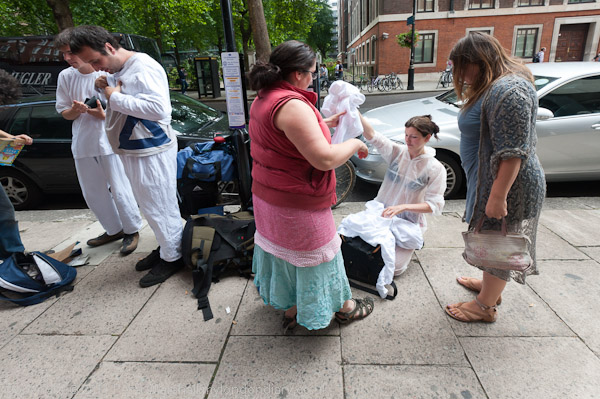
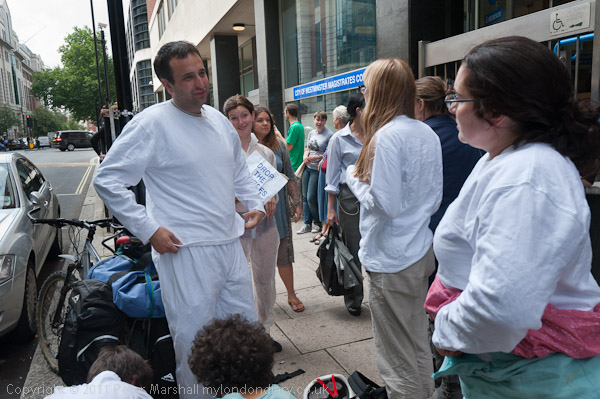
Getting ready outside the court

I had photographed some of their protests earlier in the day but went home to change clothes before they got to Fortnum and Mason, having been hit by a paintball from a black bloc protester, possibly aimed at police. Otherwise I would probably have probably have been with them when the went into the luxury shop and might well have been arrested despite having a Press Card.

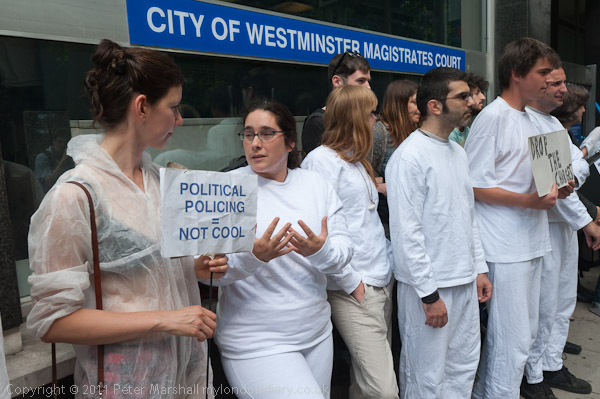
Half the protesters went into the public gallery, though they had to change out of white suits to be allowed in

Fortnum and Mason was occupied because it is ‘a symbol of wealth and greed‘ and made use of a tax avoidance scheme to save £10 million a year. During the protest police praised the protesters for their cooperation with the police in not attempting to leave the premises.

Chief inspector Claire Clark, the senior officer present can be seen and heard on video promising them that they would be free to leave, but apparently she already knew that they would be arrested as they left.

Police held the protesters in the store as there were battles taking place between the black block and police in the area around and the police were unable to control the situation – and there would probably have been unable to make mass arrests. Police also needed time to had made arrangements for a large number of arrests. So officers – in best police tradition – lied to the protesters.

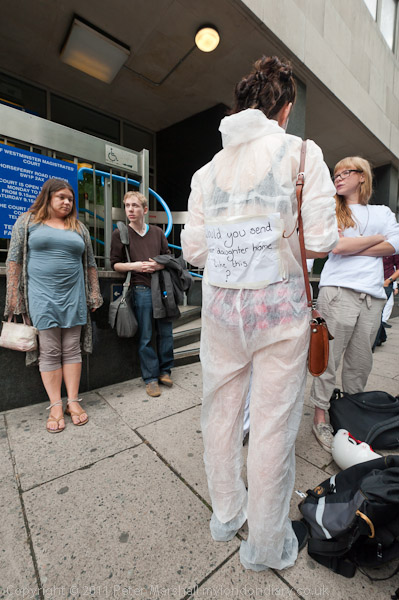
All 145 UK Uncut protesters were arrested as they left the store and charged with the serious offence of aggravated trespass with intent to intimidate. They were then taken to various police stations and held for many hours. Some were turned out in the early hours of the morning only partly dressed, in flimsy white part transparent suits over their underclothes, often many miles from their homes

A mother of one of those arrested in a plastic suit over underwear as her daughter was turned out by police

Eventually charges against most were dropped, but 30 were brought to court, divided alphabetically into three groups, A, B and C. All ten in trial A were found guilty but given a conditional discharge and told to pay £1,000 each towards costs, with the judge telling them “History often vindicates those involved in such acts.” Those in Trial B were initially found guilty but five of the nine were acquitted on appeal. All in Trial C were acquitted.

I still find it hard to believe that the CPS decided it was in the public interests to bring these prosecutions having seen the videos and heard much of the evidence. There was little damage in the shop, although some people trapped in there for two and a half hours by the police may have sampled a little food. The main loss to the shop was caused by police as the protesters would have left peacefully after a few minutes of occupation had the police allowed them to do so – and there would have been little loss of business.

Clearly these arrests and trials were politically motivated. It was a peaceful protest and it was the police who closed the shop, not the protesters.

Support Fortnum & Mason Protesters


Flickr – Facebook – My London Diary – Hull Photos – Lea Valley – Paris
London’s Industrial Heritage – London Photos

All photographs on this page are copyright © Peter Marshall.
Contact me to buy prints or licence to reproduce.


Church Path, Town Hall & West Reservoir – 1990

Church Path, Town Hall & West Reservoir: The third and final post from my walk on April 1st 1990. The previous post was Reservoir, Castle & Lordship Lane

Church path, The Old Church, St Mary's, Church, Stoke Newington, Hackney, 1990, 90-4b-61
Church path, The Old Church, St Mary’s, Church, Stoke Newington, Hackney, 1990, 90-4b-61

The Old Church is the only remaining Elizabethan church in London, built in 1563 when the then Lord of the Manor decided to rebuild the near-derelict parish church, including a private chapel for him and his family. The Church was extensively restored in 1827-9 by Charles Barry who almost doubled its seating and replaced its wooden spire – not visible in my picture. But although much has changed it has retained its Tudor character.

The Old Church was heavily damaged in wartime bombing in October 1940, but repairs were made quickly and it was back in use only a couple of months later. Later there were more repairs and most of the box pews were removed. In 2013 the interior was remodelled to make it a flexible arts and community space.

The Old Church is on the right of my picture, rather overshadowed by its successor; there was a call by the end of the eighteenth century for a larger building to cope with the growing population of the area, but the new and much larger church was only opened in 1858. The new St Mary’s Stoke Newington was designed by George Gilbert Scott but its spire was completed by his son, J O Scott, in 1890. The building is in the Decorated style of the late C13/early C14 made popular by Pugin and the Ecclesiologist Movement. The Old Church became a ‘chapel of ease’ and has never been deconsecrated. Both churches are Grade II* listed.

Monument, Church path, The Old Church, Stoke Newington, Hackney, 1990, 90-4b-63

One of the several impressive monuments in the churchyard around the Old Church, but I cannot make out the names of those buried here – though one of them died in 1789.

Several people prominent in the abolition of the slave trade have their graves here including James Stephen (William Wilberforce’s brother-in-law, a lawyer and chief adviser on the anti-slavery bill) and Wilberforce’s sister and daughter. He also asked to be buried here but when he died it was decided he should be in Westminster Abbey.

Two tombs in the cemetery are Grade II listed, that of James Stephen and of the Romantic woman poet and abolitionist Anna Laetitia Barbauld (1743-1825) and her ‘beloved brother’, John Aikin (1747-1822)

Stoke Newington Town Hall, Stoke Newington Church St, Stoke Newington, Hackney, 1990, 90-4b-65

Stoke Newington Town Hall is an impressive municipal building, designed by J Reginald Truelove as the Town Hall for the Metropolitan Borough of Stoke Newington and built in 1935-7 and still in use as council offices.

On its noticeboards are fly-posters from the TKiH, the Türkiye Komünist isci Hareketi, Communist Workers’ Movement of Turkey, illegal in Turkey. Founded in 1984 it merged with other Turkish groups in 1994 to form the Marxist-Leninist Communist Party, MLKP who still appear in force in London’s May Day March.

West Reservoir, Lordship Rd, Stoke Newington, Hackney, 1990, 90-4b-55

I returned to the West Reservoir and took a walk around it – I think this picture shows the New River at right and was taken from a bridge over it. There appears to be a channel with a sluice gate joining the reservoir and the river just beyond the skip in the centre of the picture.

West Reservoir, Lordship Rd, Stoke Newington, Hackney, 1990, 90-4b-31

And I think this view was from more or less the same place but looking in the opposite direction, with the New River now in the foreground and council estates and solid blocks of council flats at Woodberry Down, a huge LCC estate built immediately after the war and now redeveloped.

This wasn’t quite the end of my walk, as I made my way back to Manor House station from here, and I took my final picture of the day going down the escalator there – but it was not worth digitising. For my next walk I returned to south London.


Flickr – Facebook – My London Diary – Hull Photos – Lea Valley – Paris
London’s Industrial Heritage – London Photos

All photographs on this page are copyright © Peter Marshall.
Contact me to buy prints or licence to reproduce.

Solidarity With Fergusson & Talha Ahsan -2017

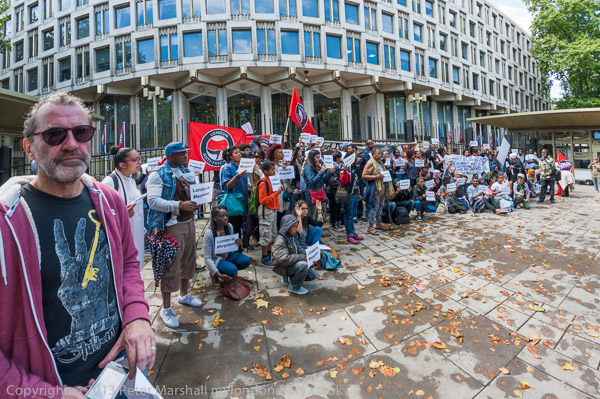
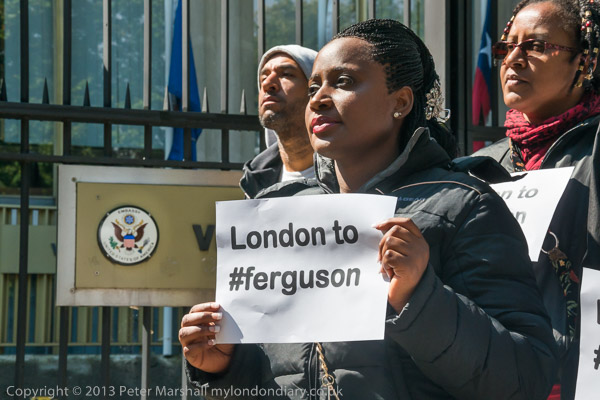
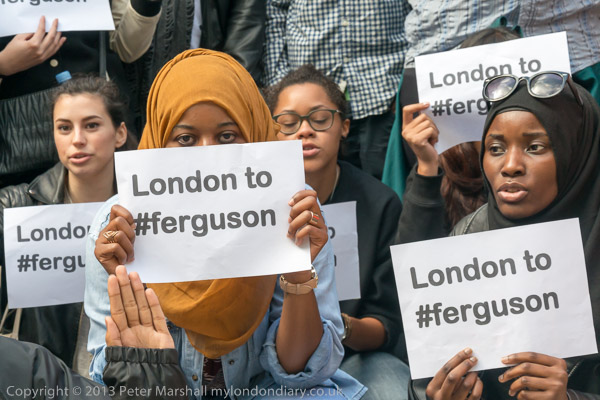
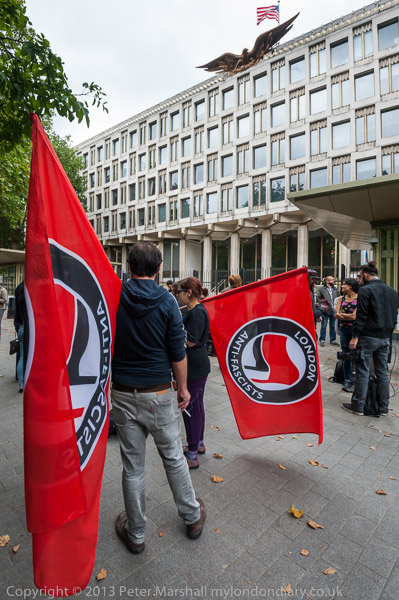
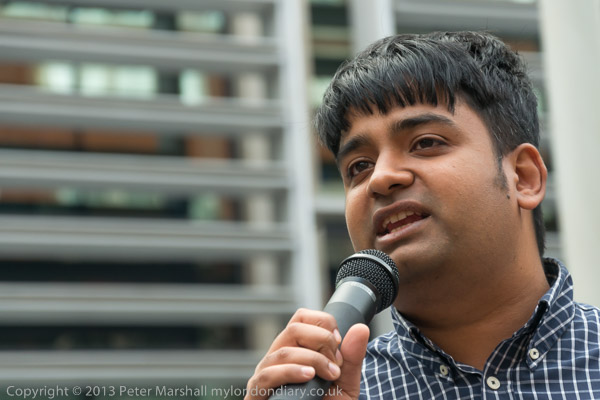
Solidarity With Fergusson & Talha Ahsan. Sunday 17th August 2014 I photographed a protest outside the US Embassy, then still in Grosvenor Square, in solidarity with the people of Ferguson, Missouri where there had been huge community protests after police shot unarmed black teenager Michael Brown. Later a party outside the UK Home Office celebrated the release of poet and translator Talha Ahsan from a US prison while condemning UK Prime Minister Theresa May for having allowed his extradition despite his diagnosis of Asperger syndrome.


Solidarity with Ferguson

US Embassy, Grosvenor Square

Solidarity With Fergusson & Talha Ahsan

After an altercation on the street in Ferguson, Missouri, on August 9, 2014,police officer Darren Wilson chased and shot Michael Brown, killing him. Some witnesses claimed that Brown had turned to face the officer with his hands up, shouting “Don’t shoot” . Six bullets hit the front of his body, including one to his head which was immediately fatal. Wilson claimed that Brown had charged at him but witnesses dispute this.

Solidarity With Fergusson & Talha Ahsan
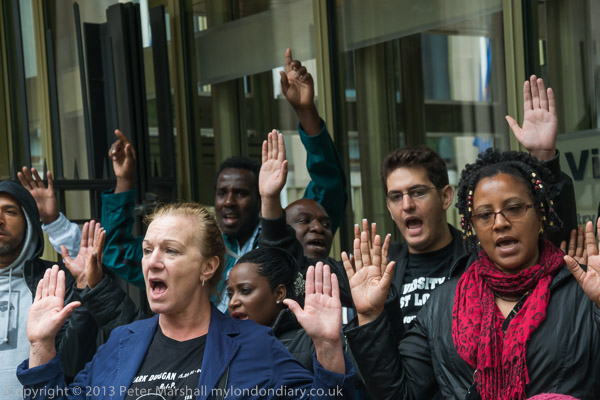
Hands Up, Don’t Shoot

The slogan “Hands Up, Don’t Shoot!” became widely used in the protests over the killing. There were immediate widespread protests in Ferguson, mostly peaceful but some which led to violence and looting; it was an area were there were “longstanding racial tensions between the minority-black population and the majority-white city government and police.“

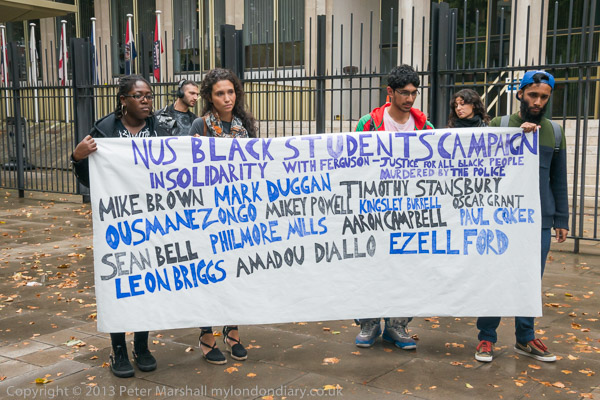
NUS Black students banner lists just a few of the Black people who have been murdered by the police
Solidarity With Fergusson & Talha Ahsan
People hold up posters ‘London to #ferguson’ in front of the US embassy badge

There were widespread protests in cities across America and around the world – including this one in London. The anger at the killing was amplified by a media campaign which portrayed Brown as a ‘thug’ and labelled the community protests as riots.

Solidarity With Fergusson & Talha Ahsan

Later there were more protests after a grand jury decided not to indict Wilson, following an extended examination of a vast body of evidence,. Many felt the unusual way it had been conducted had influenced the jury’s decision.

Solidarity With Fergusson & Talha Ahsan

The shooting and its aftermath attracted so much attention that Amnesty International for the first time ever sent a team to investigate Ferguson, finding significant human rights abuses. Their report “cited the use of lethal force in Brown’s death, racial discrimination and excessive use of police force, imposition of restrictions on the rights to protest, intimidation of protesters, the use of tear gas, rubber bullets, and long range acoustic devices, restrictions imposed on the media covering the protests, and lack of accountability for law enforcement policing protests.”

Solidarity With Fergusson & Talha Ahsan
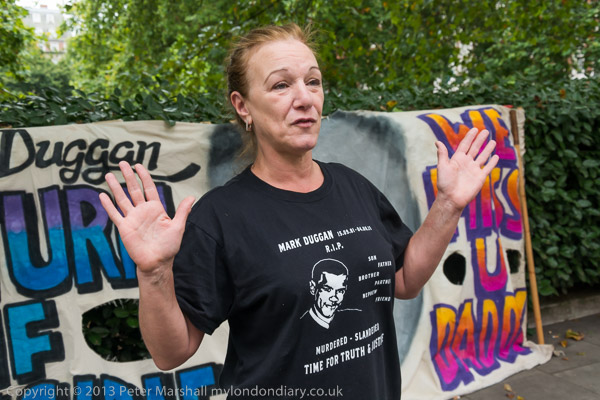
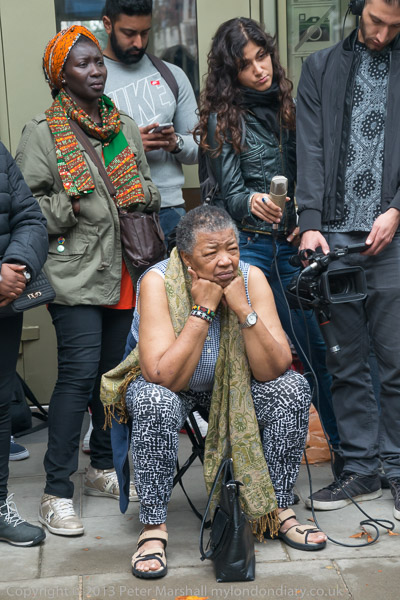
Carole Duggan, the aunt of Mark Duggan, unarmed and surrendering to police when they shot him

In the UK many saw a parallel to the police killing of Mark Duggan in 2011, also unarmed and surrendering when killed by police (and where a gun was apparently planted later by an officer some yards away.) His aunt, Carole Duggan spoke at the vigil.

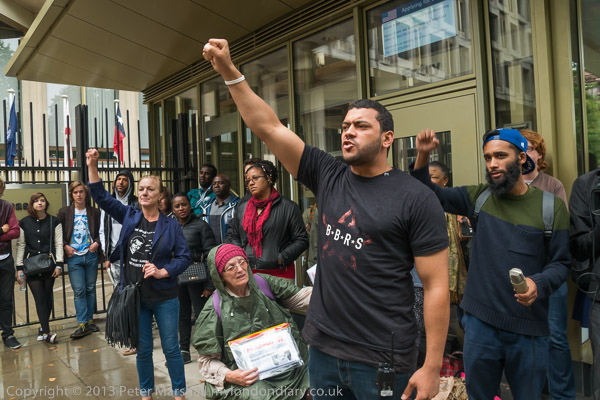
The London vigil was organised by ‘London Black Revolutionaries’, a recently formed group of militant black activists who called “for the US to stop violently oppressing, Black People and Black Protests” – and for an end to similar oppression in the UK. Earlier known as B.B.R.S (I think Black British Revolutionary Socialists) they were Black British and British Asian youths who had split away from the Socialist Workers Party some months before this protest and were largely based in Brixton.

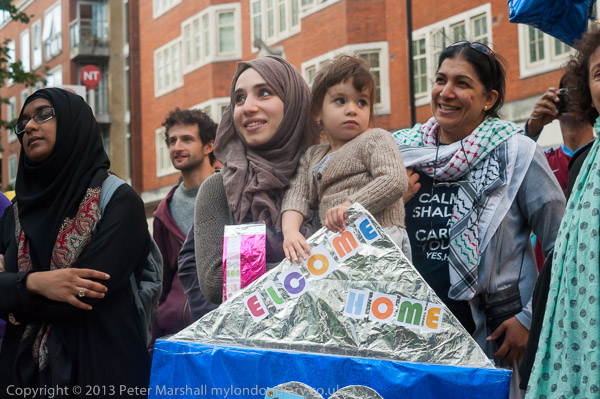
Those at the vigil were from across London’s communities although a majority were black. There was some audible dissent from all sides when one of the speakers suggested that the struggle for justice was one that only black people could understand and that they should fight it alone.

More pictures on My London Diary: Solidarity with Ferguson.


Shame on You Theresa May

Home Office

Talha Ahsan, a poet and translator, had been arrested in London in July 2006 following a n extradition request made by the USA. He was held here in maximum security for over 6 years without trial or charge while a number of appeals were heard against his extradition, until this was finally rejected by the European Court of Human Rights. He and five others had argued that the charges should be heard in the UK, but the court decided they could all be extradited.

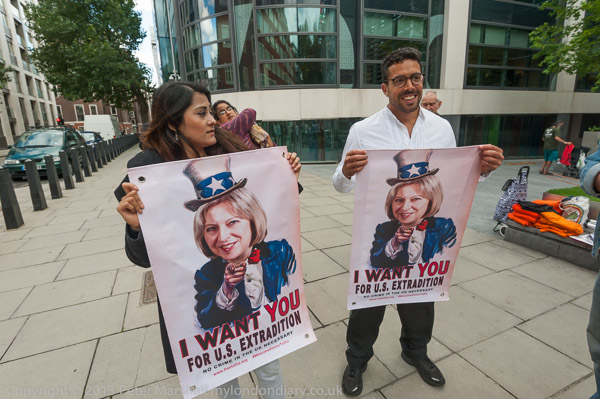
Posters showing Home Secretary Teresa May who agreed the extradition of Talha Ahsan despite his diagnosis of Asperger syndrome – and the lack of any credible evidence against him

The US authorities had requested his extradition alleging that in London in 1997-2004 he had worked for a London company on material for a series of websites, hosted on a server in the United States, “designed to designed to incite readers to violent jihad and to provide material support to terrorist related entities“.

Hamja Ahsan, Talha’s brother

Theresa May, Home Secretary at the time, approved his extradition despite his suffering from Asperger syndrome which it was argued would make it extremely difficult for him to cope with the shocking changes this would cause. May stopped another extradition request for another Asperger’s sufferer, Gary McKinnon, and the different treatment led to widespread accusations of double standards.

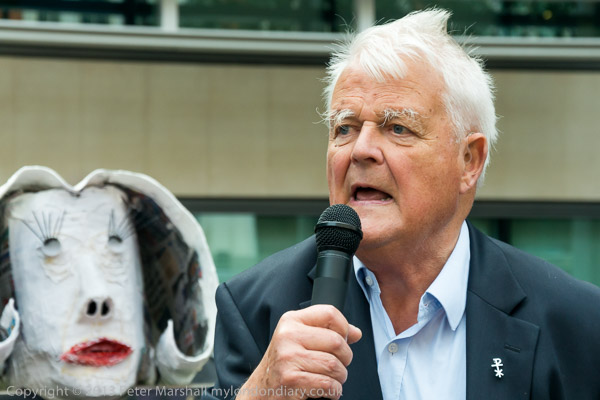
Bruce Kent speaking next to a caricature of Teresa May

Talha Ahsan had been released by a judge following a plea bargain in the US courts, but at the time of this party was still held in the USA, coming back shortly after.

He agreed to admit to charges of conspiracy and providing material support for groups in in Chechnya & Afganistan – although as in many similar cases, there was probably little substance in the allegations – but the bargain released him from other charges for which he could have spent the rest of his life in solitary. And because of the time he had already served he was due for release.

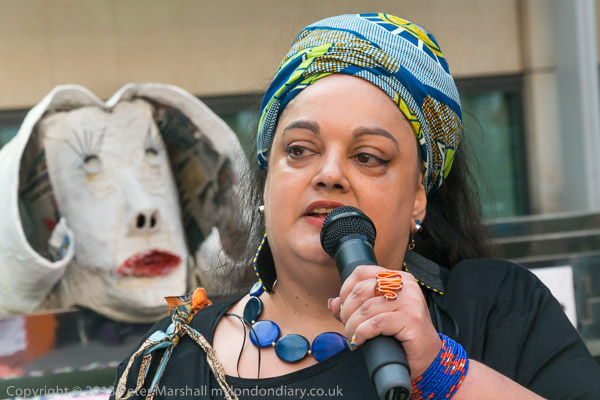
Zita Holborne reads a poem – with ‘Teresa May’ looking over her shoulder

A number of people came to speak and read poems – including some by Talya – at the event and you can see pictures of most of them on My London Dairy at Shame on You Theresa May,


Flickr – Facebook – My London Diary – Hull Photos – Lea Valley – Paris
London’s Industrial Heritage – London Photos

All photographs on this page are copyright © Peter Marshall.
Contact me to buy prints or licence to reproduce.

Reservoir, Castle & Lordship Lane – 1990

Reservoir, Castle & Lordship Lane: My walk on April 1st 1990 began at Finsbury Park Station and the first post, Brownswood Park Finsbury Park – 1990, ended on Green Lanes where this post begins.

Reservoir, Green Lanes, Stoke Newington, Hackney, 1990, 90-4a-45

The New River Path leads from Green Lanes immediately north of the ‘Castle’ and I think I walked from this path to the bank of the West reservoir to make this picture. There have been considerable changes in the area and I can no longer identify the trees or buildings in my view.
The West Reservoir next to the New River dates from 1833, and I think this section of fencing probably dates from when it was enlarged in the 1850s or a little later. The associated filter beds have been built on, but a vigorous local ‘Save the Reservoirs’ campaign in the 1980s saved the reservoirs, with the West used for water sports and the East as a nature reserve.

Reservoir, Green Lanes, Stoke Newington, Hackney, 1990, 90-4a-46

I think this was a part of the filter beds which have now gone. I liked the shadow of the fence and the wheel which presumably operated a valve to control the flow of water, perhaps to the pumping station.

Sand in the filter beds was first used to effectively removed most particles from the water but it was later realised that the slime which grew on top of the sand was very effective in killing bacteria to increase the safety of the water and sand filtration still plays an important role in producing our clean drinking water.

Reservoir, Green Lanes, Stoke Newington, Hackney, 1990, 90-4a-32

I think the man in the picture is a bird-watcher rather than a photographer and is holding up binoculars to his eyes. Many migrating species take a rest at our reservoirs and birders flock to watch them.

The Castle, Waterworks,  Green Lanes, Stoke Newington, Hackney, 1990, 90-4a-21
The Castle, Waterworks, Green Lanes, Stoke Newington, Hackney, 1990, 90-4a-21

The gothic fantasy waterworks, built to house massive steam-powered beam engines in 1854–1856 seen from close by – I needed a very wide lens to include the whole height of the tower. According to Industrial History Online “The original six beam engines, two by Watt & Co and 4 by Simpson were removed in 1953.” I think these were then scrapped. You can see similar beam engines in the highly recommended London Museum of Water & Steam in Brentford.

House, Waterworks, Lordship Park, Stoke Newington, Hackney, 1990, 90-4a-24

On Green Lanes I walked south and turned down Lordship Park. Here I got a view of the Castle. I think the tower at right is a disguised chimney and the square section on top of that at the left may have held the tank that water was pumped into to give the pressure for supply to customers.

Man Reading, House, Lordship Park, Stoke Newington, Hackney, 1990, 90-4a-13

Another picture in Lordship Park shows the very solid looking houses built there dating from around 1865. These are three storeys with a basement, the steps rising to an elevated ground floor, built in a Victorian Gothic style with the entrances recessed with a side window giving a somewhat clerical look; they have is some nice ornamental brickwork but in a fairly restrained fashion.

There are quite a few of these houses on both sides of thee street and I picked this view because of the man sitting reading the Sunday Mirror on the steps.

Lion, Brothers of Islam, Lordship Park, Stoke Newington, Hackney, 1990, 90-4a-16

A final picture on this street shows the passageway between two houses with a small flowerbed looked over by a lion, and on the post at right in the freely written message ‘Brothers of ISLAM’.

My walk, now in Stoke Newington, continued – more later.


Flickr – Facebook – My London Diary – Hull Photos – Lea Valley – Paris
London’s Industrial Heritage – London Photos

All photographs on this page are copyright © Peter Marshall.
Contact me to buy prints or licence to reproduce.