A Day Out in Deptford – 2018

A Day Out in Deptford: On Saturday 29th September I had decided to go on the Deptford Art & Gentrification Walk, part of the Deptford X Festival, and Deptford Aint Avinnit, an art crawl organised by ART&CRITIQUE. This was the second such walk, following on from an earlier event in May 2018.
A Day Out in Deptford

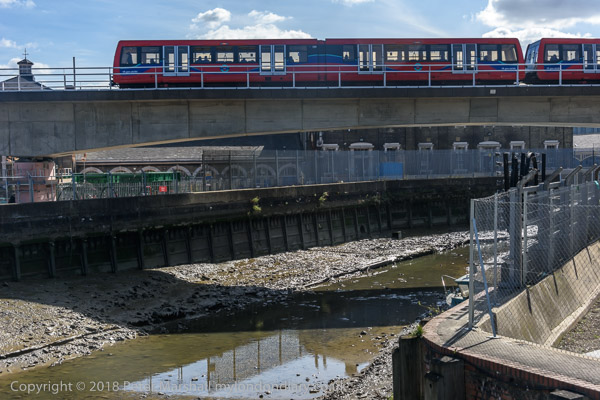
Over the afternoon we visited community spaces, galleries, studios, landmarks, waterways, green spaces and new developments on a guided walk through the street with a series of discussions on the relationship between art and gentrification and the huge changes that are currently sweeping through Deptford.
A Day Out in Deptford

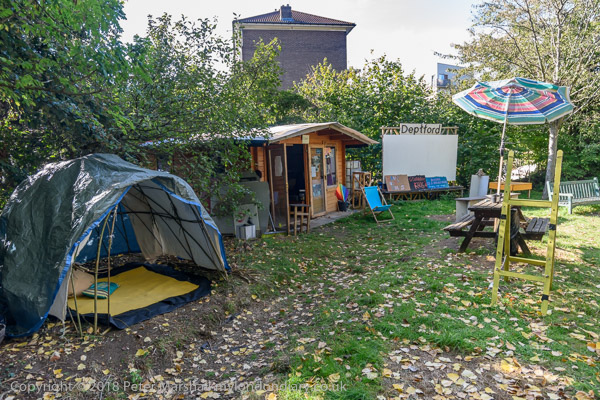
As I wrote in My London Diary in 2018, “The walk took place because of the continuing struggle with Lewisham Council over their plans to build on the 20-year old community run Old Tidemill Garden, the adjoining council flats, Reginald House, and Tidemill Primary School, which closed in 2012.”
A Day Out in Deptford

“Local residents, including those whose homes in Reginald House are threatened with demolition have opposed the plans, and at the end of August a group of them had occupied the Old Tidemill Garden.”
A Day Out in Deptford

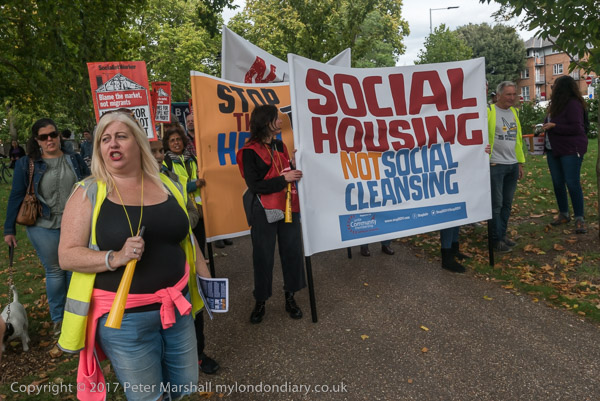
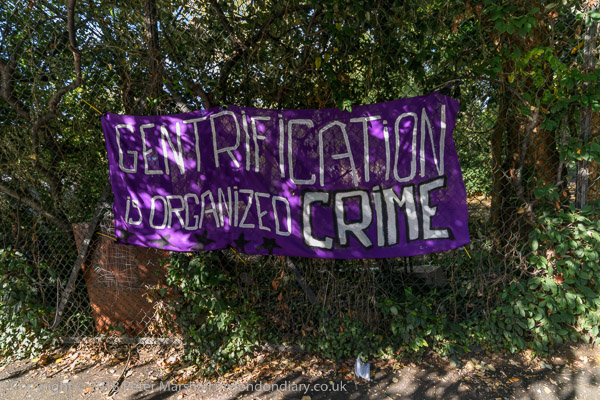
The development would mean the loss of environmentally valuable green space but more importantly would be a part of the social cleansing of London which Lewisham, like other London Labour dominated councils are taking part in, demolishing council housing at social rents largely by private housing.
The site was to be developed by Peabody with 209 housing units, 51 for sale at market prices, 41 in shared ownership schemes (which require relatively high incomes) and 109 to be let at London Mayor Sadiq Khan’s London Affordable Rent, something like 65% higher than current Lewisham council rents. As well as paying much higher rents, tenants under this scheme will have for less security of tenure.

The residents group had put forward alternative plans which suggested retaining the Tidemill Garden and council flats and building at higher density on the redundant school site to create a similar number of housing units, but the council refused to consider these and terminated the community lease on the gardens on 29th August – when residents squatted them.
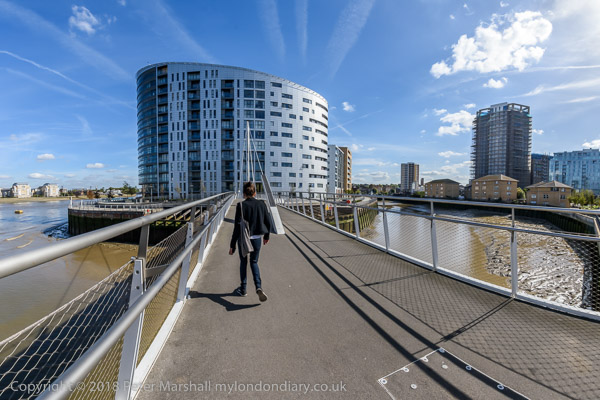
“The garden was established in 1997 with the aid of Groundwork, the London Development Agency, the Foundation for Sport & Arts, Mowlem plc, Lewisham College and Lewisham Council, and much of the work on it was carried out by parents and children from Tideway Primary. It now includes 74 well-established trees and has been shown to improve air quality in the local area.”

The garden was where we had the longest discussion on the tour, but there were plenty of other places where we stopped to discuss what was happening, making it an interesting afternoon.

It was a fine day and I decided to go to Deptford a couple of hours early to take a walk around some of the parts that were not included on the tour. I’d first photographed Deptford in 1979 and took with me a copy of my book Deptford to Woolwich 1979-85.

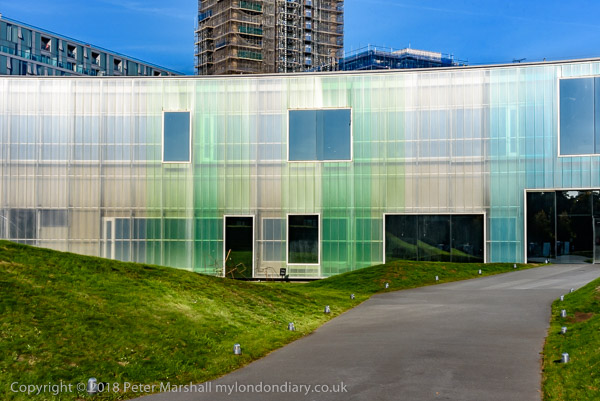
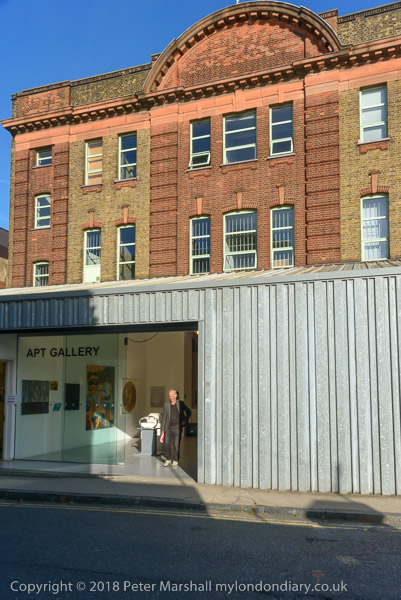
Back in the early 1980s much of Deptford was a very different place, with industry around the Creek and Deptford Power Station. Almost all of that has now gone, replaced by tall flats including much student housing and the Laban Dance Centre. On the tour we visited some of the former industrial buildings which are now artists studios and galleries. On part of the tour I was able to show pictures of what some parts of Deptford looked like before the changes.

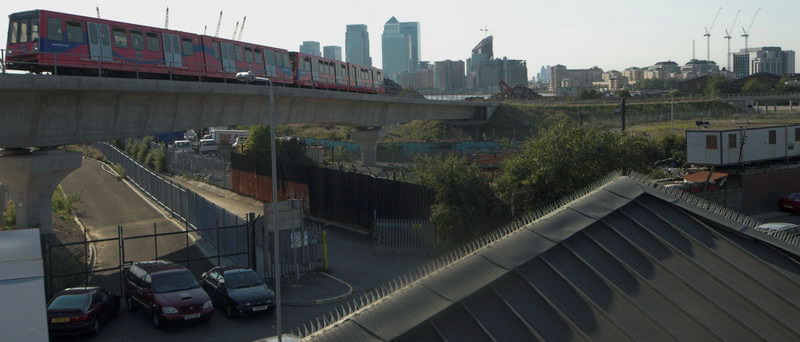
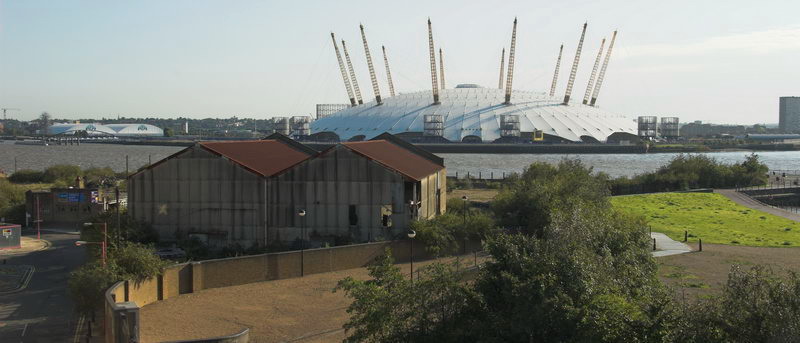
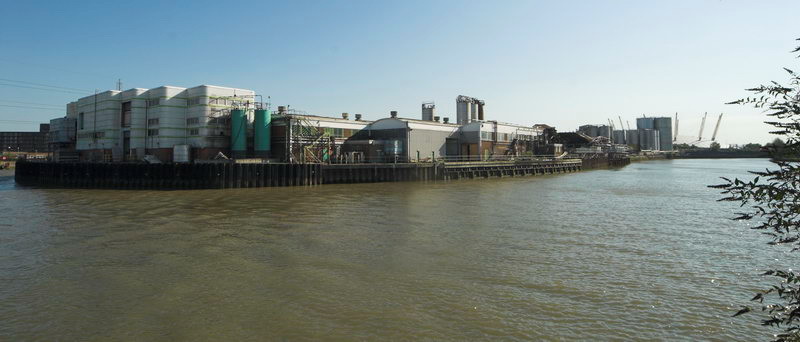
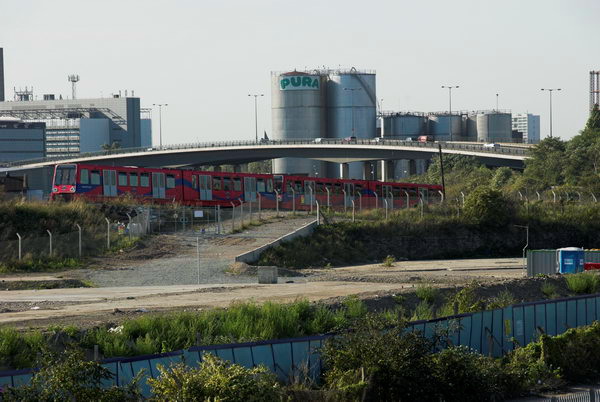
The many pictures on My London Diary are in three posts, links below. Deptford Walk contains pictures from my own unaccompanied walk before the art crawl. Deptford Art & Gentrification Walk has my pictures taken during the walk. A third post, Deptford Panoramas, has extreme wide-angle views taken during both walks. These have the normal aspect ration of 1.5:1, but an extreme angle of both horizontal and vertical view.
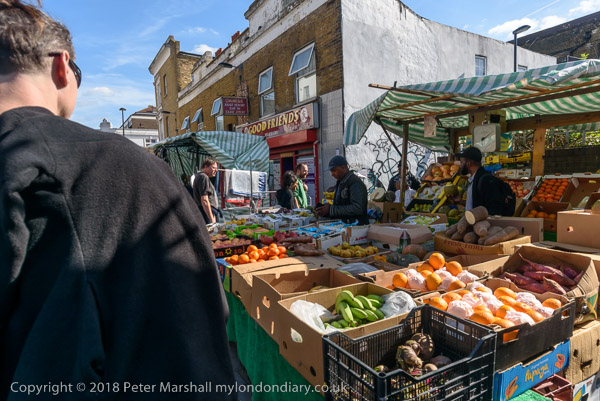
The pictures show many aspects of Deptford, still a vibrant area of London, though rapidly changing. The Tidemill Garden is now built on, Deptford Cinema closed in 2020 but has a number of ongoing projects, the High Street market was still busy last time I was there, and the Dog and Bell serves a fine pint.

Deptford Panoramas
Deptford Art & Gentrification Walk
Deptford Walk

Cemetery, Synagogue & Snooker – Stoke Newington 1989

Cemetery, Synagogue & Snooker continues my walk on Sunday 8th October 1989 which had begun at Seven Sisters Station. The previous post Stoke Newington Shops – 1989 had ended with me opposite the gates of Abney Park Cemetery, which I had visited on a walk the week before, Abney Park & South Tottenham, and I wrote more about the cemetery there.

Angel, Abney Park Cemetery, Stoke Newington, Hackney, 1989 89-10e-45

The cemetery has a huge assortment of memorials and I photographed a few of them, including this angel, perhaps a fairly typical depiction, with similar angels in memorials across the country. It also gives an idea of the wilderness which the cemetery had become by 1989.

Angel, Abney Park Cemetery, Stoke Newington, Hackney, 1989 89-10e-23

Another angel erected by a husband in sacred memory of his wife Elizabeth who “departed this life” only 28 years old in 1865. This is a rather more unusual monument and I wondered if it might perhaps resemble this young woman who may well like many of the time have died in childbirth. There are two cherubs on the plinth and below them a rather strange pipe with perhaps shoots emerging at both ends. I suspect someone may know the significance of this. I cannot quite make out the name of her husband, although someone had clearly removed the creeper from the stone in order to reveal it.

John Swan, Engineer, Abney Park Cemetery, Stoke Newington, Hackney, 1989 89-10e-26

The text on the monument at the right of this picture is clear, and this is the Grade II listed memorial to John Swan (1787-1869), the inventor of the screw propellor for use on ships, and also of the self acting chain messenger which apparently saved the nation around £70,000 a year, for which he “never received the slightest remuneration.”

I took around 20 pictures in the cemetery and have only digitised seven of them – you can find four not included in this post on Flickr.

Northwold Rd, Synagogue, Northwold Rd, Stoke Newington, Hackney, 1989 89-10e-13

Built as a Primitive Methodist Chapel in 1875, this building was bought by members of the Beth Hamedrash Ohel Yisrael Synagogue as “more suitable and commodious premises” than their previous synagogue at 46 Brooke Rd in 1953 and consecrated in 1955. It became known as Beit Knesset Ohel Yisrael or Northwold Road Synagogue.

The synagogue closed the month before I made this picture. The building at 16 Northwold Road became the Sunstone Women Only Gym and is now the Tower Theatre.

Northwold Rd, Stoke Newington, Hackney, 1989 89-10e-14

Northwold Road begins opposite Abney Cemetery gates and its first secition still includes a number of interesting buildings as well as the former synagogue, but these on the north side of the road opposite it have been replaced by a large grey six-storey block of housing.

The flats at right re a part of the George Downing Estate on Alkham Road and are on the other side of the railwa line.

House, 187, Stoke Newington High St, Stoke Newington, Hackney, 1989 89-10f-64

Grade II* listed along with its neighbours 189 and 191, this is part of what the listing text describes as “an Early C18 large scale composition of 3 houses, the centre one projecting, touching at corners”. (It actually says proecting, but this building has a large yard in front and 189 has its porch almost on the street,)

This house was built in 1712 for Silk merchant John Wilmer (1696-1773), a wealthy Quaker. It later became ‘The Invalid Asylum for the Recovery of the Health of Respectable Women’. Substantially rebuilt in 1983 it is now the Yum Yum Thai Restaurant.

Snooker, Slindon Court, 149, Stoke Newington High St, Stoke Newington, Hackney, 1989 89-10f-66
Snooker, Slindon Court, 147, Stoke Newington High St, Stoke Newington, Hackney, 1989 89-10f-66

Hard to remember why I cropped this so tightly as to remove the S from Snooker and the SLI of Slindon Court, but probably it was just to make what I felt was a more satisfactory composition. I had previously photographed this in colour with a slightly wider view.

Snooker, Slindon Court, Stoke Newington High St, Stoke Newington, Hackney, 1989, 89e04-62

Slindon Court is now the entrance to a gated mews development behind the shops here.

The final post on this walk is still to come.


FlickrFacebookMy London DiaryHull PhotosLea ValleyParis
London’s Industrial HeritageLondon Photos

All photographs on this page are copyright © Peter Marshall.
Contact me to buy prints or licence to reproduce.


No More Fur March – 2008

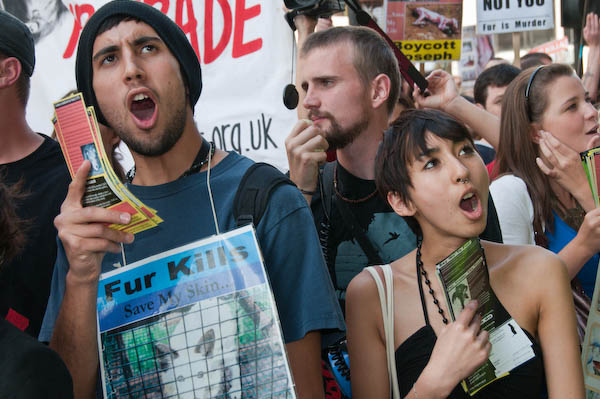
No More Fur March: Harrods has been getting a lot of attention in the media recently for the activities of its former owner, but on Saturday 27th September 2008 it was the destination of a march by the Campaign Against the Fur Trade.

No More Fur March

Shamefully you can still buy fur coats at Harrods, A ‘secret shopper’ filming for animal protection charity Humane Society International/UK who raised concerns was lied to in 2021 by sales staff wearing Harrods-branded name badges about the conditions in which the fur is farmed.

No More Fur March

Sales staff assured this customer that the foxes were kept in “separate rooms” with “enough space to play and everything“, and that they were “literally put to sleep” by injection when in practice they are confined in some farms in cages barely longer than their body length and anally electrocuted without any anaesthetic. The Harrods staff dismissed the many reports and videos of animals suffering in the fur trade as “only propaganda, madam“.

No More Fur March

You can find out more about the actual practices of fur farming with evidence on many pages acriss tge web, including on the Humane Society International web pages which also have information on the other ways animals are mistreated in research, farming and other areas.

No More Fur March

Fur farming was banned in the UK as ‘unethical‘ in 2000, but fur is still being imported into the UK from countries where fur farms raise and kill animals in desperately cruel conditions. Humane Society International has a letter you can sign to send Prime Minister Starmer calling on the UK government to end our association with fur cruelty for good and impose a fur import and sales ban.

Of course Harrods is not the only store still selling fur, and the march from Belgrave Square in 2008 also targeted other shops in Knightsbridge including “Gucci, Prada, Escada, Versace, Fendi, Joseph, Armani and Burberry” but in 2008 Harrods was the only department store in the UK still selling real fur.”

Since 2008 and despite many protests – as well as large events such as this there are smaller protests every weekend at Harrods and other shops selling fur – the sales of real fur in UK shops have continued.

Harvey Nicholls which had been fur-free since 2004 decided in 2014 to sell animal fur products again at its branches in London, Edinburgh, Manchester, Liverpool, Bristol, Dublin, Leeds and Birmingham and the largest national anti fur campaign for many years was been directed against them. In 2023 they finally announced that they were returning to their no-fur policy.

More at No More Fur March.


FlickrFacebookMy London DiaryHull PhotosLea ValleyParis
London’s Industrial HeritageLondon Photos

All photographs on this page are copyright © Peter Marshall.
Contact me to buy prints or licence to reproduce.


Trade Justice At Brighton 2004

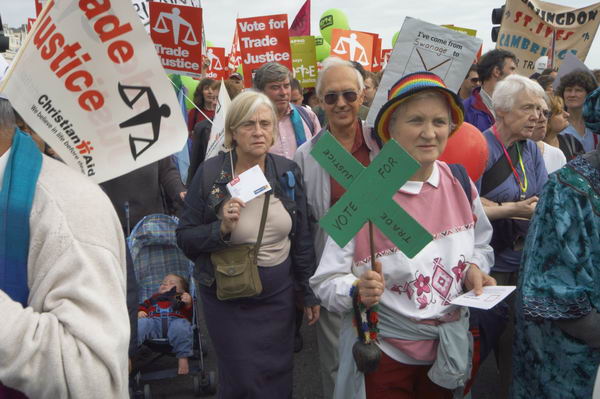
Trade Justice At Brighton: Twenty years ago on Sunday 26th September 2004 I spent the day in Brighton, not with my bucket and spade on the beach but with my Nikon D100 camera, and both a wide-angle and telephoto zoom lenses.

Trade Justice At Brighton 2004

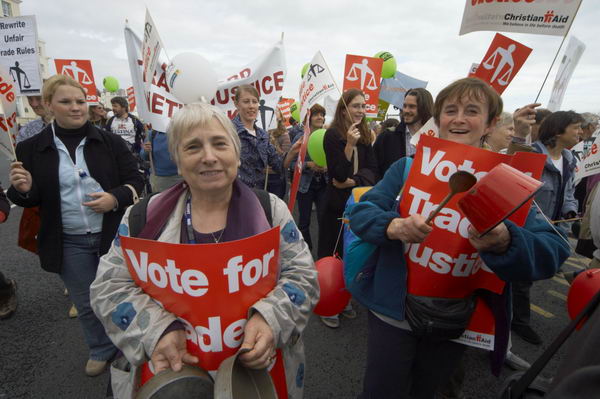
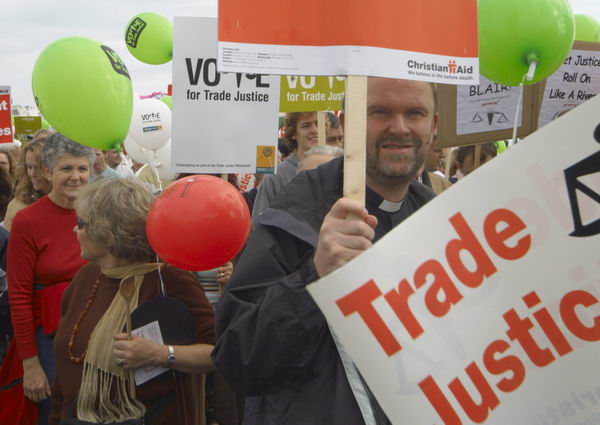
I was there with around 6000 other people at an event organised by the Trade Justice Movement going to lobby at the Labour Party conference – who at that time were in government with Tony Blair as prime minister.

Trade Justice At Brighton 2004

According to its web site, “The Trade Justice Movement is a UK coalition of nearly sixty civil society organisations, with millions of individual members, calling for trade rules that work for people and planet.

Trade Justice At Brighton 2004
Caroline Lucas, Green Party, MP for Brighton Pavillion 2010-2024

They want not free trade but fair trade “with the rules weighted to ensure sustainable outcomes for ordinary people and the environment. We believe that everyone has the right to feed their families, make a decent living and protect their environment. But the rich and powerful are pursuing trade policies that put profits before the needs of people and planet.”

Trade Justice At Brighton 2004

And of course the rich and powerful are still in charge, still driving headlong towards global catastrophe while concentrating on amassing global power and vast fortunes, amounts far beyond what anyone can actually spend or benefit from. Certainly the world does not need – and cannot afford – billionaires.

We need a fairer system to share the world’s resources, and fair trade has a large part to play in this. Back in 2004 the Trade Justice Movement tried to get our government to change its policies but with little effect – and it is still trying to do so.

On the web site they list that they are calling on the UK government to:

  • Ensure that trade rules allow governments, particularly in poor countries, can choose the best solutions to end poverty and protect the environment;
  • Ensure that trade rules do not allow big business to profit at the expense of people and the environment.
  • Ensure that decisions about trade rules are made in a way that is fully transparent and democratic.

My description of the day in Brighton in 2004 was that it began with a rally on the promenade and “continued with a march along the seafront to the centre where the Labour party annual conference was in session. With around 6000 on the march, it straddled about a quarter-mile of seafront.

Outside the conference centre there was a two-minute silence before a further several minutes of deafening cacophony from whistles, banging on drums and saucepans and anything else that could make a noise.”

Then ballot papers calling for trade justice were collected in and put into large ballot boxes along the seafront. Many people had brought cards completed by friends and a good start was made towards collecting the million signatures aimed at.

On My London Diary I divided the pictures into four groups, General, Speakers, Performers and pictures from the March. This now seems rather confusing, but this was a time when few of those accessing the site were then on broadband. So there were pages of large postage-stamp sized thumbnails which would load reasonably rapidly, with the instruction “Click on any image to load these; they will be slow to download unless you are on broadband.

The links on the September My London Diary page still go to the pages of thumbnails, but you can go directly to the larger images now on the links below.

General
Speakers
Performers
March & Ballot


FlickrFacebookMy London DiaryHull PhotosLea ValleyParis
London’s Industrial HeritageLondon Photos

All photographs on this page are copyright © Peter Marshall.
Contact me to buy prints or licence to reproduce.


St Michael, Gorillas, Pearlies & Urban Golf – 2006

St Michael, Gorillas, Pearlies & Urban Golf: Sunday 24th September was an unusual day for me, at times verging on the surreal as you can see from the pictures and the text below, a slightly corrected version of what I wrote at the time on My London Diary.

St Michael, Gorillas, Pearlies & Urban Golf

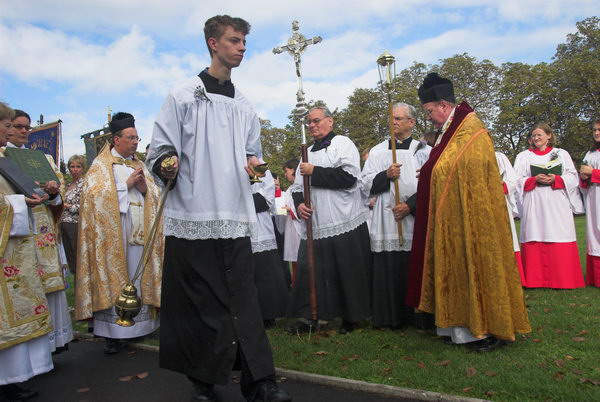
When I got up Sunday it poured with rain. What with that and the replacement bus service instead of trains, I almost stayed home, but I was glad I didn’t. By the time I arrived at Turnham Green, the sun was shining and four St Michaels were laying into a single angel with their plastic swords.

St Michael, Gorillas, Pearlies & Urban Golf

This was the Patronal Festival of the Anglican Church of St Michael And All Angels, a part of Bedford Park, the first garden suburb, begun in 1875. The event was complete with a not very fierce looking dragon and a colourfully dressed set of clerics and choristers.

St Michael, Gorillas, Pearlies & Urban Golf

more pictures

St Michael, Gorillas, Pearlies & Urban Golf

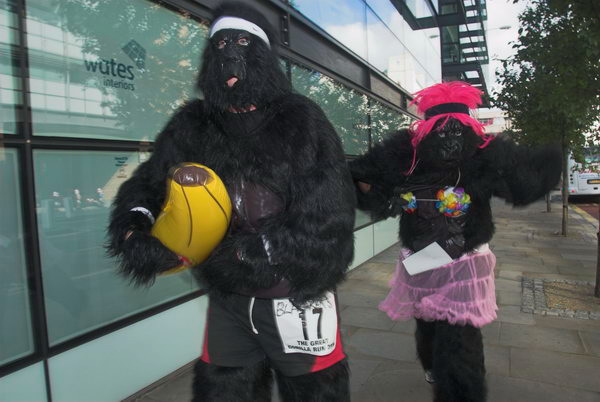
From there I rushed off on the District Line to photograph gorillas running through the centre of London. This was raising money for the Dian Fossey Gorilla Fund which helps to save the world’s last remaining gorillas from poachers, civil war, human disease and deforestation.

Running 7km in a gorilla suit isn’t my idea of fun, and by the finish the contestants – even those who had taken off their masks for the run – were swimming in sweat inside their costumes as they tucked into the free bananas and fruit smoothies.

more pictures

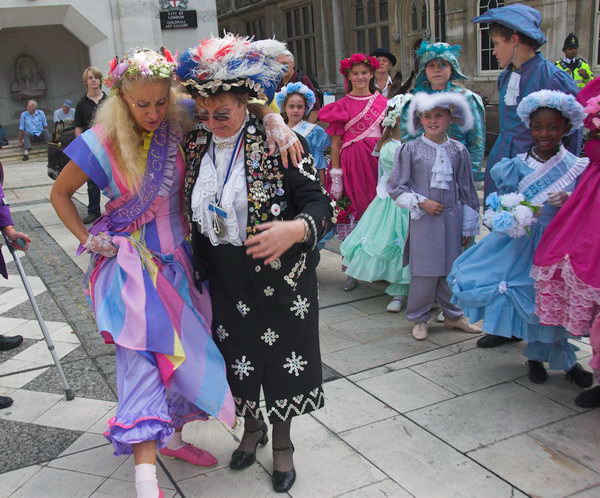
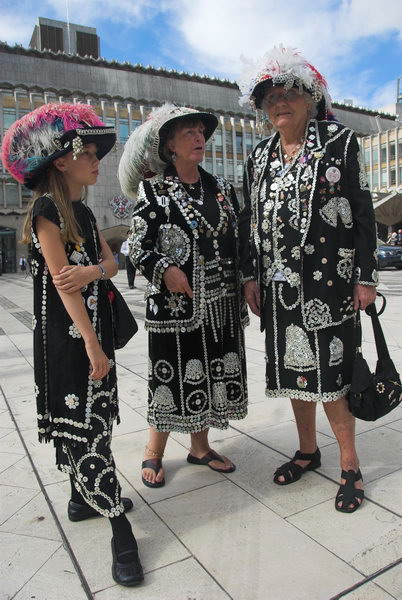
Things were a little more sedate at the Guildhall for the annual Pearly Kings And Queens (or Costermongers) Harvest Festival. As well as the pearlies and what looked like a pretty full set of inner London Mayors, along with a few donkey carts and a produce lorry there were people in various iinterpretations of Victorian dress, Chelsea Pensioners, and others of a vaguely traditional London character. The fairground organ looked good, although its music soon palls.

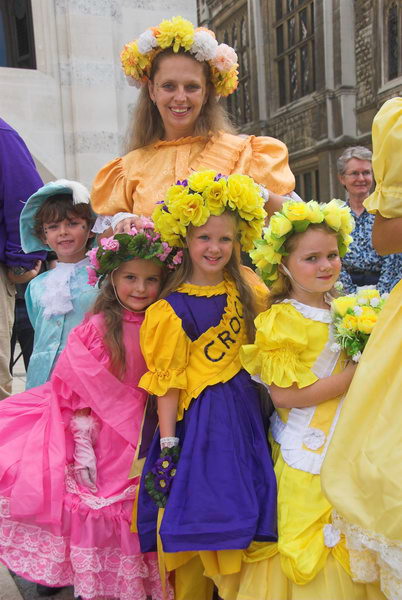
A colourful note was added by Donna Maria’s Maypole Dancers. Donna Maria was apparently a London May Queen having served her time in one of the South-east London realms. She revived maypole dancing with her group of girls dressed in flower costumes who give demonstrations at many events each year.

more pictures

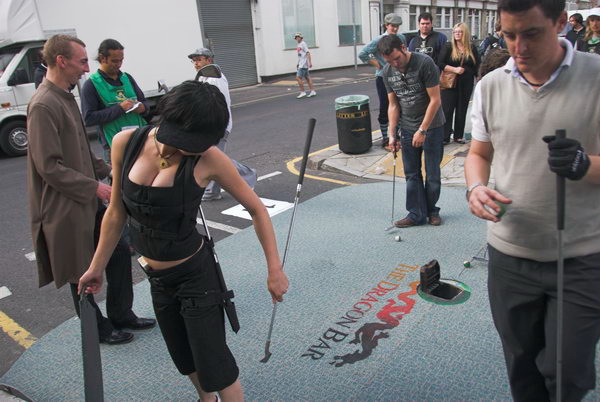
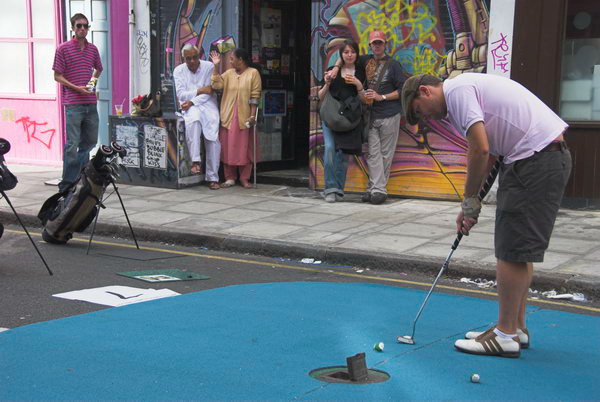
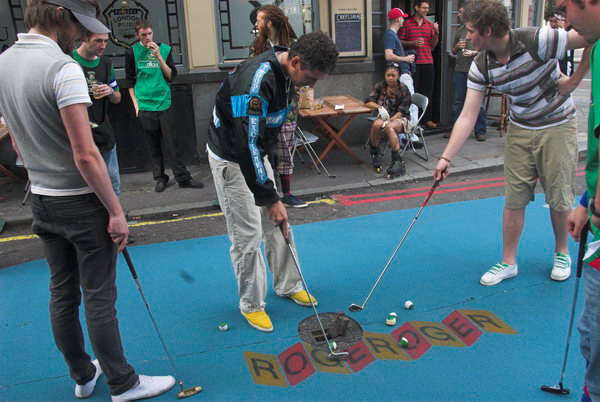
The golfing event of the weekend was not of course the Ryder cup (where Europe were thrashing the USA) but the Shoreditch Urban Open Golf Tournament. 18 holes covering most of Shoreditch between the City Road and Great Eastern Street make it the only par 72 urban course in the world.

There are certain local rules that the Shoreditch Golf Club imposes, with the biggest change from the normal game being in the balls, which are considerably softer and lighter, to avoid damage to property and persons. Probably the greatest risk to both players and spectators (and photographers) were in the generously available free drinks thanks to the sponsors Jameson.

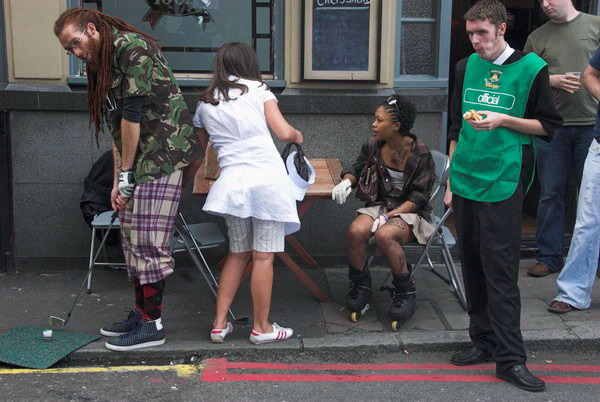
It was a nice afternoon, with a lot of people having fun, mainly watching the golfers. Some of the players looked very professional, a few even played as if they were, though I was please to see others obviously holding a club for the first time in their life. The caddies included some considerably more glamourous than you’d see at St Andrews.

The course seemed well-planned, with a pub or bar more or less at every green (and a few in-between.) I’m surprised there weren’t more golfers taking advantage of the opportunity, as this must be the best course in the country (or at least in the City.)

more pictures


FlickrFacebookMy London DiaryHull PhotosLea ValleyParis
London’s Industrial HeritageLondon Photos

All photographs on this page are copyright © Peter Marshall.
Contact me to buy prints or licence to reproduce.


Haringey Development & Ritzy Strike – 2017

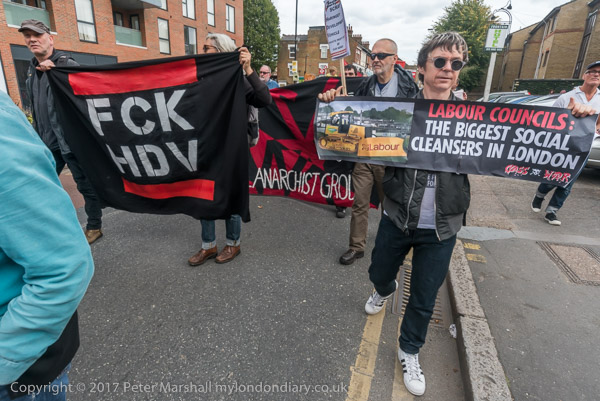
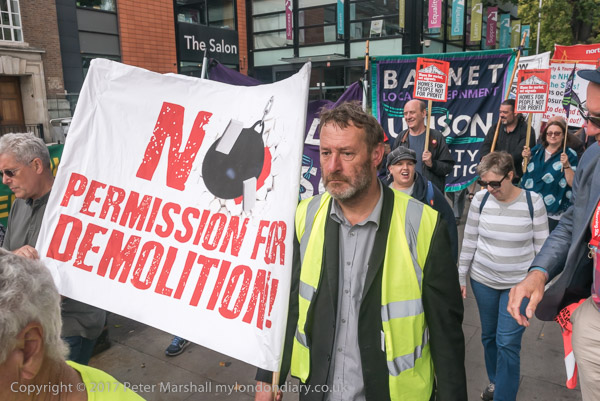
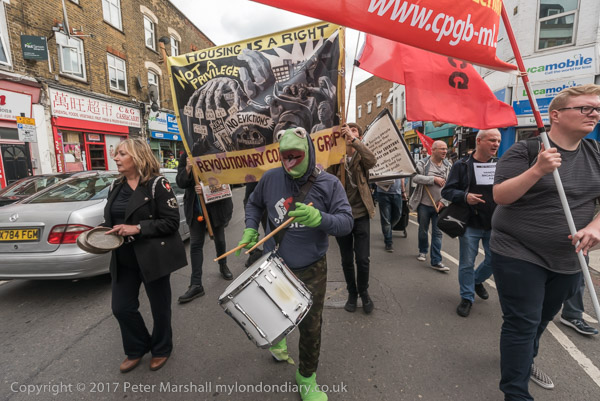
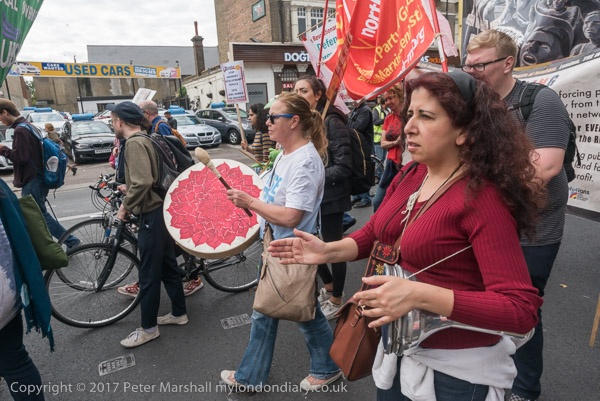
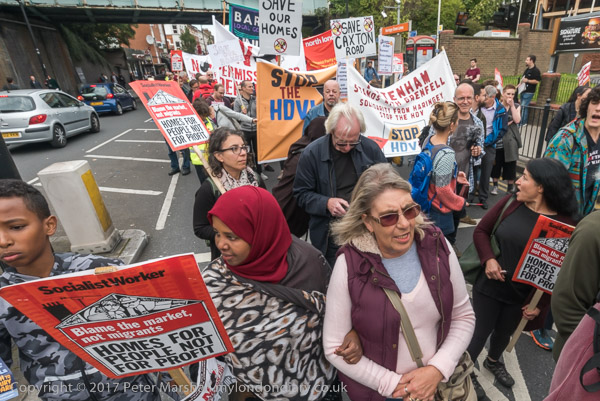
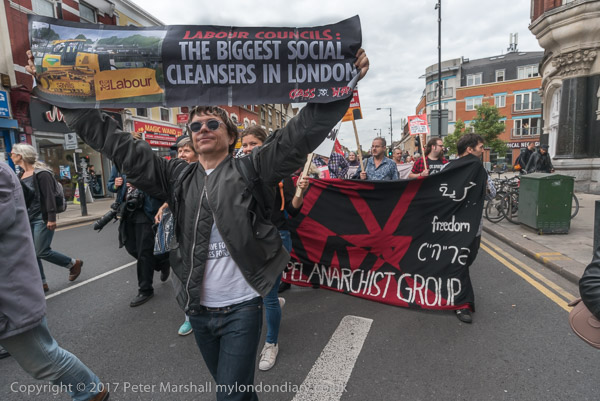
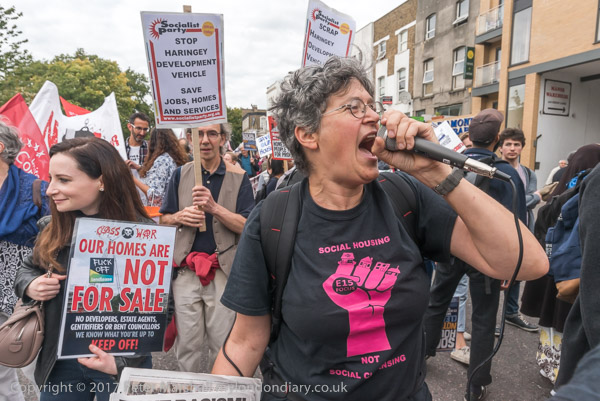
Haringey Development & Ritzy Strike: On Saturday 23rd September 2017 hundreds marched from a rally in North London against the council’s plans to make a huge transfer of council housing to Australian multinational Lendlease, which would result in the demolition of thousands of council homes, replacing them largely by private housing. I left the march close to its end taking the tube to Brixton where strikers at the were marking a year of action with a rally.


Haringey Against Council Housing Sell-Off

Haringey Development & Ritzy Strike

People had come to a rally and march against Haringey Council’s ‘Haringey Development Vehicle’, HDV, which proposed a £2 billion giveaway of council housing and assets to a private corporation run by Australian multinational Lendlease.

Haringey Development & Ritzy Strike

This would result in the speedy demolition of over 1,300 council homes on the Northumberland Park estate, followed by similar loss of social housing across the whole of the borough.

Haringey Development & Ritzy Strike

Similar ‘regeneration’ schemes in other boroughs such as Southwark, Lambeth and Barnet had resulted in the loss of truly affordable housing, with the result of social cleansing with many of the poorer residents of the redeveloped estates being forced to move out of these boroughs to areas with cheaper private housing on the outskirts of London and beyond.

Haringey Development & Ritzy Strike

London’s housing crisis has been made much worse by the activities of wealthy foreign investors buying the new properties and keeping them empty or only occasionally used as their values rise. Among the groups on the march were those such as Class War and Focus E15 who have down much to bring this to public attention.

In London it is mainly Labour Councils who are in charge and responsible for the social cleansing of the poor and the loss of social housing that is taking place on a huge scale.

Along with speakers from estates across London where similar schemes are already taking place there were those from Grenfell Tower where cost cutting and ignoring building safety and residents’ complaints by private sector companies including the TMO set up by the council created the disaster just waiting to happen.

On My London Diary I quoted part of a speech by then Labour Leader Jeremy Corbyn a few days later at the Labour Party conference which condemned current practice on estate ‘regeneration’ and housing of which the HDV is the prime example.

The disdain for the powerless and the poor has made our society more brutal and less caring. Now that degraded regime has a tragic monument: the chilling wreckage of Grenfell Tower, a horrifying fire in which dozens perished. An entirely avoidable human disaster, one which is an indictment not just of decades of failed housing policies and privatisation and the yawning inequality in one of the wealthiest boroughs and cities in the world, it is also a damning indictment of a whole outlook which values council tax refunds for the wealthy above decent provision for all and which has contempt for working class communities.”

You can hear the speech in full on the article by Architects For Social Housing on the conference, where they give their comments and more detail on the section I quoted above:

Indeed it has. And high in the list of that brutality is the estate regeneration programme that threatens, is currently being implemented against, or which has already privatised, demolished or socially cleansed 237 London housing estates, 195 of them in boroughs run by Labour councils, which vie with each other for the title of ‘least caring’, and among which the councils of Hackney, Southwark, Tower Hamlets, Lambeth and Haringey could give the Conservative-run Kensington and Chelsea council a lesson in disdain, privatisation, failed housing policies and the inequality they produce. But it’s good to hear Corbyn discard the Tories’ contemptuous terminology of ‘hardworking families’ and ‘ordinary people’ and finally – if belatedly – refer to the ‘working class’.

They go on to comment less favourably on Corbyn who they say had ignored “the estate regeneration programme that is at the heart of London’s transformation into a Dubai-on-Thames for the world’s dirty money” and so had failed to perceive that “every estate undergoing demolition and redevelopment could produce a similar testimony of inept and incompetent local authorities, bad political decisions and a failed and broken system of democratic accountability.”

The grass roots revolt against the HDV plans resulted in a political change and the scrapping of the plans. But the Labour Party has also changed radically, and those very people responsible for those ‘least caring’ local authorities in London and across the country are now in government.

More pictures at Haringey against council housing sell-off.


One year of Ritzy strike – Brixton

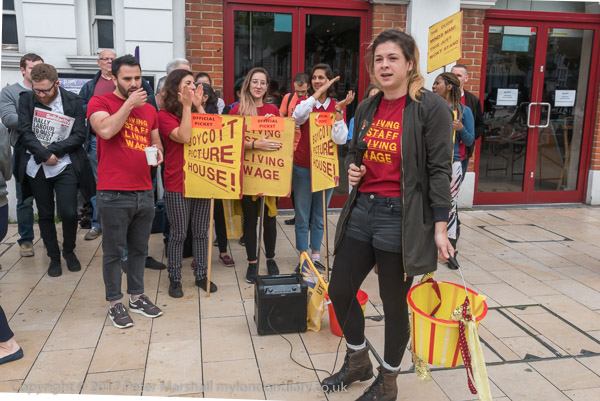
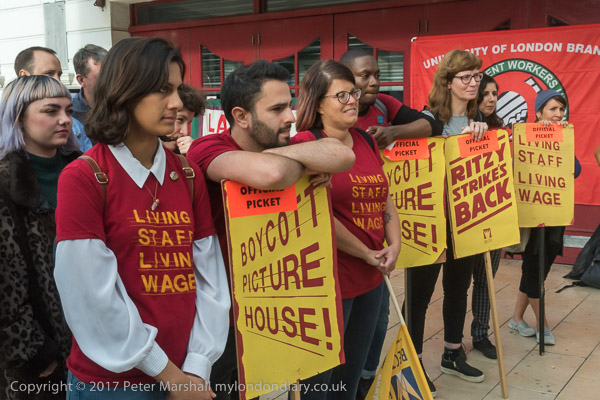
A quite different vehicle was the star of the show in Brixton, where BECTU strikers at the Ritzy Cinema were celebrating a year of strike action with a rally supported by other trade unionists, including the United Voices of the World and the IWGB and other union branches.

The strikers continued to demand the London Living Wage, sick pay, maternity and paternity pay, for managers, supervisors, chefs and technical staff to be properly valued for their work, and for the four sacked union reps to be reinstated.

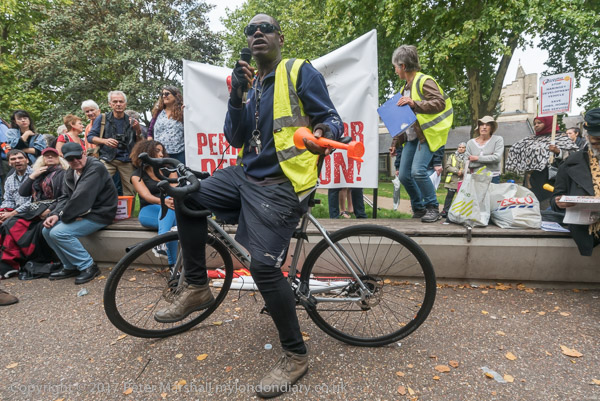
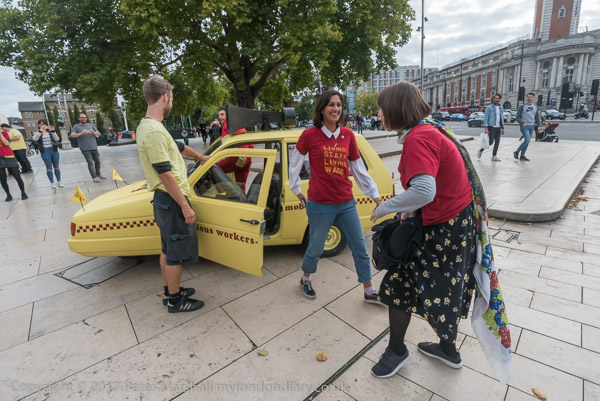
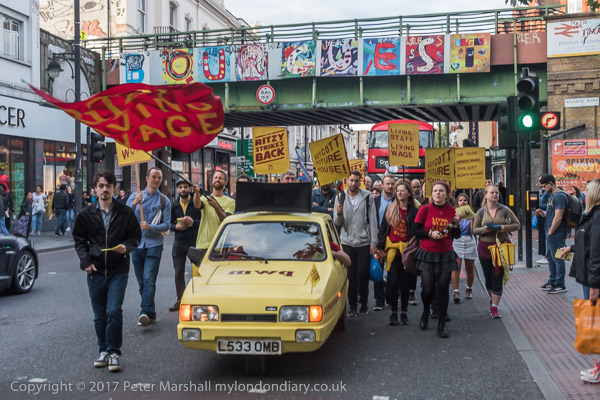
After speeches in English and Spanish, came the surprise. The vehicle in Brixton was the newly acquired ‘Precarious Workers Mobile’, a bright yellow Reliant Robin, equipped with a powerful amplifier and loudspeaker, and after more speeches this led the protesters in a slow march around central Brixton.

Various actions at the Ritzy had started three years before this, when workers called for a boycott of the cinema. In 2019, after an industrial tribunal had won some of their claims BECTU suspended the boycott and the Living Staff Living Wage campaign although still continuing to fight for equal pay and against other dismissals.

More pictures at One year of Ritzy strike.


FlickrFacebookMy London DiaryHull PhotosLea ValleyParis
London’s Industrial HeritageLondon Photos

All photographs on this page are copyright © Peter Marshall.
Contact me to buy prints or licence to reproduce.


Druids, Paddington & Hizb ut-Tahrir – 2013

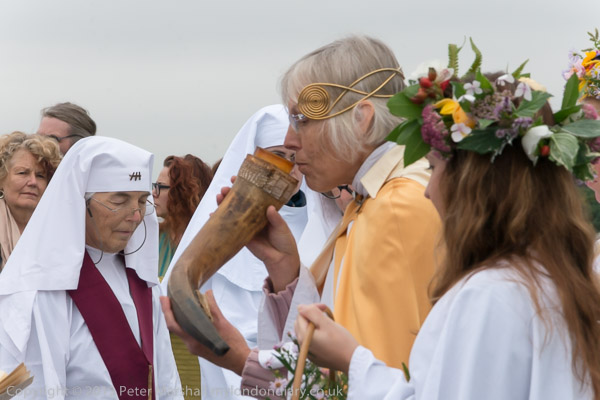
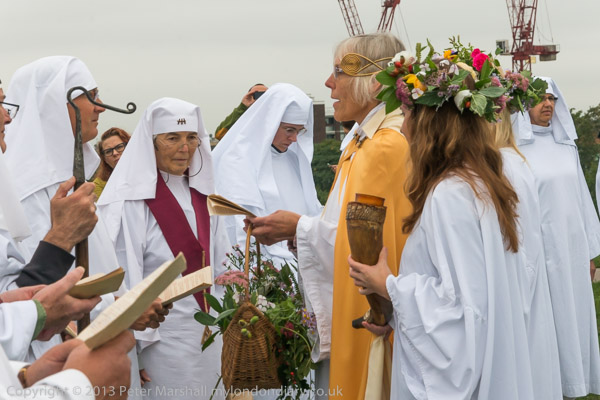
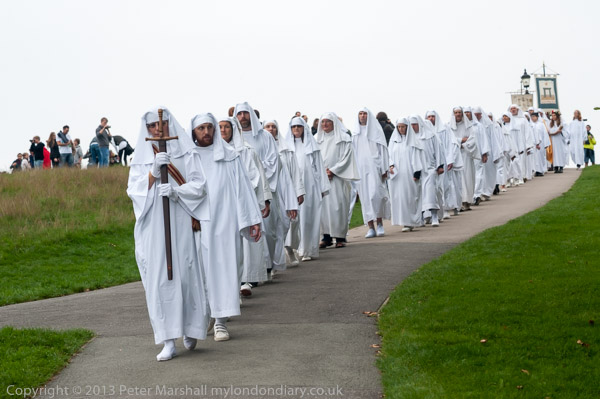
Druids, Paddington & Hizb ut-Tahrir: This year the Autumn Equinox is on Sunday 22 September at 12.44pm GMT (1.44pm BST), and the Druid Order will again be holding their ceremony on Primrose Hill in London as they have for many years. They meet earlier to get things ready but the ceremmony begins around 12.30 The pictures here are from the event in 2013, and afterwards I took a walk around Paddington Basin before going to photograph the start of a march by the women and children of Hizb ut-Tahrir against the massacres of civilians being committed by the Assad regime in Syria.


Druids Celebrate Autumn Equinox – Primrose Hill

Druids, Paddington & Hizb ut-Tahrir - 2013

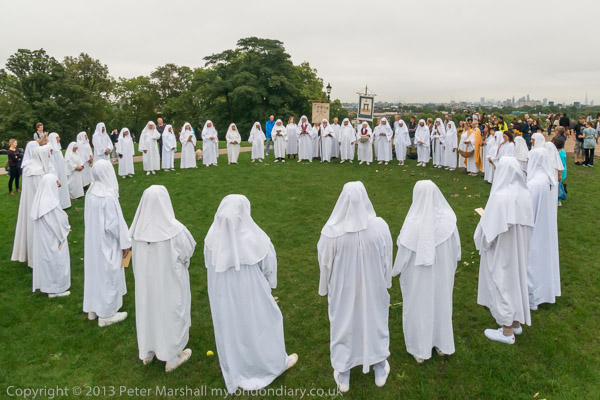
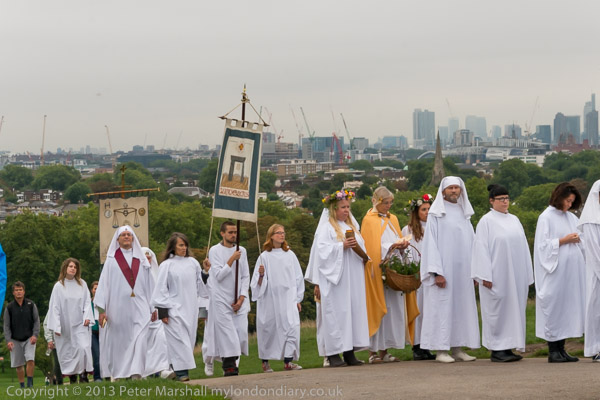
The Druid Order celebrated the Autumn Equinox (Alban Elued) with a ceremony on top of Primrose Hill in London at 1pm on Sunday 22 September 2013 in their traditional robes. They have been organising similar celebrations for just over a 100 years.

Druids, Paddington & Hizb ut-Tahrir - 2013

In My London Diary you can read a description of what takes place at this event, which marks the start of the Druid year.

Druids, Paddington & Hizb ut-Tahrir - 2013

On their web site they write “The harvest festival, when the power of heaven is infused into the fruits of the earth, and you reap what you have sowed. You see the full reality, what you made of your dreams, projects and plans, the actual reality, the truth that gives understanding and wisdom.”

Druids, Paddington & Hizb ut-Tahrir - 2013

The pictures on My London Diary are in the order in which I took them and I think include all the key moments in the ceremony, together with some commentary in the captions.

I had photographed this and the Spring Equinox ceremony at Tower Hill on a number of previous occasions and you can find pictures on the March and September pages for most years from 2007 to 2013.

By 2013 I was beginning to feel I had little more to say about the event and the following year, 2014 was the final time I went to take pictures.

A few of the pictures were taken with the help of a monopod which enabled me to hold the camera several feet above my head and take pictures with the help of a remote release. But although I could control the moment of release it was tricky to keep the lens pointing in the right direction.

Also on My London Diary is a brief history of the Druid Order, which although it has ancient roots in the Druidic tradition was founded a little over a hundred years ago.

There are a number of other Druid orders, some with very similar names, and members of the Loose Association of Druids including the Druid of Wormwood Scrubbs watched for a while before leaving for their own ceremony in the nearby Hawthorn Grove.

More on My London Diary at Druids Celebrate Autumn Equinox.


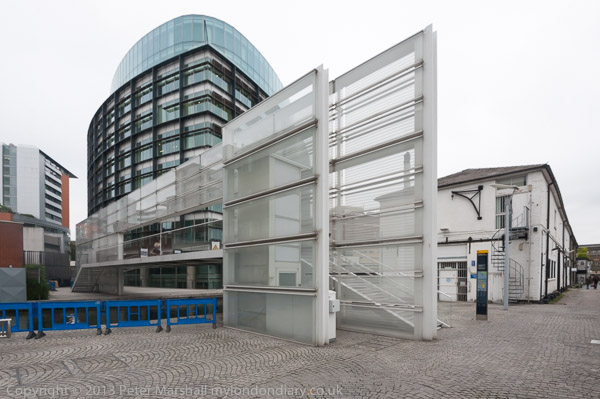
Paddington Basin

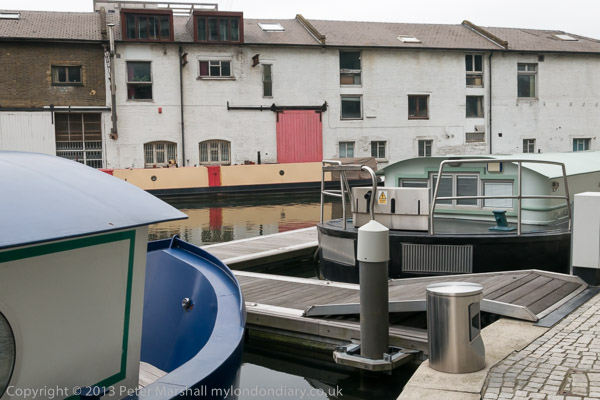
I had some time after the end of the Equinox ceremony before a protest I was to photograph and decided to take a walk around Paddington Basin, close to where that was to start.

Paddington Basin is the London end of the Paddington Arm of the Grand Union Canal and was opened in 1801 to bring goods by canal into Westminster and to the start of the New Road, a toll road across the north of London, now the A501. The Paddington end is now Marylebone Road and further on it becomes Euston Road.

Paddington Basin lost some of its traffic a little over twenty years later with the opening of the Regent’s Canal, which led from the Paddington Arm at Little Venice directly to the edge of the City and on to the River Thames at Limehouse.

Development of the area around the canal began in 1998 in one of London’s larger development areas under the Paddington Regeneration Partnership, later the Paddington Waterside Partnership.


Hizb ut-Tahrir Women March for Syria – Paddington Green

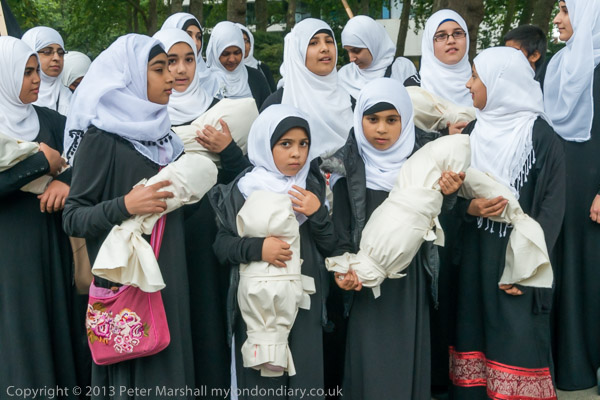
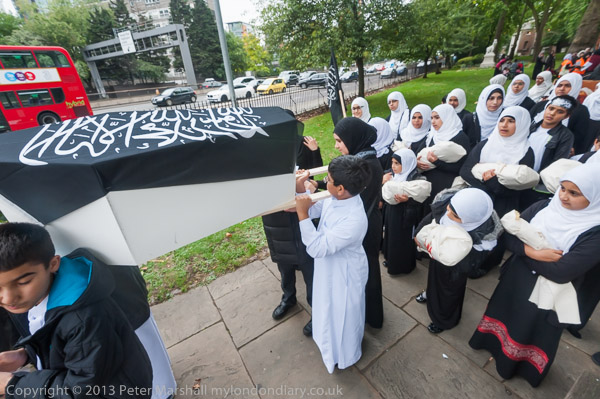
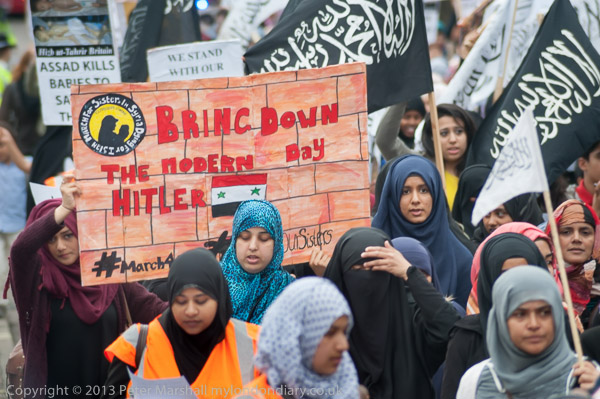
Women of Hizb ut-Tahrir appalled by the chemical attack and other massacres of women and children in Syria marched in London to show solidarity and called for Muslim armies to mobilise to defend the blood of their Ummah.

Hizb ut-Tahrir protests are always segregated and often seem to marginalise women, but this was clearly their show, with only one small group of men with a banner and a heavy public address system and around a thousand women and children.

The call to the march stated “rows upon rows of dead children in their burial shrouds have no doubt brought us to tears as Muslim women, for this is our beloved Ummah that is being killed.” They called on women to “Stand in solidarity with your sisters in Syria and speak out against the shedding of their blood and that of their families and children.”

Hizb ut-Tahrir oppose the current corrupt rulers in Islamic states and call on Muslims to rise up and get rid of corruption, and in particular of “the criminal regime of the butcher Bashar Al Assad” in Syria, and for “Muslim armies to mobilise and replace the rule of the dictator with the rule of Allah.”

I left the marchers as they went down the Edgware Road on their way to the Syrian Embassy in Belgrave Square.

Hizb ut-Tahrir was banned in the UK as a terrorist organisation in January 2024 after protests in London in which it praised attacks on Israel.

Hizb ut-Tahrir Women March for Syria


FlickrFacebookMy London DiaryHull PhotosLea ValleyParis
London’s Industrial HeritageLondon Photos

All photographs on this page are copyright © Peter Marshall.
Contact me to buy prints or licence to reproduce.


A Walk Around Bow Creek – 2006
A Walk Around Bow Creek: I can no longer remember what meeting I had gone to somewhere in London on Thursday 21st September 2006, perhaps one at the Musuem of London in connection with a planned exhibition (later cancelled) but I had taken my Brompton folding bicycle with me on the train, as well as my Nikon D200 camera and a couple of lenses.
The Nikon D200 was my third digital SLR camera and the first that was really great to use, with a decent viewfinder. Really the later models that I went on to buy offered only minor improvements and for most purposed the 10Mp images were large enough. At the time Nikon was still saying that the DX format was large enough – and it was only really marketing issues that made them later bring out “full-frame” cameras. And they were correct; I’m now finding the even smaller Micro Four Thirds does a great job, and the even smaller sensors in some phones have produced some remarkable images.

The smaller sensor meant that the 12-24mm Sigma lens I was using was equivalent to a 18-36mm full-frame lens, but also, because it avoided using the outer regioins of the image circle it maintained higher resolution into the image corners and had less vivnetting than if used on full frame. And the 1.5 multiplication factor made my longer zoom very much more compact than a full-frame lens with the same coverage.

I hadn’t taken any of my panoramic cameras with me, but did take some images with the intention of cropping them to a panoramic format, and some are among these pictures mainly from those I posted on My London Diary.

Having the Brompton meant it was much easier to travel around the area in the roughly two hours I spent taking pictures. It’s a great way to get around and unlike with a car you can stop pretty well anywhere, as you can if walking.

Here with some small alterations is what I wrote about this on My London Diary back in 2006:

I took off from a meeting and cycled to Canning Town, and wandered through the East India Dock estate to the walkway which leads to the Bow Creek Nature Reserve.

To my surprise, the gates on the bridge over the DLR which should lead to the riverside walkway to Canning Town Station were unlocked, and I was able to go over the bridge, only to find the path still blocked. I was just about able to take a few pictures, but not quite from the location I’d long wanted to reach to photograph Pura Foods.

I’d come to photograph the demolition of Pura Foods, soon to be replaced by a mixture of housing and retail development – and including a new bridge to Canning Town Station. This is in addition to another new bridge planned to take the riverside path from Canning Town across the Lea close to the Lower Lea Crossing down to Trinity Buoy Wharf Arts Centre, which was once promised for completion by December 2006.

[The development of London City Island was stalled for some years by the financial crash – and the lower bridge plans abandoned.]

Locals won’t be sorry to see Pura go, one of the few remaining obnoxious industries in this belt to the east of the city, although a successful campaign by local campaiging group TELCO against the smell had previously led to them cleaning up their act. Pura Foods was disappearing fast before my very eyes as I rode along the riverside path and then over the Lower Lea Crossing.

September 2006 My London Diary
More images


FlickrFacebookMy London DiaryHull PhotosLea ValleyParis
London’s Industrial HeritageLondon Photos

All photographs on this page are copyright © Peter Marshall.
Contact me to buy prints or licence to reproduce.


Guns & Knives, Pineapple, Orange & Thames 2008

Guns & Knives, Pineapple, Orange & Thames: On Saturday 20th September 2008 after photographing a protest over gun and knife crime, a festival in Stockwell and being assaulted at an Orange March I went to Open House Day at Trinity Buoy Wharf and then crossed the river to walk along the riverside path from North Greenwich to Greenwich.

The Peoples March – Kennington Park

Guns & Knives, Pineapple, Orange & Thames

The Peoples March’ against gun and knife crime from Kennington Park was organised by the Damilola Taylor Trust and other organisations and supported by the Daily Mirror and Choice FM and came at the end of London Peace Week.

Guns & Knives, Pineapple, Orange & Thames

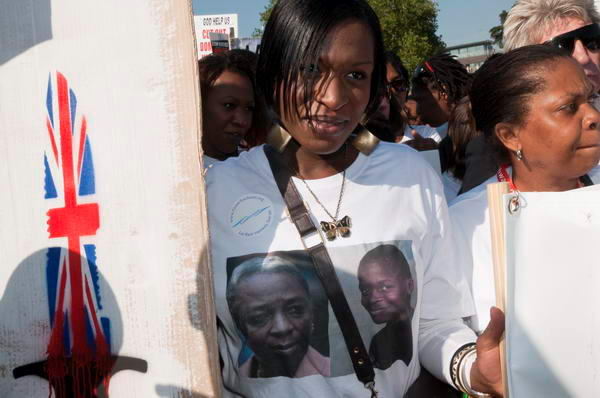
In 2007 there were 26 teenagers killed on the streets of London, and many of those on the march “were the families and friends of young people whose lives were ended prematurely by violent death, and the grief felt by many of those I photographed was impossible to miss. They were stricken and angry and demanding that something was done to stop the killing.”

These deaths continue. They peaked in 2021 when 30 were killed, but most years there have been around 20 such tragic deaths. Despite many marches such as this and projects such as the Violence Reduction Unit set up in 2019 by London Mayor Sadiq Khan these deaths continue.

Prime Minister Keir Starmer met with victims’ families just a few days after the election and earlier this month held a knife crime summit at Downing Street aimed at halving it over the next decade. Earlier in the year King Charles and actor Idris Elba hosted a mini-summit on knife crime at St James’s Palace in July. A ban on the sale and possession of zombie-style knives and machetes will come into force in 4 days time.

Guns & Knives, Pineapple, Orange & Thames

It remains to be seen if these initiatives will have any effect. Back in 2008 I commented that “Effective action would involve huge cultural shifts and a direction of change that would reverse much of what we have seen over the past 50 or so years” and unfortunately there still seems little chance of this happening.

The Peoples March


Stockwell Festival – Pineapple Parade

Guns & Knives, Pineapple, Orange & Thames

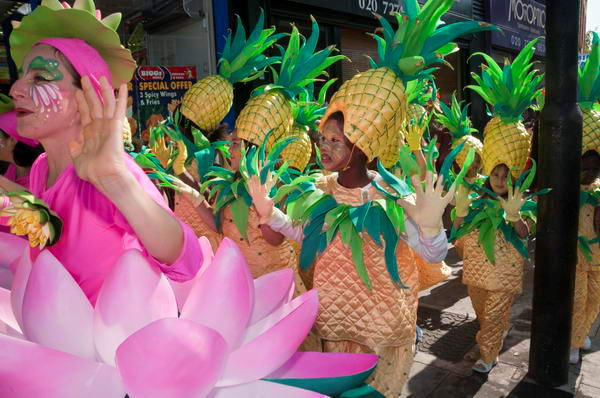
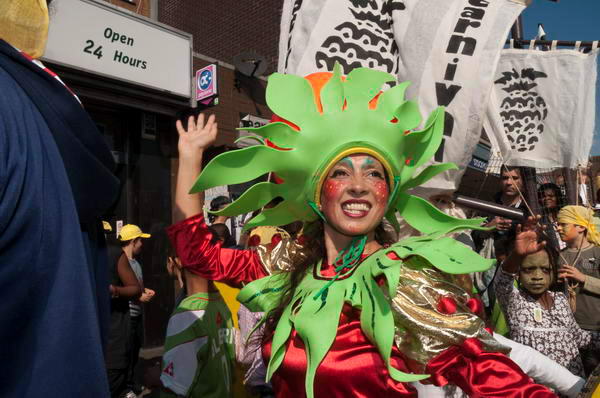
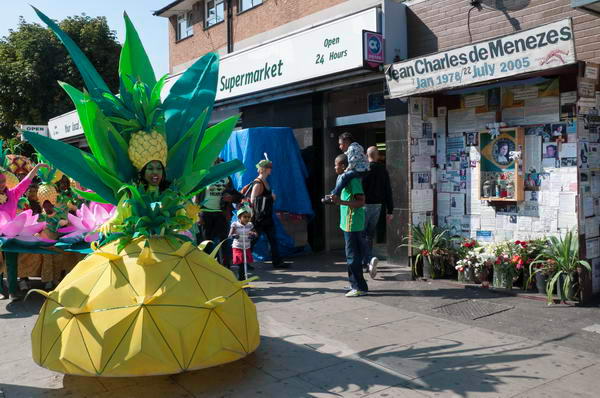
My spirits were lifted by seeing so many people taking part in the Pineapple Parade, part of the Stockwell Festival, clearly enjoying themselves taking part with others in the event. As I commented, “Community festivals such as this have an important role in building the kind of relationships that lead to healthy communities.”

John Tradescant the Elder (1577-1638) and his son John Tradescant the Younger (1608-1662) had their extensive nurseries a little up the road from where I was taking pictures and brought many exotic species to this country in the seventeenth century, and possibly pineapples were among them, although sources differ on this. Some pineapples were imported here in that era but apparently they were only cultivated here in heated greenhouses in the nineteenth century.

But as I wrote in 2008 “among the dancing and fancy dress I also found a reminder of violent death, Stockwell is probably best known for the brutal shooting by police of an innocent unarmed Brazilian man who had just boarded an underground train at Stockwell Station in 2005.”

More pictures Stockwell Festival – Pineapple Parade.


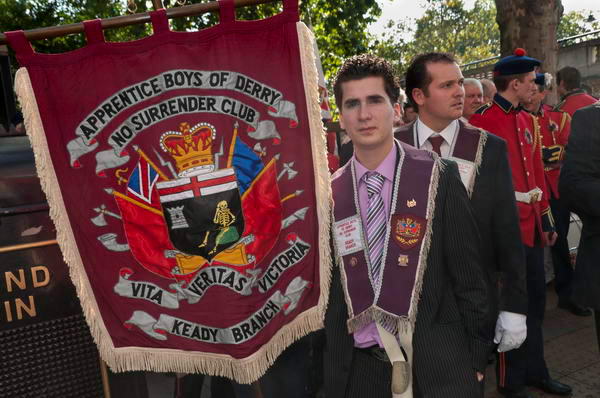
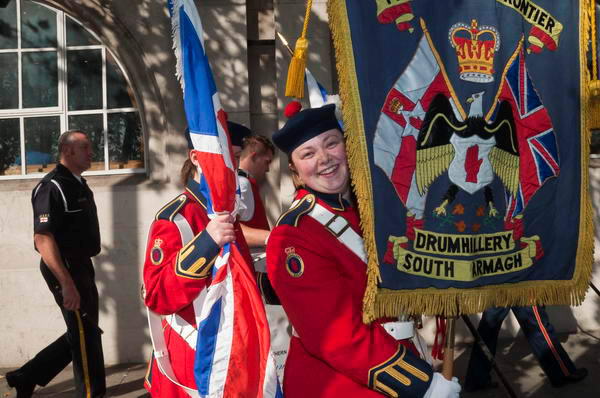
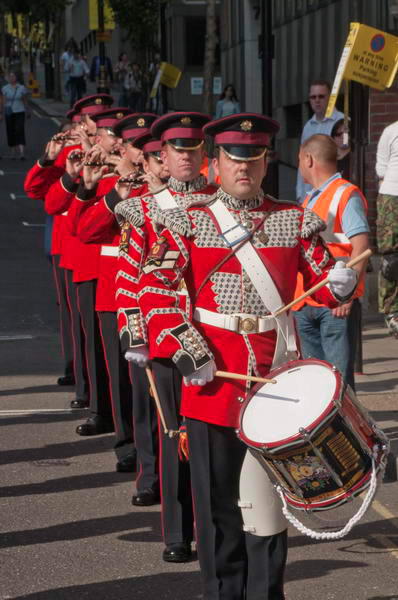
Apprentice Boys of Derry March – Temple

I shivered a little as I went down the escalator and boarded the tube on my way to Temple to photograph the Apprentice Boys of Derry March in which various Orange Order associations were taking part.

As you can see from my pictures, most of those taking part were proud to be there and happy to be photographed.

“But at one point I found myself being pushed backwards by a large man in dark glasses and instructed very fimly to leave. This kind of intimidation certainly isn’t acceptable and of course I continued to take pictures of the event. But it was a reminder of the darker side of Loyalist Ulster, which I hadn’t expected to see on the streets of London.”

More pictures on My London Diary at Apprentice Boys of Derry March.


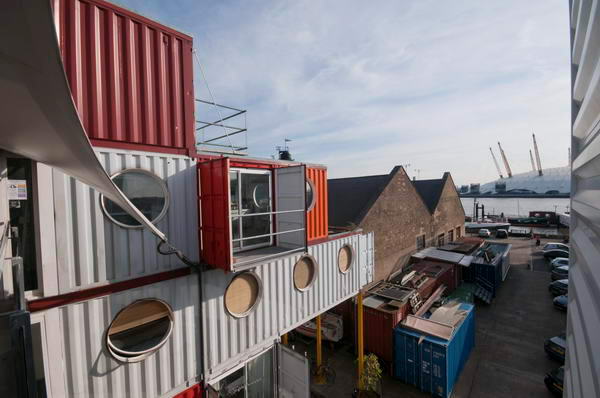
Open House at Container City – Trinity Buoy Wharf, Leamouth

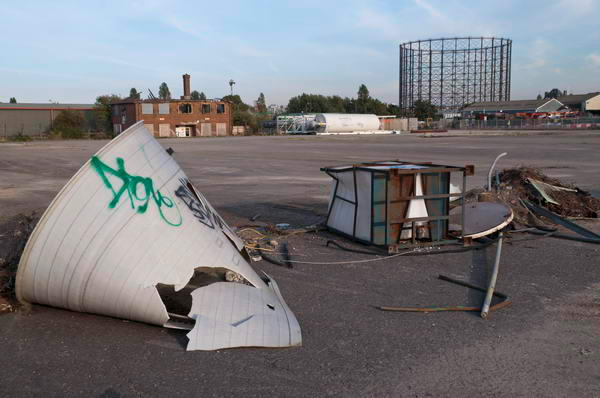
I took the tube to Canning Town and then walked down the long way to Trinity Buoy Wharf, cursing that the path beside Bow Creek and long-promised bridge had not been built. Part of the walkway is now open and an new bridge to the redeveloped Pura Foods site now provides more convenient access.

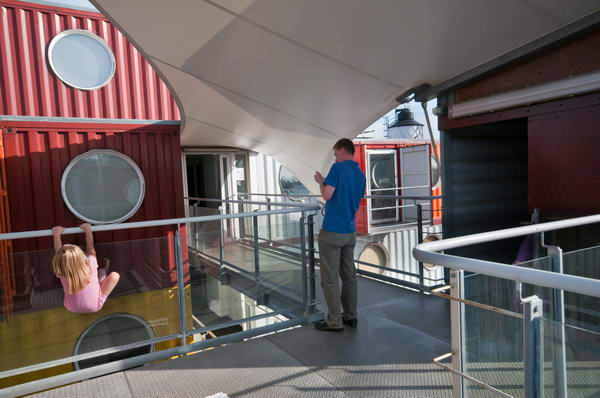
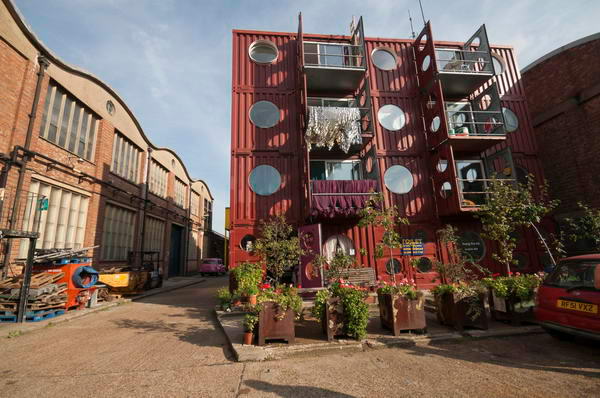
It was Open House Day in London and I took advantage of this to visit Trinity Buoy Wharf and the Container City there, a set of artists studios built using containers. Begun on the site in 2001, this had by then expanded considerably.

Trinity Buoy Wharf is open every day of the year except Christmas Day, but in 2008 as this year there were many extra activities for Open House. And at the end of 2023 the only complete Victorian steam ship in existence, the SS Robin has joined the collection of Heritage Vessels there, though tours for Open House on Sat 21st & Sun 22nd September 2024 are fully booked.

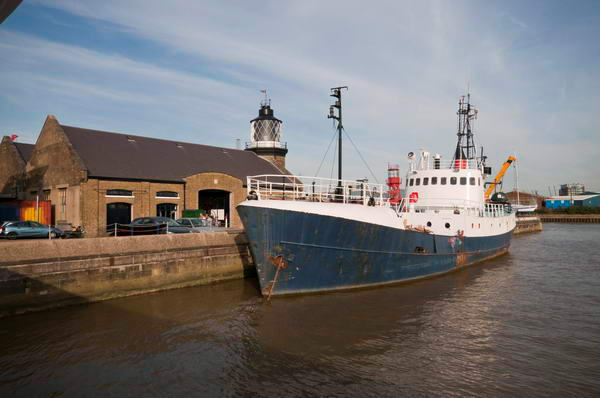
The containers were interesting but I think it was other aspects of the site and the view from it that interested me most, as well as the chance to take the specially laid-on ferry across the Thames to North Greenwich.

Open House at Container City


North Greenwich to Greenwich – Thames Path, Greenwich

The riverside walk is one I’ve done many times and its always of interest although the section at North Greenwich was only opened up in the 1990s and in more recent times parts of the walk have been blocked during the construction of some of the new blocks of riverside flats.
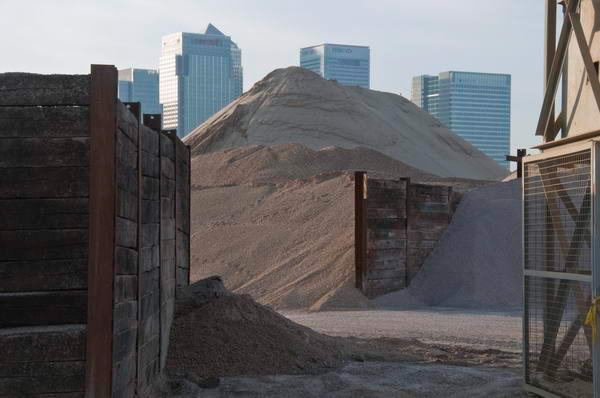
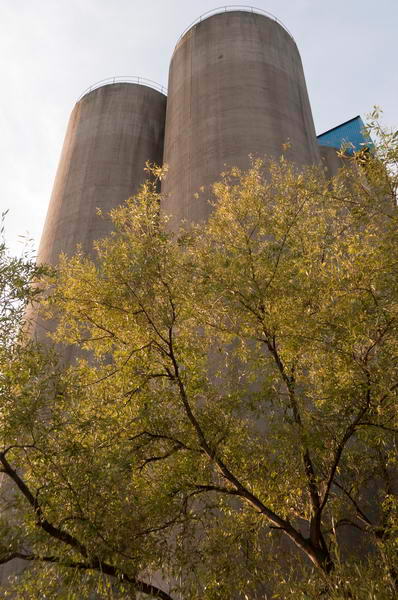
A large aggregate wharf remains although most of the riverside industry has gone, including the silos and the rest of the works at Morden Wharf. And only Enderby House remains of the site from which ships left to lay undersea cables across the world.

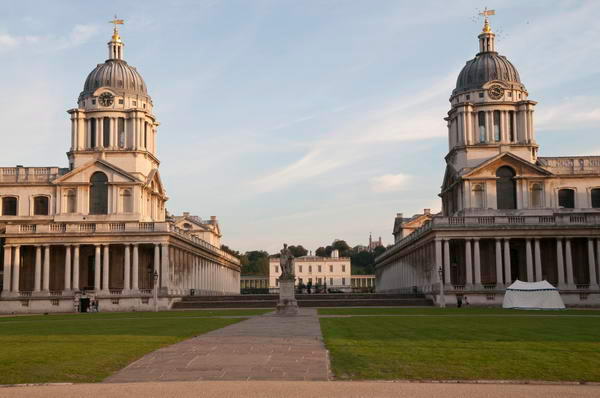
Greenwich of course retains its grand buildings, now a part of Greenwich University.

On My London Diary there are also some views across the river, both to buildings Canning Town, Leamouth, Canary Wharf and the Isle of Dogs. It’s a walk I’ve done several times since and might well do again, probably starting from North Greenwich Station. You can see pictures from a walk in 2018 on My London Diary. And there are still some good pubs when you reach Greenwich on your way to the buses or stations there.
More pictures from September 20th 2008 at North Greenwich to Greenwich.


FlickrFacebookMy London DiaryHull PhotosLea ValleyParis
London’s Industrial HeritageLondon Photos

All photographs on this page are copyright © Peter Marshall.
Contact me to buy prints or licence to reproduce.


Horseman’s Sunday, Wallenberg & Car-Free Festivals 2004

Horseman’s Sunday, Wallenberg & Car-Free Festivals: Sunday 19th September 2004 was a rather strange day for me with some very varied events across London.


Horseman’s Sunday

Horseman's Sunday, Wallenberg & Car-Free Festivals

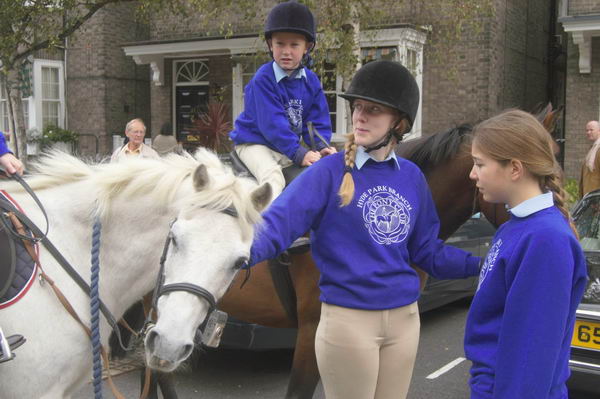
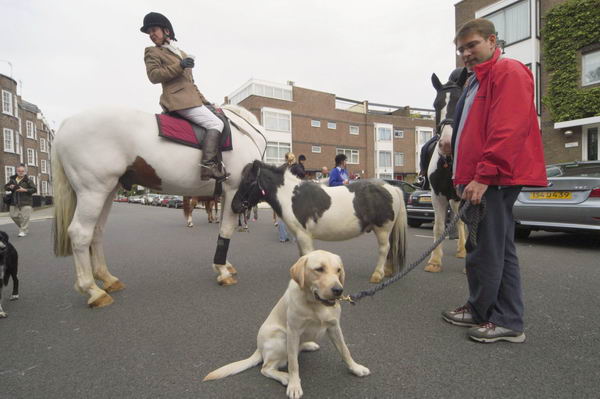
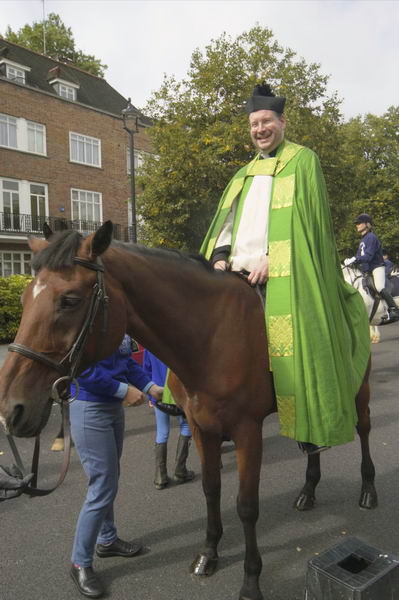
Horseman’s Sunday is apparently celebrated at several places in Surrey including Tattenham Corner at Epsom as well as in central London at the Church of St John’s, Hyde Park Crescent,where the The Hyde Park Pony Club met for the occasion.
Horseman's Sunday, Wallenberg & Car-Free Festivals

Despite being ‘Horseman’s Sunday’ there were relatively few men taking part, mainly children and a few women along with the befrocked celebrants. As I noted on My London Diary, “fortunately the rite was Anglican, so everyone left the singing to the choir, avoiding scaring the horses.

Horseman's Sunday, Wallenberg & Car-Free Festivals

This was a curious example of the different world inhabited by the rich and priveleged in London. I’ve not felt moved to go back to photograph the event since.

more pictures


Raoul Wallenberg Memorial

Horseman's Sunday, Wallenberg & Car-Free Festivals

Just around the the corner, a small group was remembering one of the heroes of the Second World War, Swedish diplomat Raoul Wallenberg, who saved perhaps a hundred thousand jews from the Nazi holocaust in Budapest, himself dying in a Russian jail.

There are monuments to him around the world including this one outside the West London Synagogue and close to the Swedish Embassy.


Hackney Mare De Gras Cancelled

I travelled out to Dalston, where I found a notice that the Hackney Mare De Gras Procession had been postponed because of a murder in Mare St.


Shoreditch Car Free Festival

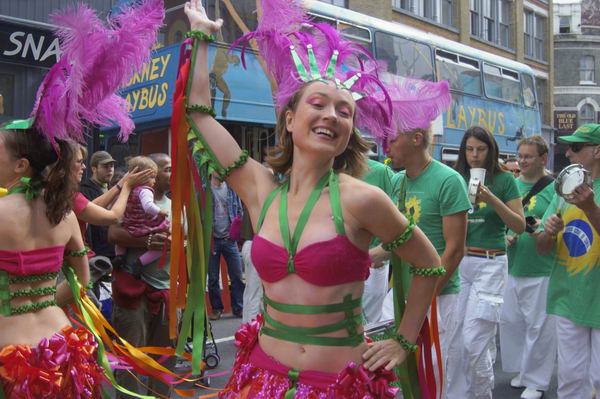
I walked down Kingsland Road to Shoreditch where a festival and car-free day was getting underway, with the London School Of Samba dancing through the streets and other events including the Secretsundaze Sound System.

On the way I took a few pictures including some of the graffiti which by 2004 seemed to be covering most of the walls in Shoreditch.

On Curtain Road people were trying out various different designs of bicycles, particularly recumbents. Though these may be comfortable and efficient I’ve never been attracted to riding at the level of vehicle exhausts and feel the low riding position gives a very restricted view compared to a normal bike, dangerous in city traffic. Perhaps if I lived in a remote area with empty roads I’d try one.

Part of the street was a carpeted area with benches where you could sit and enjoy tea from an anarchist tea bar with a revolutionary tea urn.

The Shoreditch Golf Club was set up for a chess competition, though I didn’t see anyone actually playing chess, and there were various theatrical performances on the street – and of course more graffiti to photograph. I spent some time taking pictures there before tearing myself away to catch the tube from Liverpool St to Leytonstone.

Many more pictures on My London Diary.


Leytonstone Car-Free Festival

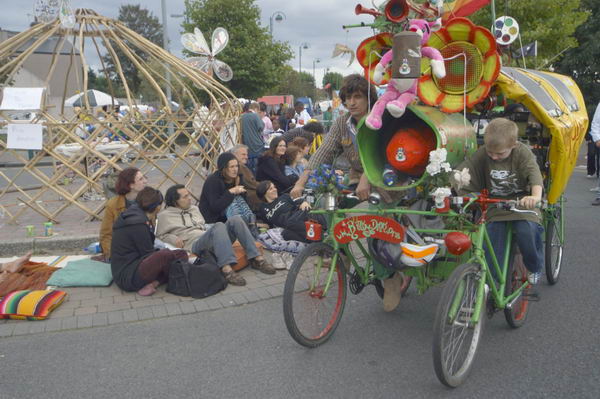
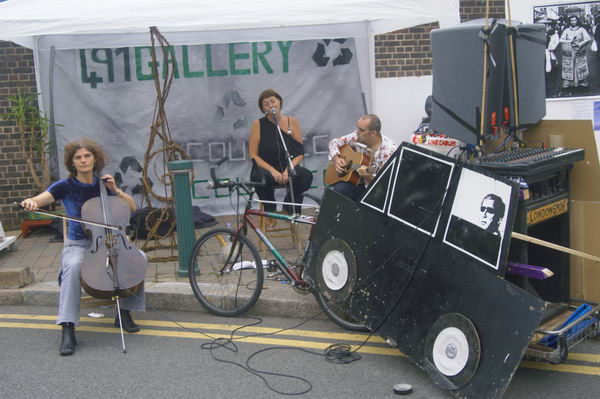
Leytonstone was also enjoying a car-free day, and one of the highlights there was the Rinky Dink cycle-powered sound system, bringing back memories of April’s march to Aldermaston, where this accompanied us on the last few miles.

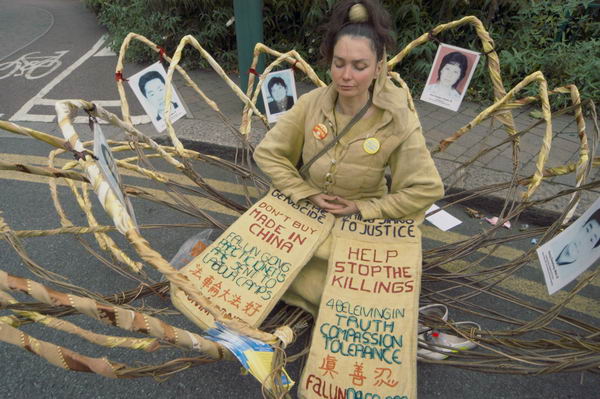
There was more music too, as well as various a childrens’ arts project and entertainment, and a rather unrelated political element from protesters against the Chinese persecution of Falun Gong practitioners.

More pictures


FlickrFacebookMy London DiaryHull PhotosLea ValleyParis
London’s Industrial HeritageLondon Photos

All photographs on this page are copyright © Peter Marshall.
Contact me to buy prints or licence to reproduce.