People’s Vote March, Iranians & Veterans – 2018

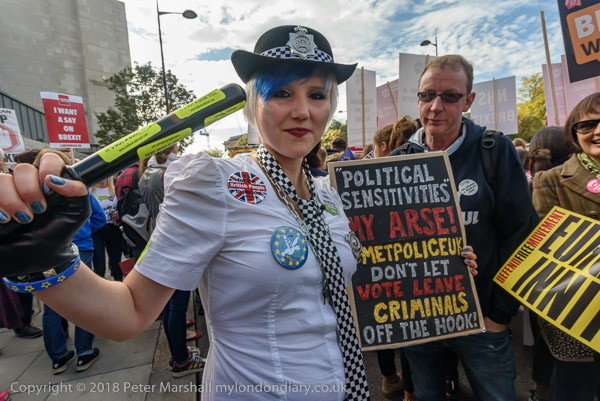
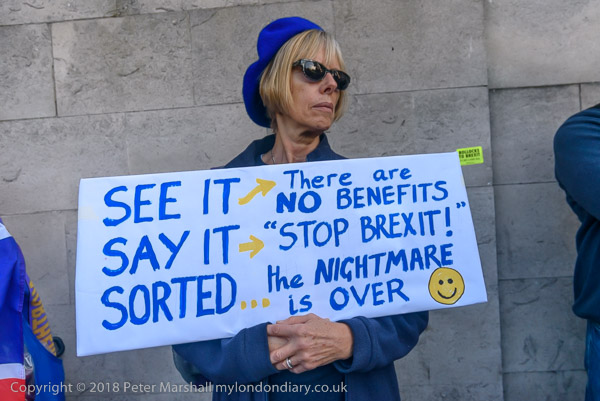
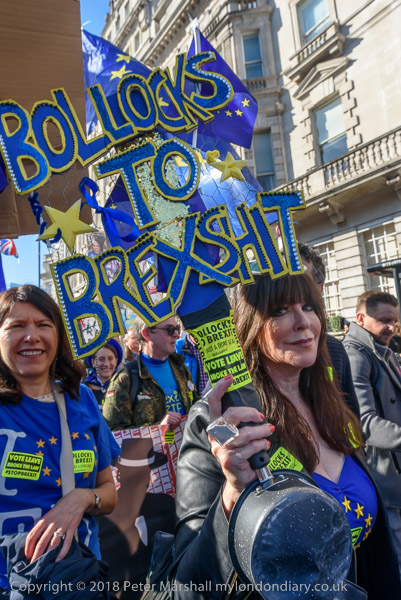
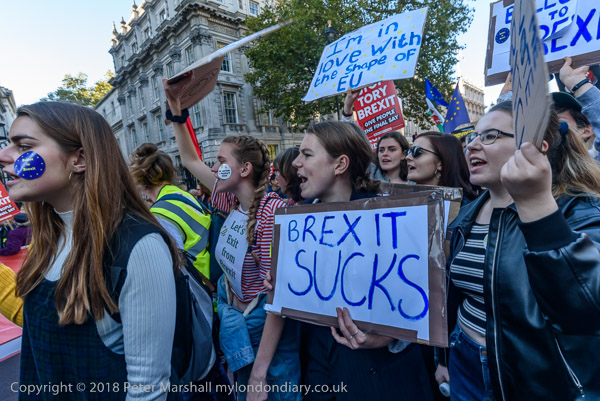
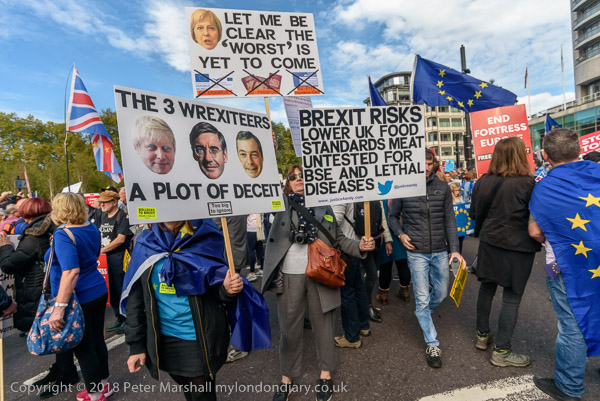
People’s Vote March, Iranians & Veterans: On Saturday 20th October 2018 I photographed a huge march – newspapers said an estimated 670,000 people – marched in London demanding the Theresa May hold a new referendum now that there was new evidence and people were clearer what Brexit would mean – and how they had been criminally misled into voting leave. Of course the BBC report lost a zero in the numbers taking part. During the march I also took time to photograph a protest by the People’s Mujahedin of Iran, now exiled in Albania, against the Iranian regime, and Veterans United Against Suicide calling for more help for service men after they return home from wars.


People’s Vote March

Hyde Park Corner to Parliament Square
People's Vote March, Iranians & Veterans - 2018

The 2016 referendum over leaving Europe was won by a relatively small majority – 52% to 48% – following a highly misleading ‘Leave’ campaign – remember that bus – but there was much more, hugely funded by people who would make large personal financial gains.
People's Vote March, Iranians & Veterans - 2018

Nine years on from the vote, the Office for Budget Responsibility judges that “Both exports and imports will be around 15 per cent lower in the long run than if the UK had remained in the EU.” Last year a report by Cambridge Econometrics estimated that by then Brexit had cost the UK £140 billion and that would rised to £311 billion by the mid 2030s.
People's Vote March, Iranians & Veterans - 2018

By 2018 it was already clear that Brexit would be a disaster, and it was a disaster that had been caused by David Cameron’s promise as Prime Minister that the result would be binding. It was seen by many as a crazy promise at the time – and we have been proved right. Britain has often prided itself on not having a written constitution – but if we had one it would almost certainly have saved us – as it would surely have required a more significant majority for any major constitutional change such as this.
People's Vote March, Iranians & Veterans - 2018

It isn’t of course sure that a second referendum would have produced a different result – the same dark forces that swung the first would have gone into overdrive, with an added level of opposition to the ‘people’s decision‘ being disregarded, and with the help of the billionaire media might even have led to a second vote to leave.
People's Vote March, Iranians & Veterans - 2018

From the start at Hyde Park Corner the protest looked huge, with people spreading far up Park Lane and across into Hyde Park.
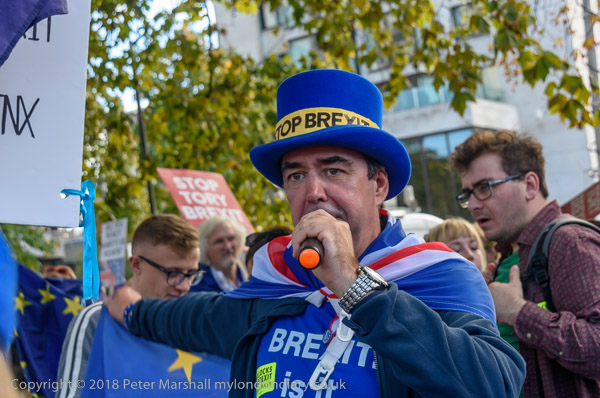
People's Vote March, Iranians & Veterans - 2018
Sodem had a stall on Park Lane – with Steven Bray

When the march was due to start one group, Movement for Justice was on the road in front of the official banners, along with more than a thousand other protesters and protesting noisily while refusing pleas from the stewards to get behind the main banner.
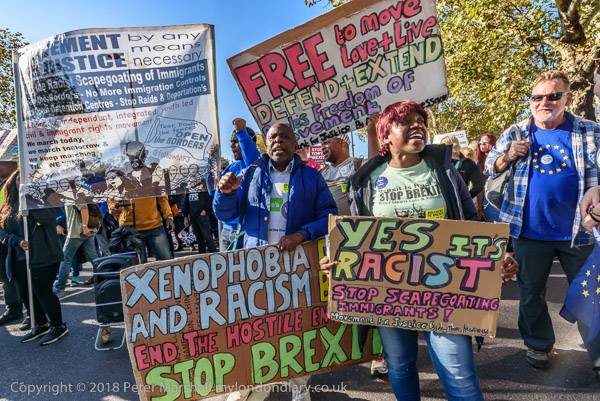
Although MfJ were protesting about Brexit, they made the point that this was racist and called for an end to the scapegoating of immigrants and an end to the hostile environment which is ripping families apart.
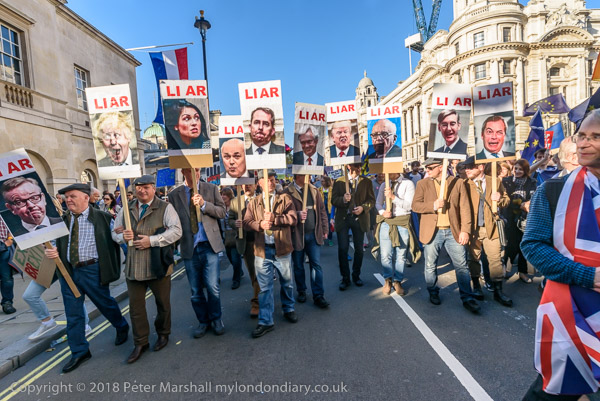
They demanded an amnesty for all people already present in the country and to an extension of freedom of movement in Europe to include the Commonwealth.
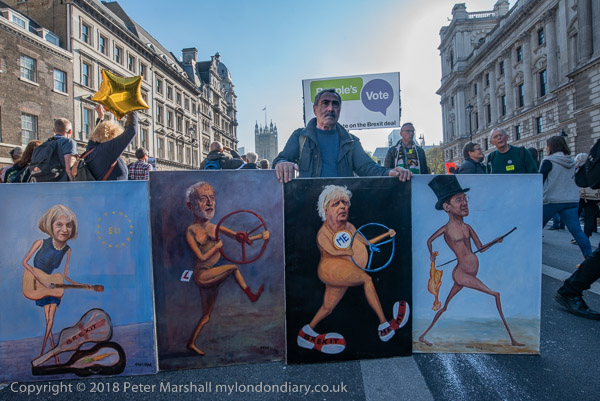
Kaya Mar

The march was delayed for some minutes until they had all moved off to march in front of the main march and after a good gap had opened up the main march began.
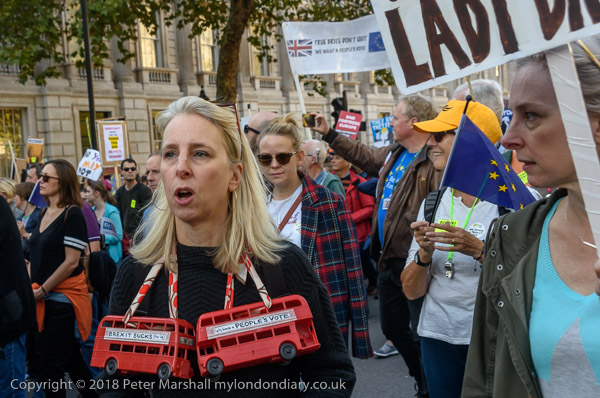
After photographing thousands of marchers coming out from Park Lane I left them and took the tube to Westminster meet the marchers at Parliament Square.
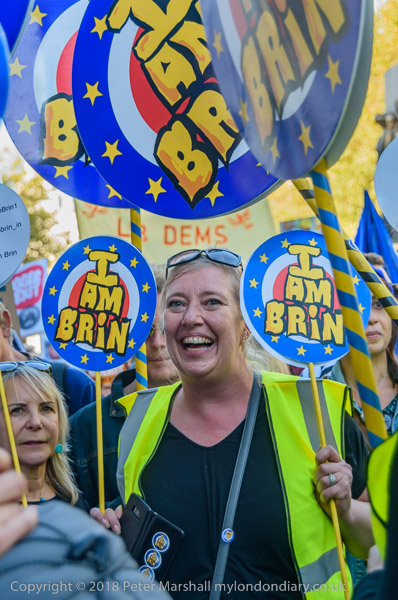
Thousands had come directly to the rally rather than march and Whitehall and Parliament Square were already fairly full before the main body of the march arrived. I made my way up Whitehall past Downing Street, but the whole area was jammed with people as I got close to Trafalgar Square.
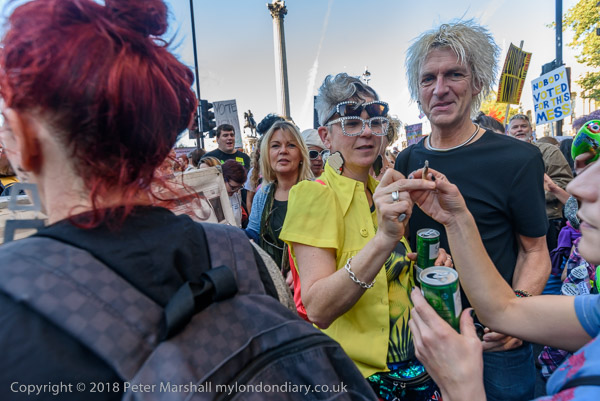
The top of Whitehall was jammed with people and the last 100 yards took me 15 minutes to get to where people were partying in the roads on the edge of Trafalgar Square.
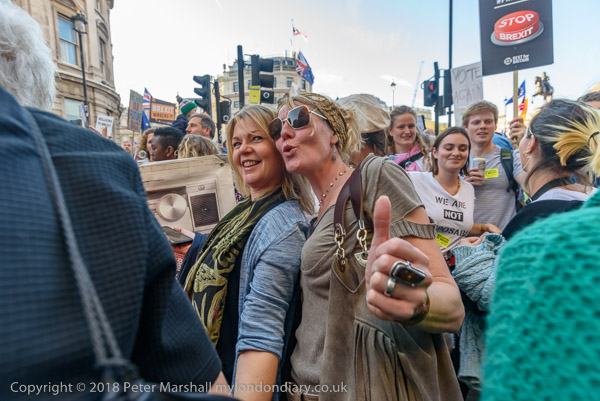
The press of people had brought the march to a halt, with people still packed along much of its route. Later I heard from people who had only got part way along Piccadilly that many marchers had ended there and crowded into Green Park.
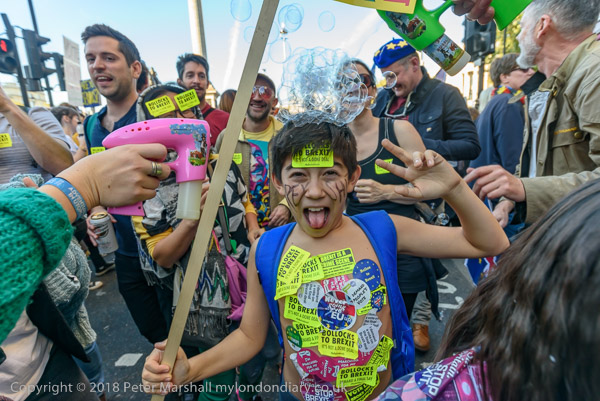
I had taken so many pictures that I decided to divide my report on My London Diary inato three parts:
People’s Vote March – Start
MfJ at People’s Vote March
People’s Vote March – End


People’s Mujahedin of Iran

Downing St
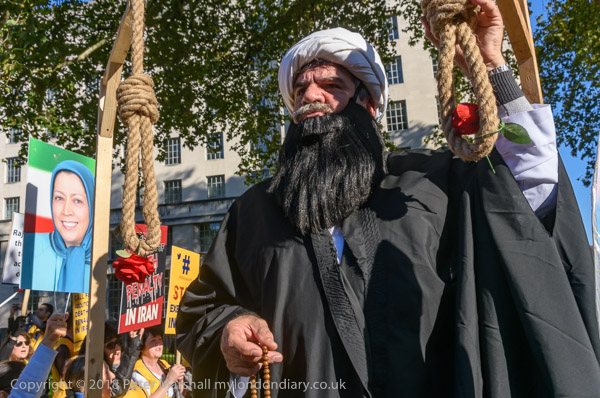
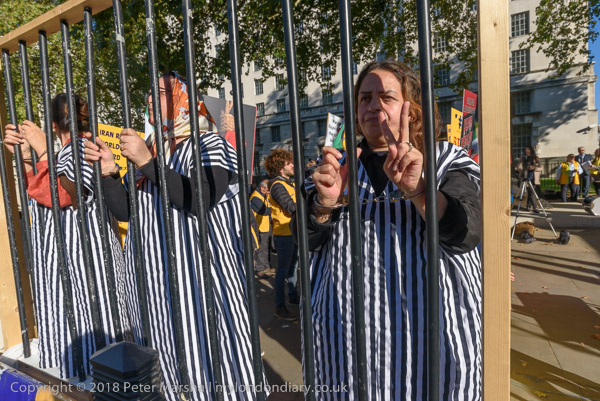
On the paved area opposite Downing Street I found the People’s Mujahedin of Iran (PMOI) protesting against the repressive regime in Iran, with gibbets and three women held in a prison cell illustrating their reign of terror and calling for an end to executions – something in which the Iranian regime leads the world.
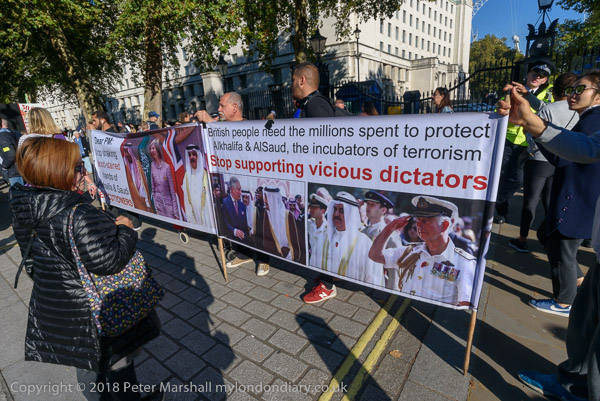
The PMOI, exiled from Iran and then to Albania, leads the National Council of Resistance of Iran (NCRI), based in France which calls for a modern legal system, gender equality and political and social rights in Iran.
The PMOI appears to have little or no support in Iran but receives some support from US agencies and politicians as the preferred future government for the country. Both the USA and Saudi Arabia are said to provide financial support.
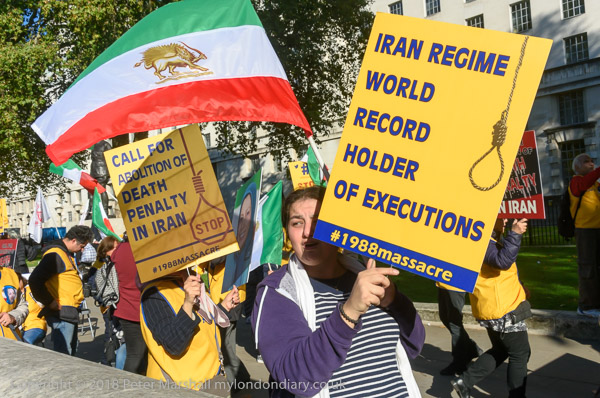
As a lengthy article on Wikipedia relates, there are many allegations about human rights abuses against its own members and its fraudulent money laundering and other financial arrangements.

People’s Mujahedin of Iran


Veterans United Against Suicide

Ministry of Defence
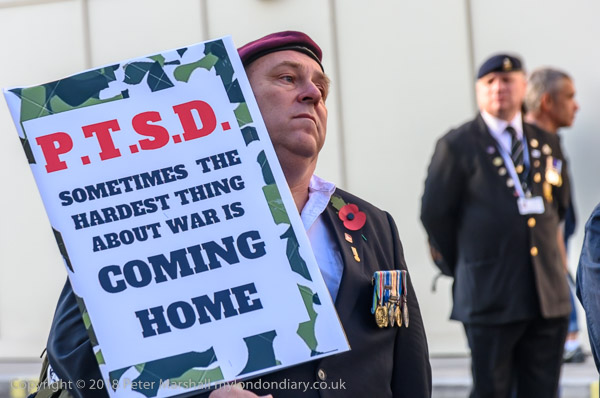
A few yards off from the march route outside the Ministry of Defence, Veterans United Against Suicide were holding a rally calling for more to be done to help service men and veterans in the fight against their developing PTSD and eventually committing suicide.
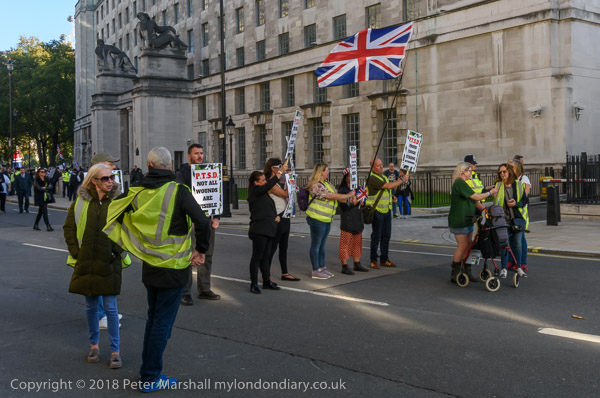
At least 47 current forces personnel and veterans have committed suicide this year, though the actual figure is thought to be considerably higher.
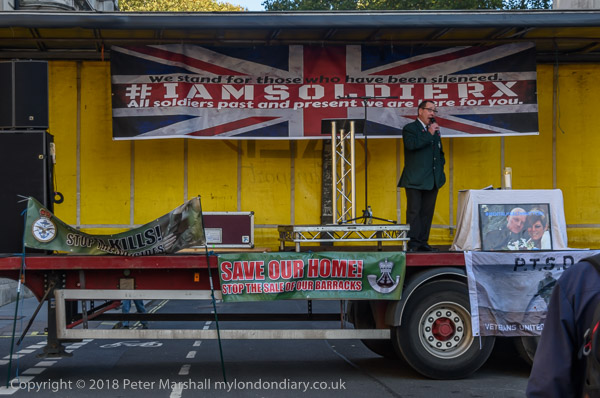
This was clearly a right wing protest and I did not feel welcome. As I wrote “The lorry being used as a platform also displayed a large banner supporting the soldier discharged for standing with Tommy Robinson in a photo used to publicise his extreme right-wing views. While I was listening a speaker was condemning a major forces charity, accusing it of fraud and failure to act over the mental health problems of serving and former members of the armed forces.

Veterans United Against Suicide.


FlickrFacebookMy London DiaryHull PhotosLea ValleyParis
London’s Industrial HeritageLondon Photos

All photographs on this page are copyright © Peter Marshall.
Contact me to buy prints or licence to reproduce.

Freedom to Film & World March for Peace – 2009

Freedom to Film & World March for Peace: On Sunday 18th October 2009 I went to Dalston to support a Hackney education charity whose students have been harassed when making films in public places and then joined a small march in the UK which was part of a worldwide humanist movement for peace.


Ridley Road Market: Worldbytes Defends Right to Film

Freedom to Film & World March for Peace - 2009
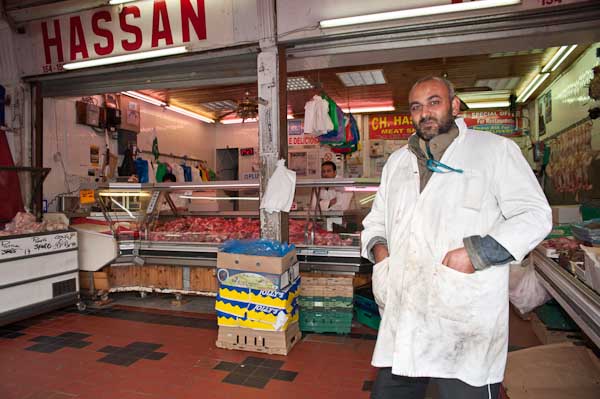
Halal butcher in Ridley Road market, Dalston

Worldwrite is a Hackney-based education charity founded in 1994 which gives young people free film and media training supporting them to produce alternative programmes for broadcast on WORLDbytes, the charity’s online alternative Citizen TV channel Worldbytes.org. You can read more about them on the web site where you can also see a very wide range of their videos, though I couldn’t find anything now on this 2009 event.

Freedom to Film & World March for Peace - 2009

In 2009 their teams were “finding it increasingly difficult to film in public places in Hackney: security guards, community wardens and self-appointed ‘jobsworths’ are refusing us ‘permission’ to film on many of our streets.”

Freedom to Film & World March for Peace - 2009

As they stated, “There is in fact NO LAW against filming or taking photographs in public places and permission or a licence is NOT required for gathering news for news programmes in public spaces.

Freedom to Film & World March for Peace - 2009

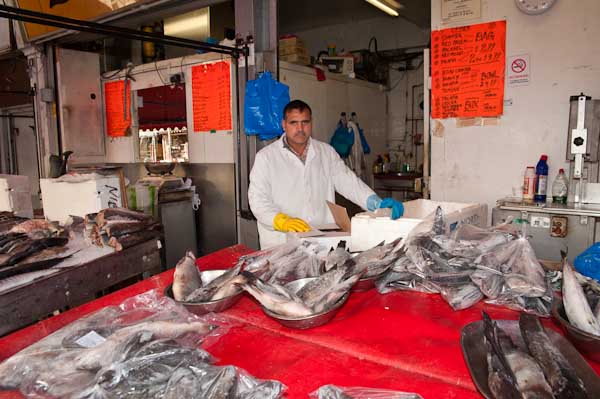
They had called for photographers and film-makers to go along and take pictures in support of their protest and I went to do so at Ridley Road Market in Dalston, where Worldbytes crews had been told they can’t film there, not by the stall holders or other market users, but by employees of Hackney Council.

Freedom to Film & World March for Peace - 2009

I went there to support them and the right to photograph in public places, but also because I wanted to photograph the market. I had previously taken a few pictures there but only as I was passing and had not seriously photographed the market.

After talking to the Worldwite protesters I set about walking up and down the market taking photographs of the buildings and people, particularly some of the stallholders. As well as my post on My London Diary, I wrote about the event at greater length here on >Re:PHOTO a few days later. Here’s a short section of text from that article:

I took some general views without asking anyone for permission, but as usual, where I wanted to take pictures including stallholders or other people I asked if I might. Not because I need to, but out of politeness, and I shrugged my shoulders and moved on if they refused. Of course at times I photograph people who don’t want to be photographed, but this wasn’t appropriate here.”

As I was using flash most of the time, it was clear that I was taking pictures and some people asked me to photograph them who I might otherwise have walked by. At one place I did stop to argue after having been refused – and eventually managed to get permission to take a picture; at another I got profuse apologies from an employee who was obviously sorry that the stall owner had decided not to cooperate with Worldbytes.

“The council employees didn’t turn up to stop filming while I was there; probably Sunday is their day off. But it’s very hard to understand why Hackney Council should allow or instruct their employees in this way. They should know the law after all.”

My use of flash – generally as a fairly weak fill-in – was deliberate to make sure that people knew I was taking photographs, though in some cases it helped with the pictures. After I’d spent around twenty minutes obviously taking pictures I was interviewed by the Worldbytes crew, though I rather hoped they would cut that from their video of the day.

My London Diary : Ridley Rd Market: Worldbytes Film Protest

Re:PHOTO: Worldbytes Defend the Freedom to Film


World March For Peace and Nonviolence

The World March For Peace and Nonviolence had begun in New Zealand on the 140th anniversary of Ghandi’s birth, October 2, 2009. It involved events around the world which ended at Punta de Vacas in the Andes Mountains in Argentina on January 2, 2010, where Silo (Mario Luis Rodríguez Cobos) the founder of the Humanist Movement launched a new campaign for global nuclear disarmament in September 2006.

Volunteers from a base team of around a hundred went from New Zealand to Japan, Korea, Moscow, Rome, New York, and Costa Rica, attending events organised along the way to Argentina.

In London the march began with a vigil close to the Northwood Permanent Joint Forces / NATO Headquarters in Middlesex on Saturday morning, with speeches by World March UK co-ordinator Jon Swinden, Sonia Azad of Children Against War and organiser Daniel Viesnik, who also read out a message of support from John McDonnell MP.

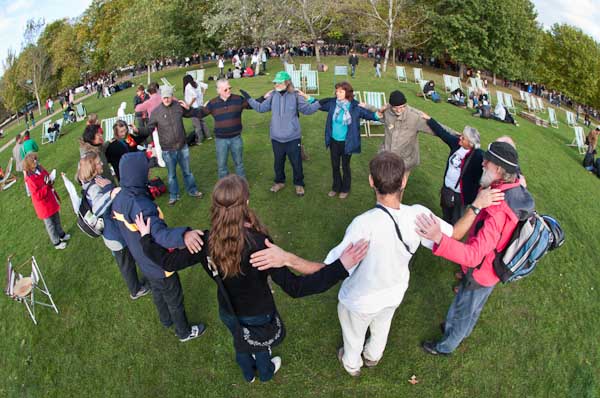
Only around 50 people walked the whole way, but there were others around the world also marching. On the second day in London they began at Brent Town Hall in Wembley Park and I met them as they arrived at Marble Arch. They stopped for lunch at Speaker’s Corner where they then took part in the interactive play ‘Let The Artists Die’ on themes of peace, non-violence and the power of the imagination. It was written and directed by Charlie Wiseman who was also one of the three main actors.

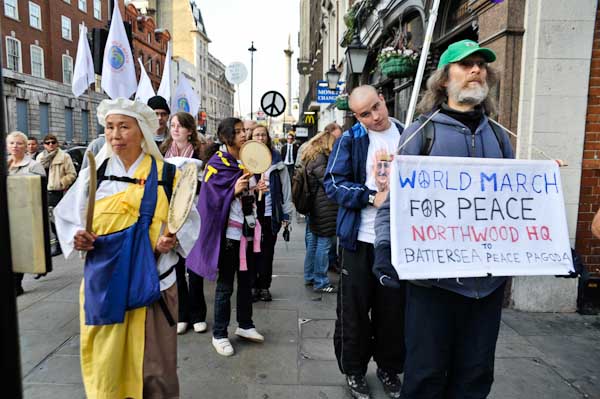
They walked past the front of the US Embassy to the memorial to the British victims of 9/11 in Grosvenor Square, where it stopped to pay its respects. In Mayfair it was almost halted when a taxi driver deliberately drove into one of the marchers, but they continued to Trafalgar Square.

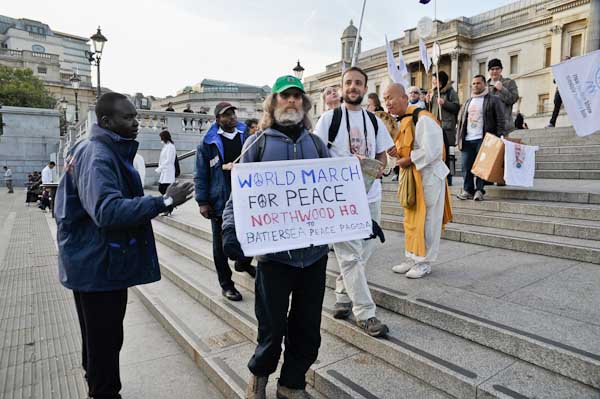
‘Heritage wardens’ stopped the march as it came down the steps in Trafalgar Square, telling them they could not walk through the square as they had not applied for permission.

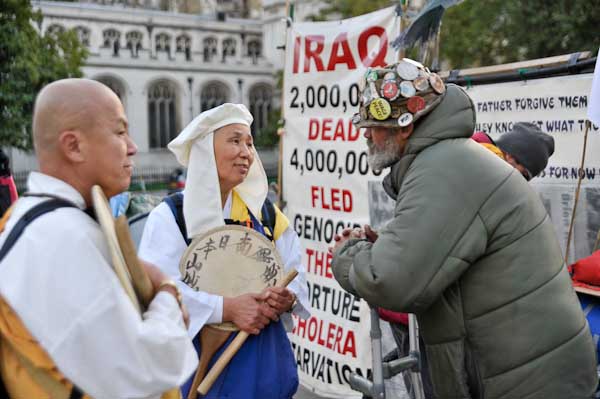
After resting for a few minutes on the steps the march went around the side of the square and down Whitehall past “the Old War Office, and then the statues of famous generals outside the “Defence Ministry” (governments were more straightforward with language in the past)” and “the fortified gates of Downing Street and on to Parliament Square, where the march stopped at the permanent peace protest by Brian Haw there since 2 June 200l with the help of his supporters.”

I left the marchers there but they continued on to end at the Peace Pagoda in Battersea Park.

More pictures at World March For Peace and Nonviolence.


FlickrFacebookMy London DiaryHull PhotosLea ValleyParis
London’s Industrial HeritageLondon Photos

All photographs on this page are copyright © Peter Marshall.
Contact me to buy prints or licence to reproduce.

Teachers March against Government Plans – 2013

Westminster

Teachers March against Government Plans - 2013
The protest reached a peak outside the offices of the Department for Education

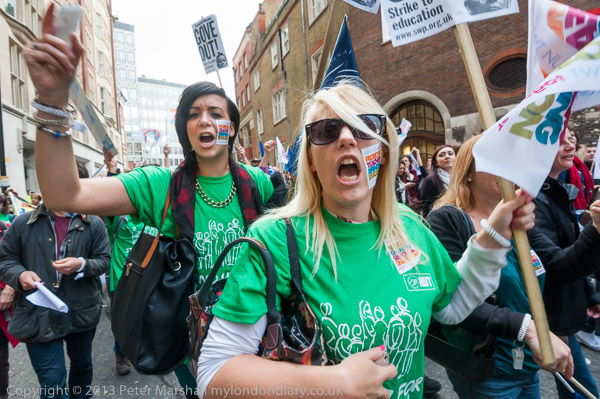
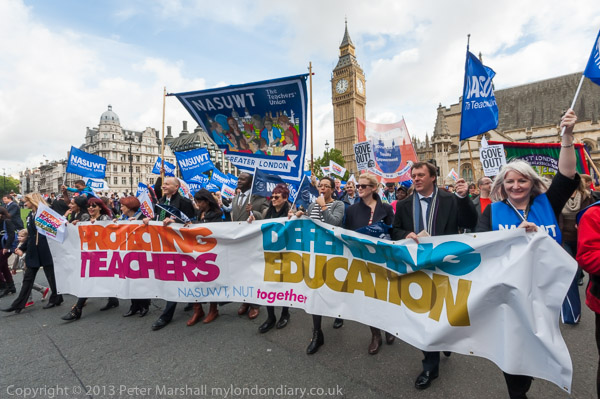
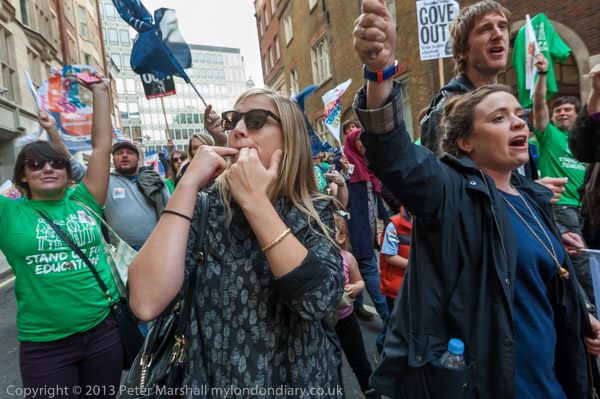
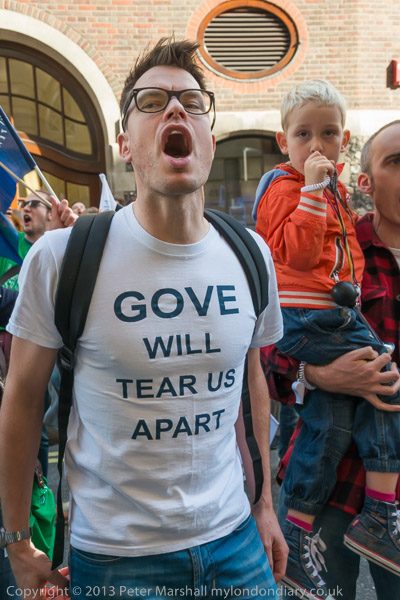
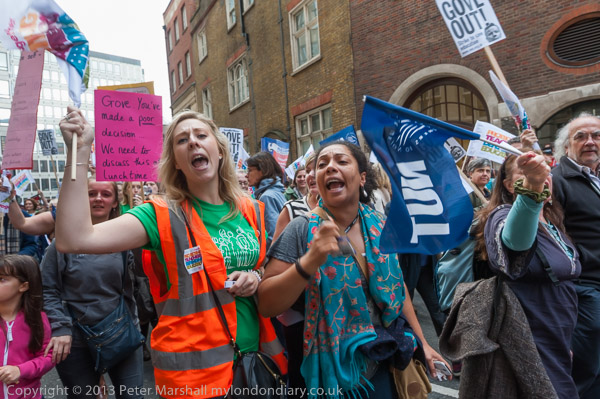
Teachers March against Government Plans: Teachers found Education Minister Michael Gove’s plans for education hard to believe and impossible to swallow and came out in force in a march to a rally in Westminster to protect education on Thursday 17th October 2013. The march brought traffic in Central London to a halt for some hours and was almost a mile long as it moved from Malet Street to Marsham Street past the Education Ministry in Great Smith Street.

Teachers March against Government Plans - 2013

Gove wanted to totally deregulate teachers’ pay and conditions, which would allow all schools to set their own pay levels, working hours and holiday dates. Getting rid of the national agreements would lead to chaos and at school level, waste much time and effort in bureaucracy. Even schools which are ‘academies’ and are not required to follow the statutory guidelines have mostly chosen to do so, and the guidlines still apply to those staff working in academies who are subject to TUPE protections.

Teachers March against Government Plans - 2013

National pay negotiations lead are fairer and prevent much pointless competition between schools to attract the best teachers and avoid contention between management and staff.

Teachers March against Government Plans - 2013

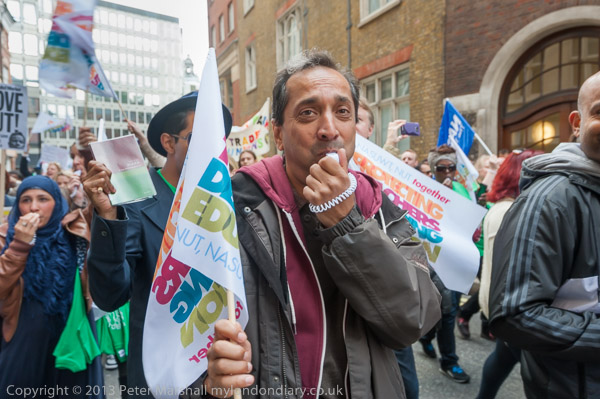
Both the NUT and the NASUWT unions supported a day of strike and this rally and march by striking teachers from London and the South and some London boroughs reported over 40% of schools completely closed, with less than 10% able to work normally.

Teachers March against Government Plans - 2013
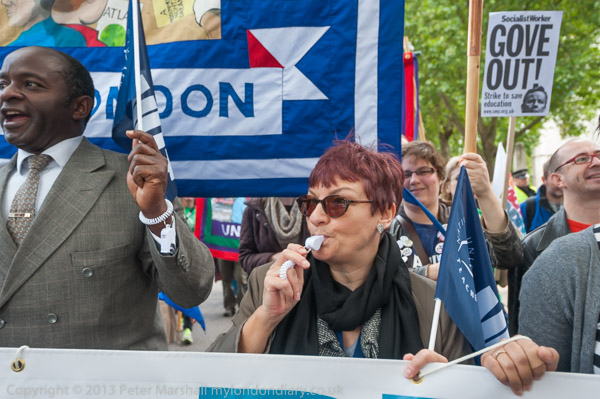
Christine Blower, NUT General Secretary, blows her whistle

I taught full-time in education for thirty years, almost ten years in a large comprehensive and later in a sixth form and community college before taking early retirement to concentrate on being a photographer and writing about photography rather than teaching it (and other subjects.) Few outside the profession realise how stressful it can be – or the long hours involved. Most only think of the long holidays and the early end of most school days.

Teachers March against Government Plans - 2013

The teachers wanted Gove to carry out the long overdue valuation of the Teachers’ Pension scheme and to withdraw the threat to make teachers work until they are 68, and his proposals for Performance Related Pay.

I met the front of the march as it came down Whitehall and past Downing Street where it got very noisy with teachers shouting, with many were clearly very angry with the government’s proposals which they feel wreck our education system.

I kept at the front of the march to photograph it in Parliament Square where it passed Big Ben at noon before going on to the Department for Education, there were far too many on the march to get inside the hall for the rally and those not in the front section stopped here to make their vews clear.

They condemned Gove for not listening to teachers or educationalists and ignoring any opinion or research that doesn’t support his own views – or gets in the way of his plans to monetise and privatise our state education system.

But although the marchers were united and noisy in their opposition to Gove, angry and disgusted with his intentions, it remained an peaceful protest. Many of them had come withy their children – whose schools were shut for the day.

I had other things to do and had to walk to my next destination, as the bus services were completely disrupted with many roads jammed with traffic. At Aldwych I did get on a bus, but got off it five minutes later as it had only moved a few feet. An hour later when I was on my way home traffic on Kingsway was still moving at less than walking speed in both directions.

More on My London Diary at Teachers March against Government Plans.


FlickrFacebookMy London DiaryHull PhotosLea ValleyParis
London’s Industrial HeritageLondon Photos

All photographs on this page are copyright © Peter Marshall.
Contact me to buy prints or licence to reproduce.


Southwark Housing, Bermondsey Panoramas & Rembrandt Against Shell – 2014

Southwark Housing, Bermondsey Panoramas & Rembrandt Against Shell: On Thursday October 16th 2014 I went with housing campaigners on a march to Southwark Council Offices. They claimed that the council leader and other councillors and officers have accepted gifts and jobs from developers and were selling off council estates at knockdown prices. I had some time free after that and took a short walk along the Thames making some panoramas before rushing to the National Gallery where the Art Not Oil coalition were protesting outside a gala evening for special guests including unethical sponsors such as Shell.


CPOs for Southwark Councillors

Elephant to Southwark Council Offices

Southwark Housing, Bermondsey Panoramas & Rembrandt Against Shell

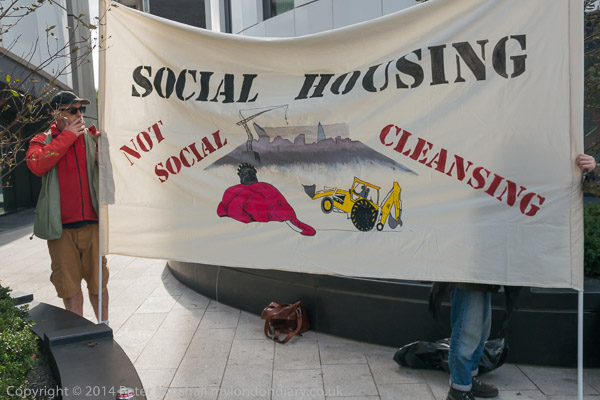
Housing campaigners from Southwark were joined by members of the Focus E15 Mums ‘Housing for All’ campaign at the base of the Strata Tower at Elephant and Castle, a tower nicknamed ‘The Razor’ for its three entirely decorative ‘greenwash’ rooftop wind turbines – which cannot be used as they generate unacceptable vibration for the upper floor flats.

Southwark Housing, Bermondsey Panoramas & Rembrandt Against Shell

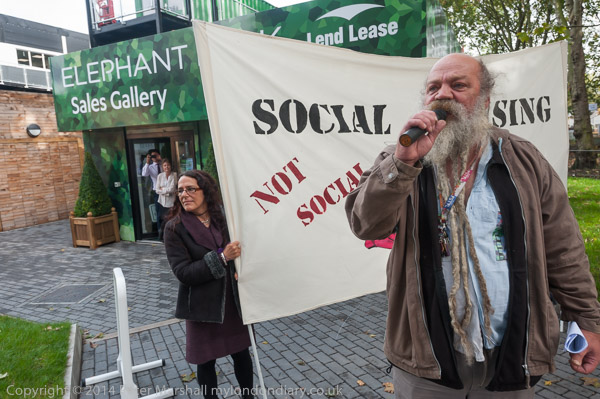
Facing them was One The Elephant, then under construction, a 44 storey block of luxury flats with no social housing, being sold abroad, with ‘studio flats’ starting at around £320,000 or 640,000 Singapore dollars.

Southwark Housing, Bermondsey Panoramas & Rembrandt Against Shell
Roy Bard speaks outside the sales gallery for Lend Lease’s Elephan Park development

They marched to protest briefly at the Elephant Park Sales Office on the Walworth Rd before walking on through the Heygate council estate where over 1200 homes were demolished and the site sold to developers for a knock-down cost – apparently less than the costs of ‘decanting’ the tenants and far below its proper valuation. Despite this leaseholders were only given compensation of around half the true market value of property in the area, forcing them to move out into the suburbs to buy property in far less convenient areas giving them long and expensive work journeys.

Southwark Housing, Bermondsey Panoramas & Rembrandt Against Shell
The entrance to developer Lend Lease’s Heygate (Elephant Park) site

The replacement by Elephant Park means a loss of over a thousand social housing units, with a small number of so-called affordable units at 80% of market rates, still well above what most Londoners can actually afford. The new flats were being sold to overseas buyers in Singapore and elsewhere as second homes, investment properties, homes for wealthy overseas students studying here, buy-to-let etc.

Southwark Housing, Bermondsey Panoramas & Rembrandt Against Shell
Council estates like this are a prime target for developers who can make huge profits if councils get rid of the tenants for them

From there they walked through some of Southwark’s 1930’s and postwar council estates, now seen as prime targets for demolition of social housing. Its replacement with higher density high price ‘luxury’ flats would generate huge profits for the developers (and lucrative rewards for councillors and council officers.)

Marchers at London Bridge Station

The march carried on to a similar area of council properties around Long Lane and Tennis Street where again similar changes – gentrification labelled as regeneration – seem likely, before going through Guy’s Hospital and London Bridge Station to Tooley St and the Southwark Council Offices.

There they held a short rally after which security stopped them entering to hand in letters for Southwark Council Leader Peter John and two other councillors containing ‘People’s Compulsory Purchase Orders‘ for their homes, but after much argument and the presence of police Liliana Dmitrovic of the ‘People’s Republic of Southwark’ and another protester were allowed in. As Southwark residents they argues they had a right to enter the council offices.

They went to reception and asked to see the three councillors and were told to take a seat and wait. They sat there for some time but eventually Stephen Douglas from Southwark Council came to tell them that all three named on the letters were in meetings and unavailable, but promised he would personally deliver the letters. They handed them in to him and left.

More on My London Diary at CPOs for Southwark Councillors.


Bermondsey Thames Panoramas

City Hall to Angel Wharf

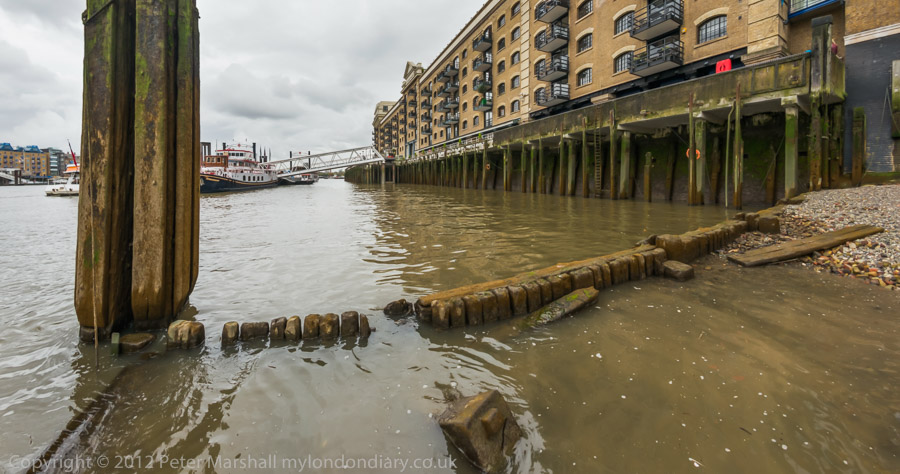
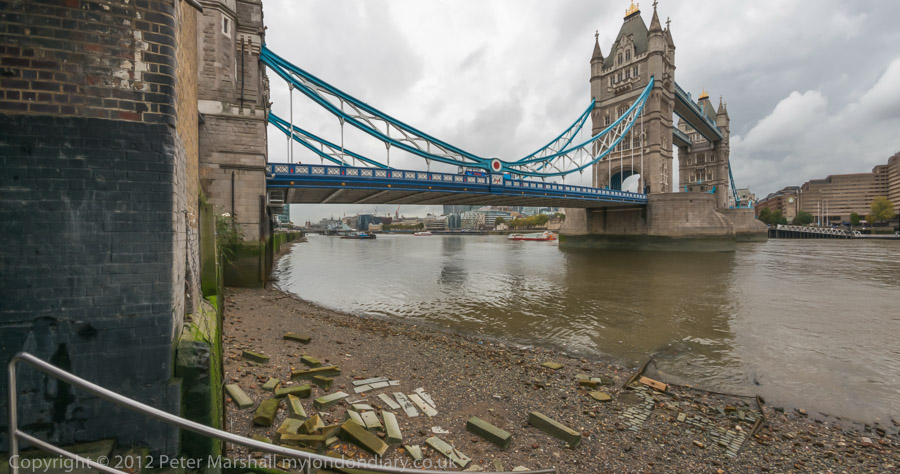
I crosssed the road from the council offices and went through the gardens by City Hall to walk by the Thames, going briefly down Horselydown steps just downriver from Tower Bridge onto the foreshore.

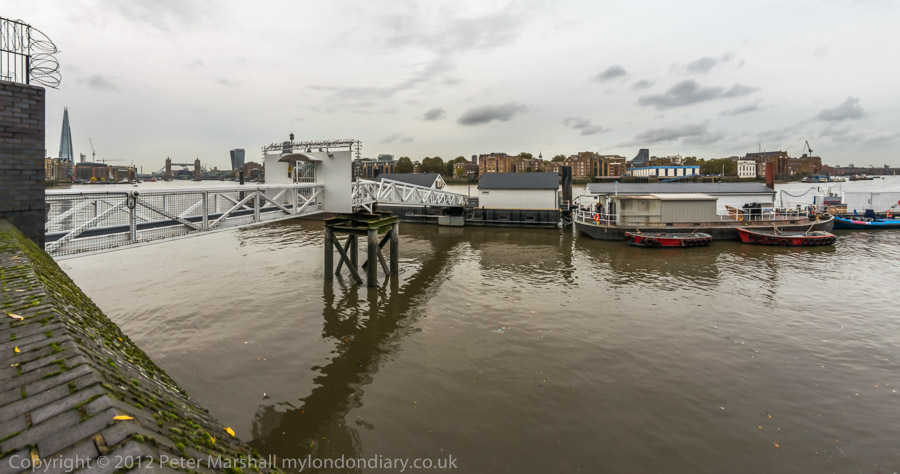
I came back up to Shad Thames, a painful pastiche of its former industrial past. Quickly I made my way to the riverside path and walked on, stopping as usual at the footbridge across St Saviour’s Dock to take more pictures.

I walked on in some interesting lighting and got very involved in taking pictures, rather losing track of time. At West Lane I realised I was in danger of arriving late at Trafalgar Square and ran down to the bus stop on Jamaica Road.

Many more pictures – not all panoramic – at Bermondsey Thames Panoramas.


Art Not Oil – Rembrandt Against Shell

National Gallery

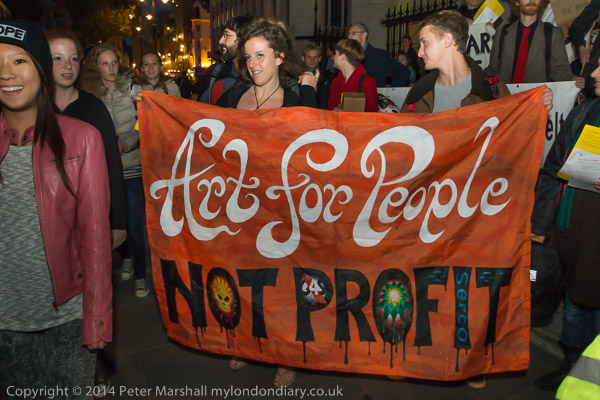
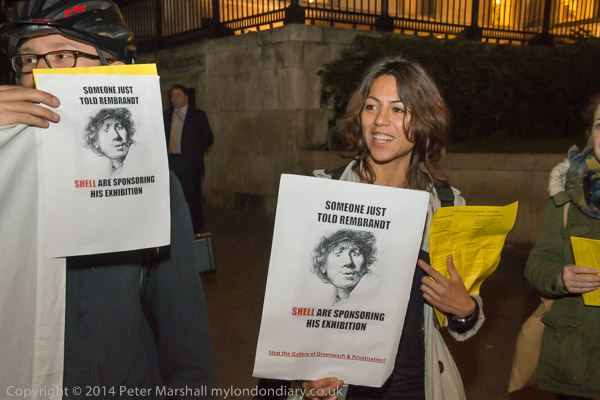
The Art Not Oil coalition had earlier gate-crashed the press launch of the Rembrandt exhibition at the National Gallery in a protest against oil company sponsorship of the arts and the privatisation of gallery staffing.

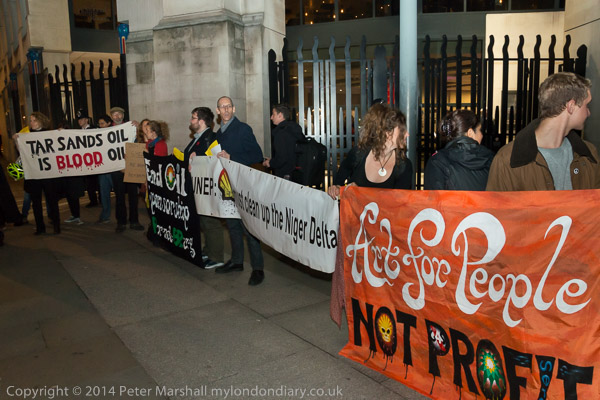
Protesters with banners in front of the Sainsbury wing

I arrived in time to meet them on the steps of St Martin-in-the-Fields just before they marched the few yards to the National Gallery where a gala evening was being held for special guests – including from the sponsors – and highly ranked staff.

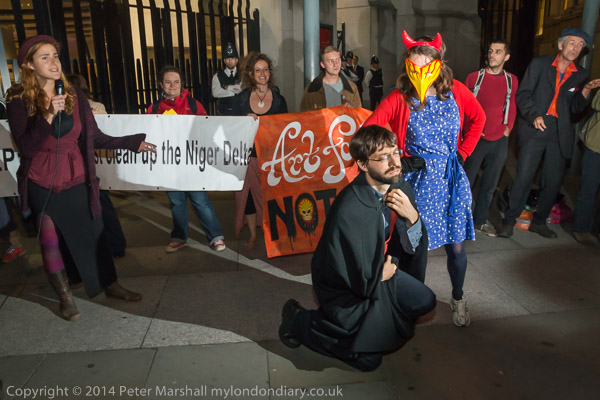
They turned down a protest pen the police had set up some distance from the entrance the guests would be using where their protest would not be noticed (what the police call ‘facilitating’ but campaigners know is minimising) and instead protested close to the entrance. Here there were some speeches and a repeat performance of their earlier performance which included a short playlet as well as some specially written songs.

Some of those who appeared at the press launch were professional actors now on stage elsewhere and so there were some changes in the cast. But it was still a very professional performance.

Here is the Art Not Oil statement:

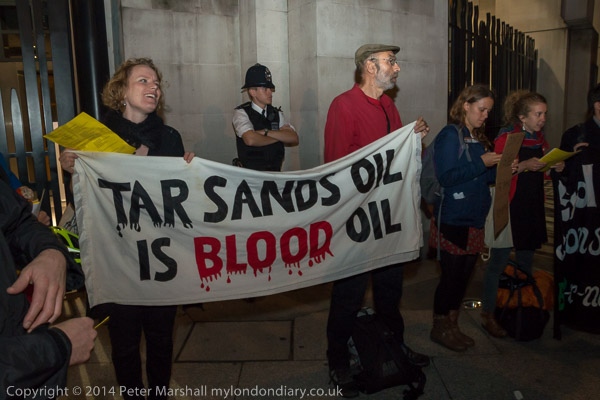
The presence of unethical sponsors like Shell and the contracting of external security firms shows the growing influence the private sector is having over our arts and culture. With its meagre contribution to the gallery, Shell is buying social legitimacy for its dodgy deeds worldwide, including:
- its failure to clean up its multiple spills in the Niger Delta
- its reckless plans to drill in the Arctic for yet more oil
- its tar sands projects in Canada that are undermining Indigenous people's      rights

More at Art Not Oil Rembrandt Against Shell.


FlickrFacebookMy London DiaryHull PhotosLea ValleyParis
London’s Industrial HeritageLondon Photos

All photographs on this page are copyright © Peter Marshall.
Contact me to buy prints or licence to reproduce.

Copyright, McExploitation & The Martydom of Ali – 2006

Copyright, McExploitation & The Martydom of Ali: On Sunday 15th October 2006 I went to look at paintings in the National Gallery. I didn’t take any pictures and I seldom do of the work in art galleries; photography seldom produces decent images of paintings, and other people have done it better than casual exhibition visitors can for reproduction in books, postcards etc that we can buy. And other people holding up phones or cameras repeatedly in front of pictures can be very annoying.

Photographing art work is a skilled job, but I was pleased by a recent UK court decision that made clear it is not one that meets the requirement of originality needed to establish a new copyright, as the aim is simply a mechanical reproduction.

Artworks themselves do have copyright, but this expires 70 years after the death of the artist. So as Picasso died in 1973, his pictures are still copyright until 2043. Of course copyright law is complicated and is different in different countries and nothing that I write should be taken as legal advice!

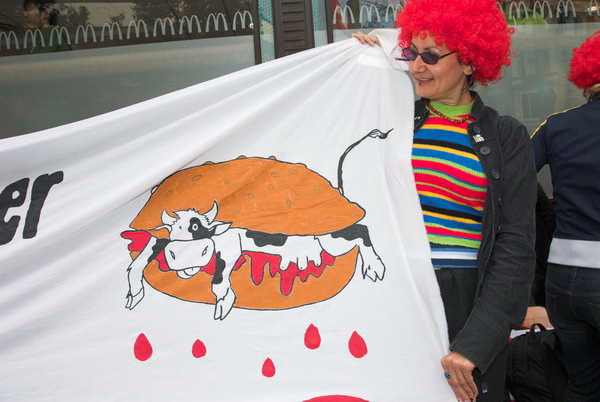
After that I photographed a protest at Leicester Square outside McDonald’s against their food and in the afternoon went to an annual Muslim religious procession at Marble Arch and on Park Lane. Finally I called briefly at Trafalgar Square where ‘Diwali in the Square’ was just starting. Here with minor corrections is what I wrote about my day in 2006, with a few of the pictures – there are many more on My London Diary.


21st Global Day of Action against McDonald’s

Copyright, McExploitation & The Martydom of Ali - 2006
Protestors outside the Leicester Square branch

Sunday I started off in the National Gallery, looking at the new presentation of their more modern work in ‘Monet to Picasso’. Then it was up to Leicester Square, where I arrived just as the clock was about to do one of its major performances at 12.00. This was also the start time for the demo outside McDonald’s.

Copyright, McExploitation & The Martydom of Ali - 2006

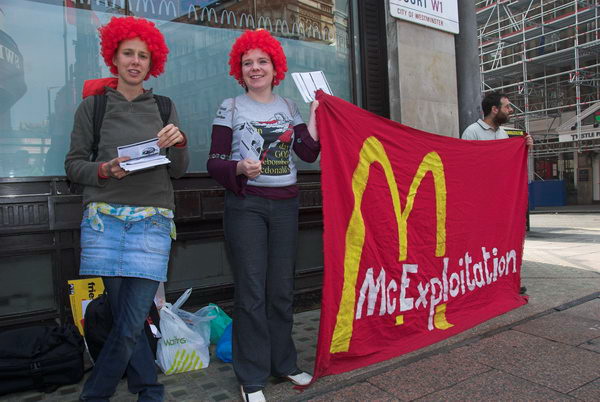
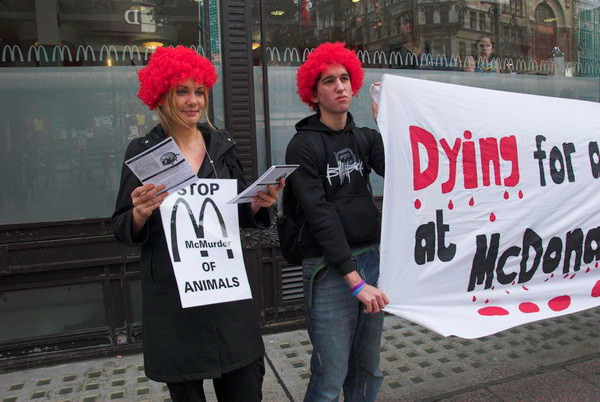
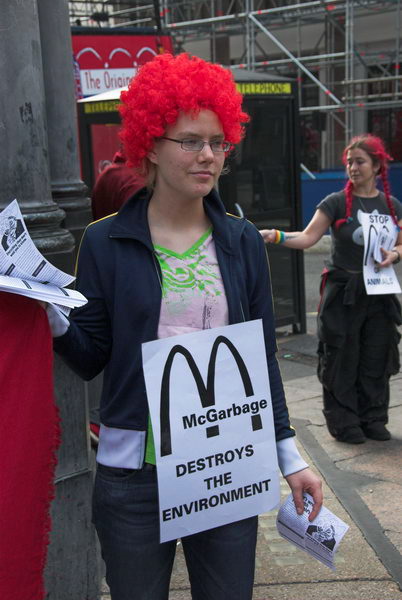
While I was there around 15 people held up banners and handed out leaflets, most of them wearing bright red wigs. The leaflets stated that McDonald’s were only interested in making money, and that the food that they claimed was nutritious was “processed junk food – high in fat, sugar and salt, and low in fibre and vitamins.”

Copyright, McExploitation & The Martydom of Ali - 2006

The leaflet claimed that animals are cruelly treated to produce meat for us to eat and that the workers in fast food industry are exploited, with low wages and poor conditions – McDonald’s have always opposed workers rights and unions.

Copyright, McExploitation & The Martydom of Ali - 2006

As the world’s largest user of beef, McDonald’s are also helping to destroy the planet; each “beef burger uses enough fossil fuel to drive a small car 35km and enough water for 17 showers.” Beef cattle produce large amounts of methane, making a major contribution to global warming, and the company’s largely unnecessary packing involves use of damaging chemicals as well as using up forests and, after use either littering the streets if polluting the land through landfill sites.

For once the police – at least while I was there – behaved impeccably. There were 2 women police there, and they stood and watched; when someone from Macdonald’s came to complain he was informed that people had a right to demonstrate, so long as they did so within the law. A few of the public refused leaflets but most took them. Again a few stopped to argue, rather more stopped to take pictures of the event, and several posed in front of the demo for pictures.

21st Global Day of Action against McDonalds


The Martydom of Ali

Copyright, McExploitation & The Martydom of Ali - 2006
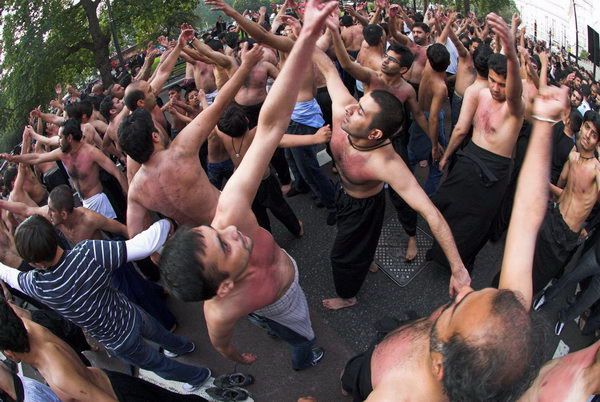
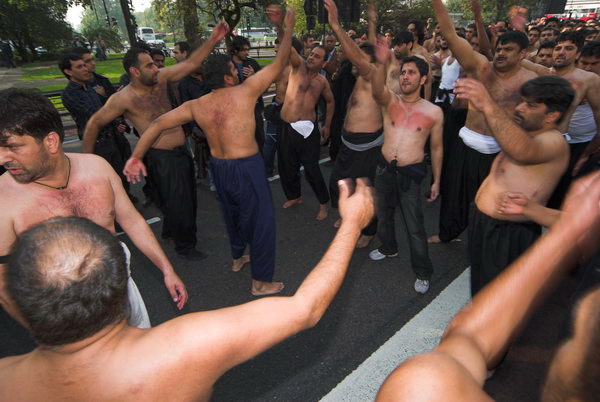
Shi’ites beat their breasts in Park Lane, London

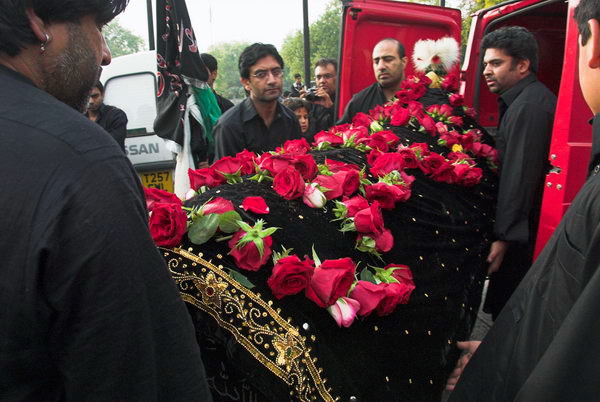
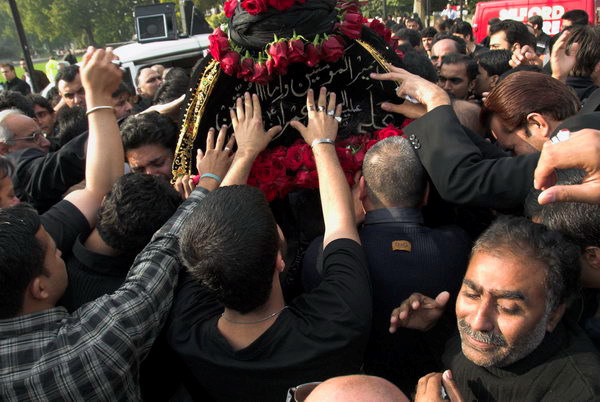
I left the McDonald’s protest after around 45 minutes to have my lunch – sandwiches rather than a Big Mac – and left for Marble Arch where Hub-e -Ali were preparing to celebrate the Matyrdom of Imam Ali which took place in Kufa, Iraq almost 1400 years ago. The Jaloos or procession began with a lengthy session of addresses and mourning. Although I could understand little of what was said, the voices clearly conveyed the extreme emotion of the event, which had many of those present sobbing. There were tears in my eyes, too, partly from the emotion of the event and partly from the incense fumes that were filling the air.

When the Tarboot (ceremonial coffin) appeared, there was soon a scramble to touch it, at first by the men, then later the women were also allowed to come and touch it.

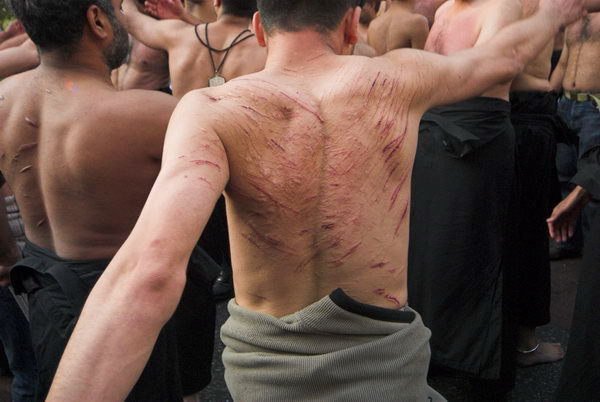
Many of the men then removed their shirts and started Matam, beating their breasts vigorously, many were distinctly red and bruised, and their backs also showed scars.

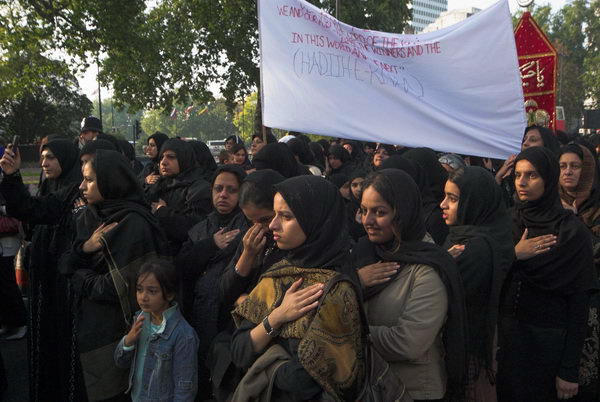
The procession led off down Park Lane, with the banners and men being followed by the Tarboot, and the women forming the end of the procession.

The women show their grief too.

Many more pictures of the event on My London Diary.


Diwali in the Square

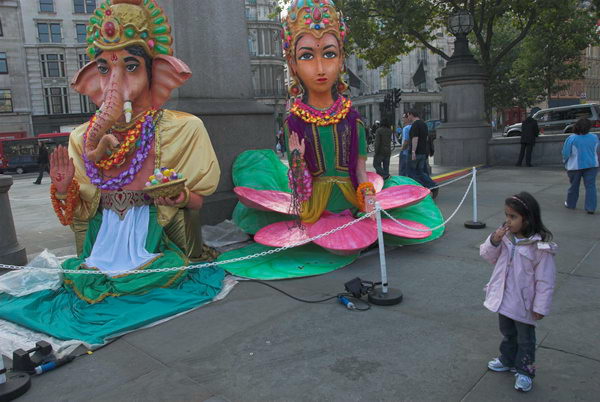
Having taken a few more photographs, I left for home, stopping off briefly at Trafalgar Square to see the start of the Diwali celebrations there. Diwali In The Square was just starting, but I was tired and continued on my way home.

Diwali in the Square


FlickrFacebookMy London DiaryHull PhotosLea ValleyParis
London’s Industrial HeritageLondon Photos

All photographs on this page are copyright © Peter Marshall.
Contact me to buy prints or licence to reproduce.
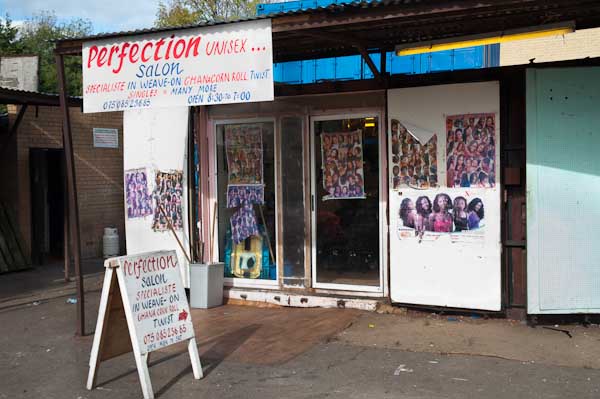

Land Mines and the Lea Valley – 2006

Land Mines and the Lea Valley: Fortunately these were two entirely separate events on October 14th 2006. The landmines were in Hyde Park in a display by Handicap International and after visiting this I took a walk across the Lea Valley from Holloway to Tottenham and Walthamstow where I was going to collect a set of my pictures which had been on show at Walthamstow Pumphouse Museum. Here is a slightly edited version of what I wrote in 2006 with a few of the pictures from the day – and a link to many more from the walk on My London Diary


Ban Landmines and Cluster Bombs

Handicap International, Hyde Park

Land Mines and the Lea Valley - 2006

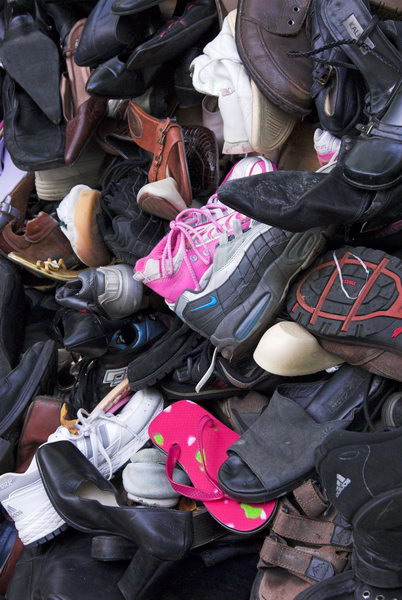
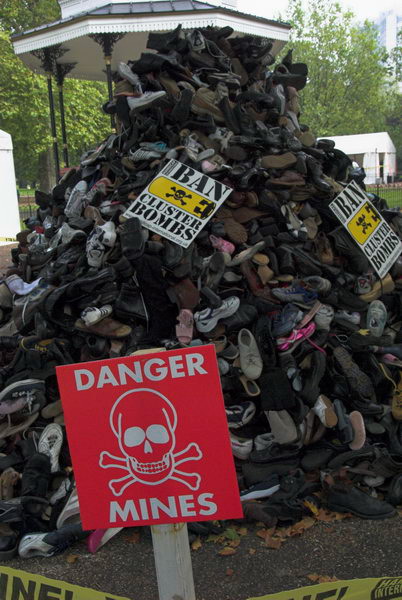
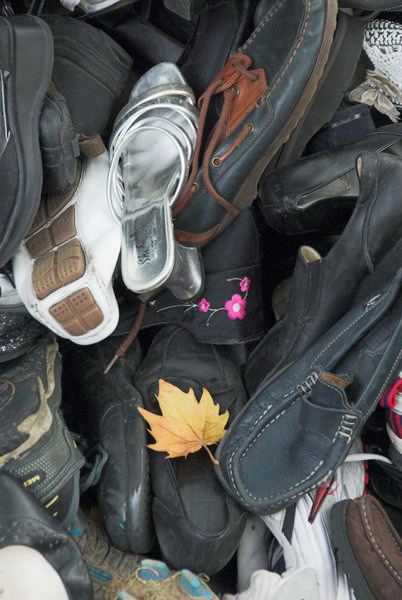
Saturday in Hyde Park there were land mines. Fortunately they were mainly carefully marked as well as having been made harmless. For many people around the world they are daily hazard, the deadly and maiming residues of war.

Just as dangerous, if not more so, are cluster bombs. These are produced by the sophisticated weapons industries of many countries including Britain and America, and also used by our armies and air forces, dropped from aircraft or fired as artillery.

Land Mines and the Lea Valley - 2006

Each cluster bomb contains from a dozen to several hundred lethal bomblets, which are distributed over a wide area, intended to kill infantry or guerillas, but entirely indiscriminate in their action. Between 5-30% fail to explode on impact, usually getting buried in soil; those dropped over 30 years ago in Vietnam are still killing and maiming people, especially children, there. Almost 2,000,000 were scattered over Iraq in 2003-4.

Land Mines and the Lea Valley - 2006

I went to Hyde Park to sign the petition organised by Nobel peace prize-winning charity Handicap International to aim for a world-wide ban on these weapons.

Handicap International now has urgent appeals for Gaza, Ukraine and Sudan and invites you to join them in campaigning to “Fully implement the treaties banning landmines and cluster munitions without delay and encourage non-signatory states to sign their petition.”


Tottenham to Walthamstow

Land Mines and the Lea Valley - 2006
This stadium entrance had potential, but I couldn’t get myself into the right mood

After my brief visit to Hyde Park, I was on my way to Walthamstow to collect some of my pictures of the Lea Valley that had been on show at the Pump House Museum, and as it was a nice day, decided to walk the last few miles across the Lea Valley and take a few more pictures.

Land Mines and the Lea Valley - 2006
South Tottenham

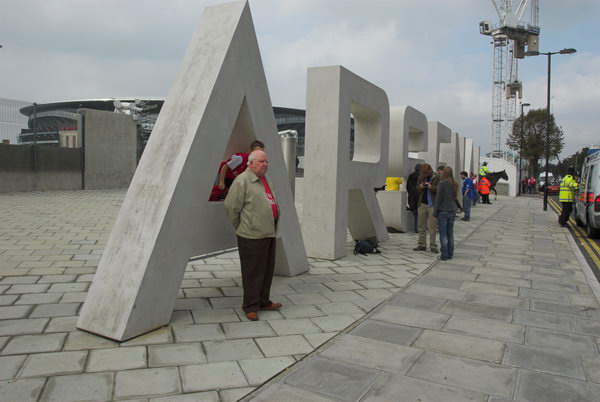
I began my walk in Holloway, going post the Emirates Stadium and then across South Tottenham.

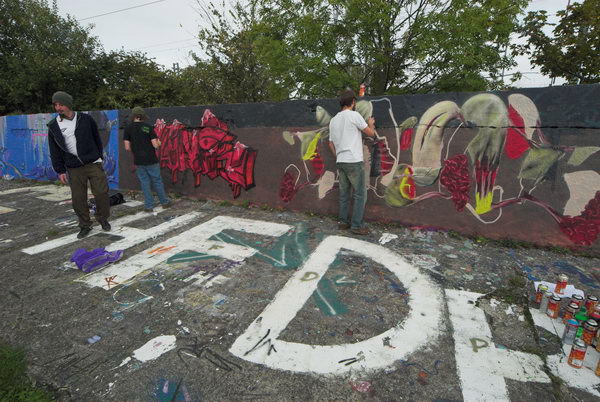
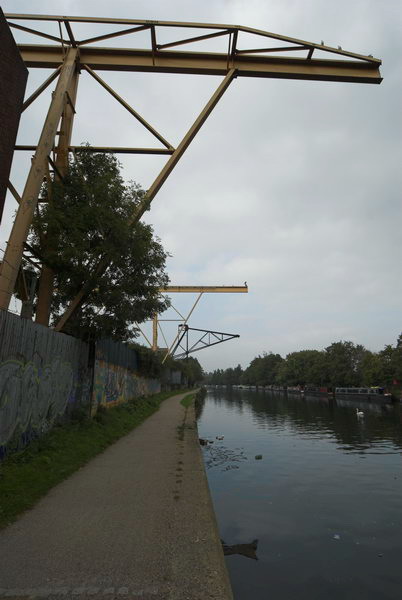
In King George V Park I found some graffiti artists at work, and took pictures of a few of the many murals, before heading down the Lea Navigation to Springfield and across to Walthamstow Marshes, a surprising area of open space so near to the centre of a major city.

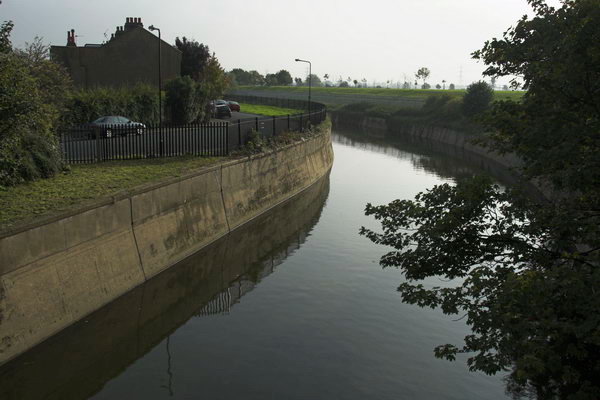
Then I made my way between reservoir and waterworks to the Lea Flood Relief Channel and St James’s Park, surrounded with remarkably brooding lime trees.

There are many more pictures from the walk on My London Diary, but surprisingly I don’t appear to have taken a picture of the Walthamstow Pumphouse Museum on this occasion. I think I had stopped to take so many pictures on the way that I was in rather a hurry to collect my pictures which had been on show for Open Heritage Day there and get home.

More pictures from the walk on My London Diary


FlickrFacebookMy London DiaryHull PhotosLea ValleyParis
London’s Industrial HeritageLondon Photos

All photographs on this page are copyright © Peter Marshall.
Contact me to buy prints or licence to reproduce.


Mare De Gras & Choose Life – 2004

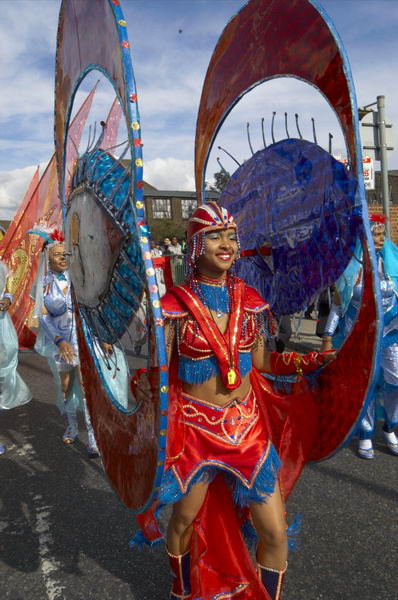
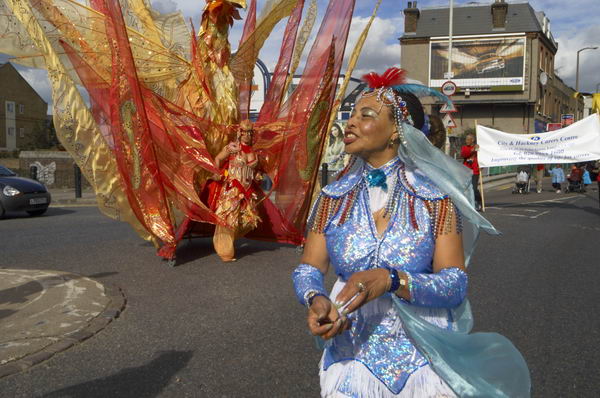
Mare De Gras & Choose Life: On Sunday 10 October 2004 I photographed two very different events on the Streets of London, a carnival in Hackney and and ant-abortion march. Perhaps the only thing they had in common was that both were misnamed.


Hackney Mare de Gras

Dalston, Hackney

Mare De Gras & Choose Life - 2004

Mare de Gras – Fat Tuesday – is a season celebrated in New Orleans as carnival season, from 12th Night at the end of Christmas on January 6 to Fat Tuesday itself, Shrove Tuesday, the day before the beginning of Lent on Ash Wednesday, 40 days before Easter. In England our celebrations are rather shorter and involve pancakes and pancake races.

Mare De Gras & Choose Life - 2004
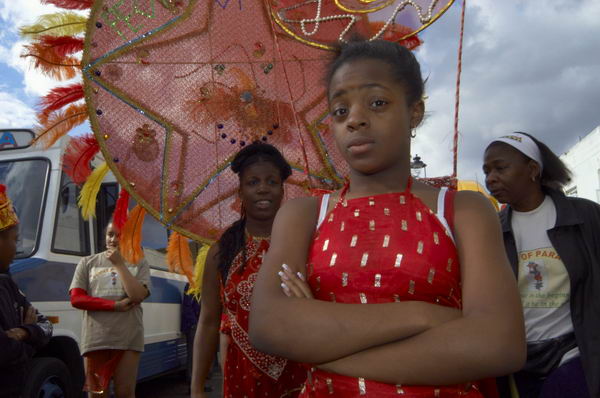
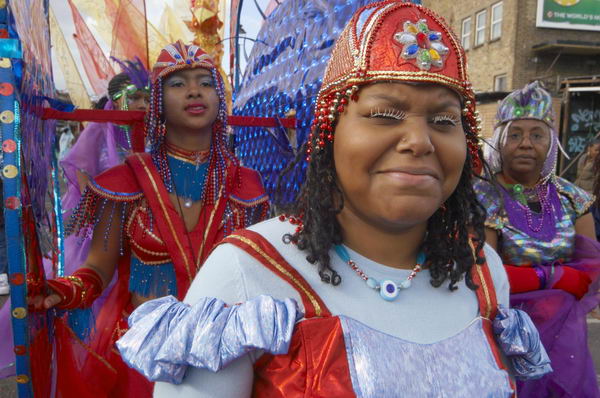
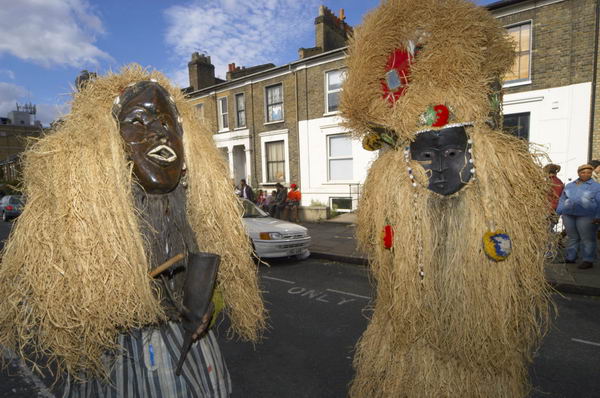
The parade began in Dalston Market

But in Hackney it was the name adopted for the carnival which began there when some residents decided it would be a good thing for them to have a carnival like Notting Hill, and since the main street is Mare Street it seemed a good name, even though it took place in September.

Mare De Gras & Choose Life - 2004

It wasn’t the first carnival in Hackney – there is a tradition of English carnivals dating back mainly to the late 19th century, held in many towns and villages across the country, though most have now died out. Two of my friends got Arts Council money to document some of them – and I showed work from Notting Hill with them in a show, English Carnival, in 2008. Others are still going strong particularly in the West Country. Hackney had its carnivals way back around the 1900s but I don’t think they lasted too long.

Mare De Gras & Choose Life - 2004

Those traditional carnivals had one thing in common – “they received no core public funding. Many were almost entirely organised by volunteers; most also raised money for charities.”

Mare De Gras & Choose Life - 2004

For the show I wrote: “Carnival in England has been enlivened over the last forty or so years by the Caribbean influence, and West-Indian style carnivals have received considerable funding and become a popular celebration of our multi-cultural society within the larger metropolitan areas of the country, joined in recent years by Latin American, Asian and Central European communities.”

The revival of carnival in Hackney is thought to have started as the Street Carnival Theatre in De Beauvoir, organised by Centerprise, in 1973. Later came a new Hackney Carnival – Mare De Gras – bringing together many of the carnival groups that had their roots in Caribbean culture and had begun in the 1970s, 80s and 90s taking part in the Notting Hill Carnival.

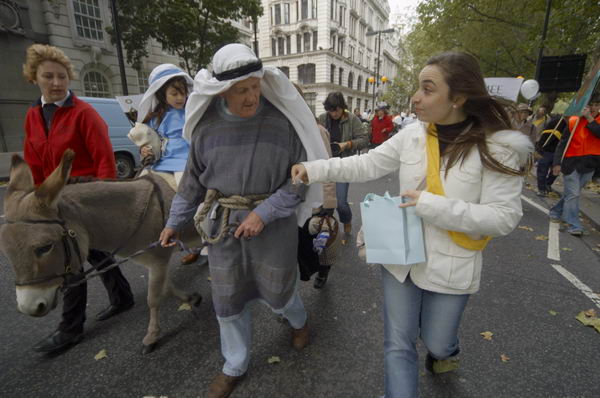
In 2004, Mare De Gras in late September was cancelled after 16-year old A level student Robert Levy was killed on Mare Street, stabbed after he had tried to keep the peace in a fight between boys close to his home, and the event was rearranged for the 10th October.

Hackney Carnival continued in later years, though the name Mare De Gras was dropped soon after 2005. In 2024 there was a parade, but for 2025 there were only a number of activities and no real carnival.

More pictures from Mare De Gras.


Choose Life March

Westminster to Lambeth

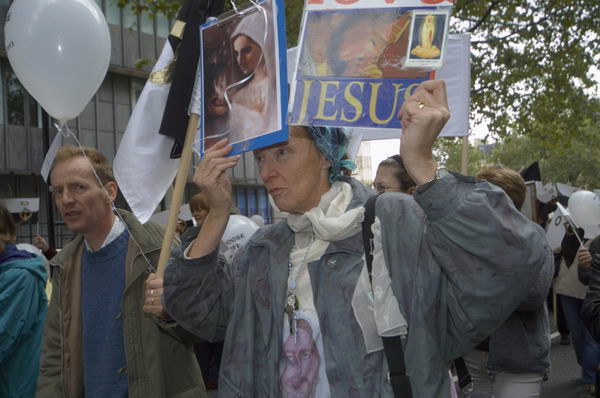
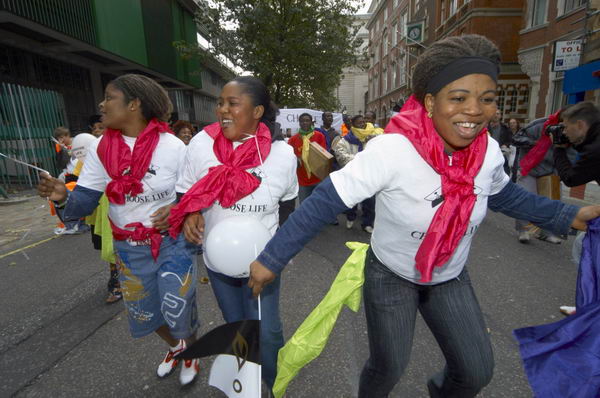
I left the carnival in Hackney soon after the parade began to photograph a much more somber event, the Chose Life March opposing abortion. Again its name seems misleading to me – opposition to abortion is not about choosing life, and as I commented in 2004, “the misuse of language in using slogans such as ‘Choose Life’ disturbs me greatly, as an attempt to preempt rational thought.

One of the few parts of the march that did not seem lacking in life

I also wrote “Nature is profligate, full of false starts, and life cannot sensibly be considered to begin at conception” which I suspect is a quote but cannot find the source.

Many other Christians and other religions do not accept the Catholic teaching on abortion but take more sensible and more scientifically bases views. But “this doesn’t mean we should take abortion lightly or allow scientists to play as they like with human genetic material. ” And of course our laws do have important safeguards on abortion and the use of human material in research.

More pictures, including a couple of Brian Haw and one of the River Thames as the march passed them on My London Diary.


FlickrFacebookMy London DiaryHull PhotosLea ValleyParis
London’s Industrial HeritageLondon Photos

All photographs on this page are copyright © Peter Marshall.
Contact me to buy prints or licence to reproduce.


Uganda, Green Belt, Olympic Site – 2008

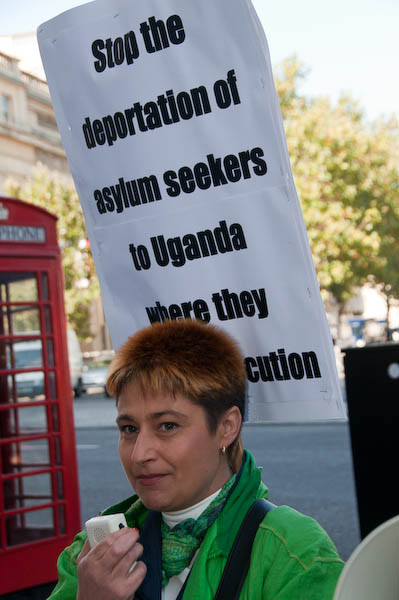
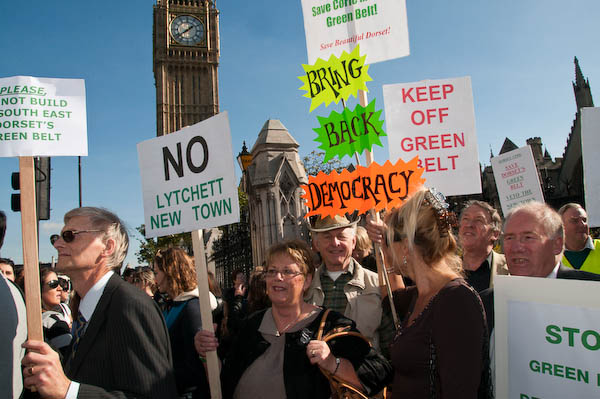
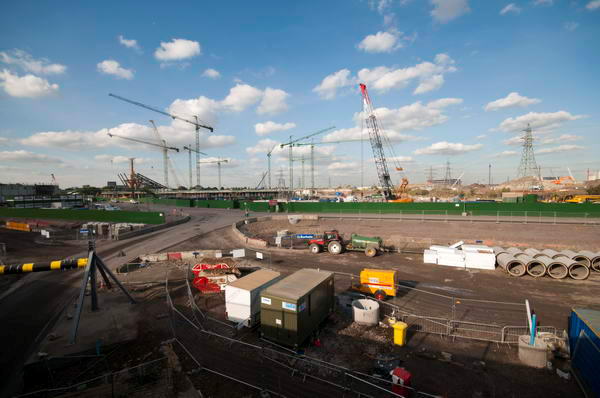
Uganda, Green Belt, Olympic Site: Thursday 9th October 2008 was Uganda Independence Day and I began work at a protest at the Ugandan Embassy in Trafalgar Square against the persecution of gays in that country. In Parliament Square I met protesters who had come from Dorset to bring a petition against a proposed new town on Green Belt land on the outskirts of Bournemouth and Poole. Then as I had a few hours before a meeting it was an opportunity to take another walk to see what I could by then of the fenced off Olympic site.


Demonstration Against Ugandan Human Rights Abuse

Ugandan Embassy, Trafalgar Square

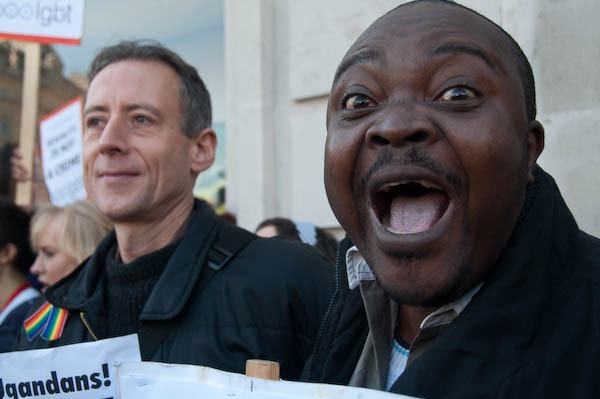
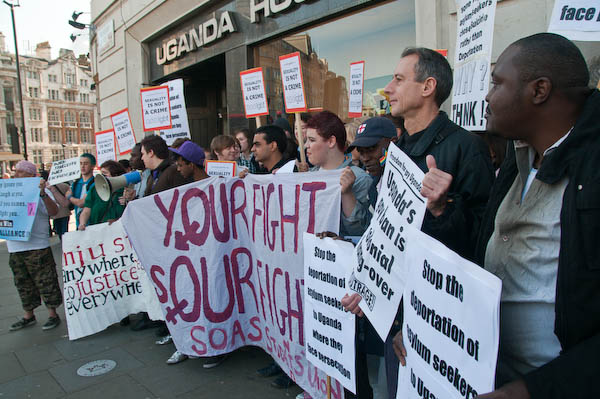
Peter Tatchell of Outrage! and Davis Makyala of Changing Attitudes in the demo outside Uganda House

As I wrote in 2008, “October 9 is Uganda Independence Day, but for gay Ugandans in particular there is little to celebrate… “Homosexuality is illegal in Uganda and the penalty can be imprisonment for life, and gay rights campaigners have been imprisoned and subjected to torture. The Ugandan Anglican church is a leading force in anti-gay campaigns.”

The Ugandan government intimidates and tortures gay people and excludes them from healthcare. British arms exports have been used against protests there, killing at least three demonstrators by 2008.

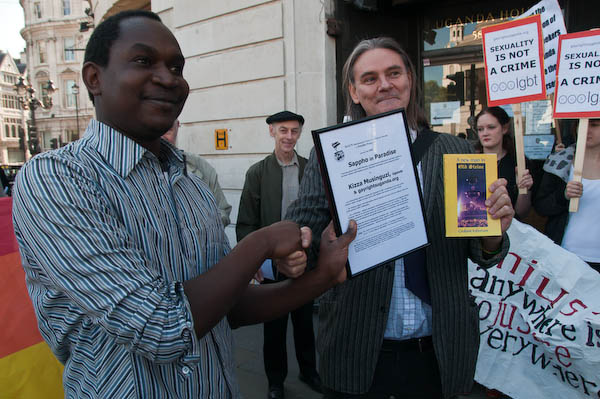
Kizza Musinguzi who was jailed and tortured in Uganda receives the 2008 Sappho in Paradise book prize

Ugandans fleeing the country because of persecution and seeking asylum in the UK were among those forcibly sent back to the country without proper consideration of their cases under our “fast-track” process which was later declared unlawful.

Emma Ginn of https://medicaljustice.org.uk/ Medical Justice

The LGBTQ rights situation in Uganda is now even worse following the passage of ‘the Anti-Homosexuality Act, 2023, which prescribes up to twenty years in prison for “promotion of homosexuality”, life imprisonment for “homosexual acts”, and the death penalty for “aggravated homosexuality“.’

More on My London Diary at Ugandan Human Rights Abuse.


Green Belt Protest Rally

Westminster

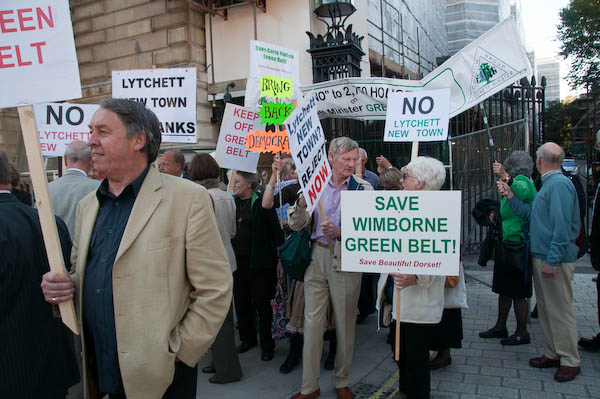
People from villages on the outskirts of Bournemouth and Poole had come to protest against the proposed Lychett New Town on Green Belt land in Dorset.

Apparently Hazel Blears, Secretary of State, had told Dorset County Council it must build a New Town at Lytchett Minster with over 7,250 houses in the Green Belt around Poole & Bournemouth, and local residents had set up a campaign about it.

Octavia Hill had first proposed the idea of green belts in 1875 but it was the 1947 Town and Country Planning Act which allowed local authorities to set them up and they were further encouraged to do so by Tory Housing Minister Duncan Sandys in 1955. The idea was to put an end to the unplanned sprawl of ribbon development along major roads leading out from all our cities and provide areas for local food growing, forestry and outdoor leisure.

As I commented, “it has made a valuable contribution to improving the quality of life in our towns and villages and to conserving the countryside.” But as I also wrote, “Many of us feel that the whole of the current planning structure works against sensible and ecological development, but the answer to this is not to relax planning controls but to bring in improved – and in some respects tighter – controls.”

Unfortunately the changes announced by Labour in 2024 which include some Green Belt being re-classified as ‘Grey Belt’ seem largely intended to make things easier and more profitable for developers.

Consultations took place in 2025 over proposals for Lytchett Minster & Upton in the Dorset local plan which lists opportunity sites for over 5000 new homes – and a new petition was set up opposing them.

Green Belt Protest Rally


Stratford Marsh (Olympic Site) & Hackney Wick

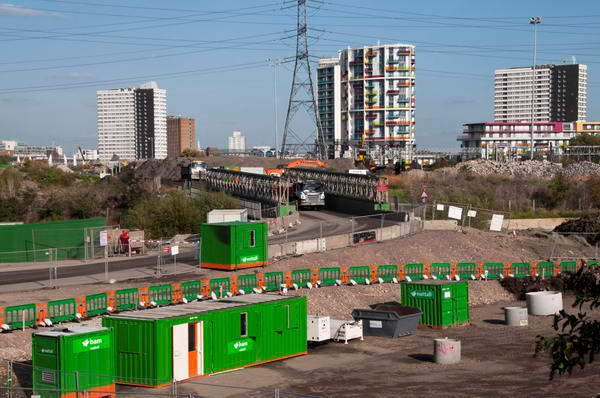
Looking towards the main stadium in left half of picture, along what was once Marshgate Lane.

It has always been an interesting walk through Stratford marsh on top of the Northern Outfall sewer, although rather more so in the past when there were so many places one could leave it to explore further rather than coming up against the big blue fence.”

Bridge over City Mill River from the Greenway

I commented back then of my annoyance at the statements made by the Olympic authorities that after the Olympics they would be opening up the previously inaccessible area to the public. In fact they were destroying the area where it had always been interesting to wander along the various largely riverside footpaths – many of which had been cleared to make them easier to walk in the 1990s.

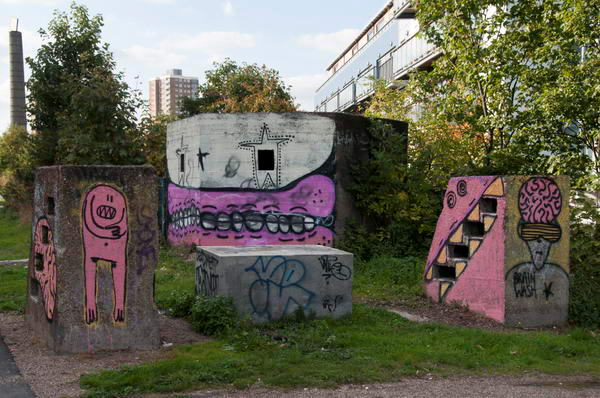
Work by Hackney Wick’s most prolific artist

You can see many pictures that I took in the area on my Lea Valley website And as a replacement we now have a park which seems rather arid. Perhaps by 2112 it might look better.

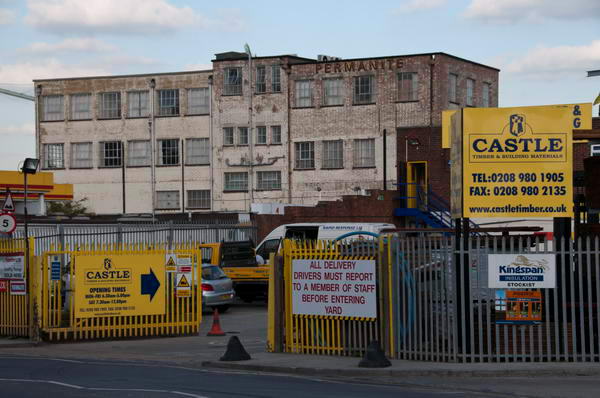
Foarmer Permanite Works

In 2008 most of the Olympic area was fenced off, but I enjoyed the walk along the ‘Greenway’ on top of the Northern Outfall Sewer to Hackney Wick where I dound much to interest me and “taking the train back from Hackney Wick to Stratford there were many signs of fairly frenzied activity visible.”

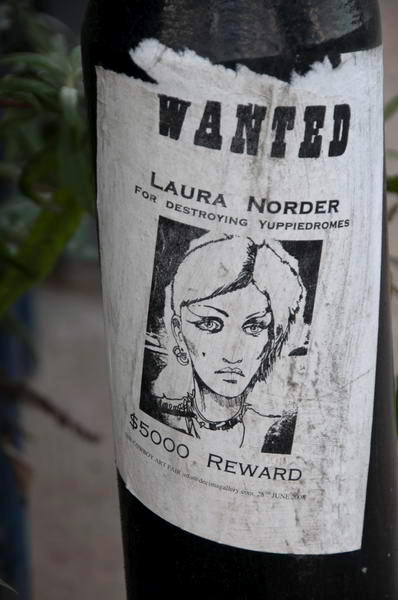
Wanted – Laura Norder – $5oo Reward – advertising an art fair at Decima Gallery in Hackney Wick

Many more pictures, particularly around Hackney Wick at Stratford Marsh (Olympic Site) & Hackney Wick.


FlickrFacebookMy London DiaryHull PhotosLea ValleyParis
London’s Industrial HeritageLondon Photos

All photographs on this page are copyright © Peter Marshall.
Contact me to buy prints or licence to reproduce.
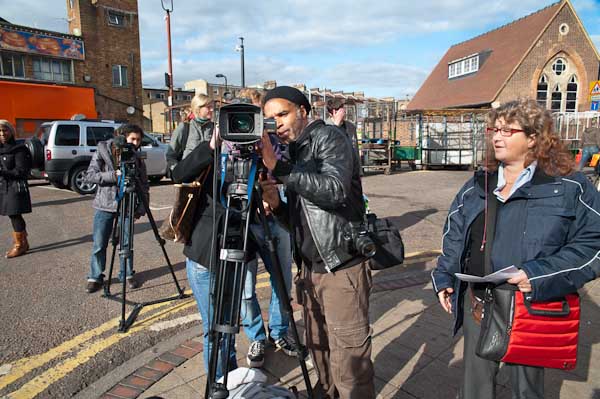

Bring All the Troops Home NOW – 2007

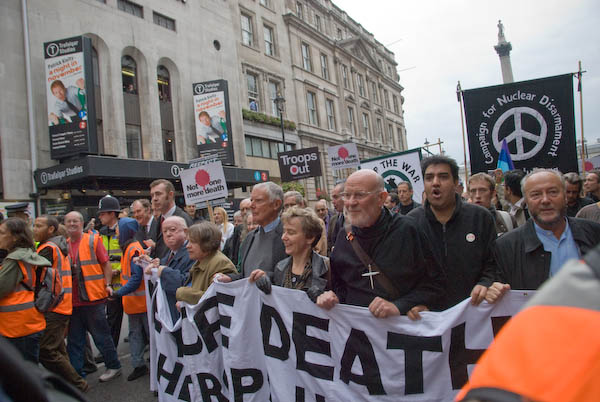
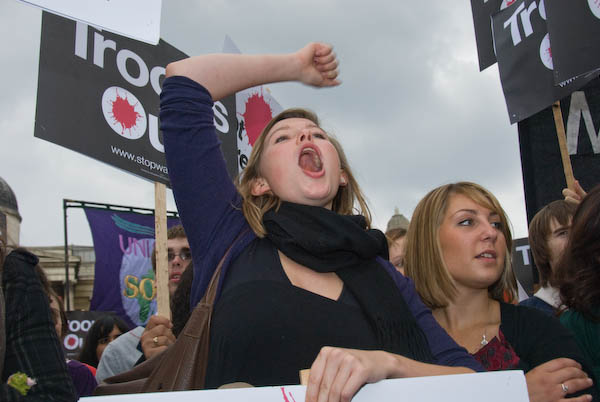
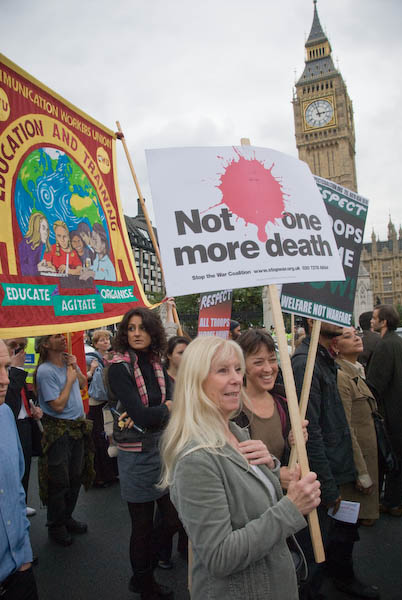
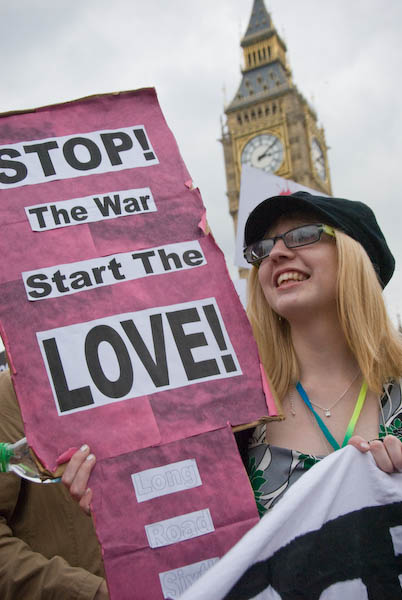
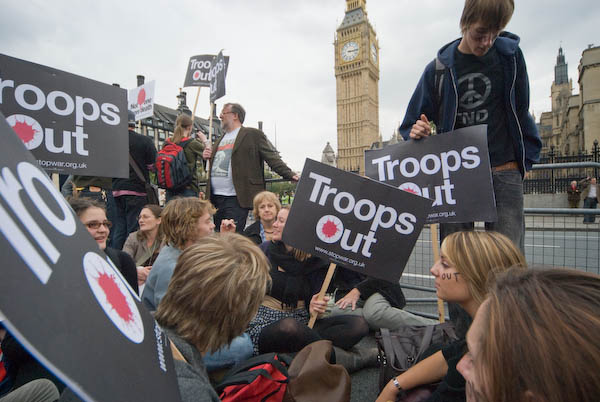
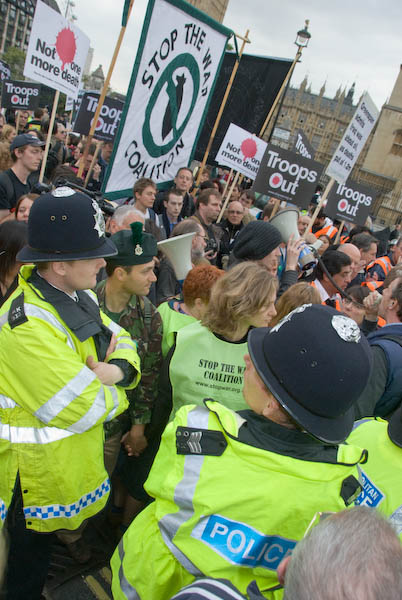
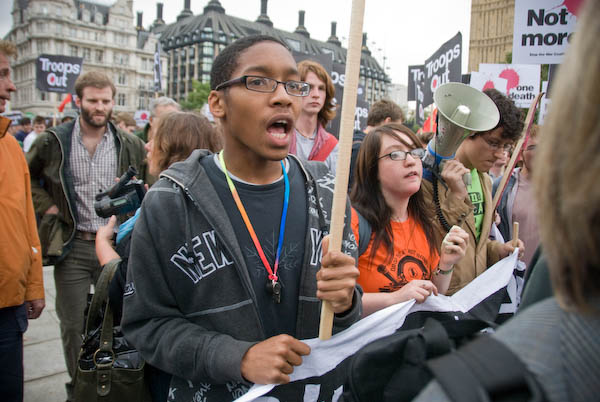
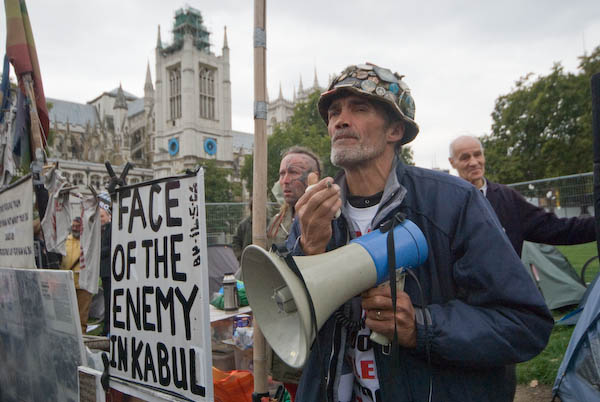
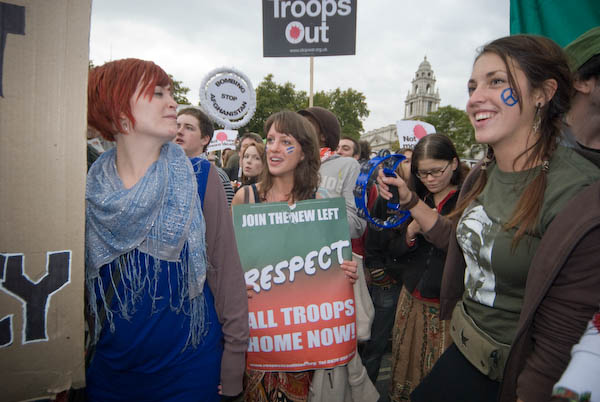
Bring All the Troops Home NOW: CND and Stop The War had called for a march to Parliament on 8th October 2007 to arrive when Gordon Brown was making his statement to Parliament on Iraq where British troops were still present having taken part in the US-led invasion in 2003.

Bring All the Troops Home NOW - 2007

They wanted to march to make clear that all UK troops should come back here now. The invasion of Iraq in 2003 had led to the fall of Saddam Hussein but had been made without any real thought for the future of Iraq – except for the profits which US companies hoped to make. Saddam’s civil and military administration which had united the country were simply removed rather than being put to use to keep the country running and chaos reigned. Iraq didn’t need foreign armies but needed real support to set up a new civil society and that had not been forthcoming.

Bring All the Troops Home NOW - 2007
(C)2006,Peter Marshall

Gordon Brown tried to ban the protest, using “Sessional Orders” to the Commissioner of the Metropolitan Police for him to prevent the march under section 52 of the Metropolitan Police Act 1839. But CND and Stop The War made clear it would go ahead despite this.

On the morning of the march Prime Minister Gordon Brown – probably reacting both to huge public pressure and legal advice – lifted the ban, thus avoiding a huge burden on both police and courts. They might otherwise have ended with thousands of arrests – and cases which the courts would probably throw out.

Bring All the Troops Home NOW - 2007
(C)2006,Peter Marshall

Around ten years later the powers that the Brown government had attempted to use were officially recognised to no longer have any legal effect – something I suspect had been part of legal advice given to Brown in 2007.

Bring All the Troops Home NOW - 2007
(C)2006,Peter Marshall

Last Saturday, October 4th 2025, I again watched a protest by Defend Our Juries in defiance of the government’s proscription of Palestine Action under terrorist laws, with police arresting almost 500 people for sitting holding a piece of cardboard with a message supporting the banned group. Many of those arrested seemed to be elderly and some also disabled, though there were also younger people.

The protestersy presented no danger to public order – other than challenging the legally doubtful ban on the group who few outside the government and those making arms for sale to Israel who had been heavily lobbying for a ban – believe could be described as terrorists. And this is something to be shortly tested in the courts. And the arrests made the police look unfeeling and stooges of the government rather than a force acting with the consent of the people.

(C)2006,Peter Marshall

Perhaps our current Labour government should have learnt from the example of George Brown in 2007. Supposedly we are a nation where the police operate by consent – which was clearly not the case here – and the police should have made this clear to the government and simply ignored this and earlier protests by ‘Defend Our Juries’. Which would of course have made the action – with people coming on purpose to be arrested and waiting patiently for hours for it to happen – totally ineffectual. And we do after all we have many laws which people – especially motorists – break every day and the police ignore.

(C)2006,Peter Marshall

Defend Our Juries also protests against the practice by some judges in some courts to prevent those charged from making a defence of their actions and instructing juries that they cannot use their consciences in coming to decisions – both vital protections essential to a fair legal system. Actions introduced into our legal system because successive governments have been angered by the decisions reached by juries in some cases. But it should not be the job of our legal system to serve the government but to serve the people and these developments endanger the whole basis of trial by jury which protects us and our democracy.

(C)2006,Peter Marshall

Here’s what I wrote in 2007 about the march and rally on 8th October 2007. All the pictures in this post come the event and there are many more on My London Diary.


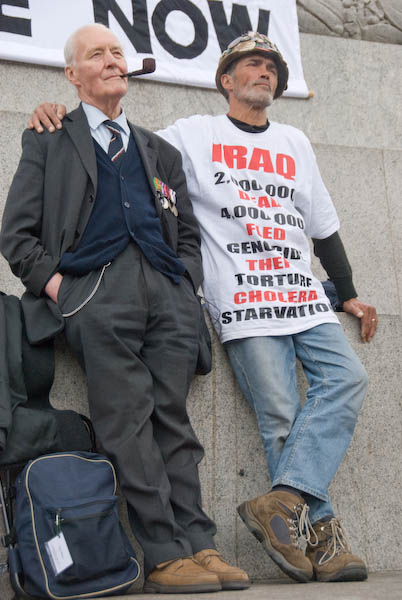
Brian Haw’s t-shirt summed up the disaster: “Iraq 2,000,000 dead 4,000,000 fled genocide theft torture cholera starvation” though there were a number of other crimes to mention, in particular the poisoning of so much the area for generations to come through the dumping there of so much of our nuclear waste in the form of ‘depleted uranium’ weapons.

(C)2006,Peter Marshall

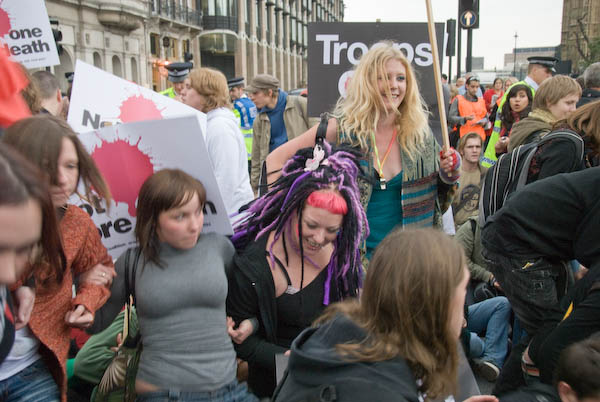
I was surprised at the level of support for Monday’s demonstration, a day when many of the supporters of the campaign would have been at work, and I had expected hundreds rather than the three thousand or so who actually turned up. The government’s clumsy ban on the event, using 1839 legislation passed against the Chartists, drummed up support, and to such an extent that on the morning of the rally they had to climb down and allow the march and the lobby of parliament to proceed.

(C)2006,Peter Marshall

Later in the day, the success of the demonstration even became rather an embarrassment for Stop The War, who when I left around 4.30pm, two hours after the start of the march, were trying to help police in clearing the large crowd who were still blocking Parliament Street, Parliament Square and St Margaret St, urging them to move along to College Green. Later in the day a small group of protestors took down the barriers on the grassed area of parliament square, piling them up.

(C)2006,Peter Marshall

But the real embarrassment was for Gordon Brown, forced to climb down and allow democratic protest. Unfortunately he didn’t do the decent and sensible thing (and surely now inescapably the logical thing in the interests of both Iraq and Britain) and announce a speedy withdrawal of troops to be replaced by a real programme of support for the Iraqi people.

(C)2006,Peter Marshall

Although doubtless pressure from the police at the highest level was obviously vital in the decision to allow the march to go ahead, there were clearly a few officers in charge on the ground who weren’t happy.

(C)2006,Peter Marshall

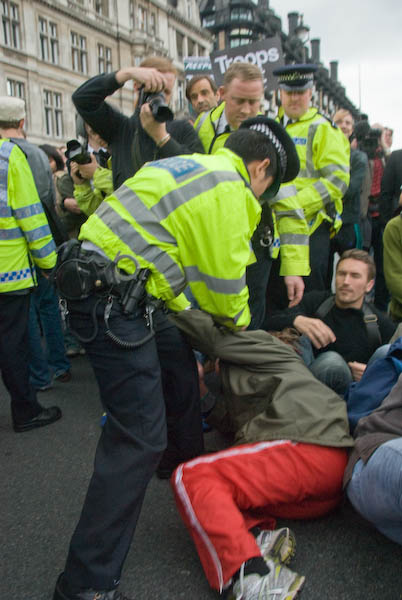
As we went down Whitehall, they obstructed photographers trying to photograph the event quite unnecessarily – so obviously so that some of the officers actually carrying out the orders were apologising to me as they did so. And later in the day a few tempers flared and there were a few fairly random assaults on demonstrators.

It did seem an unnecessarily provocative move to bring back Inspector Terry, apparently the man responsible for much of the harassment of Brian Haw and the officer in charge at the 2006 ‘Sack Parliament’ demo last year (photographer Marc Vallée who was injured is now taking legal action against the Met, with the support of the NUJ.)

(C)2006,Peter Marshall

British troops remained in Iraq in a combat role until 2009, with smaller numbers there mainly involved in training until the final withdrawal in 2011. You can read more about my NUJ colleague Marc Vallée being thrown to the ground by police and his eventually reaching a settlement on the EPUK web site.

Many more pictures from the march and rally on My London Diary at
Bring All the Troops Home NOW.


FlickrFacebookMy London DiaryHull PhotosLea ValleyParis
London’s Industrial HeritageLondon Photos

All photographs on this page are copyright © Peter Marshall.
Contact me to buy prints or licence to reproduce.


Al-Quds Day 2007

Al-Quds Day 2007: On October 7th, the second anniversary of the Hamas attack on Israel I find myself thinking about the long fight by Palestinians since so many were displaced and dispossessed in the 1948 Arab-Israeli war and the many thousands who since then have been killed by Israeli attacks.

Al-Quds Day 2007
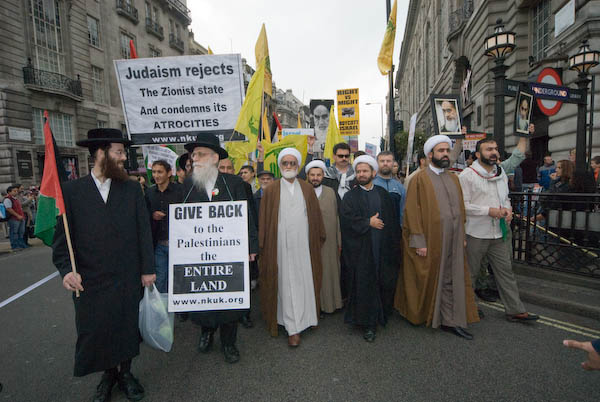
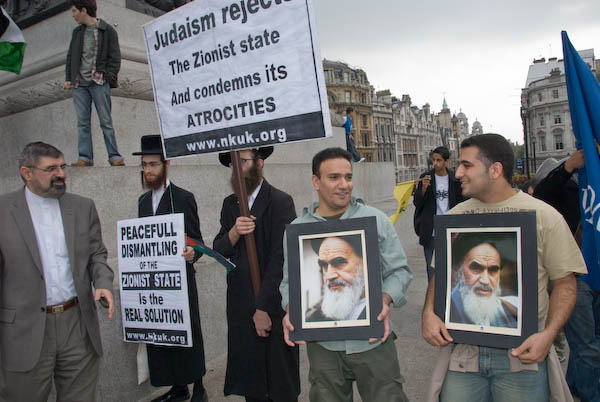
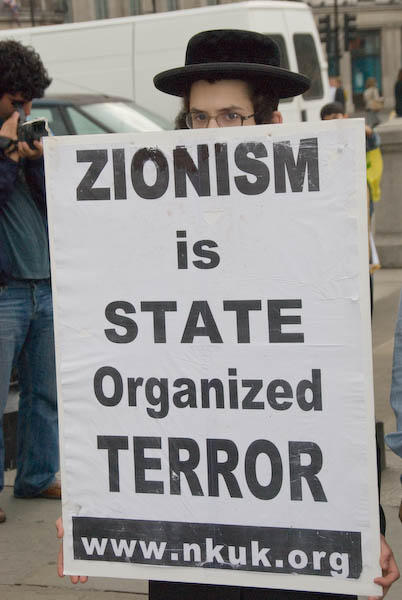
Neturei Karta orthodox Jews oppose Zionism and marched in the Al Quds march

And of course for those Israelis who have been killed – though in much smaller numbers – by suicide bombers, by rockets and during the October 2023 incursion or among the hostages, and including those Israelis killed by Israeli forces.

Al-Quds Day 2007

What we have seen since however is not a war, not self-defence but genocide, the bombing and deliberate starvation of the entire population of Gaza. It comes on top of years of siege with restrictions on essential supplies and of the bulldozing of people’s homes as well as the establishment of more and more illegal settlements across occupied Palestine.

Al-Quds Day 2007

And our country remains complicit, still supplying arms to enable the genocide despite government statements to the contrary, still labelling protests calling for peace as ‘hate marches‘ and still making false allegations about antisemitism while failing to deal with the real anti-Semites who plan and carry out attacks such at that we all condemn in Manchester.
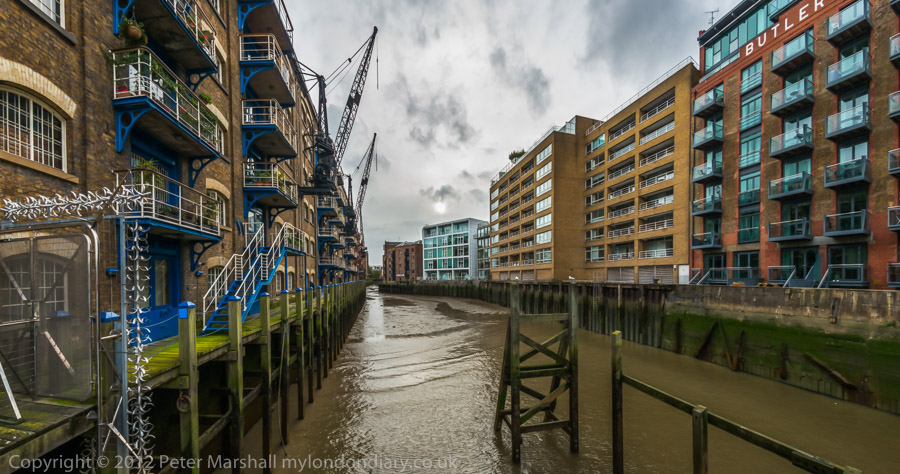
Al-Quds Day 2007

Thinking about what to post here for today, I came across the Al Quds Day march which took place in London on Sunday October 7, 2007. It was I think only the second time I’d photographed the annual event and I didn’t write a great deal about it then.
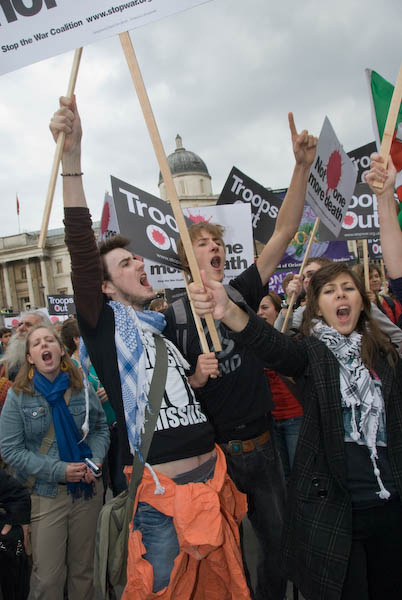
Al-Quds Day 2007

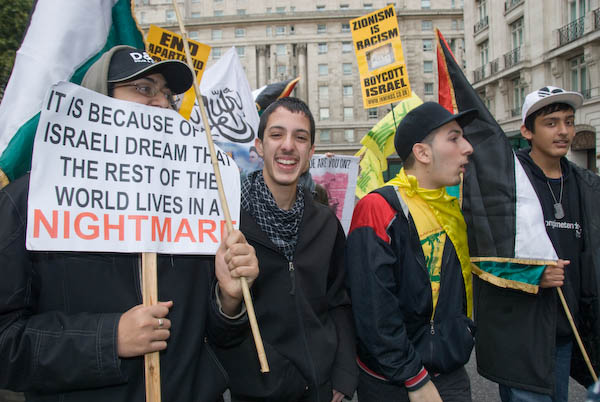
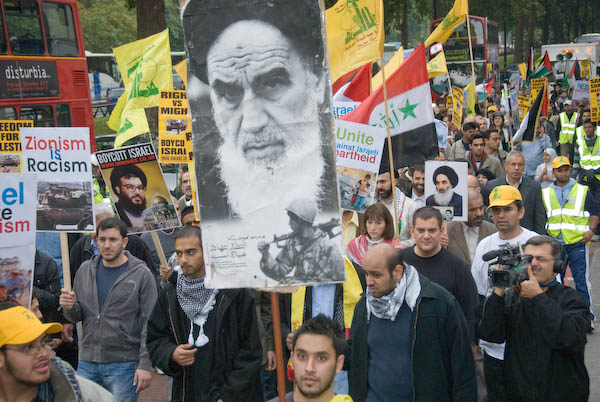
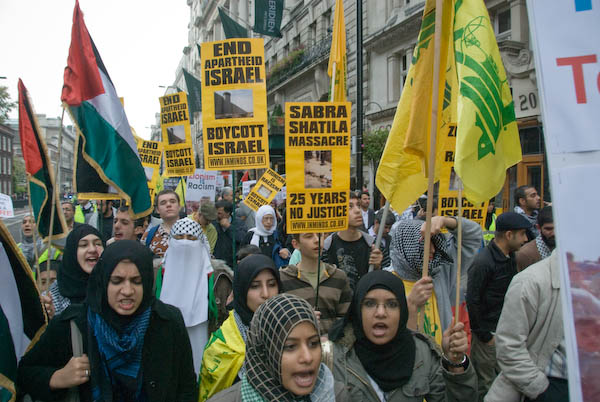
I did mention that this event was begun in 1979 when Ayatollah Khomeni declared the last Friday in Ramadan as Al Quds Day, (al-Quds being the Arabic name of Jerusalem), an annual anti-Zionist day of protest. In the UK the march has generally taken place on the following Sunday and is a demonstration in solidarity with the Palestinian people, largely by Muslims though also by anti-Zionist Jews and some of the UK left (many of whom are also Jewish.)

Al-Quds Day 2007
One man wanted to stop me taking pictures but of course I didn’t

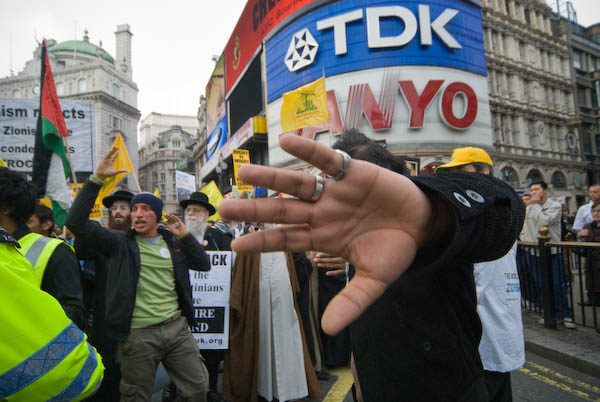
In 2007 a mixture of groups came to demonstrate against the march, largely because of its links with Iran both from its founding and also as it was organised by the Iranian Human Rights Commision (Inminds) which is alleged to receive funding from the Iranian government. Unlike later years I saw no counter-protests by Zionist groups or individuals.

Back then many of the march carried flags of the Lebanese Shia Islamist political party and paramilitary group Hezbollah which emerged there after the Israeli invasion in 1982 and has strong ties with Iran. As well as running schools and hospitals and other social services it has also taken part militarily in opposing the various attacks by Israel on Lebanon.

Many Hezbollah leaders have been assassinated by Israel, some in what many describe as terrorist attacks. Until 2019 when its political wing was also proscribed the showing of the Hezbollah flag remained legal though contested in the UK.

As in earlier years the march ended with a rally in Trafalgar Square, though after 2008 the GLA refused to allow them to use the square, citing insurance problems.

Many more photographs of both the marchers and the rally and those who came to protest against the march on My London Diary at Al Qud’s Day March And Protest


FlickrFacebookMy London DiaryHull PhotosLea ValleyParis
London’s Industrial HeritageLondon Photos

All photographs on this page are copyright © Peter Marshall.
Contact me to buy prints or licence to reproduce.