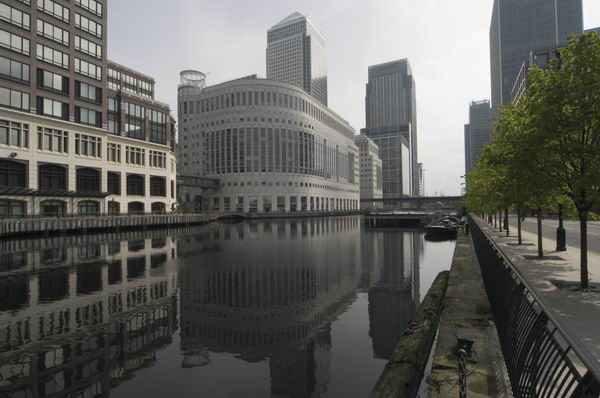
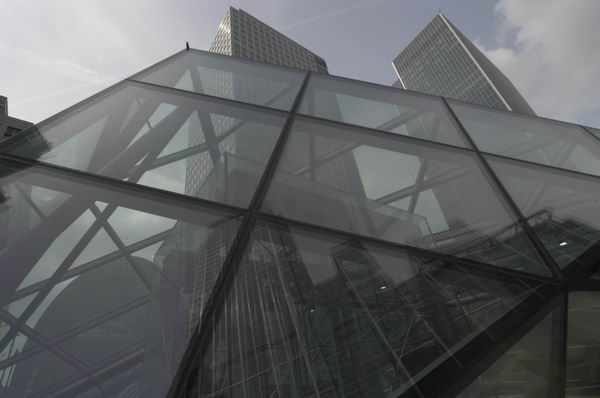
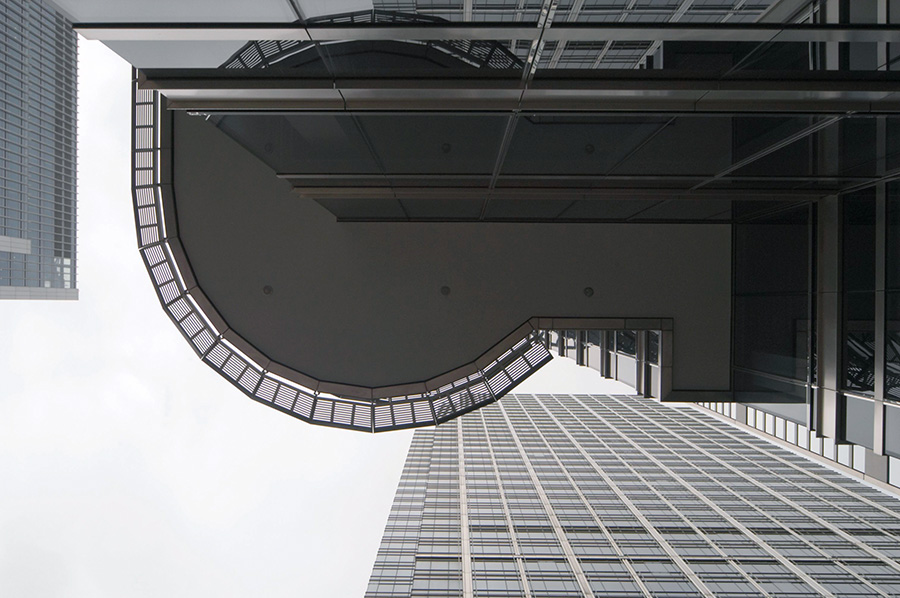
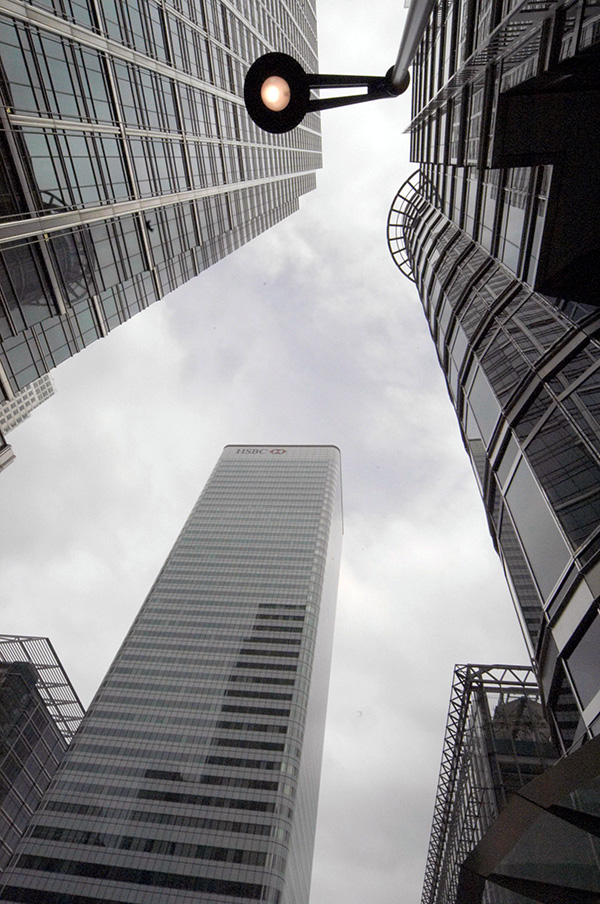
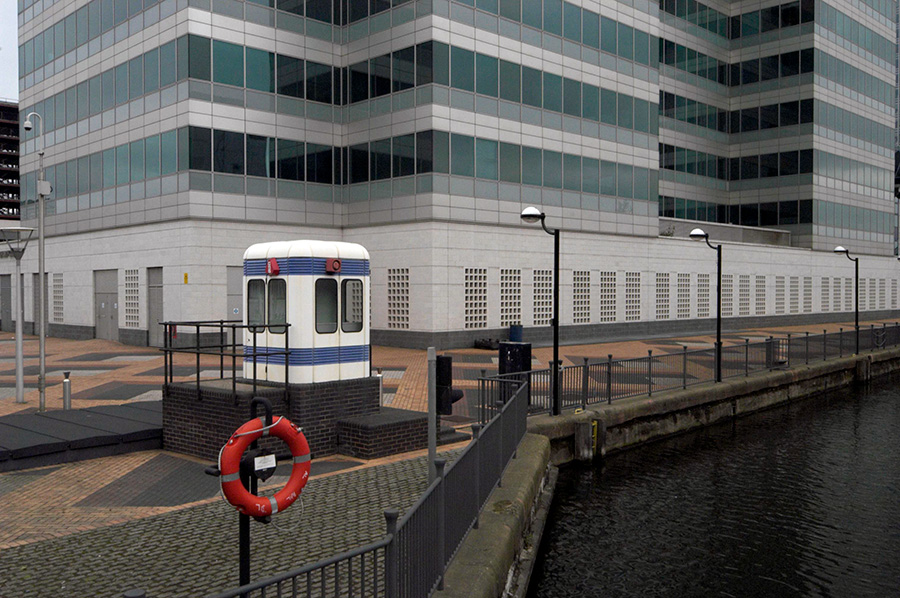
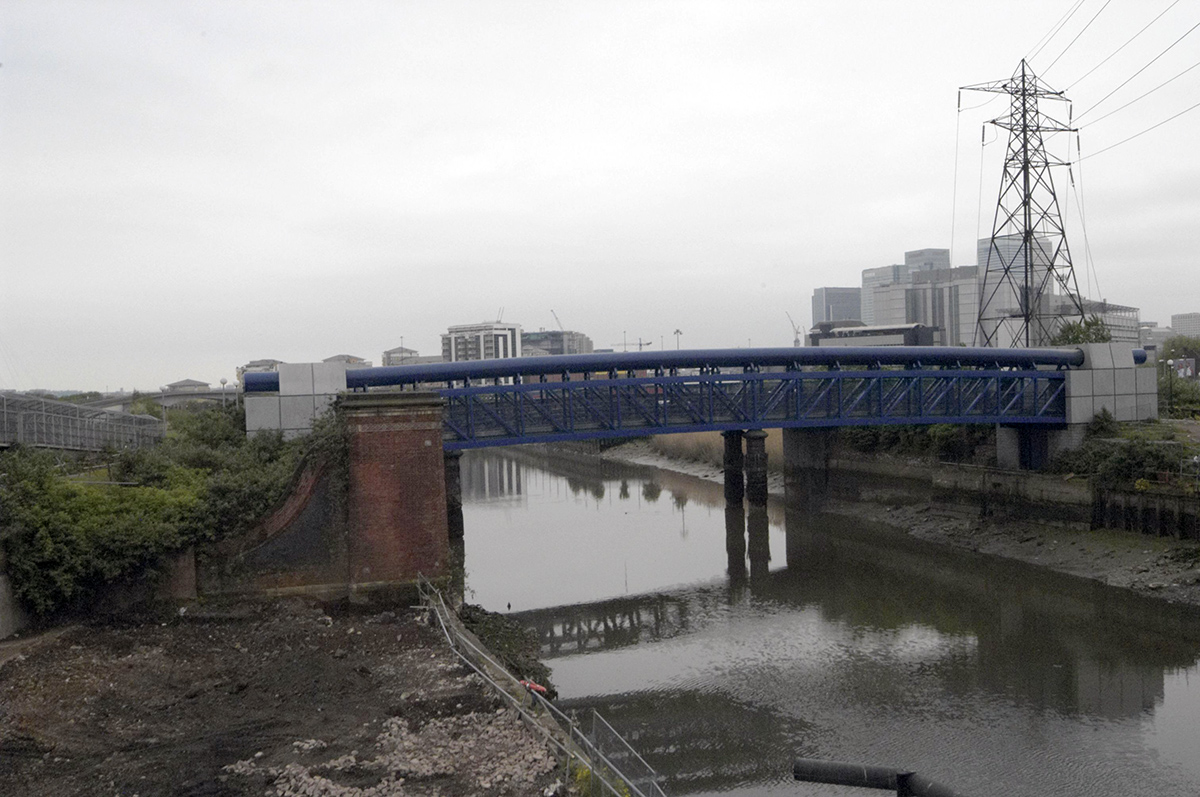
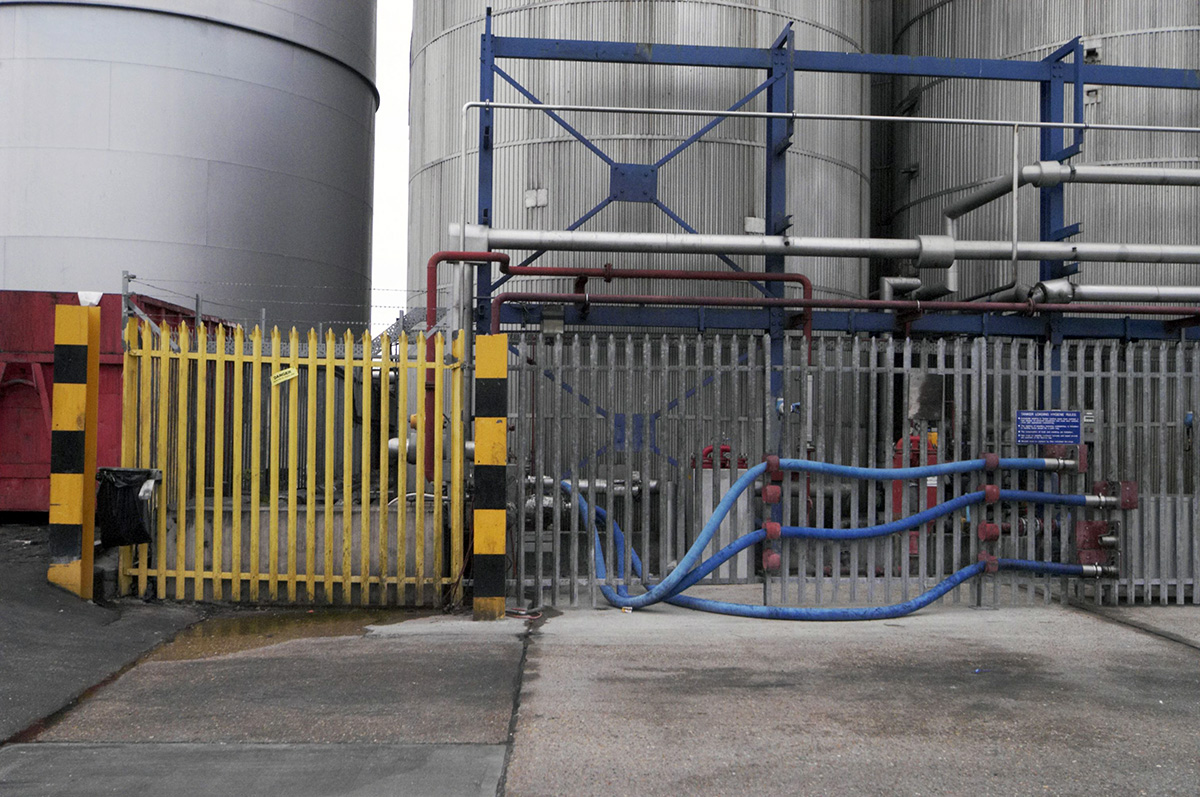
Canary Wharf Workshop – On Sunday May 9th 2004 I led a small workshop group of photographers on a walk which started at Canary Wharf and then went to Canning Town and the River Thames. Although photography is theoretically banned on the Canary Wharf estate we had no problems with security, probably because we kept to obviously public areas and I had asked those taking part not to use tripods.
I was never a fan of the redevelopment of London’s docklands under Michael Heseltine and the London Docklands Development Corporation set up in 1981. Of course development was needed after the docks became redundant, but we should have seen a development that was made for the interests of the population of London, not simply for the mates of the Tory Party.
The area needed some kind of overall planning authority, but one that worked with the local authorities in the area rather than against them, ignoring their priorities.
Of course there were gains from the work of the LDDC, perhaps the main ones being the Docklands Light Railway and the Jubilee Line Extension to Stratford. Certainly by the time it was wound up in 1990 it had changed the whole area significantly. But many of those changes had sacrificed local needs to business profits.
The piece that I wrote about the day reflected my political views about what had taken place. A year or so later London won the bidding for the Olympics, leading to yet more development in the area by an authority that disregarded local needs and led to inappropriate development, still proceeding, in East London. I’ll reproduce what I wrote in 2004 here, with minor corrections, particularly to capitalisation and spelling.
May 9th 2004 found me taking a group of photographers for a walk around some parts of London’s docklands. We started at the centre of this ‘crime of the century’. I still don’t quite understand why a Conservative government felt so at odds with the City of London that it decided to set up offshore competition in the Enterprise Zone.
The feeding frenzy that ensued, trousering public property and tax breaks into the private pocket at an unprecedented rate was inevitable.
The long-term consequence has been a distorted development with few real buildings of distinction but some expensively finished tat, and a lack of overall planning. I’m not sure that London would benefit from gaining the Olympics for which it is currently bidding, but if it fails, probably part of the reason will be the Docklands debacle.
We started below the obscene gesture towards the old city, at least clear about its symbolism, then took the DLR down to Crossharbour with its silly bridge, walking back to the Wharf and taking the Jubilee to Canning Town.
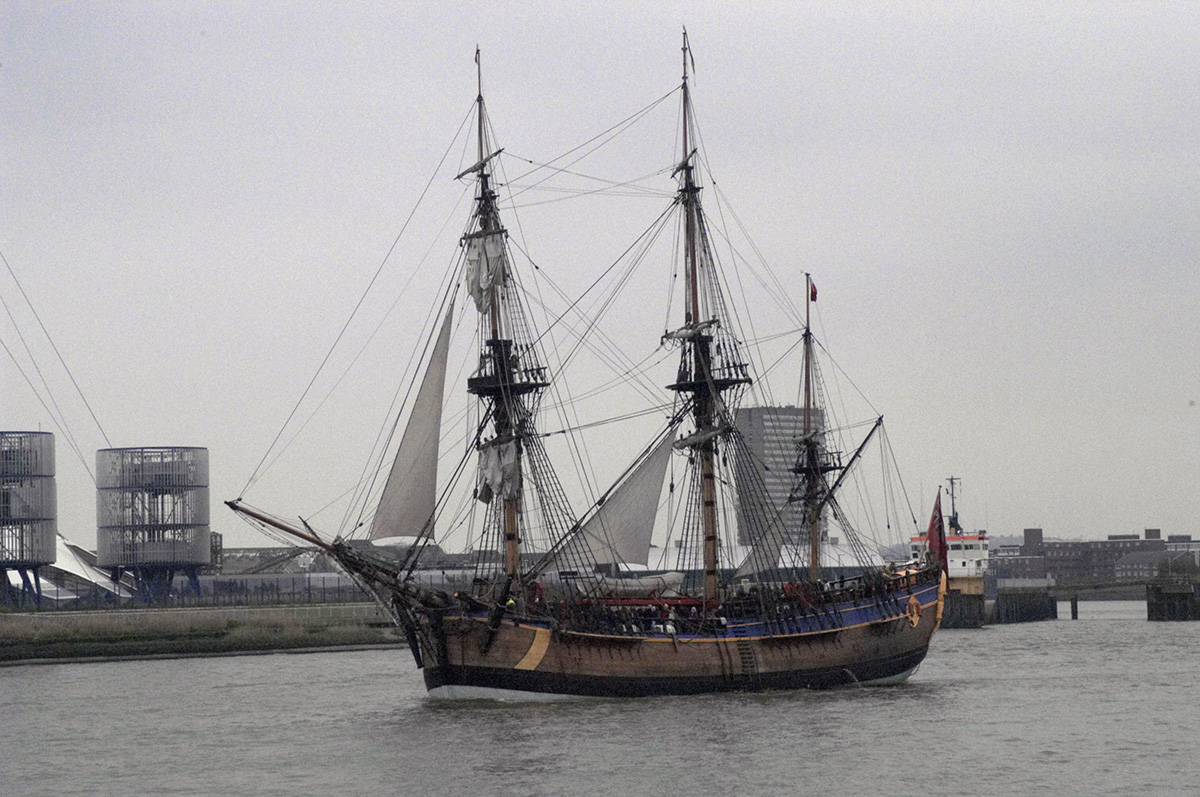
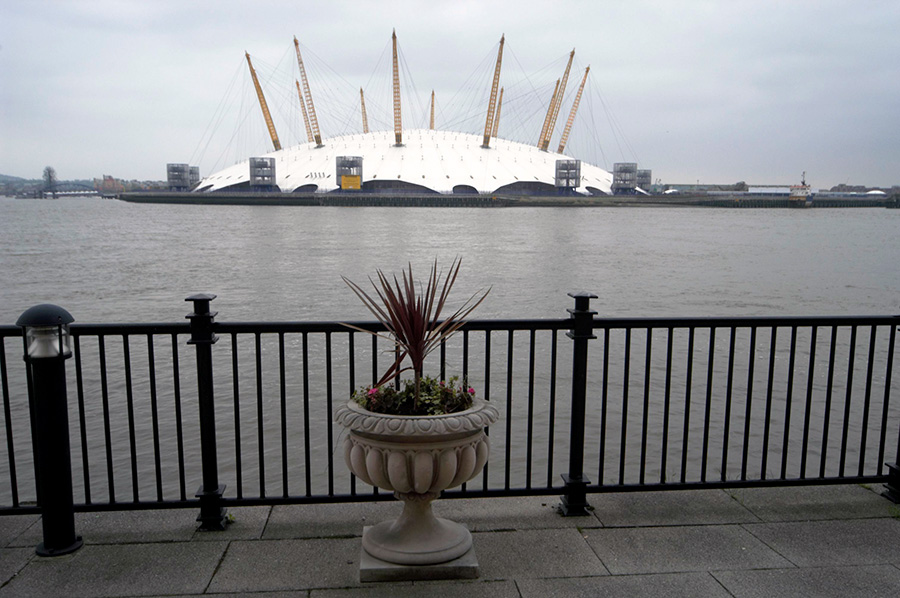
Then back alongside the Lee (still waiting for that riverside walkway) to East India dock basin and along by the Thames, where a galleon appeared in front of the dome.
The River Lee is here better known in its tidal section as Bow Creek, and we are still waiting for parts of that riverside walk to be opened if they ever will be. There was a competition for a new bridge across Bow Creek with a wining design named, but money disappeared and it was never built. But a few years ago we did get a different new bridge higher up by Canning Town station and the development of the industrial site of Pura Foods as London City Island.
VE Day 60 Years On: I was born a few days after VE day, the end of the Second World War in Europe which took place on Wednesday 8th May 1945. In 2005 celebrations of the event in the UK took place over the weekend of 7-8th May. Here is the piece I wrote in 2005 for My London Diary (with the usual minor corrections) and some of the pictures I took on those days.
VE Day Commemorated – Ilford
60 Years ago, my view of the world was dark, wet and warm and I was almost certainly unaware of what was happening outside, and I think my mother’s part in the VE day celebrations will have been fairly muted and sedentary, though I’m sure both she and my father (the First War had taken him to Germany, but this one only got his as far as Potters Bar on his bike to inspect the bees) shared the feelings of the nation.
I wanted to avoid the large stage-managed media events. Couldn’t stand the thought of Vera Lynn and Cliff Richard, or the Prince Of Wales. So I went to Ilford to see how the people in Redbridge were commemorating the occasion.
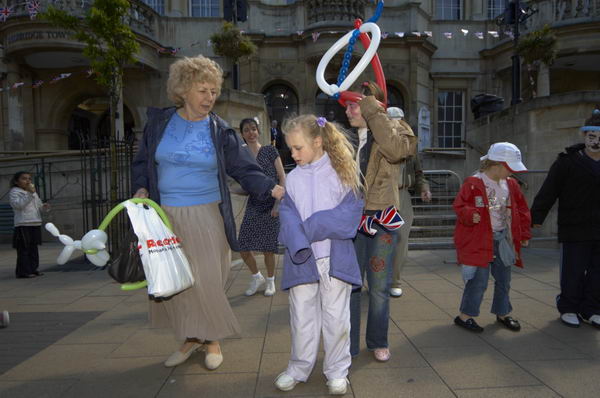
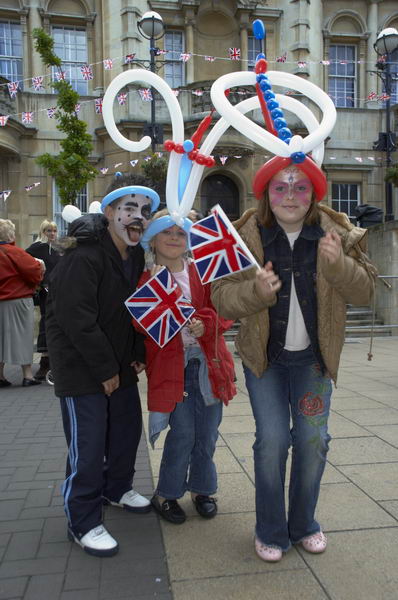
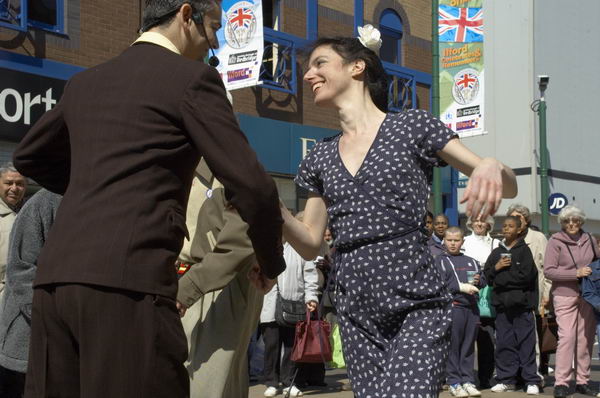
A couple of small groups playing mainly forties jazz tunes, some dancing, kids and oldies having fun, balloons, uniformed ‘statues’, free tea, a few veterans and a small but informative museum display made a pleasant afternoon in the high street. more pictures from Ilford
VE Day Parade Bromley
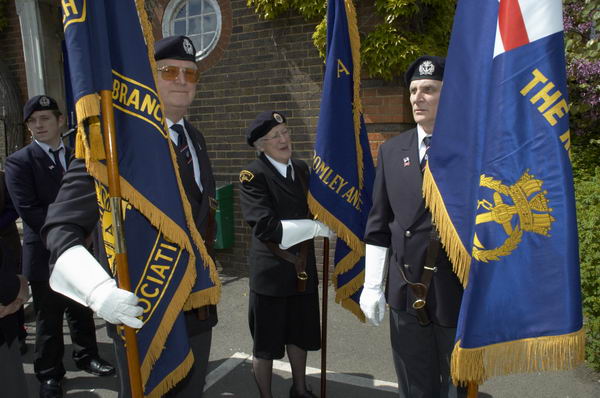
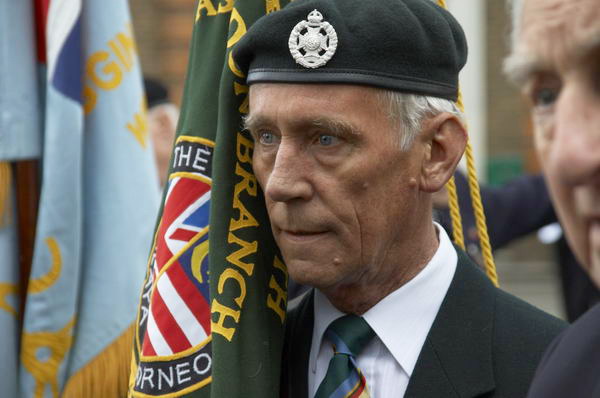
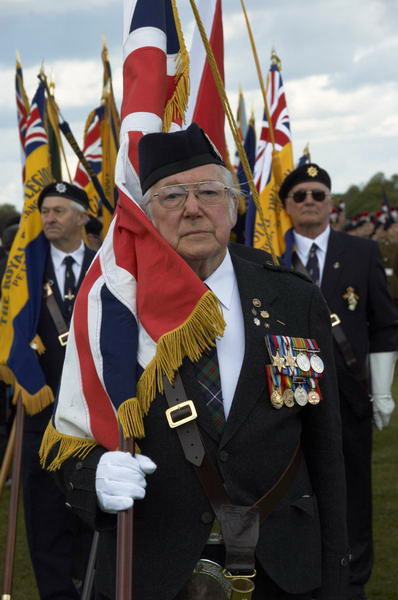
Sunday afternoon I attended a more formal event in Bromley, which seems to have more uniformed organisations than any other London Borough, and the forces were out in force. Marching behind the bagpipes came the veterans, most looking surprisingly well despite their age, and with medals to show for their service around the world. One showed me his Russian medal for service in the Baltic, others had been in the Far East as well as Africa and Europe.
The parade to Norman Park was joined by more veterans and supporters in buses, as well as a number of vintage vehicles, civil and military. At the park, the Mayor, the Bishop and a team of other clergy joined up for a drumhead service in a large tented area, holding well over a thousand people.
A few of the veterans felt this was one church parade too many and like me made for the beer tent. Perhaps like me they had also called in to the Area Of Remembrance on the way. There was an impressive dignity about the veterans and the event seemed a moving tribute to them and their comrades who died.
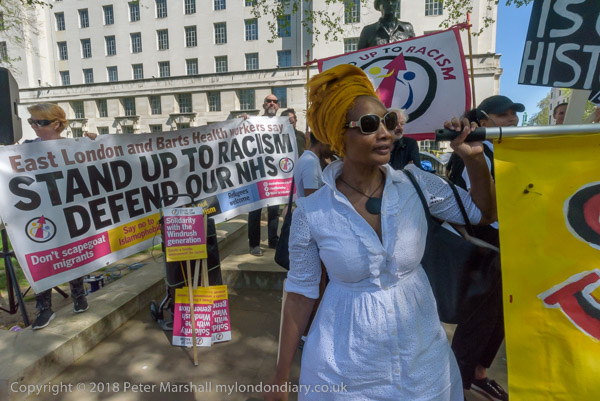
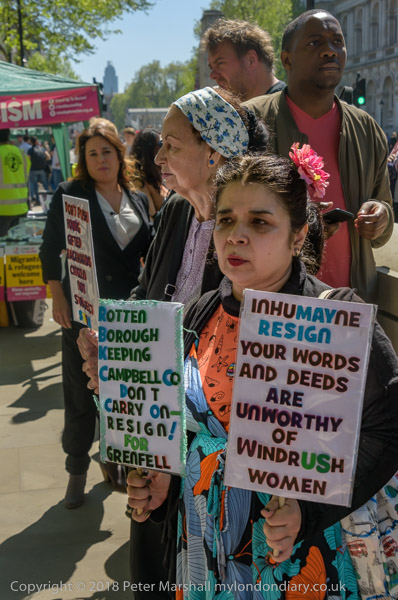
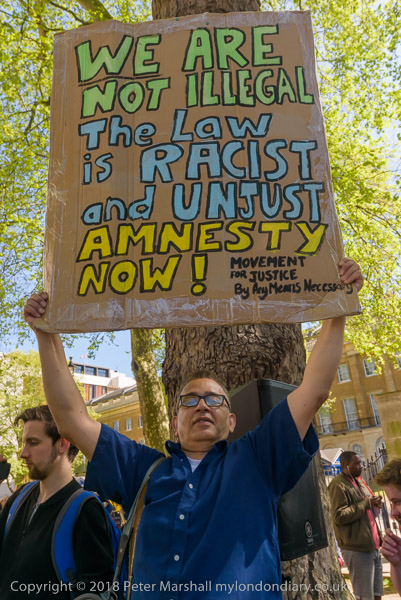
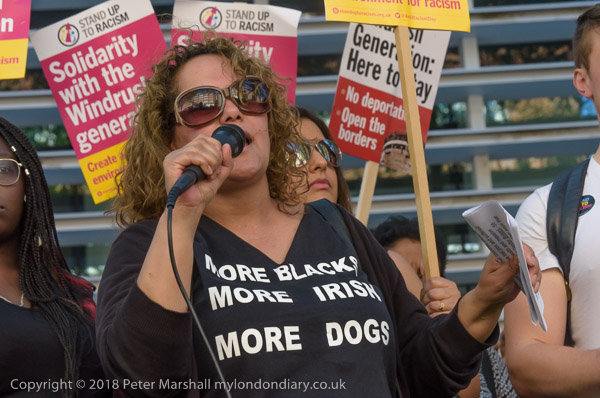
Croydon, Abortion & Windrush – I began work on Saturday 5th of May with a late May Day march in Croydon, then came to Westminster where abortion rights protesters were meeting to oppose a ‘March for Life’ anti-abortion march and rally. At Downing Street there was a rally against the racist attacks by Theresa May against the Windrush generation, which later marched to continue at the Home Office, where I ended the day after photographing the anti-abortion march.
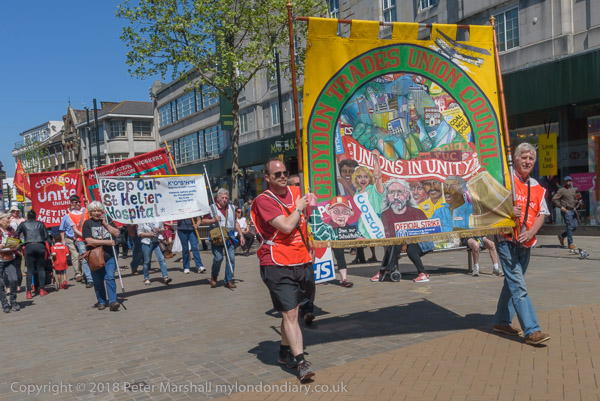
Croydon march for May Day – Saturday 5th May 2018
Although International Workers Day is celebrated internationally on May 1st, in Croydon there was a march and rally on the following Saturday.
Croydon is just 15 minutes by public transport from the centre of London, and those who were able to do so had probably joined the main London march on May Day, while others will have had to wait for the weekend to celebrate, so the march and rally on Saturday made sense.
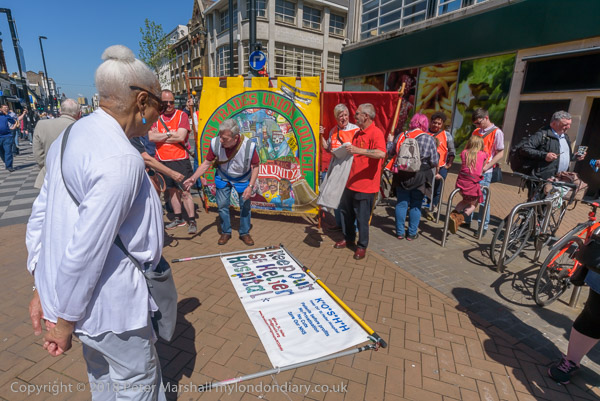
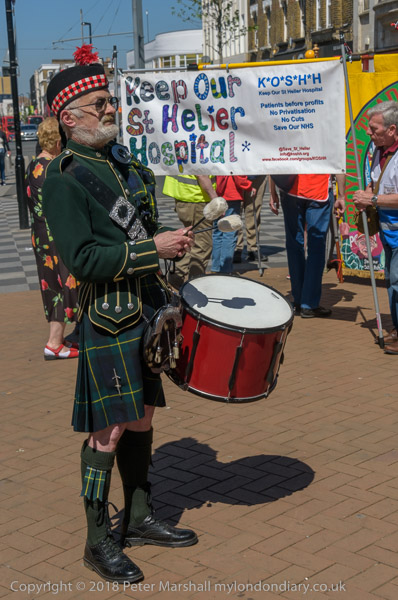
It wasn’t a huge march, though doubtless more made their way to the rally later at Rusking House, where the speakers were to include Ted Knight, once the leader of Lambeth council and then one of the best-known Labour politicians, derided in the press of the day as ‘Red Ted’. One of the largest groups on the march was the supporters of the local Keep Our St Helier Hospital campaign fighting against proposed cuts there.
Women protest anti-abortion march – Parliament Square
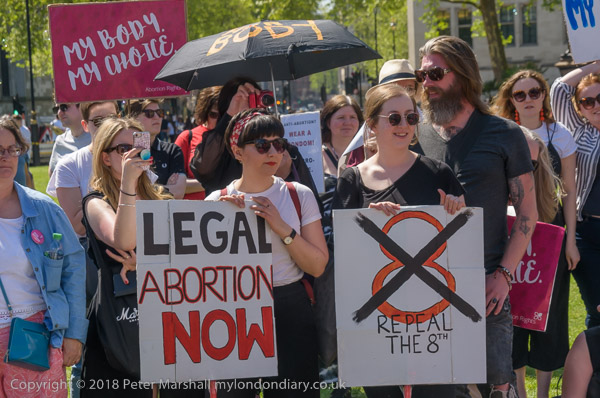
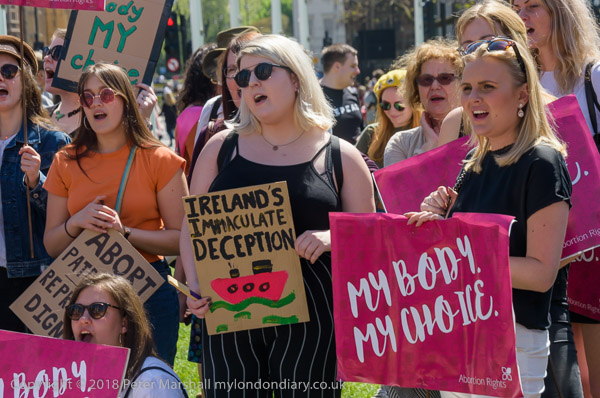
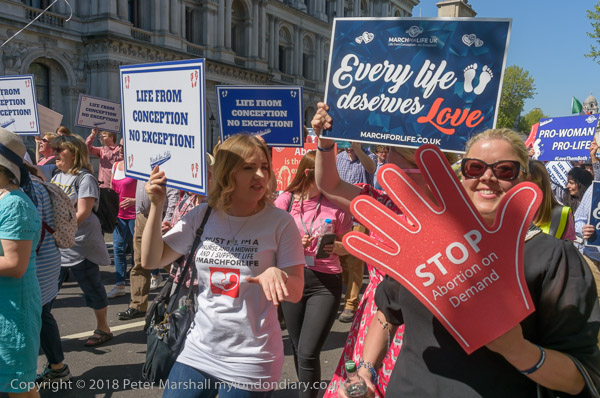
Feminists in the abortion rights campaign held a rally in Parliament Square before the annual March for Life UK by pro-life anti-abortion campaigners was to arrive for their rally.
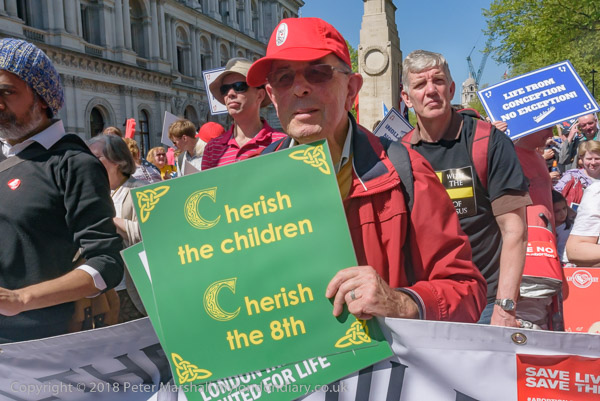
They opposed any increase of restrictions on abortion and called for an end to the harassment of women going into clinics and called for women in Northern Ireland to be given the same rights as those in the rest of the UK, as well as supporting the Irish referendum to repeal the 8th amendment to the constitution dating from 1983 which effectively banned abortion in Ireland.
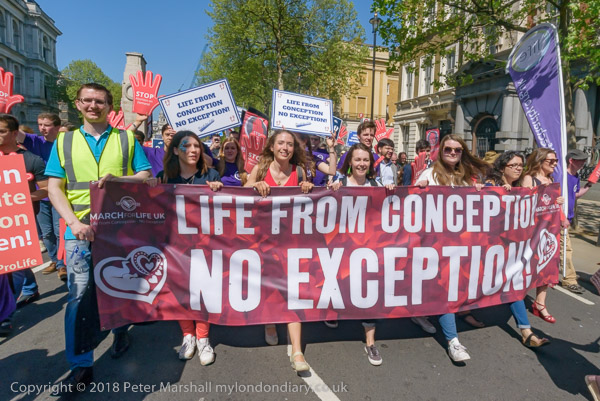
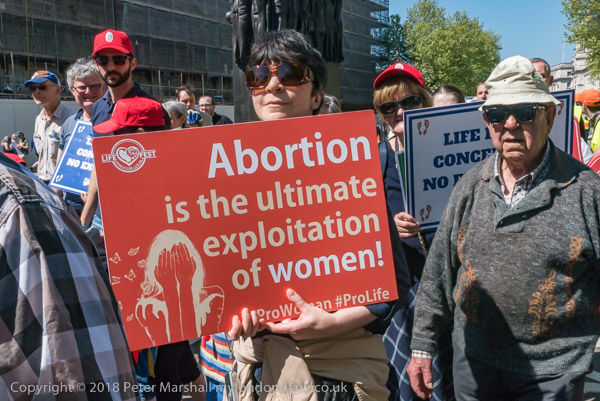
I walked up Whitehall to meet the several thousand anti-abortion campaigners, mainly Catholics, marching to their rally in Parliament Square.
They argue that even at conception the fertilised egg should be awarded an equal right to life as the woman whose body it is in, and call legalised abortion the greatest violation to human rights in history.
This was the first London march by ‘March for Life UK’ who had previously held marches in Birmingham and came a few weeks an Irish vote was expected to repeal the 8th amendment and allow abortion in Ireland, and some posters and placards called for a ‘No’ vote in this.
I remained on Whitehall to join a rally at Downing St organised by Stand Up to Racism calling for Theresa May’s racist 2014 Immigration Act to be repealed and an immediate end to the deportation and detention of Commonwealth citizens, with those already deported to be bought back to the UK.
It demanded guaranteed protection or all Commonwealth citizens and for those affected to be compensated for deportation, threats of deportation, detention, loss of housing, jobs, benefits and denial of NHS treatment and an end to the ‘hostile environment’ introduced by Theresa May.
Speakers also condemned the unusual moves by the Tories in ways that threaten the normal working of Parliament to try and keep information about the Windrush scandal secret. Aong those speaking were Shadow Home Secretary Diane Abbott, trade unionists, and people from organisations standing up for immigrants and opposing immigration detention including Movement for Justice who brought two women who had been held in Yarl’s Wood to speak.
After the rally at Downing Street protesters marched to the Home Office for a further rally there.
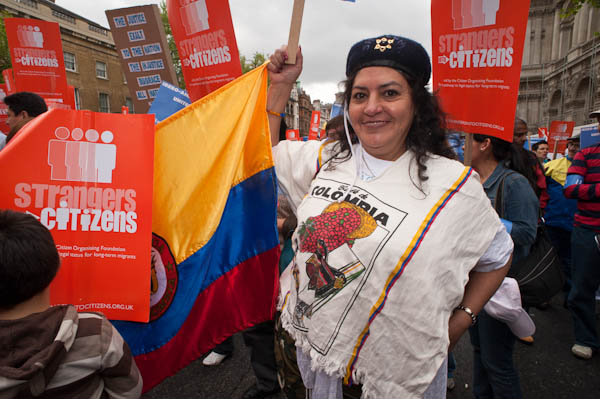
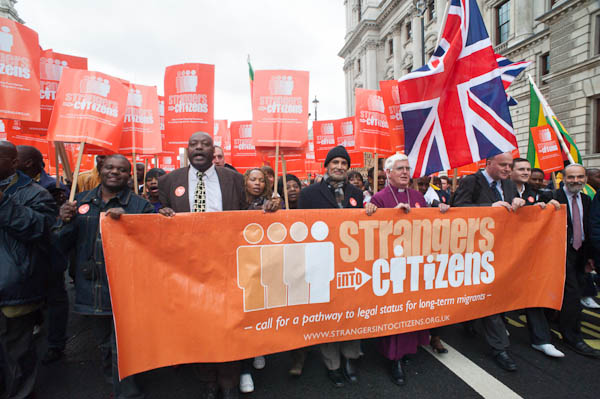
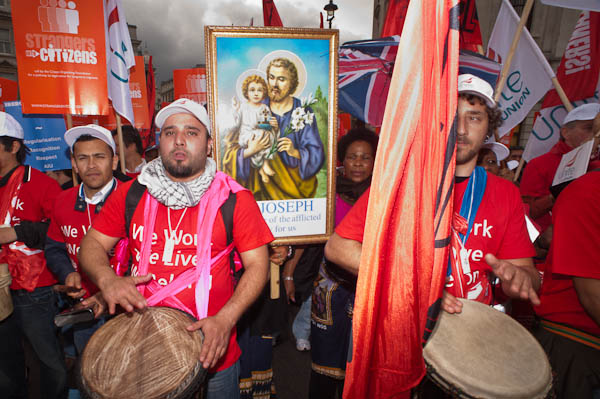
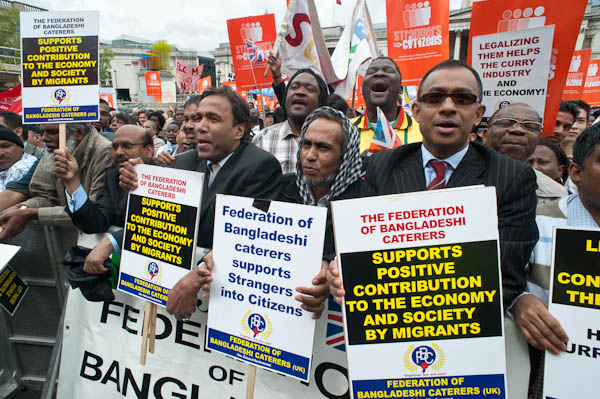
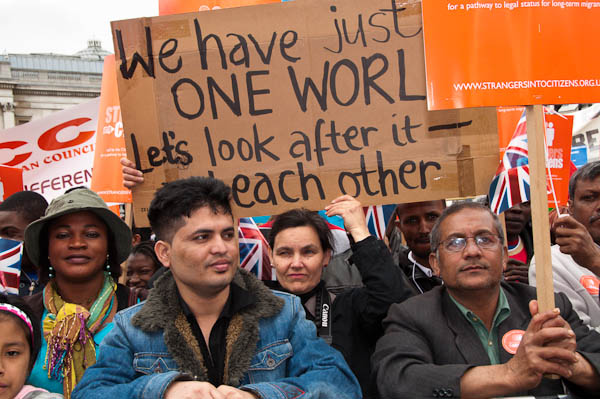
Strangers Into Citizens – Strangers into Citizens held a march and rally on Monday 4th May 2009 calling for long term irregular migrants living in the UK to be provided with a way to earn indefinite leave to remain here.
There are thought now around 800,000 people living in the UK without a legal permit to do so. Accurate figures are impossible to find as these people obviously do not want to be recorded by the authorities.
Many are working and carrying out work that others do not want to so but are essential to keep our economy running. One of the reasons why the UK is attractive to migrants is the size of our hidden economy, economic activities entirely hidden from HMRC.
Almost one in ten UK citizens takes some part in this hidden economy, though for many their activities are on a small scale and often transitory. But almost half of those gain an income that if declared would put the above the current tax threshold. Some of these are people without legal residence, while there are others who have permission to be here but not to work. And of course others are just tax evaders.
It would benefit the economy and those concerned to regularise their position so they could both work here legally and pay tax. There are also a significant number with qualifications which could take them out of the largely unskilled manual work that makes up much of the hidden economy and put their skills to work, profiting both themselves and the country. Having people with Maths or Engineering degrees making a poor living as cleaners (and I’ve met them) makes no sense when they could make a much greater contribution.
The UK has an ageing population and increasingly fewer of us are likely to be economically active – the ONS model suggests there will be an additional 317,000 people economically inactive in the UK by 2026 compared to 2023, and this trend seems likely to continue. We need migration to make up the gap and regularising the position for those already here would certainly help.
There are no legal routes to enter the UK to claim asylum and those who want to do so must either enter irregularly or come on tourist or other visas. The majority of migrants enter the country legally but overstay the terms of their visas, some claiming asylum, others just melting into the community. Another large group of migrants are the children born here to irregular migrants – until 1st January 1983 this automatically made you a British citizen but now this is only the case if one of your parents is British.
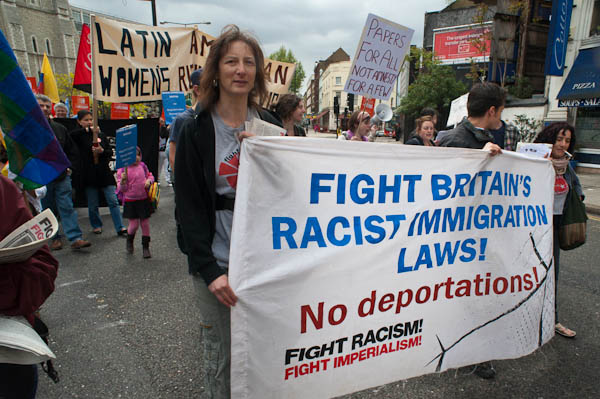
Over many years now we have seen an increasing ratcheting up of racist rhetoric and policies by the two major parties, each determined to outflank the other in appeasing the extreme right and playing on fear. The Tory government has increasingly introduced criminal sanctions against those who enter the country in ways it calls illegal, with all those arriving by them now being threatened with deportation to Rwanda, whether or not that country is actually a safe destination.
But the number Rwanda expects to take over a five years is only 1000, just 200 per year. In the year ending June 2023, official statistics show 52,530 irregular migrants were detected on, or shortly after, arrival to the UK on various routes, 85% of them on small boats. There are of course no figures for how many came and were not detected.
The UK currently does have a very limited partial amnesty scheme. Those who have managed to stay – legally or illegally – continuously for 20 years can apply for a visa which grants another 30 months of residence, while those with 10 continuous years of legal residence can also apply for an extension.
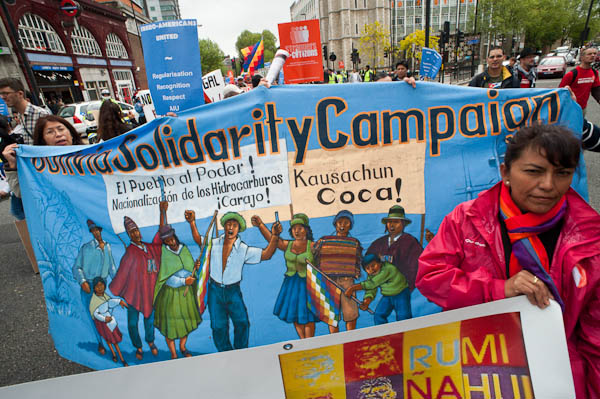
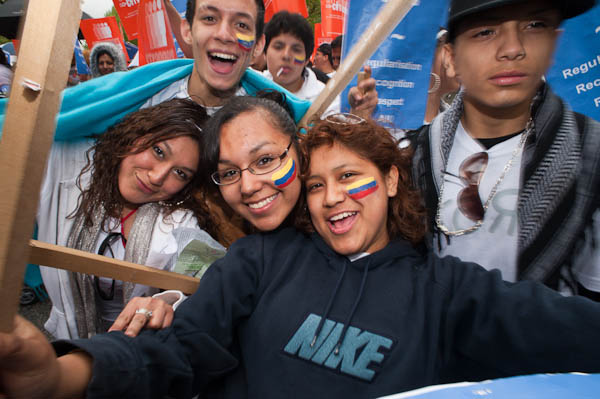
Many of those who I marched with on Monday 4th May 2009 from Lambeth were from London’s large Latin American community. Some were probably irregular but most will have entered the country legally as EU citizens and some have been given asylum here or be waiting for the Home Office to process their claim. The Home Office states the average time is six months, but the actual average is estimated to be somewhere between one and three years.
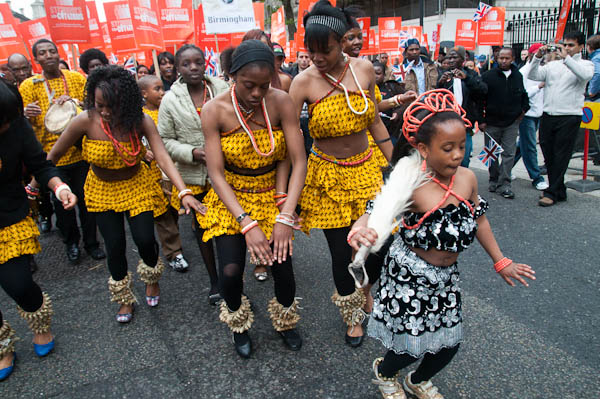
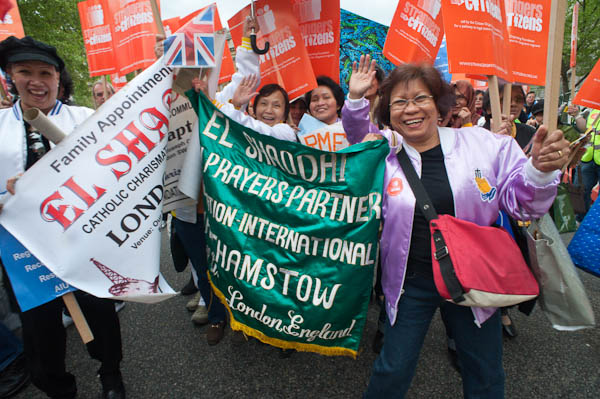
Others had marched from other areas of London, many starting from seven religious services in various parts of the city. The marches joined in Parliament Square to march together to Trafalgar Square where there were a large number of speeches in support of an amnesty from religious, political and trade union groups as well as representatives of various ethnic groups and migrants from a number of countries, followed by music and dancing.
Baltimore to Brixton – Black Lives Matter! The hashtag #BlackLivesMatter was first used on Twitter on 12th July 2013 but only became common in 2014 after the killings of Eric Garner, Michael Brown and Tamir Rice in 2014, reaching a peak when it was announced nobody wold be prosecuted over the killing of Michael Brown in Ferguson. According to a list published by Twitter on the tenth anniversary of the platform in 2016 #BlackLivesMatter was the third most used hashtag in those ten years, beaten by #Ferguson at number one and #LoveWins, celebrating the US Supreme Court’s ruling on gay marriage.
Of course the UK has its own cases of people, especially but not only black who have been killed by police and otherwise in custody and an annual march takes place in Whitehall on the last Saturday of October by the United Families and Friends Campaign to remembers them, with a list of over 2000 names being carried to a rally at Downing Street.
The United Families and Friends Campaign (UFFC) describes itself as “a coalition of families and friends of those that have died in the custody of police and prison officers as well as those who are killed in immigration detention and secure psychiatric hospitals. It includes the families of Roger Sylvester, Leon Patterson, Rocky Bennett, Alton Manning, Christopher Alder, Brian Douglas, Joy Gardner, Aseta Simms, Ricky Bishop, Paul Jemmott, Harry Stanley, Glenn Howard, Mikey Powell, Jason McPherson, Lloyd Butler, Azelle Rodney, Sean Rigg, Habib Ullah, Olaseni Lewis, David Emmanuel (aka Smiley Culture), Kingsley Burrell, Demetre Fraser, Mark Duggan and Anthony Grainger to name but a few. Together we have built a network for collective action to end deaths in custody.”
And we have a long history of racist prosecutions, most notably perhaps the trial of the Mangrove Nine in 1970. The defendants, most of whom defended themselves, were finally all acquitted on the main charge of incitement to riot with four receiving suspended sentences for less serious offences. But the judge made clear in his comments that the authorities and in particular the Metropolitan Police had been racist in their actions and in bringing the prosecution.
Since then there have been other high profile cases which have demonstrated the institutional racism of the police force – notably over their investigation of the murder of Stephen Lawrence and the police murder of Jean Charles de Menezes. In 2023 the report by Baroness Casey was only the latest to castigate them as racist, sexist and homophobic.
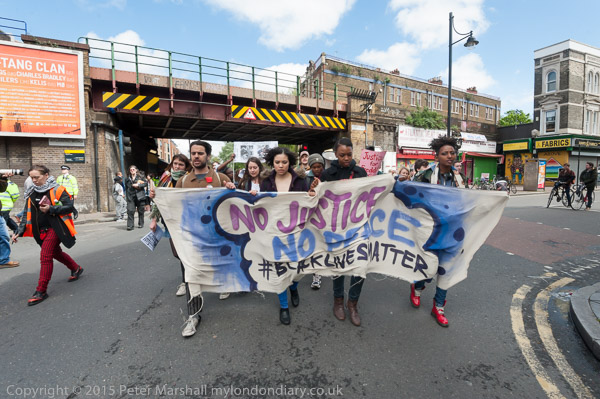
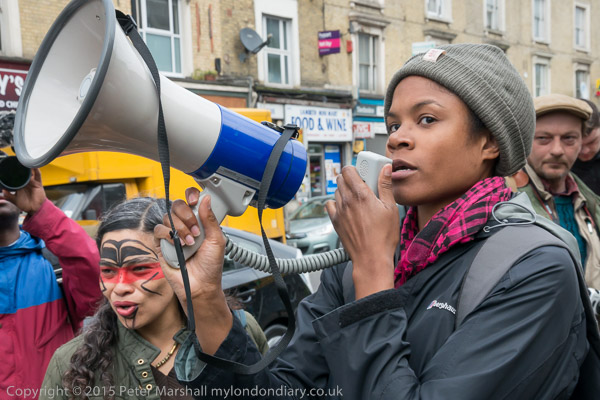
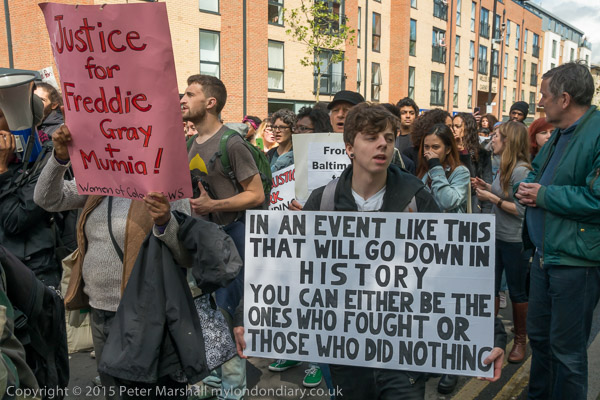
Activists in the UK have also responded to the police murders in USA, and on Sunday 3rd May 2015 following the killing of Freddie Gray in Baltimore and police attacks on his funeral which led to massive protest in the USA, they protested in Brixton in solidarity and pointed out similar problems in Brixton and the UK.
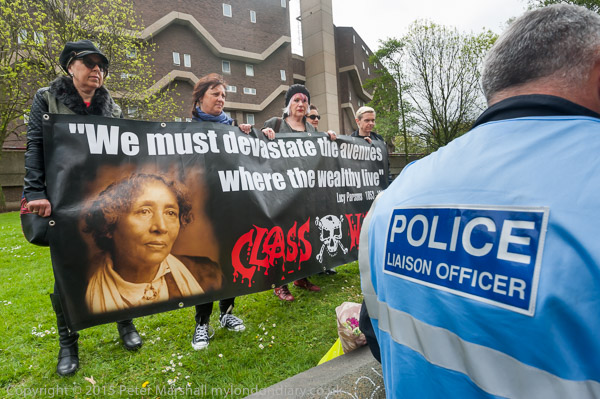
It wasn’t a huge protest but was supported by a wide range of groups from Brixton and across London, including London Black Revs, Class War, the International People’s Democratic Uhuru Movement, Reclaim Brixton, Women of Colour and the All-African Women’s Group from the Global Women’s Strike, Brixton Latin American Community, Mexica Movement London Chapter, Our Brixton, Latin Brixton, Justice for Christopher Alder, BirminghamStrong, Justice 4 ALL, The Brick Lane Debates, Occupy UAL, RCG, Revolutionary Communist Group, Occupy London, Rojava Solidarity Working Group, Algeria Solidarity Campaign, Environmental Justice North Africa and Justice4Paps.
On My London Diary I give some brief facts about the killing of 25-year-old African American Freddie Gray and the attack on his funeral by police which provoked riots. You can read a much more detailed account on Wikipedia.
The march began by going through the large barrier bloc of Southwyck House, built in the 1970s as a shield for the urban motorway, plans for which were dropped after the devastation it would cause became obvious after the Westway section was built in North Kensington, stopping for a brief protest there before it continued to a housing occupation against Guinness Trust opposite the Loughborough Park Estate. It then through the centre of Brixton to a rally in Windrush Square.
People then marched along Brixton Road past the Underground Station to Brixton Police Station and on to the Loughborough Estate to a community centre on Somerleyton Road.
I’d walked far enough and left the march there, walking back along Atlantic Road where I photographed some of the murals against the eviction of local shopkeepers from the railway arches before taking the tube to Westminster to go to visit the Occupy ‘Festival of Democracy‘ in Parliament Square, then in Day 3.
May Day 2004 – One of the many advantages of giving up full-time teaching around 2000 was that I was able to go to various events that previously took place when I was at work. And one of these was the London May Day celebrations taking place on May 1st – previously I could only take part in these when May Day fell on day I was not at work. I hope to be taking pictures of today’s march and rally as usual from Clerkenwell Green to Trafalgar Square gathering at noon.
Back in 1978, Labour Prime Minister James Callaghan introduced an early May bank holiday, but rather than making May Day – International Workers Day – a bank holiday we got instead the first Monday in May. So only one year in seven do we get a Bank Holiday on May Day.
Even then, Tories have made several attempts to get the Bank Holiday moved to another time of year – the first attempts came with a bill in 1982 and ten years later John Major suggested Trafalgar Day. The coalition government made another attempt in 2011, but so far strong opposition has kept the early May holiday, though I suspect it may be under threat again in the next Labour government.
In 2004, twenty years ago, May Day was a Saturday, so many who would otherwise have been working were able to attend the annual May Day march and rally in London. I’ve written on some previous May Days about the origin of May Day and how it became International Workers’ Day and rather than repeat myself you can read an article by People’s History Museum researcher Dr Shirin Hirsch, May Day: A People’s Holiday which has the advantage of some fine illustrations.
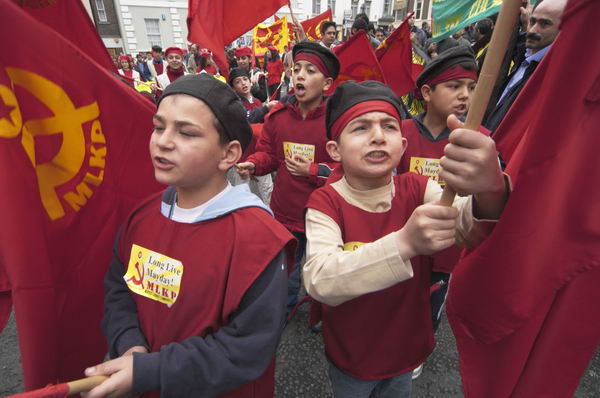
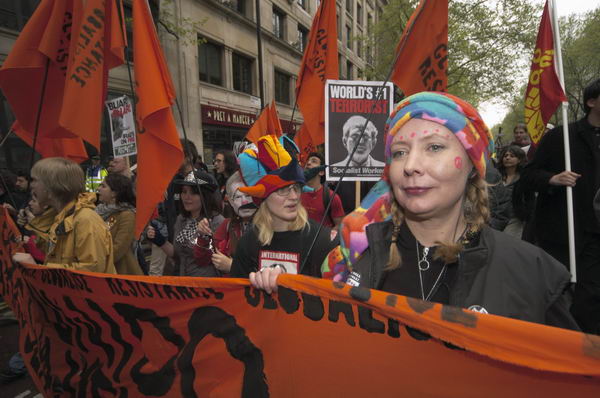
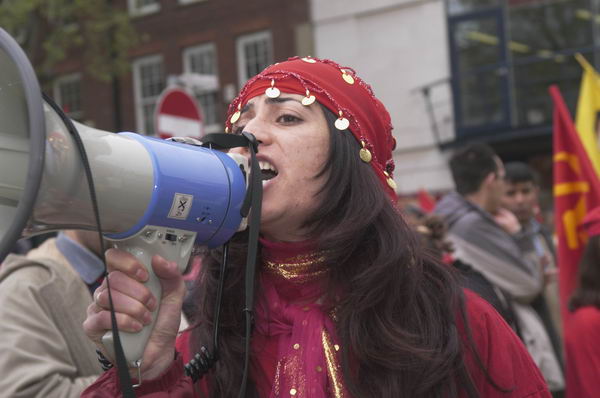
Here, suitably corrected, is what I wrote about my May Day twenty years ago. All the photographs in this post are from May 1st 2004. There are many more pictures on My London Diary.
May Day!
London’s TUC sponsored May Day March and Rally is a peaceful celebration of International Workers’ Day. This was apparently first celebrated in 1886 in Chicago by striking textile workers.
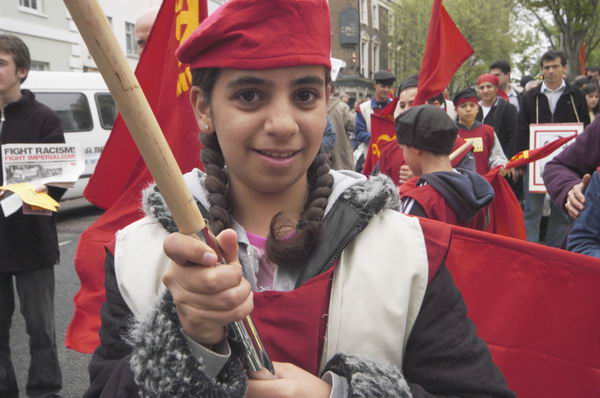
In London, the celebrations are dominated by several Turkish and Kurd groups, with the MLKP and their youth wing being some of the most vocal.
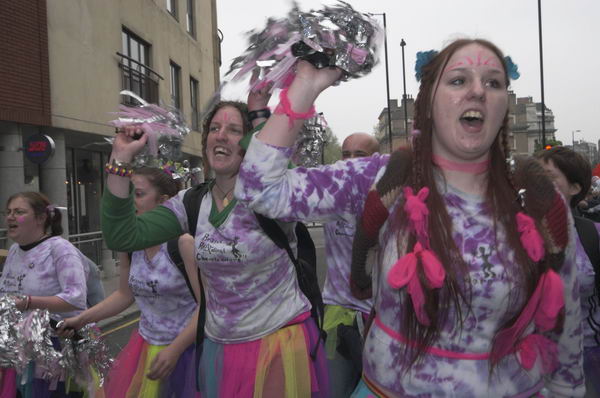
I was pleased to meet up again with members of Bristol Radical Cheerleaders, adding their enthusiasm and a little spectacle to the event. Fortunately they were not responsible for the route, as ‘To the left, to the left, not to the right, to the left’ might never have got us to Trafalgar Square.
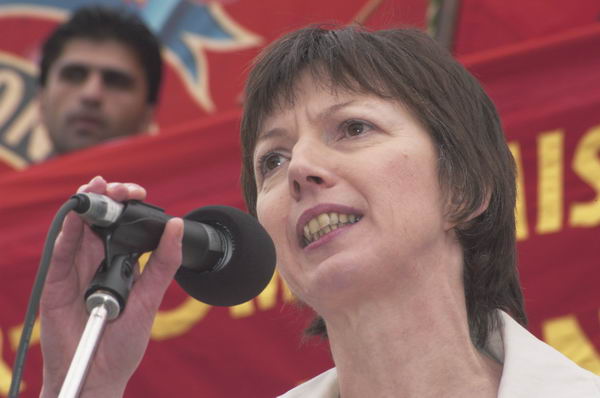
Maybe that wouldn’t have been a bad thing. The rally at the end was something of an anti-climax. Not that London Mayor Ken didn’t project his usual charm – and Frances O’Grady and the others spoke well, it was just, well, a bit dull. It needs something that is rather more of a celebration and a party.
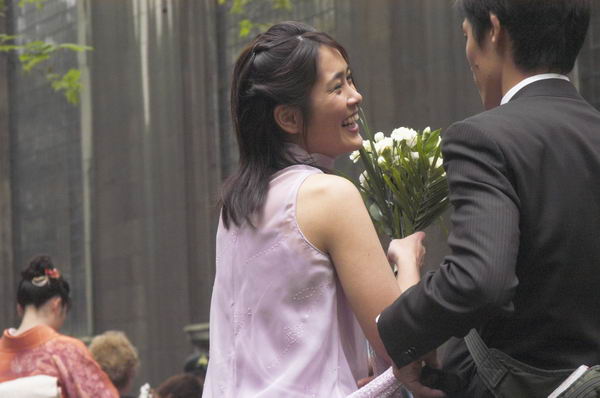
I wandered off, jumping on a bus down the Strand to Fleet Street and St Brides where there was a wedding going on. Perhaps I should have taken more than the couple of pictures here, but I didn’t have an invite.
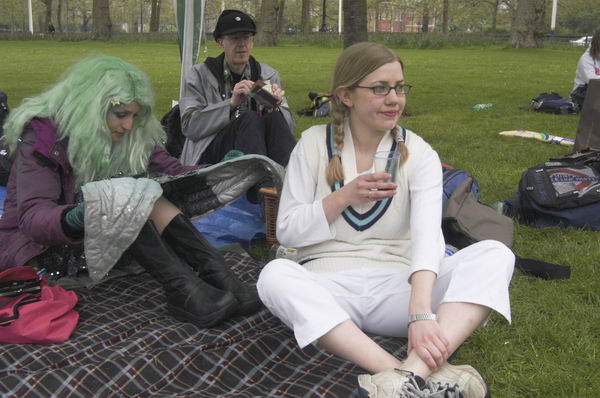
Back in St James Park there was supposed to be a party, and a game of ‘Anarchist Mayday Cricket’. It wasn’t quite the weather for either, and I took a few snaps and came home.
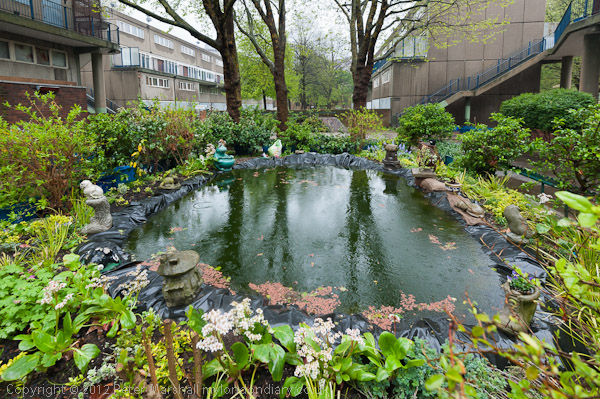
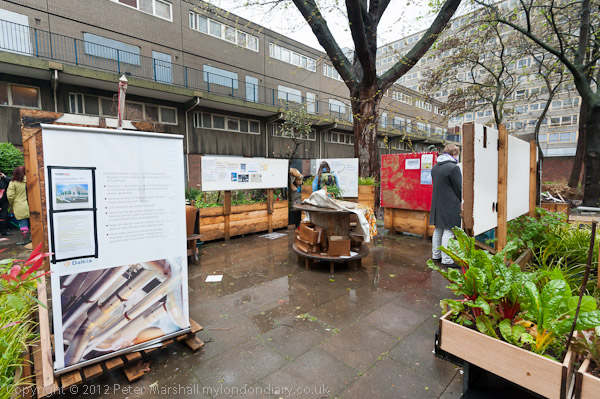
Walking the Rip-Off – Heygate & Aylesbury – On Sunday 29th April 2012 I joined around 35 others for ‘Walking the Rip-Off’ organised by Southwark Notes Archive Group and Aylesbury Tenants First (and here) which started in the “community gardening projects of Heygate” and went on “to the Aylesbury for a look and learn around the massive site.”
It was an interesting and illuminating experience. There were around 35 people altogether despite the rain and a terrible weather forecast, and fortunately it slackened off and the sun actually came out.
The Heygate Estate has now completely gone, demolished in 2014. There has been a loss of over a thousand council tenancies in the area, and only around 25 of those tenants displaced from the Heygate are thought to have been rehoused in the area . The well-designed and largely solidly built estate which probably had at least another 50 years of life with proper maintenance and necessary refurbishment has been replaced by lower quality buildings with many flats owned by overseas investors which are unlikely to last as long.
As Southwark Notes reported in 2015, developers Lend Lease were marketing its replacement, Elephant Park “overseas for wealthy off-plan buyers looking for second homes, investments, buy-to-lets, homes for their student sons and daughters etc.“
The individual properties in the new estate are smaller – some best described as poky – and rented properties are several times more expensive. In 2021 the social rent on a new housing development in nearby Bermondsey was advertised at £295.50, which was £130 above the government’s social rent cap of £164.87 for a two-bed property. Many of those who lived on the Heygate have been forced to move to outer areas of London or further afield to find housing they can afford. It has been social cleansing on a large scale.
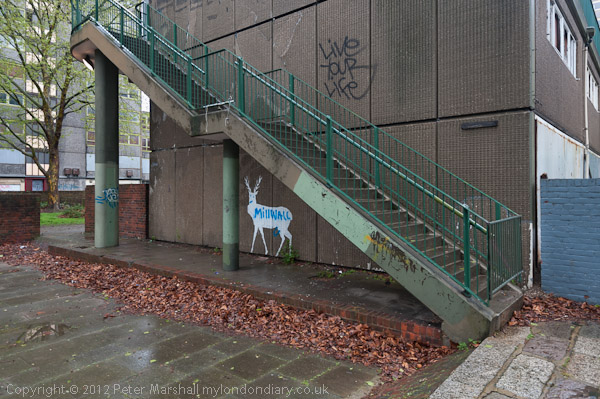
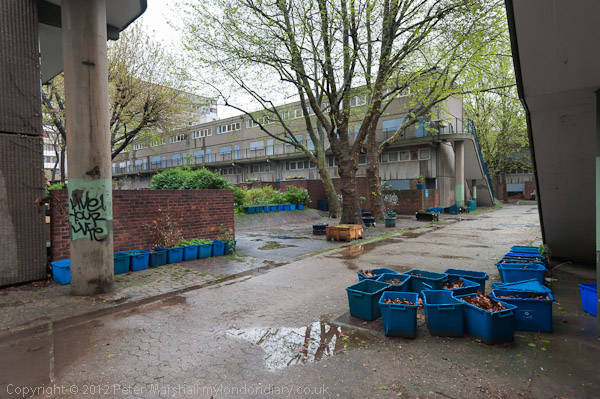
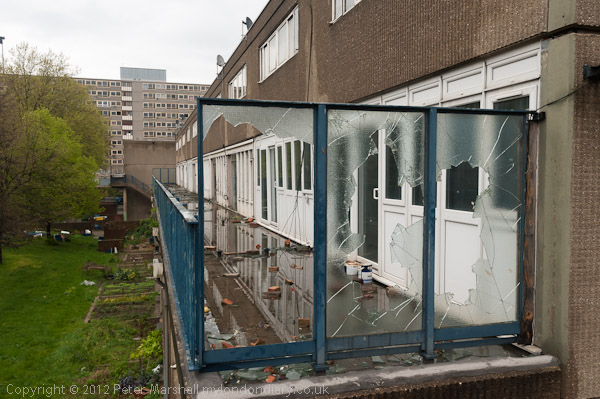
Housing left empty for several years had by 2012 suffered considerable vandalism
Particularly badly affected were leaseholders who were forced to move and given payments that were derisory and a fraction of that needed to buy comparable properties in the area. You can find more details online on Southwark Notes.
There is find more information on the regeneration of the Elephant & Castle area on the 35% Campaign web site. This also has up to date information on other aspects of Southwark Council’s failures including the redevelopment of the Aylesbury estate, the disastrous redevelopment of the Elephant & Castle shopping centre and other scandals in the area.
The site took its name from Southwark Council’s minimum policy requirement of 35% affordable housing, 70% of which social rent which it has failed to meet on Heygate and numerous subsequent developments.
On the tour in 2012 we were able to visit several properties on the Heygate and Aylesbury estates, and I was very impressed by the quality of the accommodation and the obvious love and care the residents had taken in making them really personal homes. I was allowed to photograph inside some of them but did not put any of the pictures on line in 2012, and can no longer find them.
From the 10th floor of Chiltern, Aylesbury Estate
I returned to one of those flats a year ago for the Fight4Aylesbury exhibition which was held there. Later in the year Aysen Dennis in whose flat this was held agreed to be relocated to a new nearby council block, but she continues her fight to save what remains of the estate. This January she acheived a significant victory when the High Court overturned the planning decision for Phase 2B of the Aylesbury Estate demolition. It is now not clear how the remaining demolition of the estate will proceed.
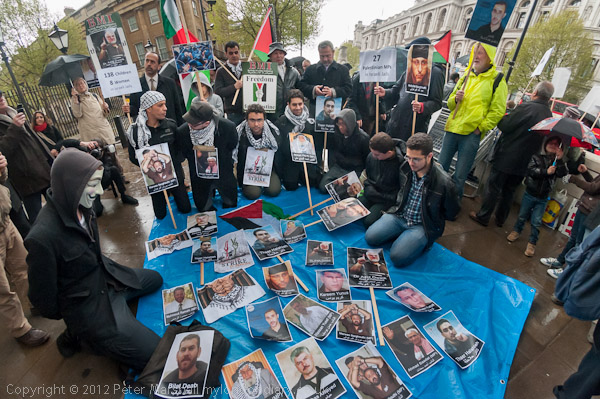
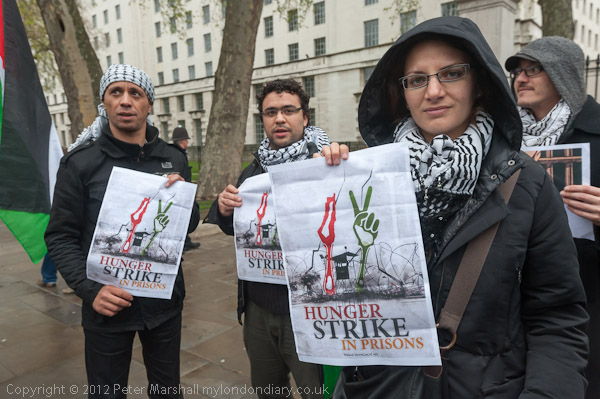
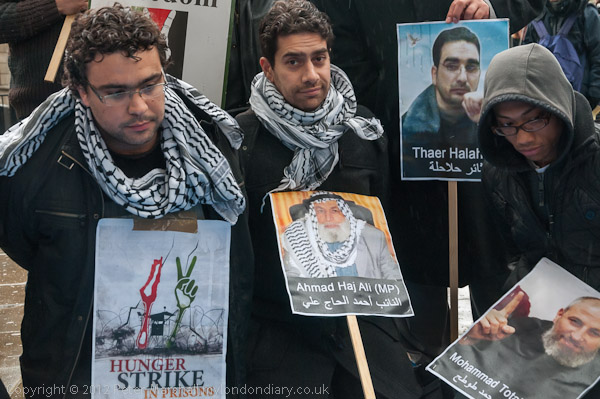
Workers, Cyclists & Palestine – Saturday 28th April 2012 I began by covering the Workers Memorial Day protest at the statue of the Building Worker on Tower Hill before going on to The Big Ride, London’s largest ever cycle protest. My final assignment was opposite Downing Street where people were showing their support for the more than 1200 Palestinian prisoners on hunger strike in Israeli jails.
Workers Memorial Day – Tower Hill
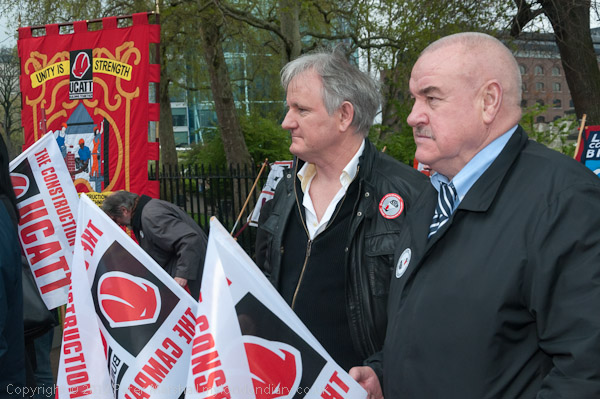
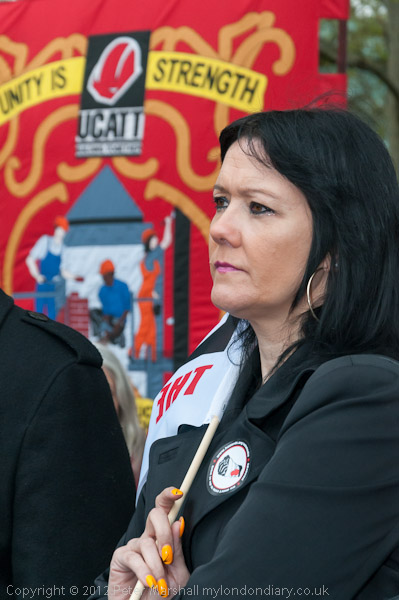
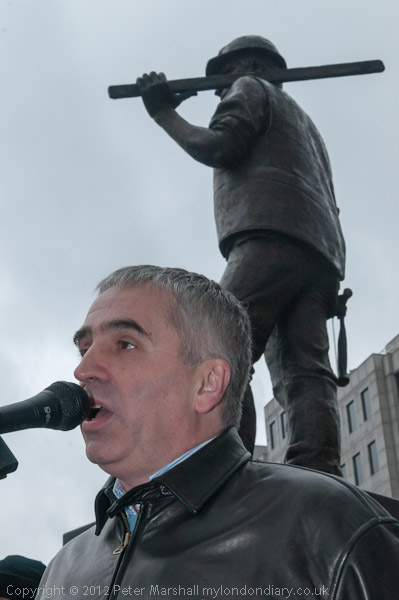
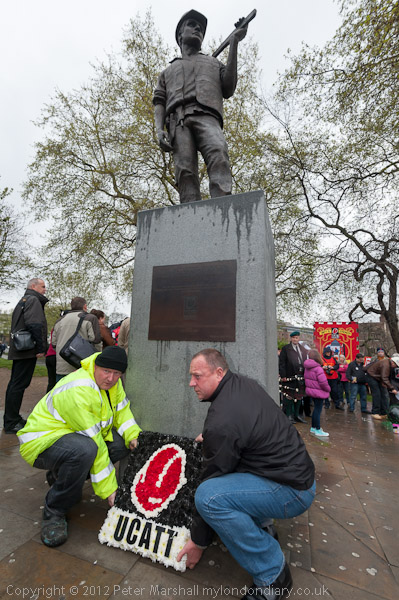
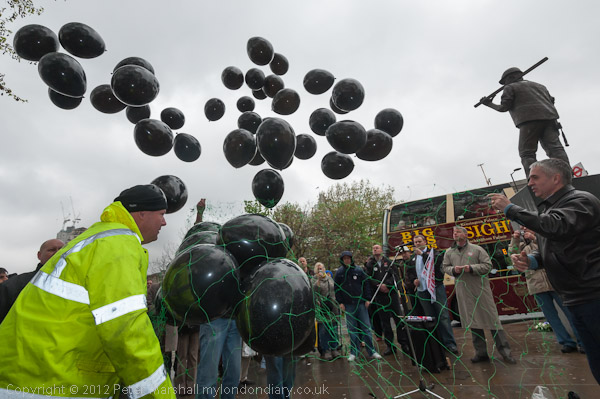
Around a hundred trade unionists and pensioners met at the statue of the Building Worker at Tower Hill on Workers Memorial Day to remember those killed and maimed at work, laying wreaths and releasing black balloons.
According to official figures 20,000 people in the UK die every year as a result of their work though campaigners believe the true figure is at least double this. At least 1.9 million people of working age are living with injuries caused or made worse by their jobs and many of these are in the numbers Rishi Sunak complains about as being economically inactive and the Tories want to force back into work.
The UK has a poor safety record for workers, 20th out of 34 in the OECD industrialised countries and governments have contributed to this by cutting workplace safety inspections dramatically. They respond to lobbying by employers to “cut red tape” which has meant a lowering of safety for workers – and for others including those killed by the Grenfell fire where the local authority was allowed to avoid proper fire safety inspections.
Workers Memorial Day began in Canada in 1988 and was recognised by the TUC in 1999 and the Health and Safety Executive in 2000. The UN adopted it as the World Day for Safety and Health at Work in 2002. Its message is “Remember the dead – Fight for the living.”
This year, 2024, the theme for International Workers Memorial Day is the Climate Crisis and Workers’ Health, exploring the impacts of climate change on occupational safety and health. Events are taking place across the world, and in London in Waltham Forest, Barking and Stratford today, Sunday 28th April and tomorrow, Monday 29th April in Old Palace Yard, Westminster at 1-2pm.
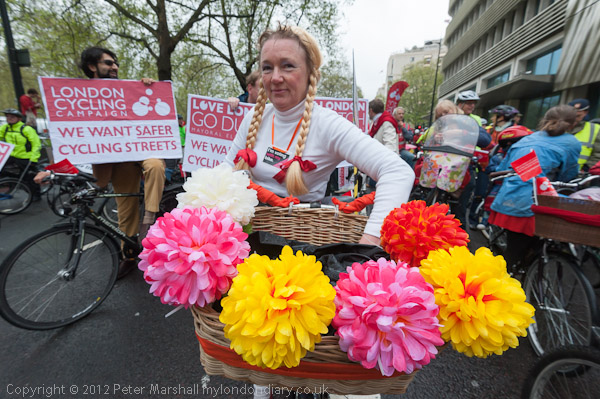
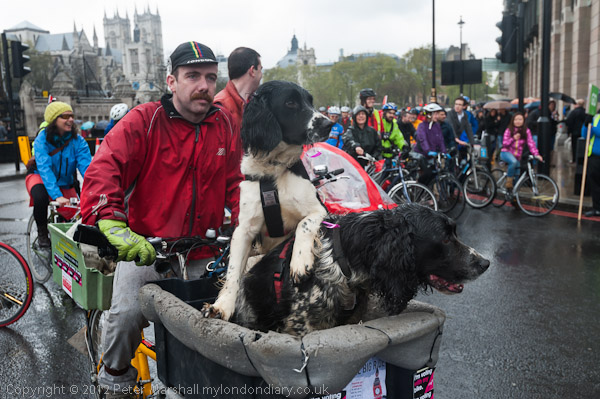
This was a huge family-friendly ride for cyclists, with and estimated 10,000 riders taking part, calling on the next London mayor to show their commitment to making London’s streets safer and healthier by encouraging walking and cycling.
All three main candidates have signed up to select three high-profile locations for Dutch-style cycling infrastructure, which encourages cycling and walking although I only saw one of them, the Green Party’s Jenny Jones, actually taking part in the ride.
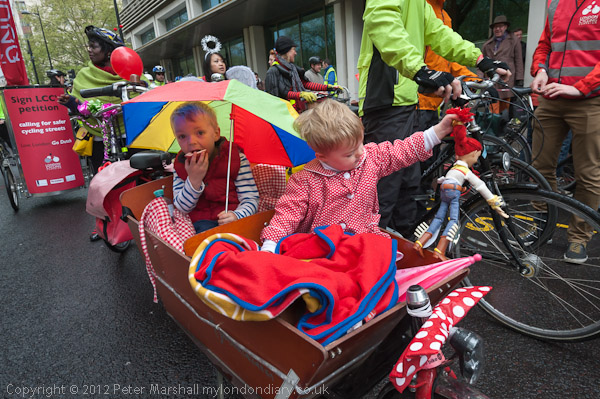
Many of those taking part dressed up for the event and there were some weird and wonderful machines taking part. For many it was a family day out and there were some very young participants both in trailers and on various small bicycles among the crowd.
Support For Palestinian Hunger Strike – Downing St
This was an emergency protest called at the last minute to support the over 1200 Palestinian prisoners in Israeli jails on hunger strike against administrative detention and other issues.
Among those held in Israeli jails in 2012 were 27 Palestinian MPs, 8 women and 138 children. Around 320 of them are in administrative detention, held without any charge or trial, and their numbers had risen considerably in the previous 18 months.
Hunger strikers are being punished by the Israeli Prison Service (IPS) who have confiscated personal belongings, transferred some to other prisons, put some in solitary confinement and denied them visits from family members and lawyers.
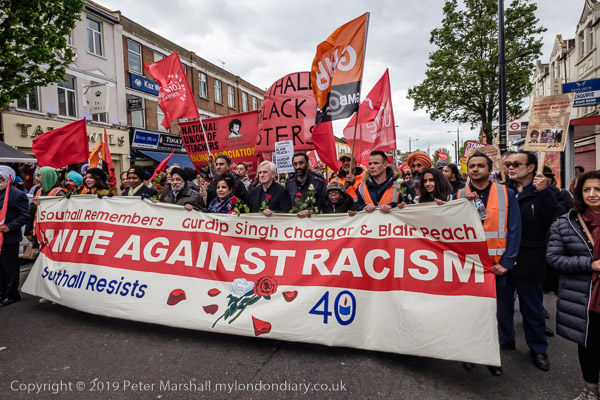
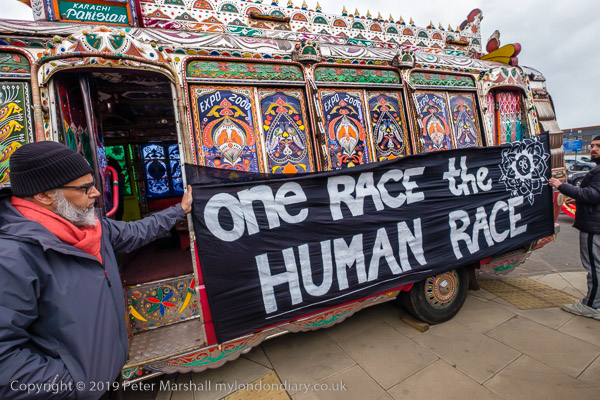
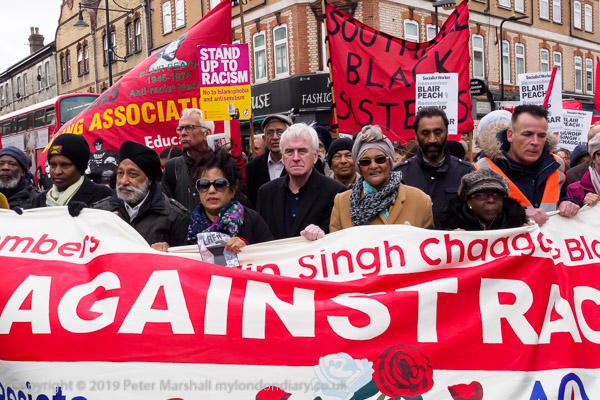
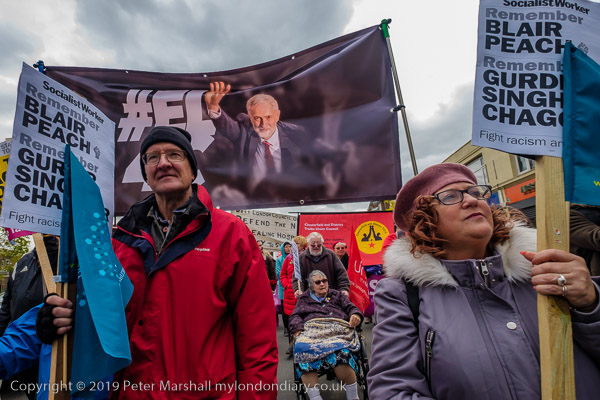
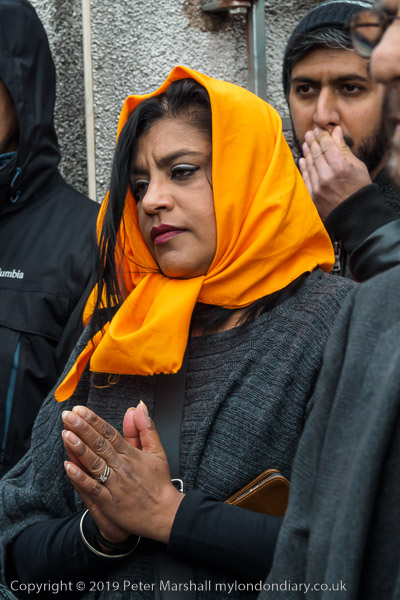
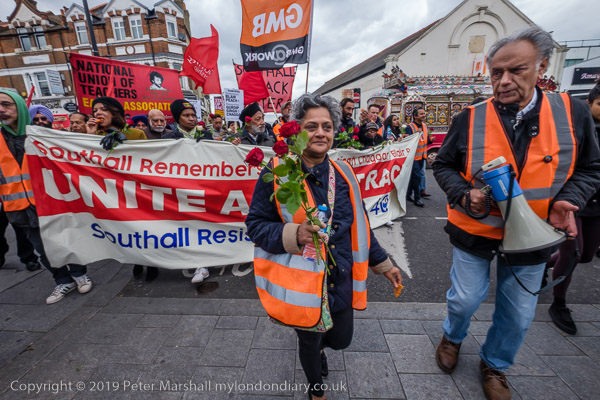
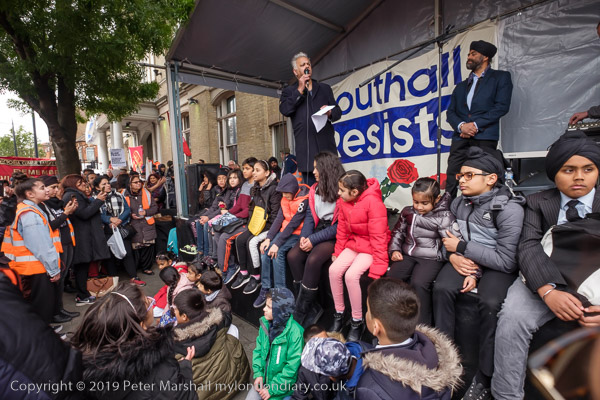
Southall Rally For Unity Against Racism – On Saturday 27th April 2019 I joined with several thousand others to march through Southall, a town ten miles west of Central London callling for unity against racism. The date marked 40 years after the racist murder of New Zealand born East London teacher Blair Peach on St George’s Day, April 23rd 1979, 40 years before.
Peach had come to Southall with many others to protest against a National Front rally being held at Southall Town Hall, the venue chosen deliberately to inflame racial tensions in the area which had become the centre of a large Punjabi community, attracted by work in local factories and nearby Heathrow airport. Well over half of Southall’s roughly 70,000 inhabitants were of Asian origin and two thirds of the children were non-white.
I’d grown up in the local area though we didn’t go to Southall much as the bus route there was probably the least reliable in London, though I occasionally cycled there to watch the steam trains thundering through on the Great Western main line. My older sister taught at a school in the area and we had seen the population change over the years; our Irish neighbours were replaced by Indians and we got on well with both. The new immigrants to the area were hard working, revitalised many local businesses and generally improved the area, making it a more interesting and exciting place to live.
I wasn’t there in 1979 when Blair Peach was murdered, but the accounts published of the event were horrific, with several thousand police apparently running amok trying to disperse the protesters who fought back. Members of the specialist Special Patrol Group were reported by eye-witnesses as hitting everybody down Beachcroft Avenue where Peach and his companions had gone thinking wrongly it would enable them to leave the area. Wikipedia has a long article, The Death of Blair Peach.
Peach was badly injured by a severe blow to the head, almost certainly by an officer using wielding “not a police truncheon, but a “rubber ‘cosh’ or hosepipe filled with lead shot, or some like weapon“, and died a few hours later in hospital. Police in the squad which killed him made great attempts to avoid detection, one shaving off his moustache and another refusing to take part in identity parades; some uniforms were dry-cleaned before being offered for inspection and others withheld, and various attempts were made by police to obstruct justice and prevent the subsequent inquest establishing the truth.
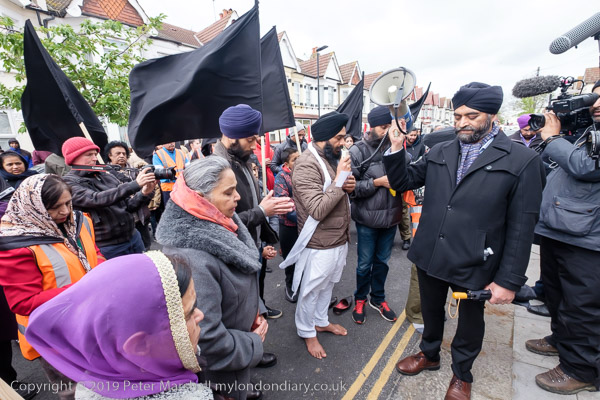
Peach’s was not the only racist murder in Southall. Three years earlier Gurdip Singh Chaggar, an 18-year old Sikh student had been murdered by racist skinheads in June 1976 shortly after he left the Dominion Cinema, and the marchers gathered in a parking area close to there. His family had requested that the event begin with a karate display there, after which the march set off, halting for a minute’s silence on the street outside the cinema where Chaggar was murdered.
From there we marched to the Ramgarhia Sabha Gurdwara in Oswald Road which Chaggar and his family attended and prayers were said outside before the march moved on.
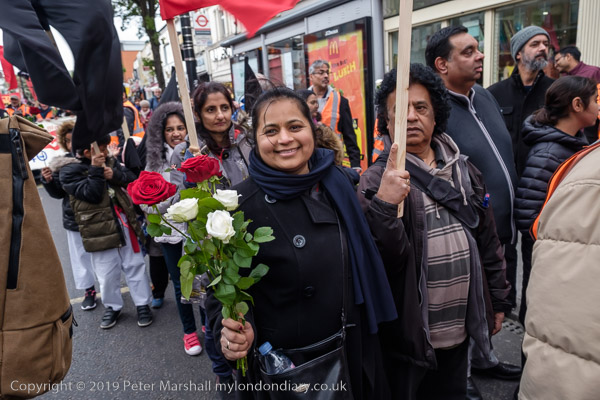
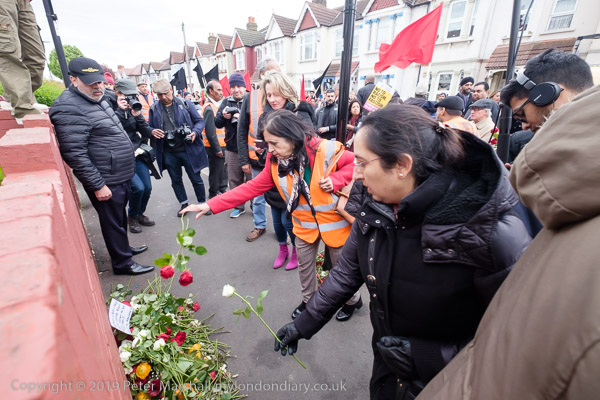
As we walked along the Broadway, red and white roses were handed out to the marchers, and the march turned off down Beechcroft Road to the corner of Orchard Ave, where they were laid at the spot where Blair Peach was murdered by an officer of the police Special Patrol Group.
The march moved on to Southall Town Hall on the corner of High Street and Lady Margaret Road. Blue plaques were put up here in 2019 honouring the deaths of Blair Peach and Gurdip Singh Chaggar, with a third in tribute to Southall’s prominent reggae band, Misty ‘n Roots. These plaques were stolen in June 2020, but were replaced the following year.
Speakers at the rally there included a number of people who had been there when the police rioted 40 years ago, as well as John McDonnell MP, Pragna Patel who was inspired by the event to form Southall Black Sisters, trade unionists, Anti Nazi league founder Paul Holborow, and local councillor Jaskiran Chohan. Notable by his absence was the local Labour MP.
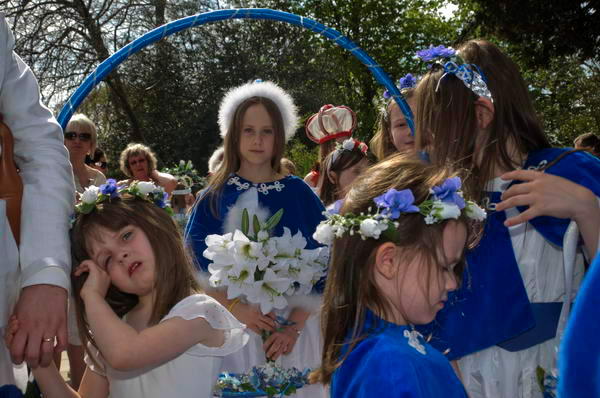
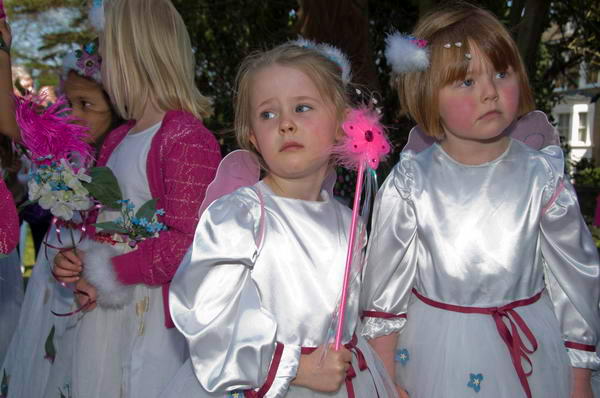
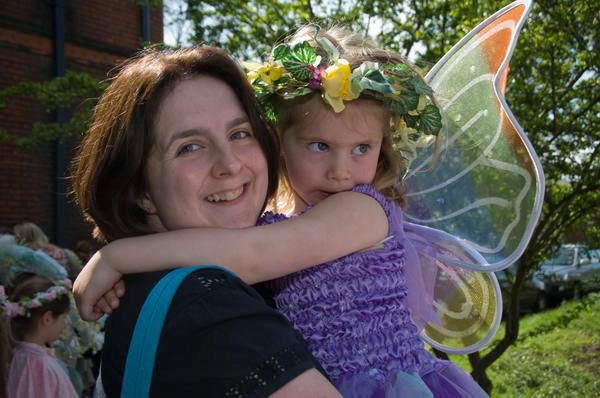
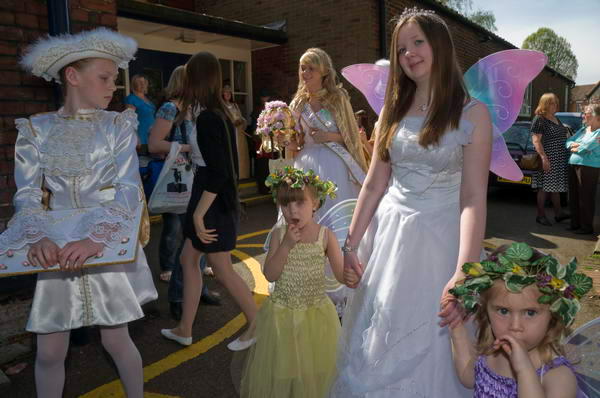
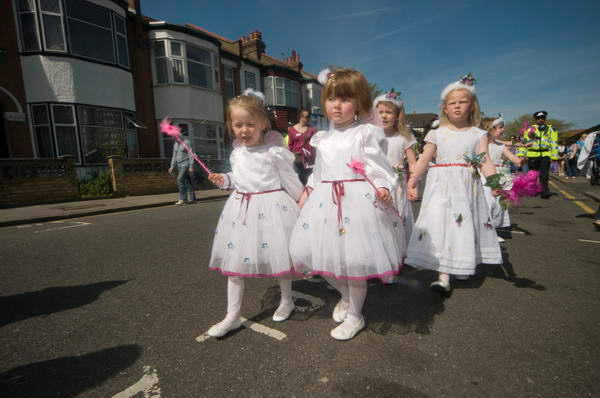
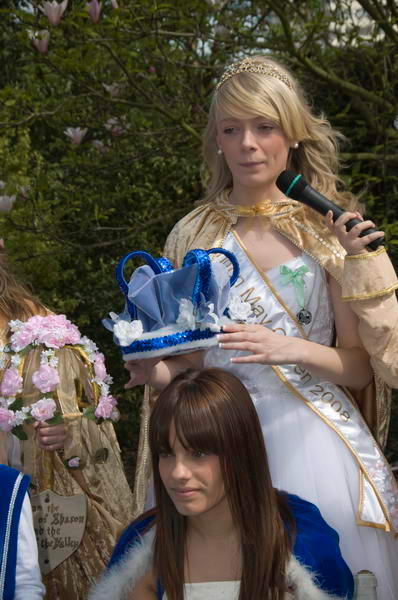
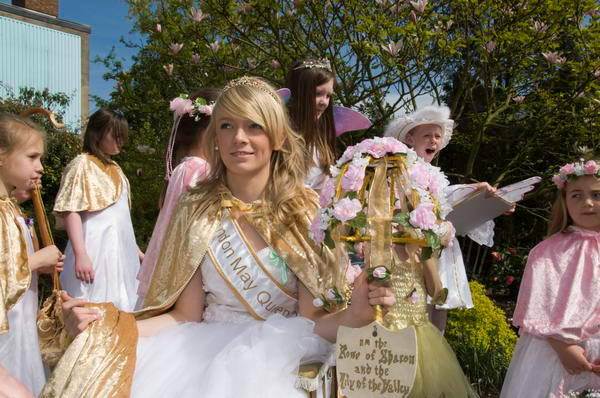
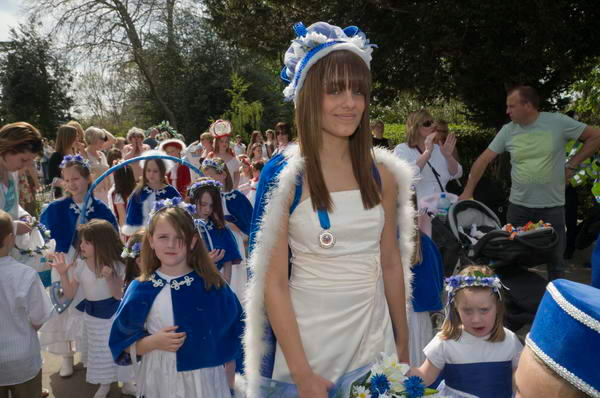
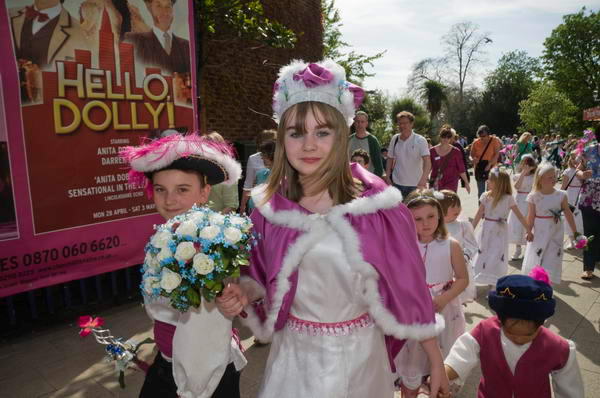
Bromley May Queens Crowning – On Saturday 19th April I went to Bromley to photograph the crowning ceremony of the May Queens from Bromley Common and Shortlands in an event also attended by May Queen groups from West Wickham, Hayes, Hayes Village and Hayes Common. This is the largest of the May Queen events before the annual crowning of the London May Queen in May.
Although in recent years my photography has largely been around protests, with the occasional walk thrown in, back in the first decade of this century I was also photographing a wide range of cultural events in London, including a number of religious festivals and other celebrations. And one of the lengthier projects I engaged in was on May Queen festivals in London.
Although I’d grown up in London and lived near it for most of my adult life (and still do) I had never come across May Queen festivals, though perhaps I may have seen some of the old newsreels from pre-war days I thought they were a thing of the past.
In a post written earlier in April 2008 I described how I came to find out more and to start a project which led to me finding out more and starting a project on them in 2005:
It was the work of Tony Ray-Jones that first attracted me to May Queens, with his posthumous ‘A Day Off’, published in 1974 containing half a dozen of his pictures from May Queen festivals (though only four really connected with May Queens.) One of these – certainly the least interesting image – showed around 30 young women in three rows in front of a maypole, all wearing crowns. Despite the misleading caption, ‘May Queen Gathering, Sittingbourne, 1968’, in a later publication it was identified correctly as a picture of the annual London May Queen festival at Hayes, Kent.
Although I didn’t think it one of his better pictures it struck me as an interesting event, and even more so when I went to photograph it in 2005, and started to look up a little of its history.
Eventually I had enough pictures to publish a book, and had been promised an exhibition at a major museum – though this never materialised. The book, London May Queens ISBN: 978-1-909363-06-9 is still available from Blurb, either as an expensive print version or as a PDF, and the work has also been featured on other web sites including Lensculture.
Here is the Blurb blurb: “2012 saw the crowning of the London’s 100th May Queen. The first Merrie England and London May Queen festival was held in 1913 and it has continued every year since. In the 1920s and 30s it was a major event, covered by cinema newsreels and competitions in daily newspapers, but now it is known to few outside the over 20 local realms that take part in the annual event. The 72 pictures in this work give a unique insight into this community event.“
It’s worth going to the Blurb link to see the extensive preview of the work, which includes all of the text of the book as well as many of my favourite images from the project.
Girls generally join their local May Queen group at an early age and progress through the various roles in the group as they get older – and if they stay long enough become their group May Queen, after which they can join the London May Queen group and similarly progress to become London May Queen. As well as practising for the festival events the groups also have other activities – and teas etc.
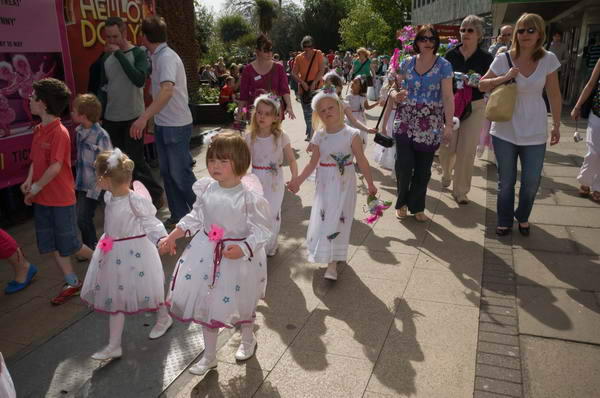
The Bromley area May Queens Crowning is one of the larger events in the May Queen Season, with a number of local May Queen groups processing through the centre of Bromley to Church House Gardens next to the Churchill Theatre where some of the May Queens were crowned. The previous week I’d been to another event where three of them had previously been crowned and the following week there was another crowning festival in Beckenham a week before the final crowning of the London May Queen at Hayes.
At the end of the ceremony the girls process back to a church hall for a tea, but I was too tired to go with them and felt in need of something stronger.