Workfare, Methodists & Grow Heathrow – 2012

Workfare, Methodists & Grow Heathrow: Saturday 8th September 2012 was another day of travelling around London, with protests against forced unpaid work for benefit claimants in Camden and Brixton, Ghanaian Methodists celebrating at Victoria and then an open day at Grow Heathrow in Sipson from where a couple of buses took me home.


Day of Action Against Workfare – Camden & Brixton
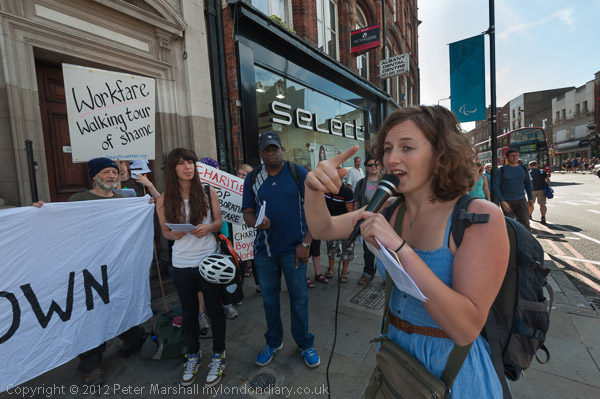
Boycott Workfare held a UK day of action targeted against charities and shops that take part in the government scheme of forced unpaid work which treats the unemployed as criminals. They also celebrated companies and charities that have withdrawn from the scheme.
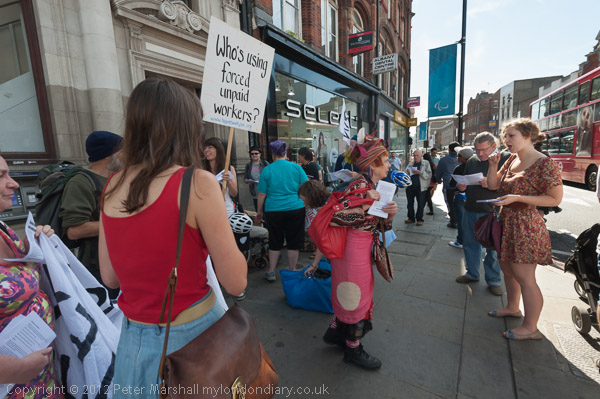
Although the scheme is described as voluntary those who refuse to take part or or whose participation is judged unsatisfactory face the loss of some or all of their benefits. Under harsh government targets the number of claimants being sanctioned had increased threefold over two years and in 2012 there were over half a million under sanctions. It’s work for nothing or lose your benefits.
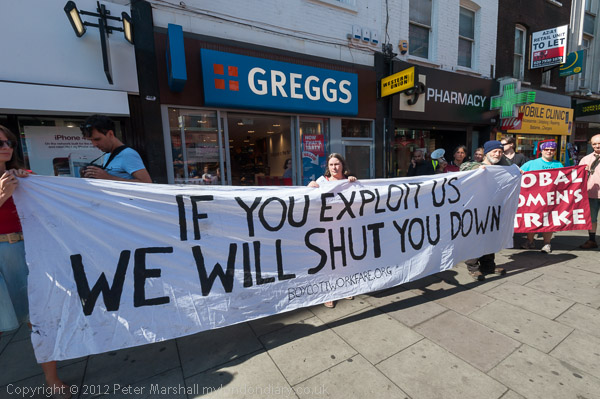
As Boycott Workfare pointed out, the four week Mandatory Work Activity scheme is the equivalent of a medium level community service order – such as might be given to someone found guilty of assault or drunken driving. And while the longest community service order a judge can give is for 300 hours, under some workfare schemes claimants are being forced to work without pay for 780 hours.
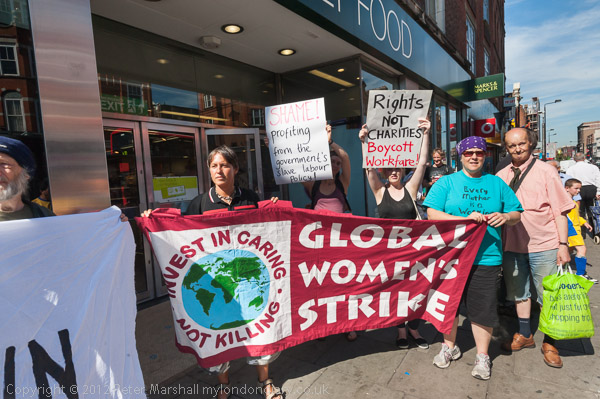
Many claimants unable to find paid work do find useful unpaid community activities they can volunteer for – and then are forced to give these up by workfare schemes.
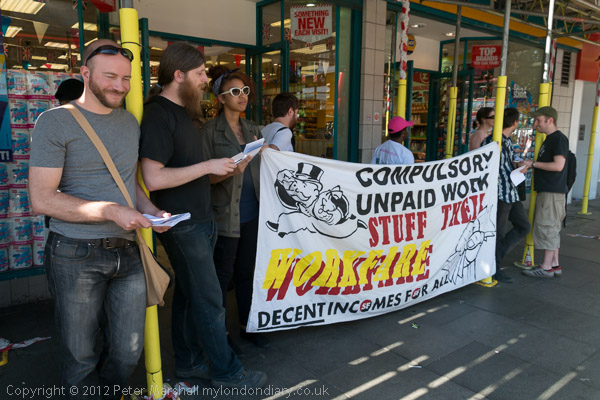
These schemes are supposed to provide work experience than can then lead to actual jobs, but many companies in the schemes use them simply as a source of free labour – which then then be replaced by new free workers when they come to and end of their period. Often there is no possibility of people on the schemes moving into paid work.
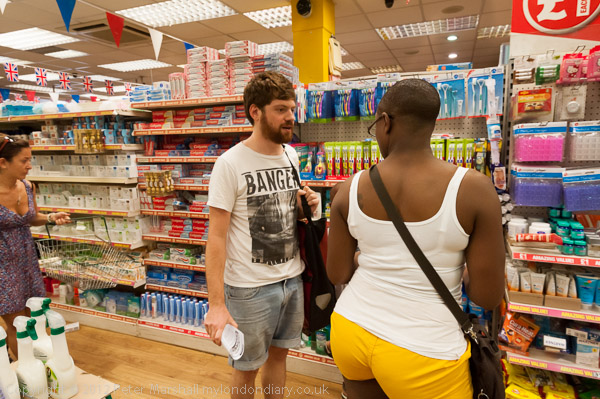
Among well known shops and charities making use of this unpaid labour in 2012 were Boots, Argos, Scope, Cancer Research UK, Poundland and British Heart Foundation, and the protests took place in front of a number of their shops. In Brixton protesters handed out leaflets inside Poundland.
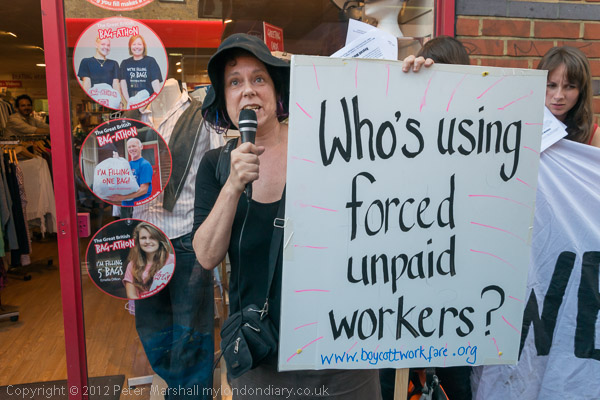
Protests against workfare had already had some effect with groups including Burger King, Oxfam, Waterstones, Shelter, 99p Stores, Pizza Hut and Sainsbury’s pulling out from the scheme.

More on My London Diary at Day of Action Against Workfare.


Ghanaian Methodists Celebrate 10 Years – Westminster Cathedral
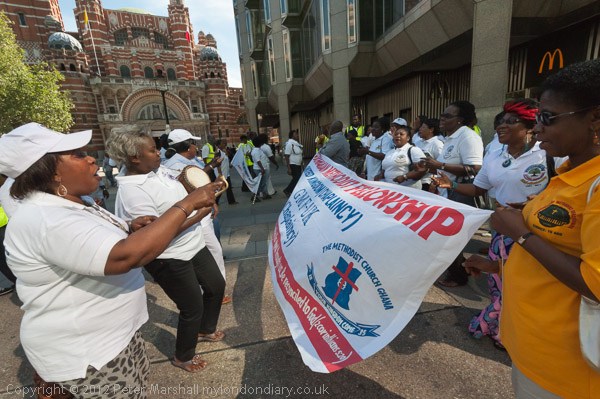
Celebrations of 10 years of the Ghanaian Methodist Fellowship UK and its 16 churches were to end in a thanksgiving service the following day. On Saturday the met at Westminster Catholic Cathedral and then danced away down Victoria Street towards Methodist Central Hall.
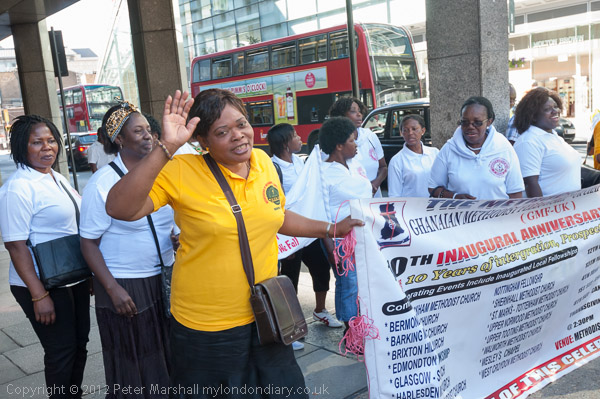
Methodism in the UK tends to be worthy and rather rather less exuberant, though with loud singing of hymns and much drinking of tea. There was a very different atmosphere at these dancing celebrations.

More pictures Ghanaian Methodists Celebrate.


Grow Heathrow Open Day – Sipson
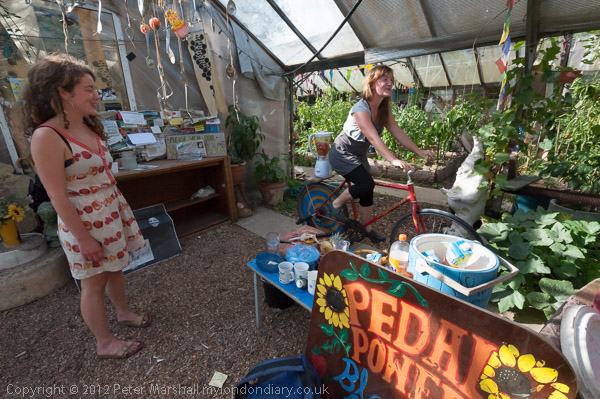
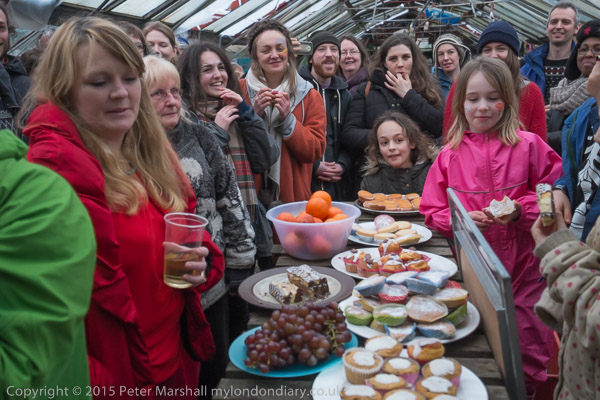
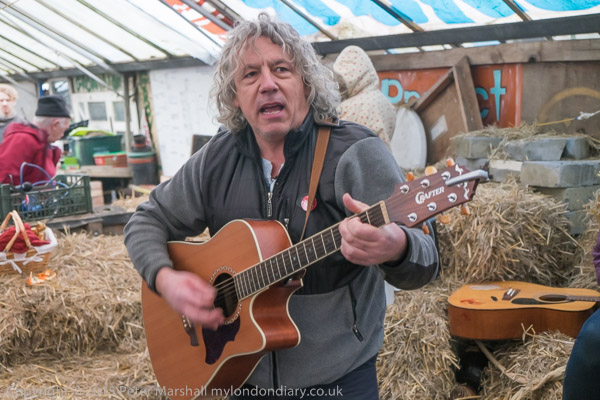
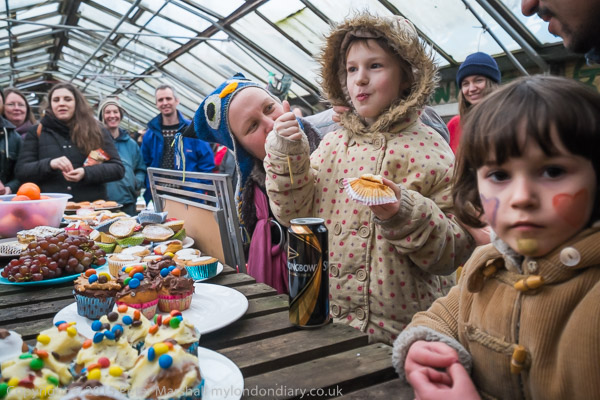
A journey to the end of the Piccadilly line and a short bus ride took me to Sipson where over two years ago Transition Heathrow moved onto the local eyesore and dumping ground of the former Berkeley Nursery site. This was an open day for their Grow Heathrow project.
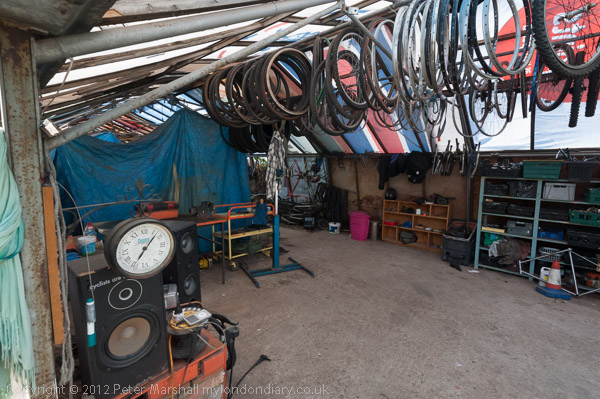
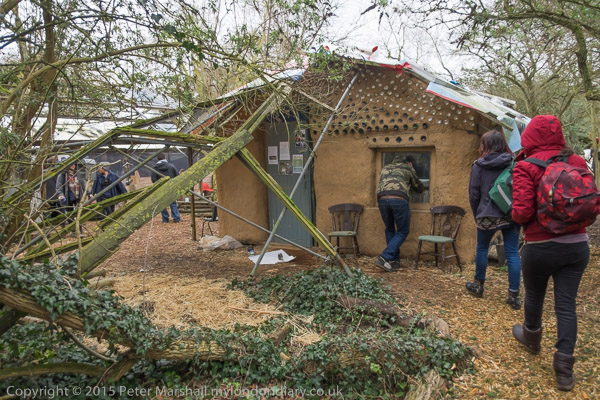
People had moved onto the site to fight against plans for a third runway at Heathrow, but realised the potential of the site to create a productive alternative off-grid home that would become a creative hub for the area.
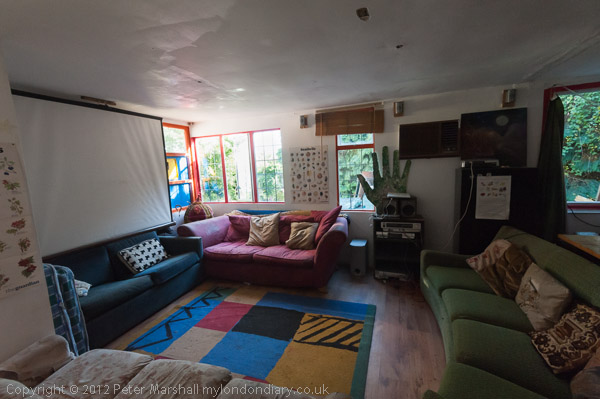
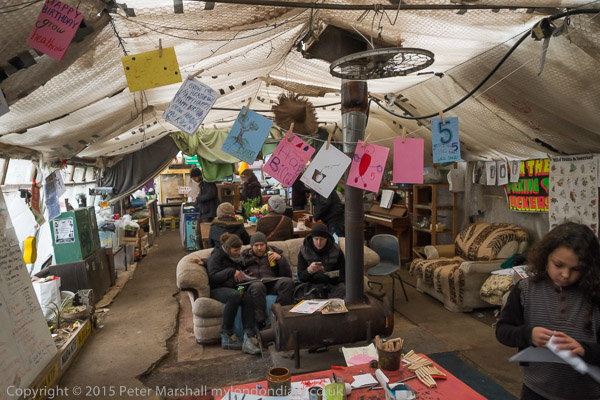
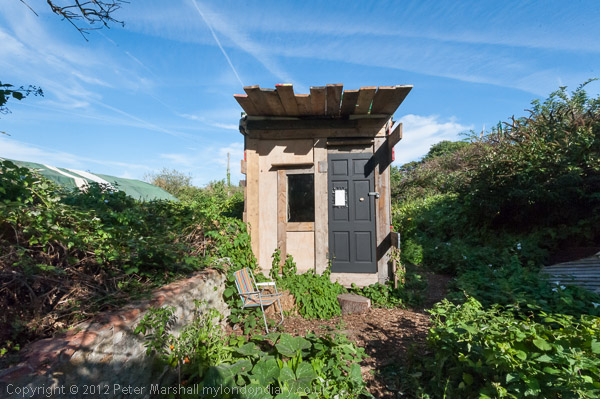
They started by clearing the rubbish and getting the local council to take away around 30 tons of it, but much of the material on site was a valuable resource that with a great deal of ingenuity they recycled for there own uses. Many built there own small temporary houses in the wilder areas of the site, though some were still then living in tents. And patched up part-ruined greenhouses and a couple of cabins on the site became communal spaces including a comfortable sitting area, a library and a vistor’s room.
Their activities gained a great deal of support from the local residents and when the site owners gained permission to evict them they were granted leave to appeal on human rights grounds with the judge describing the site as as “much loved and well used” by the local community. The site was open to them and other visitors weekdays from 10am – 6pm and on Sunday afternoons.
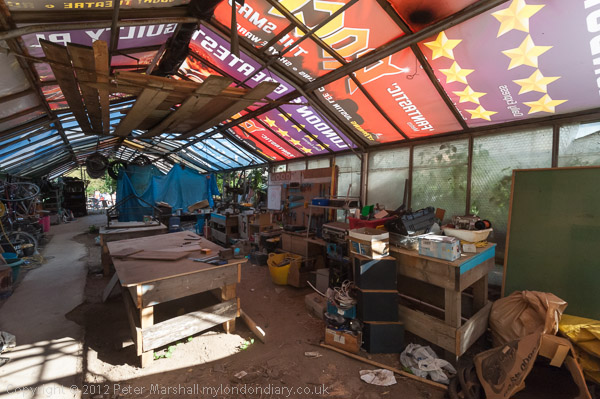
There are regular events every week open to anyone, including bicycle workshops, art workshops and gardening, and some of the results were impressive. Were it just a little closer to my home I’d be tempted to come here more often, but although it might be a pleasant place in Summer I think I would miss the comforts of my own home rather too much in winter. The wood-burning shower did look rather draughty even if the water was very hot.
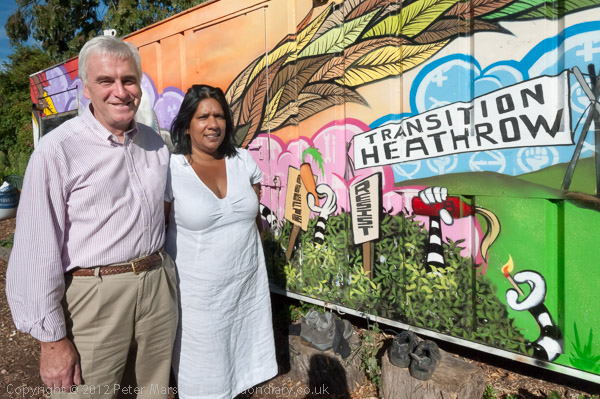
Among firm supporters of Grow Heathrow was local MP John McDonnell who stated “This inspirational project has not only dramatically improved this derelict site but it has lifted the morale of the whole local community in the campaign against the third runway and in planning a sustainable future for our area. We cannot lose this initiative and I will do all I can to enable it to continue.”
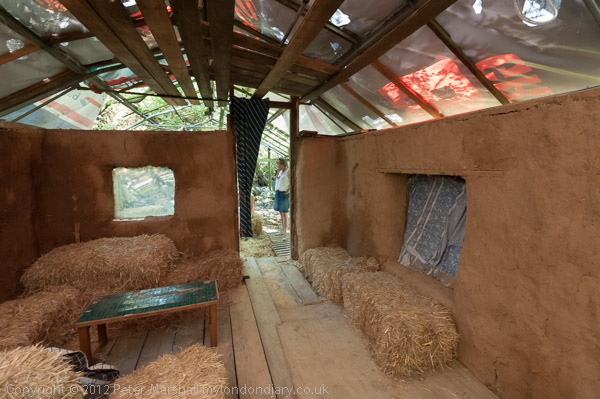
And continue it did for some years, surviving a number of legal challenges. Half of the site was reclaimed by bailiffs in 2019, but the final eviction only came in March 2021.

More at Grow Heathrow Open Day.

Harmondsworth – A Middlesex Village

Harmondsworth – A Middlesex Village

Harmondsworth - A Middlesex Village

Going back to Harmondsworth feels very much like going back to my childhood as I grew up only a few miles away and lived for years on a bicycle cycling out from Hounslow and along country lanes through villages like this on the edges of London, before the M25 and M4 chopped up the country around here and the growing airport at Heathrow produced both sprawling new housing estates and a huge increase in traffic in the area.

Harmondsworth - A Middlesex Village

From 2003 to 2009 I took part in the protests against the plans to build another huge runway for Heathrow, which now only uses two though it was built with more on its existing site. The shorter runways were abandoned partly because planes grew larger. I was very pleased when one closed as on the few days a year when there were strong cross-winds it brought planes at low heights over my current home a couple of miles away, sometimes low enough to shake the whole building. I think building Terminal 4 which opened in 1986 put an end to its use.

Harmondsworth - A Middlesex Village
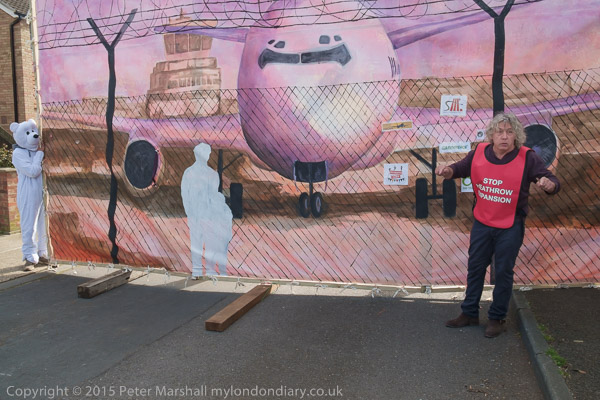
A mural across where the airport would end

We celebrated in 2009 when plans for a third runway were dropped, but the lobbyists for Heathrow expansion didn’t take no for an answer and persuaded the coalition government to set up the Davis Commission to put the plans back on the table again. The protest in Harmondsworth on Sunday 12th April 2015 was before the report came out, but its conclusion was predictable – and the one it had been set up to come to.

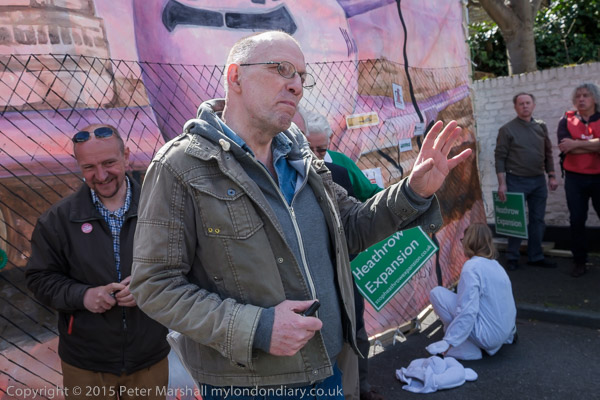
John Stewart of HACAN

Since then and the government’s acceptance of the case it made for expanding Heathrow, the world has changed, or at least our understanding of the future has. The case for airport expansion has disappeared and we now know that we have to have rapid decarbonisation of the economy to survive. Instead of looking forward to exponential growth we need to find ways to stabilise and reduce demand and aviation is one of the most climate-damaging sectors.

While Davis took as its basis that expansion is necessary to continue growth, it is now clear that expansion would be a disaster. At last I think that message is beginning to get through to our government, though too often it is still thinking in terms of short-term financial benefits to the pockets of its members and their friends.

Harmondsworth - A Middlesex Village

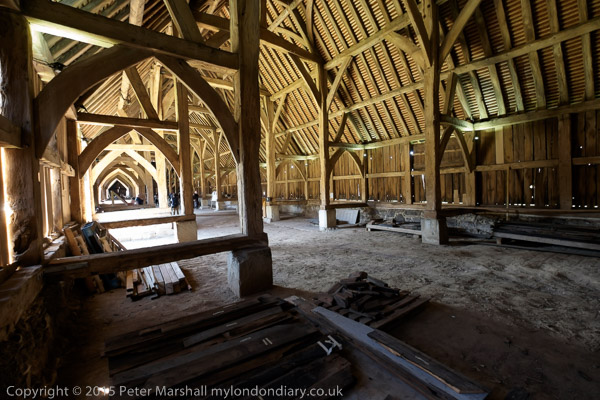
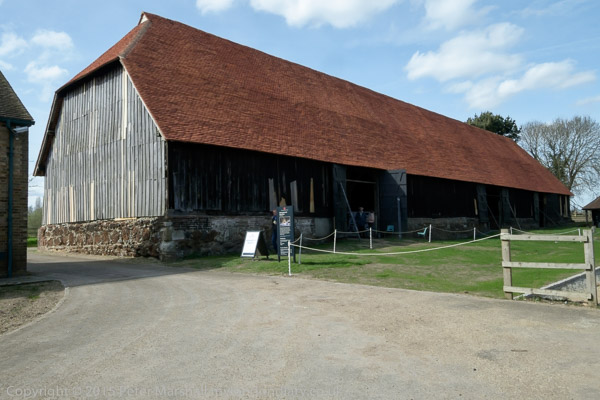
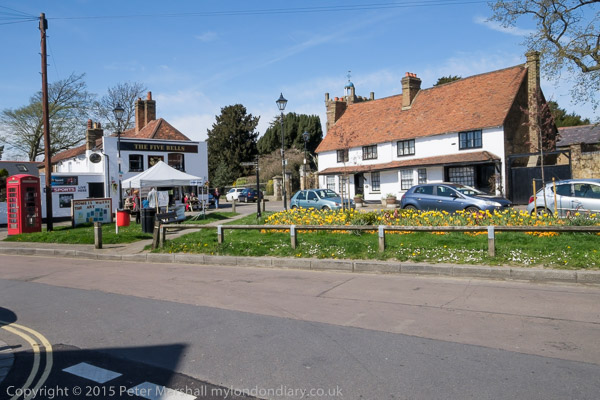
Harmondsworth is still one of the most interesting of the small villages on the fringes of London, with a fine church in its churchyard, and although its village green is a pocket handkerchief compared to many it still has a couple of pubs and some picturesque cottages along its north side. But the real gem of the village is tucked away immediately to the left, its magnificent Grade 1 listed Great Barn, built in 1426 , the largest surviving example all-timber barn which Sir John Betjeman called ‘the Cathedral of Middlesex’.

Harmondsworth - A Middlesex Village

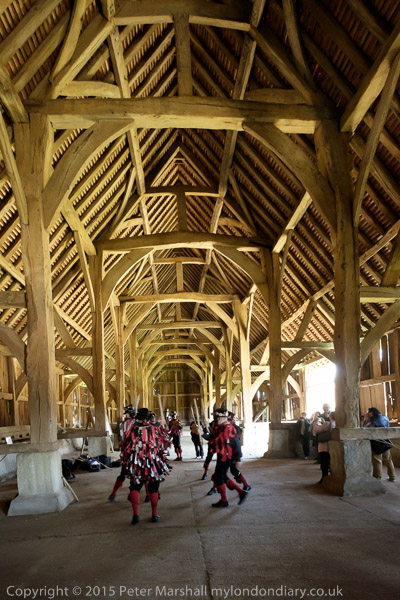
In agricultural use until the 1980s, it was then allowed to decay until a public campaign strongly supported by the local MP John McDonnell persuaded English Heritage to take it over in 2012. They carried out a substantial restoration leading to it being re-opened to the public free of charge on selected days and it is managed by the Friends of the Great Barn at Harmondsworth. My pictures of the barn are not available for any editorial or commercial use.

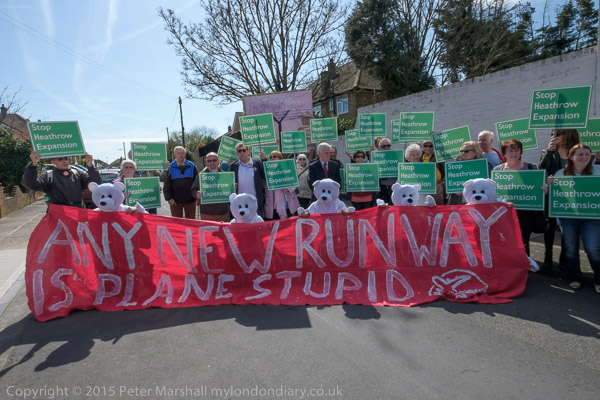
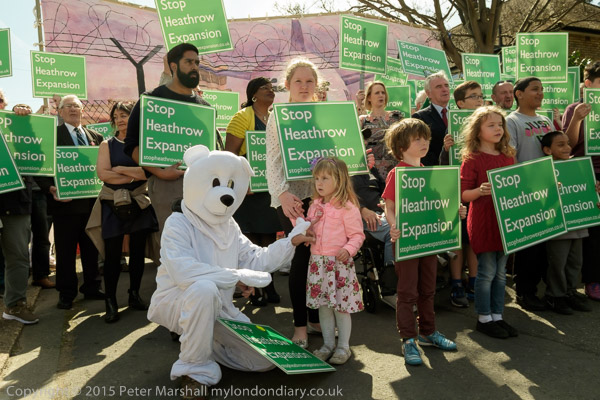
On the 12th April 2015, the Datchet Border Morris were dancing inside the barn and around the village green during the day. The campaign to save the village (again!) was launched with a huge mural and speeches from all but one of the candidates standing for the area in the general election the following month. The Lib-Dem candidate also supported the campaign but had been sent the wrong date for the rally. Also present were campaigner John Stewart of HACAN, and five polar bears who had held a protest a few weeks earlier with the banner ‘Any New Runway Is Plane Stupid‘.

Harmondsworth - A Middlesex Village

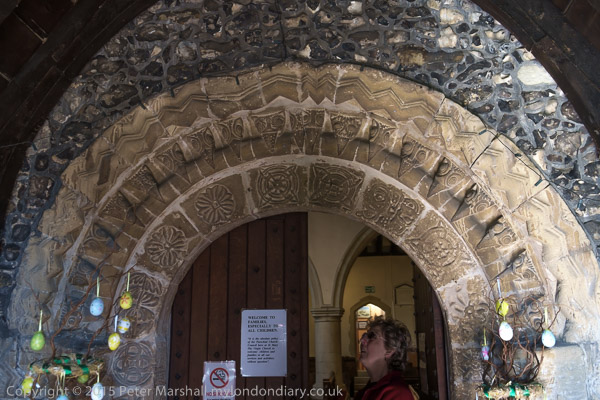
The weather was fine and it was an interesting day – and warm enough for me to sit outside and eat a quick lunch in the garden of the Five Bells, before rushing to photograph the Morris performing again outside The Crown. And before leaving for home I went to take another look around the interior of the parish church, parts of which date from the 12th century.

More at Heathrow Villages fight for survival.


2015: Grow Heathrow at Five

On 28th February 2015, Grow Heathrow, a non-hierarchical free community in an occupied derelict nursery at Sipson, just north of Heathrow Airport celebrated 5 years with open workshops and a party.

It had been set up as a symbol of community resistance to the economic, ecological and democratic crises and to oppose the increasing development of the aviation industry and Heathrow, at a time when local residents, myself included, were protesting against the building of a “third runway” to the north of the current airport.

Local protests had begun back in 2003, and by the time squatters occupied the long-abandoned market garden victory on the specific issue of the new runway seemed more or less assured. Transition Heathrow’s ‘Grow Heathrow’ had longer term and more far reaching goals, hoping to create more sustainable and resilient Heathrow villages after the dropping of the third runway and more widely to build long-term infrastructure and networks to deal with peak oil and the threat of climate change. On their site they set out to demonstrate how we could live differently, ‘off grid’ and with a different and cooperative lifestyle.

I wasn’t particularly closely involved with Grow Heathrow, though I visited the site a number of times for various events, as well as taking part in the local protests and events at the nearby Greenpeace ‘Airplot’, where I was one of the 91,000 of beneficial owners of a very small area of land. It’s an area I knew from my youth, when I often cycled through Sipson ,Harmondsworth, Longford, Horton and Colnbrook.

Grow Heathrow weathered a number of legal battles to stay in occupation, but were evicted from the front half of the site where most of these celebrations took place two years ago at the end of February 2019 after around 9 years of occupation and growth. I’ve not visited since the eviction but so far as I am aware there are still some residents on the back part of the site – which had a different owner, but visits have not been possible since the start of the pandemic.

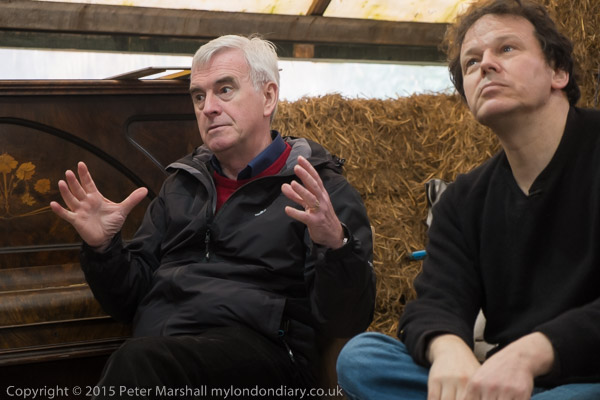
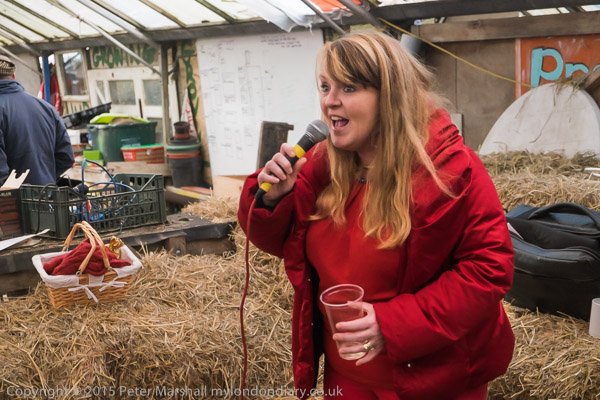
The project was an important one and brought together many people from different backgrounds, including local residents and international visitors, some who stayed for months and years. Among those who came to the 5th birthday party to join the celebrations and speak were local MP John McDonnell, Tristram Stuart, a pioneer of the radical food movement with his 2009 book on food waste, anthropology professor David Graeber and activist Ewa Jasiewicz.

Grow Heathrow was an inspiration to many, though some of us were unable to envisage its rather spartan lifestyle for ourselves there were lessons that could be learnt in particular from its involvement with the wider community. Heathrow expansion is back on the agenda today, though it is hard to believe it will go ahead given the growing realisation of the vital importance of the climate crisis. Aviation as we know it is incompatible with the kind of Green future our government now plays lip-service too – and will need putting into action for civilisation to survive.

Many more pictures at Grow Heathrow’s 5th Birthday.


All photographs on this and my other sites, unless otherwise stated, are taken by and copyright of Peter Marshall, and are available for reproduction or can be bought as prints.


Oct 1 2016: Heathrow Climate Die-in

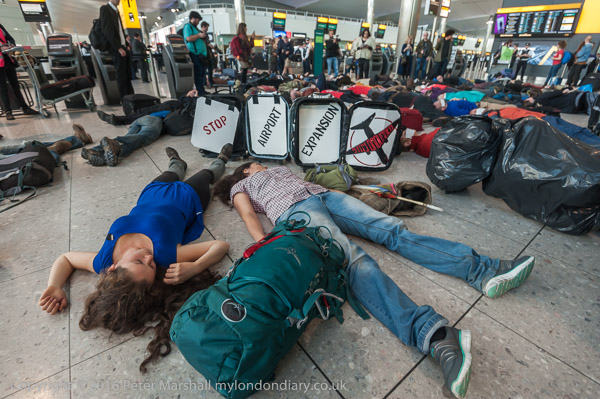
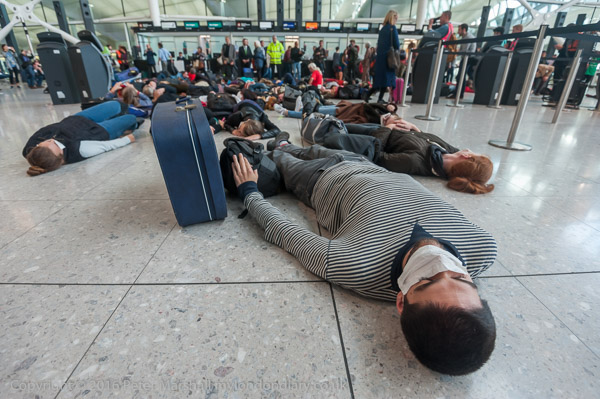
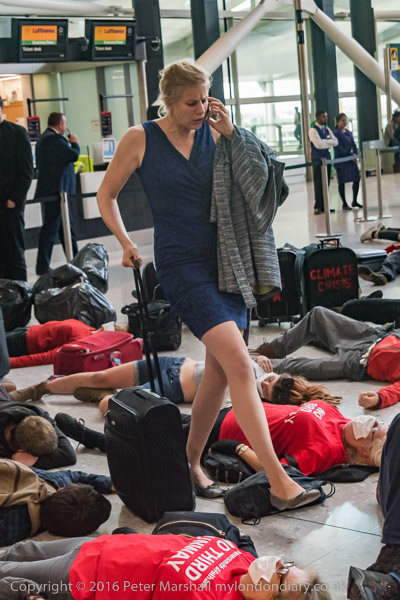
The die-in begins

I’m not a great fan of Prince Charles – or any royalty who I think are all parasites whose ancestors stole the land from the people and are still fleecing us in various ways – but I had to agree with him when a few days ago he called for a ‘Marshall-like plan’ to combat climate change, which he warned will “dwarf” the impact of coronavirus, with potentially devastating consequences. Perhaps he was still rather underplaying the danger we all face, but if he and David Attenborough were ever to come to power we might just see a shift in our establishment and government that could at least alleviate some of the more disastrous effects of global heating.

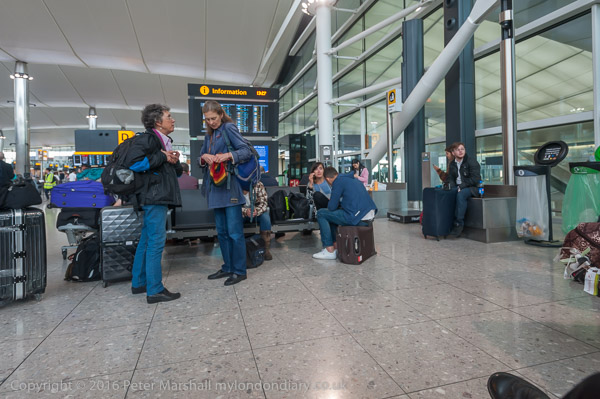
Protesters wait with travellers in the Departures lounge

But I’m not optimistic. Averting catastrophe will require drastic changes in our economic structures and ways of life which will impact the highest polluters most – and that “1%” are those who currently run most of the world to feed their ever-unsatiated greed. The rich are the rich because they have always put themselves first, and have never given up their advantages without a fight – and have always been able to afford the better arms and armies.

One thing that will have to change is aviation. Flights by a relatively small proportion of people make a ridiculous contribution to greenhouse gases – not just by weekend private jet flights to Perugia but much more by ‘frequent fliers’ on regular services. But it isn’t just the emissions from burning fossil fuel in flights, but the huge amounts of energy and materials in making planes and airport infrastructure which present a problem, as well as the effects of global freight leading to deforestation and other environmental problems around the world. Even if hydrogen-fuelled aircraft were to remove most of the pollution problems of actual flights the aviation industry will remain a climate threat.

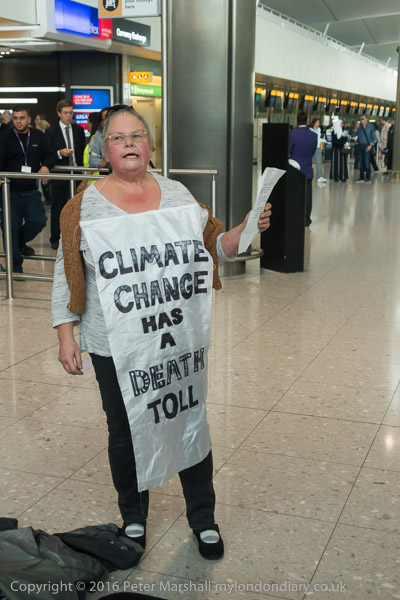
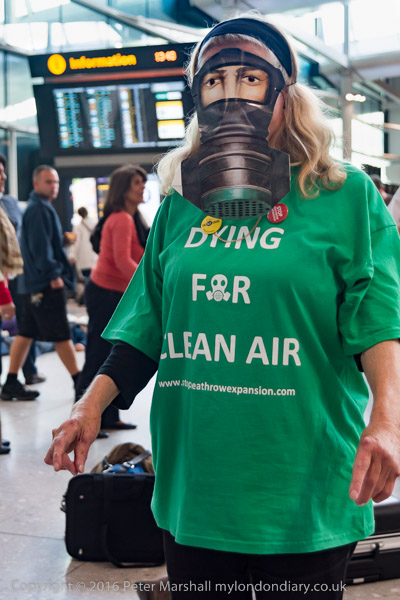
Some had aprons with messages and read out information and there were speeches

Back in 2010 I was with local campaigners celebrating the cancellation of plans to expand Heathrow by building an extra ‘third’ runway. But lobbying by the aviation industry and a deliberately short-sighted ‘Davies Report’ put it back as government policy in 2016, though in 2020 a judicial review ruled that the government’s decision to proceed with building the third runway were unlawful as they had failed to take into account the government’s commitments to combat climate change.

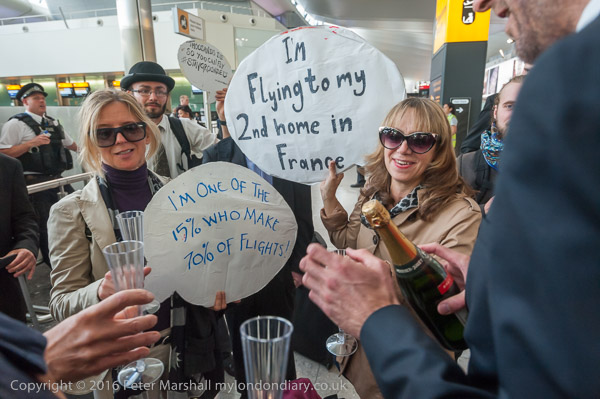
The protest inside Heathrow’s Terminal 2 took place as the government were preparing to back building the third runway again in 2016 and was organised by Reclaim The Power. It was a part of a global wave of resistance to airport expansion on environmental and social grounds, and took the form of a ‘flash mob’ with a well choreographed event, beginning with a die-in over which frequent fliers stepping over their dead bodies and luggage to a champagne fast track check-in desk, followed by songs and dances.’ There were other protests at Gatwick and in Austria, France, Mexico, Turkey and elsewhere.

A protester dressed as a frequent flyer steps through the die-in

I just a just a little nervous anticipation beforehand about photographing the event, which was taking place in a privately owned space, though one open to the public, but airport security made no attempt to stop me or the protesters other than keeping us outside the security zone. I think the organisers had made clear to them that they were not attempting to greatly disrupt the airport and would not be causing any damage.

‘Frequent flyers’ party

Outside the airport where 150 cyclists were protesting things were a little different, with police over-reacting hugely to a relatively minor protest, shutting down roads across a large area for several hours. They turned what would have been hardly noticeable to travellers in the area into a major incident.

Many more pictures from the protest inside Terminal 2 at Heathrow flashmob against airport expansion.