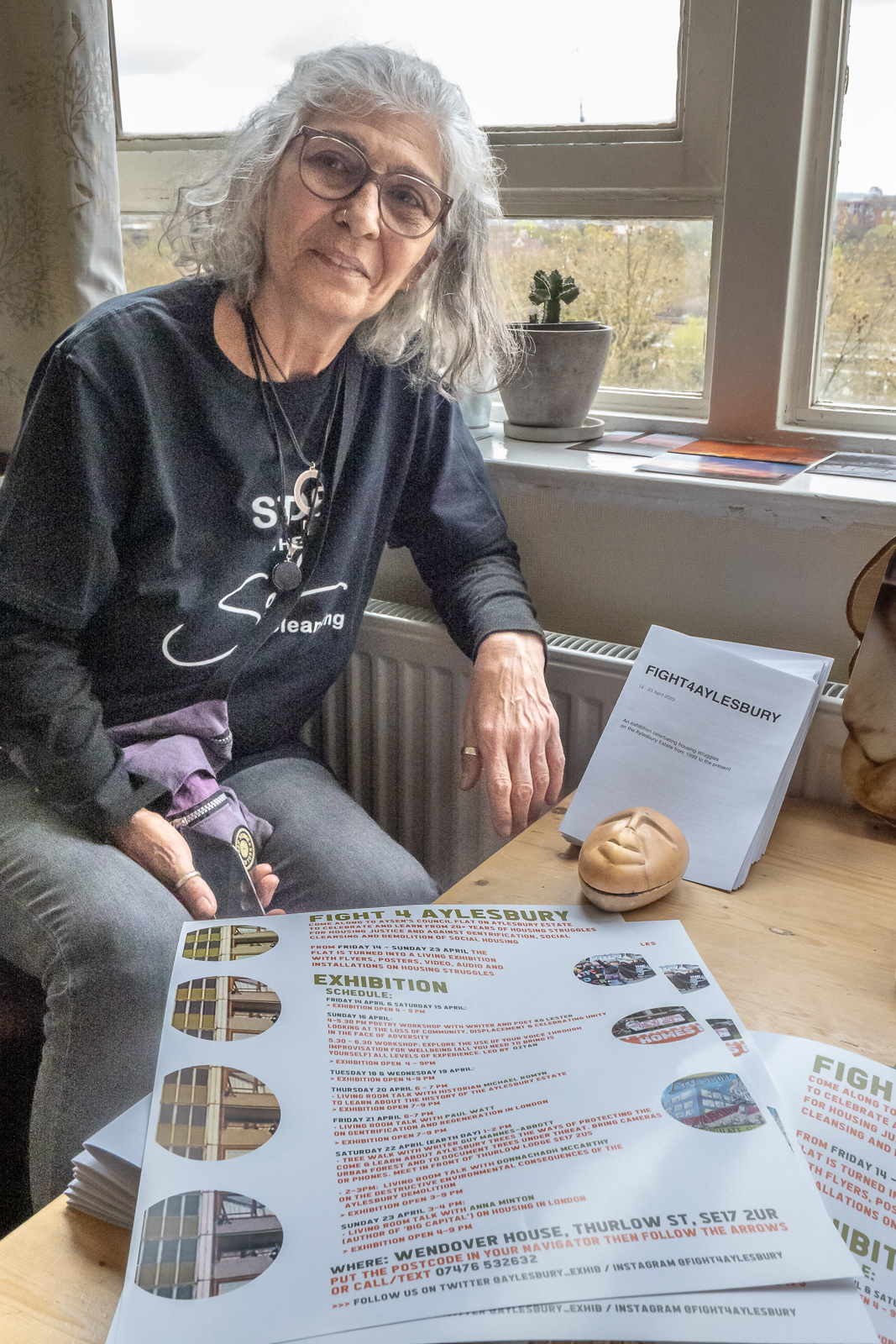
Fight4Aylesbury Exhibition

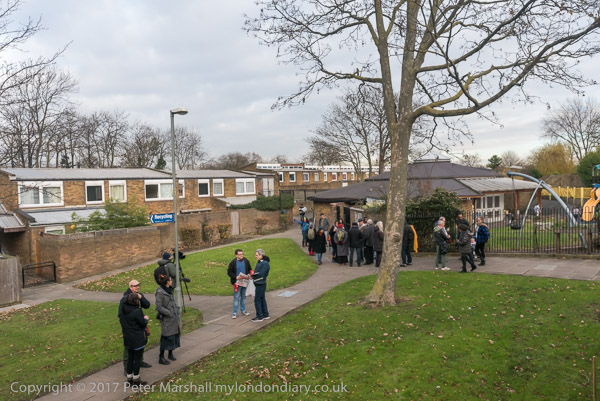
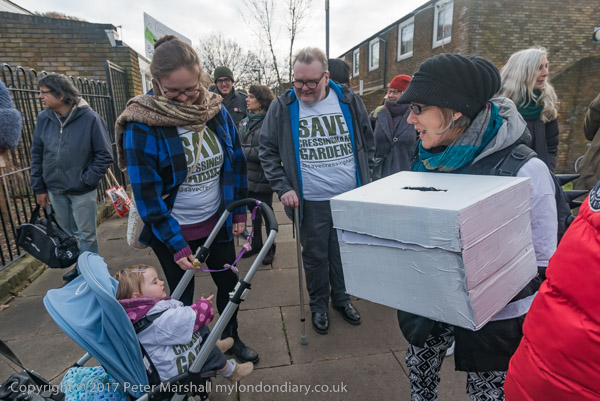
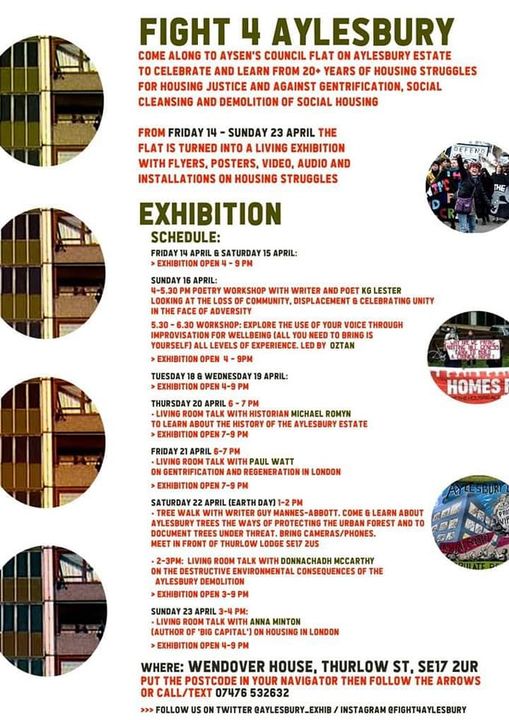
Last Friday I went to the first day of the Fight4Aylesbury exhibition which continues until 23 April 2023. It’s an unusual exhibition and one that is worth visiting if you can get to south London before it ends,

Fight4Aylesbury Exhibition

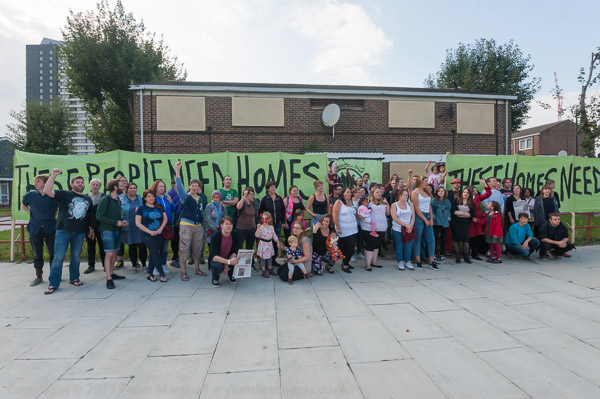
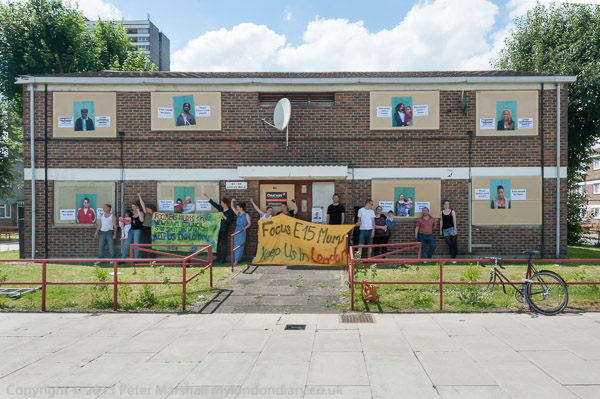
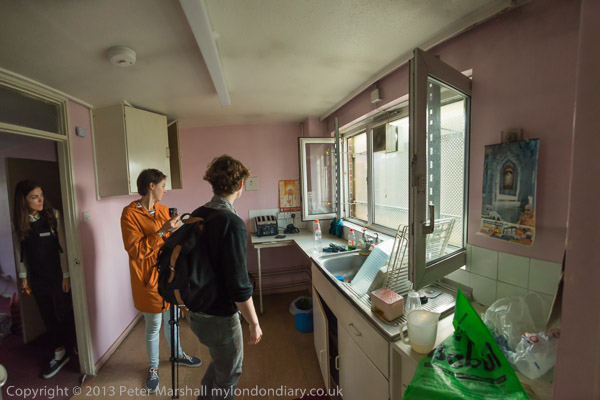
The exibition celebrates the struggle by residents on the Aylesbury Estate in Southwark to stay in their homes since the estate was first threatened in 1999 and takes over the flat of one of those still remaining, Aysen who writes:

Welcome to my home.

I am opening the doors to my flat for a collective clelbration of 20+ years of housing struggles to defend our council homes against social cleansing and gentrification. Our fight is ongoing.

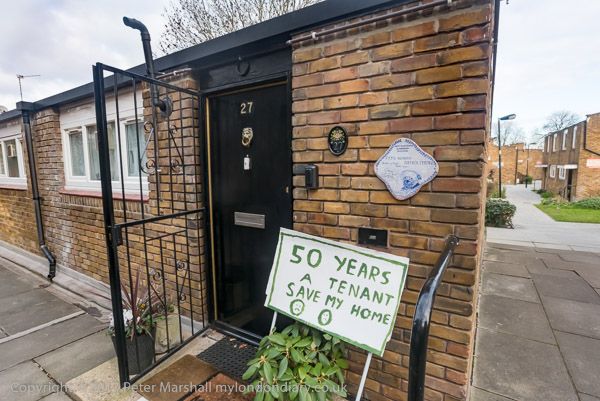
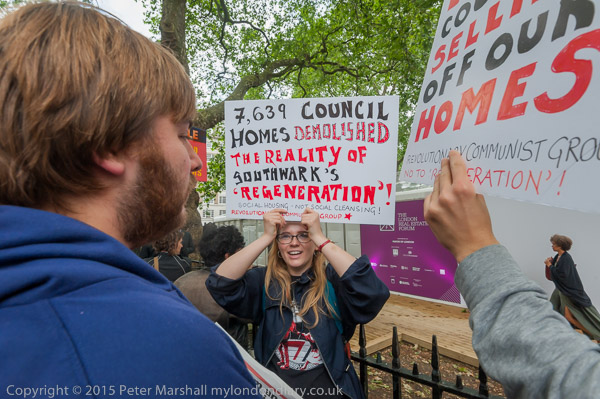
Since 1999 the council has subjected us with privitisation, “re-generation” and now demolition. We, Aylesbury residents, other council tenant all over the country, and our supporters, have been resisting and are still resisting and defending our homes.

My home tells the story of this struggle.

Aysen

Fight4Aylesbury Exhibition

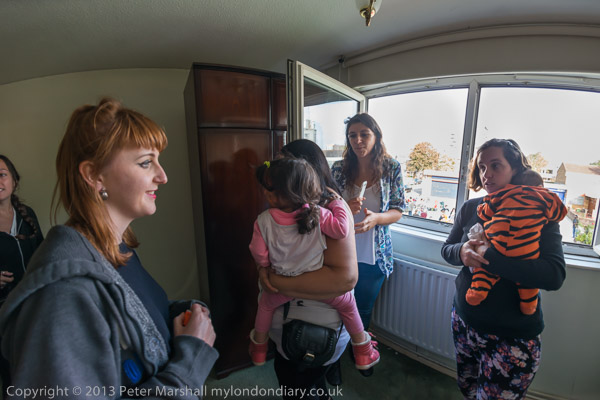
You are invited to Aysen’s council flat on Aylesbury Estate to celebrate 20+ years of housing struggles for housing justice and against gentrification, social cleansing and demolition of social housing. The flat has been transformed into a living exhibition with flyers, posters, video, audio and installations on housing struggles.
Fight4Aylesbury Exhibition
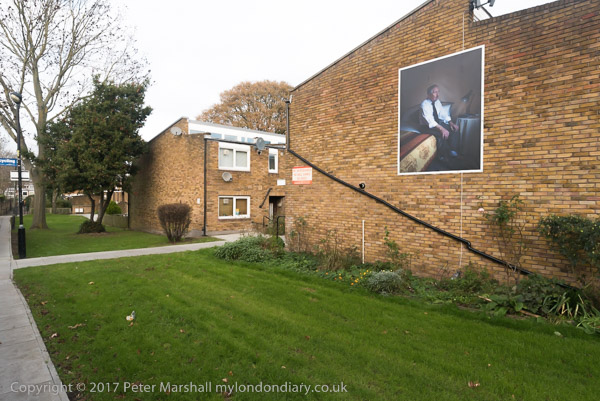
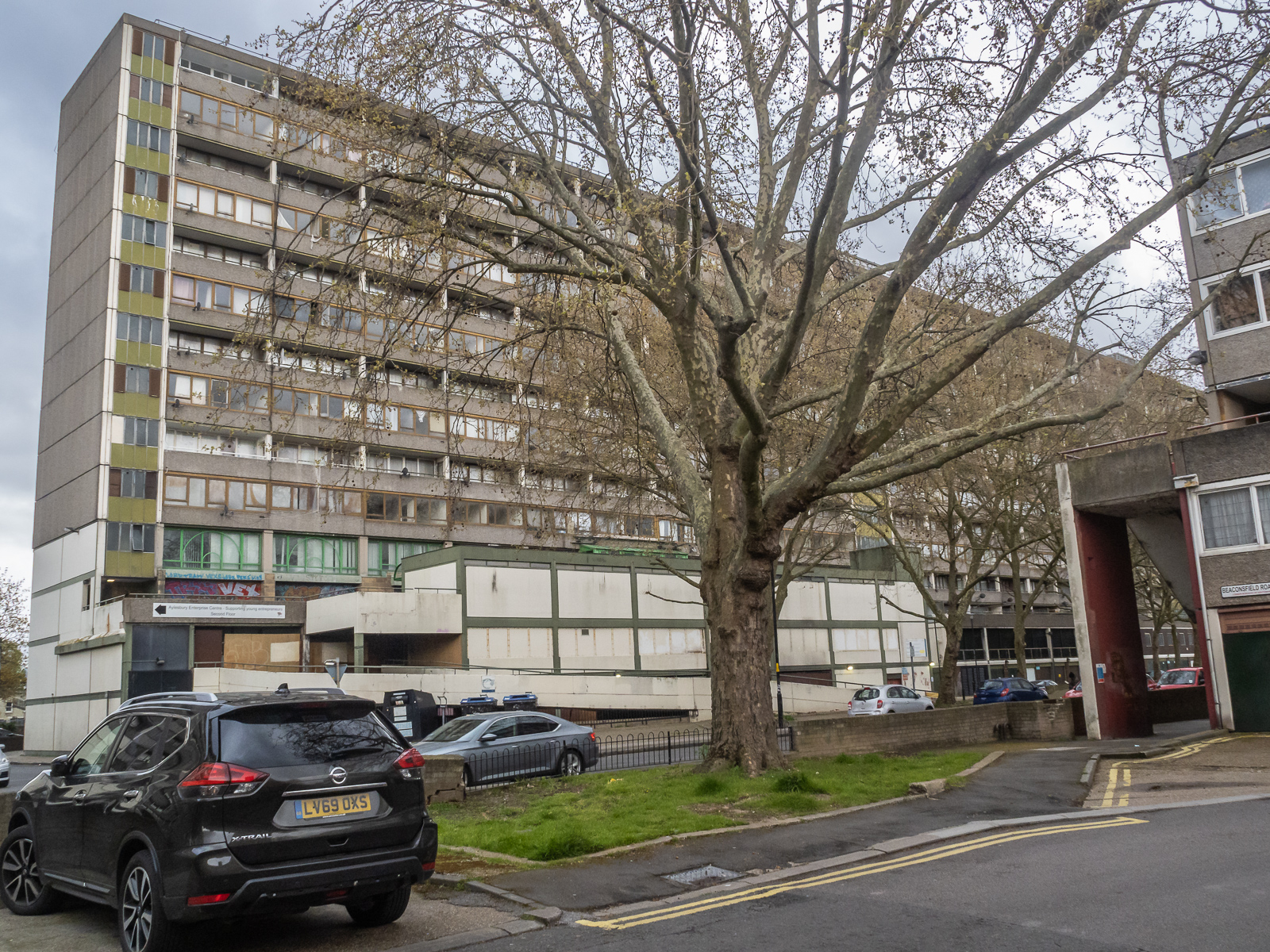
The exhibition is in this block, Wendover

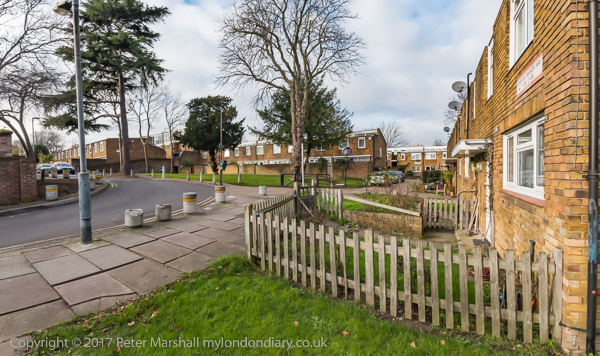
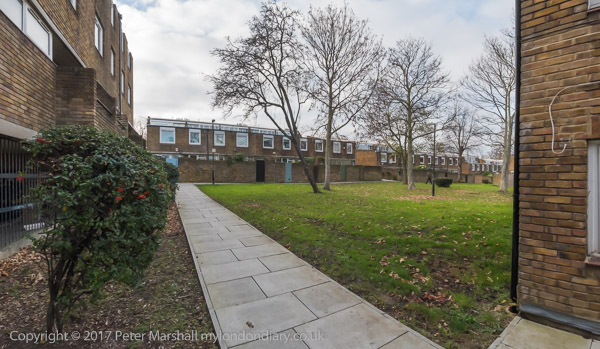
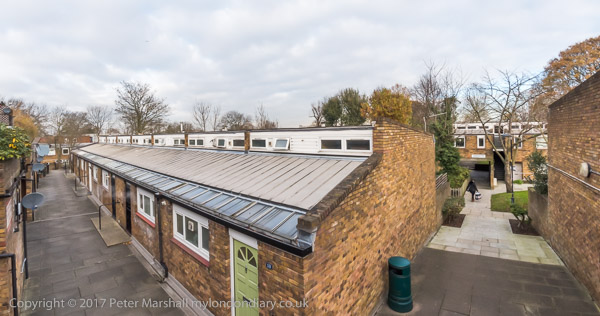
The Aylesbury estate, designed by Hans Peter “Felix” Trenton was one of the largest areas of council housing in Europe, built from 1963 to 1977 with 2,700 dwellings for around 10,000 residents in an area containing some earlier social housing a short distance south of the Elephant and Castle between East Street market and Burgess Park.

Fight4Aylesbury Exhibition

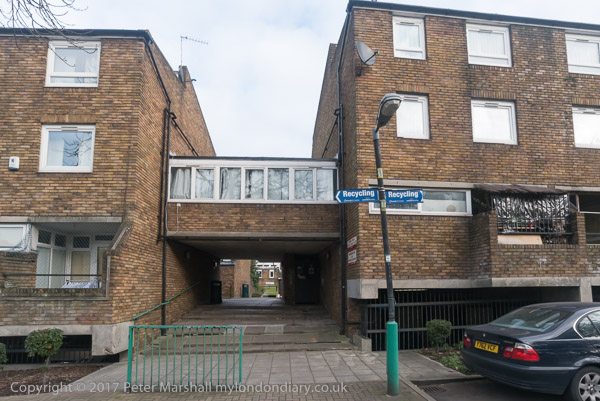
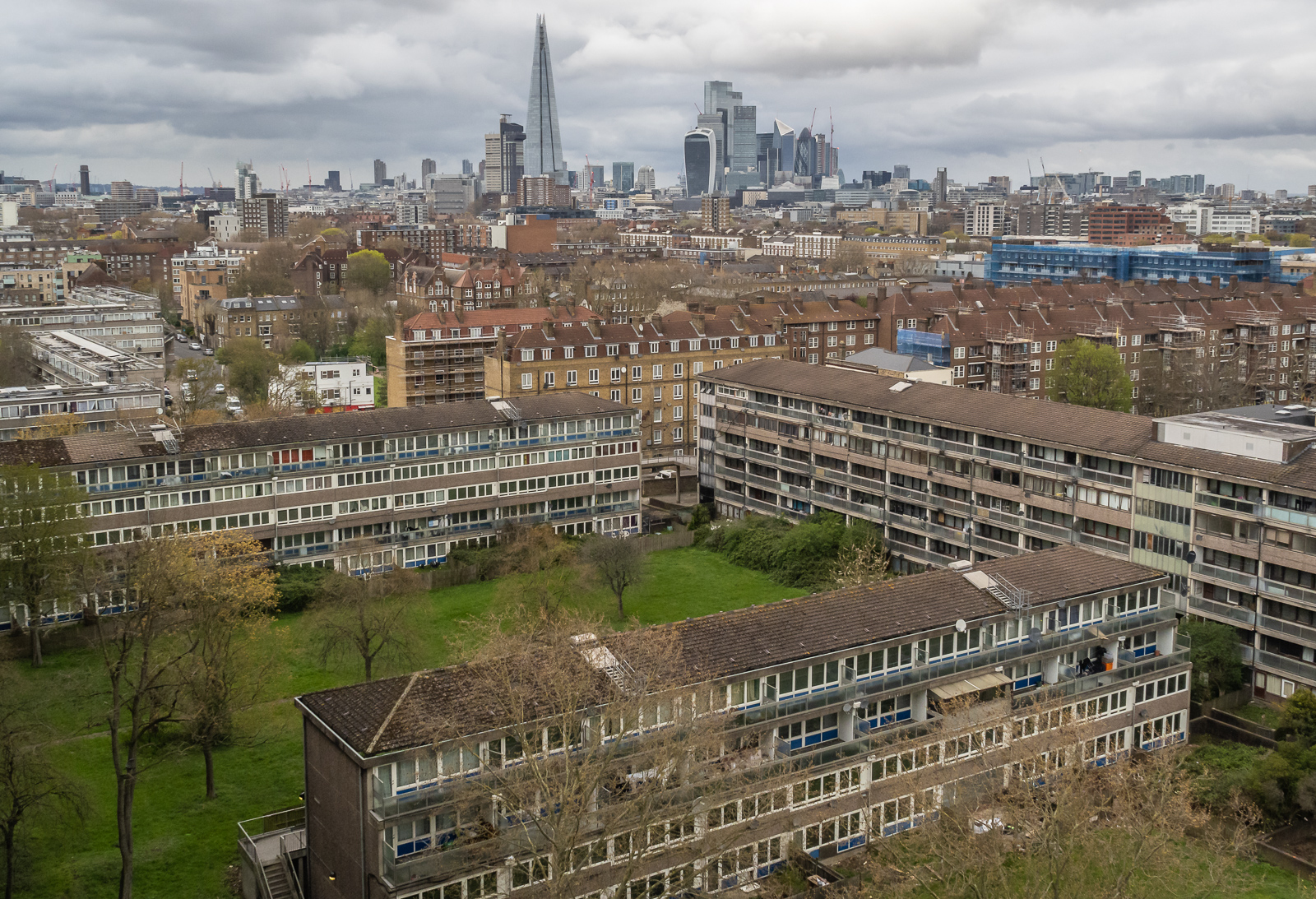
There are a number of large blocks of various heights, from 4 to 14 floors, all well designed and built to the high standards of the era, with rather larger rooms and more solid walls than current buildings. The estate also had a central boiler to supply heat more economically to the flats.

Southwark neglected the estate in the 1980s and 1990s, failing to carry out necessary maintenance and the estate and the estate environment became in poor conditions. The heating system in particular suffered. Southwark began to use this and the neighbouring Heygate Estate as ‘sink estates’, deliberately moving in families with various social problems and people with mental health issues. It was because the estate had become unpopular that Aysen, who had to leave Turkey after the 1980 coup, was able to get a flat here with her sister in 1993.

The estate came to get a reputation as “one of the most notorious estates in the United Kingdom“, reinforced by it becoming a popular area for TV crews filming “murder scenes, gun and drug storylines and gang-related crimes in soaps and gritty dramas.” In particular from 2004-15 Channel 4 used it in an “ident” for which they had added “washing lines, shopping trolley, rubbish bags and satellite dishes” to create what was described as “a desolate concrete dystopia.”

Its poor reputation led Tony Blair to hold his first speech to the press as Prime Minister in 1997 on the estate, promising that the government would care for the poorest in society. It was a promise that he and later prime ministers have spectacularly failed to keep.

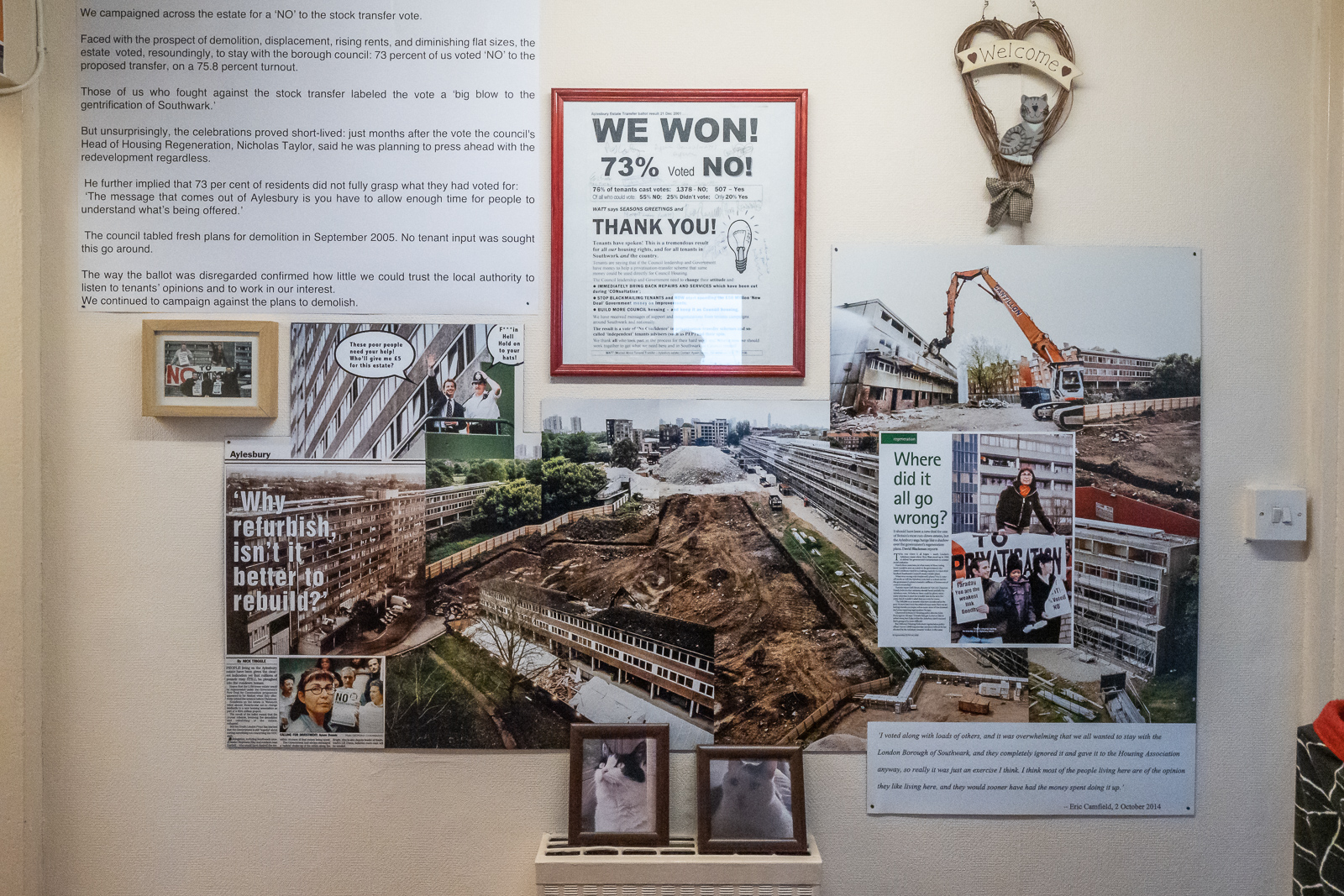
Southwark Council’s response to the estate’s decay they had overseen was to try and wash their hands of it by trying to transfer it to a private housing association to be redeveloped. But a campaign by residents in 2001 led to this being soundly rejected – not surprisingly they voted against demolition, displacement, rising rents and smaller flat sizes.

Undeterred, Southwark decided to go ahead with the redevelopment themselves, producing new plans for demolition in 2005. This time they didn’t bother to ballot the residents.

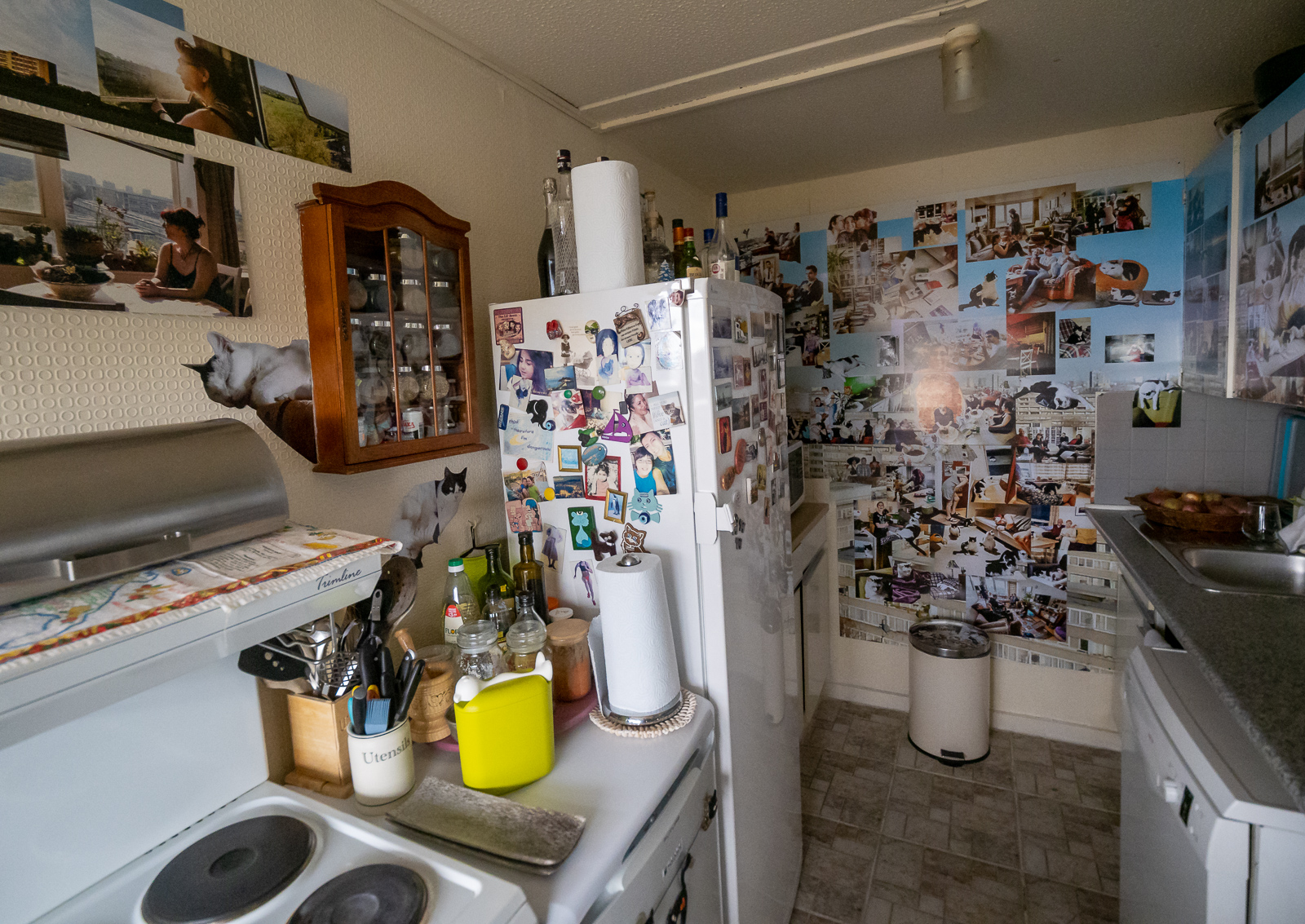
Solidarity collage which includes some of my images

The plans were for a 20 year phased demolition, with rebuilding of modern blocks by a housing association. The generous public space of the estate would be reduced and the housing density almost doubled. The first phase was completed in 2013 and Phase 2 is currently underway. All four phases are due for completion around 2032, and the 12 storey Wendover block in which the exhibition is being held has already been largely emptied of residents and is expected to be demolished around the end of this year.

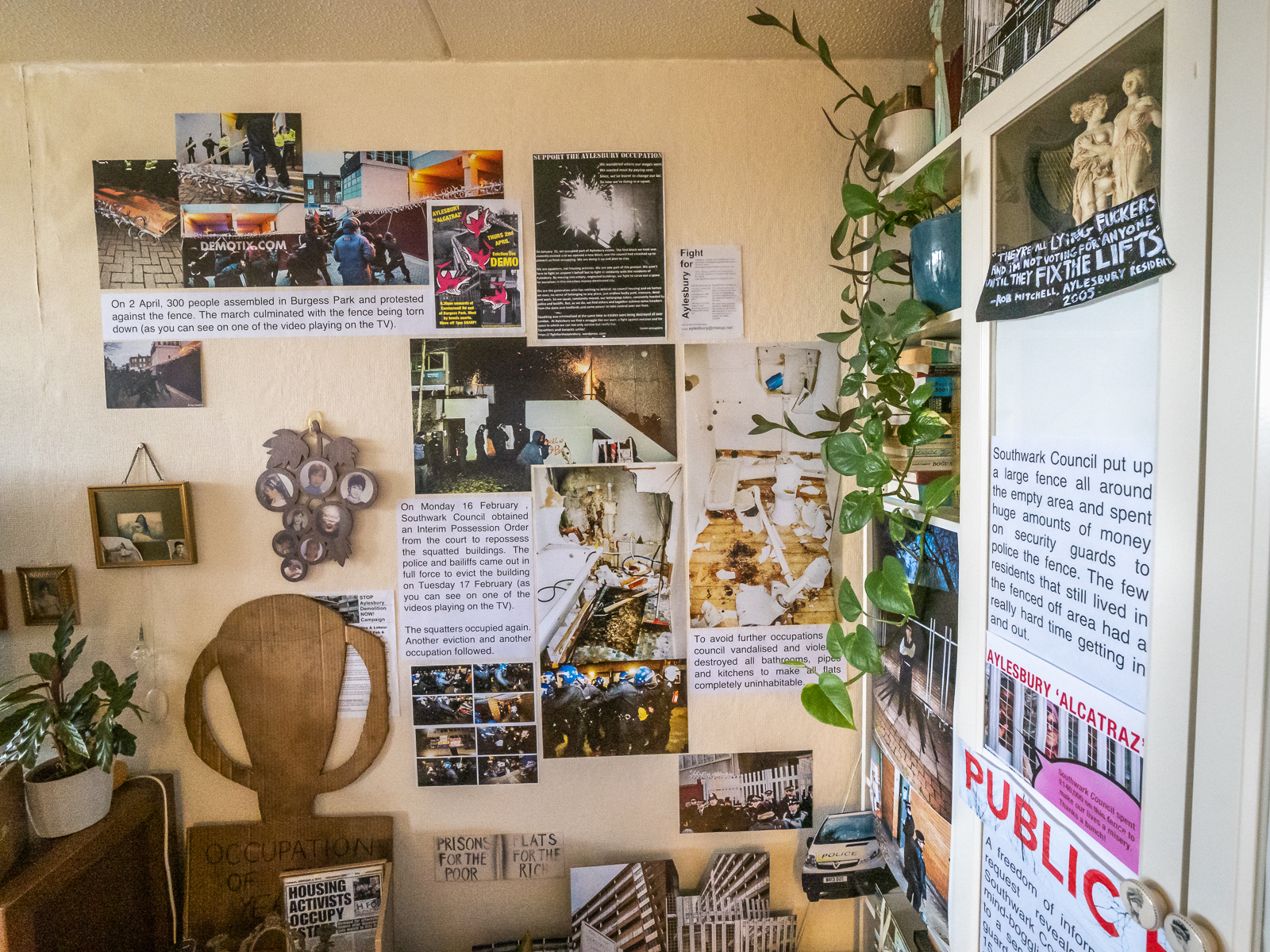
Residents have continued their fight to stop the redevelopment, with protests and in January 2015 housing activists and squatters occupied flats in one of the emptied blocks. Moving from block to block they were finally evicted 18 days later. The squatters occupied another building and again were evicted. Southwark spent £140,000 on a fence, completely destroyed all bathrooms, toilets, pipes and kitchens in empty properties and spent £705,000 on security guards to prevent further occupation.

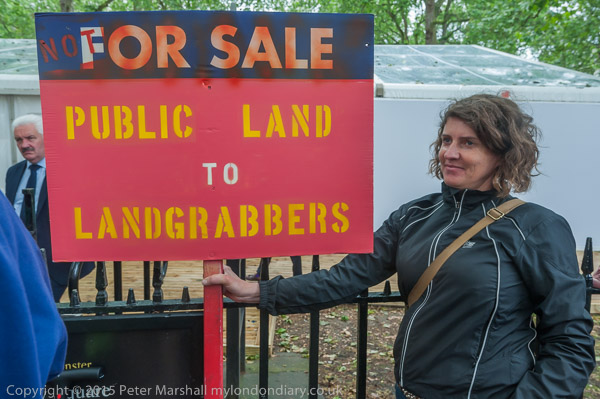
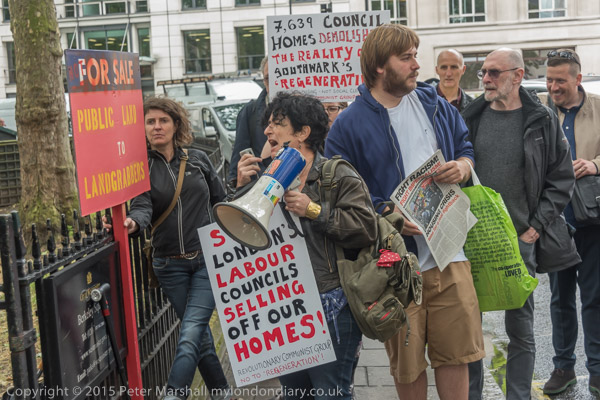
Other protests took place, including one in which part of the fence was torn down, and various protests at council meetings. Aylesbury residents also joined with housing activists in Southwark and across London at various other protests. But although these brought the Aylesbury campaign and the scandals over housing to national attention, the demolition continues.

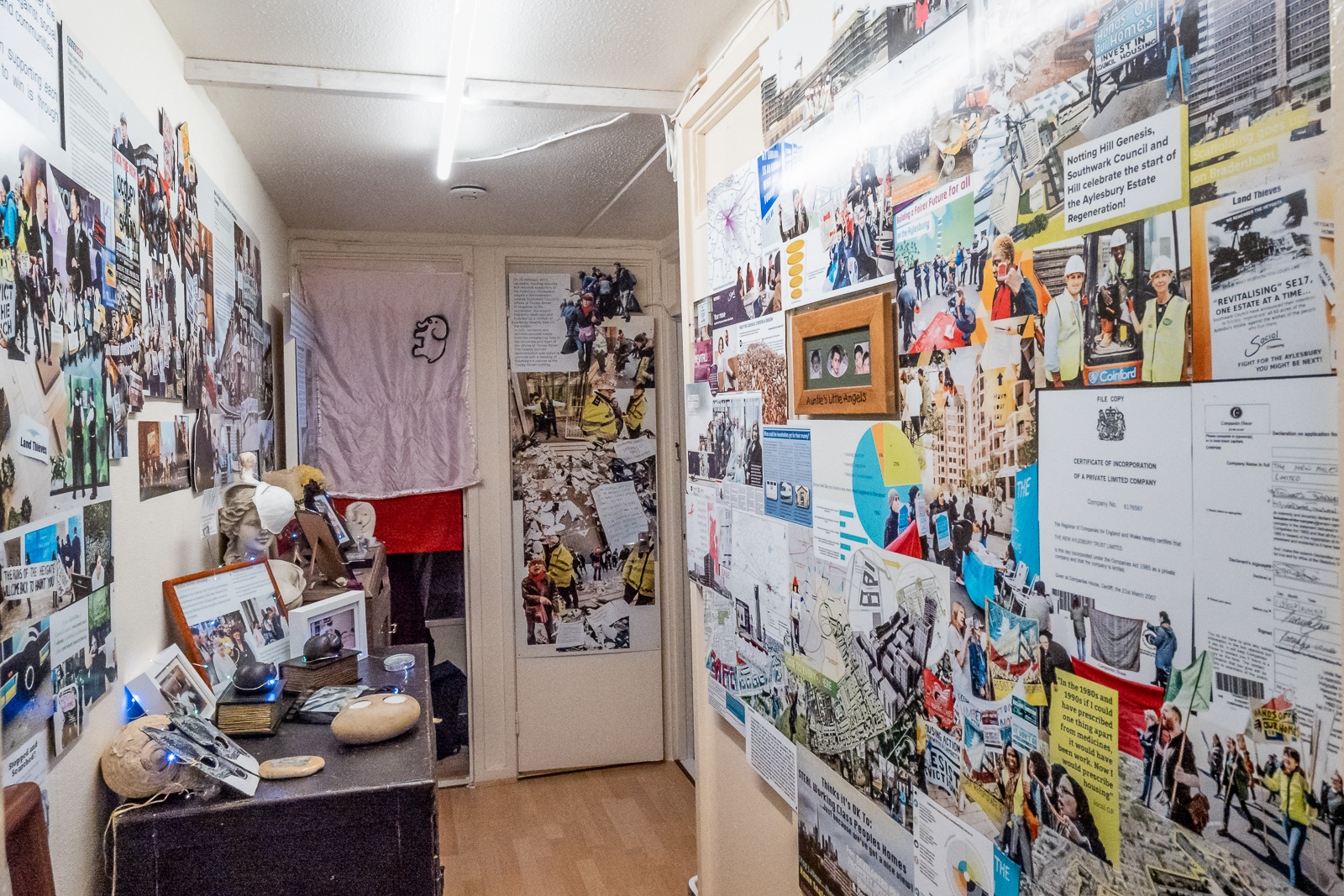
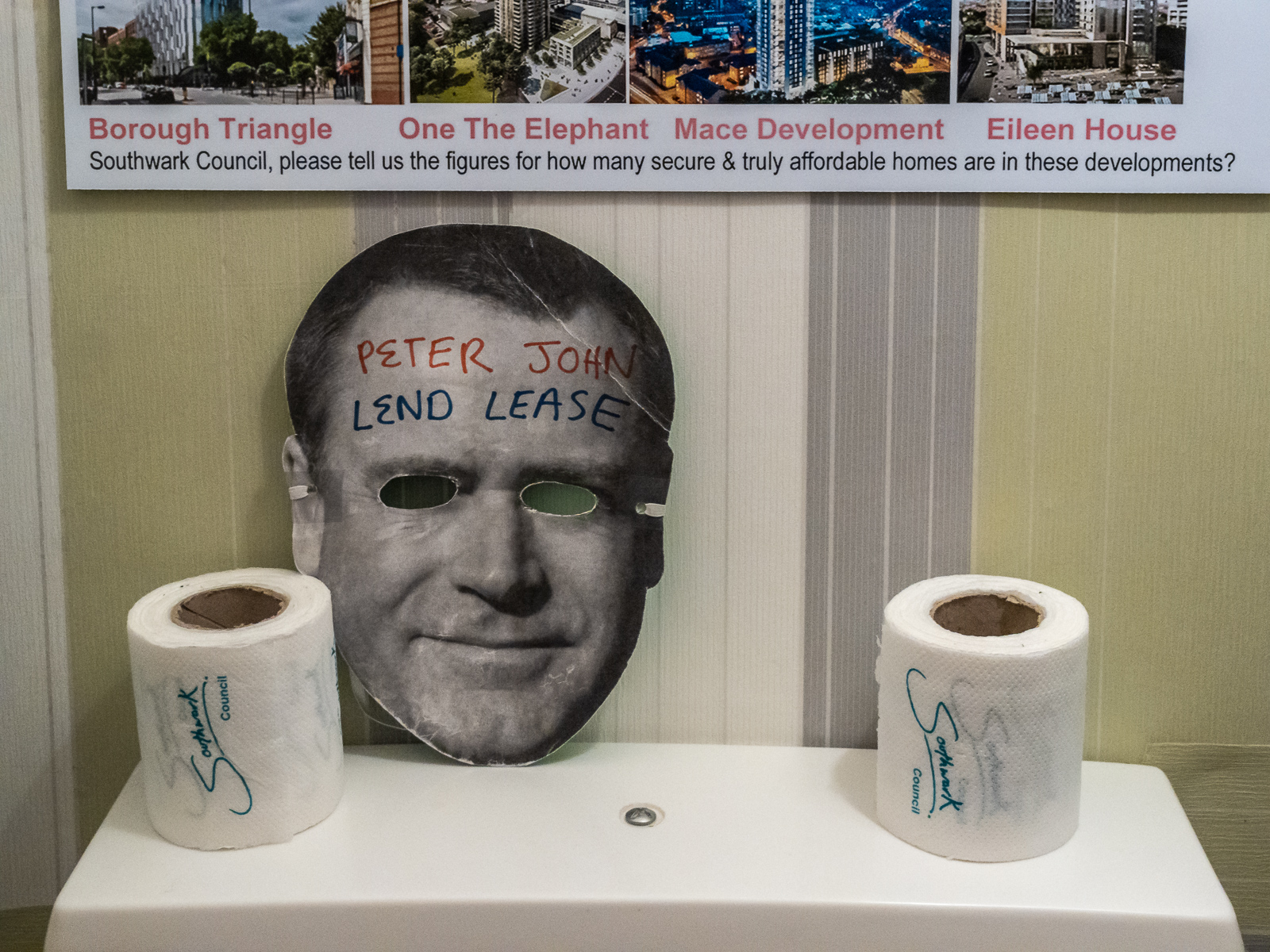
Part of the scandal has been the “well-oiled revolving door” between the council – councillors and officers – and developers. The toilet in the exhibition flat is devoted to Southwark Council, and in particular for its Leader for more than a decade Peter John, who stepped down in 2020. He described his years as a “decade of Delivery“; community; anti-gentrification collective Southwark Notes call it “a Wild West gold rush for developers.” A 2013 report showed that “20 percent of Southwark’s 63 councillors work as lobbyists” for developers in the planning industry.

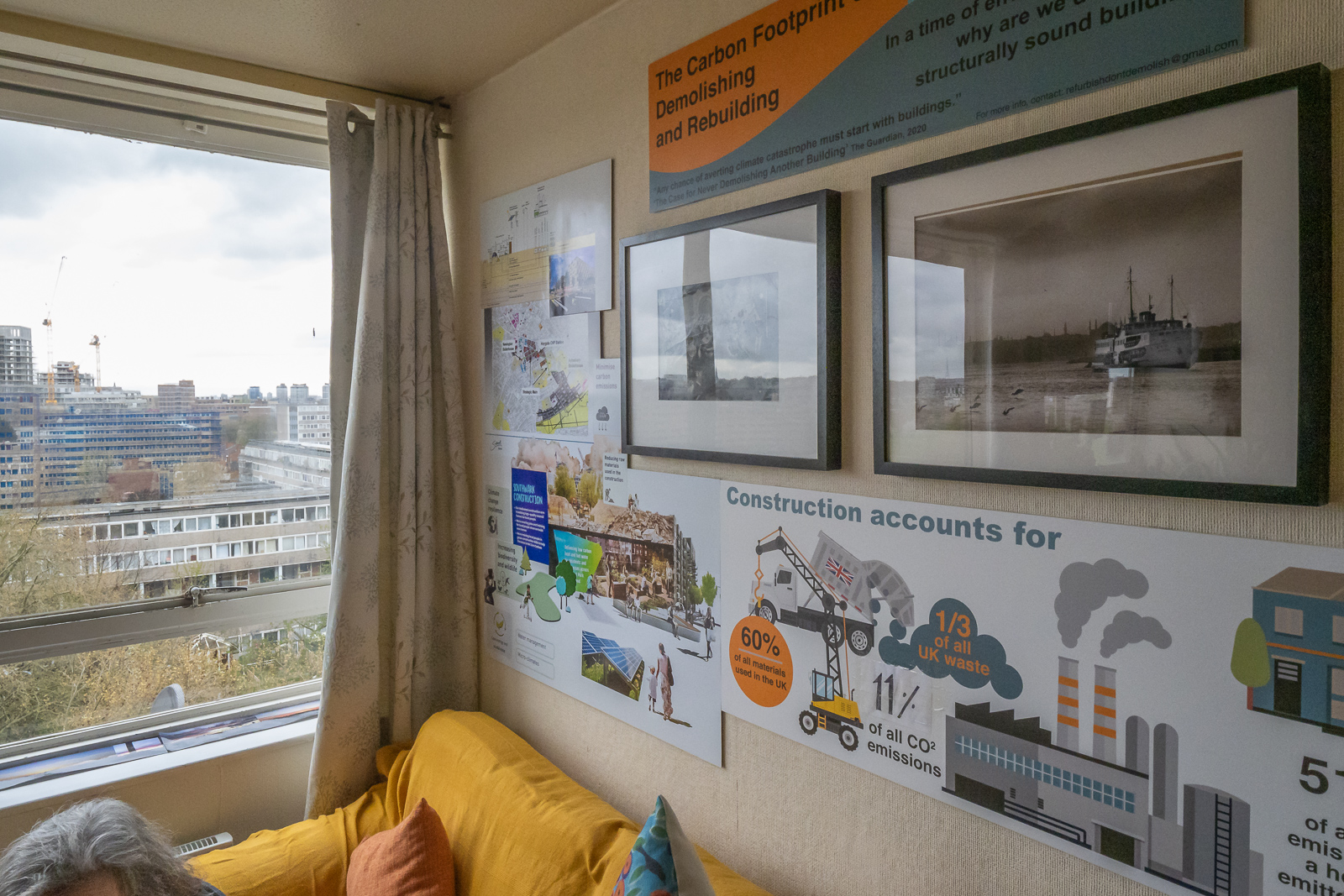
Similar estates built with the same system elsewhere have been successfully refurbished at relatively low cost to bring insulation and other aspects up to current standards. These buildings will probably last into the next century and their demolition is expensive and incredibly wasteful of both the huge amount of energy that was embedded in them and and energy require to demolish and rebuild.

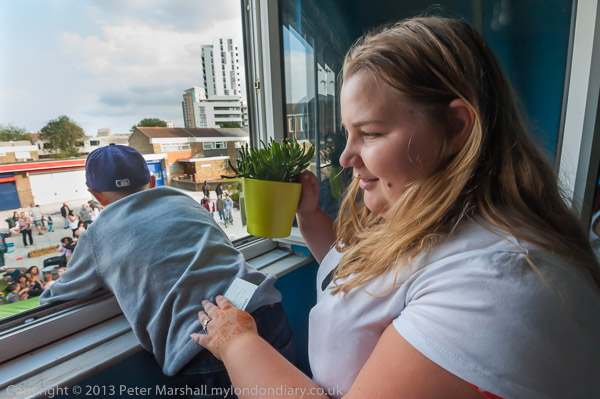
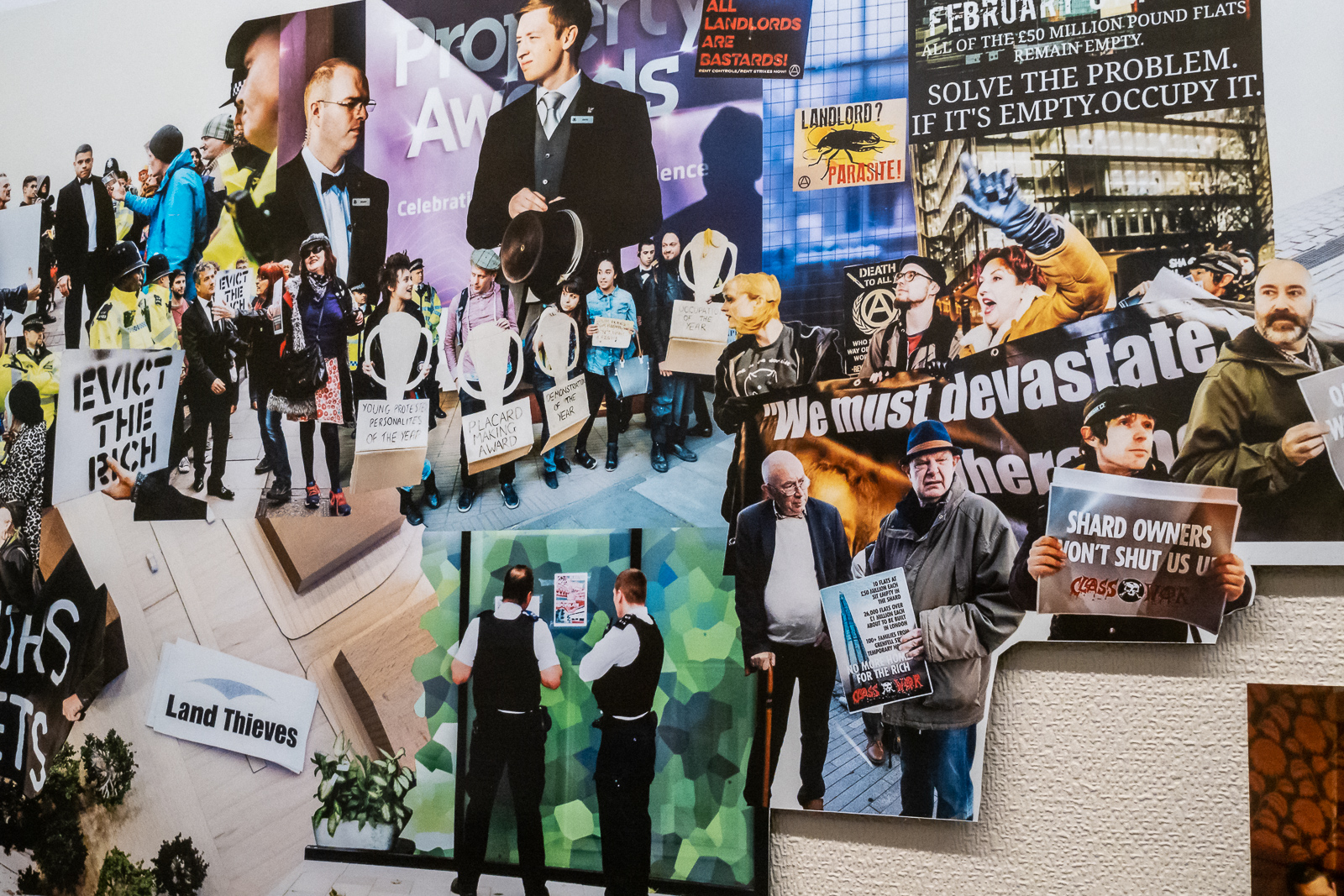
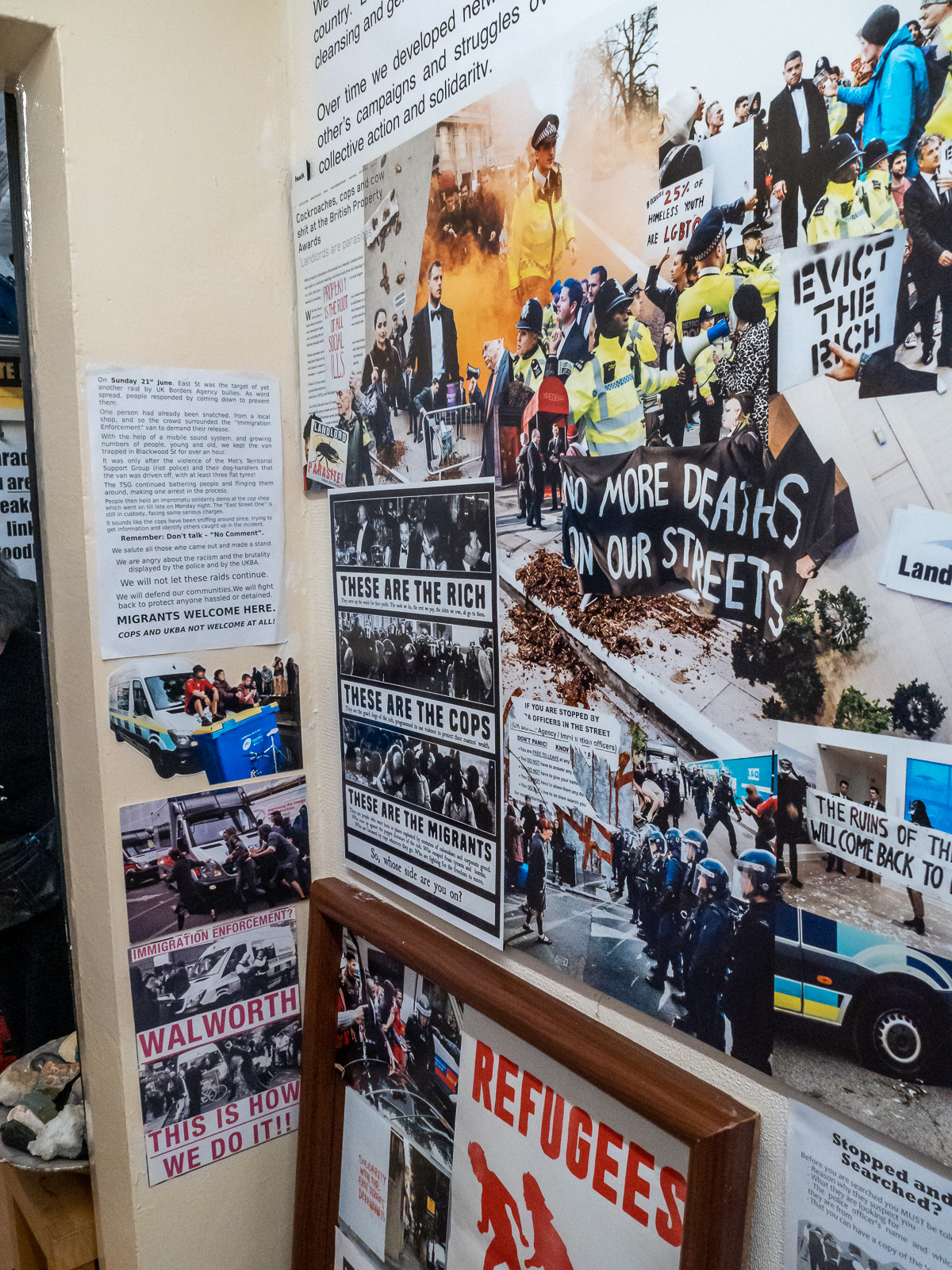
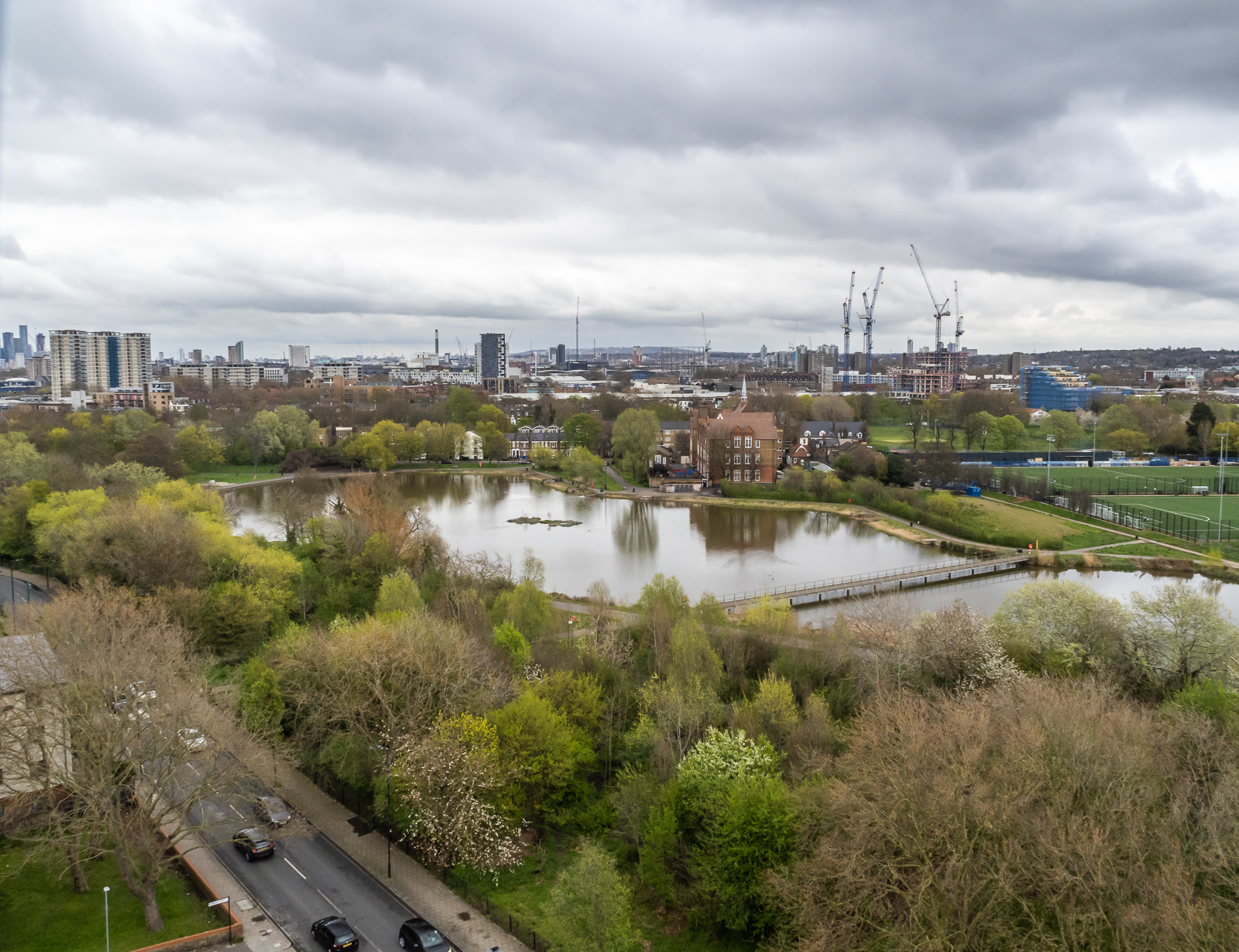
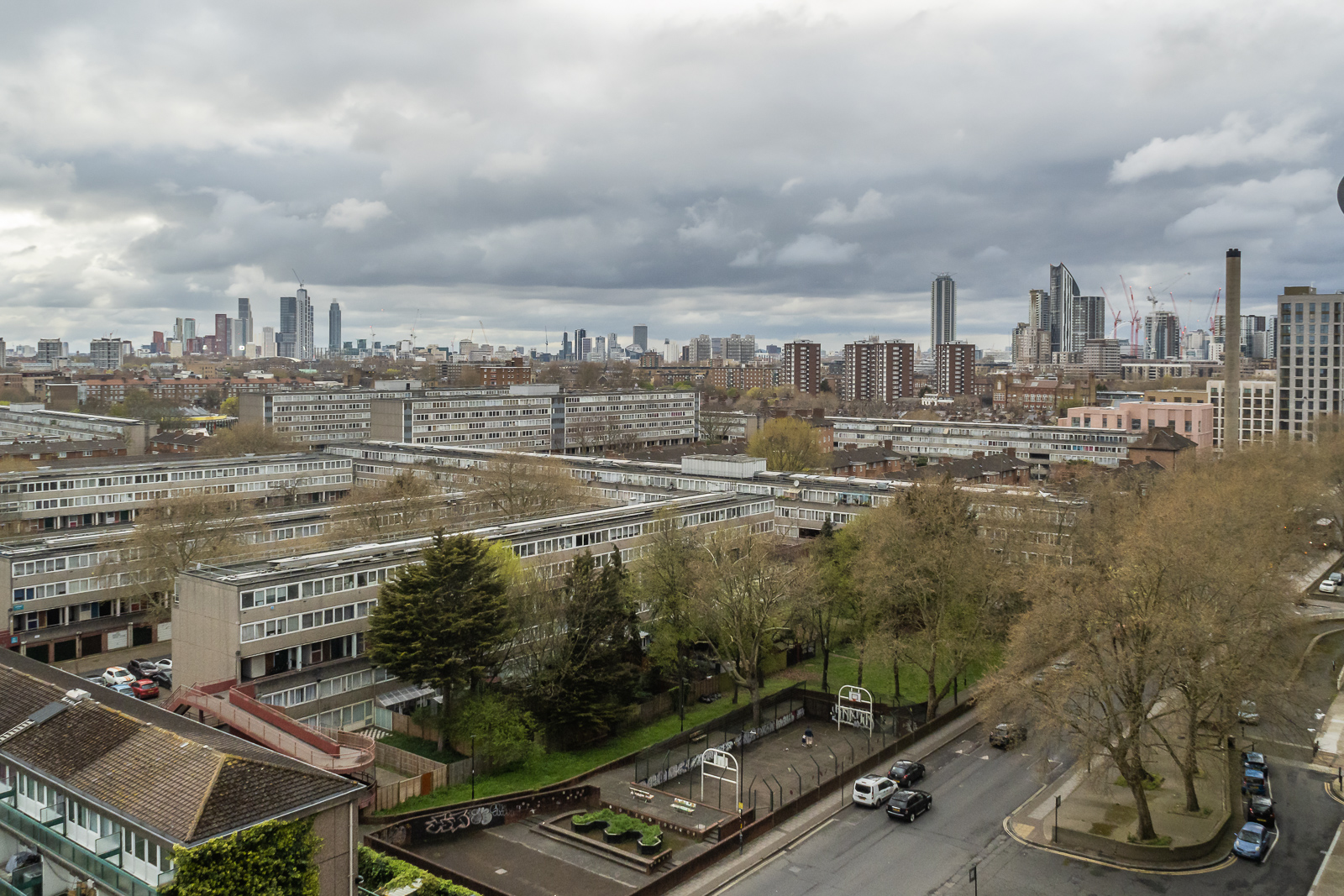
There is more to the exhibition – and you can see some hints of it in the pictures. After visiting the show I walked up four floors to the top of Wendover for the view. The windows were rather dirty and most fixed shut but I did find a few places where they were open slightly to let me take photographs of the views across London.

You can see a different set of pictures in my album Fight4Aylesbury Exhibition.


Death Penalty, Social Housing, Iraqi Killing and a Pillow Fight

Death Penality, Social Housing, Iraqi Killing and a Pillow Fight: Ten years ago on Saturday 6th April 2013 I photographed a Sikh vigil against the death penalty in India, a protest against the unfair ‘Bedroom Tax’ and benefit caps and demanding more social housing, Iranians calling for an enquiry into Iraqi attacks on Camp Liberty and finally a pillow fight.


Vaisakhi “Save a Live” Vigil – Old Palace Yard, Westminster

Death Penalty, Social Housing, Iraqi Killing and a Pillow Fight

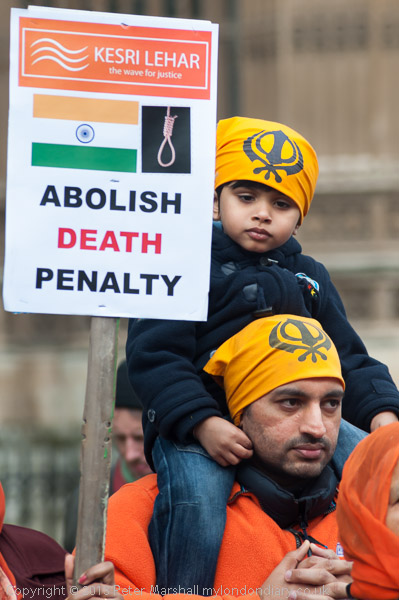
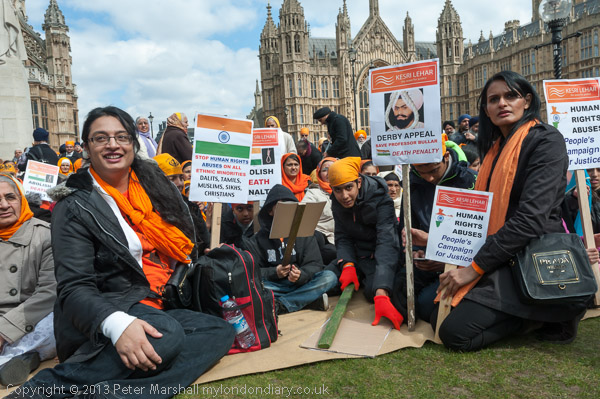
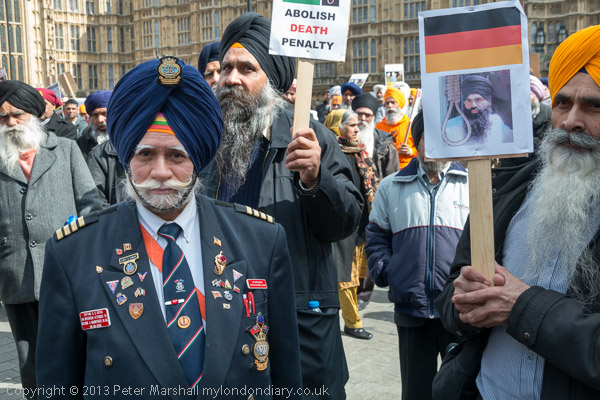
Thousands of protesters, mainly Sikh men, women and children came to Old Palace Yard opposite the Houses of Parliament to back the Kesri Lehar vigil against the death penalty in India.

Death Penalty, Social Housing, Iraqi Killing and a Pillow Fight

The Kesri Lehar or ‘I Pledge Orange’ campaign, takes its name from the colour which stands for sacrifice in the Indian flag and is also the colour of the Sikh flag and the dress worn by baptised Sikhs which makes Vaisakhi such a colourful festival. It began as on-line campaign by US-based Sikhs for Justice. Most of those attending the protest wore orange turbans or scarves to show their support for the campaign.

Death Penalty, Social Housing, Iraqi Killing and a Pillow Fight

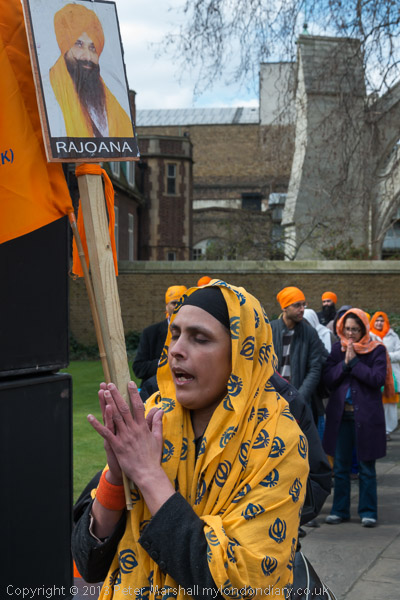
There were then around 480 prisoners in Indian jails sentenced to death, and protesters feared that some were about to be hanged. These included Balwant Singh Rajoana, sentenced in 2007 for his part in a suicide bomb attack which had killed a former Chief Minister of Punjab, Beant Singh and 17 others in 1995. He remains in jail in 2023.

Death Penality, Social Housing, Iraqi Killing and a Pillow Fight

A large group from Derby had come in support of Professor Devender Pal Singh Bhullar who has been on death row in India for 18 years, for his alleged involvement in a car bomb in Delhi. His sentence was commuted to life imprisonment in 2014.

Sikhs were poorly treated when India and Pakistan were granted independence in 1947, with their homeland area being split across the border and most of those in jail are activists for an independent Sikh state of Khalistan. The India government has carried out a determined policy to stamp out Sikh separatists and Beant Singh who was assassinated is held by Siks to have been responsible for the extra-judicial killing of over 25,000 Sikh civilians during his period of office.

More at Vaisakhi “Save a Live” Vigil.


No to Bedroom Tax & Benefit Caps – Downing St

Death Penalty, Social Housing, Iraqi Killing and a Pillow Fight

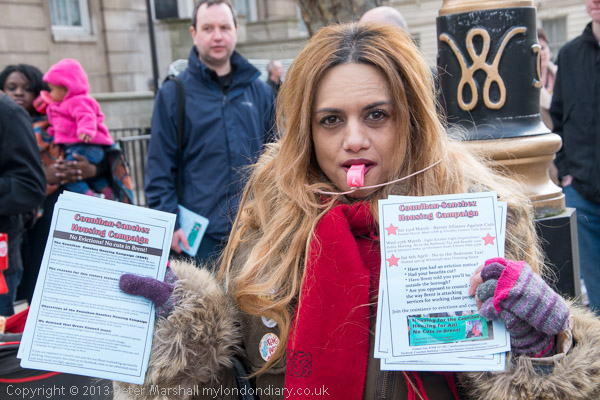
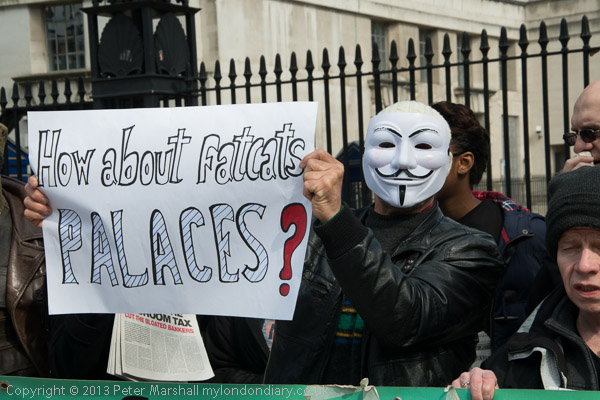
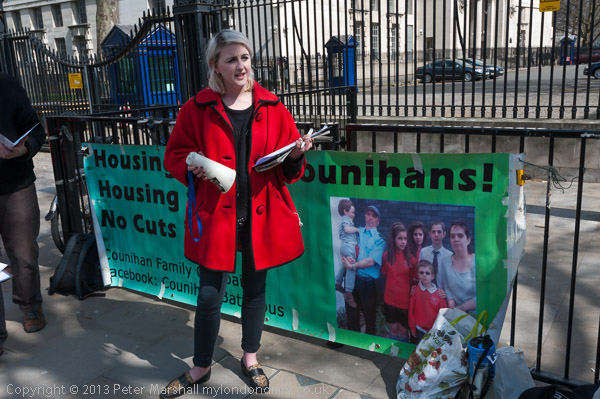
The Counihan-Sanchez Family Housing Campaign from Kilburn organised a protest opposite Downing St against the unfair Bedroom tax and benefit caps which are effecting so many people and called for the GLA and London councils to build more social housing.

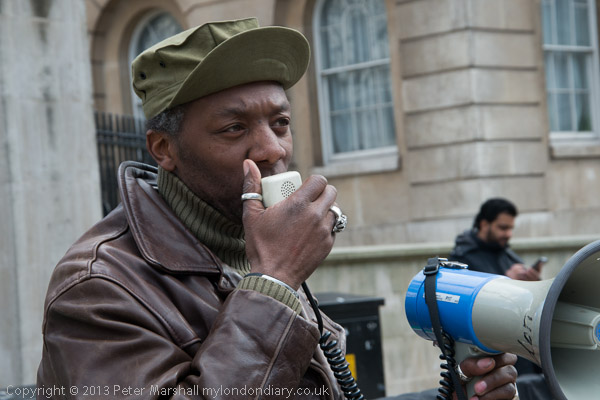
They and others spoke at the campaign about the problems in getting councils to provide proper housing, and the failures of our benefits system which leave many destitute and some desperate enough to kill themselves.

As I commented, “The huge housing problems in London come from the failure over the past thirty years to provide social housing for the many low paid workers that support the city and keep it running, with a housing benefit system that has simply acted as a subsidy for private landlords and driven up rents. The cap on benefit will do nothing to solve the problem, but just make life difficult or impossible for the poorest in our society. We need more social housing and an end to poverty pay and of course more jobs.

Ten years on things are certainly no better. Further changes in benefits including the move to Universal Credit have increased problems for many, local authority budgets have been further cut and the cost of living crisis has hit many more people. We do have more food banks, but many of these are finding it hard to cope with demand.

More at No to Bedroom Tax & Benefit Caps.


PMOI Protest Iraqi killings – Downing St

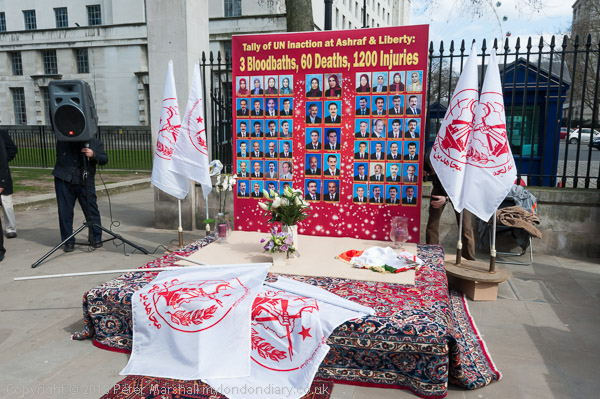
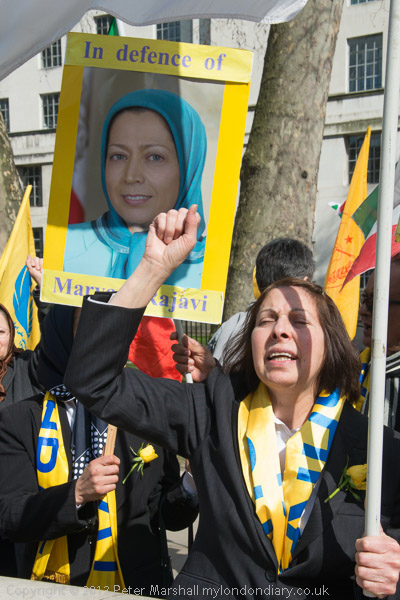
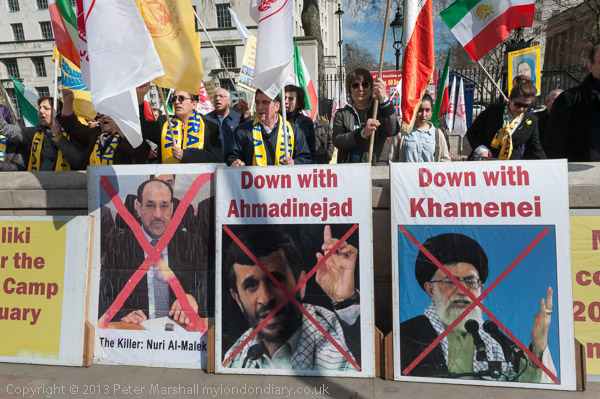
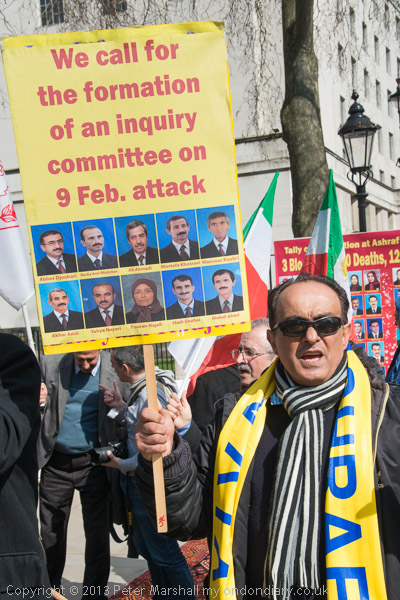
Also protesting at Downing Street were the People’s Mujahedin of Iran (PMOI). They called for an enquiry into the Iraqi attacks on Camp Liberty in February and previous attacks which have killed and injured many of them.

The PMOI, also known as the Mojahedin-e-Khalq (MEK) was founded in 1965 and took part in the 1979 Iranian revolution which deposed the Shah. Soon after they were in armed struggle with the Islamic Revolutionary Guards and had to take refuge in neighbouring Iraq, where Saddam Hussein gave it refuge.

During the 2003 US-led invasion of Iraq they agreed a ceasefire with the US and gave up their arms – which included 19 Chieftain tanks – and became the majority in the Iranian parliament in exile, the National Council of Resistance of Iran (NCRI), with its base in Paris.

In Iraq the roughly 5000 MEK fighters were confined in the refugee Camp Ashraf, guarded by the US military and declared by the US as protected persons under the Fourth Geneva Convention. The camp was transferred to Iraqi control at the start of 2009, and in 2012 those remaining were transferred to the former US military base Camp Liberty in Bagdhad, renamed Camp Hurriya.

There had been many attacks by Iraqis on these camps, with deaths, injuries and arrests. In the most recent on 9th Febuary 2013, Iraqi mortars and rockets killed at least seven MEK members. The MEK has appealed to the UN Secretary General and the US for help and was at Downing Street to ask the UK government for support.

PMOI Protest Iraqi killings


Feathers Fly in Trafalgar Square – Trafalgar Square

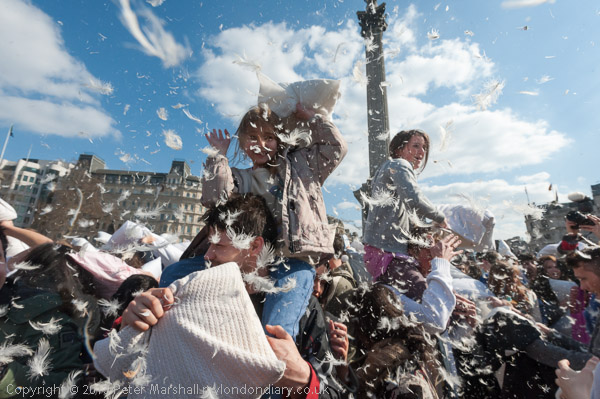
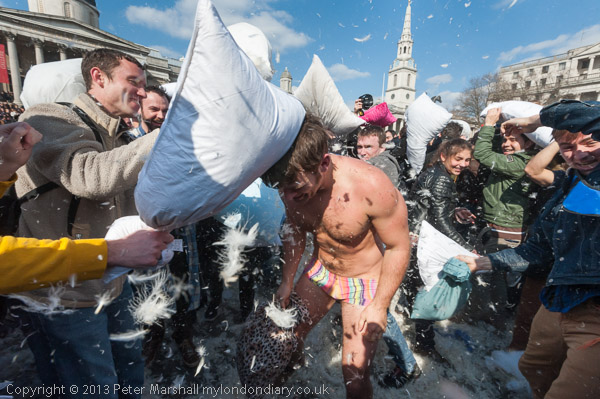
This had been designated World Pillow Fight day by the urban playground movement and this pillow fight was one of around 90 such events in cities around the world.

The urban playground movement aims to make cities into more public and social spaces by encouraging unique happenings like this pillow fight. It aims to help people move away from “passive, non-social, branded consumption experiences like watching television” and to consciously reject “the blight on our cities caused by the endless creep of advertising into public space.” They hope this will result in “a global community of participants, not consumers.

Despite once company bringing a team of young women and handing out prominently branded free pillows, this remained large an unbranded event, and hundreds turned up with their own pillows and cushions to take part.

An earlier pillow fight had been planned for Hyde Park, but relatively few people had turned up and park police were able to prevent it taking place. But the numbers here – over 500 – made it impossible to stop. As well as the participants there were rather more who simply stood and watched. Which went against the spirit of the event, meant to be something to take part in rather than a spectacle.

It started on time and a great deal of fun was certainly being had, with some at least of those taking part adhering to the ‘rule’ not to attack photographers. At first the air was clear, but then pillows began to break up and more and more feathers filled the air. After half an hour there was a brief break and then the fight recommenced, but I left for a nearby pub where the air was clearer.

Feathers Fly in Trafalgar Square


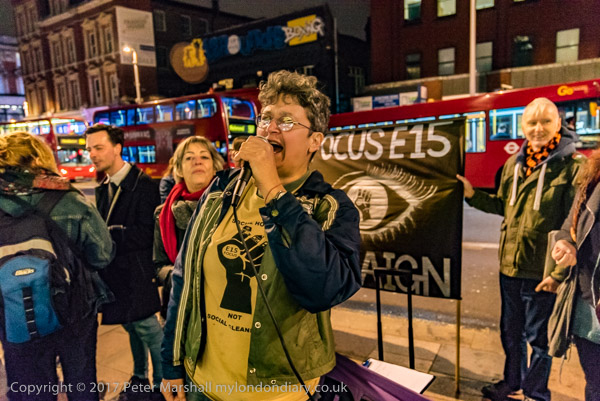
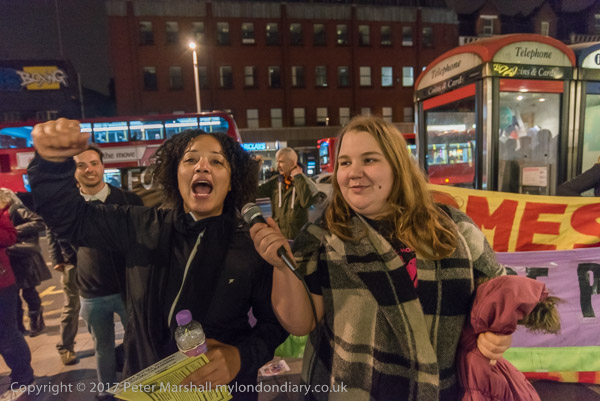
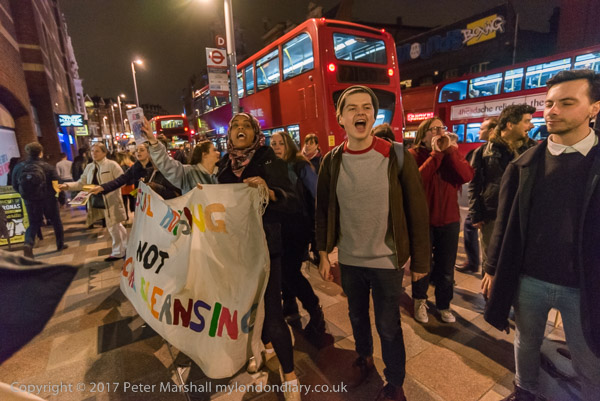
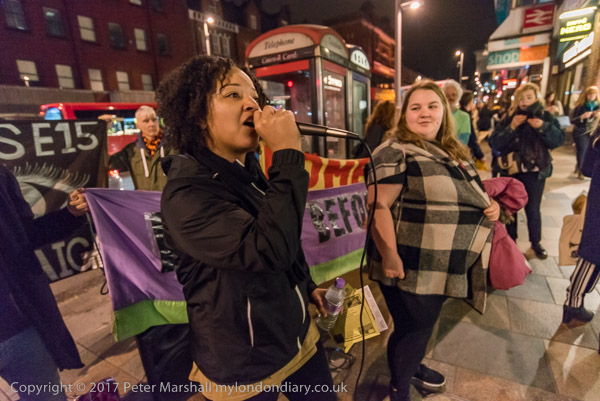
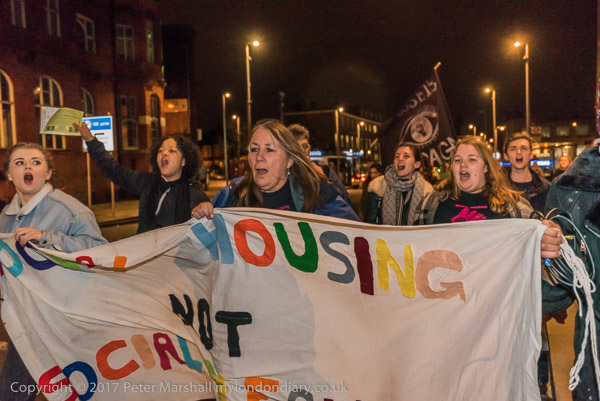
Lung Theatre ‘E15’ Battersea March 2017

Lung Theatre 'E15' Battersea March

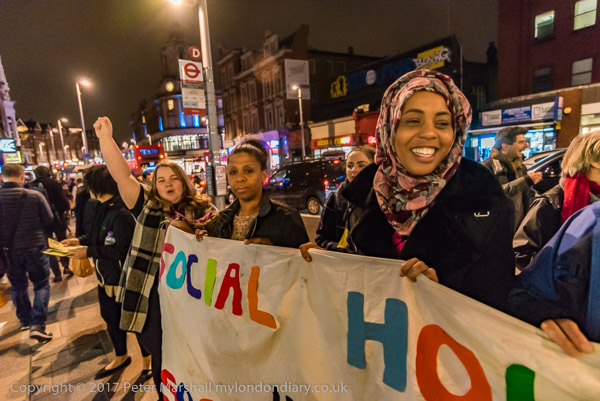
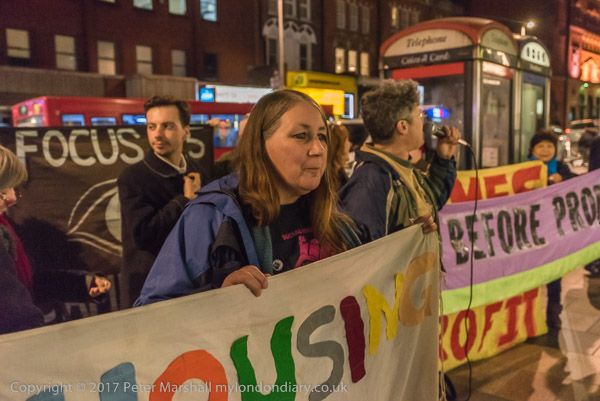
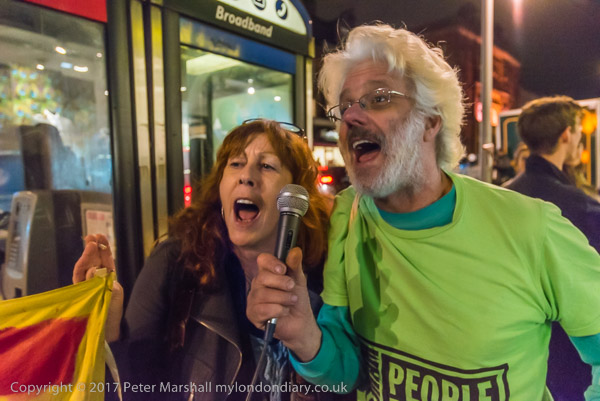
Lung Theatre ‘E15’ Battersea March: Thursday 16th March 2017 was a rather unusual day for me in that rather than photographing a protest I was being part of a theatrical performance, though not in a theatre but on the busy evening rush hour streets of Battersea.

Lung Theatre 'E15' Battersea March

But like many of the others there, I was playing myself as a photographer of protests, and taking pictures as I would if this had been a real protest.

Lung Theatre 'E15' Battersea March

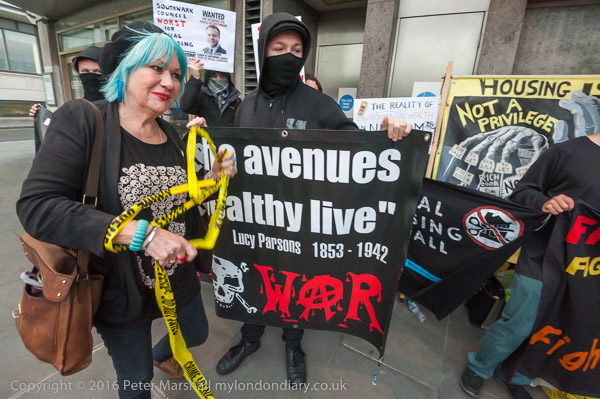
This performance was to announce that Lung Theatre, a small theatrical group, were bringing their Edinburgh festival award-winning performance ‘E15’ to Battersea Arts Centre, and they were doing so with the help of many of the housing protesters, particularly from the Stratford-based Focus E15 campaign, on which their ‘verbatim theatre’ performance was based.

Lung Theatre 'E15' Battersea March

An interesting article, Documentary & Verbatim Theatre by Tom Cantrell of the University of York gives a clear definition, “Verbatim theatre is a form of documentary theatre which is based on the spoken words of real people. Strictly, verbatim theatre-makers use real people’s words exclusively, and take this testimony from recorded interviews.”

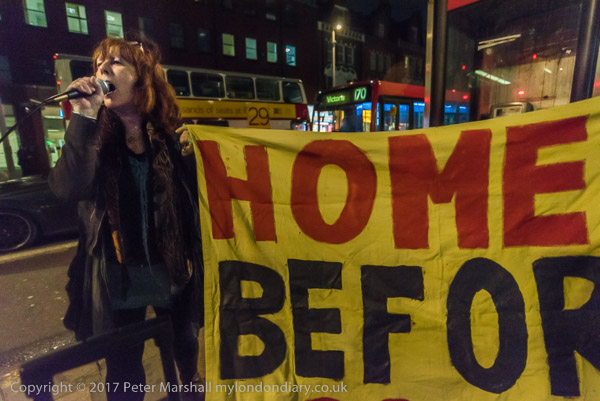
The “protest” began in the rather dim light of the street outside Clapham Junction’s busiest entrance, and it was hard for me to distinguish the actors from the housing protesters by their speech and actions, though rather easier in that they were the only faces I didn’t recognise, having met and photographed the activists so often at previous events. But the group certainly put on a convincing performance as they handed out leaflets and fliers, both about the Focus E15 campaign and their forthcoming performances at the Battersea Arts Centre.

Focus E15 began when a group of young mothers housed in the Focus E15 hostel in Stratford were told that Newham council were going to evict them and they would be dispersed not just in the borough but to rented accommodation across the country in far away places where they had no friends, no family and away from any jobs, schools, familiar services and support.

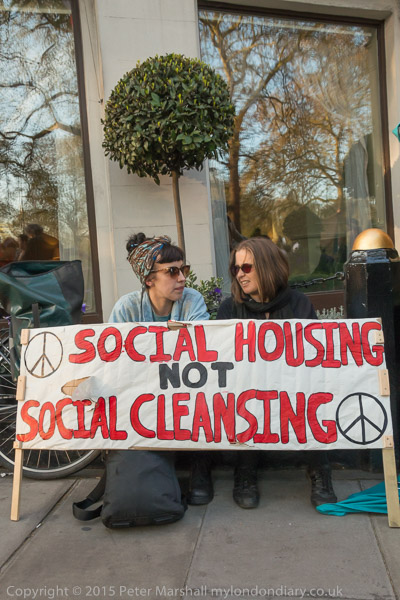
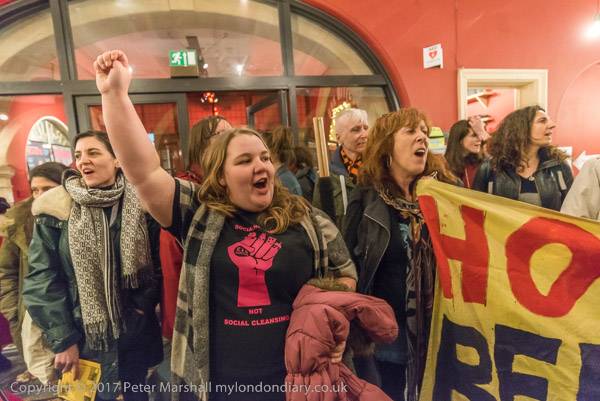
Newham had adopted a policy which amounted to social cleansing, removing people from its area who, as the then Mayor put it, could not afford to live there. Rather than accept this they came together to fight the council, and inspired others across the country to fight for ‘Social Housing NOT Social Cleansing’.

And Focus E15 won their fight but didn’t stop there, continuing the fight for others in the area faced with homelessness and eviction, demanding the council bring empty council housing back into use in a campaign for ‘Housing For All’. They are still out on Stratford Broadway with a street stall every Saturday, still forcing the council to face up to its responsibilities despite considerable harassment (and more recently a change of Mayor.)

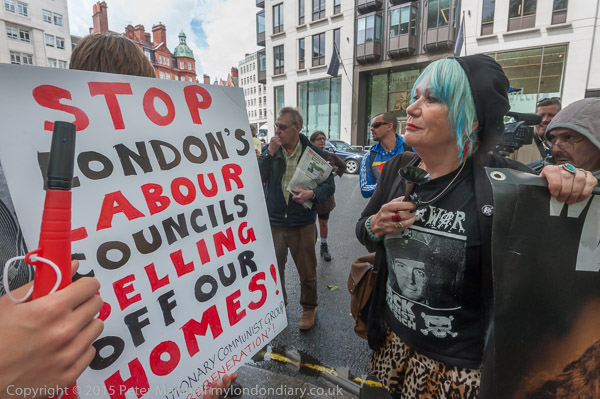
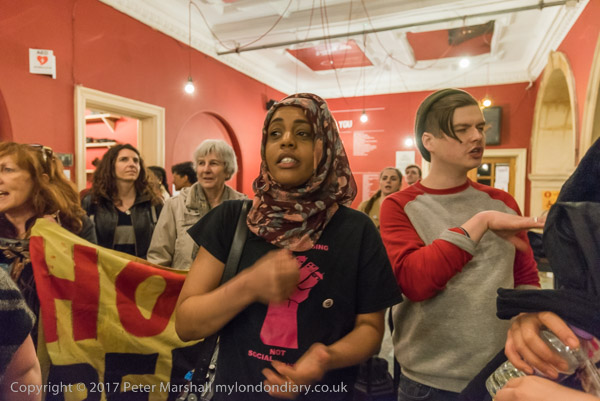
As well as some of the leading activists from Focus E15 at the eevent were also other campaigners including some from Sweets Way in north London and Lewisham People Before Profit and others fighting the demolition of council housing by London’s mainly Labour controlled councils, increasingly in league with estate agents and property developers scrambling for excessive profits from sky-high London market prices. And they had brought some of their banners with them for the event.

From Clapham Junction the “protesters” marched up Lavender Hill to the Battersea Arts Centre, where they occupied the foyer for a few final minutes of protest in what had been a pretty convincing event. And while actors had to go on stage and give their performance, the activists could sit down in the theatre and watch.

I didn’t join them, as I knew I had to come back to view it a week later and then be a part of a panel discussion Art & Accidental Activism, a week later. It was an impressive performance and gave a real impression of some of the more dramatic aspects of the real protests I had covered and made clear the political aspects of the housing crisis and why activism was necessary. But sometimes it did seem strange to hear words I remembered well coming out of a different person.

I couldn’t really enjoy it as much as I would have liked as I was very nervous, considerably daunted at having to appear afterwards ‘on stage’ to answer questions with fellow panelists Jeremy Hardy, journalist Dawn Foster and theatre legend Max Stafford Clark. But in the event it went well (my sternest critic says) and I rather enjoyed it and the session in the bar that followed.

More at Lung Theatre ‘E15’ march to BAC.


Housing, Fukushima, Dolphins, Poppies, Deloitte & Royal Opera House

Friday 7th November 2014 was an unusually long and busy day for me in London.


Brent Housing Sit-in – South Kilburn Housing Office, Friday 7th November 2014

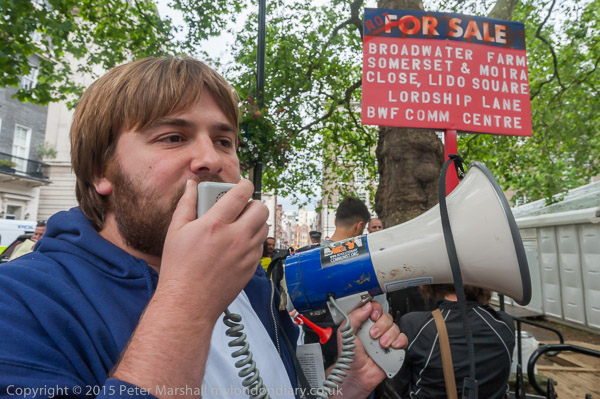
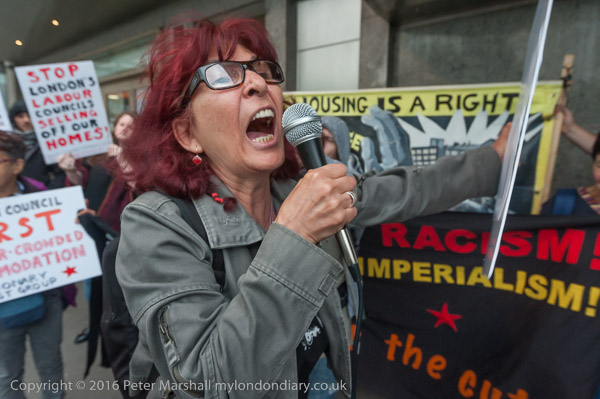
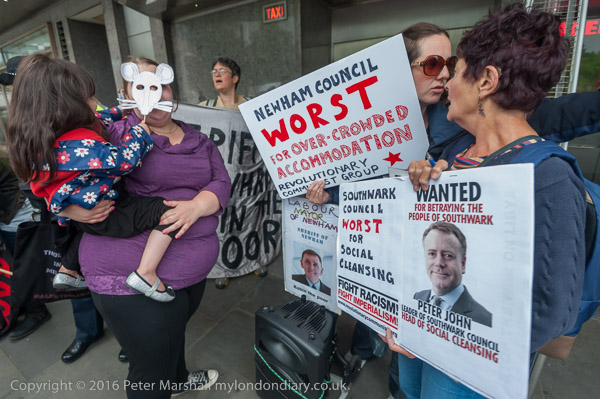
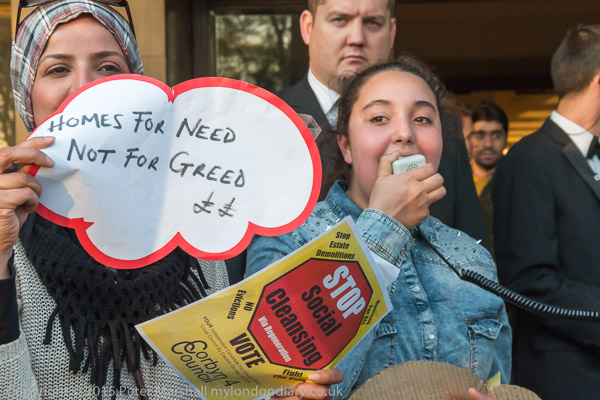
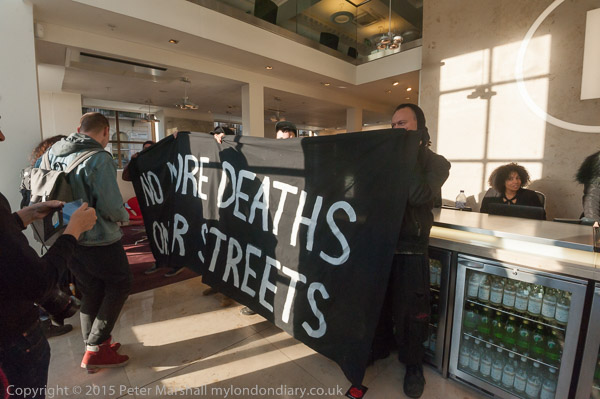
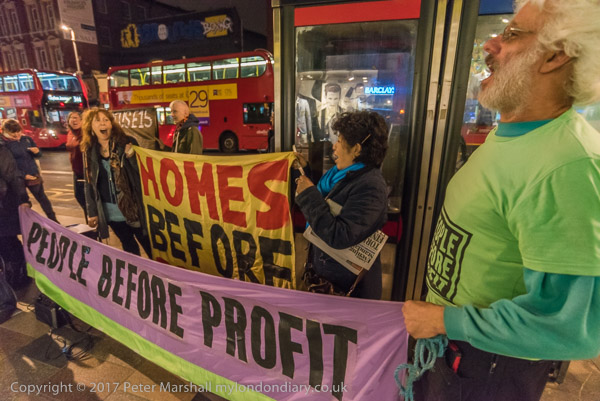
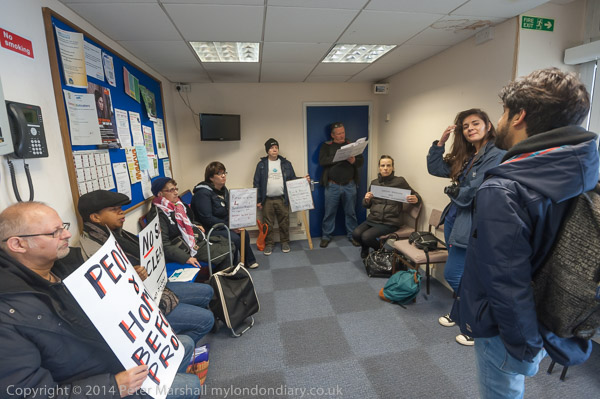
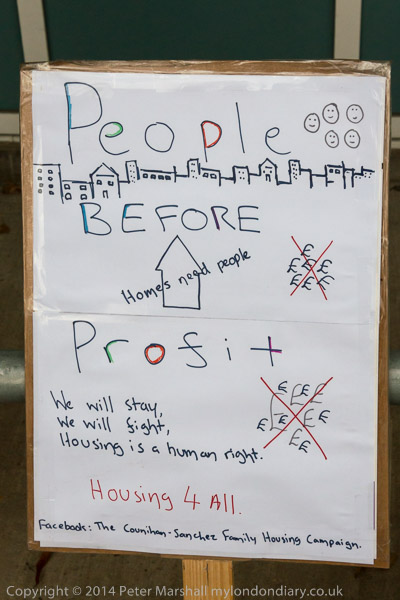
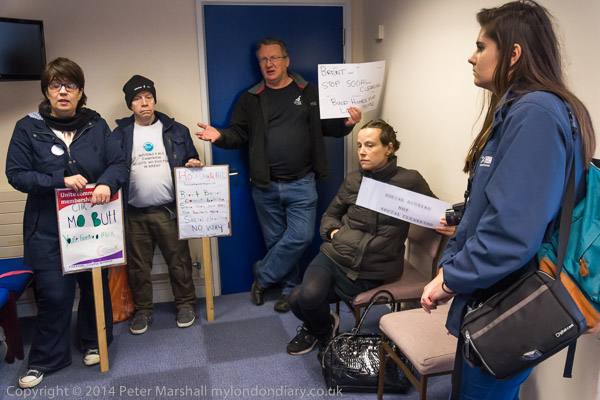
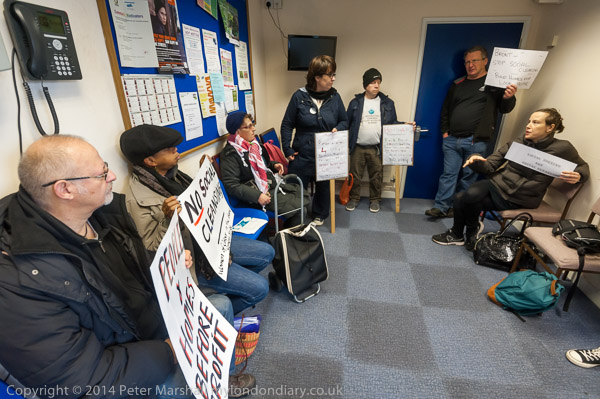
My day began outside the South Kilburn Housing Office where campaigners were calling for Brent to end selling properties to overseas investors while rehousing local residents outside the area. They accuse the Labour council of social cleansing and say people need to be put before profit. Soon they moved into the office and sat with their posters in the lobby.

There is a huge amount of ‘regeneration’ taking place in council estates in Brent, but the new properties are is largely advertised and sold off to people from outside the borough – including to wealthy investors abroad who often will leave the properties empty while London house prices rise, selling them after a few years at a high profit. It’s easier to sell empty properties than to have the bother of sitting tenants, though generally these can be easily evicted.

The campaigners included Isabel Counihan Sanchez and other members of the Housing 4 All campaign which grew out of the Counihan family campaign and Unite Community members. The result of profit-led regeneration process is social cleansing – with people from Brent having to move to outer London or away from London altogether because they cannot afford properties in the area. Often they have to move into private rented accommodation with little or no security of tenure on short-term contracts, where landlords often fail to do repairs and evict tenants who complain.

What residents of Brent (and other boroughs need), as the campaigner’s posters stated is ‘Social Housing Not Social Cleansing’, as in the previous century when philanthropic schemes – such as Peabody – and councils built houses and flats as social housing at rents that are actually affordable to people on low or minimum wage.

Brent Housing Sit-in


Fukushima Nuclear Protest – Japanese Embassy, Friday 7th November 2014

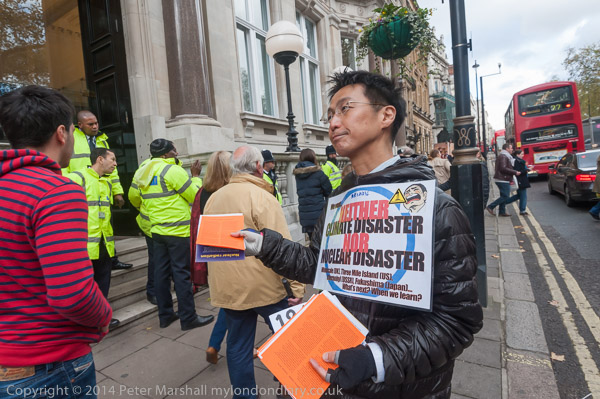
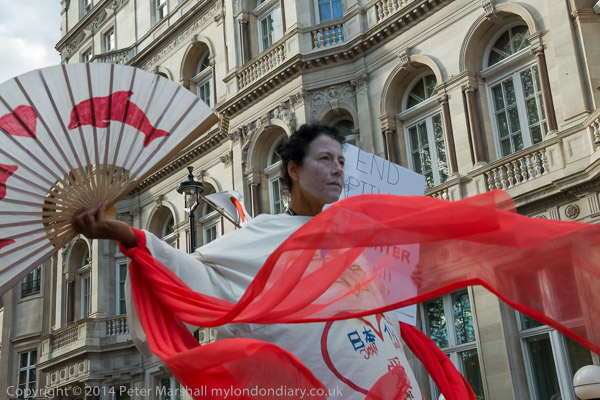
From Brent I travelled to the Japanese Embassy on Piccadilly, where a small group of Japanese and English protesters were handing out bi-lingual Japanese/English fliers about the continuing danger from radioactive leaks from the Fukushima nuclear power station.

Their weekly lunchtime protests here call for an end to the building of nuclear power stations worldwide because of the safety risks that Fukushima has highlighted, and for a proper investigation of the failures of TEPCO, the owners of the Fukushima power plant in running the plant and reporting and tackling the catastrophe. Later they left to protest at the nearby offices of TEPCO in Berkeley Square.

Fukushima Nuclear Protest


Taiji Dolphin slaughter protest – Japanese Embassy, Friday 7th November 2014

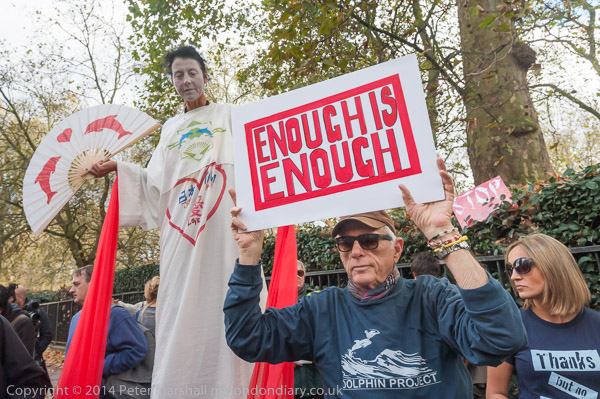
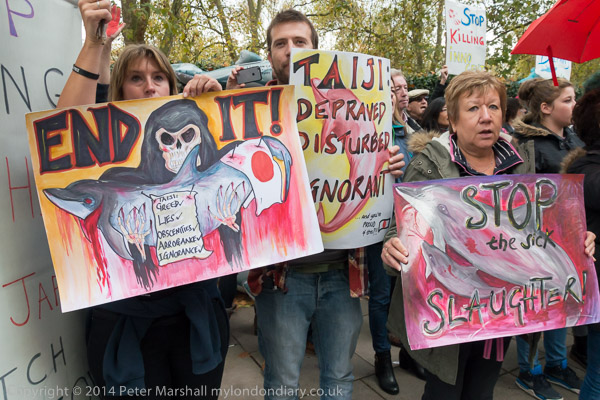
I remained outside the embassy where a crowd of several hundred as calling on Japan to halt the annual slaughter of 20,000 dolphins, porpoises and small whales each year in Taiji Cove, which had been taking place annually for around 40 years.

Those protesting included Ric O’ Barry, founder of the Dolphin Project and the maker of the film ‘The Cove’ which has shown the shocking reality of the dolphin slaughter to audiences around the world. Here he holds a poste ‘Enough Is Enough’.

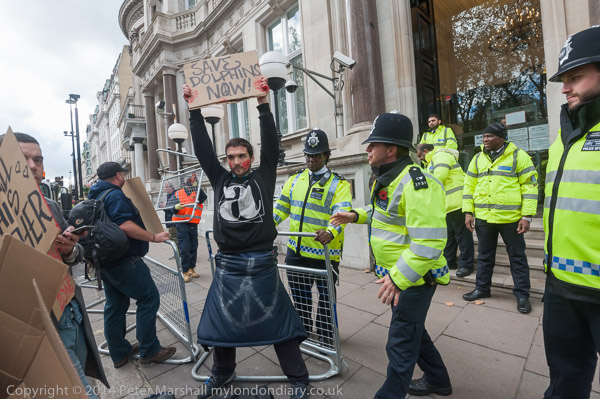
The protest was remarkable for the number of hand drawn and painted posters and placards, as well as some 3D artworks. Many of those present accepted the offer of having their hands covered in red paint to represent the blood of the dolphins, which turns the water in the bay red during the slaughter.

Most of the protesters remained behind the barriers on the opposite side of the road to the embassy, but there was some tension between the police and a few who crossed the road to protest closer to the embassy doorway.

Taiji Dolphin slaughter protest


Trafalgar Square Poppy Memorial – Friday 7th November 2014

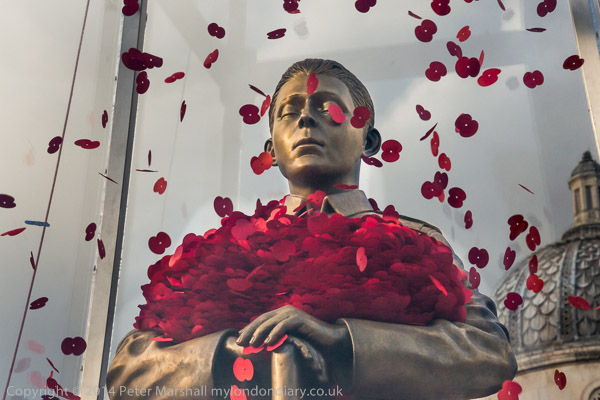
On my way to the next protest I changed buses at Trafalgar Square and stopped to look at Mark Humphrey’s brass ‘Every Man Remembered’ which had been unveiled there earlier in the day. Later I wrote about this bland and idealised image of an unknown soldier in Remembering the Dead on this site. To truly remember and honour the sacrifice our memorials might better show – in Seigfried Sassoon’s words – ‘Young faces bleared with blood, Sucked down into the mud‘. In my article I linked the another by Paul Mason in which he reminds us that the First World War actually ended when German sailors, soldiers and workers refused to fight.

Trafalgar Square Poppy Memorial


IWGB protest at Deloitte, Friday 7th November 2014

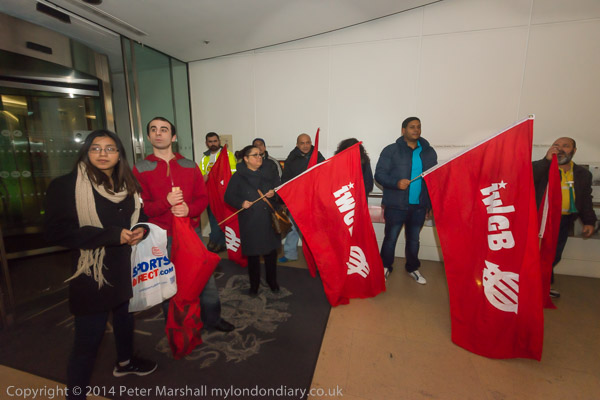
Another bus took me in into the City, where the IWGB (Independent Workers of Great Britain trade union) were protesting around Shoe Lane at Deloitte’s City offices. The cleaners in these are outsourced and employed by Serco who have suspended to workers for taking part in earlier protests over working conditions and staff shortages which have led to cleaners suffering from stress and back problems.

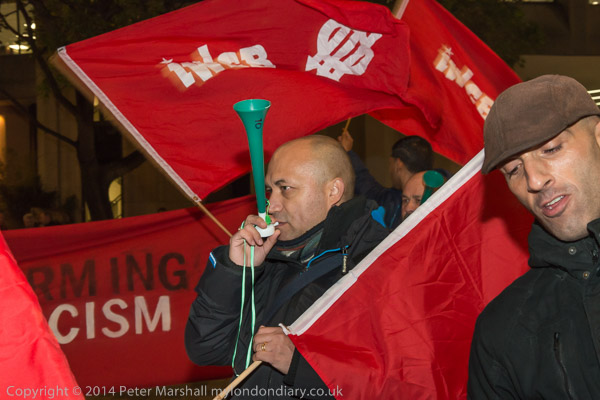
The cleaners had hoped to take security by surprise at the first of the offices they arrived at, but they were obviously prepared, and the cleaners could only play their drums, blow their horns and whistles, shout slogans and wave their flags in the courtyard outside, unfurling a large banner with the message ‘Solidarity. We Are Performing a SercoExorcism’.

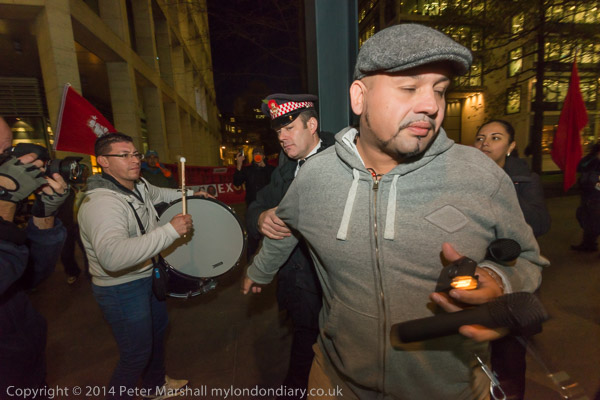
Security managed to keep ahead of them as they visited and protested outside three nearby Deloitte offices. At the third, two City of London police officers grabbed Alberto Durango as he was speaking and tried to stop him protesting. IWGB members surrounded them, insisting that they had a right to lawful protest and eventually the police backed down. The IWGB marched on to protest at a fourth office, then marched back to Fleet St.

IWGB protest at Deloitte


IWGB protest at Royal Opera House, Friday 7th November 2014

By now I was rather hoping to say goodbye and go home, but as we arrived on Fleet St, Alberto Durango announced that the group would be marching on to pay a surprise visit to the Royal Opera House, were outsourced IWGB cleaners are in dispute with cleaning contractor Mitie over victimisation, trade union recognition and working conditions.

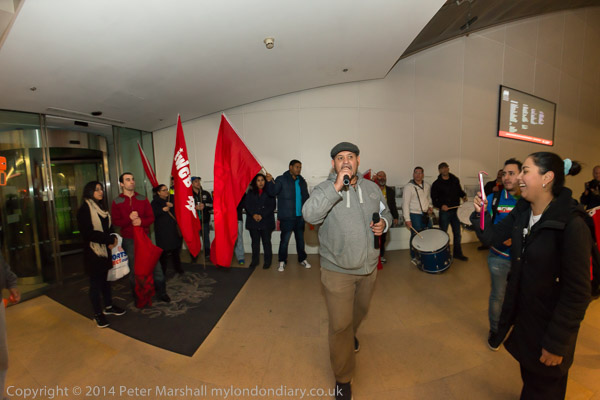
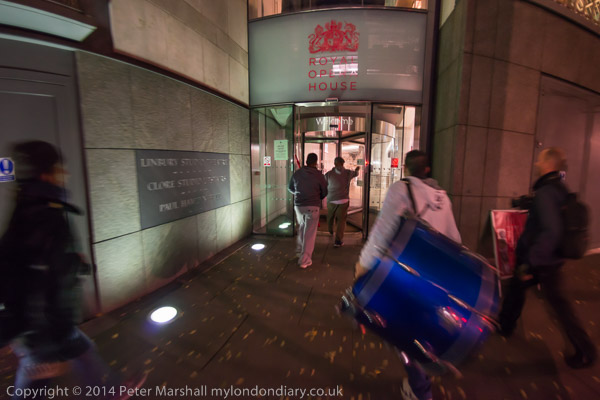
The cleaners moved quietly through the streets and rather surprised me as we arrived at the opera house by rushing into the foyer. A security guard grabbed hold of Alberto Durango but he pulled away from here and the rest of the group followed in and I went with them.

There they held a short protest with Alberto making clear their demands and calling on the Royal Opera House to support their cleaners and pressure Mitie who they have given the contract to to treat the cleaners properly. Opera House staff stood and listened and then the IWGB walked out. And at last I could go home.

IWGB protest at Royal Opera House


Cleaners, Bow Creek and Stirling Prize

Thursday 6th October 2016 was another of those varied days I love. I began with a lunchtime protest against victimisation and nepotism by cleaners, then went for a walk by Bow Creek before finally photographing a protest outside RIBA where the annual Stirling Prize presentation was taking place.


Cleaners demand ‘End Nepotism’ – 155 Moorgate

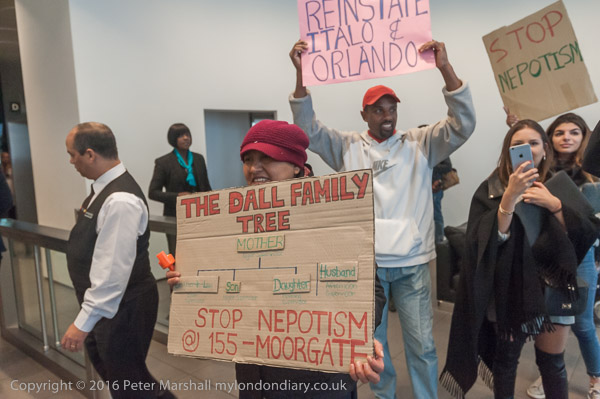
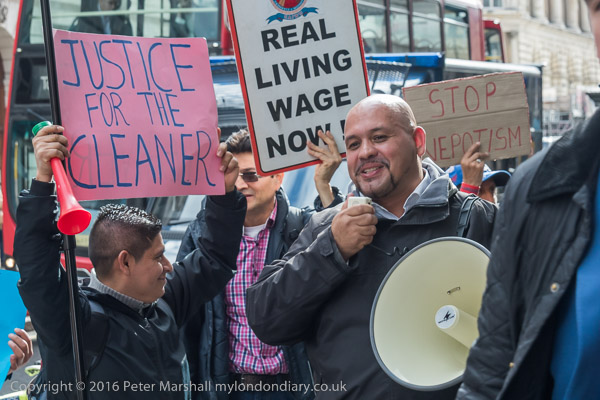
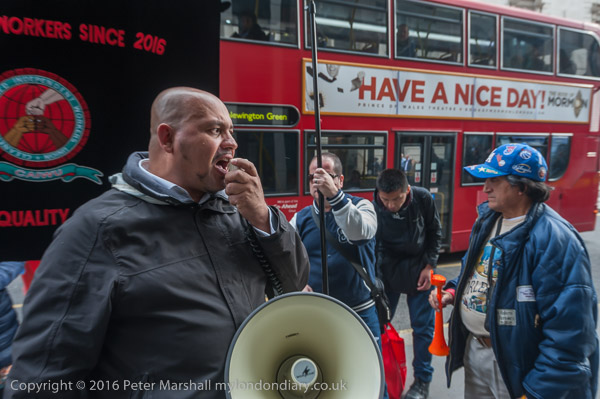
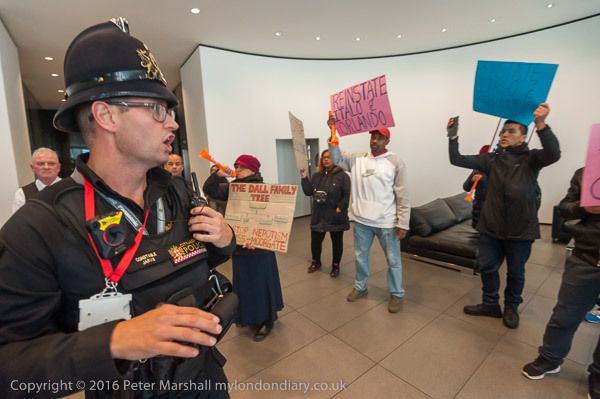
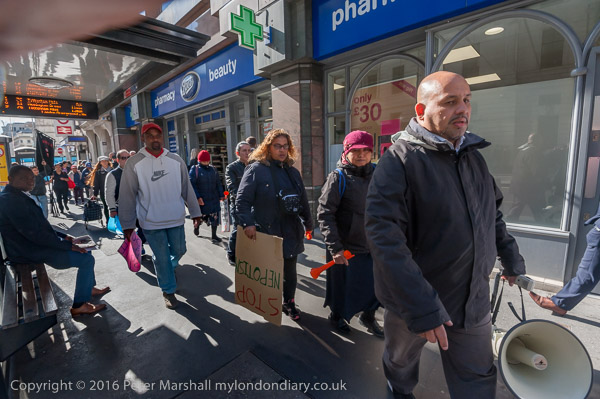
The Independent Workers Union CAIWU occupied the lobby of Mace’s headquarters building in Moorgate at lunchtime protesting noisily against cleaning contractor Dall Cleaning Services. I met the cleaners and supporters outside Moorgate station where they got out posters and a banner before marching quietly to pay an unannounced visit to Mace’s headquarters building where they walked into the lobby and started making a lot of noise.

They called for the reinstatement of two cleaners who they say were dismissed illegally without proper notice or other procedures being followed. They say that the cleaners have been dismissed simply to give jobs to members of the family of a Dall Cleaning Services supervisor.

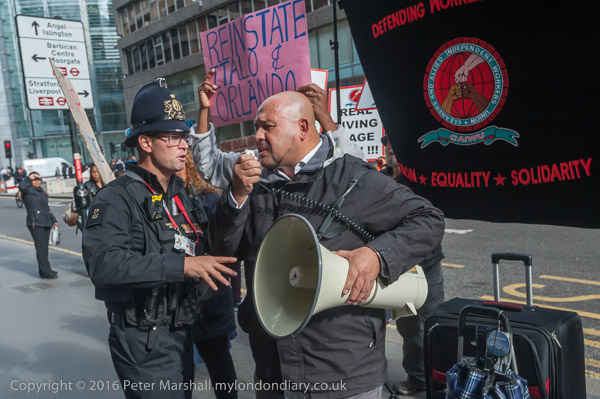
After around 15 minutes a police officer arrived, but it was too noisy to hear what he was saying and the protest continued. He stood a little to the side and called for reinforcements, and as these arrived the protesters walked out to join those who had stayed outside and the protest continued on the pavement for another 20 minutes.

Police came to tell the protesters they were making a lot of noise, and were told that was the idea – they came here to do so and shame Mace and Dall Cleaning Services.

Eventually another officer who had been present at several previous CAIWU protests arrived and was told they would soon be stopping.

And after a couple more minutes, Alberto ended the protest with the usual warning “We’ll be back – and that’s a fact”.

More at Cleaners demand ‘End Nepotism’.


Limehouse, Bow Creek & Silvertown, London

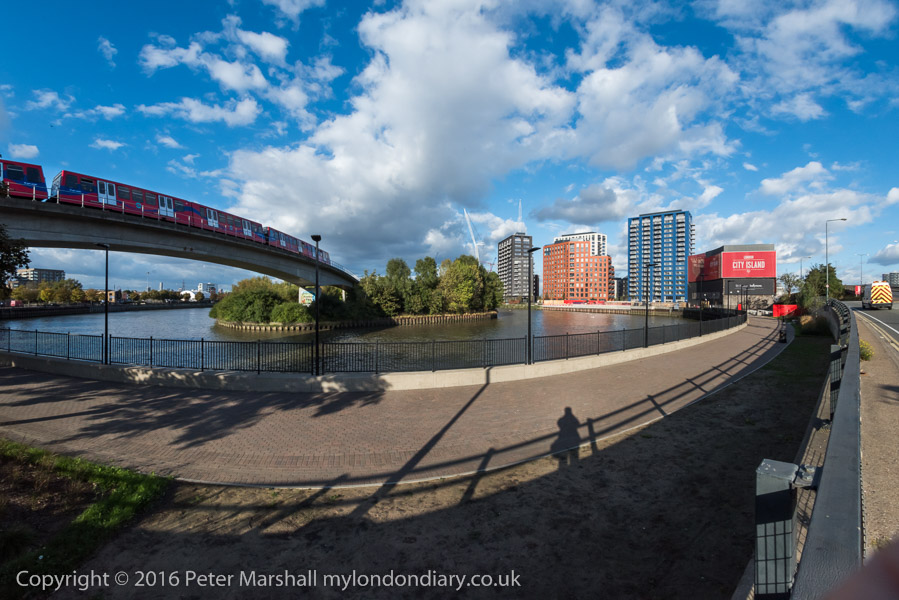
I had the afternoon to fill before the next protest and it was a fine day so I decided it was time to take another trip to Bow Creek. I took the DLR from Bank to West India Dock to start my walk, and took the opportunity and a fairly clean train window to take a few pictures on my way there.

City Island is not quite an island

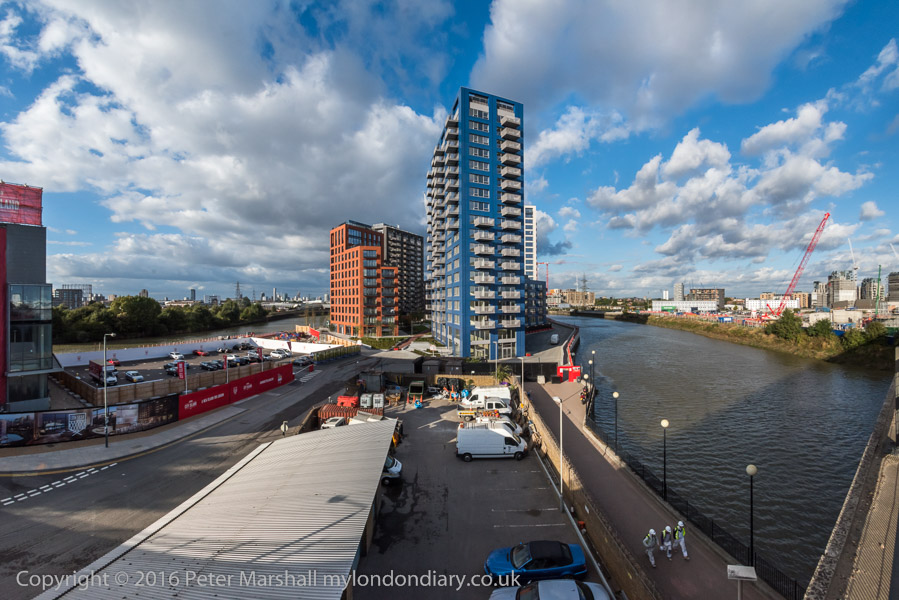
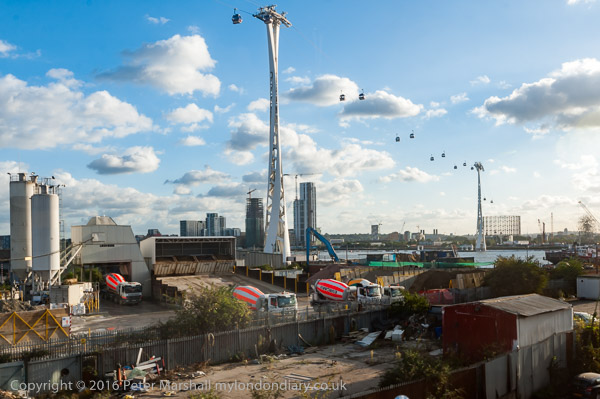
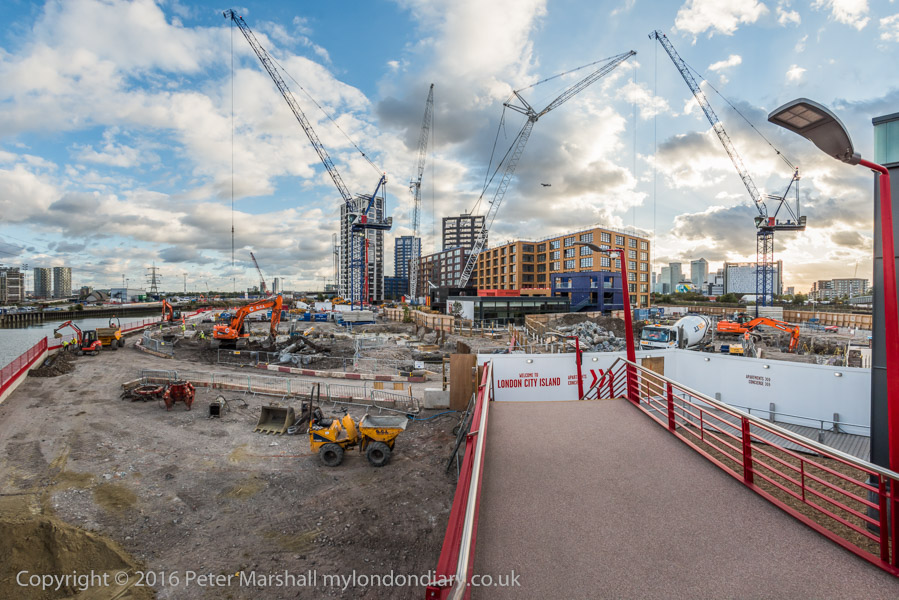
I walked over the Lower Lea Crossing, which provided a view of work which was now rapidly going ahead on ‘City Island’, where a loop in Bow Creek goes around what was previously the site of Pura Foods. This development had stalled with the financial crash in 2008 but was now in full swing.

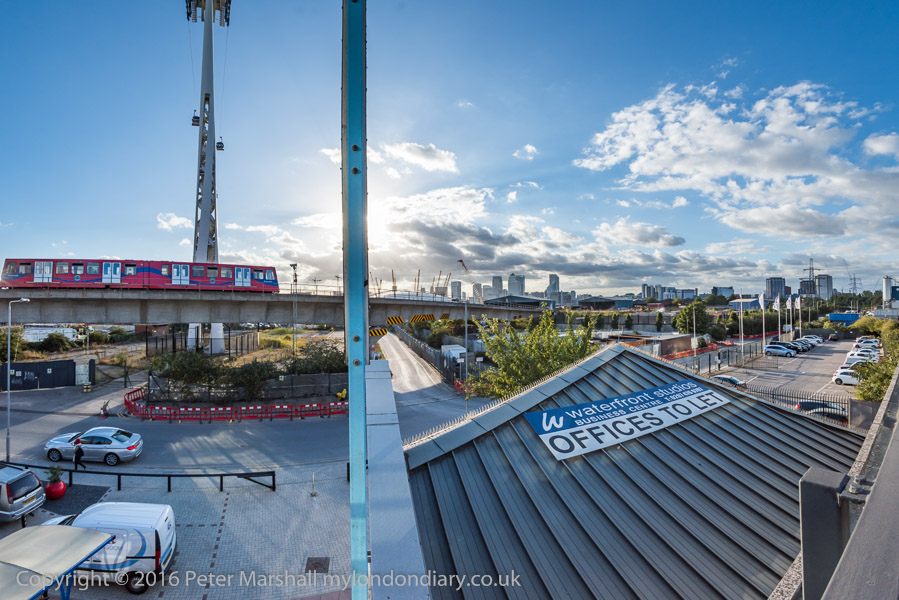
From there I walked on along the elevated Silvertown Way, giving views of the surrounding area, before taking the DLR back to Canning Town, again taking advantage of a fairly clean train window on the ride.

Rather to my surprise, at Canning Town I found that the exist to the riverside walk was finally open. I think the walk here beside Bow Creek was constructed in the 1990s and I’d been waiting for around 20 years for this exit from the station to open and give access to it. I didn’t have as much time left as I would have liked but did make a few pictures.

For years there have been plans to create a walk from the path beside the Lea Navigation at Bromley-by-Bow to the Thames at Trinity Buoy Wharf, and the section as far as Cody Dock had opened a few years earlier – with the ridiculous name of ‘The Fatwalk’. It hasn’t really got any further yet, though at least it has been renamed as the ‘Leaway’.

More pictures – both panoramic and otherwise at Limehouse, Bow Creek & Silvertown.


ASH protest Stirling Prize – RIBA, Portland Place

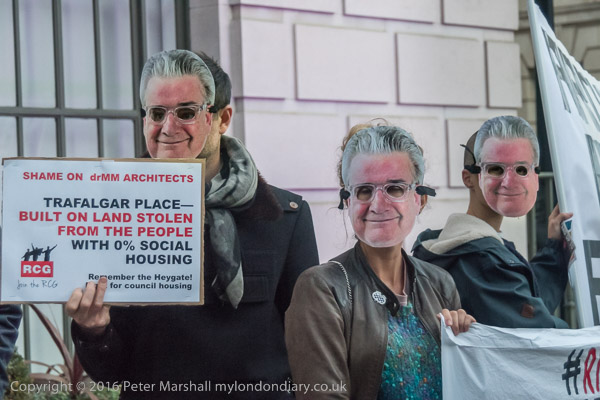
Many of the protesters wore masks showing RIBA President Elect Ben Derbyshire

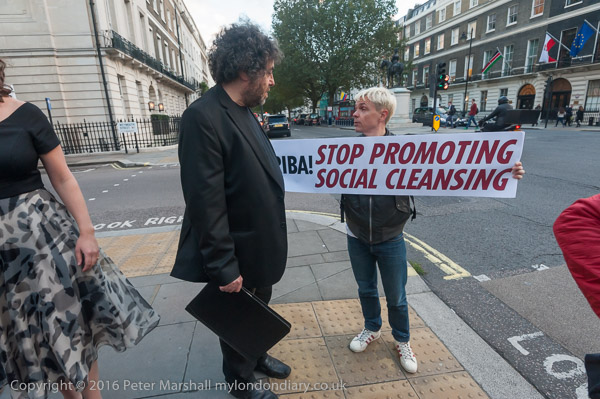
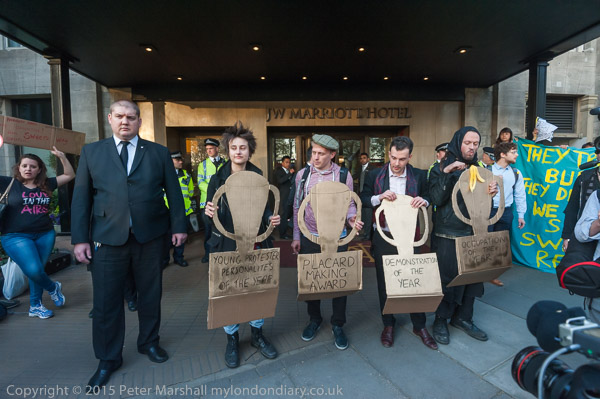
Architects for Social Housing (ASH) led a protest outside the Stirling Prize awards ceremony pointing out that one of the short-listed projects, Trafalgar Place, was built on the demolished Heygate Estate, which was ‘stolen from the people’ with hundreds of social housing tenants and leaseholders being evicted and the site sold at one tenth of its value to the developers.

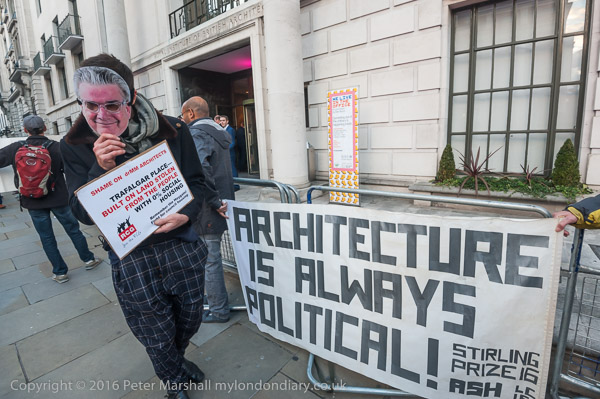
 ‘Architecture is Always Political!’, a quote from Richard Rogers

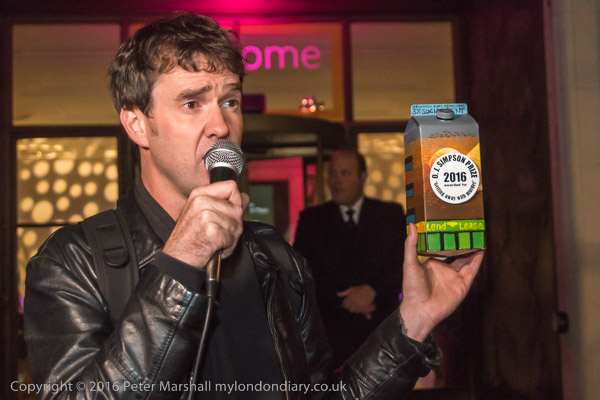
Together with other housing protesters than held their own awards ceremony on the pavement in front of the RIBA building, awarding the ‘O J Simpson Award for getting away with murder’ to drMM Architects for this project, the first phase of Lendlease’s £1.5 billion Elephant & Castle redevelopment. This will replace 1214 social housing homes with few or no affordable homes.

There were no other contestants for the Ben Derbyshire Foot In Mouth Award than RIBA President Elect Ben Derbyshire but there was a vote to select which of five of his totally ridiculous statements by him about social housing should be the winner.

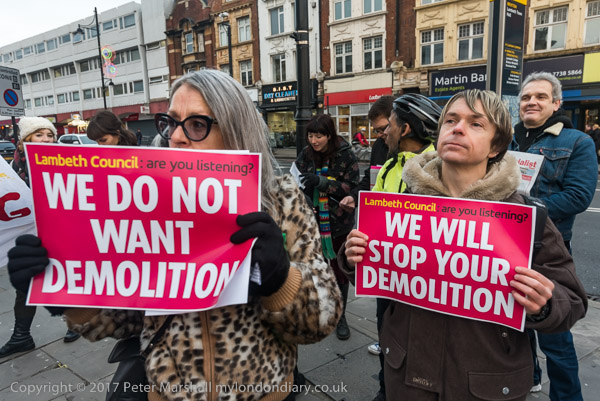
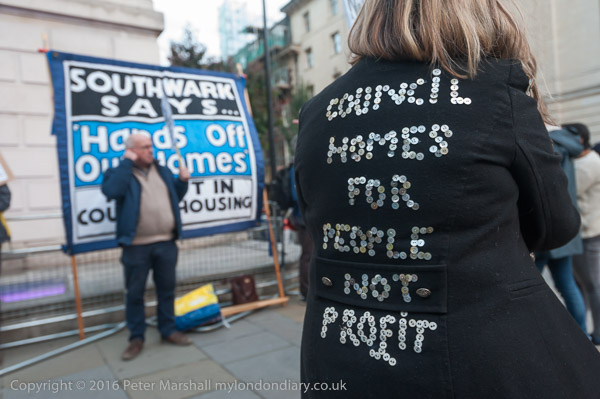
Among those at the protest were residents opposing the demolition of the Aylesbury estate, close to the Heygate, where Southwark Council are also demolishing social housing properties rather than carry out relatively low cost Aylesbury estate,that was voted for by the residents and could continue the useful life of these properties for many years.

Simon Elmer of ASH holds up the award for the ‘O J Simpson Award for getting away with murder’ awarded to drMM Architects and developers Lend Lease for Trafalgar Place

Estate demolition has a huge social and environmental cost and schemes like these in the borough of Southwark result in huge losses of social housing. But they provide expensive properties often sold largely to investors who will never live in them and large profits to the developers. Councils hope to share in these profits, but on the Heygate made huge losses, though some individuals involved have gained highly lucrative jobs.

More at ASH protest Stirling Prize.


Class War Occupy Rich Door – Aldgate

Class War Occupy Rich Door - Aldgate

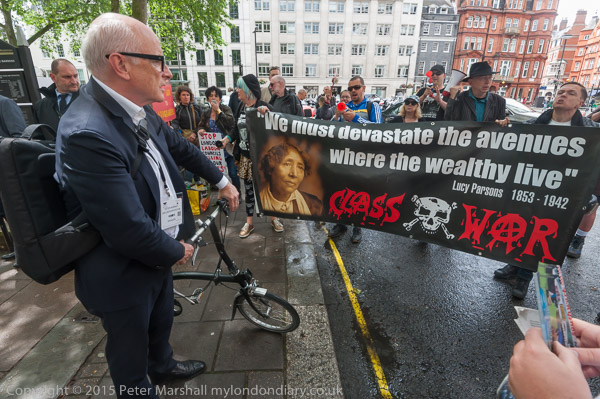
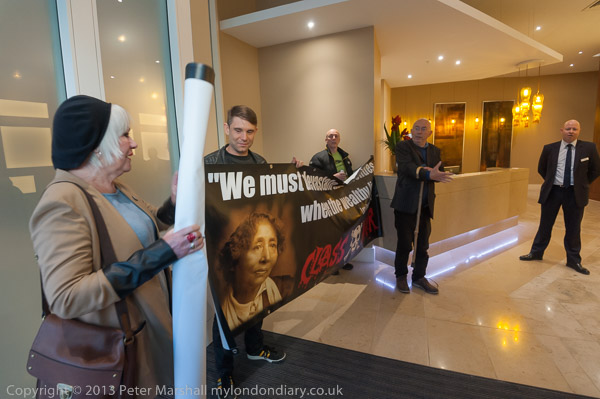
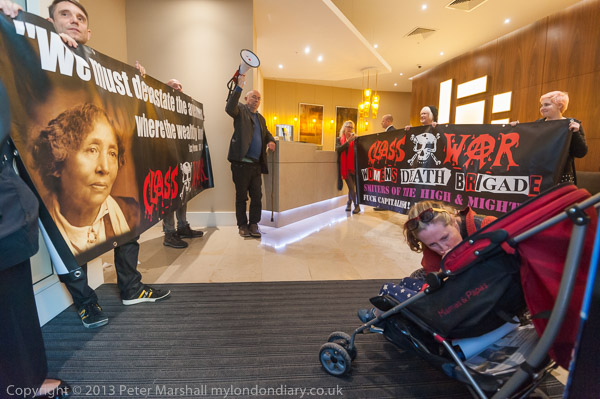
Wednesday 24th September 2014 saw one of the more interesting protests in the long-running series by Class War at the tower block of One Commercial Street which has a plush foyer with a 24hr concierge for the residents of the expensive private flats in the block on Aldgate High St, but social housing tenants in the same block are denied entry here and have to use a small door into an empty passage from an alley at the side of the building.

Class War Occupy Rich Door - Aldgate
The building manager opens the door to let a resident leave

Developers of new housing in London are generally required to provide a small proportion of social housing in their schemes, though they often find legal ways to reduce or even eliminate this, either by building separate social housing blocks or paying others to do so, or simply by pleading (often misleadingly) they cannot make high enough profits.

Class War Occupy Rich Door - Aldgate
and finds the door is held open

Boris Johnson when London Mayor said he would discourage the use of separate entrances for social housing tenants and Sadiq Khan made clear that there should be a “tenure blind” approach with affordable homes and private homes having entrances that were not distinguishable by quality, type, or location with the goal of “social equality and dignity“.

He makes the mistake of walking away

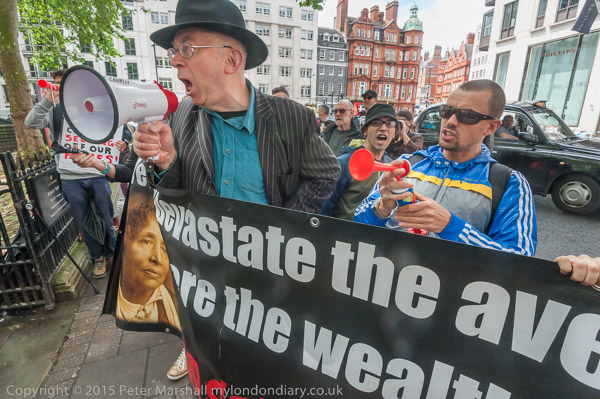
But despite these words, new developments continue to feature separate doors in what activists describe as “social apartheid”. And in July 2014, Class War began a series of weekly pickets outside the ‘Rich Door’ in a campaign to publicise and hopefully end the practice.

and Class War walk in with a banner

Over the following months I followed their campaign, photographing around 30 of their protests, missing only two when I was out of London. As well as putting pictures on My London Diary and elsewhere on the web I also in 2015 published a ‘zine’ ‘Class War – Rich Door, Poor Door‘ (ISBN 978-1-909363-14-4) packed with pictures from the pickets(still available.)

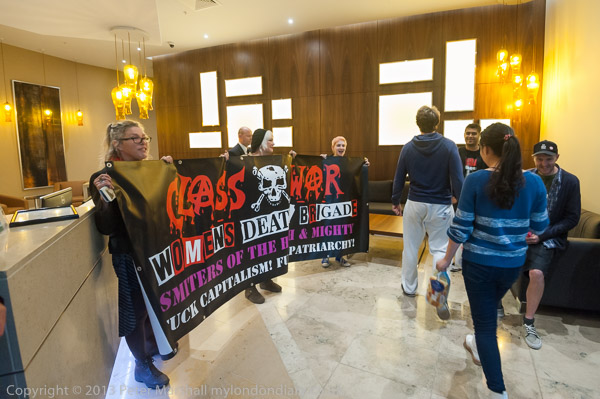
Jane Nicholl enters with the Class War Women’s Death Brigade Banner rolled up

The protests certainly added to the debate about the practice and exposed some of the lies of the developers, but I think there are still separate and very different doors for rich and poor at this and many other of London’s new developments. The protests may also have speeded the decision of the developer Redrow to sell the building to new owners Hondo Enterprises. There were also some minor victories, with the alley getting cleaned up and new lighting installed.

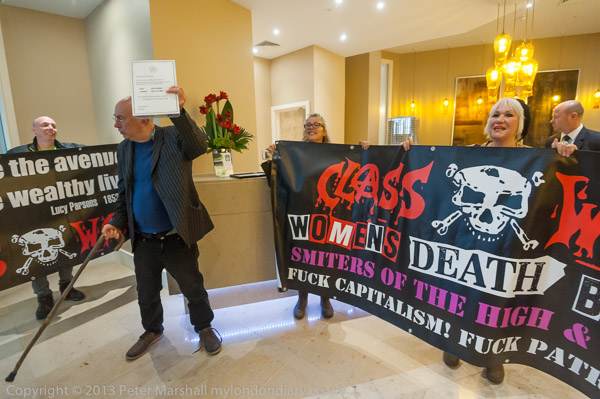
Ian Bone holds up a framed notice from the reception desk as he speaks

Since then the building, which in 2014 was nominated for the ‘Carbuncle Cup’, has changed its name to ‘The Relay Building’ and there has been considerable remodelling of the ‘rich door’ which now has the separate name of the Crawford Building. The flats served by the ‘poor door’ are called the Houblon Appartments. Despite claims by Redrow that the two groups of flats were internally quite separate I was taken from the rich part and out of the poor door by one of the residents who told me she often took her dog out for a walk that way.

Residents walk in to the flats past the protesters

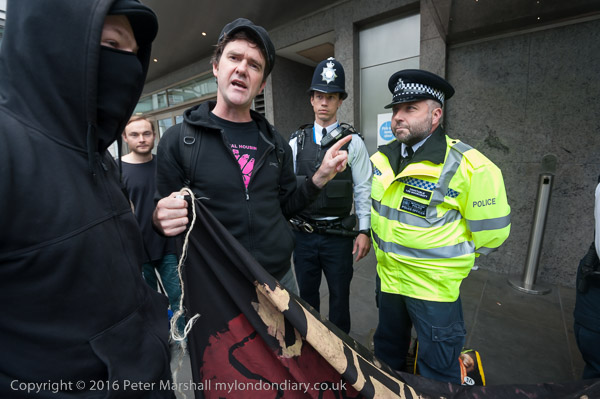
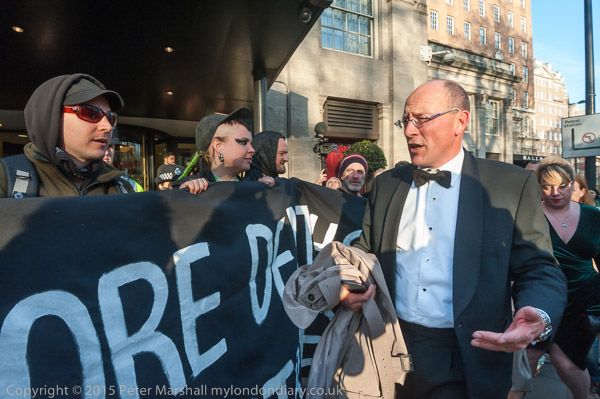
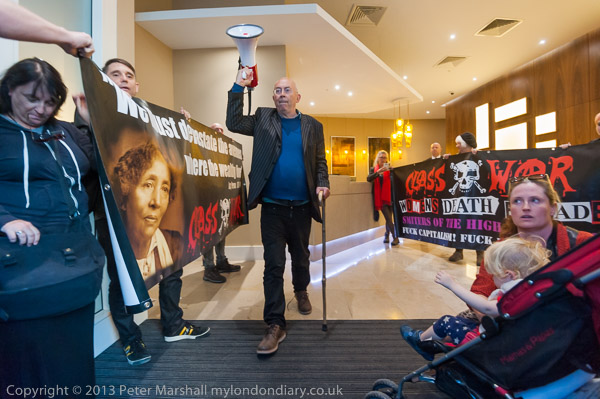
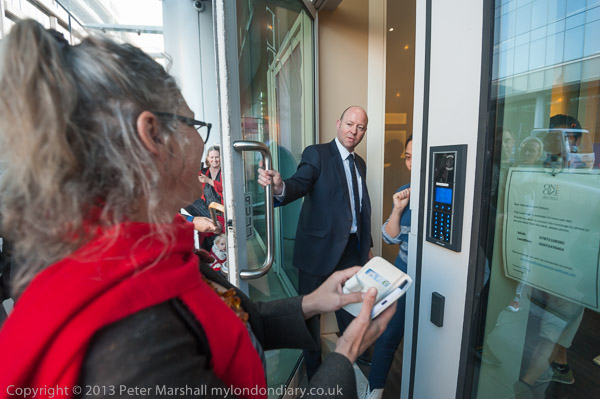
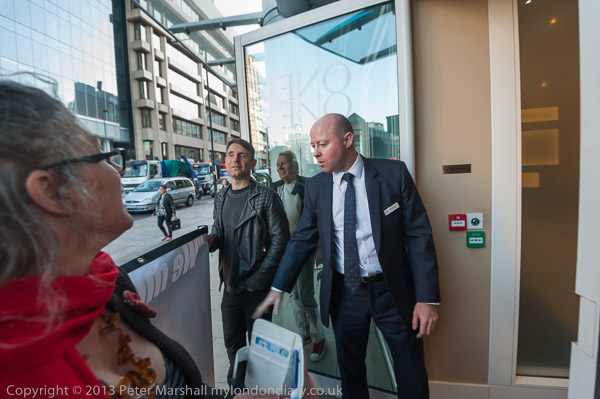
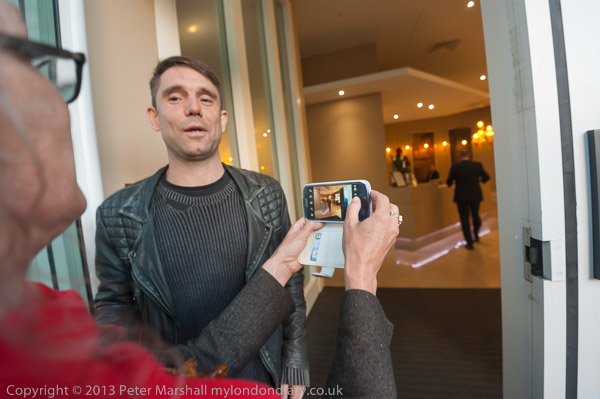
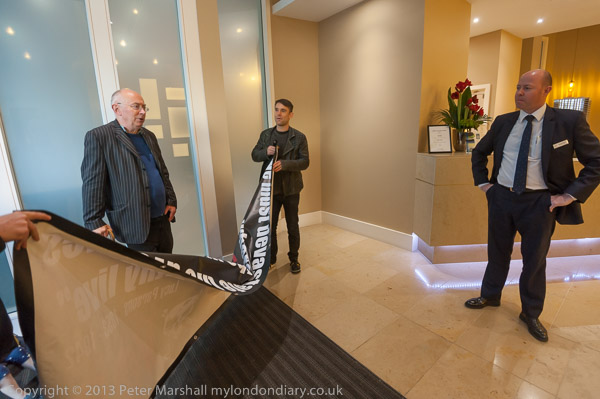
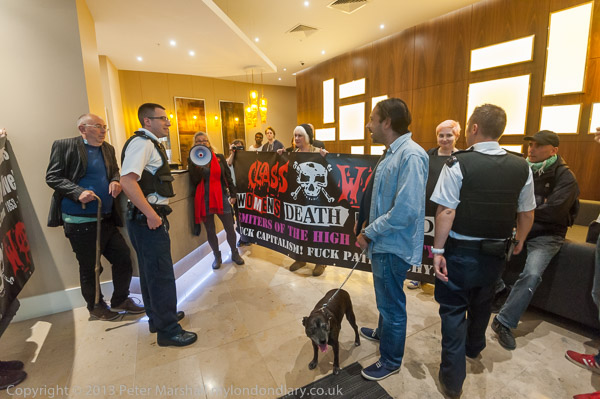
There were no police in evidence as Class War arrived on 24th September and began their picket. When the building manager opened the door to let a resident out protesters held the door open and the manager was unable to close it. He made the mistake of walking away, and several people then walked in with a Class War banner. Others from Class War followed them and made themselves at home in the large foyer.

Ian Bone stands next to the desk with its vase of flowers

Ian Bone picked up Redrow’s Gold Award certificate from the concierge desk and began talking about it and the separate doors to the building, and about the notice describing the concierge service, comparing this foyer to the bare entrance to the social housing flats, and others too spoke.

I turned after hearing a crash and saw the flowers had gone

Ian was waving his walking stick around as I took pictures and I was turned away from him when I heard a crash, and I’d sensed a movement out of the corner of my eye. I turned around and saw that the vase of flowers which had been at the corner of the desk was no longer there. I couldn’t be sure whether Ian had knocked them off deliberately or by accident, though I thought the latter unlikely.

Two officers came, and one went to talk to the building manager

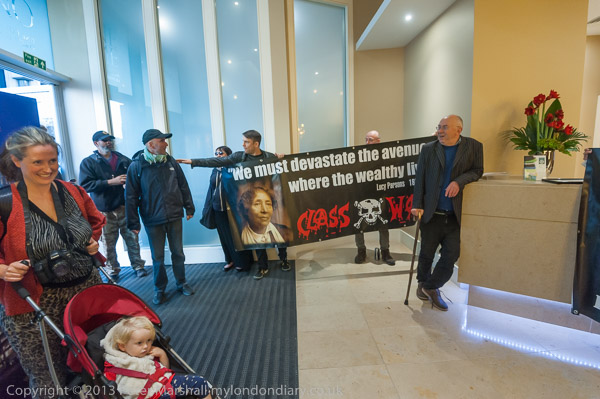
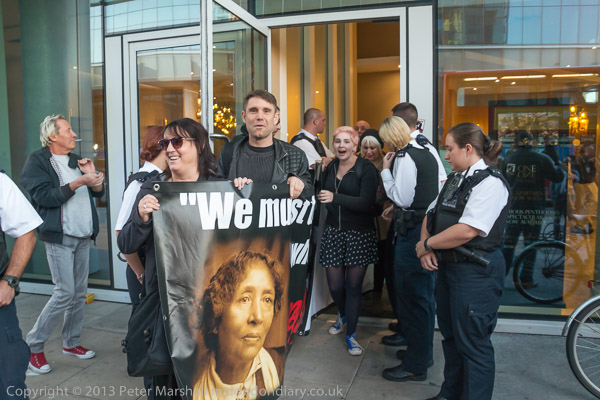
Eventually the police arrived and walked in talking with the protesters and the building manager and asking the protesters to leave. I went out when the building manager requested the protesters to go outside and joined the others who had stayed protesting and watching from outside. More police came and eventually those inside came out and the protest continued there, with several more speeches including a former local resident who was complaining he could no longer live in the area as it had become too expensive.

Class War come out of the Rich Door

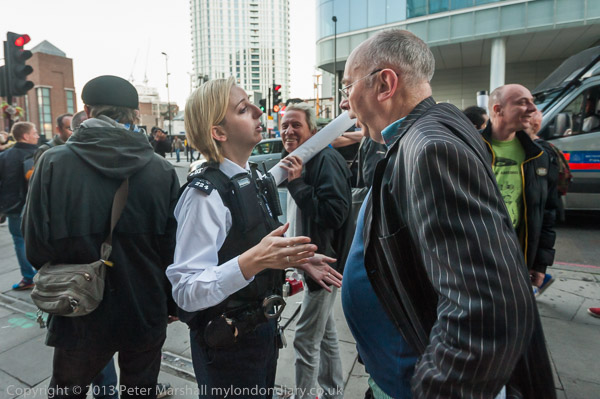
After continuing their protest outside for a while, Class War decided it was time to leave and rolled up their banners and began to move away. A woman police officer then stood in Ian Bone’s way and stopped him leaving. More officers came to surround him and he was led away to a waiting police van which then drove away.

A police officer stops Ian Bone as he was leaving

The following week Class War were back again at the Rich Door and I learnt that Ian Bone had been told by police that his breaking the vase had been recorded on CCTV and had then agreed to pay £70 in compensation. No charges had been brought, probably because Redrow wanted to avoid publicity. But Class War had brought with them two very tacky looking vases with flowers to try to give to the building manager.

Ian Bone is briefly searched before being put in the van and driven away

More at Class War Occupy Rich Door


Isle of Dogs and Class War

Isle of Dogs and Class War: The weather was fine on Wednesday September 3rd 2014, with some nice clouds which made it a good day for some more panoramic photographs, and I went up earlier in the day to continue my pictures around the Isle of Dogs before covering an evening protest by Class War in Aldgate.

Isle of Dogs – Island Gardens to South Quay
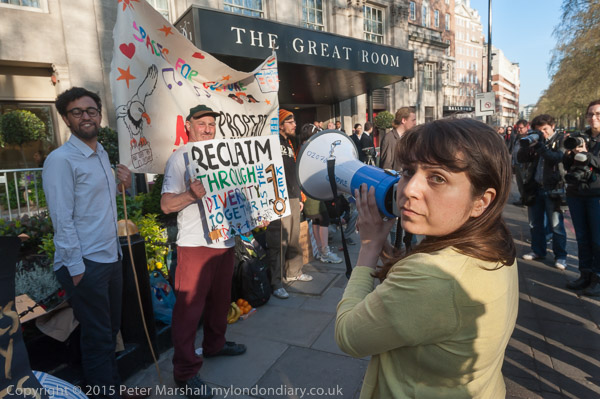
Back in the 1980s I set out to photographed extensively in London’s docklands, part of a wider project on the de-industrialisation of the city, partly a response to changes in technology and globalisation, but greatly accelerated by the Thatcher government which saw great opportunities for their supporters profiting by a switch from manufacturing to service industries.

The government policies perhaps made some sense at the time – and certainly made some large profits for the friends and supporters of the Tories, but in many ways we are paying for them now, particularly for their ‘selling off the family silver’ by privatising utilities and other publicly owned activities.

In the docks the main changes were due to containerisation and other efficient ways of handling cargo. Much larger vessels came into service and the long journey up the River Thames to London’s Docks was difficult or impossible, as well as adding significantly to turn-around times. Only Tilbury, miles closer to the sea remained viable.

The changes to Docklands could have been managed for the benefit of the existing populations to the area, with development being carefully planned and managed locally. Instead we got the London Docklands Development Corporation which overrode local interests to benefit those of corporations but did produced a more rapid development than would otherwise have taken place. But it was a huge give-away to private developers, resulting in dramatic changes, and one that the area will continue to suffer from for generations.

Many of my pictures from the 1980s in colour as well as black and white are now available on Flickr in a https://www.flickr.com/photos/petermarshall/albums number of albums and there are also a number of books available on Blurb (in print and as PDF) with the Isle of Dogs being included in City to Blackwall ISBN: 978-1-909363-09-0 which has a working preview.

My walk in 2014 began at Island Gardens DLR station, where I had finished a previous walk, and I continued along the riverside path to the Blackwall Entrance, across to Poplar Dock and Blackwall Basin, down Prestons Rd and Manchester Road to East Ferry Road, and then up and around a little on my way to South Quay Station.
In 2014 I was mainly making digital panoramic photographs, with a horizontal angle of view of around 145 degrees – much greater than can be achieved with a normal rectilinear perspective. These pictures use a projection which keeps vertical edges straight and also gives a straight horizon line (so long as the camera is kept level) but other lines and objects away from the centre of the image curve. Similar projections were used by artists such as Canaletto. These images here have a aspect ratio of 1.9 to 1.
There are two posts on My London Diary with many more panoramas and a few ‘normal’ views from this walk:
Isle of Dogs
Isle of Dogs Panoramas


Class War ‘Poor Doors’ picket Week 6 – Aldgate

I got back a few minutes early to where Class War were to stage their sixth weekly protest against the separate doors for the wealthy residents and social housing tenants in the block ‘One Commerical St’. The entrance for the rich is on Whitechapel High St next to Aldgate East station while the poor door is down an alley on the west side of the building.

Unlike in previous weeks there were police already there and waiting for the protesters, a sign that the police were taking a firmer stance against the protests here. Almost certainly they were responding to pressure from the owners of the building, and their activities against the protesters were to heighten further in later weeks.

When the protesters arrived, officers immediately came and talked to them, making it clear that they were not to block the doorway for people entering or leaving the building.

More police arrived, outnumbering the small group of little more than a dozen protesters who had come to hand out leaflets to people on the street outside. Many passing expressed surprise that this kind of segregation of rich and poor was allowed to happen in London and showed support for the protest.

It was perhaps the smallest of the series of thirty or so ‘Poor Doors’ protests outside this building. There were quite a few arguments with police officers but no arrests on this occasion.

More pictures at Class War ‘Poor Doors’ picket Week 6.


The Elephant, Sewol and Brexiteers

The Elephant, Sewol and Brexiteers
Saturday 13th April 2019 in London, three years ago seems very distant to me now.


Love the Elephant, Elephant & Castle, London

The Elephant, Sewol and Brexiteers

The main event I covered on the day was at the Elephant & Castle shopping centre in south London, where local people and supporters were calling on Southwark Council and developers Delancey to improve the plans for the redevelopment of the area.

The Elephant, Sewol and Brexiteers

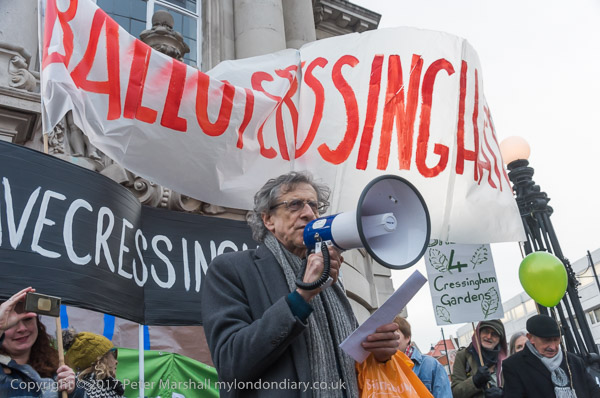
The campaigners main banner had the message ‘LOVE THE ELEPHANT – HATE GENTRIFICATION’ and this is an area that epitomises the changes that have been taking place in many of London’s poorer areas for many years now. Traditionally working class South London, this area has been at the centre of major demolitions of large council estates and their replacement largely by expensive high rise blocks at market rents with a nominal amount of so-called ‘affordable’ and miniscule amounts of truly social housing.

The Elephant, Sewol and Brexiteers

Immediately to the east of the shopping centre had been the award-winning Heygate Estate, completed in 1974, once popular for its light and spacious flats, but long subjected to a process of managed decline by Southwark Council who even employed PR consultants to emphasise a negative view of the estate, together putting together what the estate’s architect Tim Tinker described in 2013 as a “farrago of half-truths and lies put together by people who should have known better.” The council deliberately used parts of it in the latter years to house people with mental health and other problems, and as temporary accommodation. I photographed the estate on several occasions, most recently on a tour by residents opposed to the redevelopment of both the Heygate and the neighbouring Aylesbury Esate in 2012, Walking the Rip-Off.

The Heygate estate had a mixture of properties with large blocks of flats on its edges and contained 1,214 homes, all initially social housing, though many were later purchased by residents who became leaseholders. It’s replacement, Elephant Park is far less well planned but according to Wikipedia will “provide 2,704 new homes, of which 82 will be social rented. The demolition cost approximately £15 million, with an additional £44m spent on emptying the estate and a further £21.5 million spent on progressing its redevelopment.” The council sold the estate to the developers at a huge loss for £50m.

Many of the flats on Elephant Park were sold overseas as investment properties, the continuing increases in London property prices making these a very attractive holding. The new estate will also provide housing for those on high salaries in London, with a railway station and two underground lines providing excellent transport links for professionals working elsewhere in the city. Those who previously lived and owned properties on the Heygate have had to move much further from the centre of the city, some many miles away.

The Elephant & Castle Shopping Centre, was opened in 1965 on the site of the 1898 Elephant & Castle Estate which had been badly damaged by wartime bombing, and was the first purpose-built shopping centre in the UK and certainly one of the first in Europe. Many of its 115 shops were then owned by local traders.

A market trader speaks about the poor deal they are getting

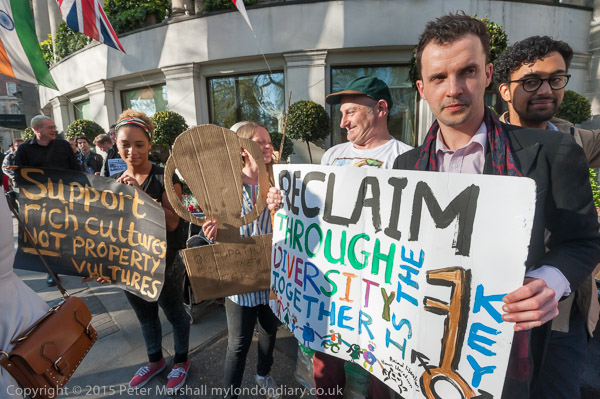
The rally and procession by Southwark Notes, Latin Elephant and Up the Elephant at the Elephant & Castle called on Southwark Council and the developers Delancey to develop the Elephant for the existing population and users, rather than as social cleansing to attract new, wealthier residents and shoppers. They would like to see a development that retains the existing character of the area which has become very much a centre for South London’s Latin community many of whom live in the surrounding area. It became the most diverse and cosmopolitan shopping centre in London, with also other amenities such as a bowling alley and bingo hall, serving the population of the area.

Security officers order the campaigners out of the market area

They say the development should include more social housing and call for fairer treatment of the market traders, who should be provided with ‘like for like’ new spaces at affordable rents and be given adequate financial compensation for the disruption in business the development will cause.

A long series of protests in which locals were joined by students from the London College of Communication whose new building forms a part of the redevelopment did lead to some minor improvements to the scheme by the developers, but the shopping centre closed in September 2020 and demolition went ahead and was complete around a year later. The new development will include high-rent shops, almost certainly mainly parts of major chains, expensive restaurants and bars and plenty of luxury flats, along with a small amount of “affordable” housing.


Sewol Ferry Disaster 5 years on – Trafalgar Square

The Elephant, Sewol and Brexiteers

The good transport links that make the Elephant so attractive to developers also took me rapidly into the centre of London as the procession of protest there came to and end, although events there were continuing all afternoon – only four stops taking 6 minutes on the Bakerloo Line to Charing Cross.

I’ve photographed the small monthly vigils by campaigners in remembrance of the victims and in support of their families of the 304 people who died in the Sewol Ferry Disaster of 16 April 2014 on a number of occasions, though its always difficult to find anything new to say, either in words or pictures.

But this was a special event, the fifth anniversary of the disaster, and the 60th 60th monthly vigil. Campaigners continue to call for a full inquiry, the recovery of all bodies of victims, punishment for those responsible and new laws to prevent another similar disaster. They tie cards on lines with the class and name of the 250 high school children who were drowned after being told to ‘stay put below deck’.


Brexiteers march at Westminster – Westminster Bridge

The Elephant, Sewol and Brexiteers

Brexiteers were continuing to march weekly around London holding Union Jacks, St George’s flags and placards and many wearing yellow high-viz jackets because although there had been a small majority in favour of leaving Europe in the 2016 referendum, Parliament had not found a way to get a majority to pass the legislation needed. It was this indecision that led to a resounding victory for Boris Johnson in the 2019 election in December, though unfortunately his ‘oven-ready’ agreement has turned out to be extremely half-baked and most of the things dismissed by Brexiteers as scaremongering have turned out to be true, while the promises made by the Leave campaign have so far largely failed to materialise and most seem unlikely ever to do so.

Johnson’s deal – important parts of which he seems not to have understood, particularly over the Irish border arrangements has left us in the worst of all possible worlds, though it has made some of his wealthy friends – including some cabinet members – considerably wealthier and protected them from the threat of European legislation that would have outlawed some of their tax avoidance. Back in 2019 I commented “We were sold the impossible, and things were made worse by a government that thought it could play poker when what was needed was a serious attempt at finding a solution to the problems that both the UK and Europe face.”

The protesters were also protesting with flags and banners supporting members of the armed forces against their trial for killings in Northern Ireland and for the Islamophobic campaign ‘Our Boys’ which seeks to have a drunk driver of Hindu origin who killed three young men prosecuted as a terrorist.


Bow, Kingsly Hall, a Nursery, Grime, Quakers & more

This post continues from my previous post on this walk by me on 1st August 1988, Coventry Cross, Gandhi, Graffiti, Drag Balls …

Stroudley Walk, Bow, Tower Hamlets, 1988 88-8a-21-Edit_2400
Stroudley Walk, Bow, Tower Hamlets, 1988 88-8a-21

The buildings of the Diary and the Rose & Crown are still standing at the north end of Stroudley Walk where it meets the end of Bromley High St, but the closed diary became Hussains Convenience Store and then Jalalabad Grocers and half is now a mobile phone repair shop.

The Rose & Crown had opened here around 1720, as the Bowling Green Inn, though the building here is from the 1880s. It closed in 2007, was boarded up for some years before reopening around 2014 as a coffee bar and fast food restaurant.

This was formerly the north end of Devons Road, and a sign for this painted on the brickwork at the left of the pub had virtually disappeared when I made this picture in 1988. Later repainted it has now almost disappeared again.

Kingsley Hall, Powis Rd, Bromley-By-Bow, Tower Hamlets, 1988 88-8a-25-Edit_2400
Kingsley Hall, Powis Rd, Bromley-By-Bow, Tower Hamlets, 1988 88-8a-25

I wrote more about Kingsley Hall and the sisters Muriel and Doris Lester in the previous post on this walk. They used a legacy from their younger brother Kingsley to set up a house where they lived in relative poverty and served the neighbourhood as well as campaigning for peace and justice across the world. A plaque on the building records that Mahatma Gandhi lived in a small cabin here during his three month stay attending a government conference as a representative of the Indian National Congress. You can read and see more about his visit and the sisters on the Muriel Lester web site.

This image gives a better view of the whole building, which dates from 1928. It faces the Devons Estate, built for the London County Council in 1949 and described by Pevsner as being in their ‘pre-war manner, but with all the drabness of post-war austerity‘. Those moved from slums into its maisonettes and flats would have taken a far more positive view and the estate was solidly built and well-designed to the standards of the day.

Clyde House, Bruce Rd, Bromley-by-Bow,  Tower Hamlets, 1988 88-8a-26-Edit_2400
Clyde House, Bruce Rd, Bromley-by-Bow, Tower Hamlets, 1988 88-8a-26

Clyde House is still there at 46 Bruce Road, looking in rather better condition now. Built in 1884 it appears to have been built as a pair with its double-fronted neighbour at 48.

Children's House, Nursery School, , Bruce Rd, Bromley-by-Bow,  Tower Hamlets, 1988 88-8a-11-Edit_2400
Children’s House, Nursery School, Bruce Rd, Bromley-by-Bow, Tower Hamlets, 1988 88-8a-11

Sisters Muriel and Doris Lester helped to set up the Children’s House on Bruce Road 1923. Doris had trained as a teacher and they commissioned Charles Cowles-Voysey to design a building based on Maria Montessori’s ideal learning environment for young children. The school was opened in 1923 by H G Wells and is still a school, run by Tower Hamlets Council.

Inside there is a 12 metre mural painted in 1935 by Eve Garnett, the illustrator, artist and writer of the first children’s book about working class characters, The Family from One End Street, in 1937. There is now a campaign to save and restore the mural which is dirty and damaged and the web site is asking for donations to pay for this.

Regent Square, Bow, Tower Hamlets, 1988  88-8a-15-Edit_2400
Regent Square, Bow, Tower Hamlets, 1988 88-8a-15

The Crossways Estate, built in 1970 was apparently at the time known as the ‘Pride of Bow’, for its three 25 storey towers and a low rise block, Holyhead Close, built over the railway line. Later it was more prosaically referred to as the ‘three flats.’

It was here that Grime developed in 2003, after Rinse FM squatted in a flat and broadcast illegally from here, and it was also where Dizzee Rascal and others grew up.

Like many council developments the area around the estate was hard to navigate, with walkways and roads often not shown on maps. My contact sheet says ‘Regent Square and gives grid reference 375827 for the first of the five images I made. The three towers were Hackworth Point, Mallard Point and Priestman Point and are on Rainhill Way.

And also like many council estates, it was subjected to a policy of ‘managed decline’ and by 1999 was in a very poor state, so bad its demolition was under consideration. Tower Hamlets decided to retain and refurbish the estate which passed to Swan Homes after a residents ballot in 2005. Its towers now refurbished and clad more brightly this is now the Bow Cross Estate.

Bow Church, station, DLR,  Crossways estate, Bow, Tower Hamlets, 1988 88-8b-56-Edit_2400
Bow Church, station, DLR, Crossways estate, Bow, Tower Hamlets, 1988 88-8b-56

The ‘three flats’ seen from Bow Road and Bow Church DLR station which opened on 31 August 1987.

Mornington Grove, Bow, Tower Hamlets, 1988 88-8b-61-Edit_2400
Mornington Grove, Bow, Tower Hamlets, 1988 88-8b-61

Mornington Grove not only gets a mention in the London 5: East volume of Pevsner (p619) which describes these houses as “unusually grand for the area” but also has an extensive web site covering its history by Ken Ward, a resident in the street, from which this information is extracted – and which has far more detail. And it really is an interesting history – if you have the time do click the link and read more.

The land of a nursery here was bought by the Quaker meeting in Ratcliff in 1812, and houses on Mornington Road were developed by them from 1854-1889 – those on the east side in this picture being among the later development. Arthur Wellesley, the 1st Duke of Wellington was the son of the first Earl of Mornington, and the fourth Earl lived nearby on the north side of Bow Road.

Many of the houses in Mornington Road were compulsory purchased and demolished for the Whitehapel and Bow Railway (later the District Line) and others by World War II bombing of what had in 1939 been renamed Mornington Grove. Under the Quakers, at least 5/7th of the rents of the houses went to the support of the poor.

Most of the houses in the street, by then under multiple occupation, were sold by the Quakers to a housing association in 1980, becoming social housing, though many have now been sold off.


More from Bow in the next post from my walk in 1988. You can see larger versions of any of these pictures by clicking on the image which will take you to my album 1988 London Pictures from where you can browse.


Focus E15 Mums at City Hall 2014

Focus E15 Mums at City Hall 2014. Focus E15 mothers and children, threatened with eviction from the Mother and Baby Unit at the Focus E15 hostel in Stratford came on a decorated bus to City Hall, holding a party outside and trying to hand in a petition and card to then city Mayor Boris Johnson.

I’d met the Focus E15 Mums the previous month when they partied inside the Stratford offices of East Thames Housing Association who run the hostel, but the eviction notices had come in October 2013 because Newham Council had decided to cut the funding for the hostel.

Newham was then at the centre of a post-Olympic housing boom, with both private developers and East Thames building large blocks of flats around the area. But the great majority of these are for sale or rent at market prices, and many were being bought not to live in but by overseas investors keen to cash in on the steeply rising prices of housing in London. Even housing associations build mainly for those on good salaries who can afford shared ownership schemes, with minimal homes at council-level rents.

Newham Council Mayor Robin Wales told the mothers there were no properties available in the area at council rents. He made it clear than if you are poor, Newham doesn’t want you, and they were offered rented accommodation far outside of London, in Birmingham, Manchester, Hastings and even Wales – “expensive, sometimes poor quality, insecure one year private rents” – with the threat that anyone who turned down the offers would be regarded as having made themselves intentionally homeless and get no help from the council.

The mothers in the hostel decided to stand together and fight the council, demanding they be placed within suitable socially rented accommodation in Newham. Among other areas they point out that there is good quality council-owned housing on the Carpenters Estate, a short walk from their hostel, which Newham council have left empty, in some cases for ten years, as they try to sell off the area for development – despite having the highest waiting list for social housing in London.

As I wrote in 2014, London Mayor Boris Johnson Boris Johnson “has made it clear that he is opposed to the gentrification of London, stating: ‘The last thing we want to have in our city is a situation such as Paris where the less well-off are pushed out to the suburbs’ and promising ‘I’ll emphatically resist any attempt to recreate a London where the rich and poor cannot live together…’ But these turned out to be typically Johnsonian empty words and during his time as London Mayor he did nothing to help those in housing need and stop those cleared from council estates having to move miles further out.

The card Boris Johnson wouldn’t accept

On the day of the protest the mothers tried to deliver a card to him, but his office simply refused to take it. The assistant director of the affordable homes programme in London, Jamie Ratcliff did come down to meet them and took their petition, but had little to say to them, giving them his card and telling them to email him.

Mothers go in to deliver the card but no-one would accept it

More on the event on My London Diary at Focus E15 Mums at City Hall.

The Focus E15 Campaign eventually got all or most of the mothers and children rehoused locally, and they continue to compaign in Newham for Fair Housing For All, holding a street stall despite harassment from council and police every Saturday on Stratford Broadway, helping homeless families get proper treatment from the council, protesting for those in terrible conditions in temporary accomodation and stopping evictions, and taking part in protests and campaigns for social housing in London and elsewhere.