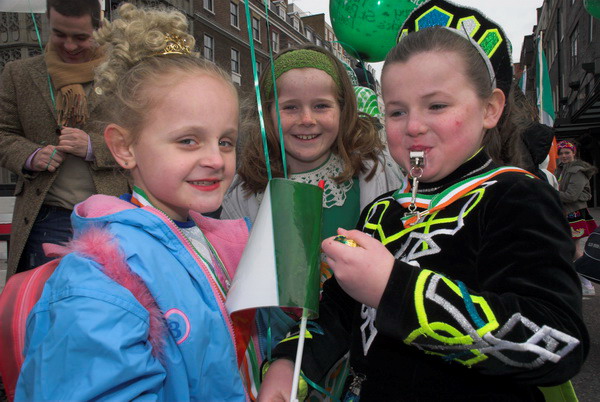
London St Patrick’s Day Parade – 2006

London St Patrick's Day Parade - 2006

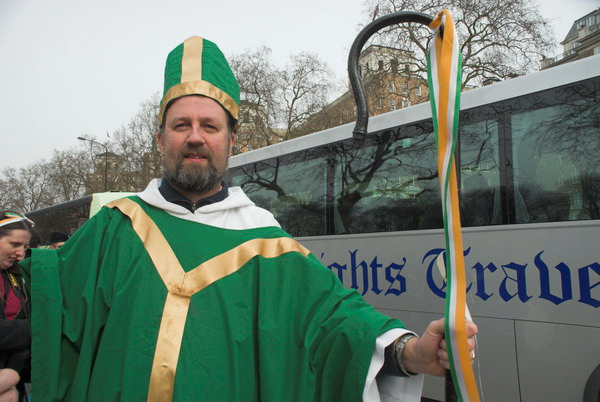
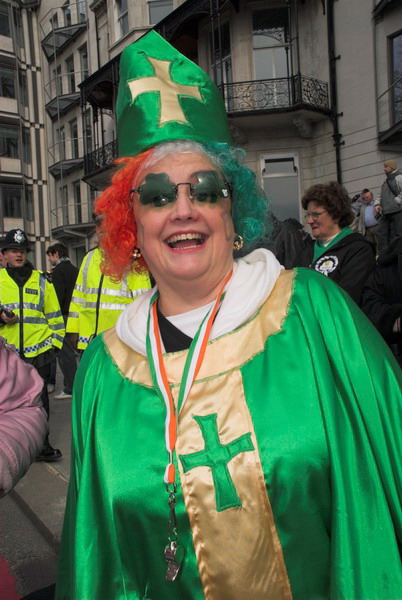
London St Patrick’s Day Parade: I used to enjoy St Patrick’s Day in London, particularly the parade in Willesden Green on the actual day itself. The main London celebrations take place the Sunday before this, and I made these pictures on Sunday 12th March 2006.
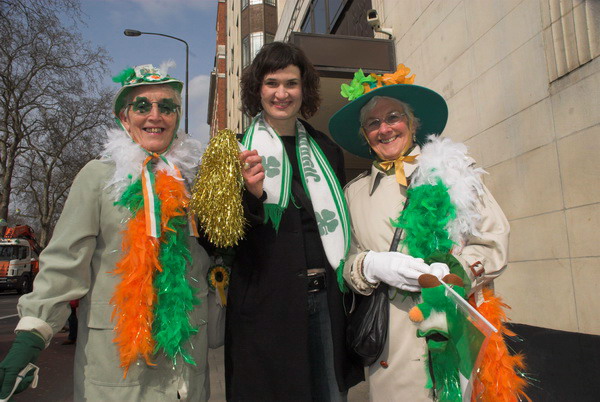
London St Patrick's Day Parade - 2006

This annual London parade had begun in 2002 when Ken Livingstone, London’s first elected mayor. Though a Londoner, he had long been a supporter of a united Ireland and from 1987 to 2001 was MP for Brent East, a constituency with a large Irish population.
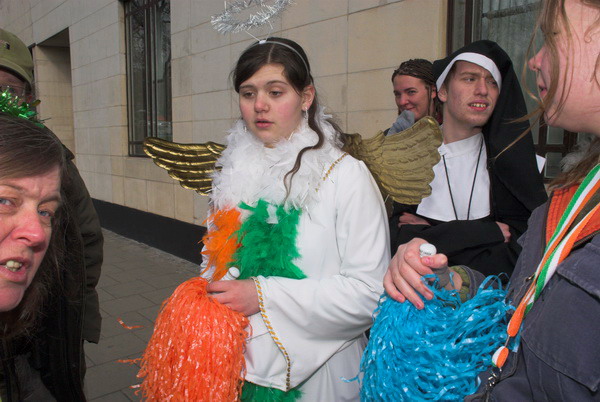
London St Patrick's Day Parade - 2006

In his years as the leader of the Greater London Council from 1981 until its abolition by Thatcher in 1986 Livingstone had done much to change attitudes in London towards women and minority communities, and on being elected as London Mayor he began his victory speech saying “As I was saying before I was so rudely interrupted 14 years ago…” and continued these and other policies from his years at the GLC.
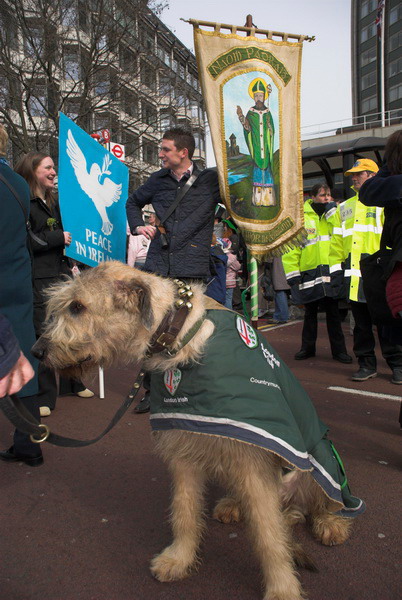
London St Patrick's Day Parade - 2006

One small part of his legacy to London was the opening up of Trafalgar Square to various Community celebrations – though there is much more, including changes to London’s transport begun under the GLC which made much of my photography of London much easier. His successor took the credit for Livingstone’s ‘Boris Bikes’ though Ken was not responsible for the multiple bikes for hire that now litter our pavements in a rather mad private developments of this.
London St Patrick's Day Parade - 2006

I photographed the first London St Patrick’s Day Parade in 2002. All the pictures here are from the 2006 Parade and below is the short text I wrote for this.
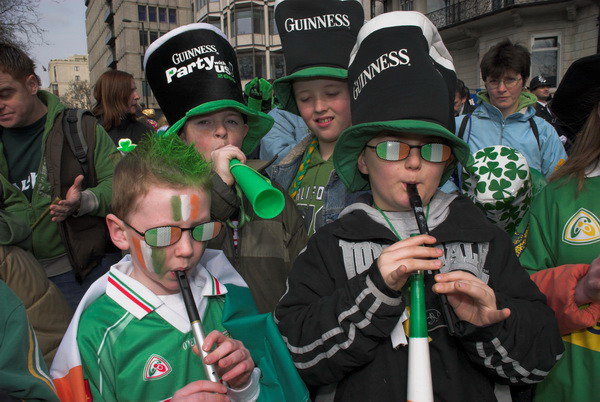
London now has one of the larger celebrations of St Patricks Day, held on the Sunday before the actual day, with a parade from Hyde Park to Trafalagar Square and events there as well as in Leicester Square and Covent Garden.
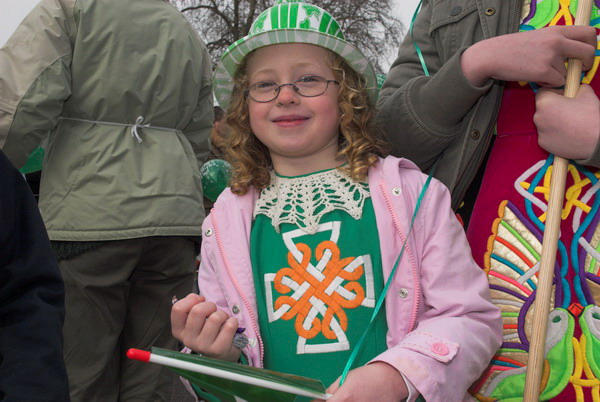
The parade celebrates the enormous contribution the Irish have made to the capital – approximately 400,000 people of Irish descent form the largest minority group in London. Paraders come from various community associations and other Irish groups and cultural organisations in the London Boroughs, including Irish dancing, music and sports. There are also some groups from Ireland.
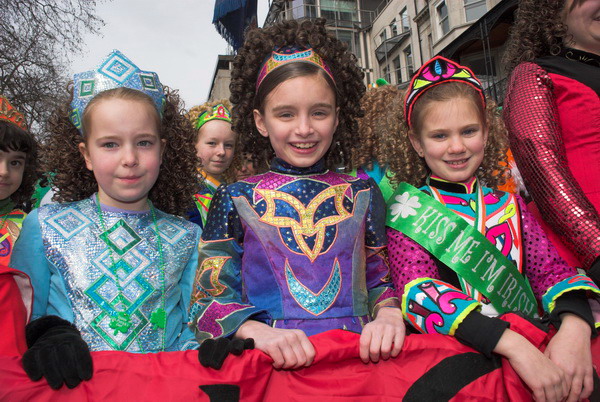
Leading the parade is an Irish Wolfhound, the mascot of the London Irish team, along with various Irish leaders and of course the Mayor of London, Ken Livingstone, more green than red on this occasion.


Unfortunately government cuts under the coalition’s austerity programme meant the Brent council could no longer support the St Patrick’s Day parade in Willesden Green and I last photographed a rather smaller event there in 2013. The London St Patrick’s Parade and St Patrick’s Festival at Trafalgar Square are on Sunday 15 March 2026, but like so many events is much more organised and for me less interesting, and its years since I last went.

More pictures from 2006 on My London Diary


FlickrFacebookMy London DiaryHull PhotosLea ValleyParis
London’s Industrial HeritageLondon Photos

All photographs on this page are copyright © Peter Marshall.
Contact me to buy prints or licence to reproduce.
Housing in Crisis – Newham 2015

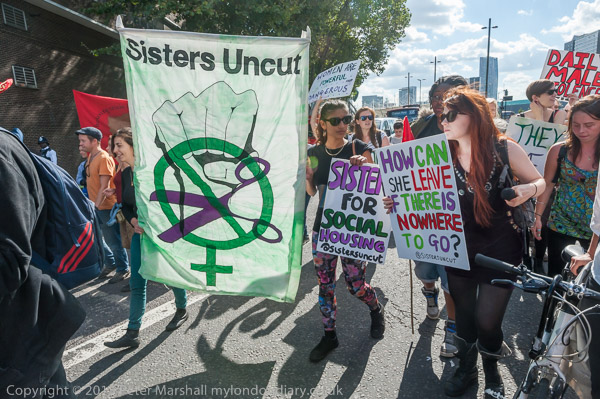
Six years ago I posted about a march through Stratford on Saturday 19th September against social cleansing in Newham, where the council has been rehousing people in private rented properties outside the borough, sometimes as far away as Wales or Liverpool. The directly elected Mayor of this almost monolithically Labour borough until 2018, Robin Wales, made clear his views that if people couldn’t afford to live in London they shouldn’t expect to live there, and council policies appear to reflect this. But Newham – and London generally – needs large numbers of relatively low paid workers – and Covid has helped us appreciate their contribution. Many, even those in jobs well above the London Living Wage, can’t afford market rents and certainly not to buy homes.

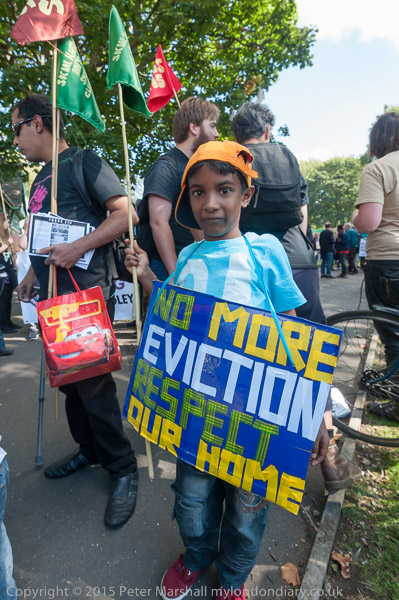
Local people, many of whom have lived in the area for years and have developed connections in the area – friends, families, schools etc – who for any reason become homeless want to be rehoused close to these people and services and demand that local resources be used to house local people.

Newham currently in 2021 has 27,000 people on its housing waiting list and 7,000 children in temporary accommodation. Until very recently the few social homes that were available were allocated using a system that gave priority to those in work and the new system will instead focus on health, need and overcrowding.

But the real problem that there is simply not enough social housing remains, and this is more the fault of national government policies over the years, under both Tory and New Labour. The most obvious and and damaging was of course Thatcher’s ‘right to buy’ which has drastically reduced to number of social housing homes, and in particular removed many of the more desirable properties, but councils have also been largely prevented by successive governments from building new and much needed social housing, as well as being starved of the cash needed to properly maintain existing properties and estates.

Many existing council estates were transferred to housing associations, which increasingly seem to be catering for those able to afford the very high ‘market’ rents in London. Councils too, thanks to New Labour housing policies have been demolishing council estates and developing the sites together with private developers to produce mainly homes for sale at high market prices, with often a great reduction in the number of social housing homes available.

Newham has seen a huge amount of building housing in recent years, both on the former Olympic site and elsewhere, with more tower blocks every time I visit the area, but almost all are high rent properties suited to young professionals, mainly working outside the borough, residencies for wealthier students, or expenive investment properties – usually bought with no intention of being lived in but simply to benefit from the increases in London property prices.

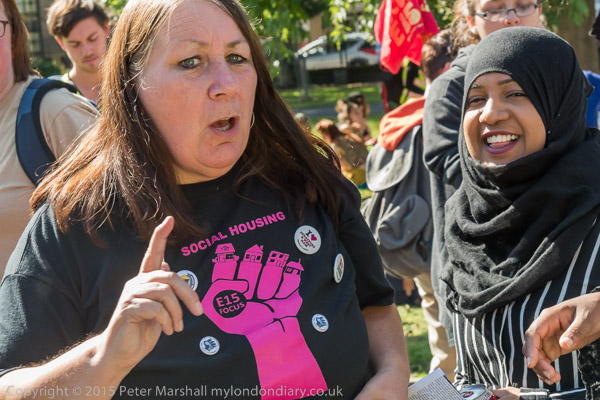
In 2013, Newham announced it was going to close a hostel for young single mothers who would then be dispersed in rented flats across England. The women decided to fight and the Focus E15 campaign began. Backed by members of the Revolutionary Communist Group and others who supported them in direct actions that often gained media coverage their fight succeeded and they became well-known nationally and developed into a much wider campaign for proper housing, particularly supporting others in the area with housing problems. As well as holding a street stall in the centre of Stratford every Saturday they accompanied people to the housing offices, gathered to prevent evictions and more.

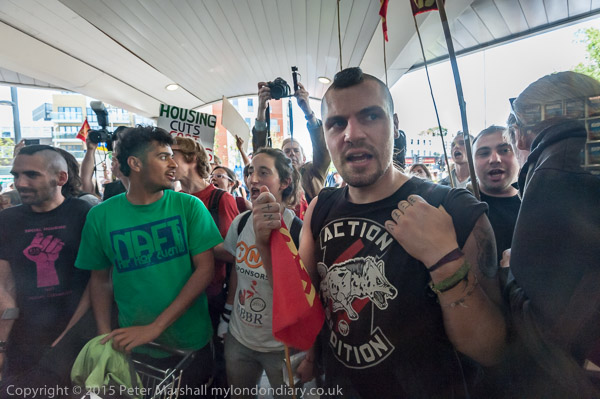
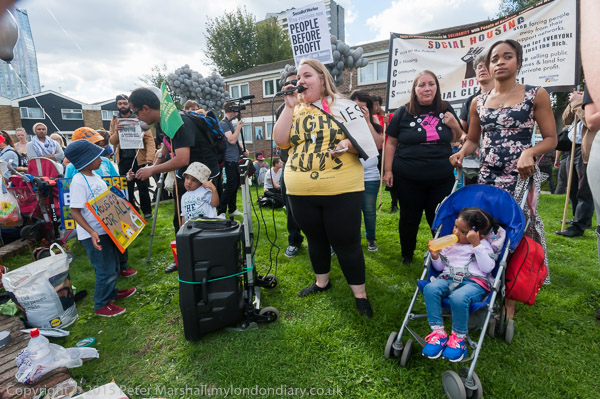
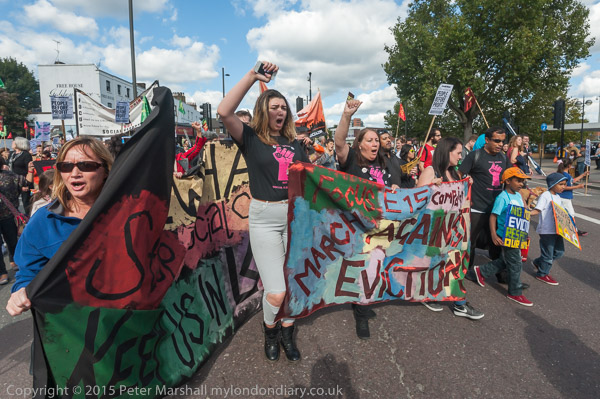
The march in 2015, two years after the start of their campaign attracted the support of over 40 other organisations, mainly small local groups from around London and the South-East also fighting housing problems. Fortunately not all of them had speakers at the rally before the march but there were quite a few before it moved off from Stratford Park to march around the Town Centre.

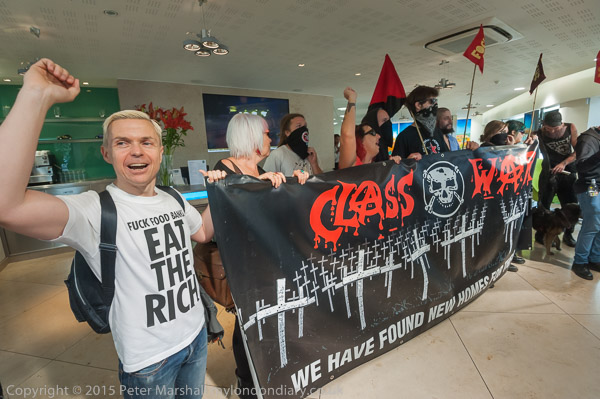
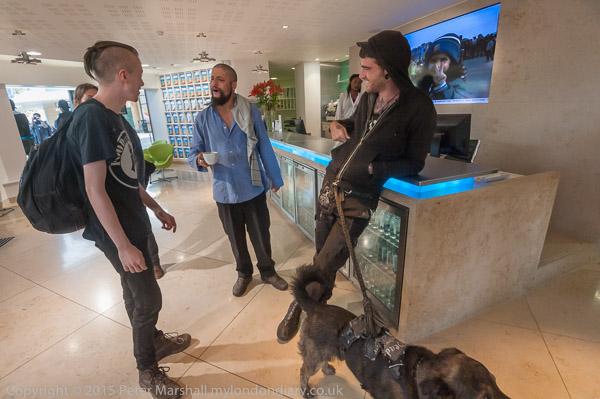
As the ‘Housing for All’ march passed Foxton’s estate agency in the centre of Stratford, Class War rushed inside with their ‘New Homes for the Rich’ banner and staged a brief occupation while most of the marchers supported them from outside. They caused no damage and left after a few minutes for the march to continue.

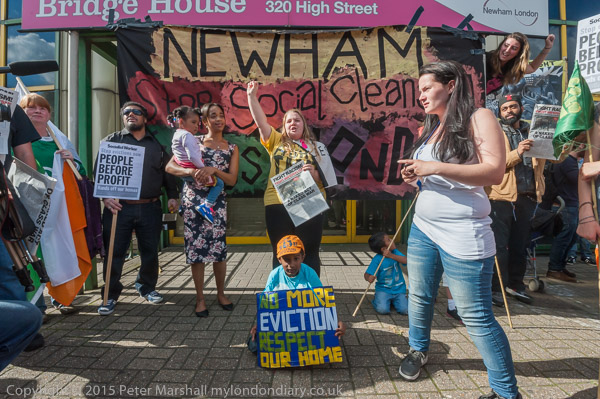
There was another brief halt outside LB Newham’s Housing Office at Bridge House, which was closed. The marchers held banners and posed for photographs and Focus E15 spoke briefly about how their interventions here have prevented homless people from being sent to unsuitable private rented accomodation hundreds of miles away, getting them re-housed in London.

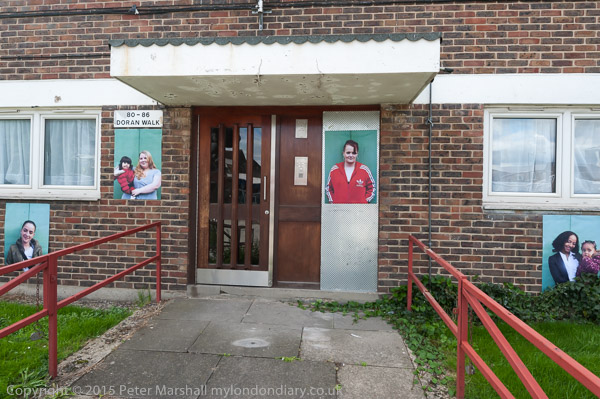
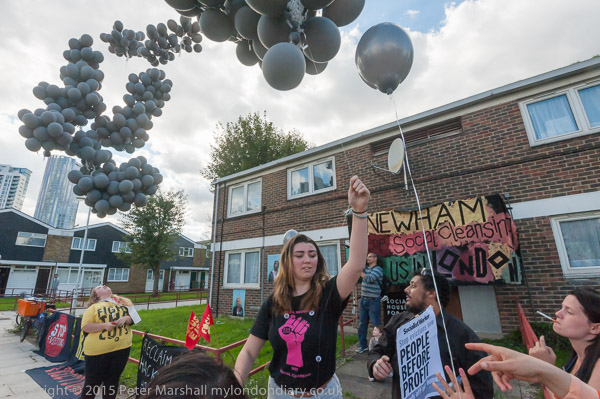
The march ended in the square on the Carpenters Estate in front of the block of four flats which Focus E15 occupied for four weeks as a protest a year earlier. This had made the national news and had ended with the council promising to bring some homes back into occupation – though a year later only 28 of around the 400 empty homes had been re-let. There were a few more speeches and then a party began.


All photographs on this and my other sites, unless otherwise stated, are taken by and copyright of Peter Marshall, and are available for reproduction or can be bought as prints.