Decent Housing & Saving the NHS – 2014

Decent Housing & Saving the NHS: Ten years ago today there were protests over two of the major issues which still face our incoming government today, but which I have no faith in them facing or improving.


Focus E15 March for Decent Housing – East Ham
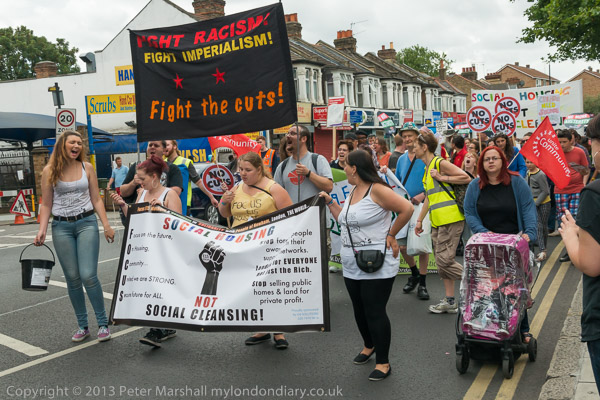
Decent Housing & Saving the NHS

The housing crisis largely stems from successive governments, largely starting with Thatcher prioritising private ownership above all other ways of providing homes for people. Thatcher gave away publicly owned social housing to tenants at knock-down prices and refused to allow councils to try to replace what had been lost.
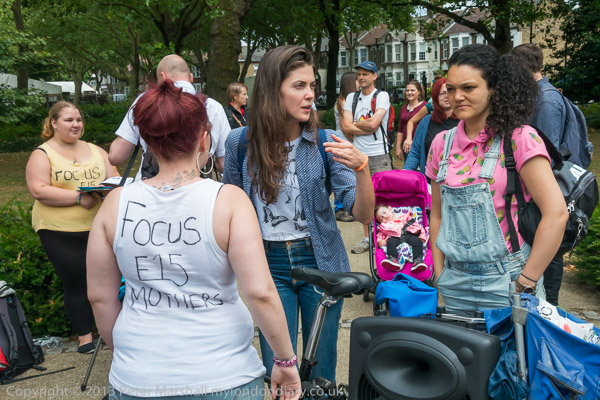
Decent Housing & Saving the NHS

Government housing policy since have been obsessed with the idea of the “housing ladder“; housing isn’t – or shouldn’t be – about ladders to increase personal wealth but about homes, and the ladder is very definitely that in “Pull up the ladder, Jack! We’re all right” and sod those left at the bottom below.
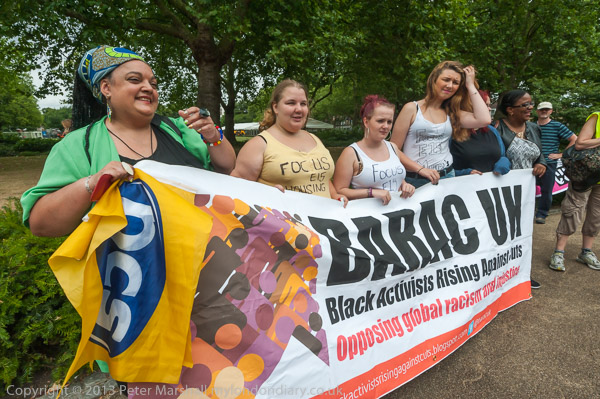
Decent Housing & Saving the NHS

Private renting has also moved from being a way in which owners of properties derived and income from properties they owned, to a scheme where more and more tenants are paying high rents to buy properties for their landlords. It’s a crazy system and one which should be stopped.
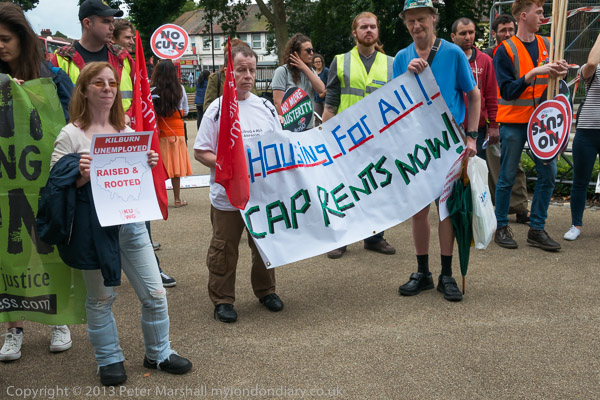
Decent Housing & Saving the NHS

We have also seen a huge growth in properties which are largely built to be bought as investments, particularly by overseas investors, often being left unoccupied for all or most of the time. Clearly this needs to be made economically nonviable, not only because of the effects it has on the shortage of homes, but also because of the way it is seriously distorting the development of our cities.
Second (and multiple) home ownership is also an increasing problem, particularly in the more desirable rural areas of the country and we need to find ways to reduce the impact of this, perhaps through taxation to provide a fund to build social housing in these areas.
But the basic solution to the country’s housing problems is simple. Build more social housing. Any government which comes in without this as the main thurst of their housing policy will fail to improve the housing crisis.
As I wrote ten years ago “We need a government – national and local – determined to act for the benefit of ordinary people, making a real attempt to build much more social housing, removing the huge subsidies currently given to private landlords through housing benefit, legislating to provide fair contracts for private tenants and give them decent security – and criminalising unfair evictions.” We haven’t got one.
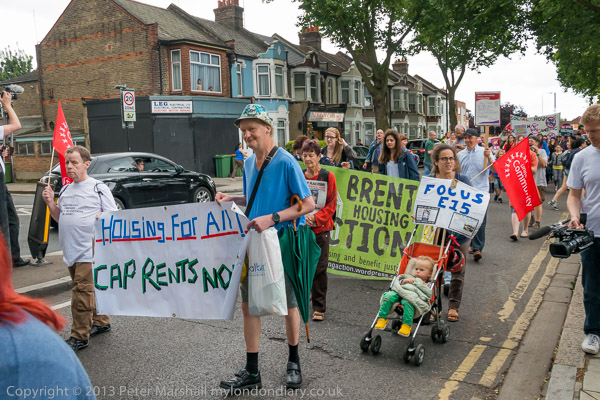
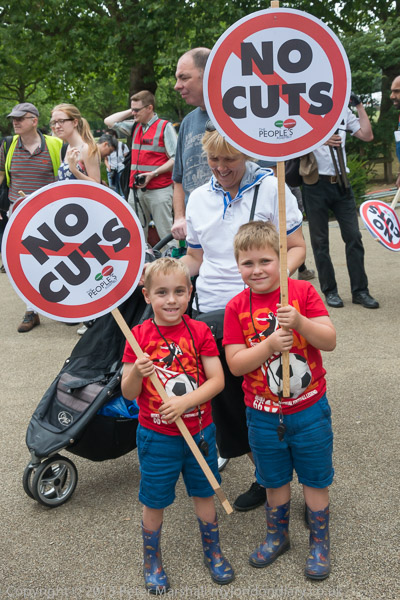
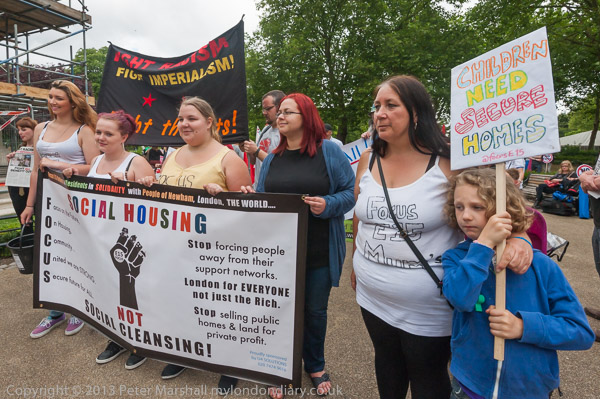
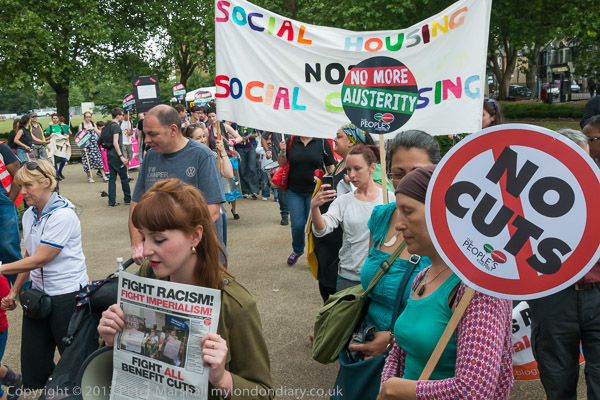
You can read more about the march in East Ham organised by Focus E15 Mums to demand secure housing, free from the threats of eviction, soaring private rents, rogue landlords, letting agents illegally discriminating, insecure tenancies and unfair bedroom tax and benefit cap on My London Diary.
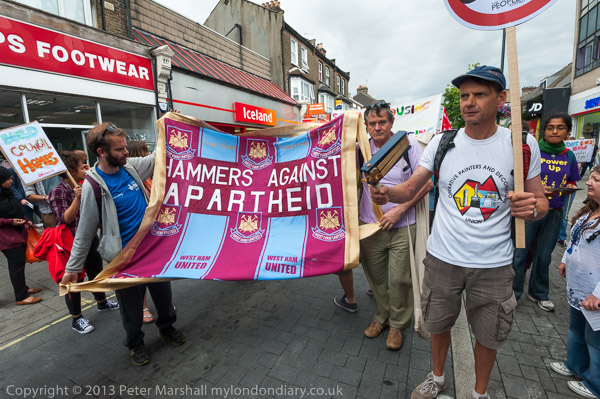
The march was supported by housing protest groups from Hackney, Brent and from South London and organisations including BARAC and TUSC. I was surprised to see the popular support it received on the streets with even some motorists stopping their cars to put money in the collection buckets.
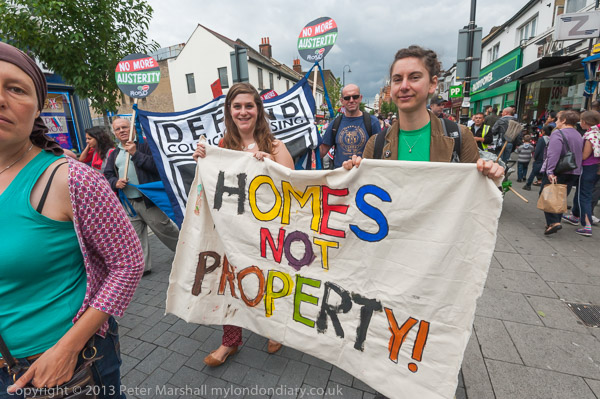
More at Focus E15 March for Decent Housing.


Save our Surgeries on NHS 66th Birthday – Whitechapel
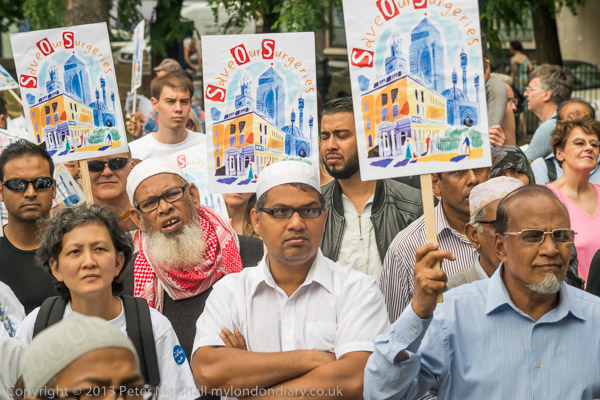
The National Health Service began on 5th July 1948 and on its 66th anniversary the Save our Surgeries campaign against health cuts in Tower Hamlets marched to Hackney in a show of opposition to health cuts, surgery closures and NHS privatisation.

The setting up of the NHS was opposed by the Conservatives and they and the doctors and dentists associations forced many compromises which led to it being a less than comprehensive health service, though still a great national achievement and one which for we are justly proud of.
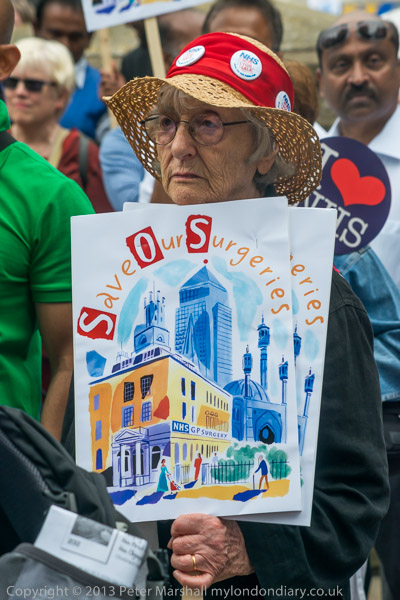
Many doctors made – and some still make – large incomes from private practice and fought to keep these rather than back a universal system wholeheartedly. But in more recent years a huge private medical system has grown up alongside the NHS and more and more people are covered through work schemes providing private medical cover.

This private system has grown parasitically on the state medical system and all governments over the past thirty or more years have found ways to syphon off money to it, by allowing it to tender for various more straightforward aspects of NHS services.

Successive governments have also created huge administrative burdens on the NHS, setting up new levels of administrators which oversee and to some extent override clinical decisions. But financially the most disastrous impact on the NHS comes from the various PFI agreements, largely made under New Labour, which enabled the building of new hospitals without the costs appearing in the government’s debts, but tied the trusts running the hospitals into huge debt repayments and the kind of service contracts that make replacing a light bulb cost £1200.

General practice was set up in 1948 under doctor-owned surgeries but increasingly these are now owned by healthcare companies after New Labour in 2007 allowed larger companies to buy them up. Operose Health, part of US healthcare giant Centene Corporation in 2022 was running 70 practices and a BBC Panorama report showed they were only employing half as many doctors as average practices, while employing six times as many physician associates (who have only 2 years of medical training rather than the 10 for GPs) who were being inadequately supervised.

Unfortunately Labour policy appears to be to increase the reliance – and transfer of funds to the private sector rather than reduce it. You can read more about their position in the 2023 Tribune article Labour’s Love Affair with Private Healthcare by Tom Blackburn, which aslo sets out clearly the financial links of Wes Streeting to private healthcare. And of course he is not the only Labour MP with a financial interest. Labour might sort out a few of the problems but the creeping privatisation seems sure to accelerate.

The protest in East London was over changes in the funding of NHS surgeries which have failed to take into account the extra needs of deprived innner-city areas and were expected to lead the closure of some surgeries as well as other NHS cuts, particularly those happening because of the huge PFI debt from the new Royal London Hospital.
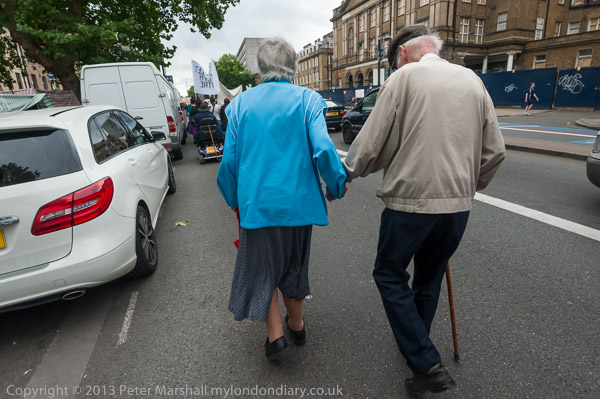
There was a brief rally in Altab Ali Park before the march with speeches by local politicians and health campaigners before the crowd of several hundreds set off down the Whitechapel Road on its way to London Fields in Hackney where it was to meet up with other protesters for a larger rally. But I left the march at Whitechapel Station.

More at
DPAC 4th July Tea Party 2014

DPAC 4th July Tea Party: One of the many strange questions that Americans ask on Quora (a web site I occasionally waste some time on and usually regret) is why we British don’t celebrate the 4th of July. It’s actually a rather better question than most – perhaps we should celebrate when we got rid of a nation that can produce Trump and Biden, one of whom still seems likely to be the next president when clearly neither is suitable.

4th July Tea Party

Of course, here in the UK we have our own contest today between Sunak and Starmer, neither of whom in my estimation fit to govern, and, as in the USA elected by an archaic system designed to frustrate rather than provide democracy. If you were unfortunate not to have heard the late David Graeber speaking in person about US Democracy (and haven’t read his book on the subject) you can hear him talking on video (and read a transcript) on The Lost Byway, the site on which more usually John Rogers publishes the videos of his remarkably upbeat walks around London.

4th July Tea Party

Of course I don’t believe that there are Americans dumb enough to write most of the stupid questions that are posted on Quora, which must surely employ a whole squad of AI-driven bots to generate and post them.

4th July Tea Party

Should we need an excuse for a party in the first half of July we would of course do better to wait 10 days and celebrate with the French (also this year embroiled in election madness.) That would almost certainly be far more fun and a good excuse to drink wine, though I might draw the line at accordions. Its 58 years since I found myself in the square in front of the Mairie in a small French municipality a few mile south of Paris and I haven’t forgotten it.

4th July Tea Party

But I have photographed at protests over the years which have deliberately been timed for various reasons for US Independence Day as well as rather more that totally ignored any significance the day might have.

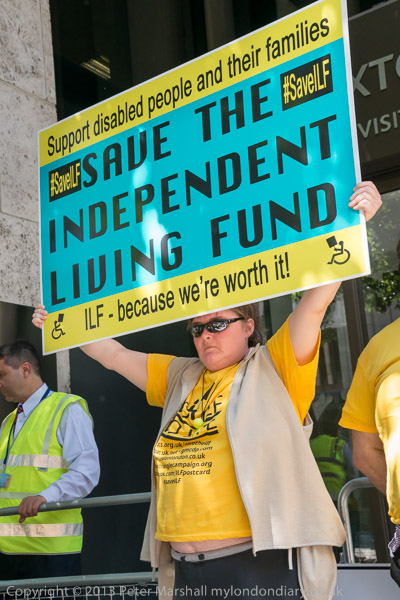
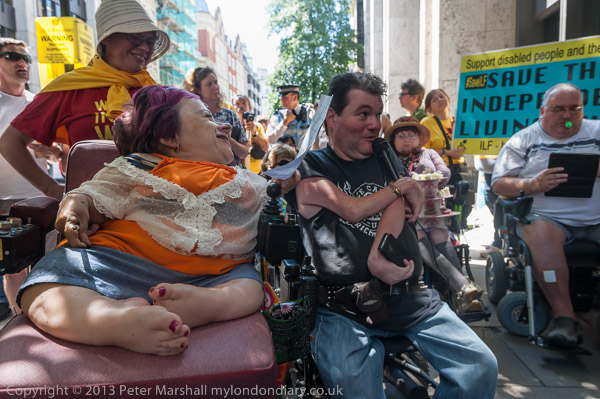
On Friday 4th of July 2014 Disabled People Against Cuts (DPAC) celebrated Independent Living Day with an Independent Living Tea Party at the Dept of Work & Pensions, calling for a stop to the removal of the Independent Living Fund which provides funding, education and transport that enables disabled people to live in the community.

The chose American Independence Day stating “The famous Boston teaparty led to a revolution against the British government let’s see where our teaparty leads….”

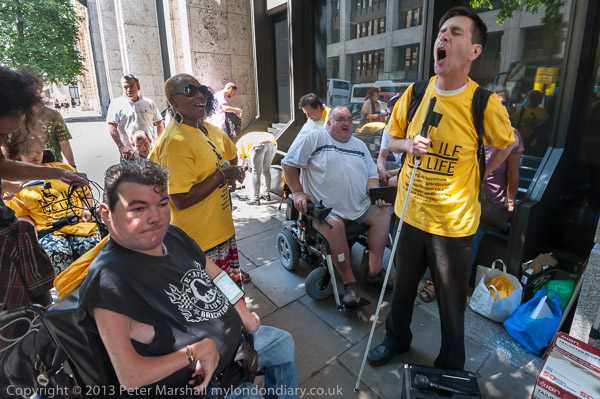
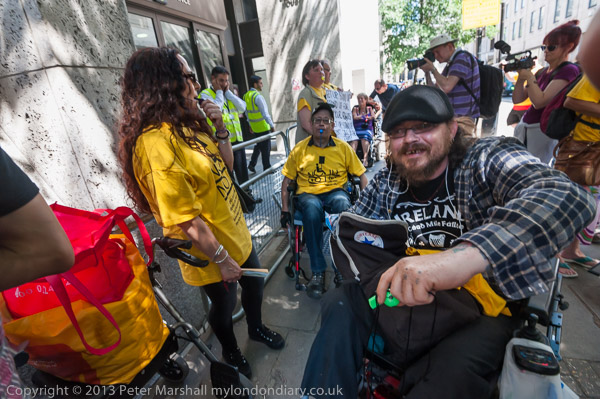
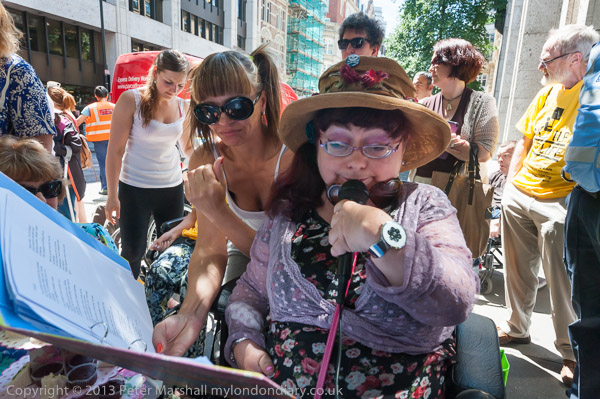
It wasn’t a huge protest but “Fifteen or so people in wheelchairs along with around as many walking but with other disabilities along with carers and supporters filled the pavement in front of the DWP in Caxton St, and at times made a considerable noise. As well as their voices and a megaphone, some had brought whistles and other musical instruments (and some less musical) to liven up the event. For those with hearing difficulties there was a BSL signer.

The future looked desperate for the almost 18,000 who then received support through the fund, and they were engaged in a long fight to try to prevent it being closed. In 2013 the government had lost a court case over its closure, but four months later the government had decided to go ahead and close it anyway in 2015. A fresh legal challenge failed.

Responsibility for supporting disabled people being passed to local authorities who were given funding roughly 12% less than the ILF – and this was not ring-fenced. DPAC said that given councils were having already to make massive cuts it seems unlikely that all of this will make its way to the disabled and that councils will largely be unable to find the staff to properly implement fair schemes. They point out that the ILF is a well organised and cost-effective scheme and any replacement is almost certain to be less efficient and to severely impacting the quality of life of severely disabled people.

DPAC fear that many currently usefully employed disabled people will have to give up work and will no longer be able to live independently but will have to go into residential care – at much greater cost.

Protests that are well-behaved and follow the rules seldom get coverage in the media – as last weekends massive Restore Nature Now showed – 60,000 people supported by a huge range of groups marching through London was not ‘news’ for BBC Radio 4, and there has been a huge news blackout on all the many peaceful marches calling for a ceasefire in Palestine.

So DPAC always like to end their events with a little disruptive action, usually in the form of a road block, although despite this their protests are still ignored by the mass media. Around half of those taking part decided to take part and blocked busy Victoria St by stopping their wheelchairs and holding banners on the pedestrian crossing.

Police arrived a few minutes later and tried to persuade them to move, getting a little firmer and eventually threatening protesters with the possibility of arrest for obstructing the highway.

Before long there were around four times as many police as protesters and when it began to look as if the police might carry out their threat of arrest, the protesters who had been receiving a great deal of support from tourists and others – even including some in the traffic being held up or diverted away down Great Smith St – decided it was time to end the protest and wheeled their chairs away.”

Despite this action I don’t think the event received any publicity outside some specialist print and online media. There were a couple of celebrity weddings, another getting sentenced for indecently assaulting girls, a hurricane in the US, an underpass collapse in Brazil – and some celebrations in the USA and many other stories.

More at Independent Living Tea party.

FlickrFacebookMy London DiaryHull PhotosLea ValleyParis
London’s Industrial HeritageLondon Photos

All photographs on this page are copyright © Peter Marshall.
Contact me to buy prints or licence to reproduce.


Climate Rush Palm Oil Gala 2009

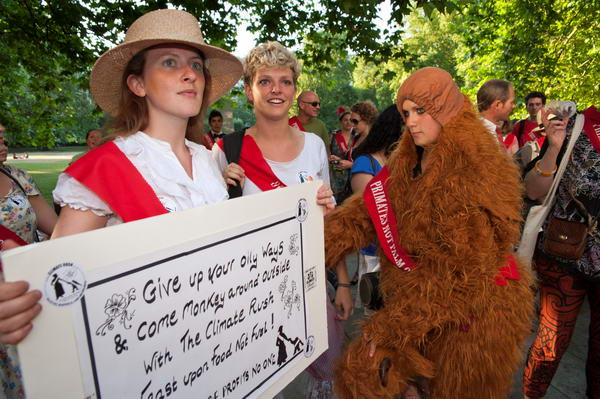
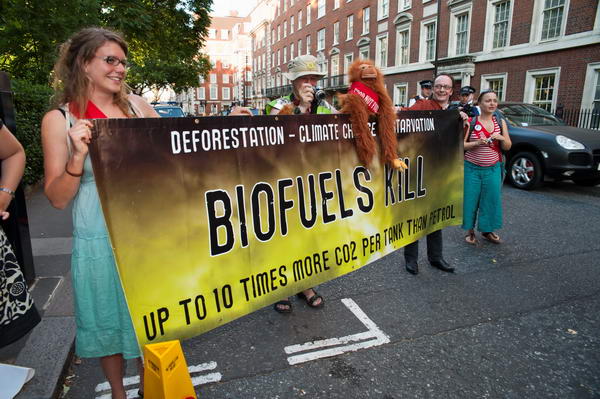
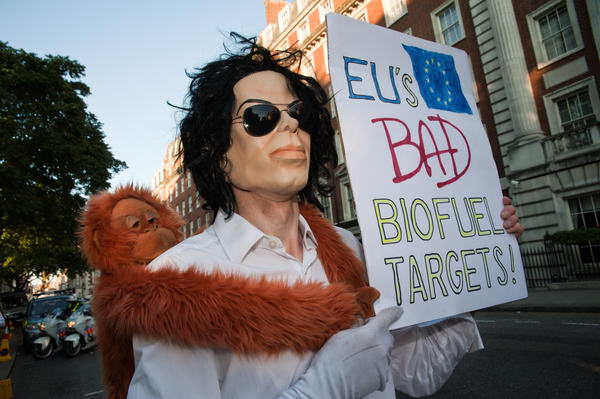
Climate Rush Palm Oil Gala: On Wednesday 1st July 2009 Climate Rush protested outside the Millennium Hotel in Grosvenor Square where industries deforesting tropical forests to grow biofuel crops including palm oil were holding a Gala Dinner and Dance.

Climate Rush Palm Oil Gala

Palm oil production is causing a particular problems in Indonesia, where indigenous people have seen their traditional lands taken over by companies for palm oil production under unfair laws.

Climate Rush Palm Oil Gala
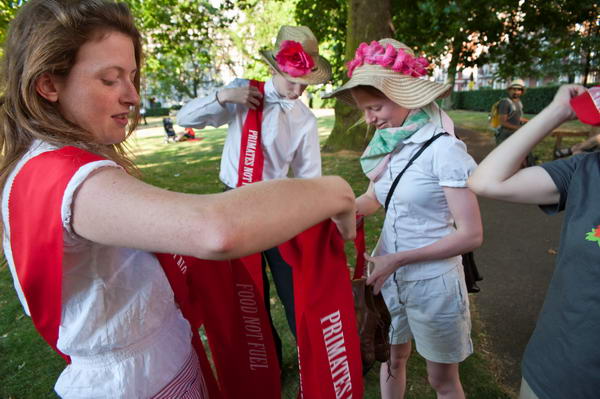
Primates not Palm Oil; Food not Fuel

The forests were their land and the living and many who have been moved off have been left in marginal land often without clean water supplies and the promises made by the palm oil companies to the people have not been kept, and the regulations which offer them some very limited protection have not been enforced by the authorities, with many sufferting violent attacks by armed security forces and police.

Climate Rush Palm Oil Gala
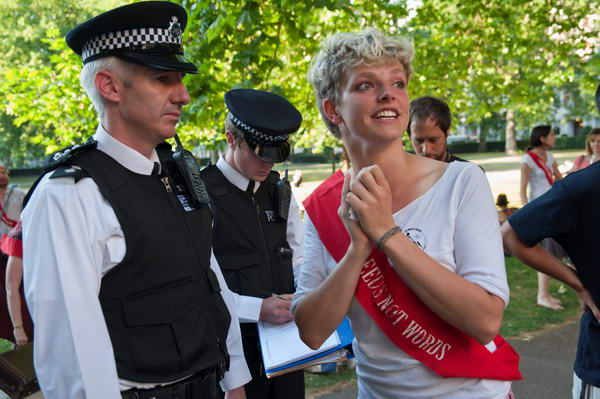
Police offer Tamsin Omond and Climate Rush a nice safe protest pen

Palm oil plantations disrupt natural drainage and bring problems of pollution and flooding. Destruction of their habitats eliminates most of the wildlife and species including the orangutan and the Sumatran tiger are under threat.

Climate Rush Palm Oil Gala

A detailed report, ‘Losing Ground’ for Friends of the Earth looked in particular at the human rights issues and concluded that “The EU target to increase agrofuel use is misguided, risking environmental damage and human rights abuses on an even bigger scale.

Climate Rush’s flyer for the event stated “90% of orangutans have disappeared since the Suffragettes first appeared 100 years ago.

They began their protest with a picnic in the park of Grosvenor Square opposite the hotel entrance, and people got ready for the protest.

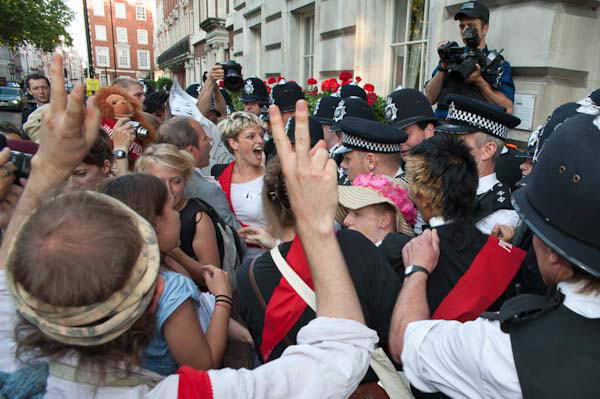
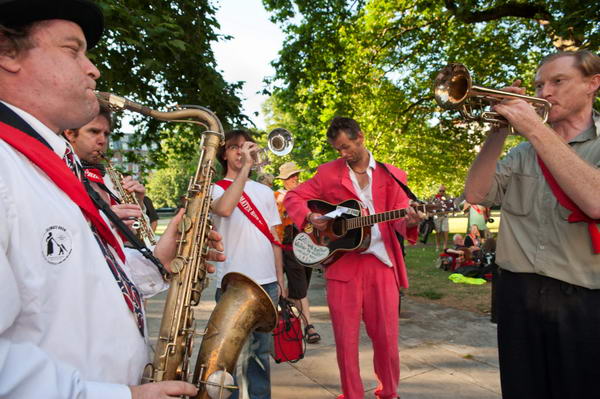
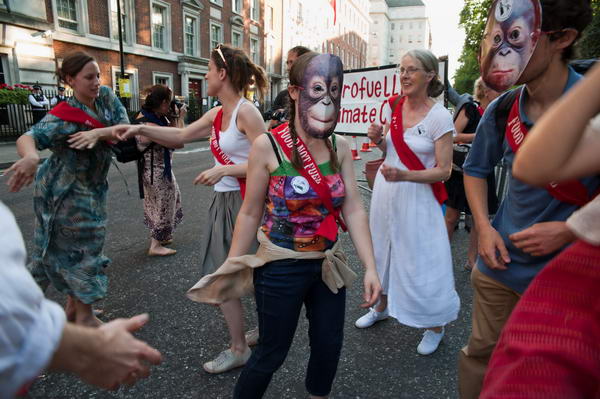
When their Jazz Band began to play, people moved out onto the street and blocked it dancing outside the hotel. They rejected police requests to move into the pen which police told them was created “for your safety“.

The police concentrated their actions waiting for the expected “rush” to the hotel, protecting the hotel with a small line of officers.

After around half an hour of dancing on the street the “rush” came, though I think it was really only ever a token attempt to enter the building. Most of the police seemed fairly relaxe or even amused by it, but there were a few who reacted rather violently and a couple of protesters were rather roughly thrown to the ground when a small group of police charged into them.

After this, the protesters moved back and sat down on the road in front of the doorway for a while.

Eventually they decided to get up and briefly danced a conga, before deciding to go back into the park to continue their picnic, and I felt it was time to go home for my own dinner.

More pictures


FlickrFacebookMy London DiaryHull PhotosLea ValleyParis
London’s Industrial HeritageLondon Photos

All photographs on this page are copyright © Peter Marshall.
Contact me to buy prints or licence to reproduce.


London Pride & Climate Change Rally – 2007

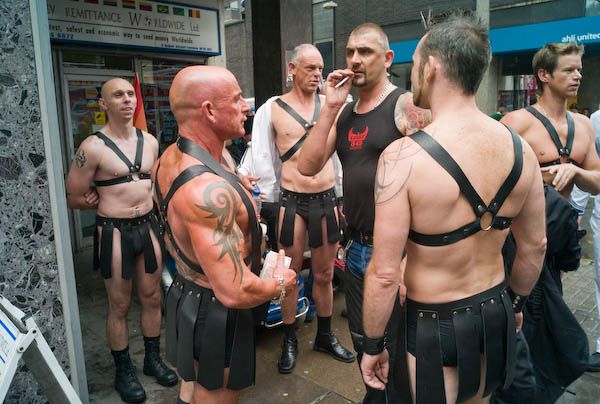
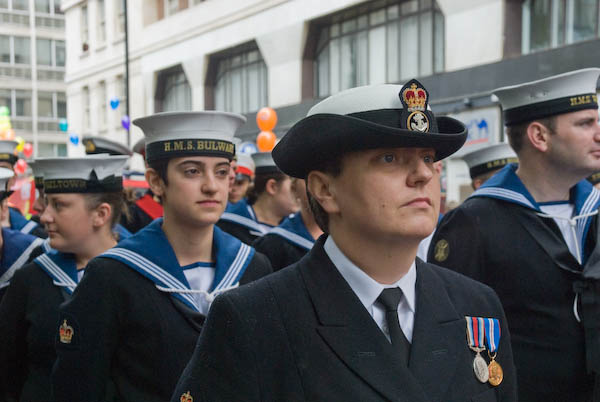
London Pride & Climate Change Rally; My working day on Saturday 30th June 2007 began at a rather damp Baker Street where people were meeting for the London Pride Parade and I was able to wander freely and take photographs. I left before the parade moved off and went to Parliament Square where a rally reminded Gordon Brown – then prime minister for 3 days – that climate change remains the major challenge facing the world – and the new government.


London Pride Parade – Baker Street

London Pride & Climate Change Rally

There seemed to be only two things that distinguished the 2007 Pride from the previous year’s event. One was the weather and so many of the pictures are of people holding umbrellas.

London Pride & Climate Change Rally

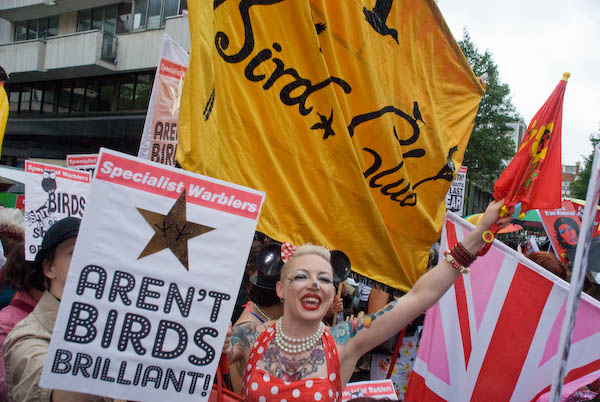
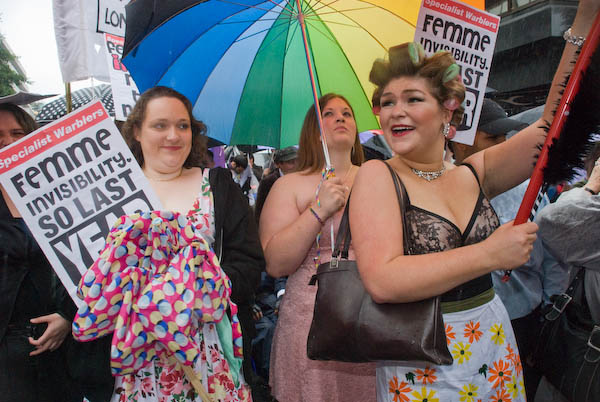
The second was a large group in the self-styled ‘Bird Parade‘, the ‘Bird Club‘ with their messages including ‘Aren’t Birds Brilliant‘ and ‘Femme Invisibility – So last Year‘.

London Pride & Climate Change Rally

There were quite a few overhanging shop fronts and other places that people could shelter under but taking pictures mainly involved me staind in the rain and getting rather wet.

London Pride & Climate Change Rally

I’m not afraid of rain but cameras and lenses need to kept dry. I really needed an assistant with an umbrella but I was working on my own. Its difficult to hold an umbrella and a camera and while I’ve tried various special plastic camera protectors none really solve the problem.

The cameras I use are reasonably water resistant and given he occasional wipe with a cloth and keeping them under my jacket when not in use are fine. But lenses need to have a glass front element to let the light in, and this acts as a powerful magnet for raindrops. Long lenses can have lens hoods which protect them, but when like me you work with wide and ultra-wide lenses they are totally ineffectual, except for allowing me to walk around with a chamois leather balled up into them. But of course I have to hold this clear to frame, focus and take the image, and those raindrops too often manage to sneak their way in that second or so.

I’ve shared too often my thoughts on the presence of corporates and military groups in Pride to bother to say more.

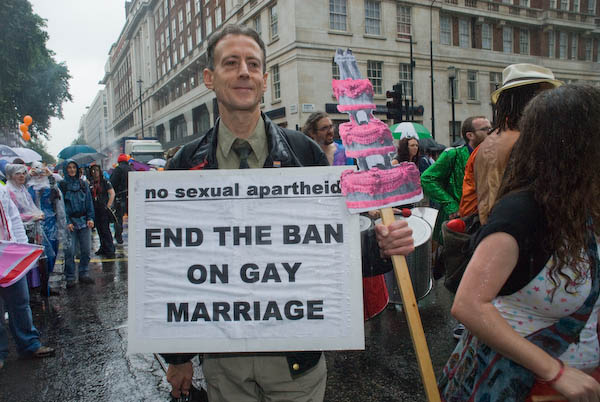
But at least there were some, like Peter Tatchell determined to retain it as a protest, with his wedding cake placard and poster ‘END THE BAN ON GAY MARRIAGE’.

Many more photographs beginning here


Climate Change Rally – Parliament Square

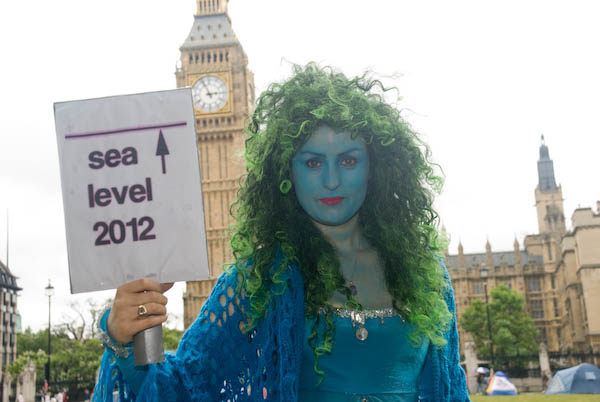
It was still raining for the rally in Parliament Square and my favourite mermaid seemed to be in her natural habitat unless I carefully kept wiping the lens front.

But there was some shelter under the trees and rather fewer people had managed to attend the protest called at short notice by the Campaign Against Climate Change.

Under Blair’s government UK carbon emissions had risen by 2%, but it was now clear to scientists around the world that we needed to drastically cut them. Blair had resigned as New Labour leader on 24 June 2007 and Gordon Brown had become Prime Minister only three days before this protest on 27 June 2007.

Back in 2007 it was clear that climate change remained the major challenge facing the world – and the new government. But in 2008 we had the financial crash and Gordon Brown was diverted into saving the bankers and successive governments since have failed to make the kind of radical changes that are needed to save the planet.

In 2007 I wrote “if you ain’t got a planet, you ain’t in business is the simple message, though some of the speakers had some rather more complex graphs and charts. Blair and Brown were only there in effigy, but we did have a rather more convincing mermaid to warn about the dangers of rising sea levels.” Of course sea levels are only one aspect of the problem with our increasing climate instability and other effects of global heating. The need to take action is even more important for our next government – and for all governments around the world.

more pictures


FlickrFacebookMy London DiaryHull PhotosLea ValleyParis
London’s Industrial HeritageLondon Photos

All photographs on this page are copyright © Peter Marshall.
Contact me to buy prints or licence to reproduce.


Israel Celebrates 60 Years – 2008

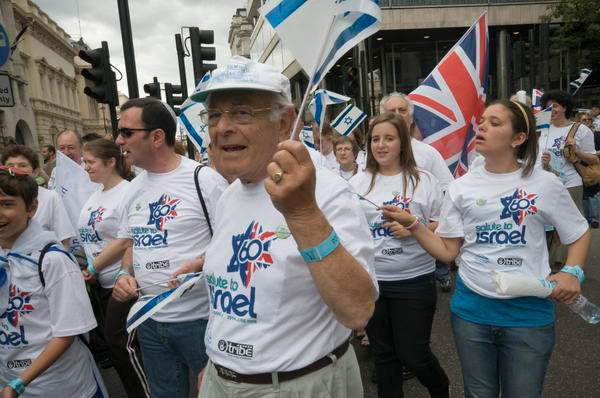
Israel Celebrates 60 Years: The first liberation movement I was aware of in my toddler years led to independence for Israel in 1948 and like much of the British left I was for some years a supporter of Israel.

Israel Celebrates 60 Years

To be fair our media hadn’t really told us much about what had actually happened in the country, concentrating on the Stern Gangs attacks on British personnel before independence, and we were almost unaware of the Palestinians and the effect of the formation of Israel on them.

Israel Celebrates 60 Years

The UN had adopted a ‘Plan of Partition with Economic Union‘ for Palestine as General Assembly
Resolution 181 (II) in 1947, but the Arabs generally rejected this as being pro-Zionist, giving too much land to the much smaller Jewish population as well as violating the UN’s own principles of national self-determination. Jews in Palestine generally welcomed it but the Zionist leaders saw it as “a stepping stone to future territorial expansion over all of Palestine.

Israel Celebrates 60 Years

A civil war broke out in Palestine after the adoption of the UN mandate and was largely ignored by the British who got on busily preparing for their withdrawal (also contained in the resolution) in May 1948. On 14th May 1948 “the leaders of the Jewish community in Palestine led by the future prime minister David Ben-Gurion, declared the establishment of a Jewish state in Eretz-Israel, to be known as the State of Israel.”

Israel Celebrates 60 Years

Arab armies marched in starting the 1948 Arab–Israeli War but were repulsed by the Israel Defense Forces which expanded the borders of Israel beyond those of the UN Plan. And there was further territorial expansion in other wars, particulalry the 1967 Six Day War,

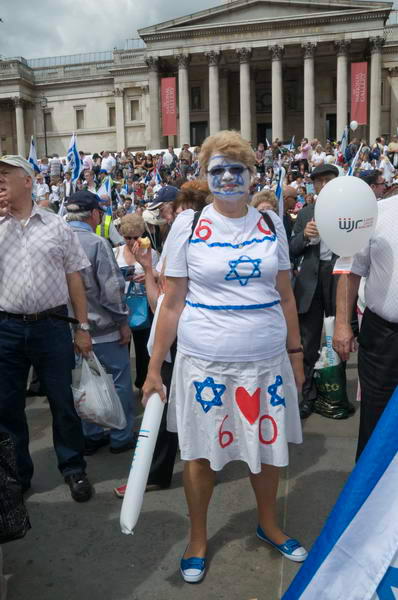
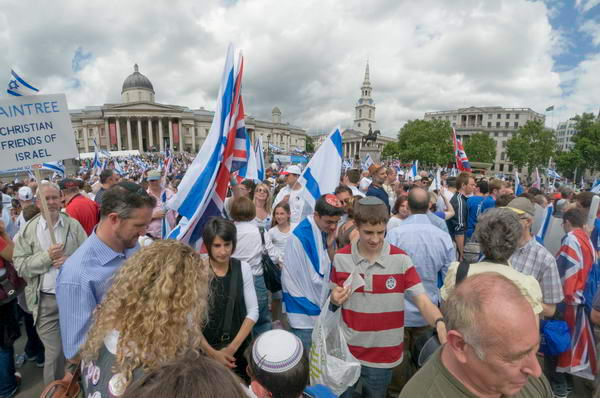
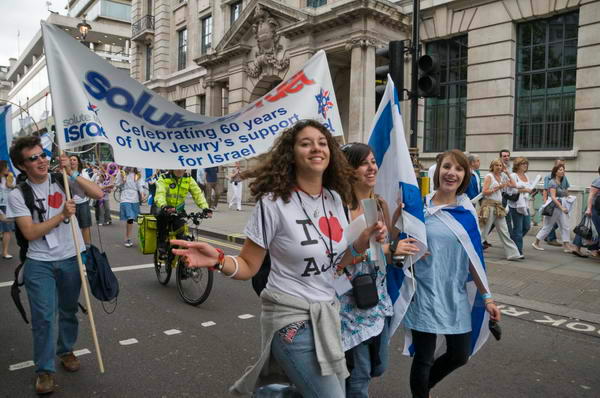
There were extensive celebrations for the 60th Anniversary in Israel from the beginning of May 2008 as well as in other Western cities, with events continuing for some months – such as this London march on June 29th.

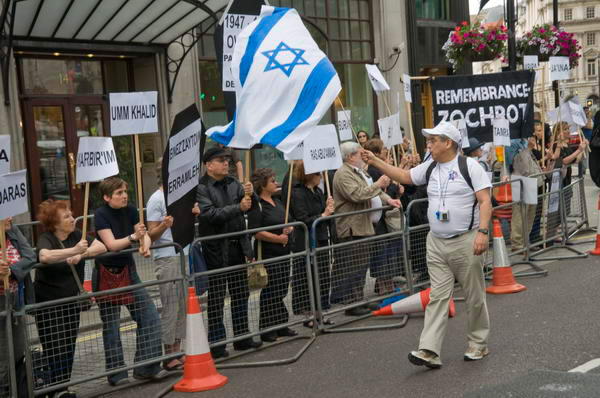
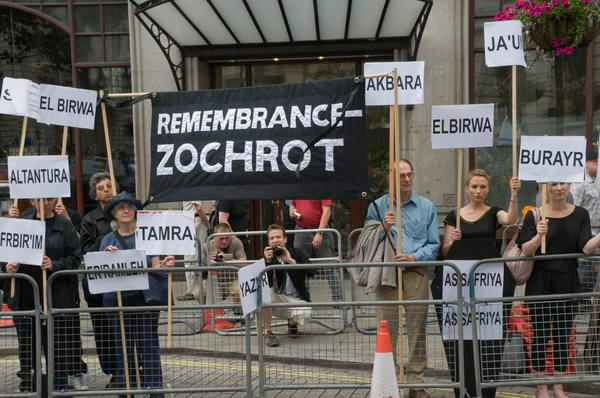
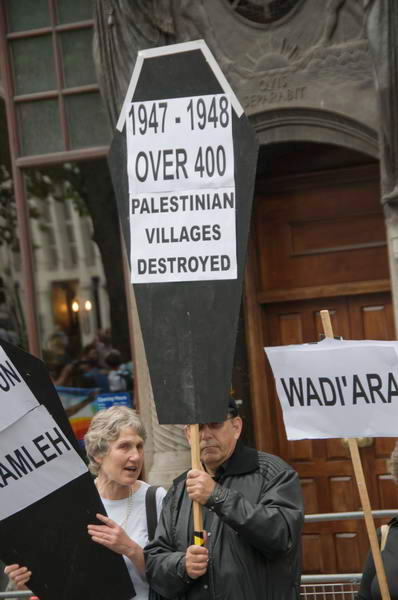
As the marchers came into Trafalgar Square they passed people from Israeli Jewish organisation Zochrot founded in 2002 to promote awareness of the Palestinian Nakba, including the 1948 Palestinian expulsion and flight. They held a banner ‘Remembrance – Zochrot‘ and others stood in silence with placards with names of some of the over 400 Palestinian villages were destroyed in the 1947-8 catastrophe.

While I watched, several people left the parade and went across to harangue them and wave Israeli flags in their faces.

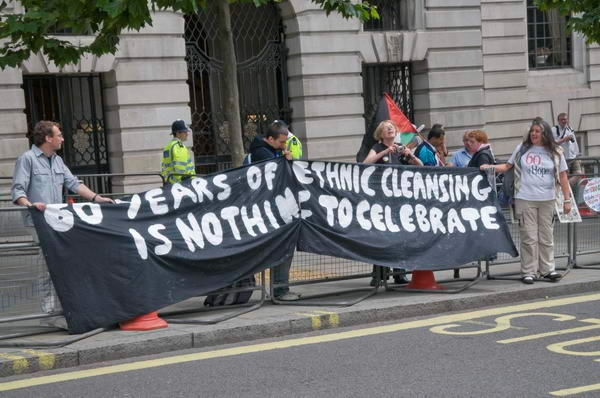
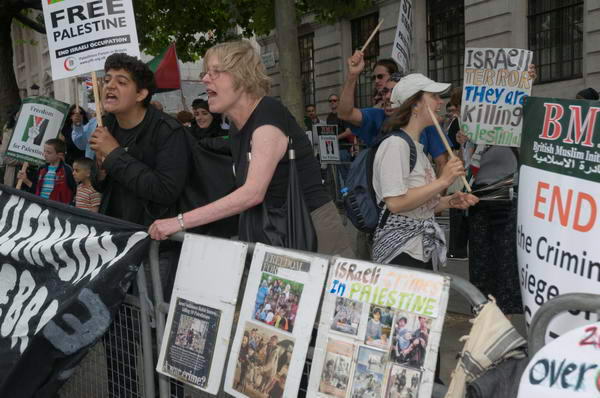
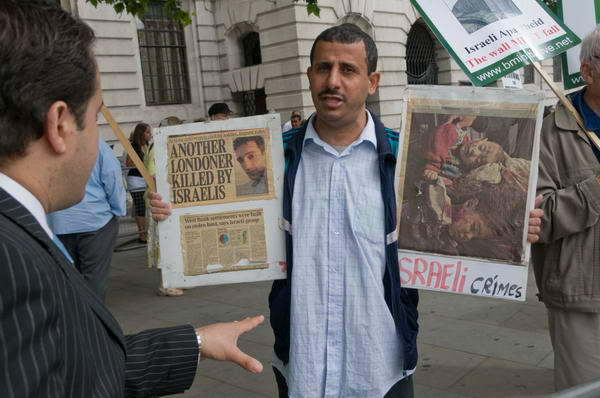
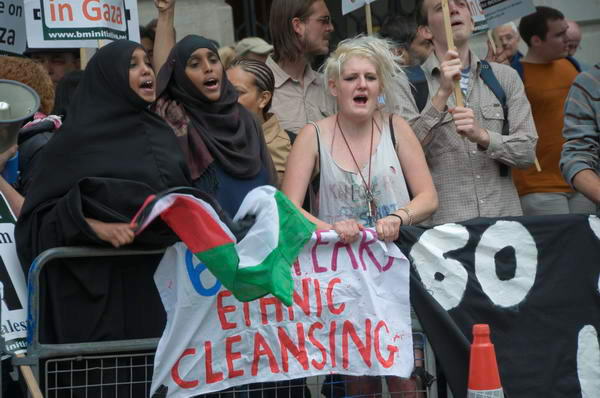
There were more protesters that police had moved into a pen by the side of South Africa House. They had come to point out that for Palestinians the sixty years had meant an increasing loss of their land through both military actions and settlements, as well as a loss in liberty.

Later I saw police moving away a group who had lowered a banner reading “60 YEARS OF ETHIC CLEANSING IS NOTHING TO CELEBRATE” over the high wall on the side of the square. They were rapidly surrounded by Jewish security guards, who called the police who told them that unless they moved to the pen on the other side of the road – where their banner could not be seen from the square – they would be arrested. And they moved.

Later other people with Israeli flags came to argue and insult the protesters here and several groups were moved away by police. At one point I moved towards one of my colleagues as one of these men appeared to be about to physically assault him. He then accused the photographer of being a paedophile on the ridiculous basis that some of the other troublemakers in the group were his teenage sons. Eventually police took over and politely asked us to move away while they sorted things out.

As my final paragraph in 2008 I wrote “Of course I met many nice people who were having a good day out, but it is the others who stick in the mind. But I also hope that after 60 years the state of Israel will soon be ready for peace and justice for the Palestinians.” Unfortunatley there is far too little evidence of this among their political leaders 16 years later.

60 Years of Israel


FlickrFacebookMy London DiaryHull PhotosLea ValleyParis
London’s Industrial HeritageLondon Photos

All photographs on this page are copyright © Peter Marshall.
Contact me to buy prints or licence to reproduce.


Stratford, Shoreditch & Racist Immigration Laws – 2009

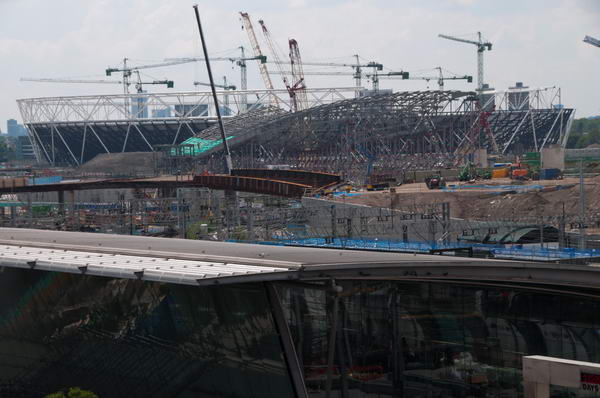
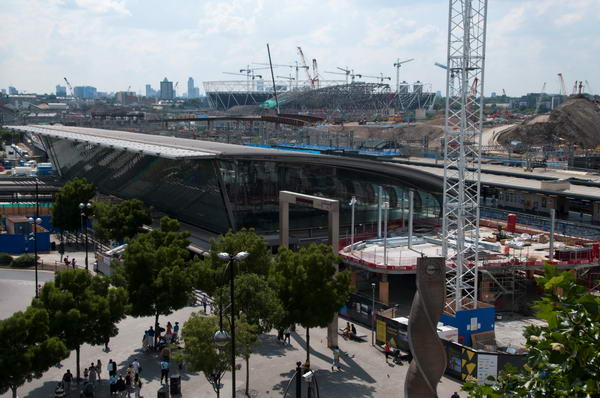
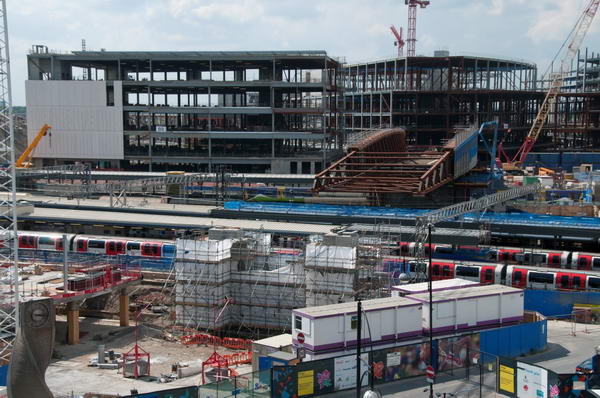
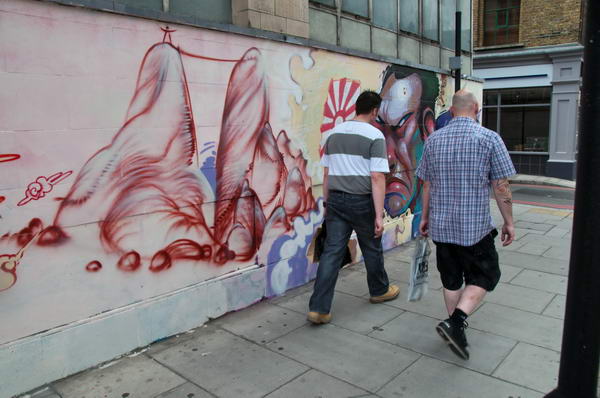
Stratford, Shoreditch & Racist Immigration Laws: On Saturdy 27th June 2009 I took a few pictures from a high viewpoint arooss Stratford , then photographed graffiti in the streets of Shoreditch before going to a protest against the UK’s racist immigration laws a Communications House, close to the Old Street roundabout.


Olympic Update II – Stratford, London.

Stratford, Shoreditch & Racist Immigration Laws

There is a little of a mystery for me over these pictures as I don’t state the location I took them from, simply state I was in Stratford for a meeting on Saturday and took the opportunity to take a few pictures of the Olympic site from a high viewpoint.

Stratford, Shoreditch & Racist Immigration Laws

I no longer have my 2009 diaries and cannot remember any such meeting which from the views I think must have been on one of the upper floors on top of the shopping centre. I possibly made my way onto the roof area after the meeting.

Stratford, Shoreditch & Racist Immigration Laws

The lighting and weather were not at their best but they do show some of the buildings on the Olympic site as well as Westfield under construction and Stratford Station.

Olympic Update II


Shoreditch

Stratford, Shoreditch & Racist Immigration Laws

My train to Liverpool Street arrived in time to allow me to make a leisurely and rather indirect walk to Old Street for the protest there.

Back in the early 1980a, Shoreditch was a run-down area of warehouses and small workshops which were closing down and being taken over by artists for cheap studios, including some who were forced to move out of Butler’s Wharf which in the 70’s had become the largest artists’ colony in England. Over half moved out following the firein late 1979, but the 60 remaining were all given notice to quit in January 1980. Some formed a new community in the Chisenhale centre in Tower Hamlets, but quite a few found cheap premises in Shoreditch.

The artists preserved much of the area’s properties and made it a much more attractive place to live. For most of them this meant the rents grew rapidly to far more than they could afford and they had to move to more outlying areas. But Shoreditch had become a trendy place with clubs and nightlife and the new graffiti – much inspired by New York street art began to cover almost every available wall.

Shoreditch


Support Migrants – Fight Racist Immigration Laws – Old St

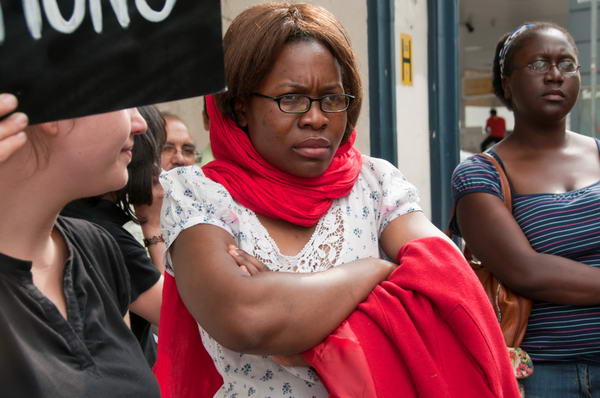
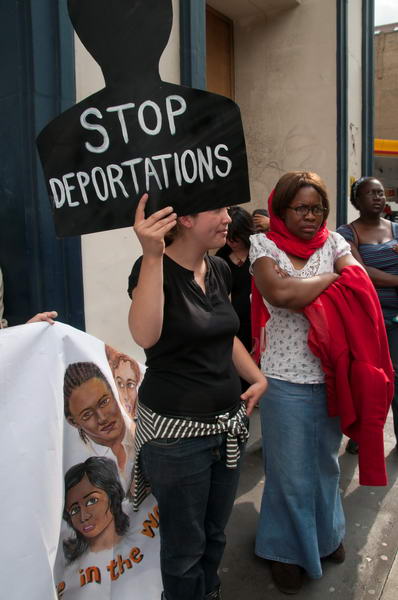
The Campaign Against Immigration Controls had organised the protest outside the Immigration Reporting Centre Communications House where many refugees are processed before they were taken to detention centres and deportation.

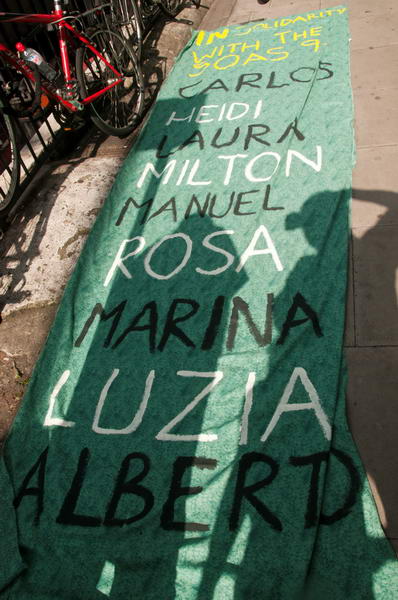
After the SOAS management and employers ISS had colluded with the Home Office over a dawn raid on their cleaning workers on 12 June 2009 in reprisal for their successful campaign for a living wage and trade union recognition, it was here that the SOAS 9 were brought before their deportation.

The first speaker at the protest was Laureine Tcuapo who had fled to Britain to escape repeated rape and abuse from a relative in the Cameroon police force. On Friday 12 June at 7am, immigration police kicked down the door of her Newcastle house and took her and her two young children forcibly to Yarl’s Wood Immigration Prison, intending to deport here to Cameroon. Action by Tyneside Community Action for Refugees and No Borders North East managed to prevent her deportation and get her release from Yarls Wood on 25th June but she is still under threat of deportation.

The protest also supported the continuing hunger strikers in Yarls Wood over the inhumane conditions there. In a press release from TCAR Tcuapo stated “Families were separated; people were being beaten up by guards. It just felt to all the asylum seekers that we were less than animals… I still think about my time in Yarlswood. It was very traumatising. I can’t even imagine how things are at the moment for people inside. They’re counting on us because inside, they have no rights.

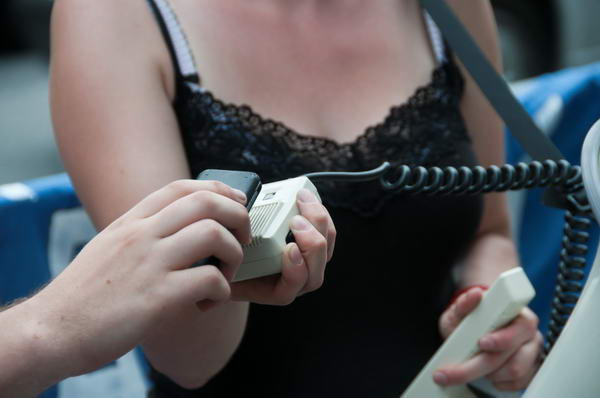
We also heard directly from some women in Yarls Wood who were able to use mobile phones to speak at the protest. Much of what is still happening at places such as Yarls Wood has been condemned by official inspections and is clearly against the laws of this country as well as EU Human Rights legislation and attention needs to be drawn to it. Our treatment of migrants, especially asylum seekers offends against justice and humanity.

More at Support Migrants – Fight Racist Laws


FlickrFacebookMy London DiaryHull PhotosLea ValleyParis
London’s Industrial HeritageLondon Photos

All photographs on this page are copyright © Peter Marshall.
Contact me to buy prints or licence to reproduce.


Cable Car, Victoria Dock, Olympic Site & Torture 2013

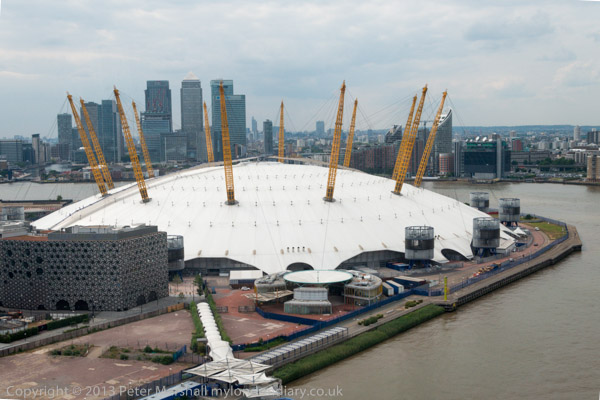
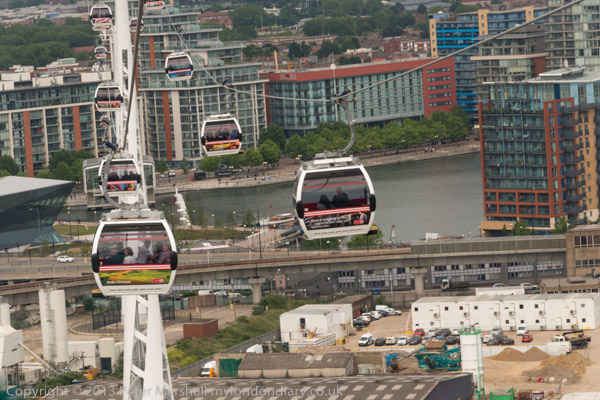
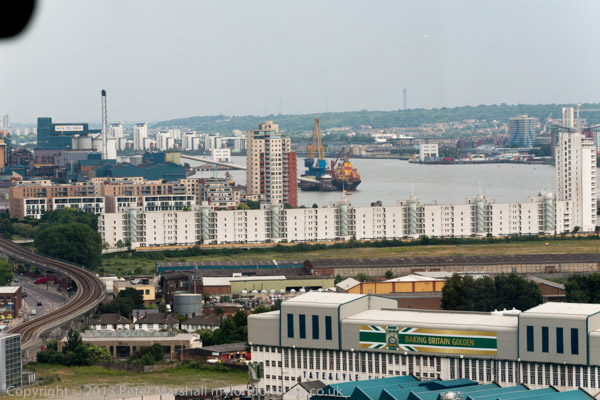
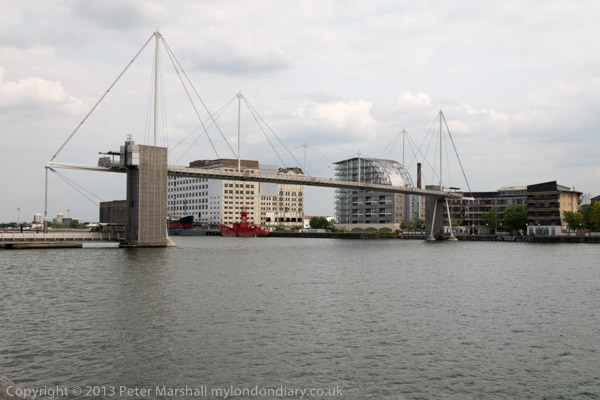
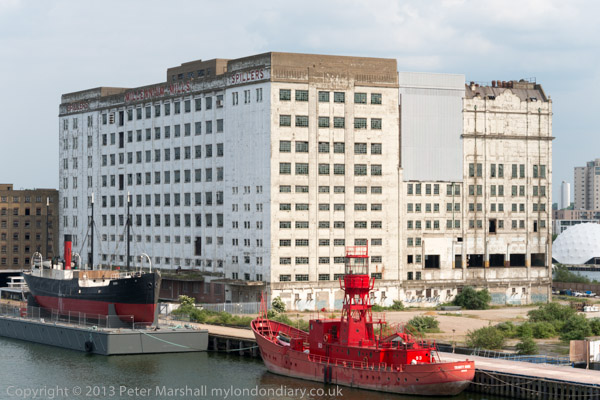
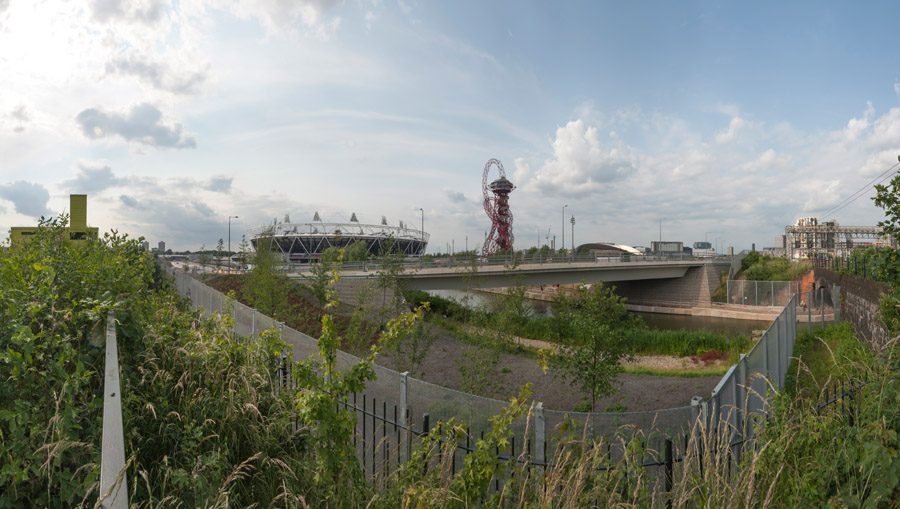
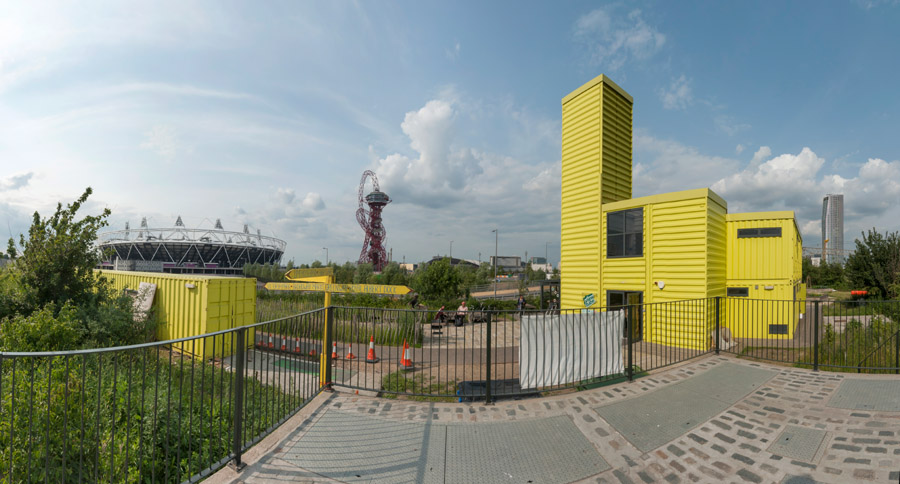
Cable Car, Victoria Dock, Olympic Site & Torture: I was coming to London to photograph the ‘Say No to Torture‘ protest on the evening of Wednesday 26th June, but as it was a nice day and I came up a few hours earlier to take a ride on London’s cable car and then to take a few pictures around Victoria Dock and Silvertown before making quick visit to the Greenway to see what progress was being made in opening up the former Olympic site.


Emirates ‘Airline’ – Arab Dangleway – North Greenwich – Victoria Dock.

Cable Car, Victoria Dock, Olympic Site & Torture

Now known officially since 2022 as the IFS Cloud Cable Car, the dangleway was never a viable transport system, with longer journey time and costing more than alternative routes on almost every conceivable journey.

Cable Car, Victoria Dock, Olympic Site & Torture

It doesn’t quite connect up with the rest of Transport for London’s system, the south terminal being a short and slightly confusing walk from North Greenwich Jubilee and bus station, and another fairly short walk on the North bank to Royal Victoria DLR. Completed in June 2012 its cost of £60m made it the most expensive cable car system ever built.

Cable Car, Victoria Dock, Olympic Site & Torture

As I noted “it should be promoted as one of London’s cheaper and more interesting tourist attractions” giving great views along the River Thames, although the journey is a relatively short on at 7-10 minutes. with London in the distance, Canary Wharf and the Olympic site a little closer and Bow Creek, Silvertown and the Dome both nearly underneath.
Cable Car, Victoria Dock, Olympic Site & Torture

To my surprise, 11 years later the service is still running and TfL say that with the sponsorship deals it actually makes a profit.
Emirates ‘Airline’ – Arab Dangleway


Victoria Dock and Silvertown

I think the more interesting parts of the Thames shoreline here are not yet publicly accessible, but you can – at least most of the time – walk along by Royal Victoria Dock and across the high level bridge for some more interesting views. The area and bridge get closed off when they are flogging illegal arms at the Excel Centre fairs (if you represent a despotic government you’ll have a ticket to that anyway.)
Most of the pictures here were taken from that high level walkway across the dock, but I think I walked on to the stations on the DLR line to Woolwich (then only to North Woolwich) which are elevated and also give some interesting views.

Victoria Dock and Silvertown


Stratford Greenway Olympic Revisit – Stratford Marsh

I took the DLR to Canning Town, changed to the JUbilee to Stratford then back to the DLR for the short ride to Puddling Mill Lane, and walked up onto the Greenway, where I’d photogaphed many times in the past.

Progress in releasing the Olympic site to the public appeared to be very slow and there sre still routes closed off in 2024.

Stratford Greenway Olympic Revisit


Say No To Torture – Trafalgar Square

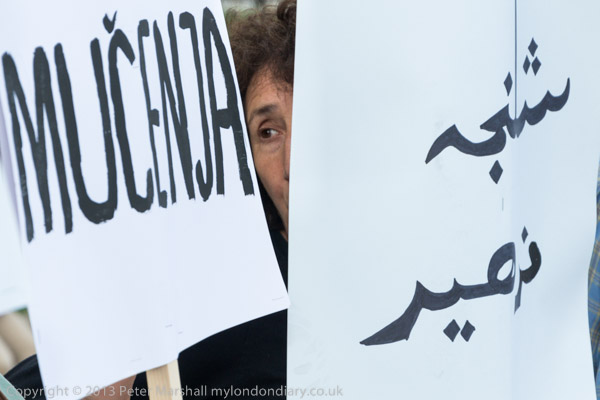
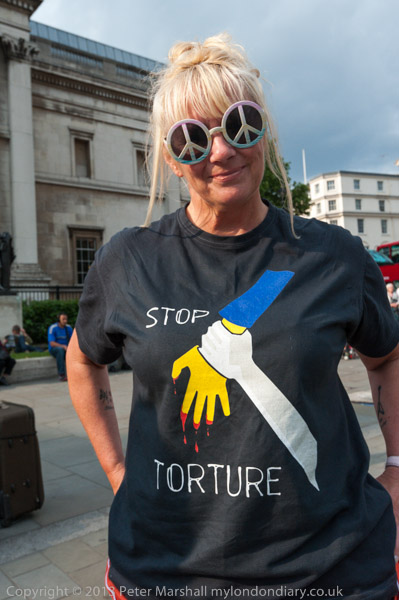
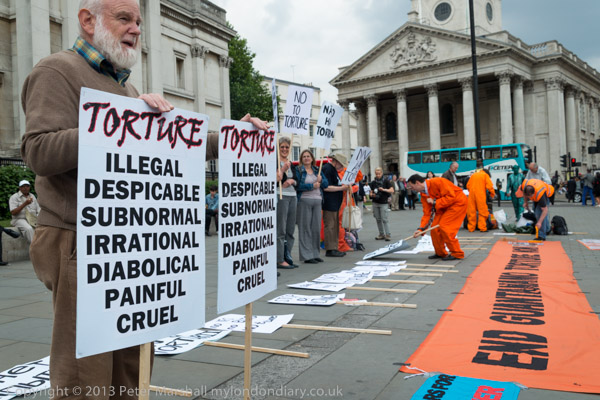
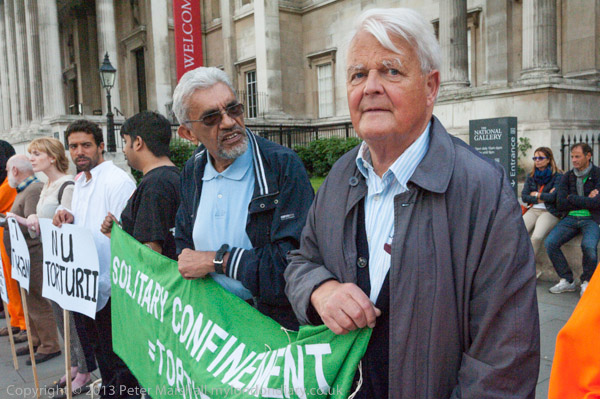
It was the ‘International Day in Support of Victims of Torture‘, the anniversary of the UN Convention Against Torture on 26 June 1987, and the London Guantanamo Campaign had organised a protest in Trafalgar Square.

The London Guantanamo Campaign had been active in calling for the closure of Guantanamo and other torture prisons including Bagram in Afghanistan since 2006. In particular the protest was to draw attention to Shaker Aamer, one of the 166 prisoners still held in Guantanamo. A London resident he was captured by bandits in Afghanistan where he was working for a medical charity and sold to the American forces, who tortured him – with the cooperation of the British Secret Service in Bagram, before illegally rendering him to Guantanamo where he continues to be tortured despite having been cleared for release.

In 2013 he was in very poor health having been – along with the majority of the other prisoners there – on hunger strike for 141 days. It was not until 30 October 2015 that he was finally released to the UK.

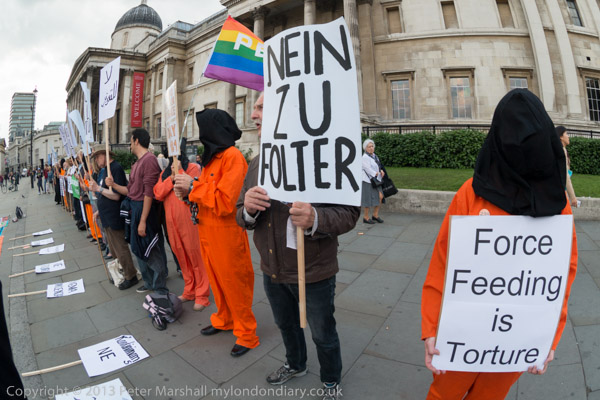
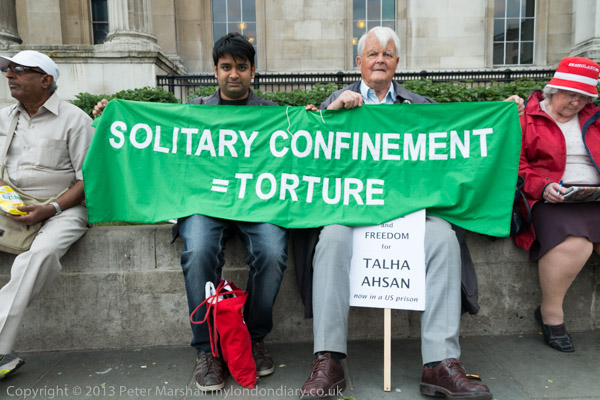
The US response to the hunger strike had been regular beatings, keeping those taking part in solitary confinement in bare cells and to use forcible feeding, strapping them into a special chair and forcing a feeding tube up a nostril and down into their stomach. The procedure is extremely painful and both this and the sensory deprivation of solitary confinement in bare cells also constitute torture under the UN definitions.

Many of those taking part wore orange Guanatanamo-style jump suits and black hoods and they held up banners an placards saying ‘No To Torture‘ in 30 languages. Some of those taking part were regular protesters with the ‘Save Shaker Aamer Campaign‘ which has been holding daily lunchtime vigils opposite the House of Commons to put pressure on the UK government to release him. Many think his continued imprisonment is because his testimony would embarrass both the UK and US security services who were clearly involved in his torture.

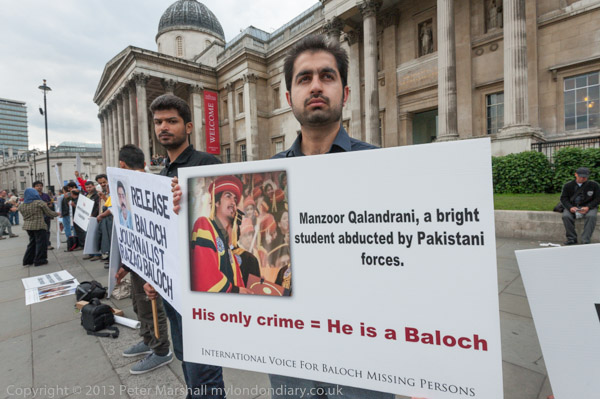
Others were also protesting against torture, with Balochs in Pakistan being subject to arrests and other human rights violations including torture by the Pakistan authorities for campaigning for independence. The protesters held pictures of a number of Baloch activists who have simply disappeared, believed to be held or possibly killed by Pakistani forces.

And protesters also drew attention to the US treatment of award-winning British poet and translator Talha Ahsan who suffers from Aspergers syndrome. He was extradited from the UK and was currently awaiting trial in solitary confinement in a high-security state prison in Connecticut because of alleged association with an Islamic web site and publishing house said to have links with terrorism. He was eventually released after 8 years following a plea bargain in December 2013 when time already served in the UK and US prisons was ‘time already served.’

Say No To Torture.


FlickrFacebookMy London DiaryHull PhotosLea ValleyParis
London’s Industrial HeritageLondon Photos

All photographs on this page are copyright © Peter Marshall.
Contact me to buy prints or licence to reproduce.


Pride and Migrant Rights & Anti-Racist Pride 2016

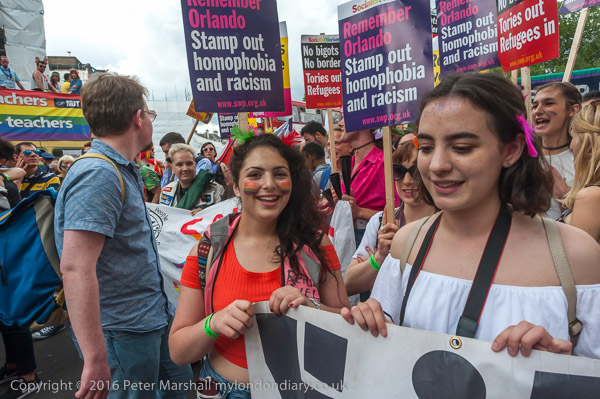
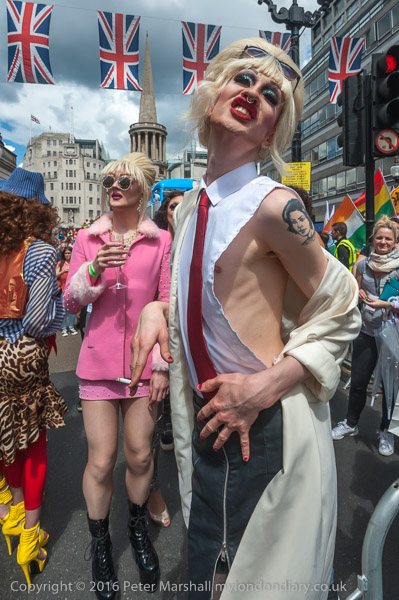
Pride and Migrant Rights & Anti-Racist Pride: Saturday 25th June was I think the last time that Pride was an open event where people who wanted to take part in Pride as a protest could just turn up and join in.

Pride and Migrant Rights & Anti-Racist Pride

When I first photographed Pride in 1993 it was much smaller and very definitely a protest. Over the years it has become a parade with many corporate groups taking part and dominating the event attracting huge audiences to watch it on the route through the West End.

Pride and Migrant Rights & Anti-Racist Pride

And now to be in the parade you need a wristband, free for LGBT+ Community Groups but cotsing between £7.50 and £35 for others – and the media centre is insistent we call it Pride in London rather than ‘London Pride’ or ‘gay pride’, hashtag #PrideInLondon.

Pride and Migrant Rights & Anti-Racist Pride

I can’t remember if I had bothered to get official accreditation for the event in 2016, I certainly did some years and suspect by 2016 it was needed to be able to walk around and take photographs as people were preparing for the parade. And they wanted to be photographed.

Pride and Migrant Rights & Anti-Racist Pride

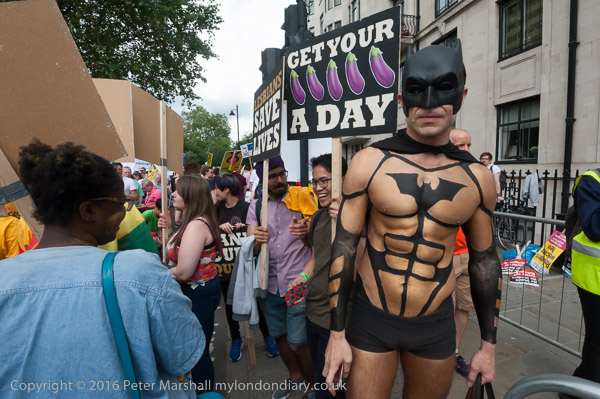
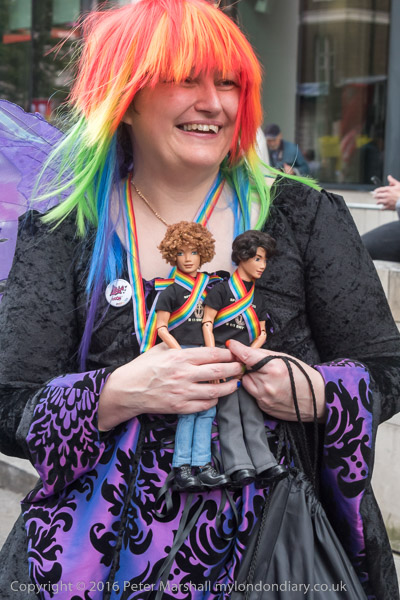
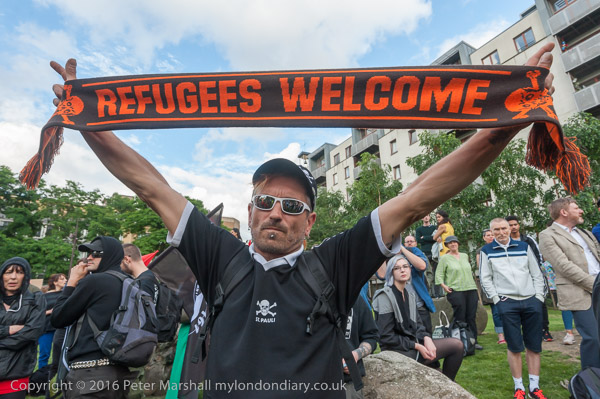
In my pictures I concentrated on those who I felt were continuing the tradition of Pride as a protest, including many I had photographed at other protests. But there were others I couldn’t ignore.

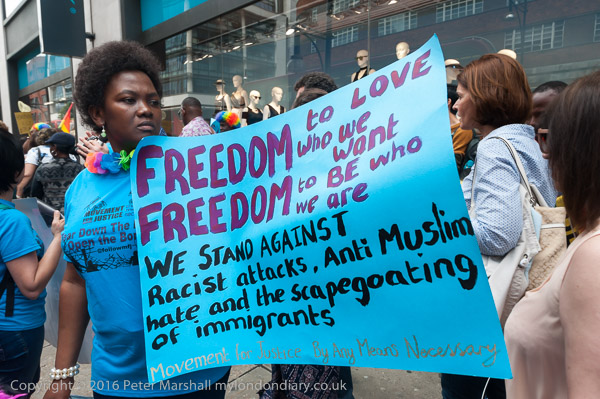
I left the official area where the parade was setting up with its corporate floats and walked down Oxford Street to where people were meeting for a Migrant Rights and Anti-Racist Pride march to join the main parade.

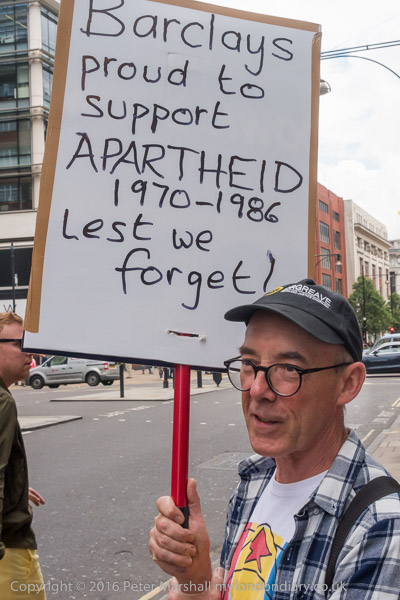
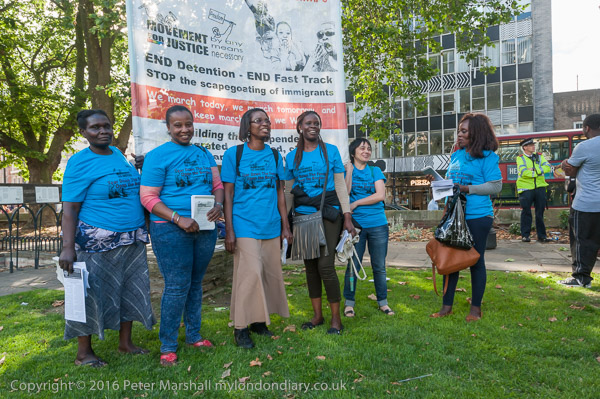
Movement for Justice who had organised this were joined by other protesters including London in Solidarity with Istanbul LGBTI Pride protesting the banning of Istanbul Pride, Lesbians and Gays Support the Migrants and other protesters who feel the official event has been taken over by corporate sponsors such as Barclays and BAE systems and is a parade rather than a protest, no longer representing its roots.

They marched up Oxford Street and Regent Street past the front of the main parade and went to its rear where they joined other protest groups relegated to the extreme end of the Pride parade. They tried to do this again the following year but were prevented by Pride stewards and ended up maching ahead of the main procession past cheering crowds along the main route.

There are many more pictures on My London Diary
Pride London 2016
Migrant Rights & Anti-Racist Pride


FlickrFacebookMy London DiaryHull PhotosLea ValleyParis
London’s Industrial HeritageLondon Photos

All photographs on this page are copyright © Peter Marshall.
Contact me to buy prints or licence to reproduce.


The Day After The Brexit Vote – 2016

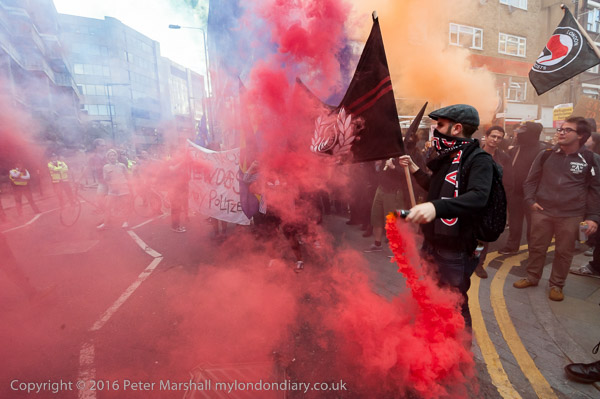
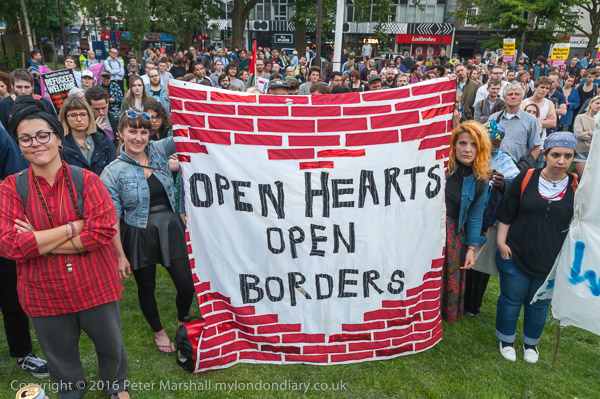
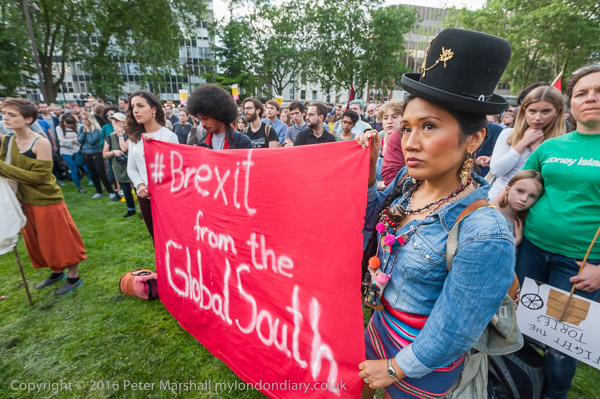
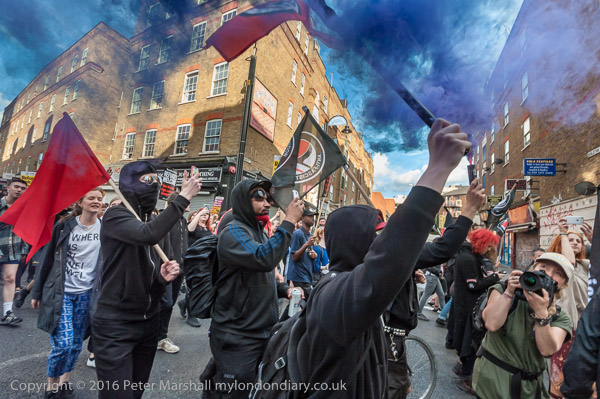
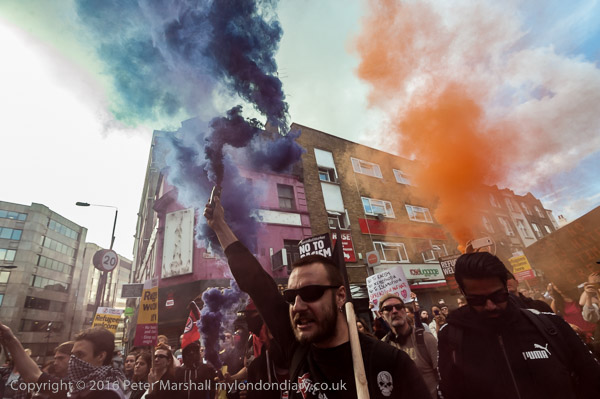
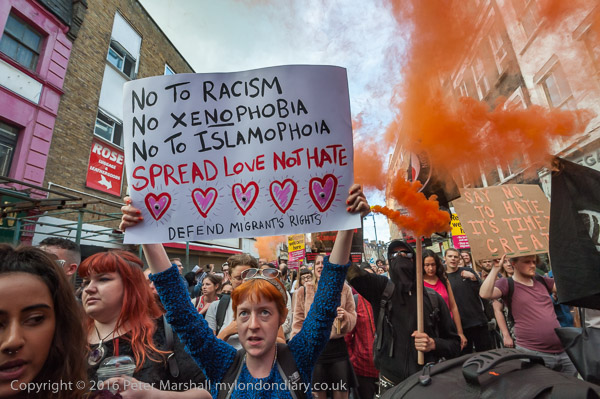
The Day After The Brexit Vote – Defend All migrants. On Friday 24th June 2016 almost half the nation woke up to hear with shock and some measure of disbelief to hear the news that a small majority had voted in favour of leaving Europe.

The Day After The Brexit Vot

In any sensible democracy the result of 52% to 48% in an advisory referendum would not have been sufficient to cause such a major constitutional change, but Prime Minister David Cameron had stupidly promised to abide by the result and so we were now en route to Brexit.

The Day After The Brexit Vot

Cameron had been confident that he would win the referendum with a vote to remain but he had severely underestimated the depths of lying and misrepresentation that the Leave campaign would sink to, with some of the leading figures likely to make huge personal profits from the break.

The Day After The Brexit Vot

Brexit of course needn’t have been the major disaster it has been. We could have retained a much closer relationship with Europe, our largest trading partner. It needed the total incompetence of Boris Johnson to get us the worst of all deals, not least because he and his negotiators simply did not understand what negotiation meant, with the politicians largely restricting themselves to making clearly impossible demands and then blaming Europe.

The Day After The Brexit Vot

I don’t expect we will return to Europe during my lifetime, but I hope the next government will make some sensible moves to restore our relationships, although rather avoiding the subject in the current election campaign. But surely we cannot continue being unable to staff our care and medical sectors and with crops rotting unpicked on the fields. And we do need at least some of those plumbers, electricians and other tradesmen.

The Leave campaign reached new lows with things like that £350 million on the side of a bus, which everyone who made the slightest investigation knew was a lie. But the media spread it around with some suggesting it was perhaps not correct, while all should have been deriding it as nonsense. And it was a figure that stuck in many peoples’ minds.

Immigration was an issue that both sides failed on – and at times Remain seemed determined to try and outflank Leave on the right suggesting racist policies. Migrants were attacked and scapegoated not only by both Remain and Leave campaigns but by all our mainstream parties and media over more than 20 years, stoking up hatred by insisting immigrants are a “problem”.

Migration has been and will remain vital to the growth of our economy, as well as enriching our cultural life. Walk through our high streets or page through the TV schedules and cross out the immigrants and the descendants of post-war immigration and what you would be left would be limited and rather boring.

Senior Conservatives are even proposing that we should leave the European Convention on Human Rights so they can deport asylum seekers to Rwanda, and although Labour has said it will end this policy it has not yet put forward plans for safe routes for asylum seekers.

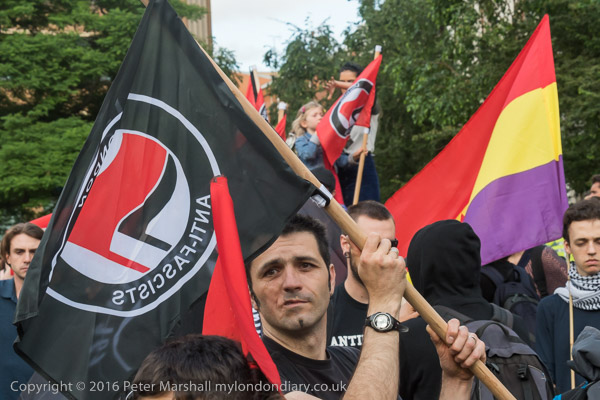
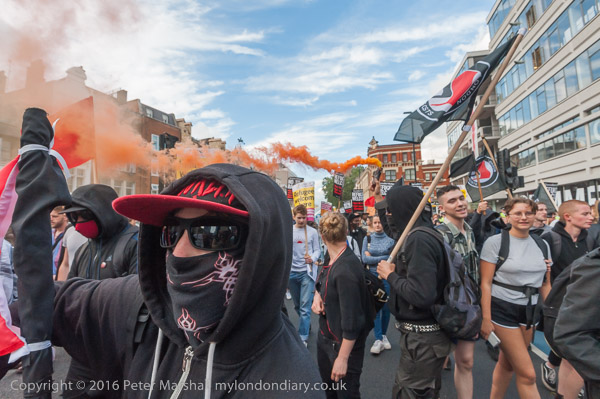
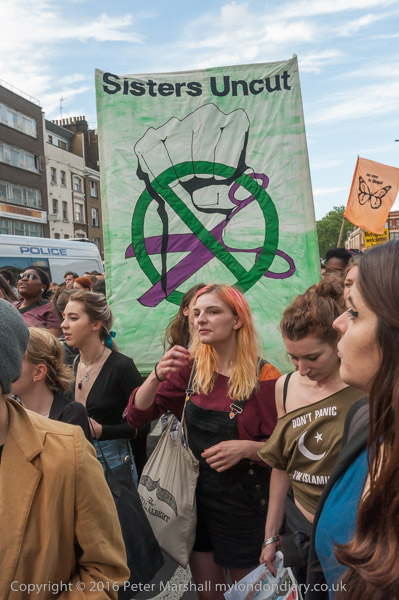
The protest on 24th June by anarchists and socialists against racism and fascist violence had been some planned weeks in advance, called by Movement for Justice, rs21, London Antifascists and Jewdas, and supported by other groups including Brick Lane Debates, National Campaign Against Fees and Cuts (NCAFC), Right to Remain, Radical Assembly, Clapton Ultras, the Antiuniversity, English collective of prostitutes, sex workers open university, lesbians and gays support the migrants, Razem Londyn, London Anarchist Federation, Kent anti-racist network, dywizjon 161, colectivo anticapitalista Londres and Plan C London as well as others who brought banners and many individuals.

A camera team of three working for a right-wing US website arrived and tried to provoke groups in the crowd with silly questions and appearing to gloat over the Brexit decision. Eventually police stepped in to calm things and made sure the group left.

After a number of speeches the protesters set off to march on a roundabout route through the east of the city on their way to protest outside News International in Southwark. But I think they veered off course whenever it looked likely that the large police presence might try to kettle them. Eventually I got fed up with walking and went home.

More on the protest with many more pictures on My London Diary: Defend All Migrants.


FlickrFacebookMy London DiaryHull PhotosLea ValleyParis
London’s Industrial HeritageLondon Photos

All photographs on this page are copyright © Peter Marshall.
Contact me to buy prints or licence to reproduce.


Pensions, Cuts, Murdoch & Cafe Jiro – 2011

Pensions, Cuts, Murdoch & Cafe Jiro: Thursday 23rd June 2011 – Trade unionists march against public sector pension cuts, a protest against Murdoch being allowed to take over BSkyB and one of my favourite artists turns a St John’s Wood gallery into his café.


20,000 March for Pensions & Against Cuts

Pensions, Cuts, Murdoch & Cafe Jiro

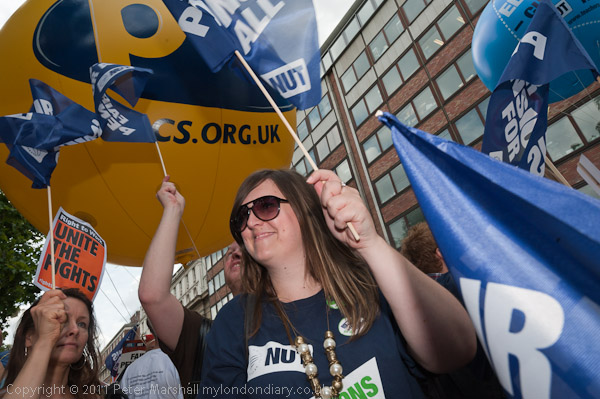
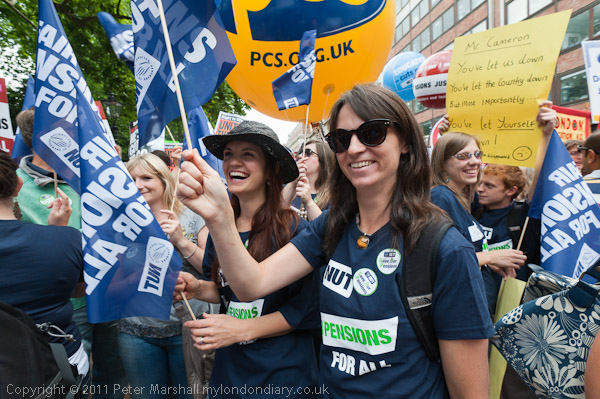
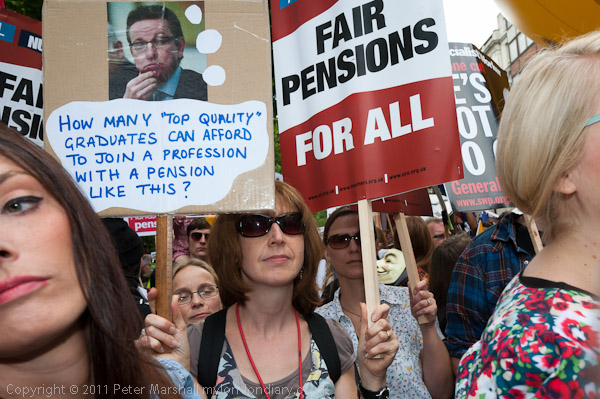
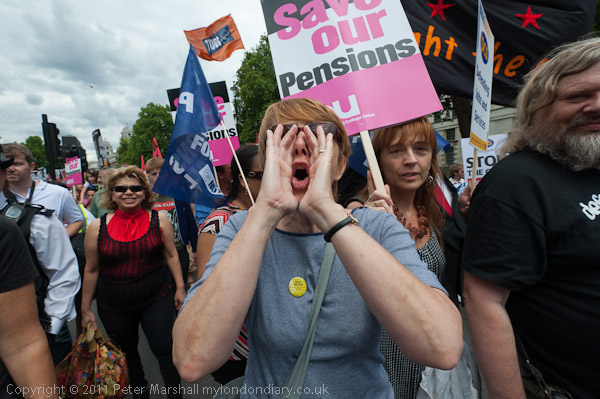
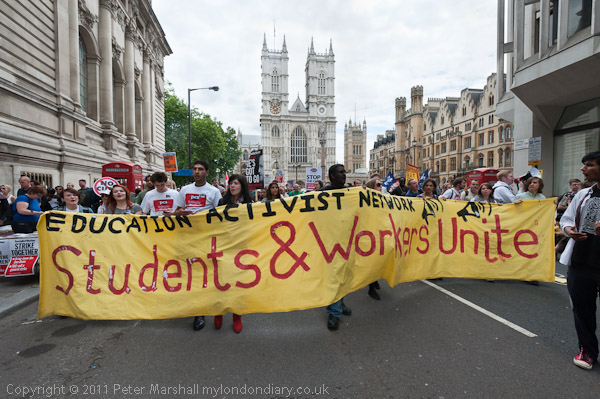
Public Service unions had organised a march against pension cuts and itt was joined by many thousands of union members as well as many others protesting against cuts in public services made by the Tory coalition government.

Pensions, Cuts, Murdoch & Cafe Jiro

There was a large crowd waiting when I arrived in Lincoln’s Inn Fields over an hour before the march was due to begin and more were arriving as it left a little early as the organisers and police worried about overcrowding in London’s largest square – around 28,000 square metres.

Pensions, Cuts, Murdoch & Cafe Jiro

Pensions, Cuts, Murdoch & Cafe Jiro
Sally Hunt, UCU, Mary Bousted ATL, Christine Blower NUT, Mark Serwotka PCS & John McDonnell MP,

Before we left there had been speeches by several union leaders and the march was led to Parliament by Christine Blower NUT, Mark Serwotka PCS and Mary Bousted ATL along with MP John McDonnell.

The Hutton review had clearly shown that the government was lying when it said that public service pensions were not affordable. This report had said it expected “benefit payments to fall gradually to around 1.4 per cent of GDP in 2059-60, after peaking at 1.9 per cent of gross domestic product (GDP) in 2010-11.”

There seemed to be a huge number of police on the street for a peaceful march, particularly one that was mainly composed of teachers and civil servants with only a token presence from militant students and anarchists.

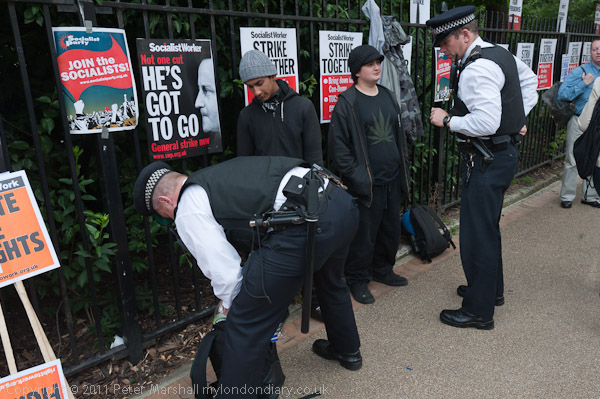
Police had earlier been busy in Lincoln’s Inn Fields where they appeared to be conducting stop and searches on any young male demonstrators in black clothing.

Things did get just a little agitated when for some reason police decided to stop the march on Strand for around 20 minutes and it got very noisy on Whitehall as it passed Downing St.

I stood outside Westminster Central Hall for around an hour as more and more marchers arrived from the main march I had been on and a number of others from various parts of London. Police and march stewards there objected to Charlie Veitch and other ‘Love Police’ haranguing the crowd in his usual deadpan fashion upholding his right to freedom of expression and they moved away.

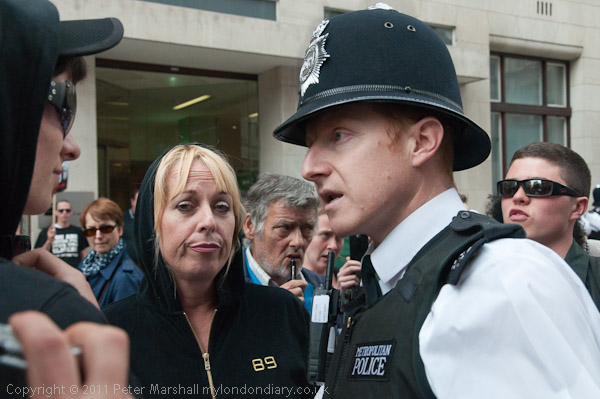
Westminster Central Hall is a large venue but far too small for the numbers at the event and there was a large overflow rally in Tothill Street at the side of the church. A group of 20 or 30 black-clad protesters there were told by police they must remove their hoods and dark glasses and there were some arguments. I heard later in the day there were a few scuffles with them and police in Whitehall and they were kettled for a few hours in Trafalgar Square.

More on My London Diary at 20,000 March for Pensions & Against Cuts.


Save UK Democracy From Murdoch – Dept Culture, Media & Sport

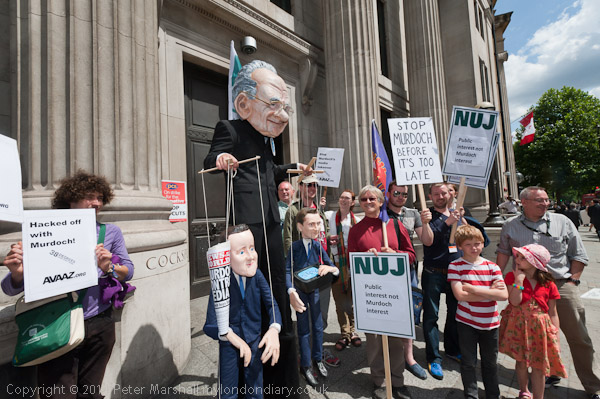
Outside the Department of Culture, Media and Sport was a protest organised by on-line global campaign network Avaaz and my union the NUJ against the decision by Jeremy Hunt to let Rupert Murdoch to take over BSkyB.

This was an emergency protest organised within minutes of the news breaking early that morning, and the email calling it went out when many were already on their way to work or to attend the pensions protest, so numbers were small.

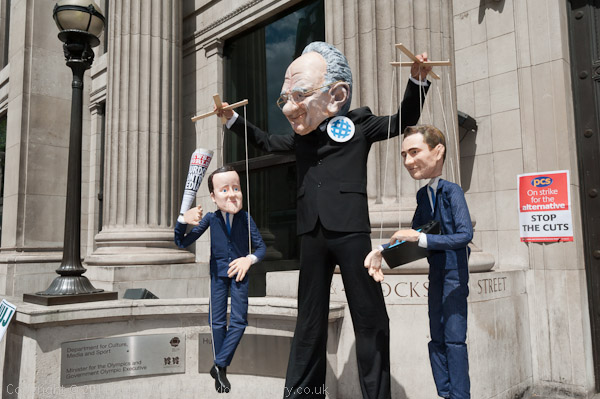
Obviously some planning had taken place earlier and there was a tall stilt walker with a large but rather inappropriately avuncular head of Rupert Murdoch, surely one of the ugliest figures in world media and pursuing a clear aim of world domination, toying with two large string puppets representing David Cameron and Jeremy Hunt.

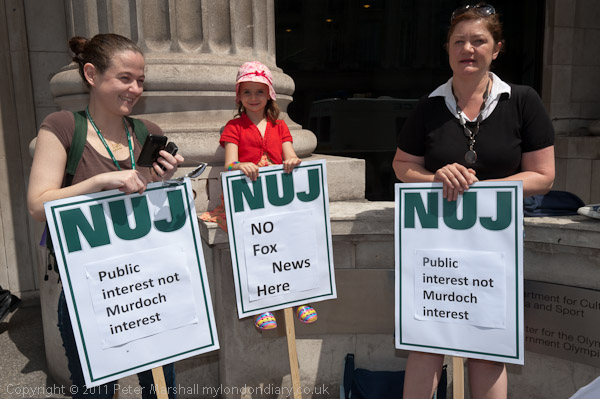
But most of the posters were clearly last minute, with laser-printed sheets being glued onto generic NUJ placards. NUJ members were “appalled – like most of the thinking population – by the thought of the UK’s largest commercial broadcaster falling into Murdoch’s hands, and the threat that this poses for in particular for news coverage, but also for a diverse and broadly based media culture. “

They want the government to act in the public interest rather than as puppets for Murdoch’s interest and don’t want Sky News to become another Fox News.”

Save UK Democracy From Murdoch


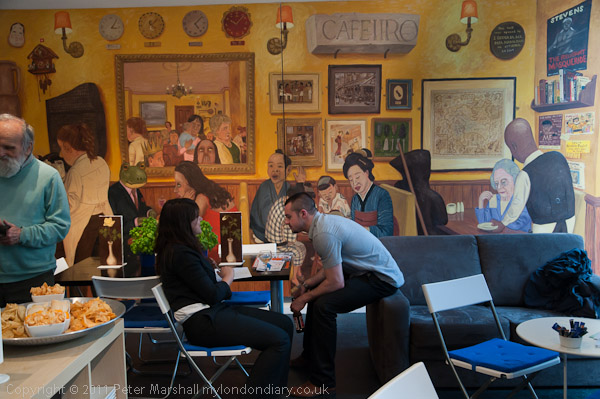
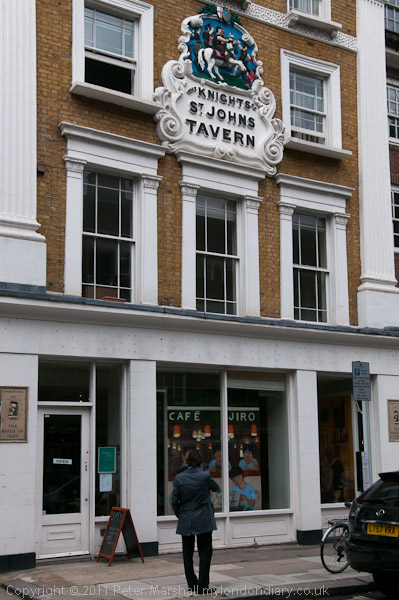
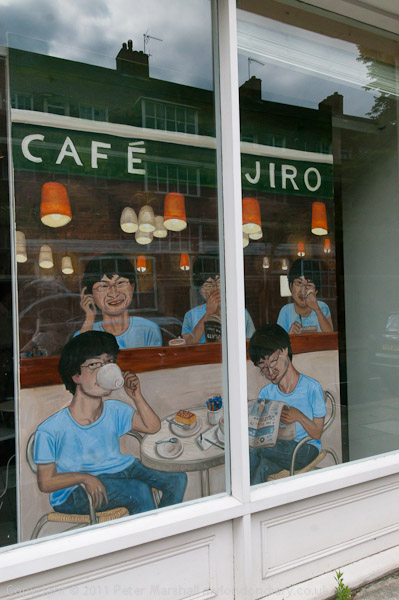
Café Jiro 2011 – Queen’s Terrace Café, St John’s Wood

In the evening I was at The Queen’s Terrace Café, which had opened in April 2011. This was no ordinary café, but a cultural café, run by Mireille Galinou, who for some years had run a charity called the London Arts Café, which never quite managed to open a café but did organise a dozen or so exhibitions and numerous other art events in London.

London Arts Café and The Queen’s Terrace Café are no longer with us, but you can still read online about many of the the activities the London Arts Café organised during its existence from 1996-2007. For some of this time I was Treasurer of the organisation and also wrote the web site.

One of the most enjoyable art shows I went to in 2009 was Café Jiro, an installation in the Flowers Gallery in Cork St, London by a friend of mine, the Japanese artist Jiro Osuga who grow up in north London. The 2011 was a smaller and more intimate version of that show, with one of the large wall-size panels from the Flowers show, along with a number of other works specially produced for this space – including three in the smallest room.

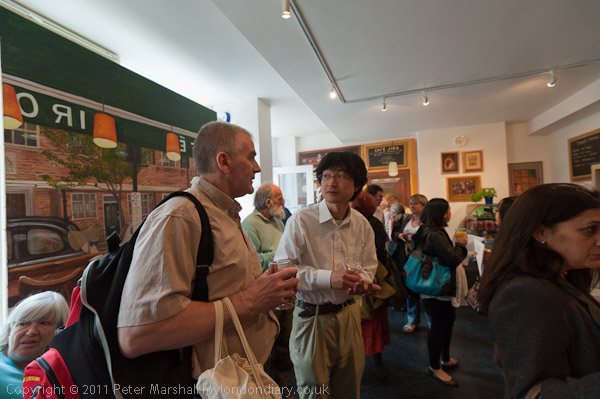
The small gallery was packed for the opening – and for me a great opportunity to meet some old friends, and it was good to see Jiro’s work in a real café environment. You can read more about the show on a 2011 post in >Re:PHOTO.

Café Jiro 2011


FlickrFacebookMy London DiaryHull PhotosLea ValleyParis
London’s Industrial HeritageLondon Photos

All photographs on this page are copyright © Peter Marshall.
Contact me to buy prints or licence to reproduce.