Childrens’ Day at Notting Hlll – 2010

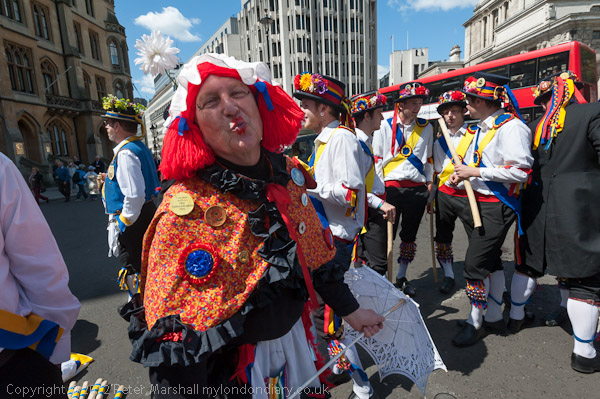
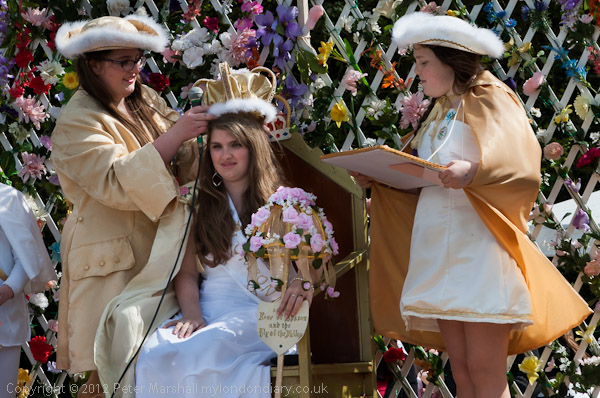
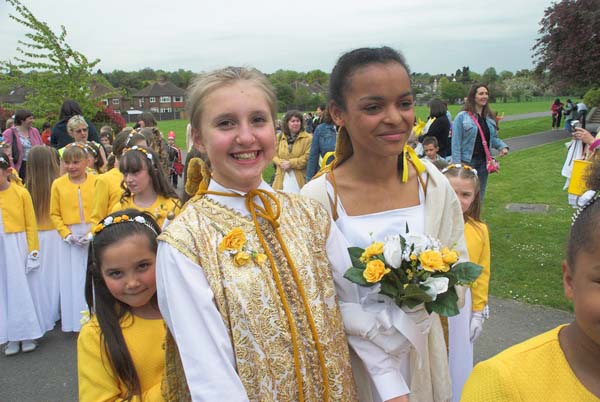
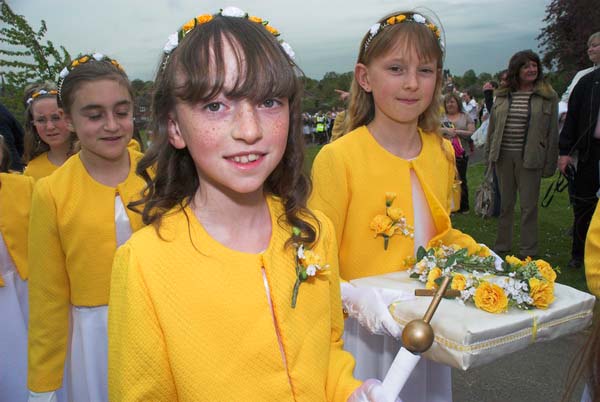
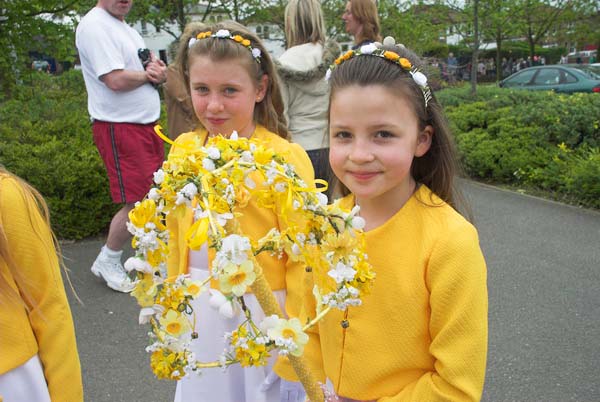
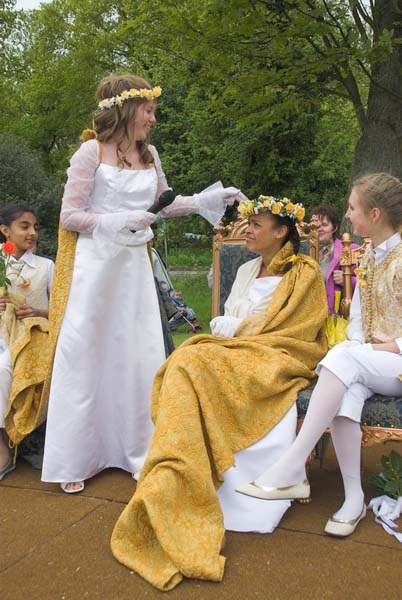
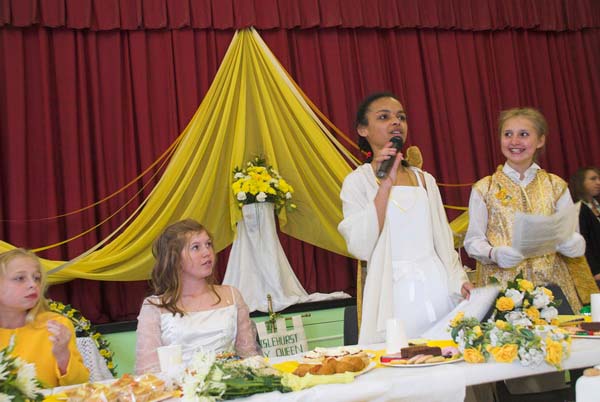
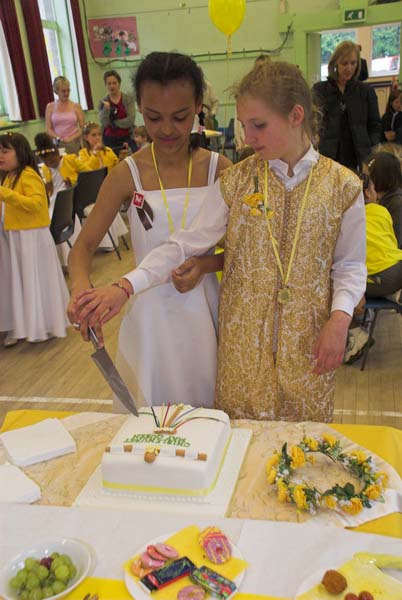
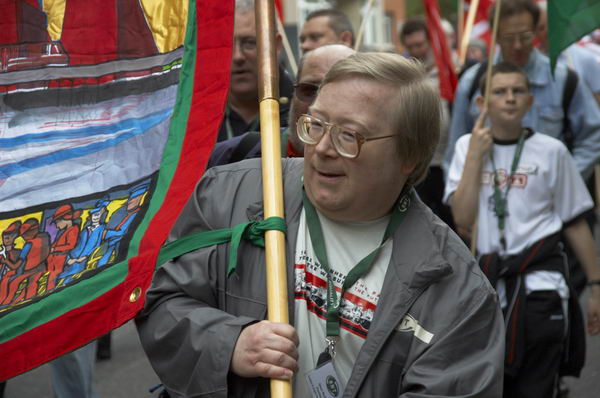
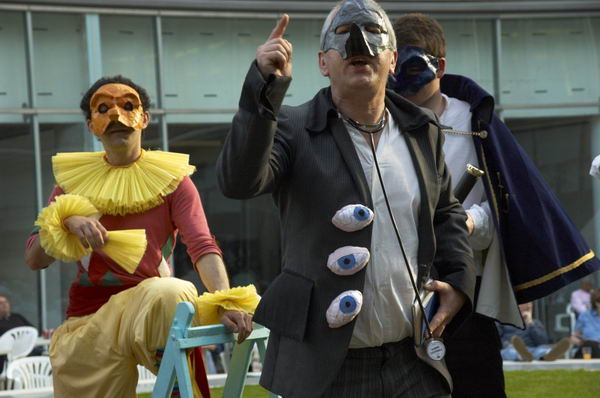
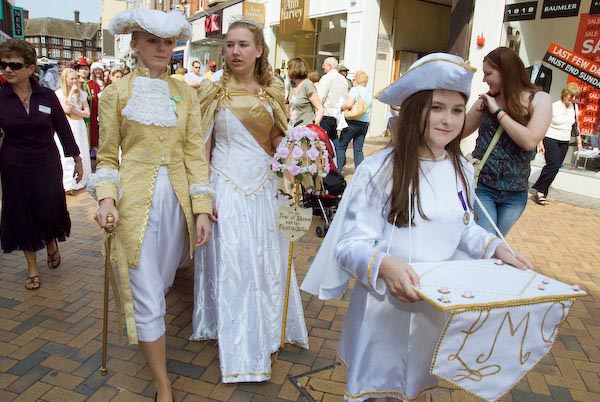
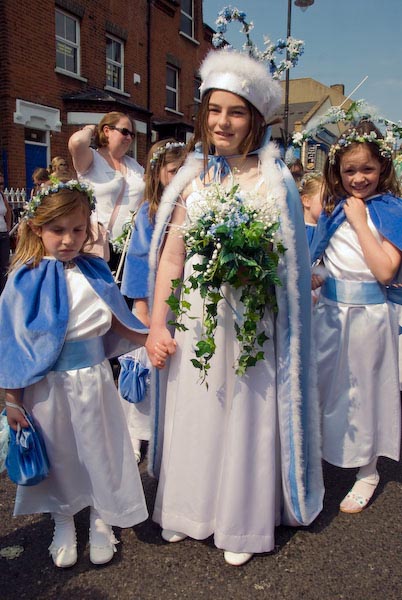
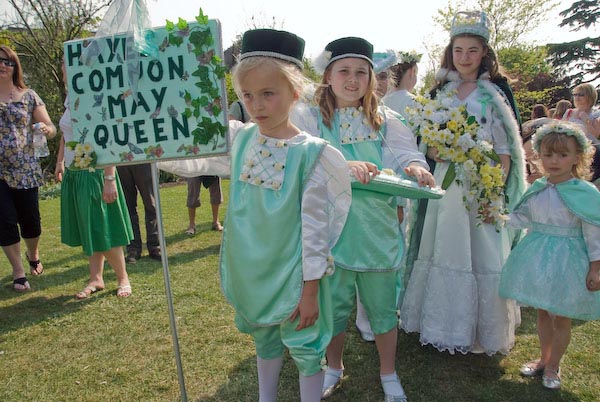
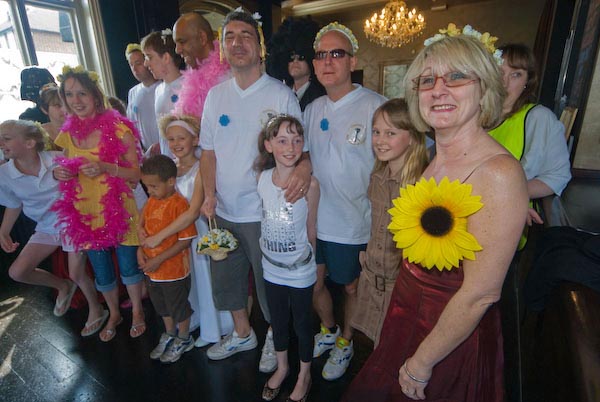
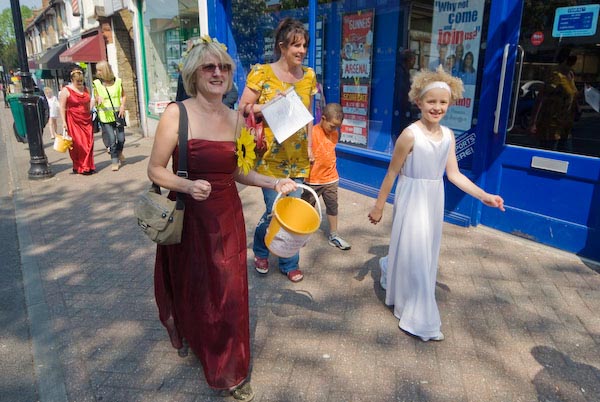
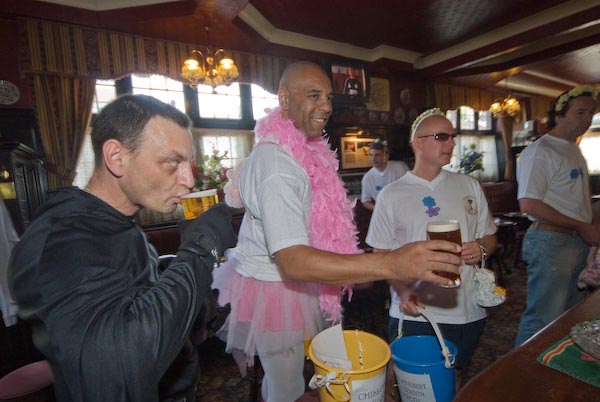
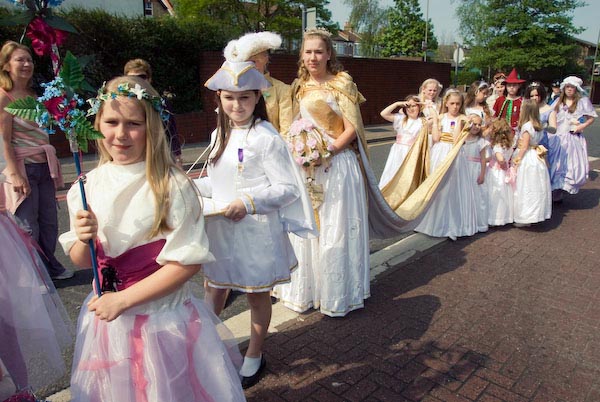
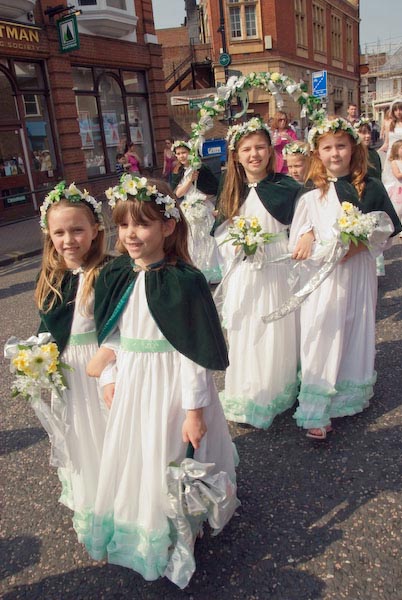
Childrens’ Day at Notting Hlll: Sunday 29th August 2010 was the first day of the two day festival though it’s called Childrens’ Day there are also plenty of adults there and sometimes having some rather adult fun. You will fine rather more pictures of children in the collection on My London Diary than in this post.

Childrens' Day at Notting Hlll
(C)2009 Peter Marshall – Right -Click and select ‘Open Image in new tab’ to load a larger version in a separate web page.

It does have the advantage of being just a little less crowded than the main Monday of carnival, when even though I try to avoid the most crowded places where it’s hard to move let along take photographs, but there is perhaps just a little less excitement and mayhem.

Childrens' Day at Notting Hlll

But by 2010, the carnival had begun to lose its charm for me and was no longer one of those dates entered into my calendar at the beginning of the year, and I had decided only to go on the slightly quieter (it’s relative) day of the year.

Childrens' Day at Notting Hlll

The sound is always a vital part of carnival, but can be a threat to health. When the beat makes your internal organs jump up and down and you can see the tarmac vibrating you know its really a bit too loud. And it could take several days for the pain in my ears to dissipate and normal – or at least near-normal – hearing return.

Childrens' Day at Notting Hlll

When I was young I seemed to recover but I think now the changes could well be permanent. My hearing isn’t perfect and some of those high notes are long gone, but its good enough to get by most of the time and I don’t want to risk it more.

I used to laugh a bit at the TV crews at carnival wearing ear protectors and think they were missing the spirit of it, but at least they were sensible. But I don’t think I could have produced the work I did wearing them.

2010 wasn’t the final carnival I attended – and one year I might just go again though I’ve not done so since 2011. But if I do I think I’d probably only stay long enough to drink a can or two of Red Stripe and probably take few pictures.

As I commented on My London Diary I took only one DSLR camera – the Exif Data remings me it was a Nikon D700 – and one lens, a Sigma 24.0-70.0mm f/2.8 and I worked all the time in full-frame Raw mode. The great majority of the pictures were made within 1-2 metres from the subject so people were very aware a photographer was pointing a large camera and lens at them, though many were too engaged in what they were doing to act up for the camera.

I was pleased with the pictures, but the small versions on My London Diary don’t really do them justice. So I’ve included a large one at the top of the post. Like some of the other pictures it was taken in a heavy shower that sent many of those watching rushing for cover but the carnival continued. If you double click on the top image it should open at a larger size on its own page in your browser.

More on My London Diary at Notting Hill Carnival.


FlickrFacebookMy London DiaryHull PhotosLea ValleyParis
London’s Industrial HeritageLondon Photos

All photographs on this page are copyright © Peter Marshall.
Contact me to buy prints or licence to reproduce.
South Tottenham & Stamford Hill

South Tottenham & Stamford Hill: Continuing my walk on Sunday 8th October which had begun at Seven Sisters Station from where I had walked south down the High Road – the pictures start some way down my post Abney Park & South Tottenham.

South Tottenham & Stamford Hill
Shop window, High Rd, South Tottenham, Haringey, 1989 89-10c-13

On the High Road in South Tottenham I found another of the 20 images which were a part of my web site and book ‘1989’, ISBN: 978-1-909363-01-4, and above is the page from that.

The Emerald Bar, St Ann's Rd, 1989 South Tottenham, Haringey, 1989 89-10d-63
The Emerald Bar, St Ann’s Rd, South Tottenham, Haringey, 1989 89-10d-63

I turned from the High Road into St Ann’s Road and a short way down came to this sign for the Emerald Bar. Now disappeared this was obviously an Irish bar (the Shamrock as well as the name was a clue!) and only a short walk from St Ignatius Catholic Church on the High Road. It appeared to be in a part of the yard of St Ignatius Primary School.

The brickwork at the entrance and the rather curious design of the sign both had a curiously amateur feel. On the large noticeboard below the bar’s name I could just make out the words STRIPPER and HERE; there were a few other letters but nothing I could make sense of.

Stamford Hill, 1989 89-10d-52
High Rd, Stamford Hill, 1989 89-10d-52

I took another picture on St Ann’s Road (not online) but soon returned to the High Road and continued south, where this road becomes Stamford Hill, past Phililp Kosher Butcher at 292 (picture not online) crossing the busy road to photograph some rather grander houses which I think are actually at 11-15 High Road on the border of Haringey and Hackney.

The House of Value, Ravensdale Rd, Stamford Hill, Hackney, 1989 89-10d-53

Back on the other side of the street was the turning into Ravensdale Rd where above Beeny’s Fresh Fish is still one of London’s best-known ‘ghost signs’. When I made this picture most of the signs for Yager’s Costumes were covered by two large billboards and only the YAGER’S, BUY YOUR WINTER COATS HERE AND SAVE MONEY and THE HOUSE OF VALUE could be read.

The House of Value, Ravensdale Rd, Stamford Hill, Hackney, 1989 89-10d-54

I think the Yagers who owned Yager’s Costumes were probably a part of the Yager family, Jews with Austrian/Romanian parents who came to England at some time before the 1901 census. By 1911 they were living not far away in Downs Park Road Hackney. Harry Yager started a number of businesses including a timber merchants and Park Royal Coachworks. He had a hall named after him at Stamford Hill Synagogue. But the family history has no mention of a clothing company.

A company, Yager’s (Stamford Hill) Ltd, Company number 23013, was apparently registered in 1928 but dissolved by 1932 but Companies House records available online do not go back far enough to find information.

Benny’s Fresh Fish is now a shop offering shoe repairs and key cutting and the rest of the shop is a café.

Rookwood Court, Rookwood Rd, Castlewood Rd, Clapton, Hackney, 1989 89-10d-43

I continued down Stamford Hill and then turned east along Clapton Common. On reaching the grass and trees I went to there left along Castlewood Road where after some rather dreary postwar blocks I came to this fine 1930s block of flats, Rookwood Court, on the corner of Rookwood Rd. These private flats with a view (for some) across the common were built in around 1936. New windows installed around 2011-12 doubtless make the flats more comfortable but have lost some of the appeal of the building.

Next door to them you can see the tower and spire of the Church of the Good Shepherd in Rookwood Road, now the Georgian Orthodox Church. More about that in the next post.


FlickrFacebookMy London DiaryHull PhotosLea ValleyParis
London’s Industrial HeritageLondon Photos

All photographs on this page are copyright © Peter Marshall.
Contact me to buy prints or licence to reproduce.


Abney Park & South Tottenham

Abney Park & South Tottenham: I ended my walk on Sunday 1st October 1989 (which had begun at Finsbury Park) in Abney Park Cemetery, one of London’s ‘Magnificent Seven’ garden cemeteries laid out after an 1832 Act of Parliament encouraged the establishment of private cemeteries in the outer suburbs of London as graveyards in the inner city were dangerously overflowing.

Abney Park Cemetery was laid out on the grounds of Abney House and its neighbours and named after Sir Thomas Abney, Lord Mayor of London in 1700–1701, who had Abney House built for him in 1676 – it was demolished for the cemetery which opened in 1840.

Those involved with setting up the cemetery were members of the Congregational Church but it was set up on a wholly non-denominational basis. For the next 40 years was the burial place of choice for many leading non-conformists. Among those who had played a part in the landscaping of the area around Abney House long before it became a cemetery was the prolific Congregational hymn writer Isaac Watts, many of whose hymns are still well-known and loved, and there is a statue of him in the cemetery.

Unusually, as well as a cemetery it was also established as an arboretum and retains a magnificent collection of trees and a significant example of landscape design. From 1880 it was run strictly on commercial lines, but when the company went into administration in the 1970s the cemetery became hugely overgrown. In the 1980s it was taken over by Hackney council, but at first they did little to improve its condition other than establishing it as a nature reserve. More recently it has been considerably improved with the help of lottery funding.

Rev Henry Richard, (1812–1888), the Apostle of Peace, Abney Park Cemetery, Stoke Newington, Hackney, 1989 89-10c-42
Rev Henry Richard, (1812–1888), the Apostle of Peace, Abney Park Cemetery, Stoke Newington, Hackney, 1989

According to WikipediaHenry Richard (3 April 1812 – 20 August 1888) was a Congregational minister and Welsh Member of Parliament between 1868–1888. Richard was an advocate of peace and international arbitration, as secretary of the Peace Society for forty years (1848–1884). His other interests included anti-slavery work. “

The memorial over his grave was erected by public subscription in 1891, and his statue in the Square in Tregaron where he was born was unveiled in 1893.

Young Angel, Abney Park Cemetery, Stoke Newington, Hackney, 1989 89-10c-31

I can tell you nothing about George Clayton other than is recorded here, but I was attracted both by the young angel and surrounding flowers in this relatively recent example of a memorial, shortly before the cemetery fell out of use.

I didn’t spend long in the cemetery on this occasion, walking through it to get to Stoke Newington Station as by the I was in a hurry to get home. I took around a dozen pictures in my walk through the park but have so far only put two of these online. But I did return to it on my next walk a week later – and have been back quite a few times since.

My next walk began from Seven Sisters Station a week later, and I walked from the Victoria Line exit south down the High Road.

Motor Auctions, High Rd, South Tottenham, Haringey, 1989 89-10c-22

Sometimes I came across what seemed to me, at least in a photograph, a kind of visual conundrum and this was one of them. Probably standing where I was to take the picture I could have sorted out why what appears to be a view through a rather smeared tranparent sheet in some places shows what is behind it but elsewhere replaces it with a different view. Kind of seeing through a glass darkly. And what is this strange structure which holds this sheet. I can’t now tell you. But the empty can of Ginger Beer spiked on the fence is quite clear.

Posters, High Rd, South Tottenham, Haringey, 1989 89-10c-23

Turkey and Africa meet on the posters here. The Türkiye Devrimci Komünist Partisi – Revolutionary Communist Party of Turkey – is, according to Wikipedia, “a clandestine communist party in Turkey” and “Not to be confused with Revolutionary Communist Party (Turkey).Kahrolsun Fasist Diktatorluk! I think translates as ‘Down With Fascist Dictatorship’ and presumably means that of Turkey rather than Haringey Council.

Underneath is a poster for and event at Dougie’s Nightclub in the Lower Clapton Road, which would appear to feature sounds from Africa and Zimbabwe in particular. Dougie’s was in a function room for the White Hart pub, which later became the Clapton Cinematograph before becoming a night club, Dougie’s in 1983. Later it was the Palace Pavilion nightclub where stabbings and shootings made this road known as ‘Murder Mile’

And underneath these, other posters which little or almost nothing can be seen. It was a well-used post, just south of the railway bridge and then just to the side of a small shop or cafe, the former station ticket office, since demolished to provide a path to South Tottenham Station.

The Dutch House, High Rd, Crowland Rd, South Tottenham, Haringey, 1989 89-10c-24

The Dutch House public house at 148-156 High Road, Tottenham has recently been renamed The Station House and is now an Irish pub. This area was developed around 1880-1900 and this building dates from shortly after 1894. Locally listed it was not built as a pub, but possibly as a music hal. It it has some incredible Venetian and Moorish detailing as this picture shows. It is by far the most interesting architecture in the area and I think should be given proper listing.

The Dutch House, High Rd, Crowland Rd, South Tottenham, Haringey, 1989 89-10c-26
The Dutch House, High Rd, Crowland Rd, South Tottenham, Haringey, 1989

Originally this building was completed with a spire above that incredible corner tower which perhaps seems oddly truncated now. But of course I would have had to stand much further back to take the picture were it still there. As well as a pub, the building also housed clothing factories and fashion shops.

More from this walk in later posts.


FlickrFacebookMy London DiaryHull PhotosLea ValleyParis
London’s Industrial HeritageLondon Photos

All photographs on this page are copyright © Peter Marshall.
Contact me to buy prints or licence to reproduce.


Highbury to Stoke Newington Church Street – 1989

Highbury to Stoke Newington Church Street: Continuing my walk from Sunday 1st October 1989 which had begun at Finsbury Park and continued to the Nags Head before returning to Finsbury Park. The previous post ended on Blackstock Road.

House, Kelross Rd, Northolme Rd, Highbury, Islington, 1989 89-10b-46
House, Kelross Rd, Northolme Rd, Highbury, Islington, 1989

Blackstock Road continues south into Highbury as Highbury Park and I walked some way down this before turning east into Northolme Road. Highbury Park was developed in the 1870s but the houses in Northholme Road date from the 1890s. This and neighbouring roads were built on the Holm Estate and the LCC applied for permission to develop these roads in 1890.

North Holme is near Helmsley, North Riding of Yorkshire and although it has been described as a “township” is a small cluster of buildings, more a farm than even a village close to the River Dove. “The Revd Joseph Parker, DD (1830-1902) … lived in 1866 at a house in Highbury Park he called ‘North Holme‘. The sites of Northolme Road, Sotheby Road and Ardilaun Road were on part of the grounds of his house.” He was the “Minister of the City Temple, 1869-1901, author, preacher and twice
Chairman of the Congregational Union
“.

This house is at the eastern end of Northolme Road, where it meets Kelross Road and is a detached villa rather larger than the terraces along long the rest of the road.

Clissold Park, Stoke Newington, Hackney, 1989 89-10b-35

From here Kelross passage leads to Highbury New Park, a street with villas built from around 1850. But I pressed on across it into Collins Road, making my way towards Clissold Park and Stoke Newington Church St.

Clissold House was built as Paradise House for Quaker City merchant Jonathan Hoare, a noted philanthropist and anti-slavery campaigner and brother of banker Samuel Hoare Jr. The water here was a stretch of the New River which brought clean drinking water from Hertfordshire to London, but I think at some point the river here was culverted, although the bridge taking Stoke Newington Church St across it remained until the 1930s.

The park was first created as grounds for this GradeII listed house. Hoare got into financial difficulties and lost the house and grounds, which passed through several owners before being owned by Augustus Clissold. When he died in 1882 the estate was bought by the Ecclesiastical Commissioners who intended to make money from developing it as housing, but the Metropolitan Board of Works were persuaded in 1887 to buy it to be a public park.

By 1989 the house and park were in a poor condition and Clissold House was put on English Heritages ‘at risk’ register in 1991. Since then both park and house have been restored with the aid of lottery money.

Park Crescent, Spensley Walk, Stoke Newington Church St, Stoke Newington, Hackney, 1989 89-10b-23

Grade II listed Park Crescent at 207-223 Stoke Newington Church Street was built in 1855, but by the 1980s was in a very dilapidated state and became home to around 90 squatters alongside only a handful of legal tenants. The houses were then owned by Hackey council who planned to sell them to housing associations.

Park Crescent, Spensley Walk, Stoke Newington Church St, Stoke Newington, Hackney, 1989  89-10b-11
Park Crescent, Spensley Walk, Stoke Newington Church St, Stoke Newington, Hackney, 1989 89-10b-11

Three motorbikes parked outside one of the houses of Park Crescent. You can clearly see the poor state of the buildings which need Acrow props to support the porches, with the steps at right being roped off to block access to the unsafe building.

Park Crescent now looks very neat and tidy compared to this.

Shops, 185-189, Stoke Newington Church St, Stoke Newington, Hackney, 1989 89-10c-51

The building at 185 Stoke Newington Church St had been sold when I made this picture in October 1989, but The Modern Man, a hairdressers, was still alive in another shop on the street, shown in my next picture.

This row of buildings with ground-floor shops is still there and like the rest of the area has become rather better kept and is now that epitome of gentrification, an estate agents which has also expanded into 187.

Perhaps surprisingly the 5 Star Cleaners at 189 is still a dry cleaners, though under a different name.

The Modern Man, Stoke Newington Church St, Stoke Newington, Hackney, 1989 89-10c-52

I found The Modern Man still in business at 121 Stoke Newington Church St at the corner with Marton Road. It didn’t survive the gentrification of the area and the shop has passed through several hands as ‘frere jacques’, ‘search and rescue, ‘Ooh Lou Lou Cakery’ and ‘The Caffeine Fix’.

I don’t know how long Tanya’s Cafe-Diner Take away lasted but around 2009 it became Lydia Cafe Restaurant and retained the name Lydia until recently becoming ‘The Tiffin Tin.’.

My walk was almost at an end, but I’ll share are few more pictures in a later post.


FlickrFacebookMy London DiaryHull PhotosLea ValleyParis
London’s Industrial HeritageLondon Photos

All photographs on this page are copyright © Peter Marshall.
Contact me to buy prints or licence to reproduce.


Krishna Celebrations & A Police State

Krishna Celebrations & A Police State: On Sunday 19th August 2007 I went to photograph a religious celebration in Southall, around 11 miles from where I live. I don’t drive and it takes well over an hour by public transport but I could then ride there on my bike in perhaps 45 minutes. At the time the Climate Camp was taking place near Heathrow at Harmondsworth, but having read their “media policy” I had decided not to go there, but in the event I got drawn into it a little. Here I’ll re-publish, with some slight corrections what I wrote on My London Diary in 2007 together with pictures from from the day, both in Southall and on my way home along the north of Heathrow.

Krishna Celebrations & A Police State

On Sunday I cycled through the light rain to the Shree Ram Mandir (Temple Of Lord Rama) in King Street, Southall, which was apparently the first Hindu temple established in Britain, although recently rebuilt. They were holding their Janam Ashtami Shobha Yaatra, a procession in honour of the birth anniversary of Krishna which this year is on September 4.

Krishna Celebrations & A Police State

I have to admit to finding the Hindu religion confusing, but processions such as this are lively and colourful events even if their full appreciation may require a rather different mindset to mine.

Krishna Celebrations & A Police State

It is easy to share the feelings of celebration and of community, and to feel the welcome given by so many. I also met for the first time the newly elected MP for Ealing Southall who held the seat for labour in last month’s by-election, Virendra Sharma, taking part in the procession; many were eager to pose for their picture with him.

Krishna Celebrations & A Police State

I took a route back from Southall along the north side of Heathrow, close to the Climate Camp at Harmondsworth. On my way to Southall, along the Great South West Road which runs along the south-east of the airport, I’d been stopped and searched by police at Hatton Cross.

Its a power that police are using more and more – on average around 11,000 a month in London now, and one that makes me feel uneasy. We now seem to be in a kind of police state I’ve certainly never voted for and don’t wish to live in.

I won’t appear in the Met’s figures, despite being searched in London, as the two officers concerned had been drafted in from Surrey for the day. They were polite and we had a pleasant enough conversation, but to me it still seems an unreasonable intrusion.

Under Section 44 of the Terrorism Act 2000, the police can search anyone in an area designated as likely to be the subject of a terrorist attack – such as airports. they don’t need to have any grounds to suspect you, being there is enough.

Cycling back along the pavement by the Bath Road (a shared path) there were rather more police around, but they were too busy with more likely targets to stop me. As I came along the road I found myself riding along with a woman who was obviously hurrying to get somewhere. We both stopped at the same point, opposite where three activists had scaled the side of a small building with a banner reading “MAKE PLANES HISTORY”.

She jumped over the fence between the two carriageways to approach the protesters, while I stayed on the opposite side from where I had a better view. Later she came back to talk to the TV crew beside me which was talking to one of the protesters – obviously she was proud of her daughter’s action.

And she had every right to be proud. We need action over Heathrow, action to prevent the takeover of even more land for the Third Runway. I’ve long opposed the expansion of Heathrow – and was on the local march against the Third Runway in June 2003. Now there shouldn’t even be a possibility of further expansion, but the government must look at ways of running down the activities at Heathrow, or it will be failing not just West London but the world.

Further along the road I found protesters gathering around the British Airports Authority offices, which were ringed by police. Nothing much seemed to be happening and the media were there in force, so I left the guys to it.

I’d previously been upset by the restrictive media policy adopted by the Climate Camp, which had the effect of preventing sensible photographic coverage of the event. So I was rather less interested than I might otherwise have been in putting myself out to take pictures.

Along the road I met a few groups of demonstrators and did take a few pictures of them, including some on the bridge over the road into the airport, and a couple of the Clown Army being harassed by a police photo team, but my heart still wasn’t really in it.

The British Airways offices had seemed to me a likely place for a confrontation – and obviously the police had thought so too, as teams of black clad figures paced up and down spoiling for a fight, watched over by the guys in uniform and a group of suits. At the top of the mound in front of the offices were a couple of officers on horses.

It was like some painting of the field lining up before a medieval battle, and I wish I’d stopped to take a picture, but they were so obviously looking for trouble I decided I didn’t want the aggravation that this would most likely have caused. For once you will just have to imagine it!

More pictures on My London Diary:
Janam Ashtami Shobha Yaatra
Heathrow Climate Camp Protestors


FlickrFacebookMy London DiaryHull PhotosLea ValleyParis
London’s Industrial HeritageLondon Photos

All photographs on this page are copyright © Peter Marshall.
Contact me to buy prints or licence to reproduce.


Wimbledon Chariot Festival – 2010

Wimbledon Chariot Festival: On Wednesday 18th August 2010 I went to Wimbledon to photograph one of London’s more colourful annual festivals, the procession by the Tamil community from the Shree Ganapathy Hindu Temple around their local streets.

Wimbledon Chariot Festival

The temple was opened here in Effra Road, in a building that had been built as a mission hall by Trinity Presbyterian Church, a ‘Scottish Church’ founded in Wimbledon in 1883.

Wimbledon Chariot Festival

In 1887 they had set up a mission Sunday School in South Wimbledon and numbers grew so they built St Cuthbert’s Hall on Effra Street in the mid 1890s. Around 194 this became St Cuthbert’s District Church. On my 2010 post I wrongly called it Anglican rather than Presbyterian.

Wimbledon Chariot Festival

The Church was still a party of Trinity when falling membership led to the decision in 1956 to sell the building to the Sir Cyril Black Trust, who renamed it Churchill Hall. Black, who died in 1991, was MP for Wimbledon from 1950 to his retirement 1970 and was a strict Baptist, known for his far right views and opposition to liberal reforms, but strongly supportive to the local community and a founder of the Wimbledon Community Association.

Wimbledon Chariot Festival

The hall in 1981 became the Shree Ganapathy Hindu Temple and its church hall the Sai Mandir prayer hall.

As I noted in 2010, “As well as traditional temple activities for its Tamil community, the temple has a “more holistic approach to providing for the spiritual, moral and emotional needs of our devotees” with various talks, classes and health seminars. Together with the Sai Mandir it also takes part in a wide range of community projects in the London Borough of Merton and more widely, including meals on wheels, food for the homeless, and conservation work as well as welcoming local children, students, teachers and others to come and learn about Hinduism. In recent years it has also worked to support Tamil refugees from Sri Lanka.

On My London Diary as well as the many pictures there is quite a long introduction about the event which involved a procession around the area with statues of three of the Temple deities, two on chariots and one on a palanquin.

The chariots are pulled by crowds of worshippers, there are musicians, women with bowls of flaming camphor and huge numbers of coconuts, many of which were flung onto rocks in large wooden boxes and shatter, while others ricochet dangerously. All of us were soon covered in coconut milk.

Men stripped to the waist roll along the street holding coconuts in front of them. People present baskets of fruit and coconuts to the Temple priest on the chariot to be blessed and the priest distributes flower petals and other gifts.

It took a couple of hours for the procession to travel what would have been at most a ten minute walk, after which celebrations were to continue inside the Temple

I and my colleague who was also photographing the event were made very welcome at the festival and invited to continue inside and eat a meal, but we had to leave. I’ve not returned as I felt my coverage in 2010 had probably covered the event sufficiently and I would only been repeating myself. This year, 2024, the festival was on Sunday 11 Aug 2024.

Much more on My London Diary at Wimbledon Chariot Festival, where there is also an account of another Tamil Chariot Festival in Ealing.


FlickrFacebookMy London DiaryHull PhotosLea ValleyParis
London’s Industrial HeritageLondon Photos

All photographs on this page are copyright © Peter Marshall.
Contact me to buy prints or licence to reproduce.


Blackstock and Brownswood

Blackstock and Brownswood: Continuing my walk from Sunday 1st October 1989 which began at Finsbury Park and continued to the Nags Head before returning to Finsbury Park. The previous post to this ended on Blackstock Road.

Gillespie Neighbourhood Office, Blackstock Mews, Blackstock Rd, Finsbury Park, Islington, 1989 89-10b-63

The buildings at the right of this picture are those on the left of the final picture in my previous post. Here I wanted to contrast the deco style of the Gillespie Neighbourhood Office at 102 with that of the solid Victorian house next door and its more utilitarian infill at 98.

The border between Hackney and Islington runs here along the centre of Blackstock Road and this is on the Islington side, though I was standing in Hackney to take the picture. I was in Hackney’s Brownswood Conservation Area, but the more interesting side of the road here is not in a conservation area and this Art Deco office does not even appear on the local list.

House, Brownswood Rd, Wilberforce Rd, Finsbury Park, Hackney, 1989 89-10b-52

The development of this area was delayed by the setting up of the park in the area as in the early years of its planning the actual boundaries were not fixed. So much of the area was built up in the 1870s, giving it a unusually homogeneous architecture.

Brownswood Road runs though the area with two peculiar staggered junctions and this picture was made at one of these.

Frinton Metal Ltd, 145a, Brownswood Rd, Finsbury Park, Hackney, 1989 89-10b-53

I think the house number is from Blackstock Road – the scrap metal and Gold and Silver buyer was in the back yard of the house at the left, 145 Blackstock Road. Although there were no ‘TO-DAYS PRICES’ listed for Gold & Silver and the shop was closed on a Sunday, there is a light on inside and I think it was still in business.

Google Maps labels this section of Brownswood Road as Lydon Row and there is no sign that there ever was a business here.

Mountgrove Garage, 115, Finsbury Park Rd, Finsbury Park, Hackney, 1989 89-10b-56

I walked a little further on down Blackstock Road and then turned down Mountgrove Road. The house at right is on Mountgove Road and that on the left – along with the garage – in on Finsbury Park Road. Rather to my surprise Mountgrove Garage is still there, now offering ‘MOT Tyres Servicing Bodywork’ and claiming ‘ALL VEHICLES REPAIRED HERE’, though all of the notices in my picture have been replaced. I think it looks rather less impressive now.

Shops, 162-176, Blackstock Rd,  Finsbury Park, Islington, 1989 89-10b-41
Shops, 162-176, Blackstock Rd, Finsbury Park, Islington, 1989 89-10b-41

Back on Blackstock Road I photographed this nicely detailed row with ground floor shops and facing more of the same on the opposite side of the street. I chose this one for the sign which I think at the top read OFFICIAL BOOKING OFFICE with MOTOR COACHES between the first and second floors and lower down ALL ROAD ROUTES and RAIL SEA AIR.

That sign has I think been restored since 1989 and is clearer now, but the uppermost word, already difficult to read in my picture has disappeared. Rather than a booking office the shop is now a book shop.

Head, 198-200, Blackstock Rd,  Finsbury Park, Islington, 1989 89-10b-42
Head, 198-200, Blackstock Rd, Finsbury Park, Islington, 1989 89-10b-42

A little further down Blackstock road was this head above BESTOCK FURNISHING, a secondhand furnishing shop, the kind of place we bought chairs and tables when we were poor, and on the shop front of RITEMARKS LTD FOOTWEAR MANUFACTURERS a variety of symbols – a sunflower and two leaping fish. I think the window between these is a reflection of the building in my next picture.

217, Blackstock Rd,  Finsbury Park, Islington, 1989 89-10b-43
217, Blackstock Rd, Finsbury Park, Islington, 1989 89-10b-43

Built as Highbury Fire Station by the LCC in 1906 it was one of many closed in 1920 after the replacement of horse-drawn engines by motorised fire engines meant that stations could serve a wider area.

As a young man around 1920 my father worked for a short time at Dennis Brothers Limited in Guildford. He was (among other trades) a carpenter, having grown up working with his father making horse-drawn carts, and they were then still making wooden fire engines, as well as ‘charabancs’ – open motor buses. Cutting the curved doors for these was a tricky three-dimensional job and he did it freehand.

Since I photographed it this Edwardian Arts & Crafts locally listed building has been converted into the Little Angel Day Nursery with flats above.

More from this walk to follow.


FlickrFacebookMy London DiaryHull PhotosLea ValleyParis
London’s Industrial HeritageLondon Photos

All photographs on this page are copyright © Peter Marshall.
Contact me to buy prints or licence to reproduce.


Nags Head to Blackstock Road – 2019

Nags Head to Blackstock Road: Continuing my walk from Sunday 1st October 1989 which had begun at Finsbury Park and then gone along Seven Sisters Road to the Nags Head in Holloway.

Coleridge Rd, Seven Sisters Rd, Finsbury Park, Islington, 1989 89-10a-12

I turned around at the Nags Head and walked back towards Finsbury Park, taking a little detour down Hornsey Road, Tollington Road and Medina Road befor returning to Seven Sisters Road and photographing from the opposite side of the road I’d walked along earlier.

These shops at 218-230 Seven Sisters Road are those I had photographed earlier in the walk but had mistaken for some further down the street but the location is clear from this picture. They have been more greatly altered since 1989 than those further down, and those at the right, closer to the camera demolished.

You can also see the ‘Sisters Gowns’ doorway featured in the previous post at the right on Coleridge Rd.

Shops, 220-224, Seven Sisters Rd, Finsbury Park, Islington, 1989 89-10a-13

A view of some of the shops in the row. At the centre of the picture you can see the sky through two of the windows. I think these shops were still all open, though closed on the Sunday morning when I took the picture although the buildings are up for sale. There are lights on in HARRY .O. Fashions and FANTIS BUTCHER still has its shop fittings and scales.

The middle shop was I think a café with a price list at the right, although like many in the area I think was probably more of a social club. When I went past when many of these small cafés were open there were a small group of men drinking coffee around a table and having animated conversations and it would have been rather daunting for an outsider to enter.

Rainbow Theatre, Seven Sisters Rd, Finsbury Park, Islington, 1989 89-10a-14

Built as Finsbury Park Astoria in 1930 it became a music venue as The Rainbow Theatre, finally closing in 1982. When built it was an entertainment venue and its interior included bars, cafés and there were concerts and variety shows as well as films on offer. It was Grade II* listed in 1974 largely for its interior which was described as a Hispano-Moresque fantasy.

From 1956-82 it was a music venue, featuring performances by Tommy Steele, Duke Ellington and many others. The Beatles Christmas Show had a short season here in 1963-64 and it was here that Jimmy Hendrix first burnt a guitar. In the 1970s almost every name in pop music played concerts here.

For some years it was then largely unused, with occasional unlicensed boxing matches taking place. Plans to convert it to a bingo hall came to nothing. When I made this picture it seemed to be empty and unused but had been bought by an evangelical church, The Universal Church of the Kingdom of God who are still using the building.

Man at Telephone Kiosk, Police Box mural, Blackstock Rd, Finsbury Park, Islington, Hackney, 1989 89-10a-15

One man makes a phone call, while the murals show Dr Who running out from his Police Box and a Hokusai inspired wave. The notes on my contact sheet locate this on Blackstock Road. I think it was the wall in front of a Victorian college which was demolished and replaced by the City And Islington College, Centre for Lifelong Learning which opened in 2005.

Shops, 56-58, Blackstock Rd,  Finsbury Park, Islington, 1989 89-10a-16
Shops, 56-58, Blackstock Rd, Finsbury Park, Islington, 1989 89-10a-16

You can still just make out the sign above 60 Blackstock Road, though it has faded significantly since I made this picture. Then there was no doubt it had once been a CHEMIST and it is now a dentists. But 58 is still a coin operated laundry although it has changed from Launderama to LAUNDERETTE, and the sign between the first and second floor windows has been refreshed to reflect this.

C Richards & Son, 98, Blackstock Rd, Finsbury Park, Islington, 1989 89-10b-62

C Richards & Son, next to the entrance to Blackstock Mews at left, were Typefounders and makers of printing machinery. The house is still there but the entrance at right and the two floors above it have gone, along with the Honda garage, replaced by modern housing and I think the house is now simply residential.

More from this walk in a later post.


FlickrFacebookMy London DiaryHull PhotosLea ValleyParis
London’s Industrial HeritageLondon Photos

All photographs on this page are copyright © Peter Marshall.
Contact me to buy prints or licence to reproduce.


Seven Sisters Road – 1989

Seven Sisters Road: on Sunday 1st October 1989 I took the Victoria Line tube to Finsbury Park (a couple of pictures here) and walked through the park to its most easterly corner, the junction between Green Lanes and Seven Sisters Road at Manor House.

Finsbury Park, The Manor House, Manor House, Haringey, Hackney, 1989 89-10a-53

A view from beside the wall to Finsbury Park by the gate. This area was know as Woodberry Down before the Manor House Tavern was first built here on 1830-4 at the crossroads with Green Lanes, a turnpike or toll road, after a 1829 Act of Parliament had allowed the building of Seven Sisters Road.
Local builder Thomas Widdows had owned and lived in a cottage on the site and saw a business opportunity, though it is unclear why it was given the name Manor House – probably because it sounded posh.

It opened as a ‘public house and tea-gardens’ in 1834 and its first landlord advertised it, writing “The Grounds adjoining are admirably calculated for Cricket, Trap-ball, or any other amusement requiring space. There is likewise a large Garden and Bowling green, good Stabling, lock-up Coach-houses, &c. Dinners for Public and Private Parties.

The original pub was demolished in 1930 when the road was widened and the Piccadilly line Manor House station built here, and replaced by this attractive Flemish style building with just a hint of Art Deco. The pub and tube station led to the area becoming known as Manor House, with the name Woodberry Down being revived for the large post-war housing estate built a little to the east by the LCC from 1948-62.

You can learn more about its interesting history and varying clientele – including its time as a major Blues venue in the 1960s – in the Wikipedia article cited. The pub closed around 2000 and its ground floor became a supermarket in 2004.

Shops, Seven Sisters Rd, Finsbury Park, Islington, 1989 89-10a-42

Finsbury Park was a rather run-down area in 1989 and some friends were worried about my safety as I walked around the area carrying a bag full of expensive camera equipment, but I had no problems. People were friendly though sometimes clearly thought I was mad to be taking photographs of their streets and shops.

At left is KYPRIAKON KAFENEION, shown more clearly in my next picture. Between the shops are decorated pillars and above them rather odd decorated stone balls. I think the shops were probably added a few years later to the mid-Victorian houses behind.

Cypriot Social Club, Seven Sisters Rd, Finsbury Park, Islington, 1989 89-10a-43

You can still see this row of shops on Seven Sisters Road, in the parade between Yonge Park and Medina Road*, and I think this Cypriot cafe is now a dentists. In 1989 there were many Cypriot businesses in the area, but the area is now more diverse and has a large Muslim community. None of the businesses in my previous picture are still present.

* I have now decided that these shops are those at 218-230 Seven Sisters Road which can clearly be seen in a photograph I took later on this walk. They were very similar to those further down the street but have been more altered since 1989, and some demolished.

Sisters Gowns, Coleridge Rd, Seven Sisters Rd, Finsbury Park, Islington, 1989 89-10a-44

Sisters Gowns, a few yards down Coleridge Road was also clearly a Cypriot business, and one of many clothing manufacturers in the area, which has now become one of London’s most vibrant fashion areas, particularly around nearby Fonthill Road.

This doorway could still be seen iin a derelict building n 2008, but the whole corner site was demolished soon after, although the site was still empty in 2022.

Shop Interior, Seven Sisters Rd, Finsbury Park, Islington, 1989 89-10a-31

I think this busts and bodies were for wale along with other pieces of equipment for use in shop displays, but it looked to me like some kind of kinky torture chamber. Though shopping for clothes is often a torture, particularly when accompanying others who are looking for them. I’m not sure what the football is doing here.

Shops, Seven Sisters Rd, Finsbury Park, Islington, 1989 89-10a-32

An extremely motley assortment of buildings from different periods, including BANGS, established in 1907, but I think the frontage at least is from the 1930s.

Rather to my surprise, these buildings are still there, though the shops have changed and below BANGS rather than JANE CAST LTD is now a Tesco. Even the building at the right of the row which appeared in my photograph to have no visible support is still there as well as the pub surrounded by scaffolding have survived. The Eaglet, built in 1869, was apparently badly damaged by a Zeppelin in 1917 but recovered and is still open.

North London Drapery Store, Axminster Rd, Seven Sisters Rd, Holloway, Islington, 1989 89-10a-35
North London Drapery Store, Axminster Rd, Seven Sisters Rd, Holloway, Islington, 1989

Built in 1938 as North London Drapery Store this Art Deco store was damaged in the war. In 1989 it was used by a variety of businesses including London International College. It has recently been converted to provide 118 expensive flats, with shops on the ground floor.

Nags Head Market, Enkel St, Seven Sisters Rd, Holloway, Islington, 1989 89-10a-36

According to ‘Streets With A Story‘, “Robert Enkel from 1830-49 owned property and
occupied the nursery until 1834 when Cornelius Crastin and his family took over and continued as nurserymen until at least 1890. The street name disappears by 1975.
” Enkel’s family came from Holland and his name was given to the street which dated from around 1875-6. As you can see the street name was actually still there in 1989.

There is still an Enkel Arms pub a few yards away on Seven Sisters Roadm but Enkel Street disappeared with the development of the Nags Head Shopping Centre in 1992. And there is a Nags Head Market indoors at 22 Seven Sisters Road, apparently since 1975.

More to come from Seven Sisters Road.


FlickrFacebookMy London DiaryHull PhotosLea ValleyParis
London’s Industrial HeritageLondon Photos

All photographs on this page are copyright © Peter Marshall.
Contact me to buy prints or licence to reproduce.

A Walk in the City – 2019

A Walk in the City: Take a walk around parts of the City of London with me and my camera five years ago on Wednesday 7 Aug 2019. The first part of the walk I was on my own, but later I met up with a couple of friends and we continued to walk around but visited several interesting City pubs before ending up with a meal at what must be the worst Wetherspoons in Greater London at Cannon Street Station. Though I suppose it’s handy if you want to catch the train.

A Walk in the City

I’d taken a bus from Waterloo to the City and got off at St Paul’s and walked down to St Andrew’s Hill where I wanted to retake digitally an image I had made on film over 30 years ago.

A Walk in the City

Taken from the steps of St Andrew’s by the Wardrobe Church, the view of St Andrew’s Hill and the Cockpit pub was a taxing subject on film with the foreground in Wardrobe Terrace, and I never quite managed what I wanted. Using digital gave me a rather better result with no problems.

A Walk in the City

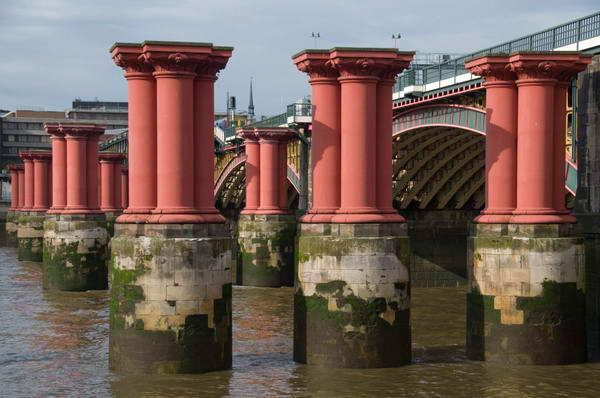
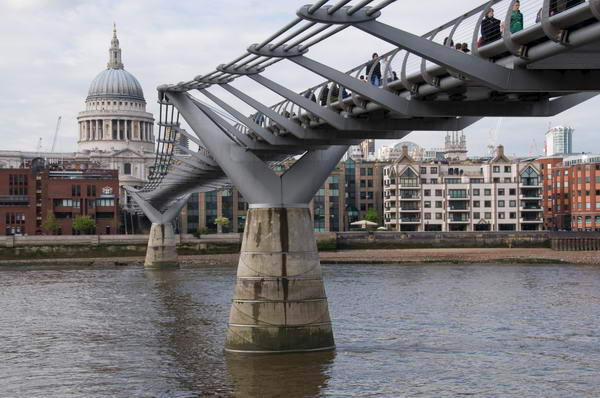
I walked on down to the River Thames and made some views along the river with the Millennium footbridge and the Shard now rather dominating the scene.

A Walk in the City

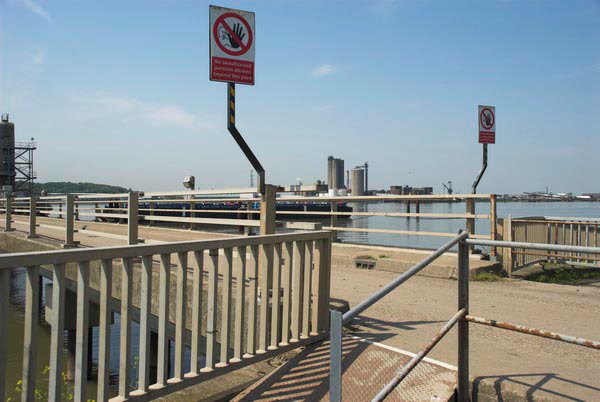
The tide was very low and I went down the steps onto the foreshore, though I needed to be careful walking on the stones and mud as I was only wearing a light pair of shoes which were very much not waterproof. I walked along under the Millennium Bridge and on towards Queenhithe, taking quite a few pictures.
The foreshore can be dangerous and the tide comes in rapidly. Although anyone is free to visit it, searching in any way – metal detecting, ‘beachcombing’, scraping and digging etc requires a https://pla.co.uk/thames-foreshore-permits PLA permit. You are advised to wear sensible footwear and gloves – which of course I wasn’t – and to watch out for hazards including raw sewage, broken glass, hypodermic needles and wash from vessels. I stepped very carefully.

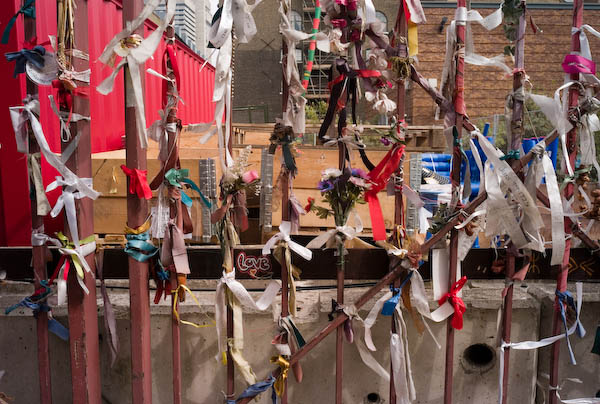
Buried below the sand and mud at Queenhithe are the remains of part of London’s Roman harbour and the later medieval quay. A scheduled ancient monument, it is probably the only existing Saxon harbour in the world, presented by King Alfred the Great in 883 AD to his brother-in-law Ethelred. It got the name Queenhithe later when the harbour dues became the property of the wife of Henry I, Queen Matilda. The dock was still in use mainly by the fur trade in the early 20th century, and there were still fur shops in the area around in the 1970s.

I didn’t stay long on the foreshore and couldn’t remember where the next set of steps up from it were, so went back onto the Thames Path where I had come down and walked east towards Monument Station where I was meeting two photographer friends.

One of my friends had planned this walk and I was just a little surprised to find we were going back to one of the places I had visited earlier, St Andrew’s Hill, though less surprised when we went into the Cockpit pub.

The pub is on a historic site, originally part of one of the gatehouses of Blackfriars Monastery. There was a pub here when Shakespeare bought a house nearby. And undoubtedly there was somewhere here where cock fights took place until cockfighting was banned – along with dog fighting, bear baiting and badger baiting – in 1835. But this is a Victorian theme pub, rebuilt around 1865, though some at least of its interior decoration almost certainly came from actual cockfighting venues. But punters never stood in the closed galleries here to watch fights. Now firmly on the tourist circuit it is still worth a visit, if just for a pint of Harvey’s Sussex Best Bitter.

Our walk continued through more of the streets in this area and then across New Bridge Street and on to Bride Lane and St Bride’s Passage and The Old Bell Tavern, once very much part of Fleet Street, the Street of Shame. The Old Bell Tavern is on the site where it all started, when in 1500 Wynkyn de Worde who had worked with William Caxton set up the first print shop on Fleet Street. The building is apparently derived from one that Christopher Wren knocked up for his masons when they were building St Brides, the journalists’ church.
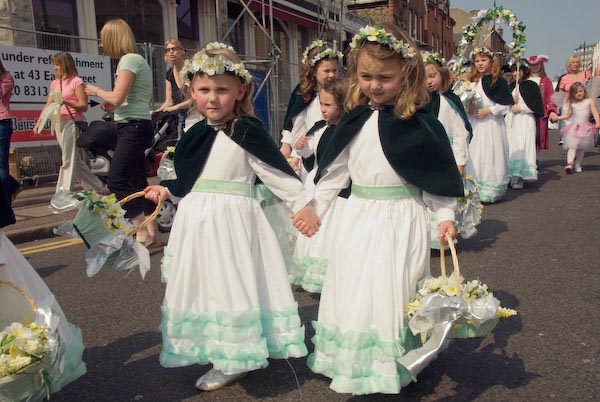
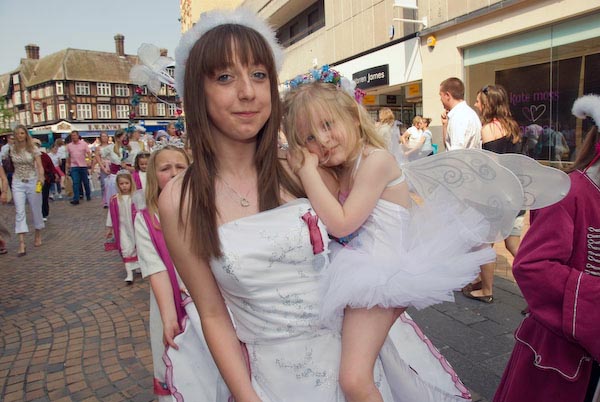
Our walk more or less finished there, though we took a bus to Cannon Street Station for cheap food at the Wetherspoons, though I found it very disappointing. Spoons do much better almost everywhere else. I caught a bus from St Paul’s Churchyard, sat in the front seat on the top desk and it had unusually clean windows so I took a few more picture on the way back to Waterloo.

More pictures from the day at City & Thames.


FlickrFacebookMy London DiaryHull PhotosLea ValleyParis
London’s Industrial HeritageLondon Photos

All photographs on this page are copyright © Peter Marshall.
Contact me to buy prints or licence to reproduce.