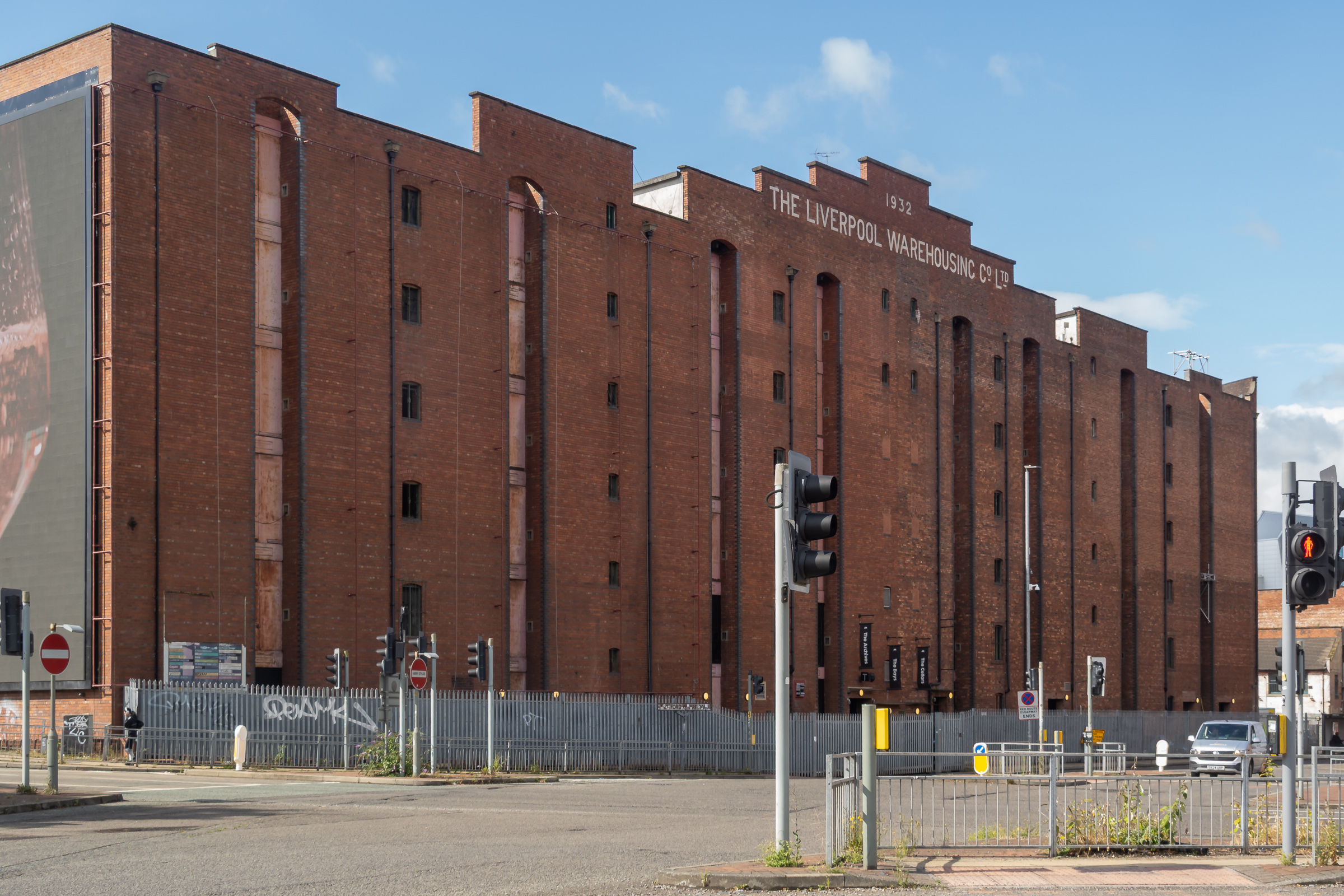
Salford Quays: Last week on 19th August 2026 we were in Manchester and took the bus from our hotel to Piccadilly Gardens where we got on another which took us to Trafford Bar. We just missed the bus we had meant to catch to Salford Quays as it took us some time to locate the right stop, but the route we took turned out to be more interesting.
Of course it would have been faster to take the tram, but we prefer travelling on buses and particularly on the top deck of double-deckers, which give a much better view, particularly from the front seats in which we sat. Another small advantage is that buses (at least after 9.30am) are free with a bus pass.
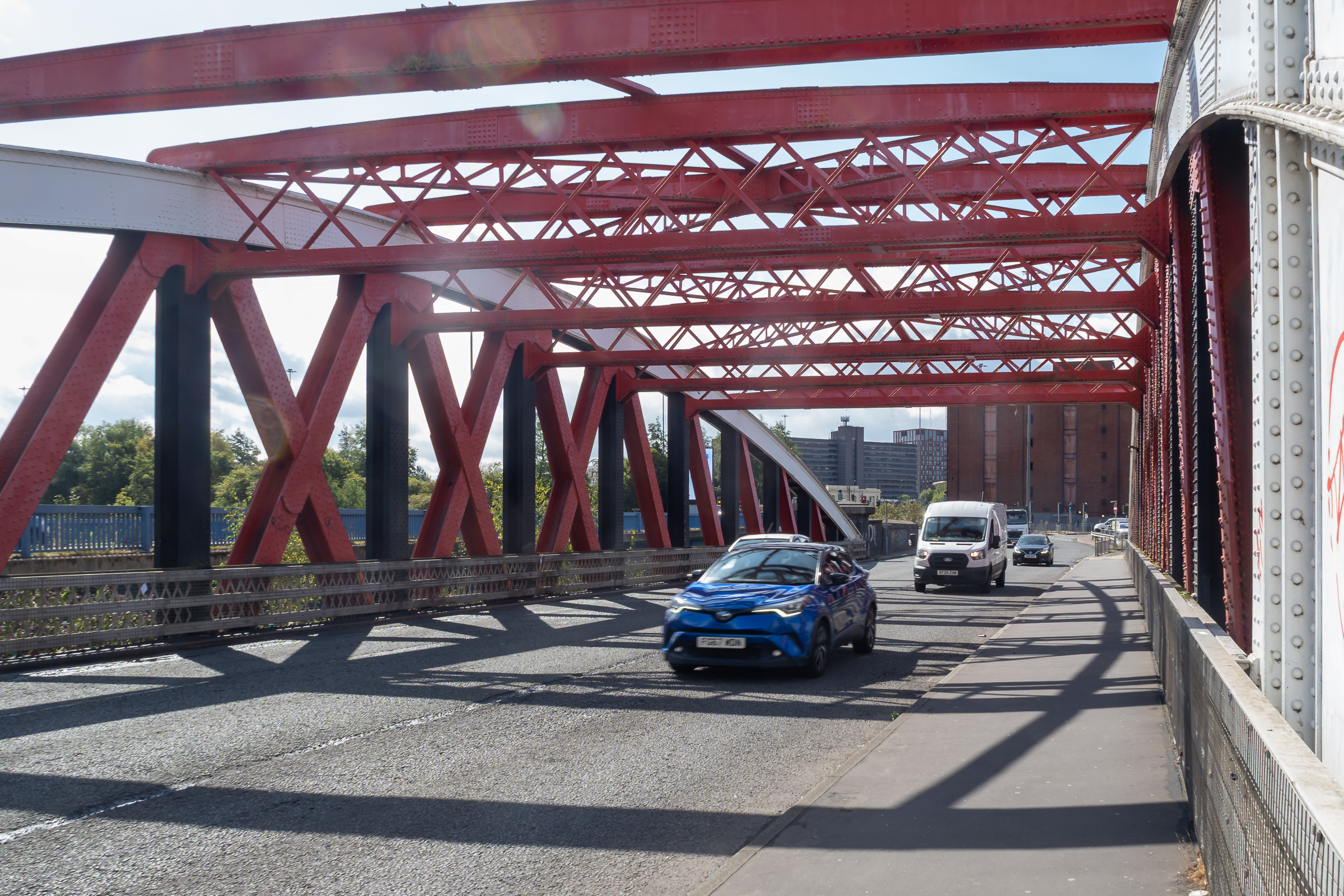
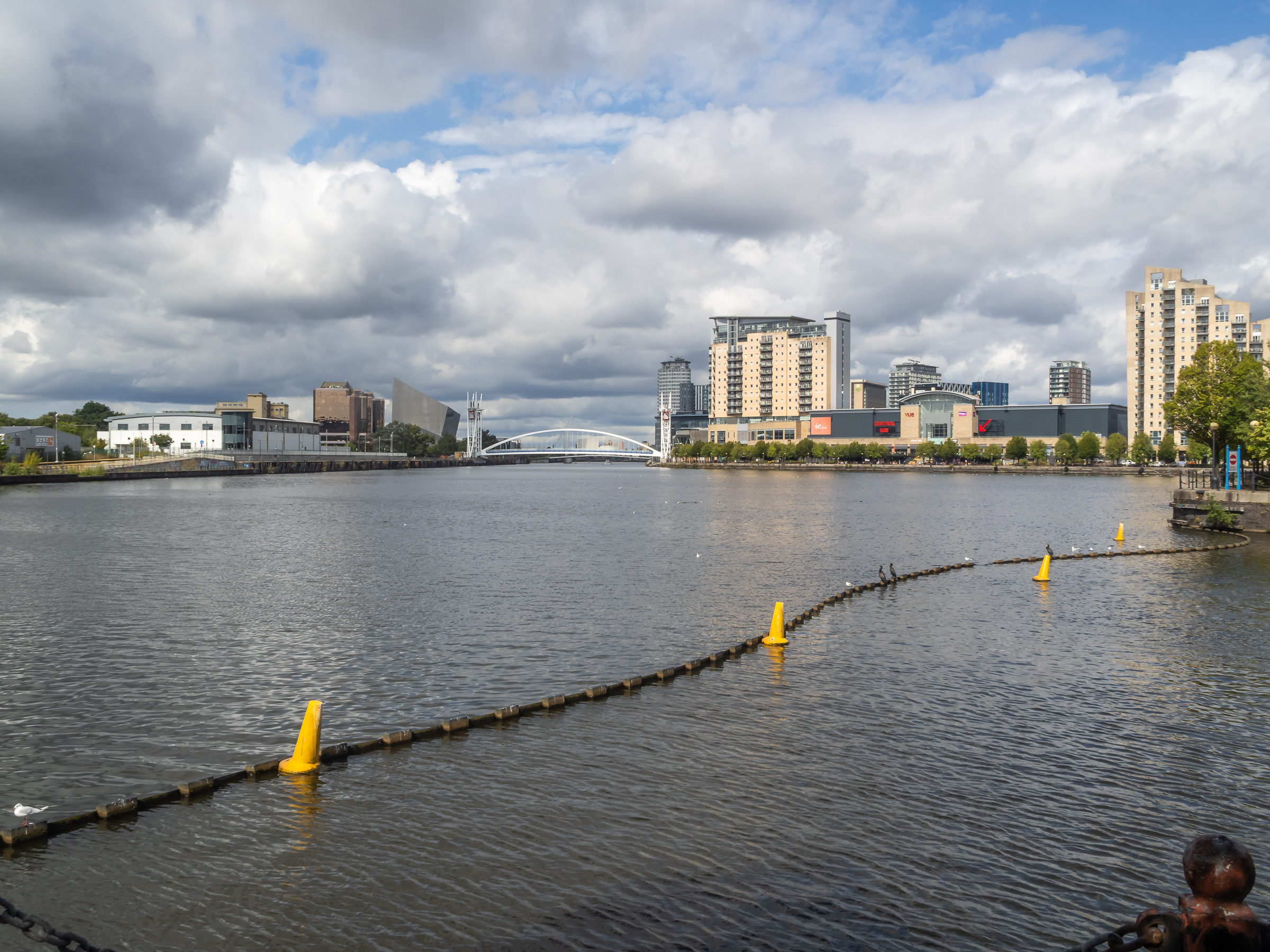
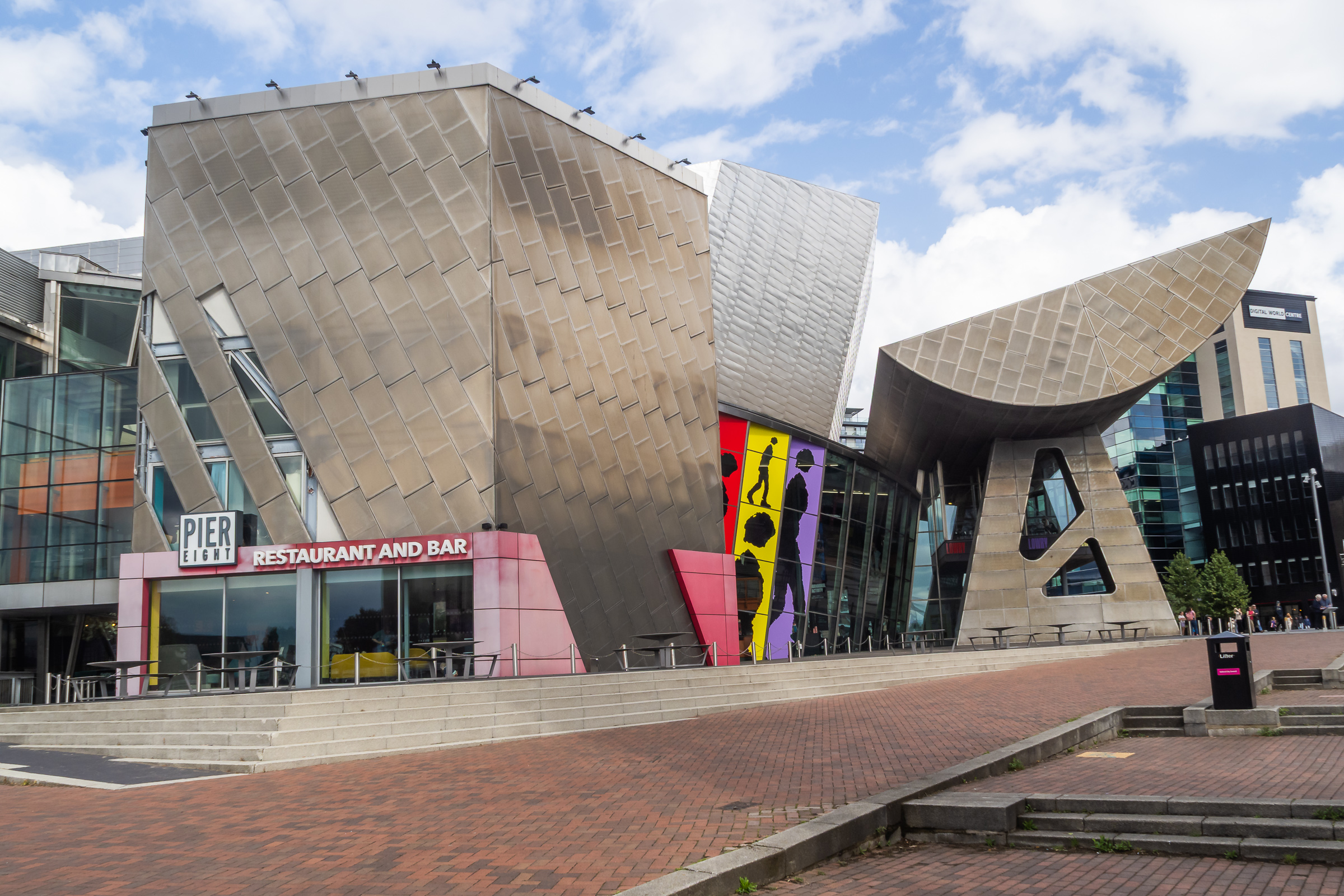
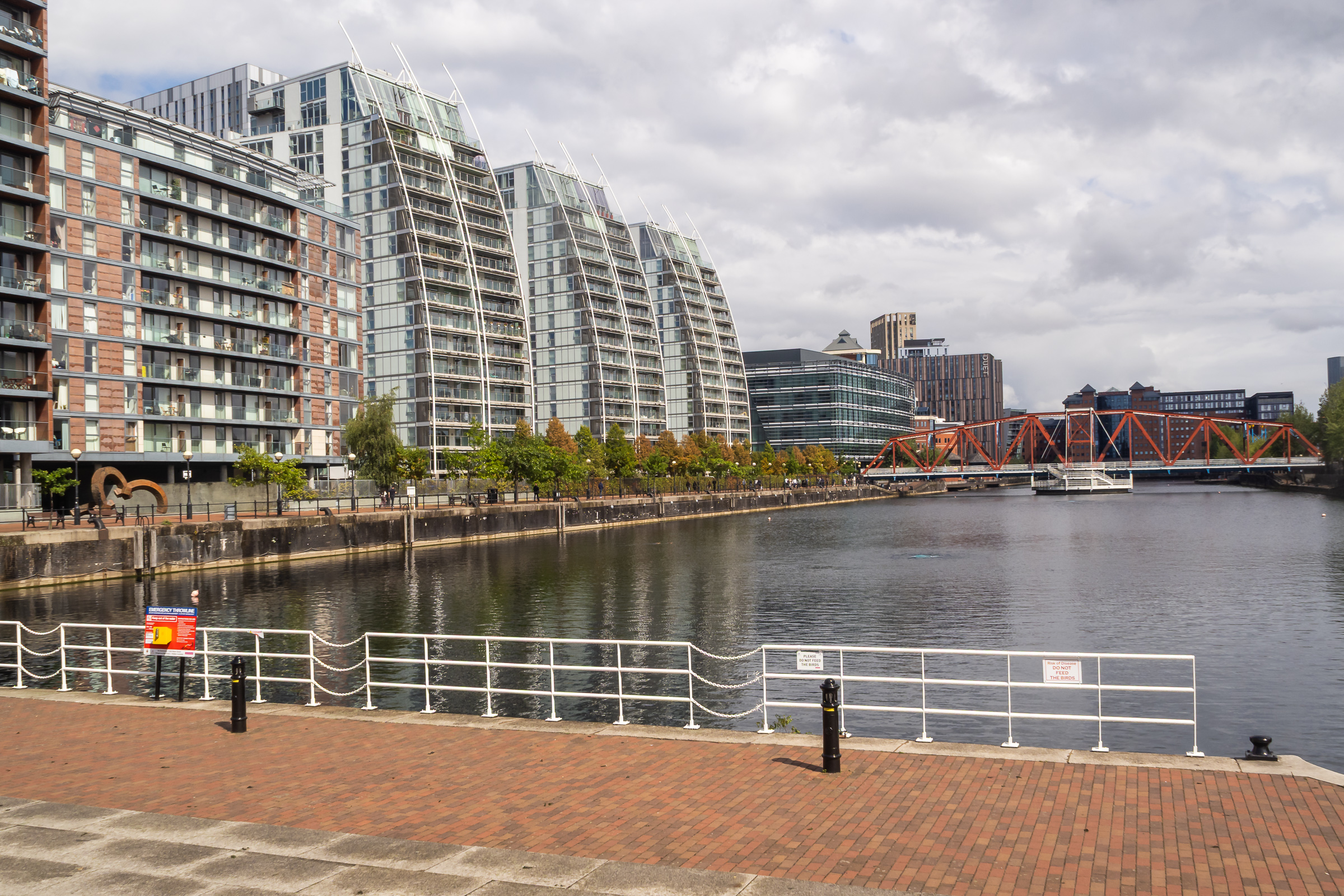
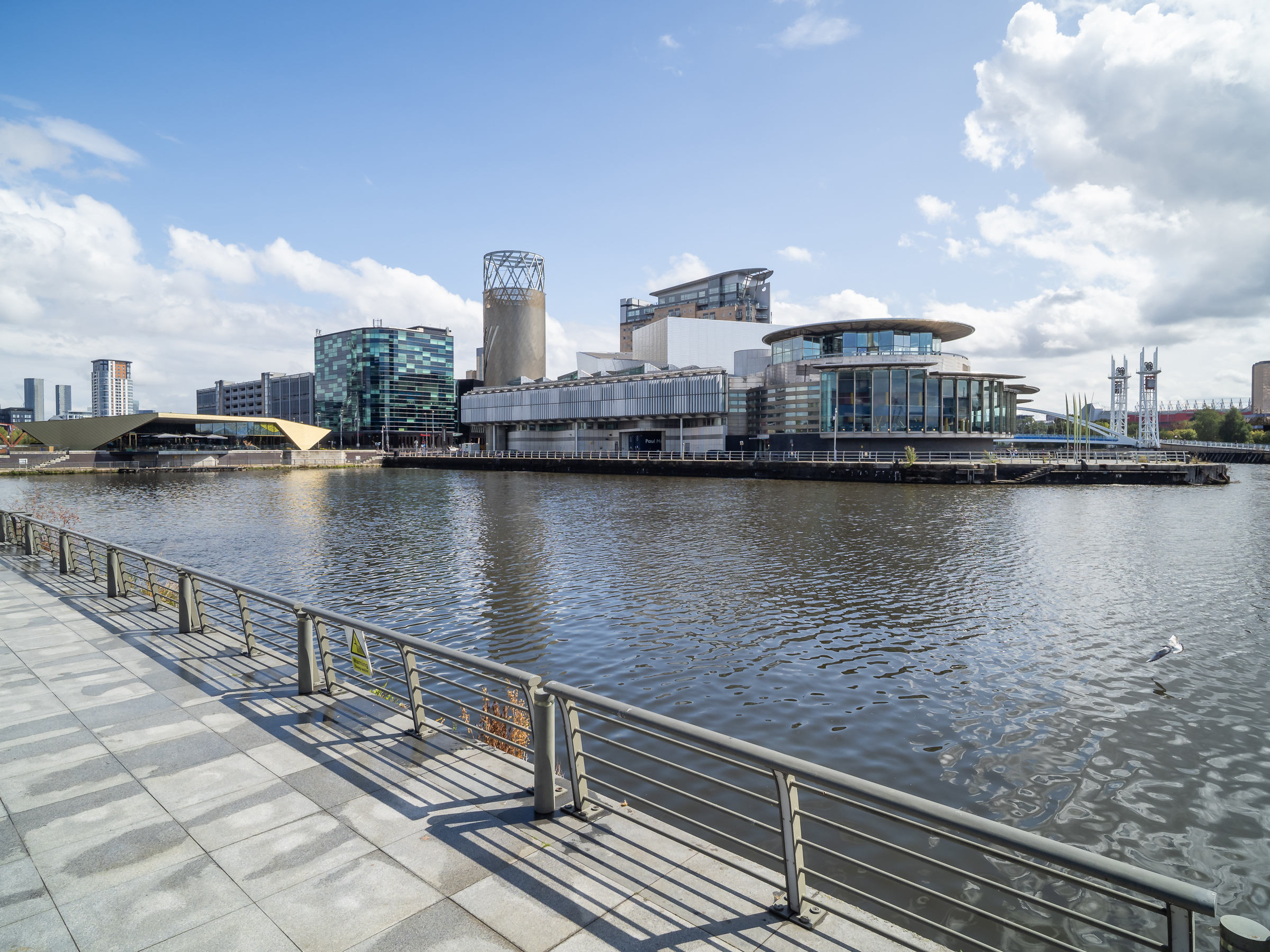
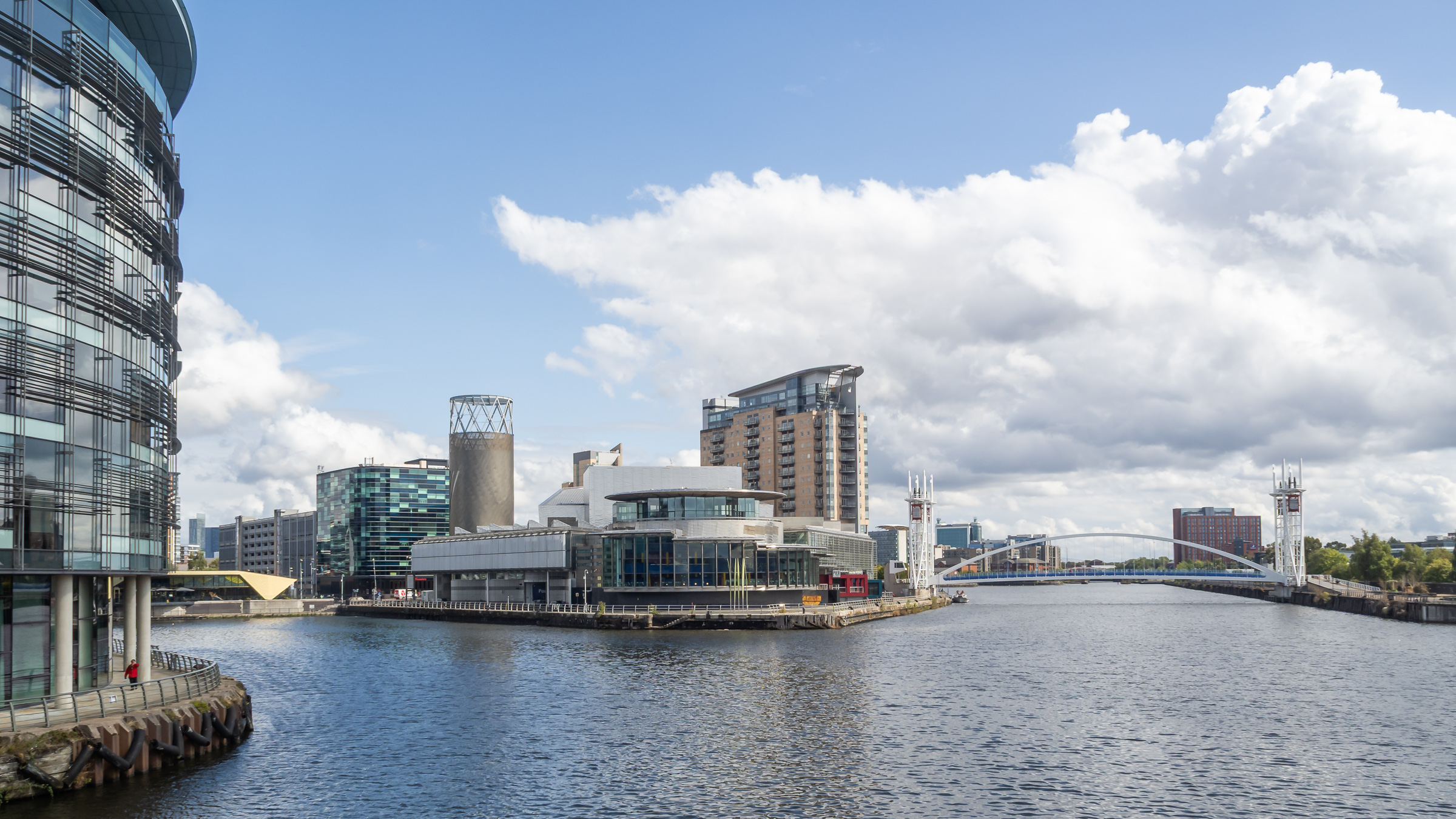
From Trafford Bar we negotiated a huge roundabout to reach Trafford Road and cross the bridge before taking the footpath around the edge of the docks on the Ship Canal. We followed this around the various docks to The Quays where we visited the Lowry.
At the Lowry we spent an hour or so looking at the exhibition of his life and work, from some early pencil drawings from when he was taking evening art classes Manchester Municipal College of Art to many of his better known paintings, before sitting down to a light lunch in the café, watching people outside walking past holding up umbrellas. This was the only rain we saw in our visit to Manchester, despite its reputation. By the time we had finished our lunch the sun was shining again.
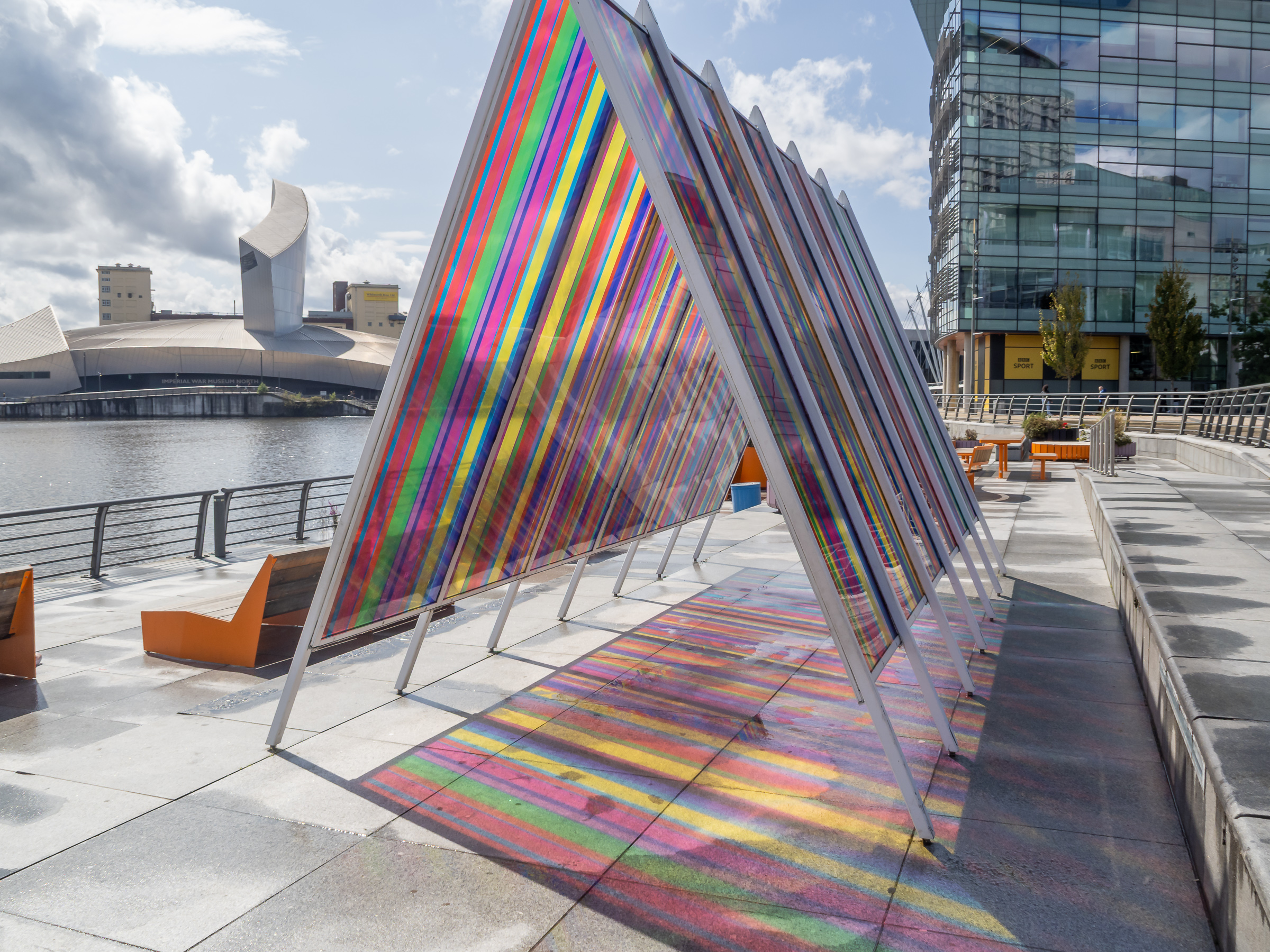
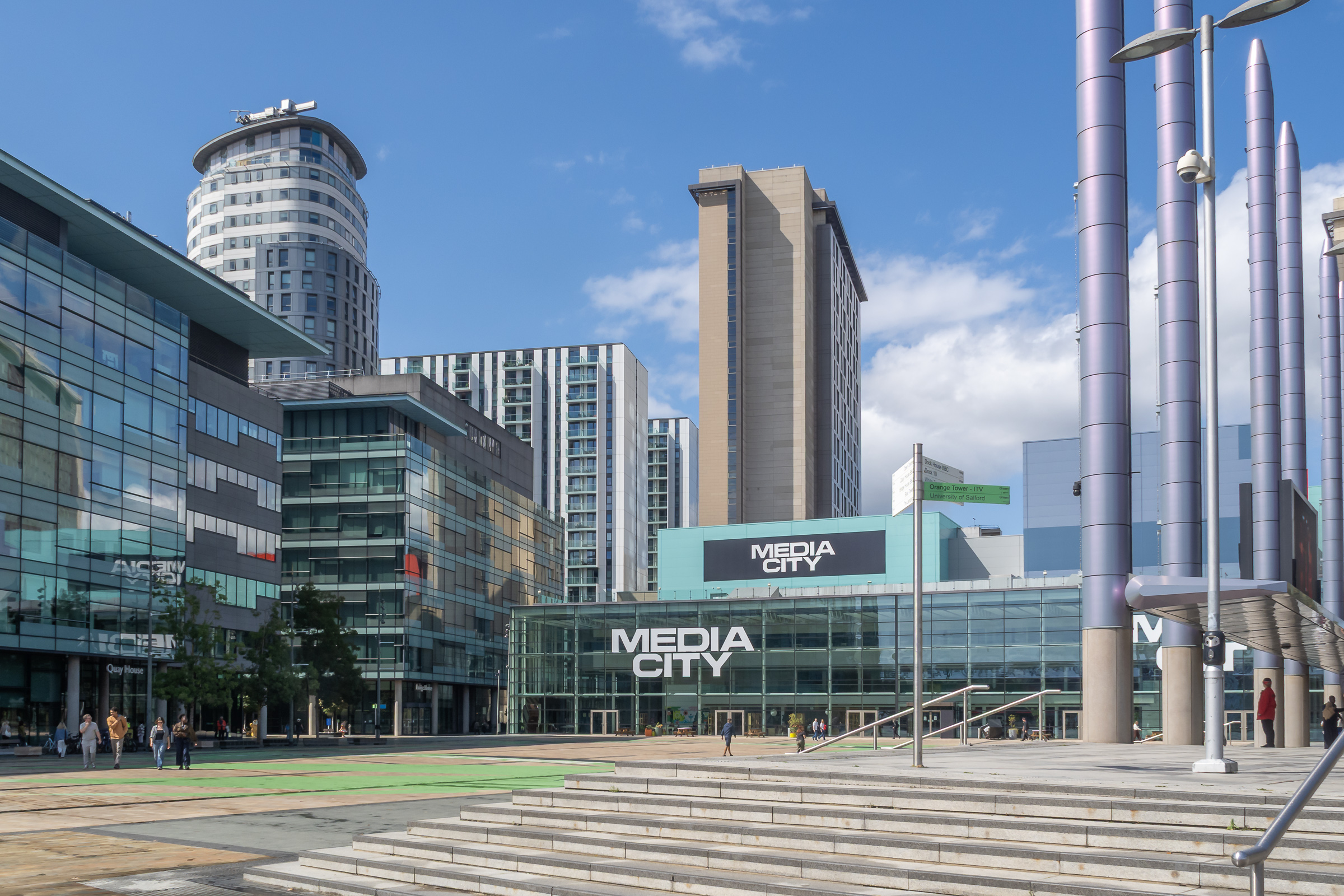
I was surprised by the huge extent of the BBC buildings – surely they can’t really need all that! I listen to BBC radio daily, but never watch television at home so at least it isn’t my licence fee they are wasting.
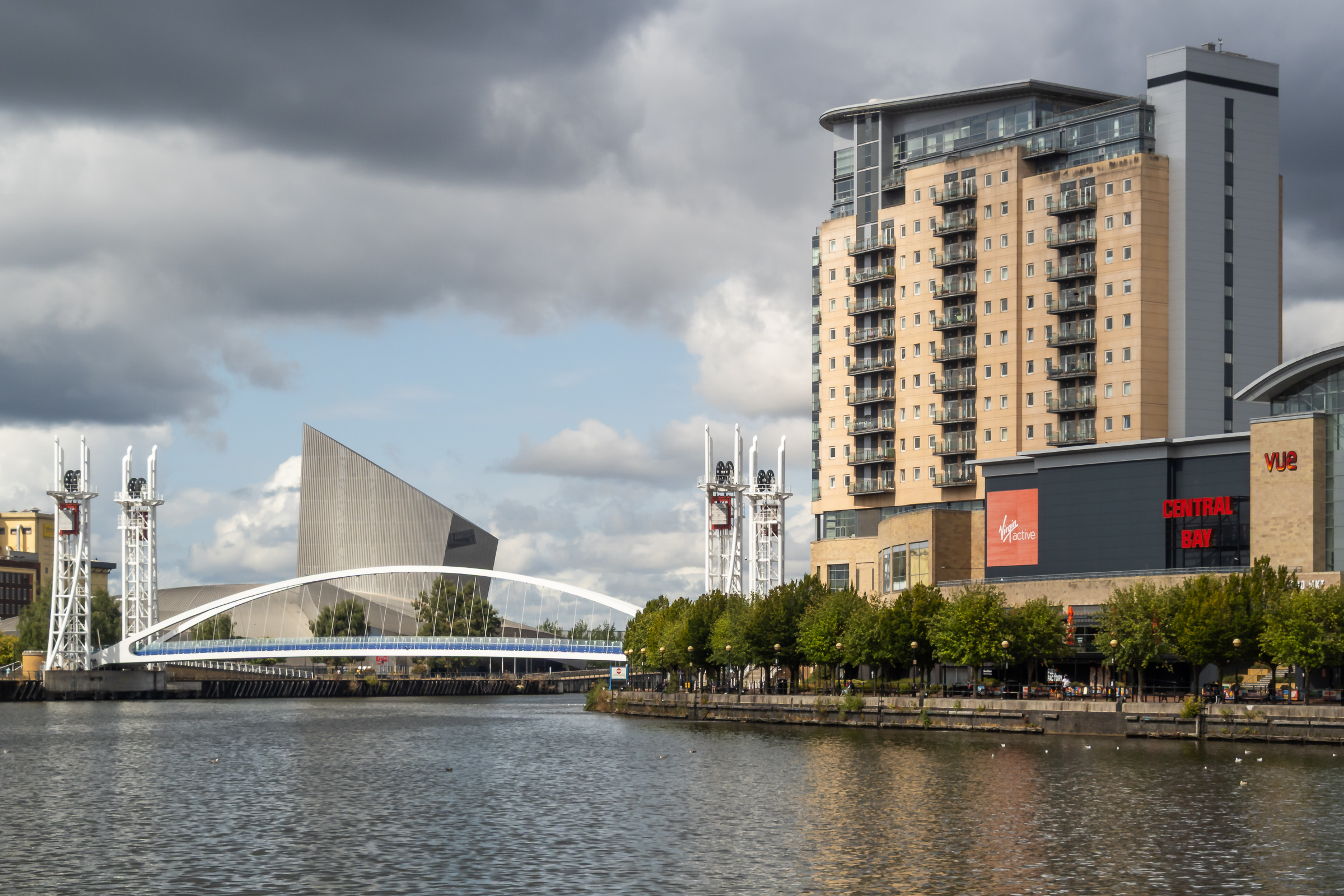
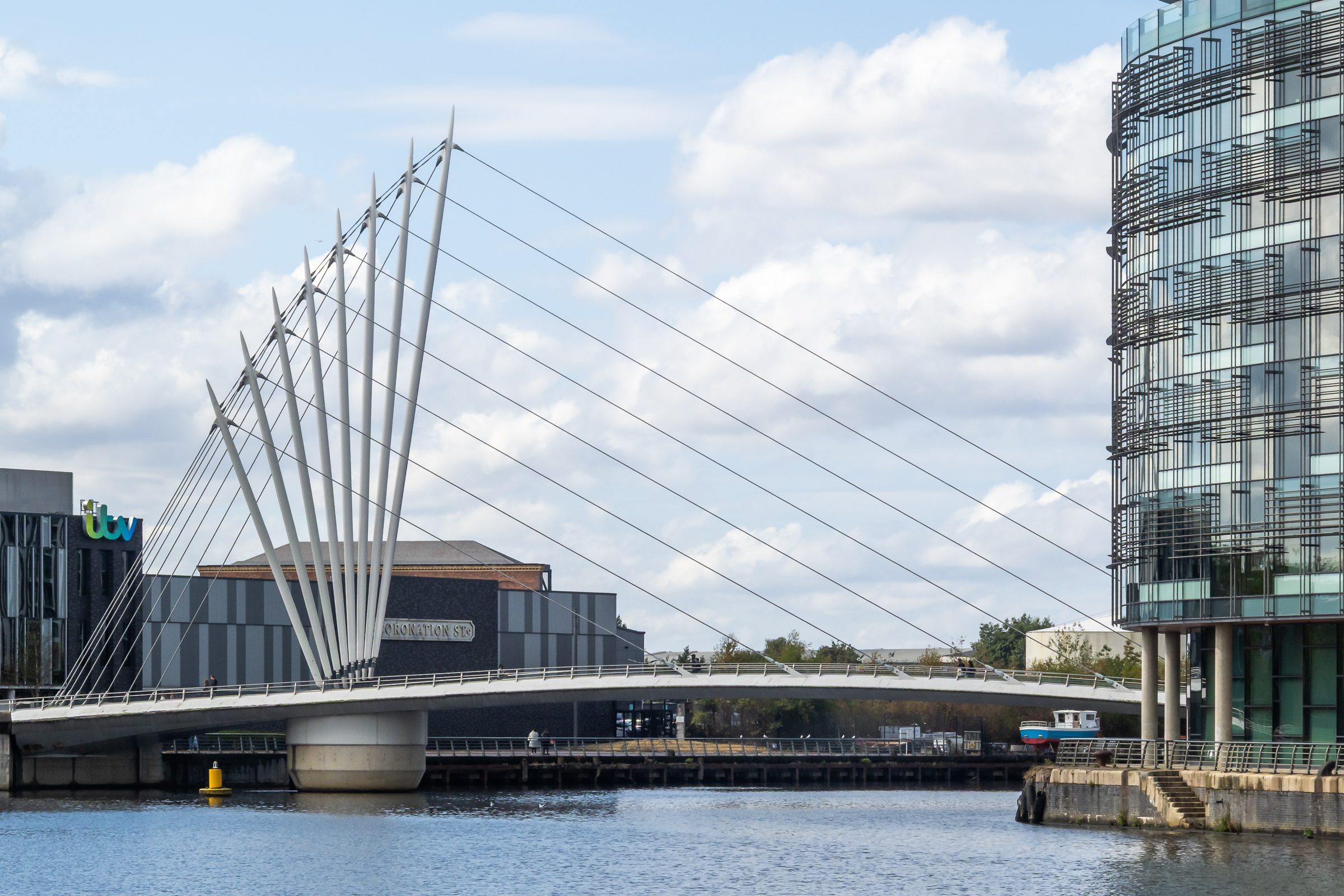
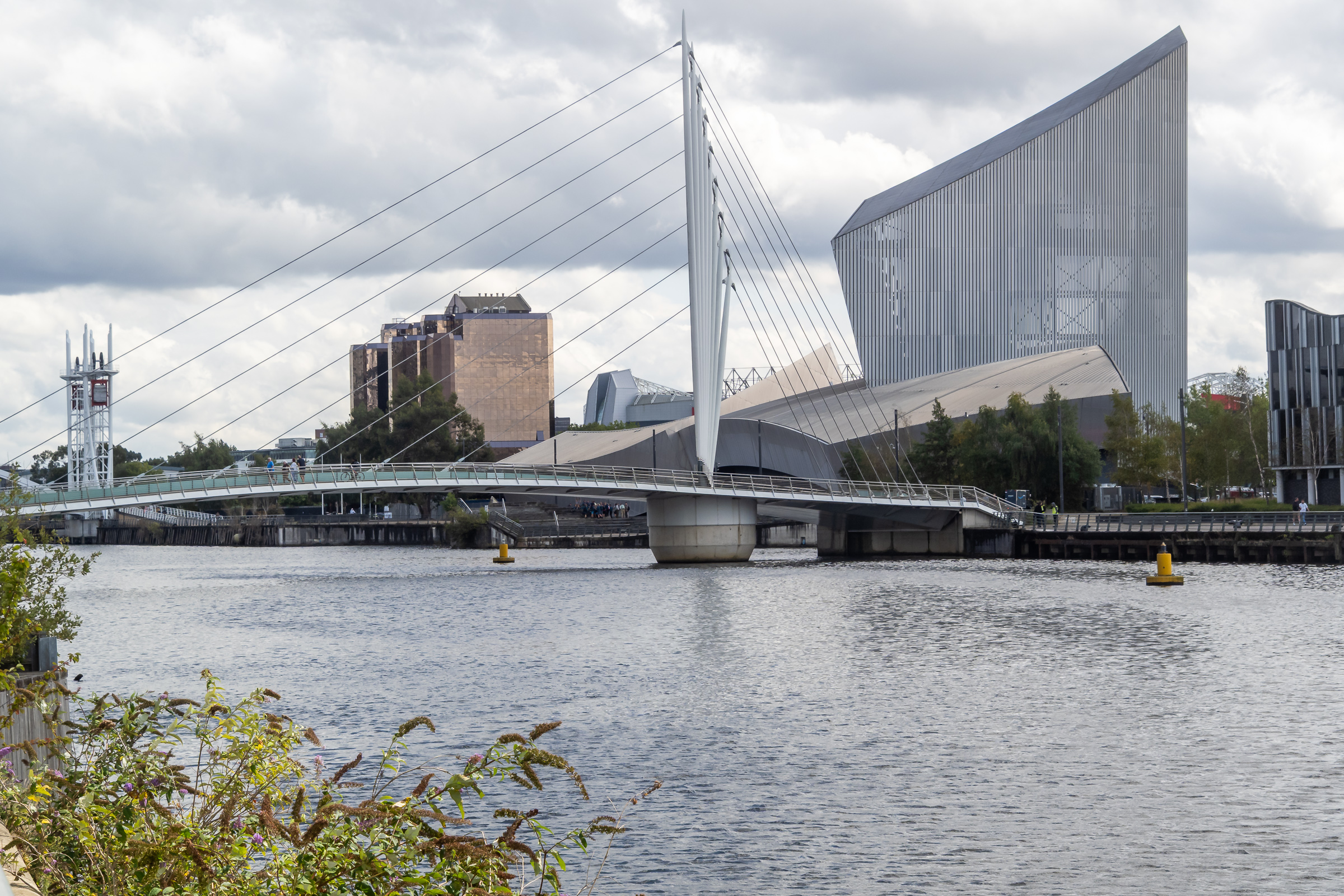
We walked on to the Media City Footbridge, went on to it and then turned back to walk until the end of the footpath on the north bank before making our way back to a bus stop by Huron Basin to ride back to central Manchester. Sadly it was only a single-decker.
More from our 4 days in Manchester in later posts.
Cleator Moor & Loweswater: I do sometimes leave London and at the beginning of September 2018 I was on holiday with a group of friends in Ennerdale at the west of the Lake District.
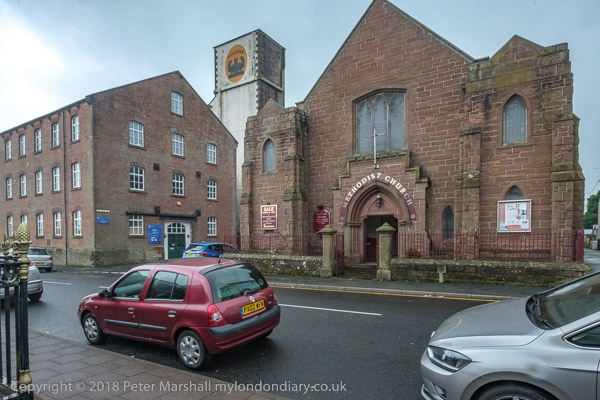
On Sunday 2nd September some of our party wanted to go to a morning service at the Methodist Church in Cleator Moor. It wasn’t my cup of tea but there was a spare seat in the car and I went along for the ride, and while they worshipped took a walk around the town and made some pictures.
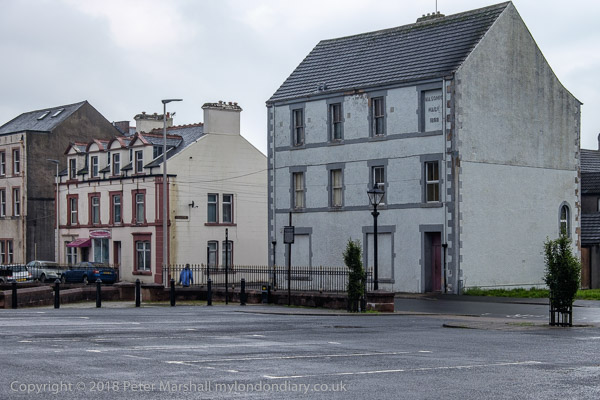
It perhaps wasn’t the kind of weather most people would choose for making photographs, dull and with occasional light rain, but as I wrote, this “seemed to be in keeping with the mood of the place“.
Cleator Moor was once a prosperous mining town, now rather desolate and depressed. It’s a small town, with a population now of around 7,000 but was built on a rather grander scale than that might suggest. In its heyday the population would have been rather higher.
This was an important area in the early days of the industrial revolution as the local mines supplied both coal and the iron ore haematite and there was local limestone – all that was needed to make iron and steel. Cleator Moor had long produced iron but got its first coke-fired blast furnace in 1841 though output again went up considerably with improved furnaces in the 1860s. It was one of many pig iron producers in the area, particularly around Workington which became a major port.
As demand for coal and iron ore increased in the second half of the nineteenth century many migrants came to the town to work in the mines and iron works, with the population increasing in the 30 years between 1841 and 1871 from 763 to 10, 420. Over a third came from Ireland and the town became known as ‘Little Ireland’.
Most of the Irish were Catholic, but there were also Protestants from Ireland and Scotland and Cleator Moor saw a great deal of sectarian violence from the 1860s to the 1890s. Among the town’s 15 Grade II listed buildings is the Roman Catholic St Mary’s Church, designed by noted church architect Edwarde Welby Pugin and consecrated in 1872, replacing a mission church built in 1853.
In it’s heyday the town was served by two railway lines, each with its own station, though both lines were mainly used for mineral traffic. Passenger services ended around1930 though goods services continued for some years. In the early years of the 20th century the local iron ore ran out and the coal became too expensive to mine and the town began to go into decline.
It received a boost in 1938 with the coming of Kangol, founded by Jakob Henryk Spreiregen (1894 – 1982). Born in Warsaw he moved with his family to France in 1910 and coming to the UK in 1915 and serving in the Medical Corps in the war and was naturalised in 1920. The Kangol brand name came in 1930, from Knitting ANGora WooL.
Spreiregen had begun manufacturing hats in London in 1916 as well as importing basque berets from France. In 1938 seeing another war coming he realised there would be a great demand for miltary berets and leased a mill in Cleator, importing machinery from a French beret factory. Kangol opened a new factory in Cleator in 1950, then employing 110 people. Kangol diversified into crash helmets, seat belts and ladies fashion hats and enjoyed great success, but was acquire by a US company in 1972.
Kangol continued to grow but more and more production shifted abroad. They became the largest hat producer in the world and the Cleator site employing 690 people the largest hat factory in Britain. But in 1997 the factory was closed, remaining just a small distribution site until finally closing with the loss of 32 jobs there in 2009. Cleator had lost its second major industry.
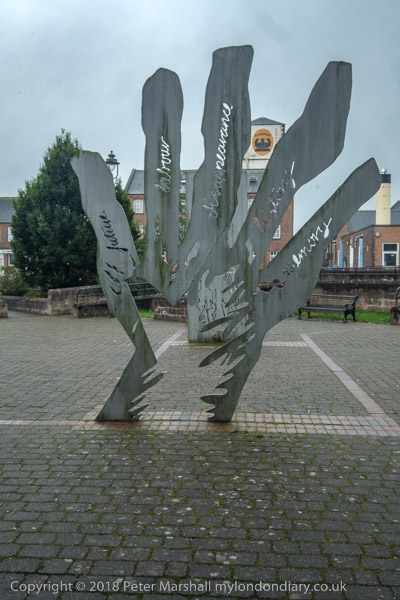
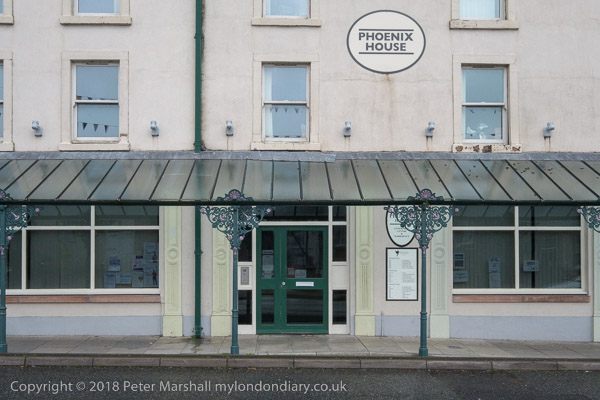
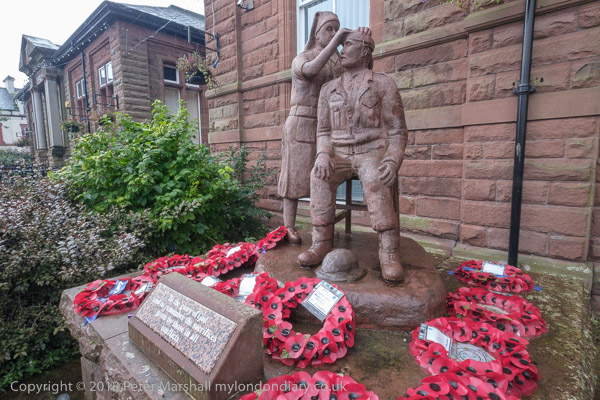
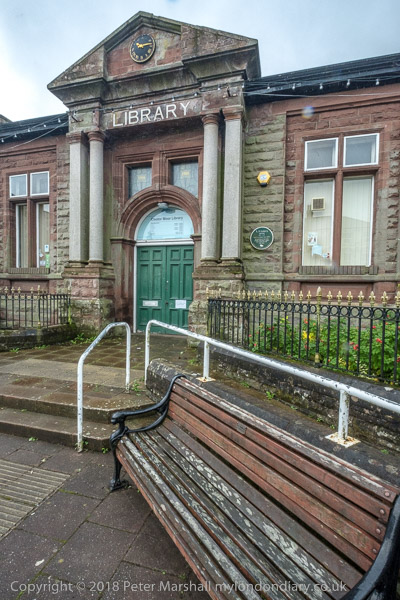
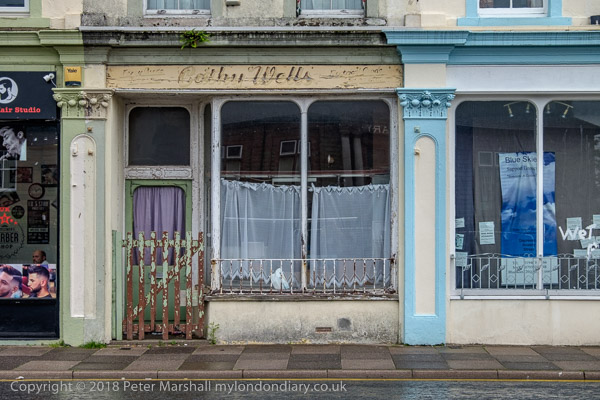
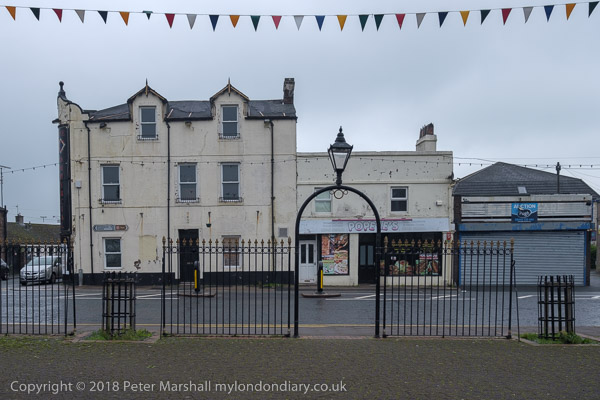
As I wrote in 2018, “The town conveys a strong feeling of depression, though lifted somewhat by a number of buildings of some quality, and parts of the main street have a pleasing uniformity, with simple terraced housing, its doors opening directly on the pavement. The central square, with library, municipal offices and a couple of fine parades, as well as some interesting sculptures by Conrad Atkinson who was born in the town. One of L S Lowry’s close friends was a bank manager here, and he often came to stay, making a number of paintings, and I could see why the place interested him.”
It was still raining intermittently after lunch when we drove to Loweswater for a rather wet circular walk from Fangs Brow – rather typical of the Lake District. Though we did have some fine days during our week there.