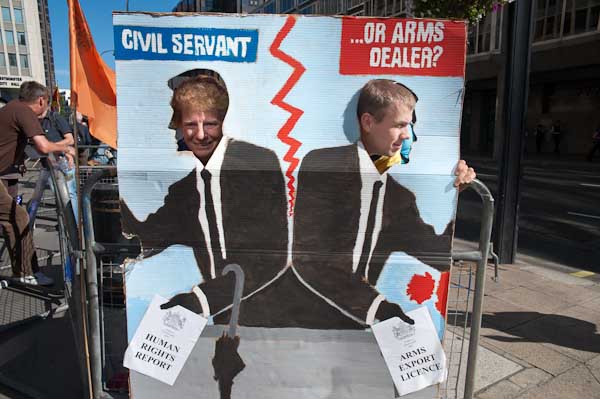
Marikana, Bangladesh, Bahrain & Lula: Monday August 13th 2018 was a day of protests around London concerned with overseas events, though also about the freedom to protest here. There is a very long history of political movements across the world, particularly from the British Empire protesting here, often when protests were not permitted in their home countries, now mainly carried on by those from them who have settled here.
Justice For Marikana – 6th Anniversary Protest
City of London
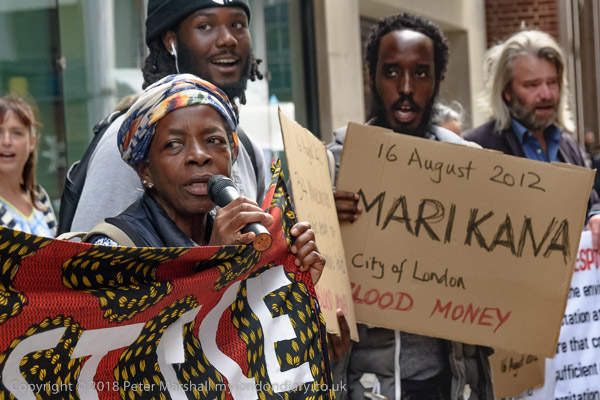
The mining industry in southern Africa was largely developed by British companies and much is still owned and financed by companies based in the City of London, which also provides financial services including insurance.
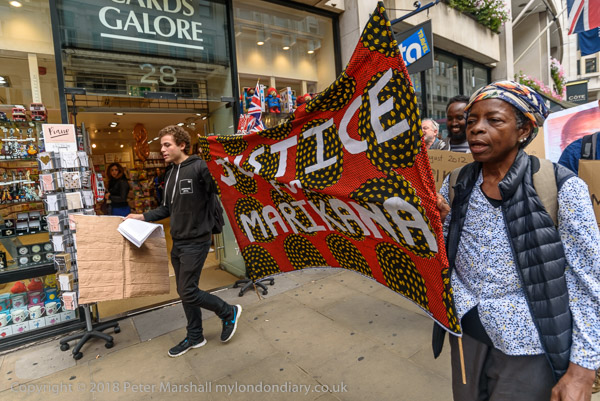
The London and Rhodesian Mining and Land Company Limited was set up in London in 1909, and later became Lonhro and later Lonmin, still listed on the London Stock Exchange on 16th August 2012 when 34 striking miners were shot dead by South African police at its Marikana platinum mine.
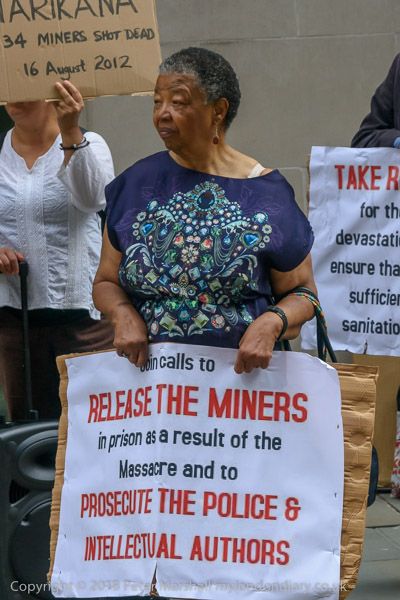
The miners were striking for better wages and living and working conditions and were trying to disperse and hide when they were shot; another 10 had been killed previously since the strike began. Among those who encouraged the police violence against strikers was Lonmin board member Cyril Ramaphosa, a former mining union leader who since 2018 has been president of South Africa.
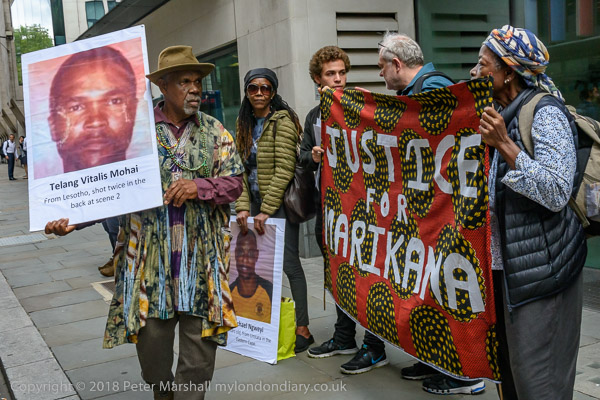
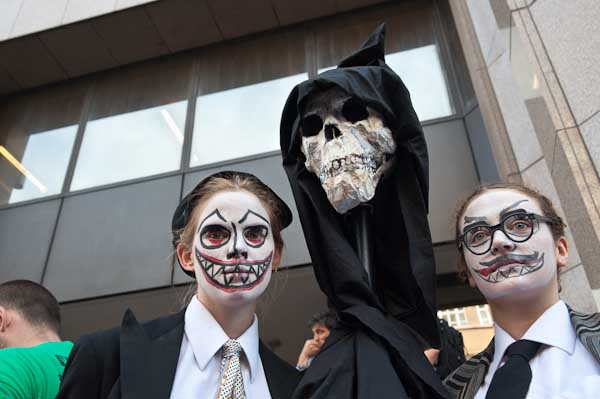
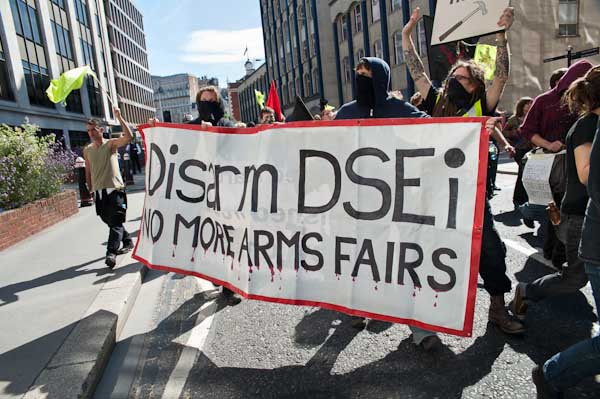
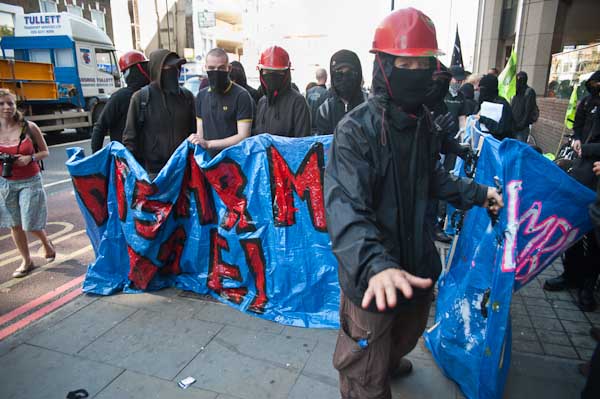
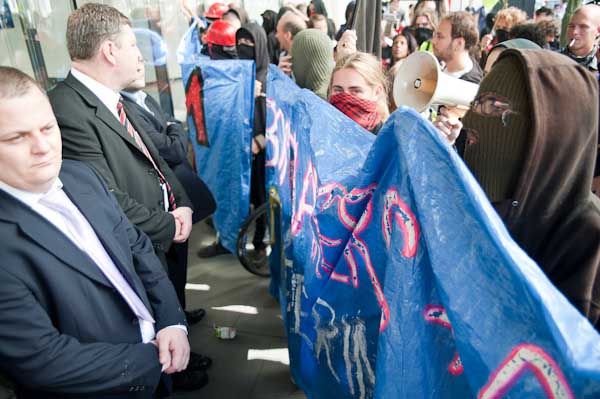
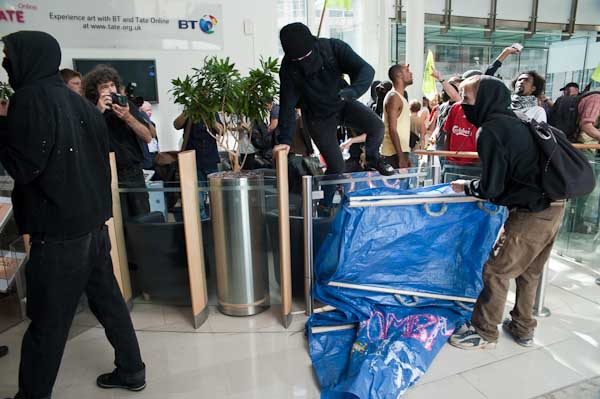
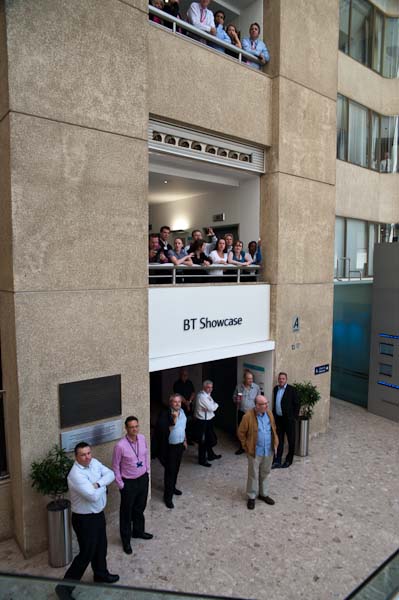
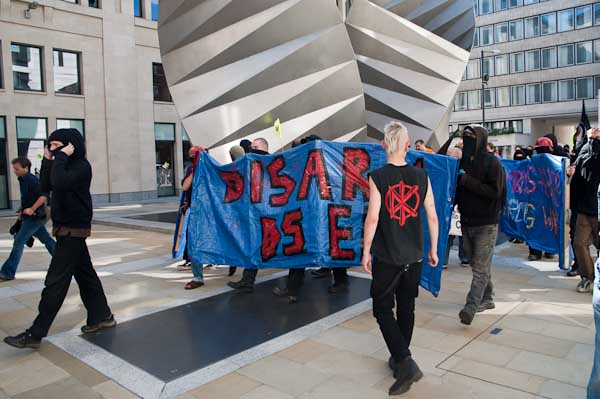
I photographed a tour of City of London investors, insurers and shareholders who profited from the violence against people and nature in Marikana. It stopped outside each of the offices for speeches giving details of their involvement and about the colonial roots of the huge wealth of the City of London. There were brief protests outside Majedie, Schroders, Investec, Legal & General and BASF, the major customers for Marikana’s platinum.
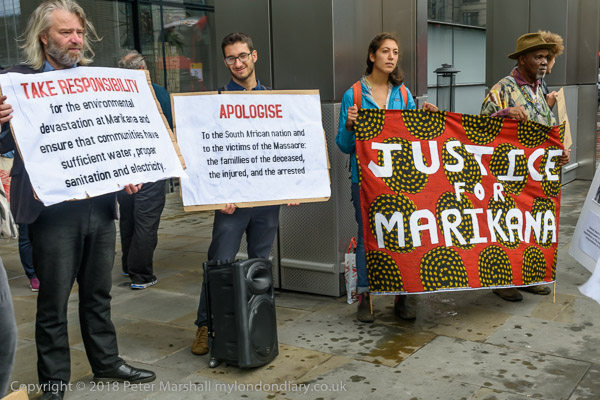
There had been no compensation for the victims’ families or for the injured mineworkers. The protest by the Marikana Solidarity Collective supported the demands of women’s organisation Sikhala Sonke and victims’ representatives that Lonmin must fulfil a social covenant with the community instead, including reparations, releasing the imprisoned mineworkers, prosecuting the physical and intellectual authors of the massacre, and taking responsibility for the environmental destruction in Marikana.
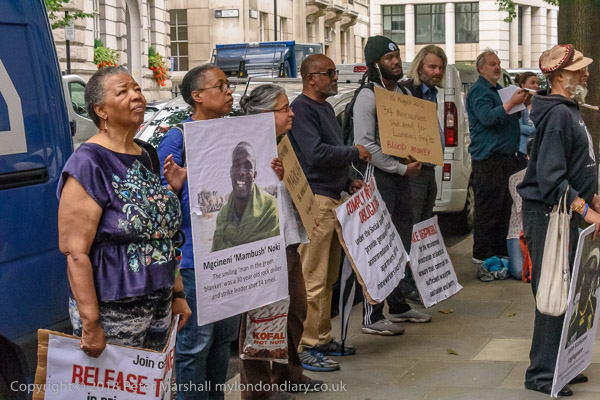
The international outcry over the massacre eventually led to Lonmin being acquired in 2019 by multinational mining and metal processing group Sibanye-Stillwater.
More pictures on My London Diary at Justice For Marikana – 6th Anniversary.
Release Bangladeshi opposition leader Khaleda Zia
Downing St
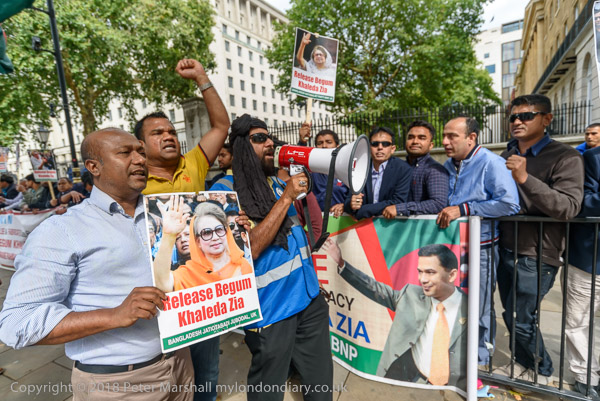
Protesters from the Bangladeshi Nationalist Party UK called for the release of their party leader, Begum Khaleda Zia, jailed in February for five years for embezzlement of international funds donated to Zia Orphanage Trust.
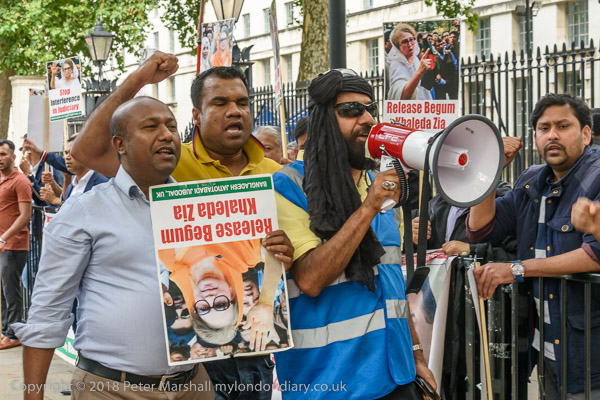
The BNP claim the charges are politically motivated, though there appeared to be many charges and a great deal of evidence against the woman who became Bangladesh’s first female head of government from 1991-6 after the BNP won the country’s first democratic election in 20 years, and served as prime minister later in 2001-6. Her sentence was later increased to 10 years.
In 2020 she was released from prison on medical grounds and was later acquitted on some charges and in 2025 allowed to go to London for medical treatment. She died in Dhaka as the end of December 2025.
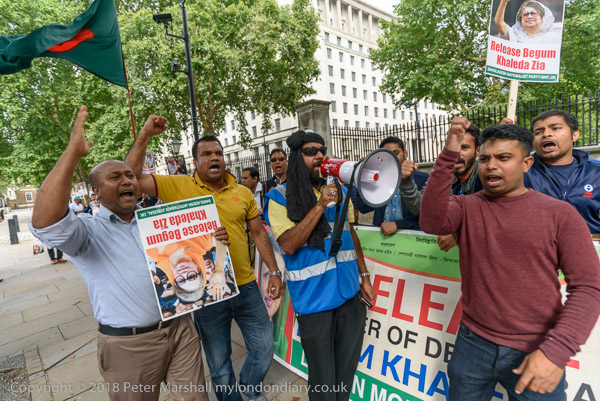
Some Bangladeshi friends tell me there was little to chose between the her and her political rival Sheikh Hasina Wazed and their parties, and that both are corrupt and neither represented the interests of the people of their country.
More pictures at Release Bangladeshi opposition leader.
Against attack on Bahrain Embassy hunger striker
Bahrain Embassy, Belgrave Square
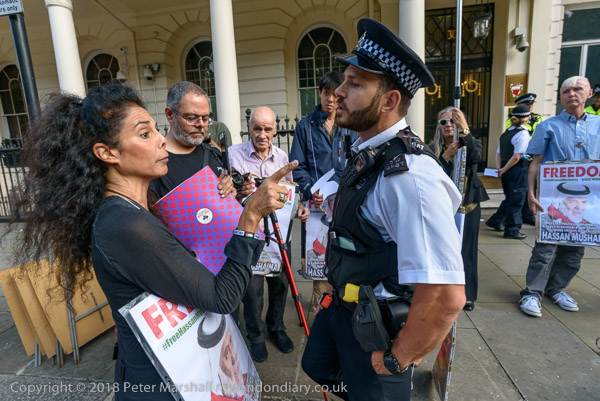
Islamic human rights group Inminds came to protest outside the Bahrain Embassy on Monday after hunger striker Ali Mushaima who was protesting outside there had been attacked early on Sunday morning by staff inside the embassy. A bucket of an unknown liquid was thrown on him from the ambassador’s balcony.
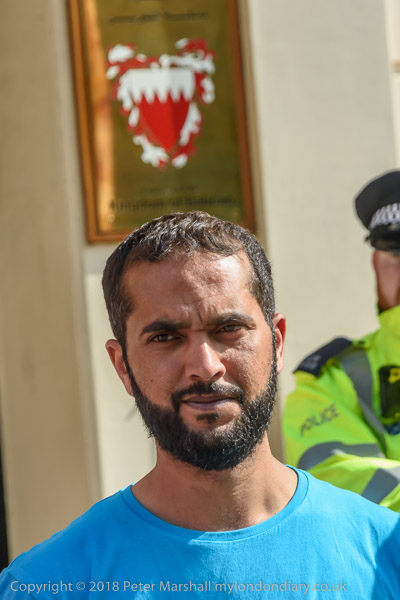
Mushaima’s hunger strike, which had begun on August 1st, was calling for his 70-year old father in prison in Bahrain to be given urgently needed medical care, family visits (stopped 18 months ago), and access to books.
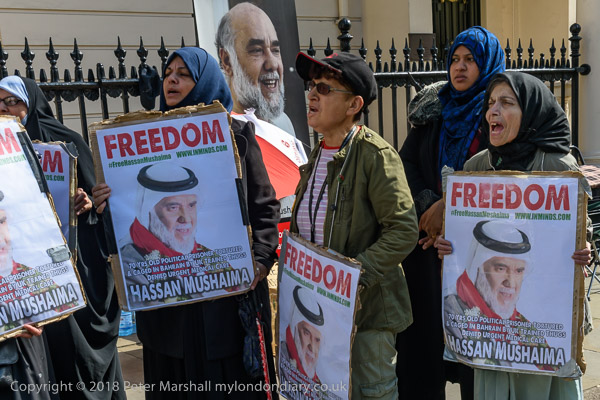
Hassan Mushaima and other human rights defenders and opposition leaders were abducted in March 2017, brutally tortured and given life sentences in mock trials for calling for democracy in Bahrain.
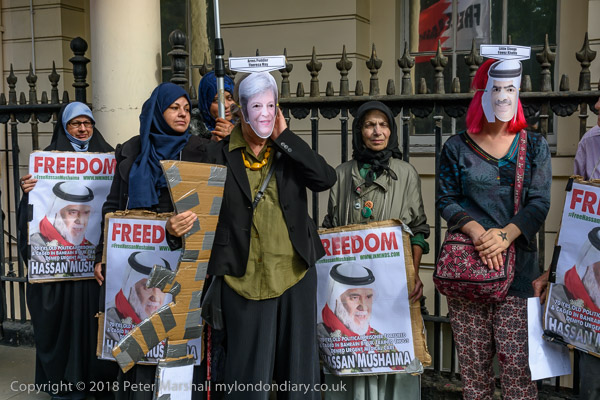
Inminds called for his release along with that of around 5,000 other Bahraini prisoners of conscience languishing in the Al-Khalifa regimes jails, as well as an end to UK complicity in the Al Khalifa dictatorship and Saudi crimes against the Bahraini people.
The attack had been reported to police who had failed to investigate it fully, but did come to harass the protesters, telling them they could not protest on the pavement outside the embassy.
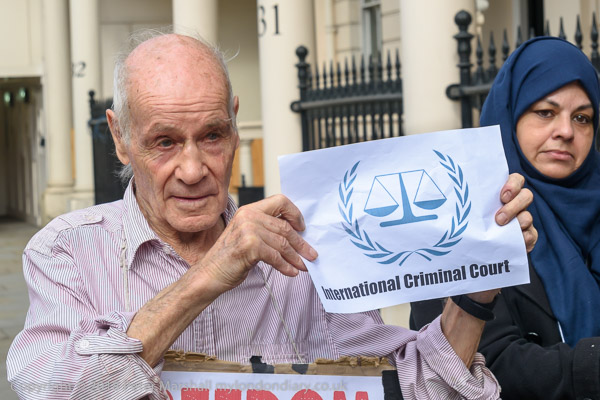
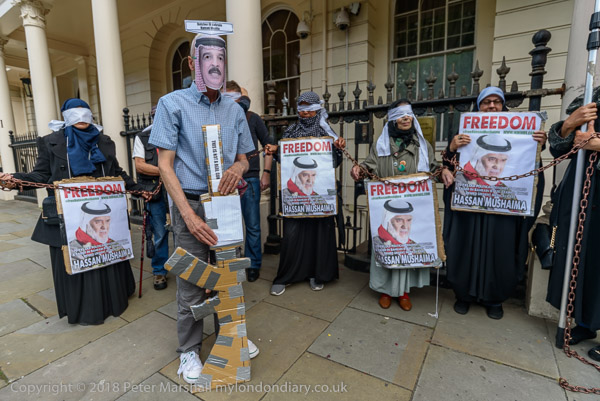
Inminds refused to move and continued their protest with some street theatre in which Theresa May sold arms to the Bahraini dictator which he used to shoot protesters, who were then chained up. Unlike in real life the International Criminal Court came to their rescue, released them and condemned the Bahraini regime for their crimes against humanity.
More at Attack on Bahrain Embassy hunger striker.
Free Lula – Brazilians for Democracy & Justice
Brazilian Embassy, Cockspur St
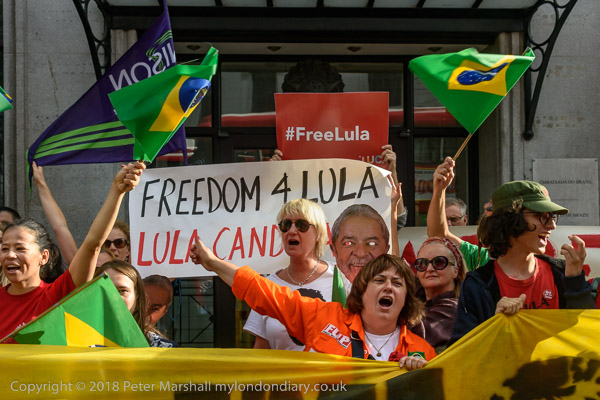
Finally I joined protesters outside the Brazilian Embassy calling for the release of Lula – Luiz Inacio Lula da Silva – a former trade union leader who was President of Brazil for two terms from 2003-11- to enable him to stand for election again in October.
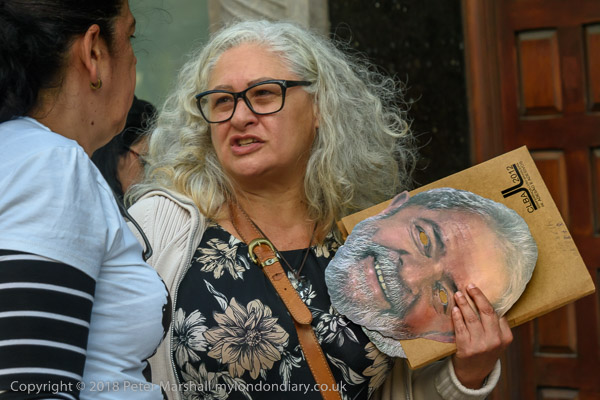
Lula had announced in late 2017 that he would stand in the 2018 presidential election against right-wing incumbent President Jair Bolsonaro and opinion polls showed him clearly in the lead. But in April 2018 he was finally imprisoned on charges of having taken bribes to help an engineering firm gain contracts from the state oil company.
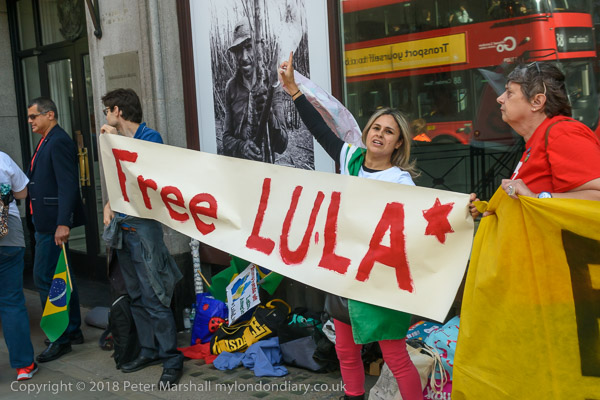
Despite his imprisonment he was kept as the Worker’s Party candidate although being in prison made him ineligible to take part in the election. Brazil ignored the protests and a suggestion from the UN Human Rights Committee that he be allowed to stand and Lula withdrew shortly before the vote in which Bolsonaro won another term.
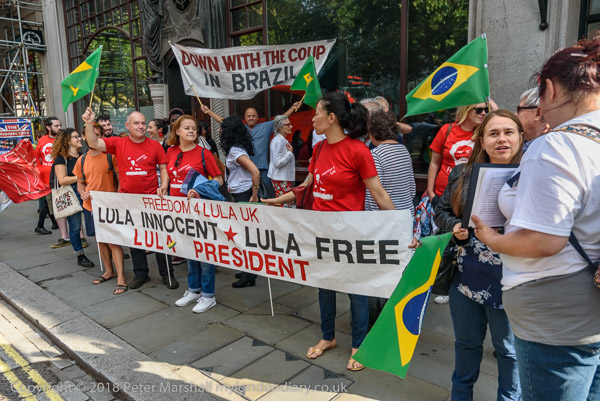
All convictions against Lula were annulled in 2021 and in October 2022 he was elected for a third term as president.
Flickr – Facebook – My London Diary – Hull Photos – Lea Valley – Paris
London’s Industrial Heritage – London Photos
All photographs on this page are copyright © Peter Marshall.
Contact me to buy prints or licence to reproduce.