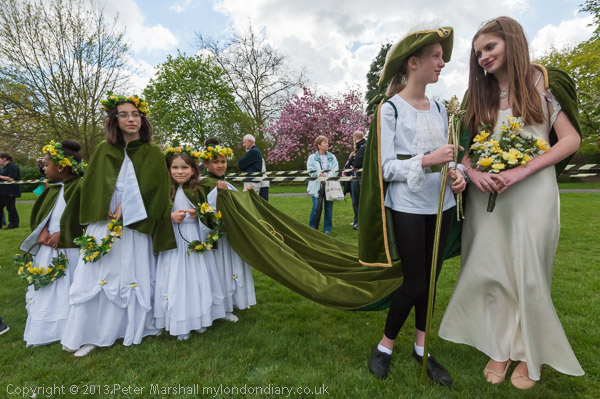
Coronation Time – 2013

Coronation Time - 2013
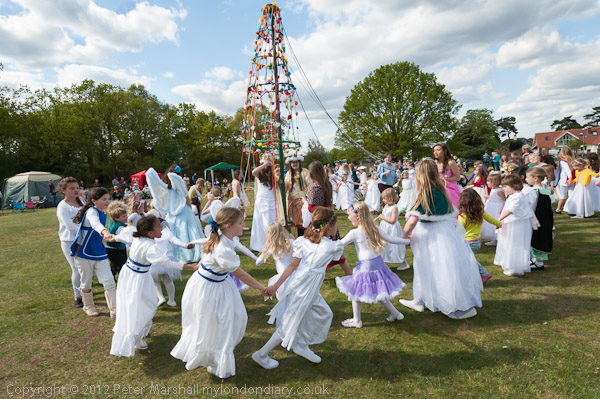
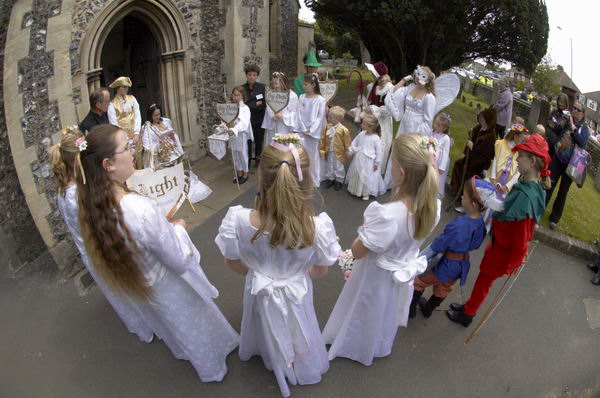
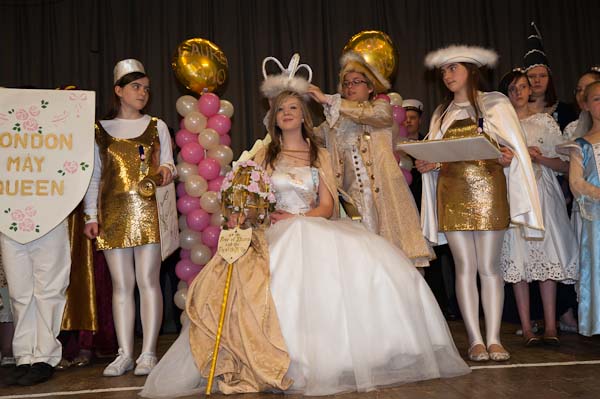
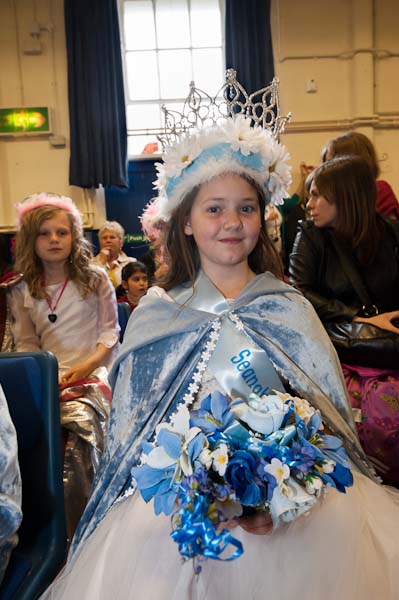
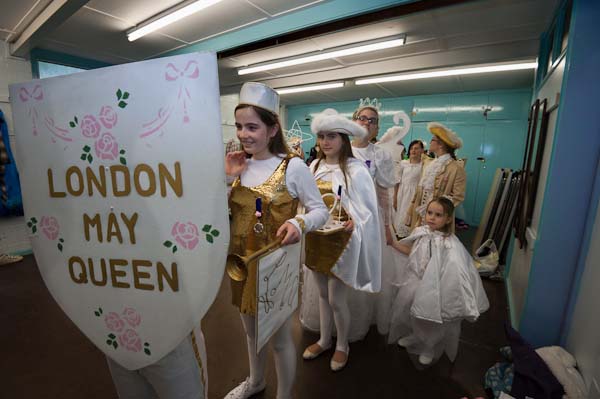
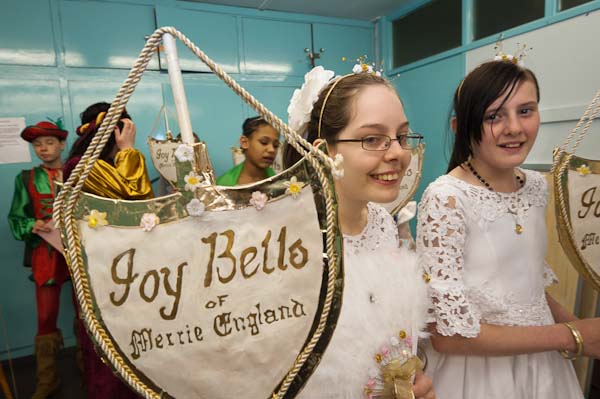
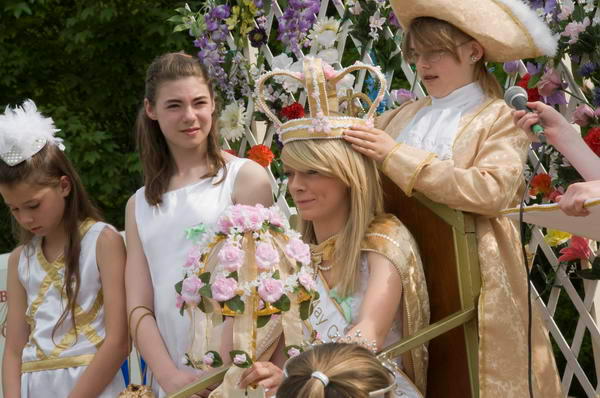
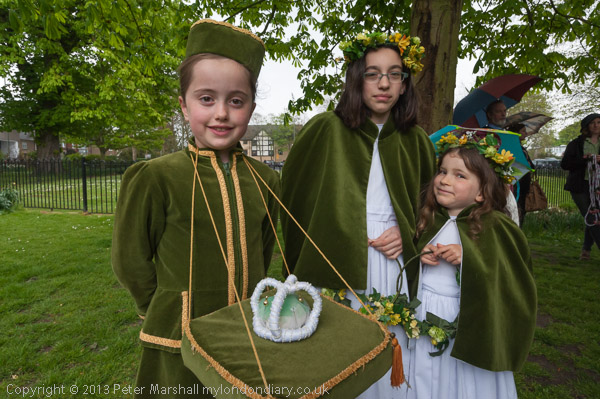
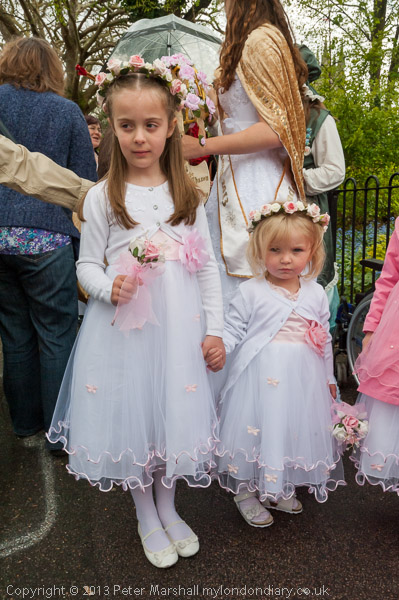
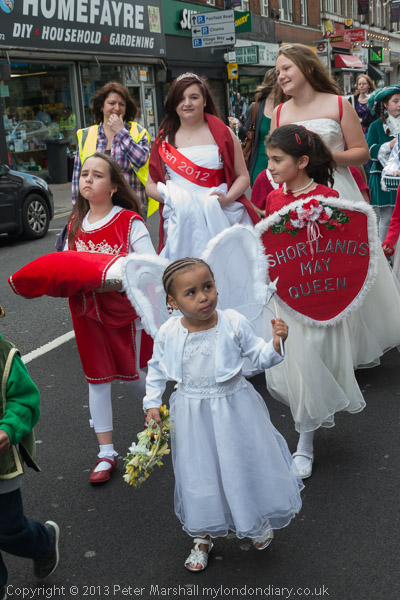
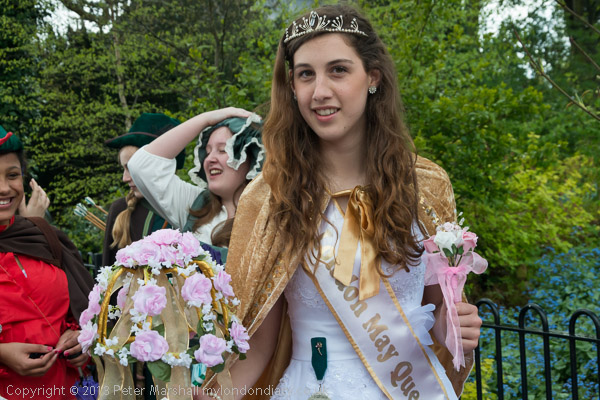
Elmers End May Queen and her retinue before the crowning

I’ve attended and photographed quite a few coronations, but will be having absolutely nothing to do with events this coming weekend. It appears to me an obscene waste of money, totally unnecessary spending which could be directed towards something far more worthwhile on a medieval relic that the country should have abandoned or hugely reformed years ago.
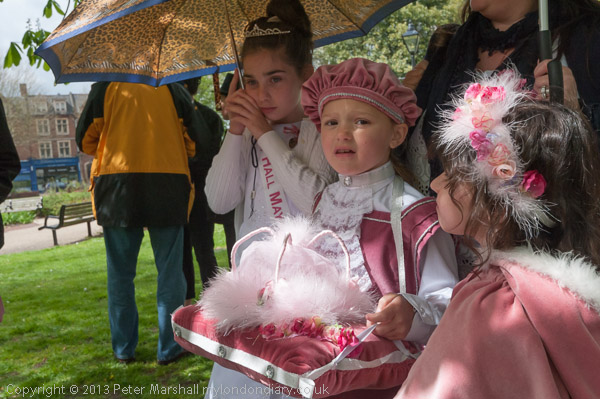
Coronation Time - 2013

I do remember the 1953 event, when we spent rather boring hours crammed into our neighbours front room facing a 9 inch screen on the black and white television their elder son had built from a kit. And a few days later our school’s classes were trooped along to the local cinema – appropriately The Regal – to watch it in colour. It had rained for the event and I think we also got wet queueing to be let in. I think few found the film of much interest.
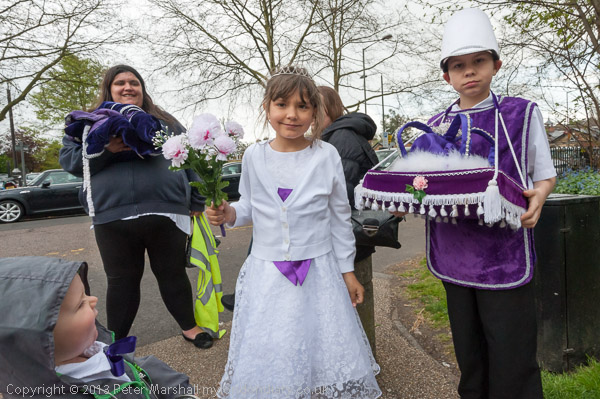
Coronation Time - 2013

Of course there was a lot of ballyhoo back in 1953, but nothing like the prolonged media assault we are now seeing – our media have changed, and largely for the worst. And while some people held street parties I don’t think there were any in our London suburb.
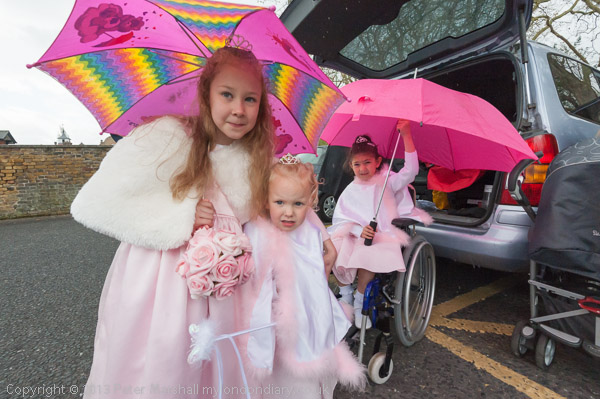
Coronation Time - 2013

There was certainly a lot of talk then about a new “Elizabethan Era” but little came of it, though we were still slowly emerging from wartime austerity. For most children in the UK the more significant event of the Coronation year had been the end of sweet rationing several months earlier, though sugar, meat and some other foods remained on ration.
Back in 2004 or 2005 four pictures in the posthumous Tony Ray Jones book ‘A Day Off’ of May Queen festivals had come to my attention and I decided it might be an interesting area for a photographic project if these events were still taking place. A little research, mainly on-line told me that there were still some in various parts of London and that the picture showing young girls dancing around the maypole was, despite an incorrect caption, actually from the London May Queen event taking place annually on Hayes Common.
So in May 2005 I went to Hayes Common, very uncertain about what I would find, and also about how I would be received. Old men photographing young girls was by then a rather suspect activity, but I talked with some of the organisers and if not immediately gained their confidence. It was the start of a project over several years that attracted interest from the Museum of London, though in the end they pulled out from the show at late stage, though I think they did buy a few pictures.
It took several years of attending various crownings and other May Queen events, including a few unconnected with the London May Queen for me to build up a body of work and I extended the project a little longer than was necessary to include the crowning of the 100th London May Queen in 2012, publishing my book London’s May Queens later that year. Being publishing on demand this is now ridiculously expensive but the PDF version is reasonably priced. The preview there contains my short article about May Queens and quite a few pictures.
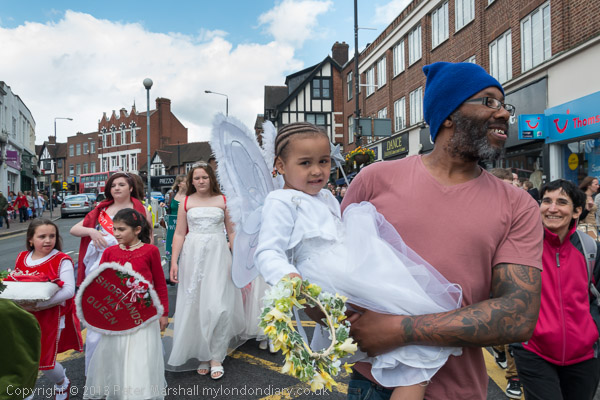
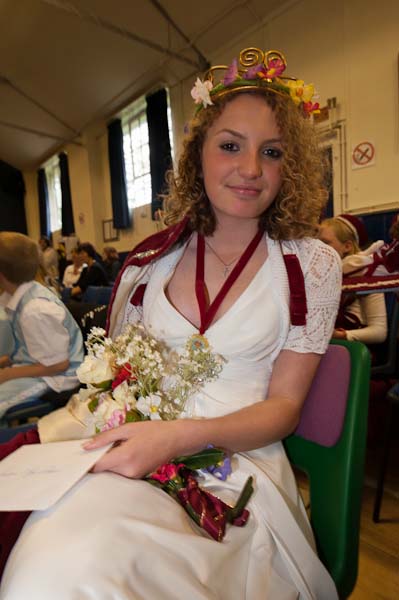
By 2013 I had finished the project, but was still receiving invitations to return to take pictures, and was pleased I had time to do so, not just for the Beckenham May Queens on Sataturday 4th May 2013, from which the pictures here come, but for the crowning of London’s 101st May Queen at Hayes the following Saturday. I think this was the last coronation I attended.
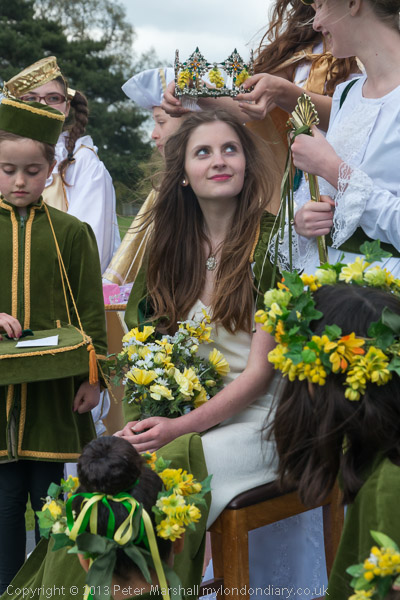
Many more pictures at Beckenham May Queens.
Brompton around Swanscombe 2015

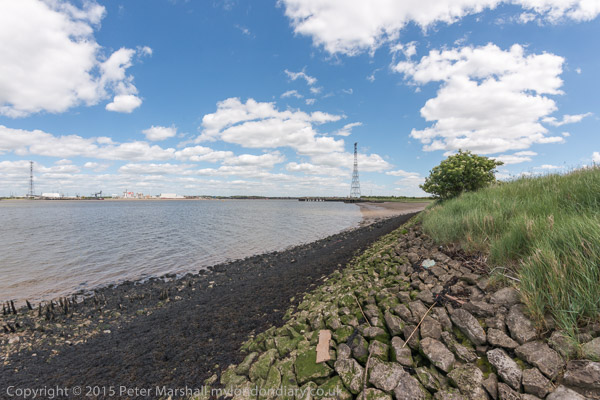
Brompton around Swanscombe 2015 – Late in 2002 I bought a Brompton folding bicycle, something I’d been considering for years, but the cost had put me off. I can’t remember exactly what it cost me then, but with a few essential bits and pieces it was around £700 – allowing for inflation now equivalent to around £1200. Bromptons (hereafter just B’s) now start at £850, even better value. In an interview a year or two later with a photographic magazine I was asked “What is your favourite photographic accessory?” and my answer, “My B” wasn’t what was expected.

I wasn’t new to cycling – I’d got my first two-wheeler back in 1951 and had owned and used bikes since then, but this was my first folding bike and was bought as a photographic accessory to enable me to explore areas in outer London and the outskirts where public transport was often in scarce supply.

I’d hoped also it would be a convenient way to get around when photographing various events in the centre of London, but soon gave up on that idea as finding safe places to leave it appeared impossible. Bs are idea for bike thieves. Relatively high value and much in demand, they can be stowed away in a car boot in seconds. And even the sturdiest bike lock can only hold up the well-equipped criminal for less than a minute.

Locking and leaving isn’t really an option unless you can keep it in sight or in a secure place. Office workers can keep them in cloakrooms or under their desks, but when your place of work is the street you have a problem.

For cycling close to home I still had the full-size Cinelli that my eldest brother had given me as a birthday present back in 1958, and despite being dirty, dilapidated and having suffered much downgraded with more robust and heavier wheels and tyres still rolling well. But the huge advantage of the B was that it could be folded and taken on trains, underground and even buses at any time, enabling me to make rides from places which were too far away for me to cycle to.

I made my first such journey back in January 2003, taking the train to Erith, a little over 30 miles away, and then spent a few hours cycling “around the town and along the Thames, Darent and Cray before braving the Dartford bypass and striking off along Joyce Green Lane before returning to catch the train home from Slade Green.” Much of that cycling was along footpaths and other poor surfaces and tiring enough – and at one point I almost collapsed trying to lift the B over a stile. I couldn’t understand why, as even with my photographic gear in the front bag it was probably less than 15kg. A week or two later I found out the reason, having a relatively mild heart attack at home which required some minor surgery to put a stent into a blocked artery.

As soon as I could walk, my doctor told me I had to exercise, and soon I was taking a series of rides from home on the B over much of the nearby country. It was much easier to mount and dismount than a normal men’s bike, having no crossbar. Scattered through My London Diary are pictures from a number of bike rides, mainly made on the B. On a bike you can stop almost anywhere and don’t need a place to park, and the ease of getting on and off makes a B ideal. At times I’ve also used it, parked against a wall to stand on, one foot on the saddle and the other on the handlebars, but it can roll away and leave you unsupported.

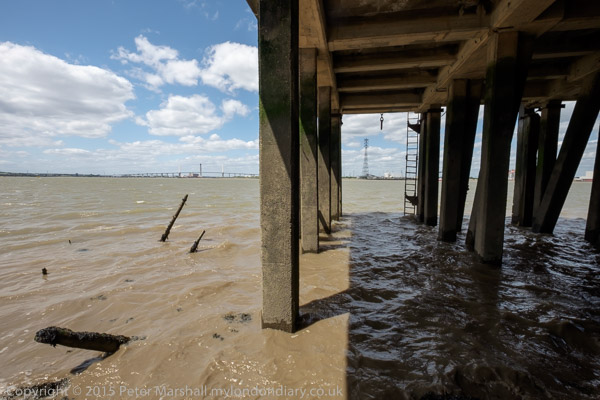
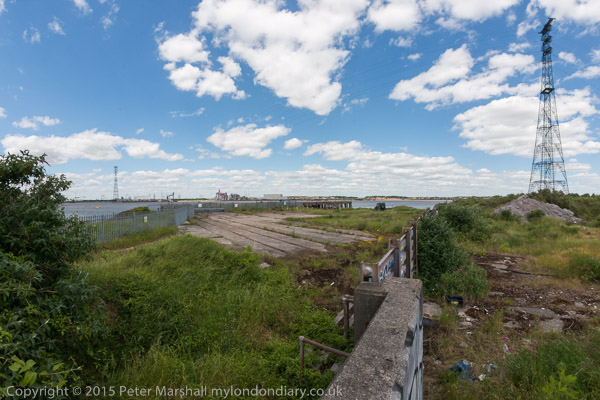
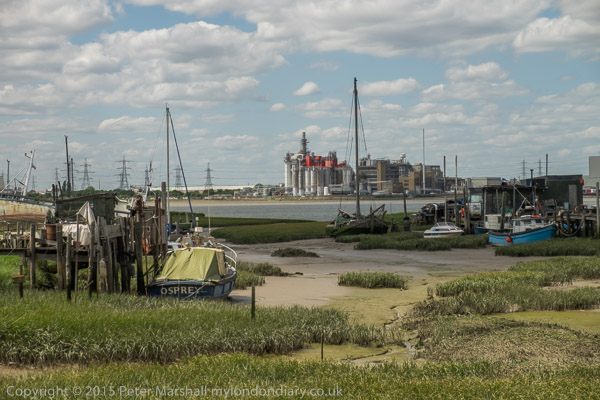
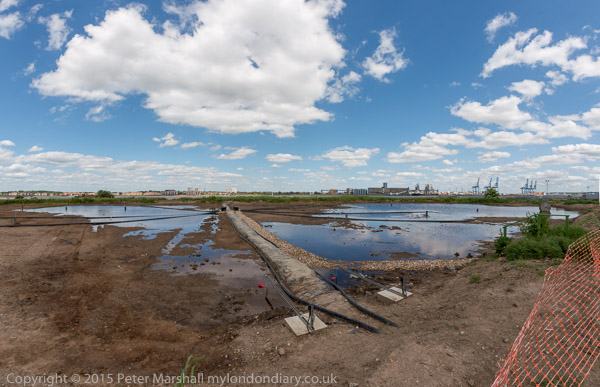
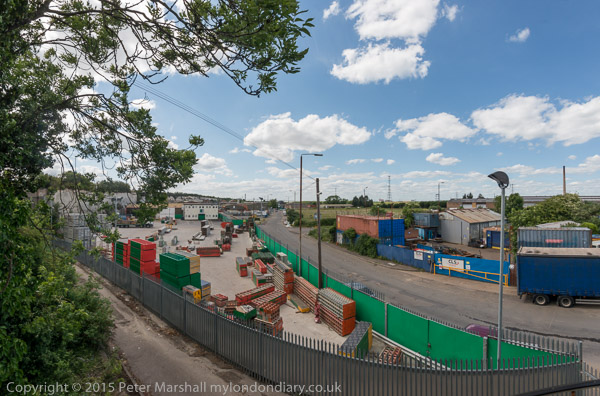
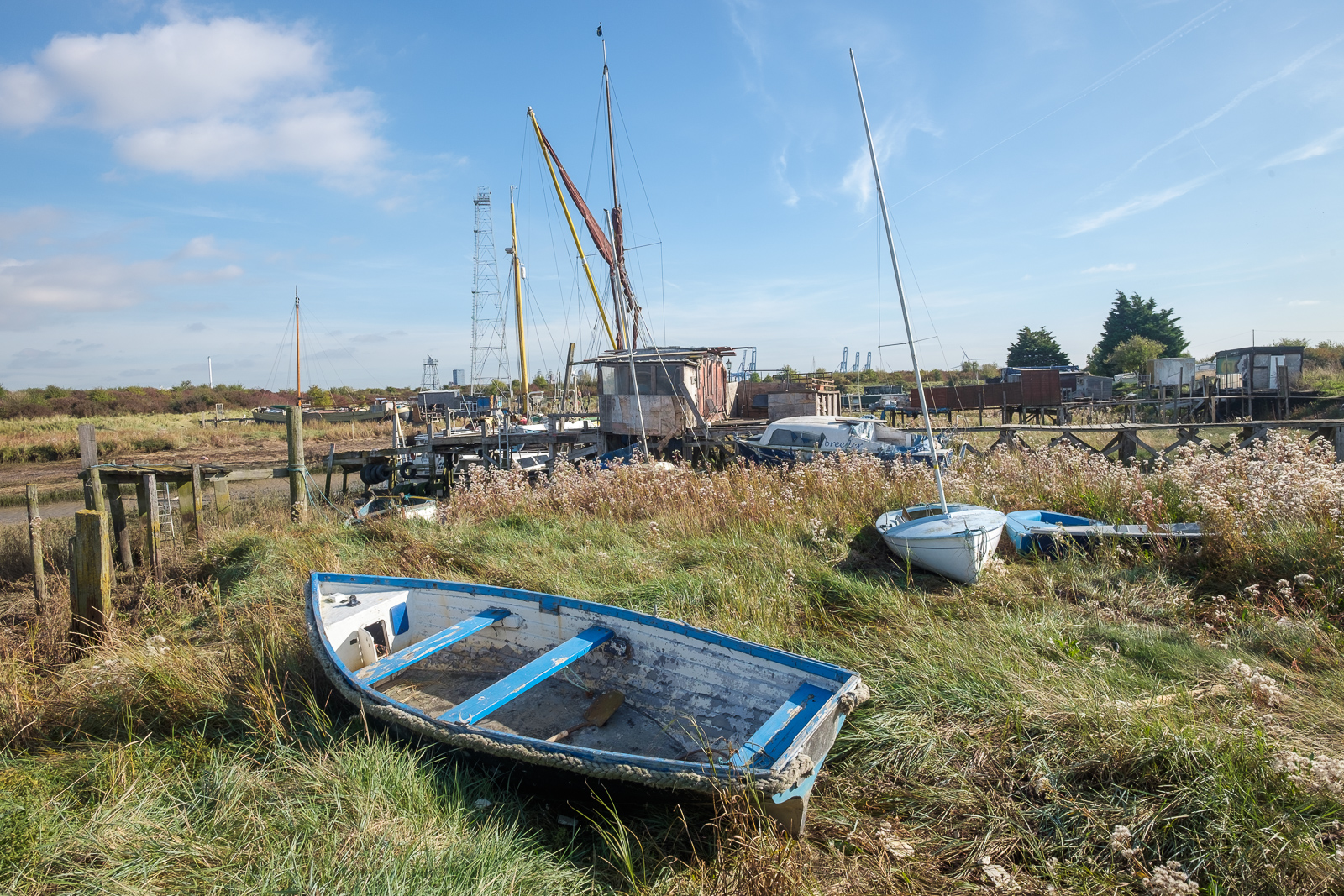
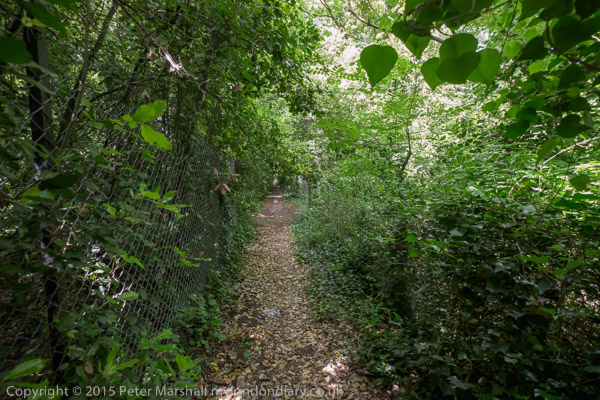
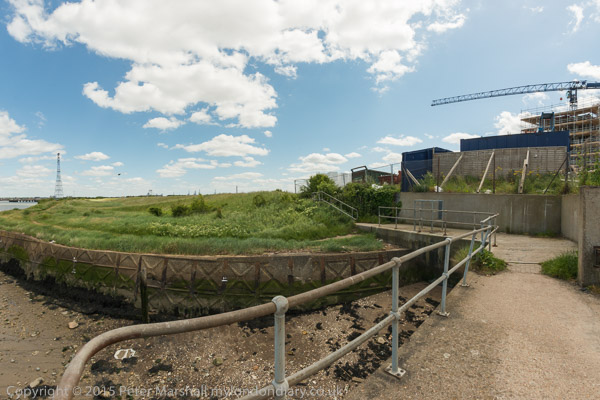
My trip around Swanscombe on Saturday 6th June was one such ride, taken while the area was under threat from development as the Paramount London theme park (and it still is though this now seems less likely.) It was an area I’d photographed on a number of occasions since the 1980s and knew reasonably well. In the 1970s, together with neighbouring Stone, Greenhithe, Swanscombe and Northfleet was the largest cement producing area in Europe, mainly run by Blue Circle. But by the time I first visited that production was centred at Northfleet, and the works at the other sites had largely disappeared or were very run down, and the Swanscombe works had ceased production although the site only finally closed in 1990. Northfleet continued for some years into this century, but nothing now remains – except of course the huge quarry areas with their chalk cliffs.

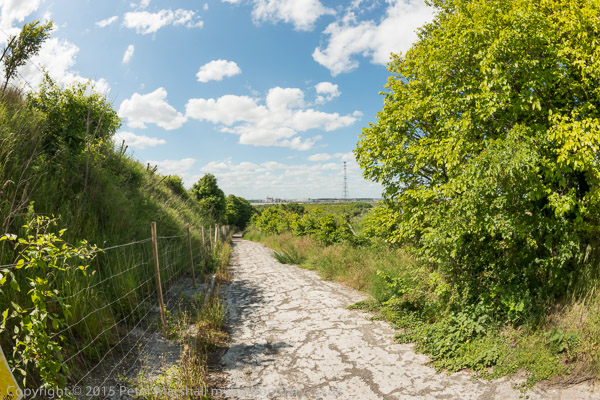
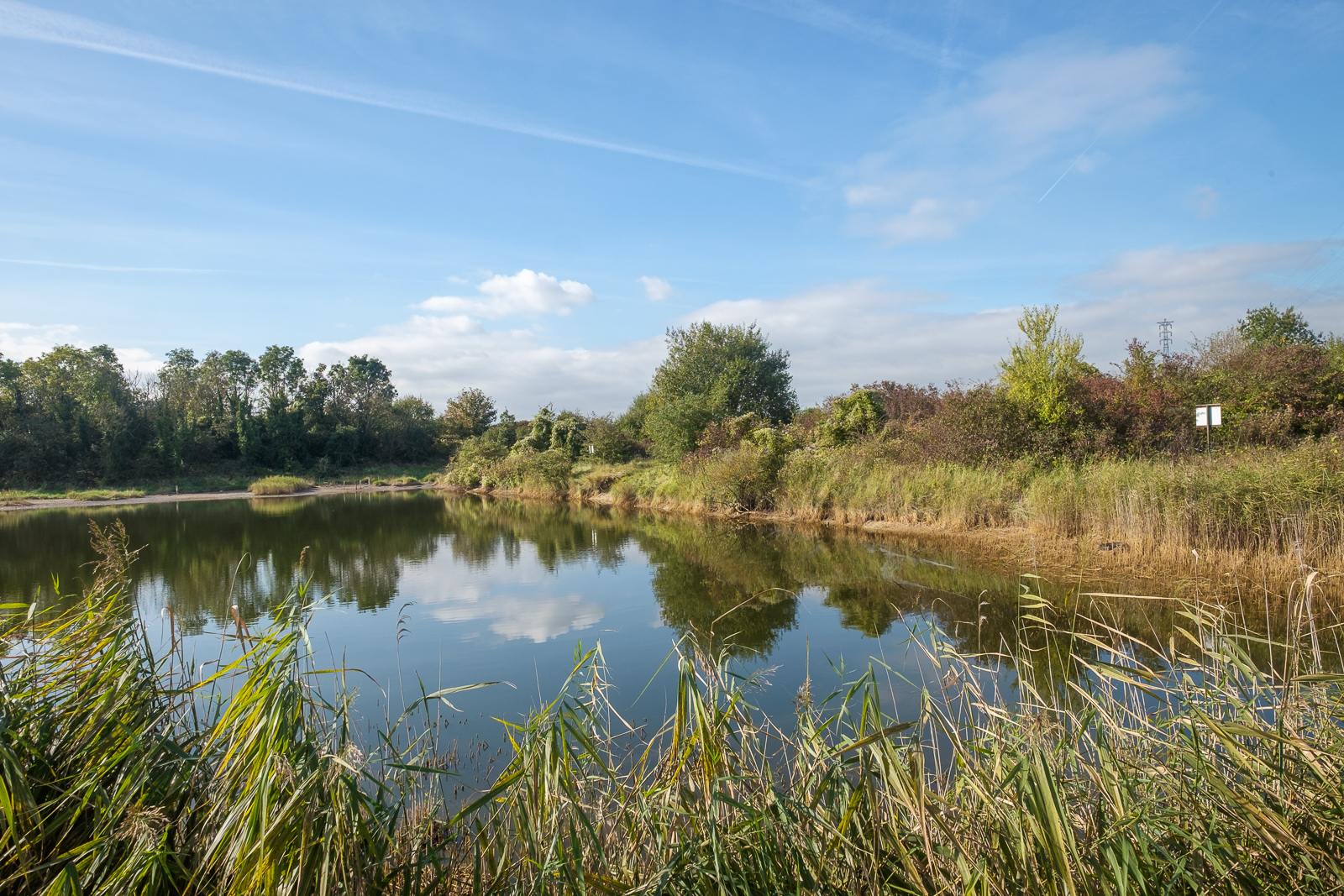
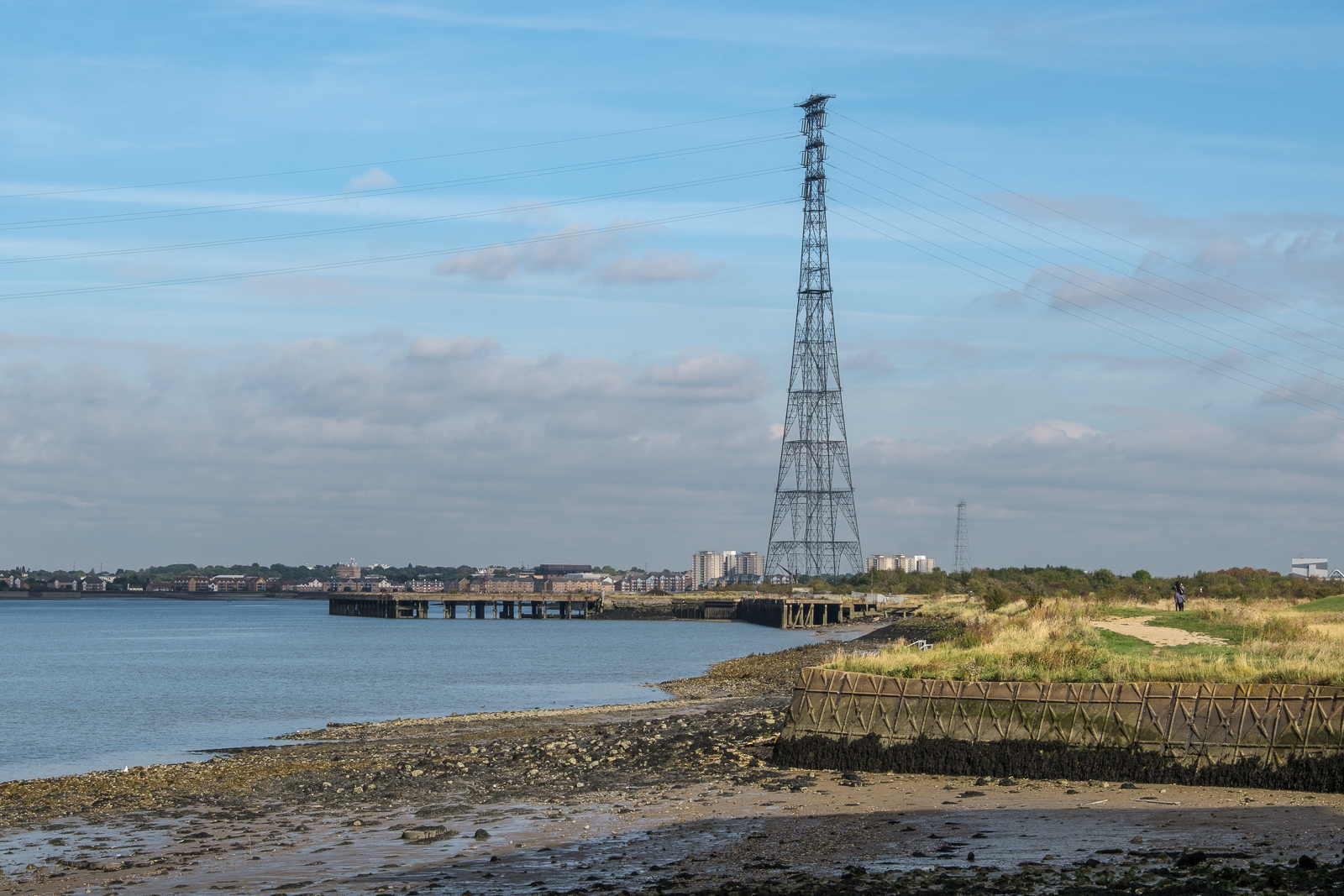
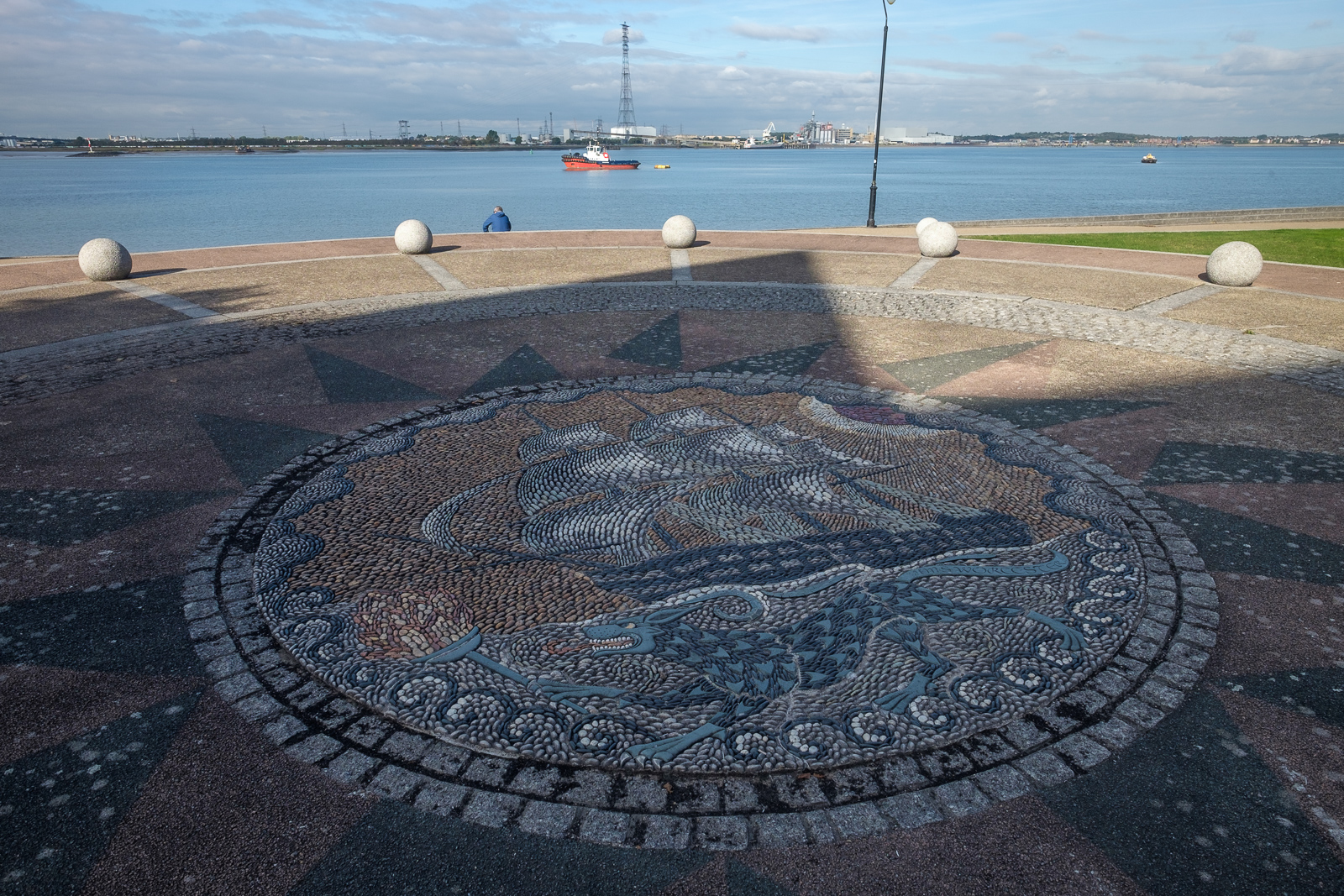
The post Swanscombe on My London Diary gives more of the history of the area, and also includes a fairly complete description of the route I took on Saturday 6th June 2015, so I won’t repeat that information here. The B isn’t a great off-road bike – and impossible in muddy conditions – but is fine on reasonable footpaths but I might had had to get off an push in some places. One of the paths I mention, Lovers Lane, is now a wide road beside a new housing estate but otherwise the area is much the same as it was in 2015 except there are now notices that some of the areas are private property.

The area is also well described in the many pictures, many of which were made with a very wide horizontal and vertical angle of view. Although not panoramic in format they are panoramic in their scope.

Swanscombe

Swanscombe Peninsula 2021

Pilgrims Rd (DS31)

A couple of days ago I walked around the Swanscombe peninsula together with two photographer friends and took some more pictures of the area.

Footpath (DS12)

I first went to Swanscombe back in 1985 as a part of my project on lower Thameside and in particular the area close to the river between Dartford and Cliffe. The area between the main road and the Thames had been one of a chalk hill leading to marshes, and the chalk had largely been quarried years ago after the invention of Portland Cement, with major factories producing it in Stone, Swanscombe and Northfleet.

By 1985, only the Northfleet factory was still in production, with just a few largely ruined buildings of the Swanscombe factory still standing. The ancient pathway of Pilgrims Road, by then just a footpath, ran down from the main road to the marsh on a narrow section of chalk which remained., and the floor of the former quarry to the east of this was occupied by various industrial sites.

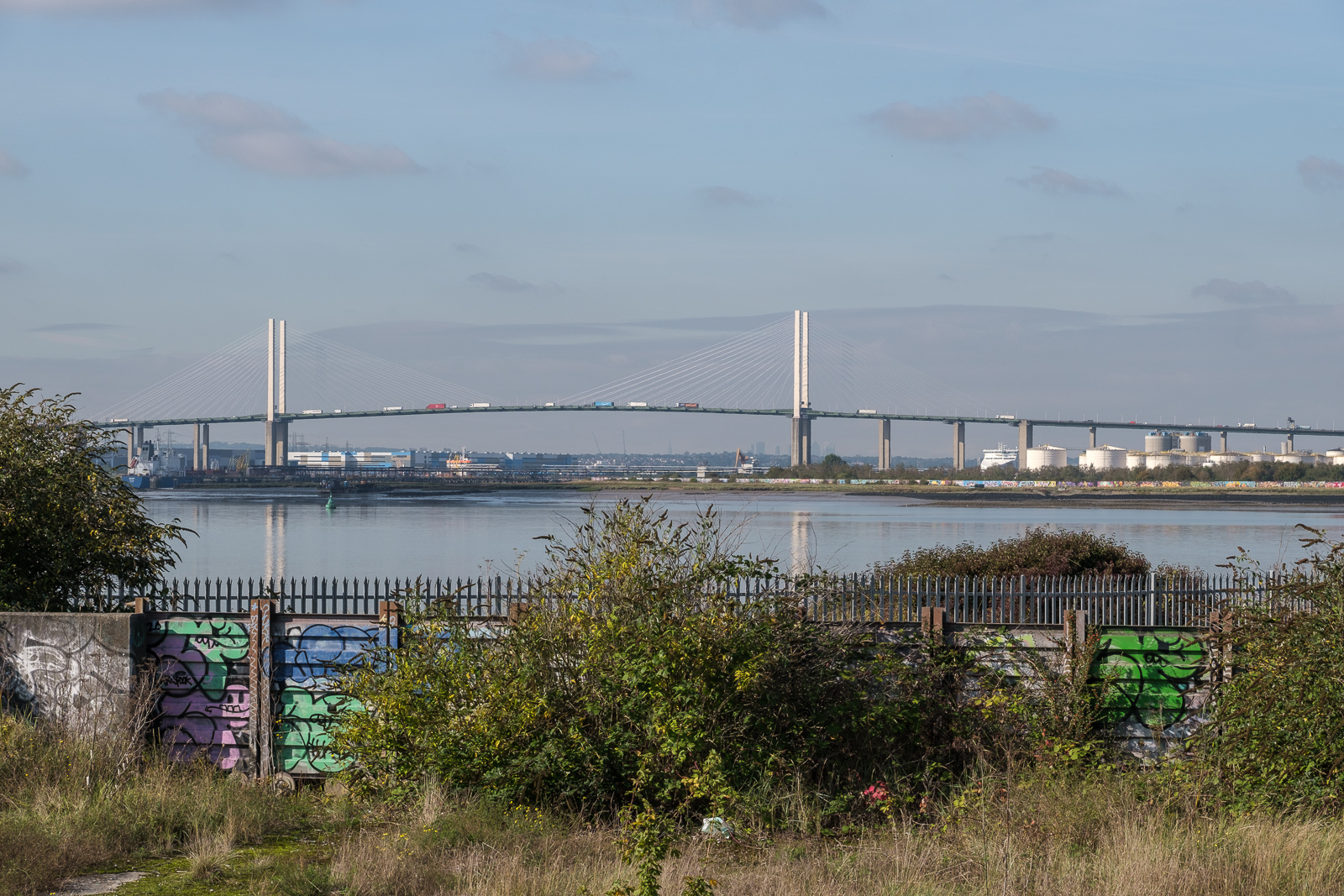
Then you could wander fairly freely across the marsh where there were still the clear traces of its its former industrial use, with relics from the overhead cable and conveyor belt which took materials from the jetty to the works, and various heaps of waste materials. There are still a few sections of the railway lines that lead to the jetty, but much more of the land is now either fenced off or has recent notices prohibiting access.

There are several public footpaths through the area, and we took a route along most of them, although a part of one near the jetty appears to have been blocked and needed a slight detour. A new route going east beside the jetty and then alongside the river to the saltings had been approved as a part of the England Coast Path “from Autumn 2021” and we walked along this section of it, although I’m not sure if it is as yet officially open.

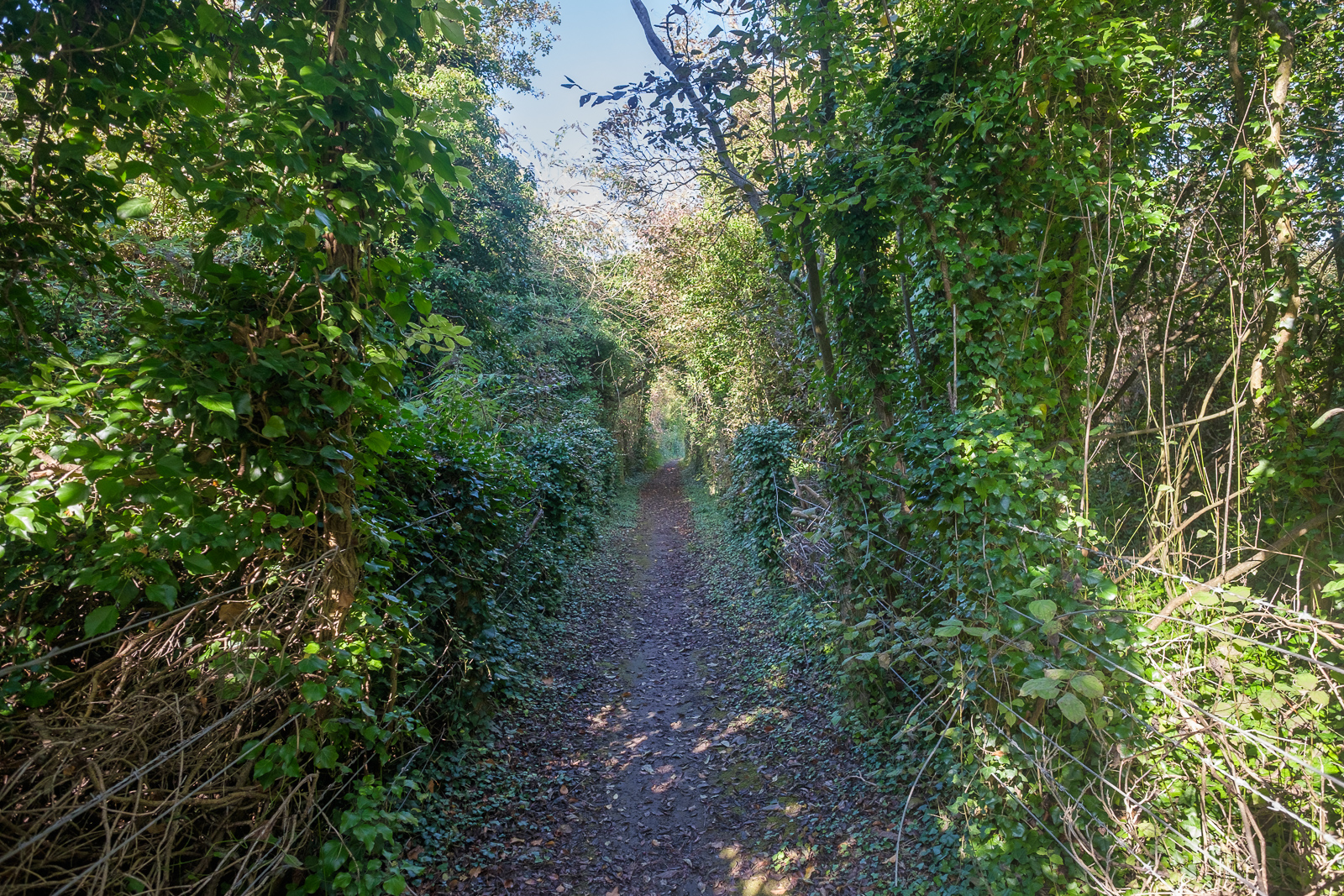
Although we took care not to go past any of the notices marking areas a private, we did find at one point as we walked past a notice that it claimed the track we had just been walking on was private. But by then it was too late, although of course we were doing no harm by walking along this unfenced path. One of the public footpaths (DS12) has a short section that is now totally overgrown, and we had to push our way through a few yards of rather boggy reeds to keep within its fenced route. We ended out walk at Greenhithe, which had two pubs but virtually no beer or food and caught the train to Darford for a meal.

Since 2021 the area has been under threat of a planned development as London Resort, 535 acres of a “world class, sustainable, next generation entertainment resort on the bank of the River Thames” and a kind of London equivalent to Disneyland, with a theme park, hotels with 3,500 beds, jetties on both the north and south bank of the river and a new road connection from the A2.

Although this would provide new jobs, there has been considerable opposition to the scheme, particularly as it would threaten the huge diversity – the area is home to many plant species and bees, butterflies, beetles, cuckoos and marsh lizards, more than any other brownfield site in the UK, and is one of only two places where the critically dendangered Distinguished jumping spider (Attulus distinguendus) is found. Following a request by the Save Swanscombe Marshes campaign the area was declared a site of special scientific intrest (SSSI) by Natural England who describled it as “one of the richest known sites in England for invertebrates”.

Many new housing estates have been developed in the surrounding areas since 1985 and others are likely to be built on various quarry areas in the region. It would be a great shame to lose this important area of green riverside space to the proposed development. Leisure doesn’t need theme parks.

More pictures on Facebook at Swanscombe October 2021.


8th May

Maypole Dance, Hayes, 2012

I sat for some time wondering what to write about today. Perhaps the obvious choice would be to point out that this is the 76th anniversary of VE Day – and I did attend some events to mark the 60th anniversary back in 2005, both on Saturday May 7th in Ilford and May 8th in Bromley. Sixty years on from the event itself, this was probably the last occasion when a significant number of actual veterans were still around in their 80s and 90s and able to take part.

‘Little Sanctum’, Hayes, 2005

But looking at the pictures I found it too depressing – and things now have got even worse when with none left who actually fought in WW2 to provide some realism celebrations related to the war have grown more militaristic and jingoistic, more based more on the propaganda of films and TV series and the claim “two world wars and one world cup” than the reality of a fight against fascism – and where Little Englander views have defeated the vision of a united Europe, particularly in the Brexit campaign.

Hayes, 2010

I needed something to cheer me up a little, so instead some pictures from the London May Queen crowning which takes place around this time of year on the second Saturday in May, which in 2010 was May 8th. It was an unusual year in that the weather was terrible, with cold driving rain making the usual outdoor ceremonies on Hayes Common and the parade around the village impracticable, and the event took place with a smaller number taking part inside the crowded village hall. So I’ve added a couple of pictures from other years which show a more normal view of the day.

Hayes, 2010

I’ve written about the event – with help from some of those involved – in various posts on My London Diary, and also in the book, London May Queens, still available as a reasonably priced download or expensively in print from Blurb. Getting to know some of the organisers and taking an interest in the history of the event enabled me to overcome some of the now inevitable suspicions around a male photographer photographing young girls and I was there in 2008 by invitation of some of the mothers involved.

Hayes, 2010

May Queens have a long history, although the traditional May festivities were rather different and bacchanalian. Like many English traditions, this was revived in a bowdlerised form by the Victorians, largely as a festival for children and young people. The ‘Merrie England And London May Queen Festival’ came a little later, founded in 1913 by Joseph Deedy, a master at Dulwich School, and at its peak, I think in the 1930s, involved 120 ‘realms’ from different areas mainly around south London each with their own May Queen, with well over a thousand children coming together for the crowning of the London May Queen at Hayes.

Hayes, 2010

Deedy wrote some rather quaint texts which are still used in the various stages of the ceremonies around Hayes, as well as setting the general principles and rules for the realms and the event. Girls work their way up through the organisation based on length of service, progressing though various roles, first in the local realms, and then in the London May Queen group. They can join from age three, and can remain involved until they are 18. Organisers see it as a way of encouraging social skills and developing self-confidence in the girls who take part. They often take part in local fetes, visits to care homes, and other activities as well as enjoying tea parties. The crowning of the London May Queen is the culmination of a series of events on previous Saturdays when the different realms crown their own Queens.

Hayes, 2010

Working inside the crowded hall in 2008 was difficult, but I was pleased to have the opportunity, and it provided some variety in my coverage of the event – as did the various crowning events in some of the local realms. Covid will doubtless have prevented the 2010 and 2021 events taking place but I hope it will resume for 2022. It’s a charming survival from an earlier age and one which invokes a community spirit which enriches local life.

Hayes, 2008

There are too many posts on My London Diary featuring May Queen Events between 2005 and 2013 to list them all, but you can find them easily on the web site as they are all on the pages from April and May. Here are just a few of them.

London May Queen 2005
London May Queen 2008
Merrie England & London May Queen 2010
London Crowns 100th May Queen 2012
London’s 101st May Queen 2013
I posted even more pictures than usual from these events as I wanted to share them with those who had taken part and tried to include everyone in the pictures.


All photographs on this and my other sites, unless otherwise stated, are taken by and copyright of Peter Marshall, and are available for reproduction or can be bought as prints.


South of the River 1985

Container ship, biker, Shornemead Fort, Shorne, Gravesend, Gravesham 85-6c-43_2400

In 1984, I more or less came to an end of my work on the River Lea (though I returned to it later) and the major focus of my photography shifted to London’s Docklands, and I’d photographed the West India and Millwall Docks as well as the Royal Docks, pictures from which I’m currently posting daily on Facebook. And later in that year I also went to the Surrey Docks, where work by the London Docklands Development Corporation was well advanced.

I was very aware of the political dimensions of the redevelopment, with the LDDC taking over from the elected local authorities and imposing its own largely business-led priorities which although accelerating the development distorted it away from the needs of the local area, and particularly away from the still pressing need for more social housing and for better employment opportunities for local people.

Northfleet, Gravesham 85-8e-35_2400

In those years I read every book in my local library on the history and geography of London, and began to build up my own collection of older works bought from secondhand bookshops and by post. Before the days of on-line listings I used to receive a monthly duplicated list of books on offer from a dealer I think in Brighton, and found many topographic and photographic items of interest, often very cheaply, and would look forward to receiving heavy parcels wrapped in several layers of newspaper. Yes, there was mail order before Amazon, and it was rather more exciting.

Cement Works, Northfleet, Gravesham 85-8e-53_2400

It was reading one of the books, Donald Maxwells ‘A pilgrimage of The Thames’, published in 1932 with his imaginative text and evocative drawings (some originally printed in the Church Times) that prompted me to walk in 1985 as he did from Gravesend west through Northfleet and Greenhithe exploring what he christened ‘the Switzerland of England’. As a rather more down-to-earth guide I also had the more academic ‘Lower Thameside’ picked up for pennies in a secondhand bookshop, which included a chapter on its 1971 cement industry by geographers Roy Millward and Adrian Robinson.

Crossness Marshes, Belvedere Power Station, Belvedere, Erith 85-9j-53_2400

My series of walks traversed what was an incredible industrial and post-industrial landscape, altered on a huge scale by quarrying and industry, continuing past Gravesend along the riverside path past Erith and Woolwich to Greenwich and Deptford (areas also covered in my 1985 London Pictures), as well as walking further east to Cliffe and Cooling.

Cement Works, Manor Way, Swanscombe, Dartford 85-9g-36_2400

It was a project that I returned to for several years – and I went back to the area more recently when the Channel Tunnel Rail Link was being built as will as the occasional walk or bike ride over the years.

You can see 280 of my pictures from 1984 now on Flickr in the album
1985: South of the River: Deptford to Cliffe


All photographs on this and my other sites, unless otherwise stated, are taken by and copyright of Peter Marshall, and are available for reproduction or can be bought as prints.

There are no adverts on this site and it receives no sponsorship, and I like to keep it that way. But it does take a considerable amount of my time and thought, and if you enjoy reading it, please share on social media.
And small donations via Paypal – perhaps the cost of a beer – would be appreciated.