12 Days of Christmas -some of my favourite pictures from those I made in May.
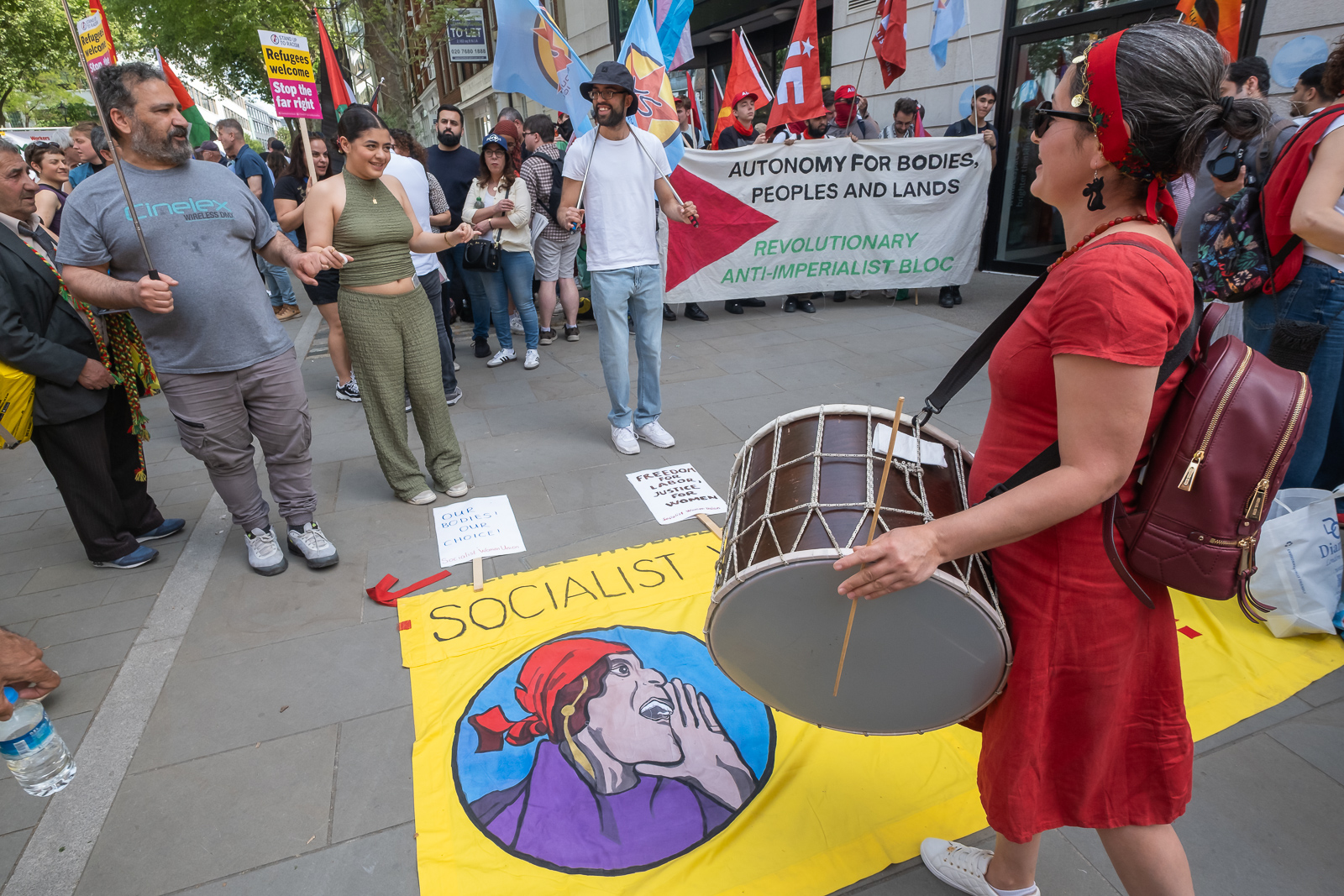
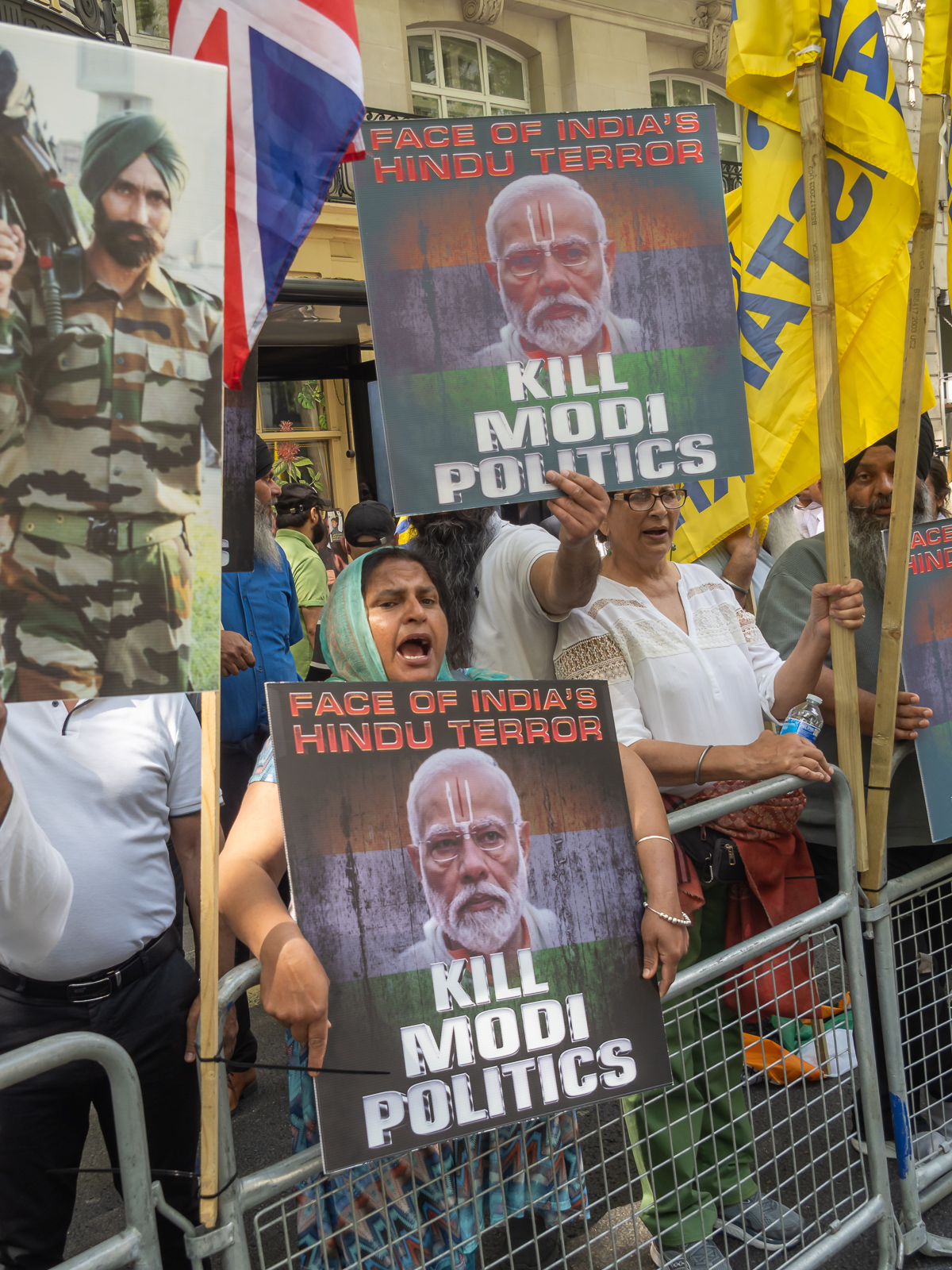
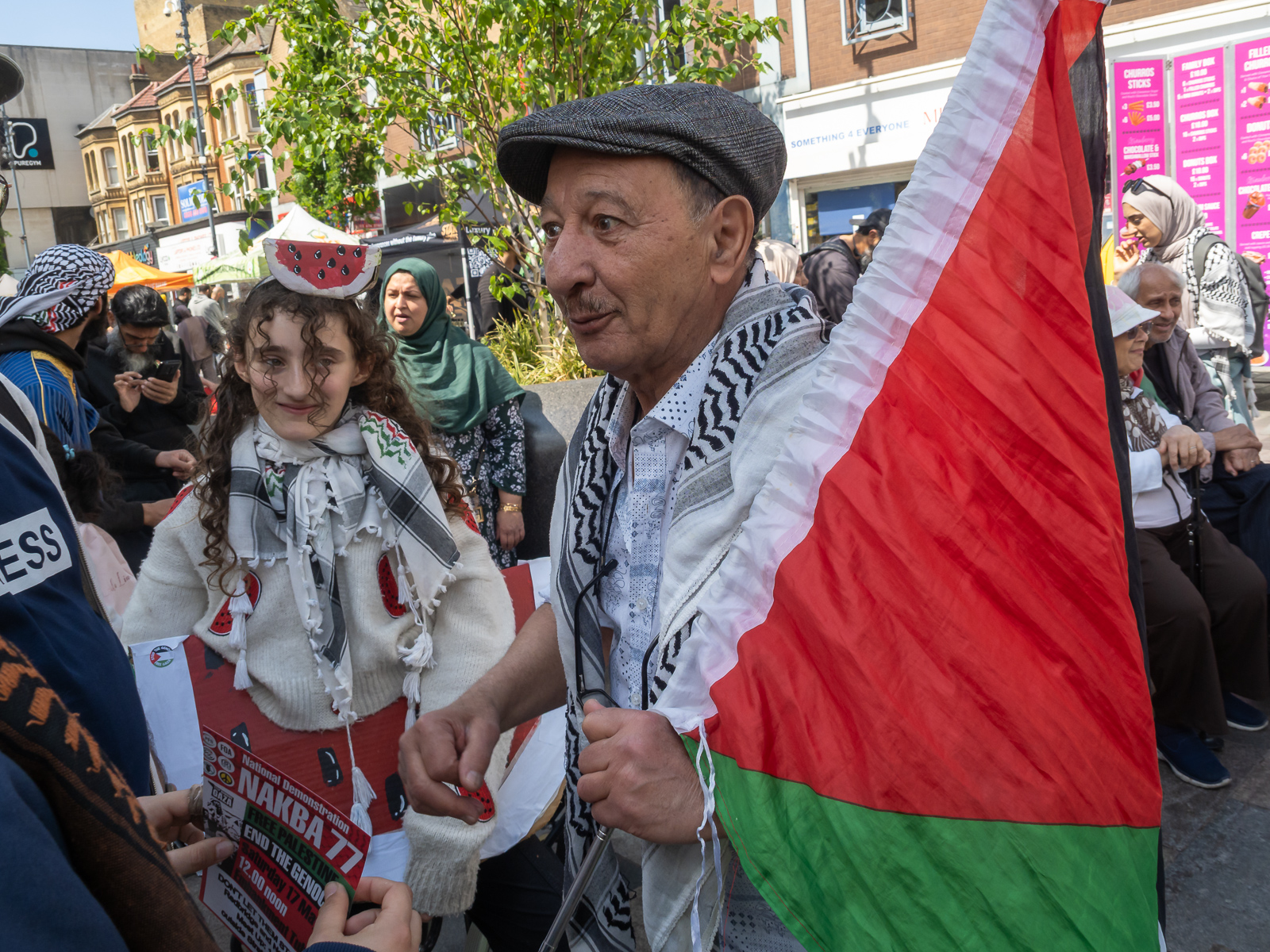
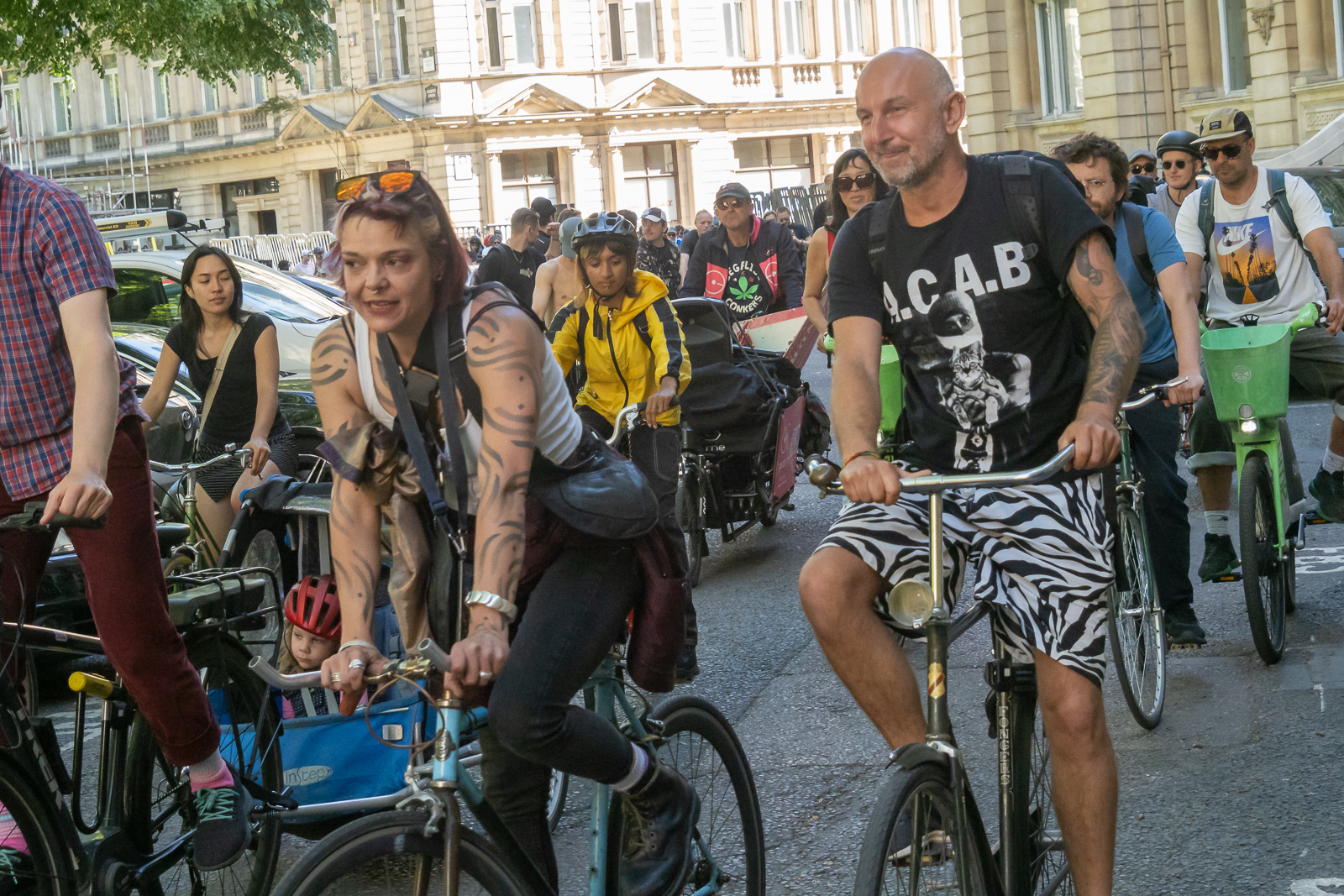
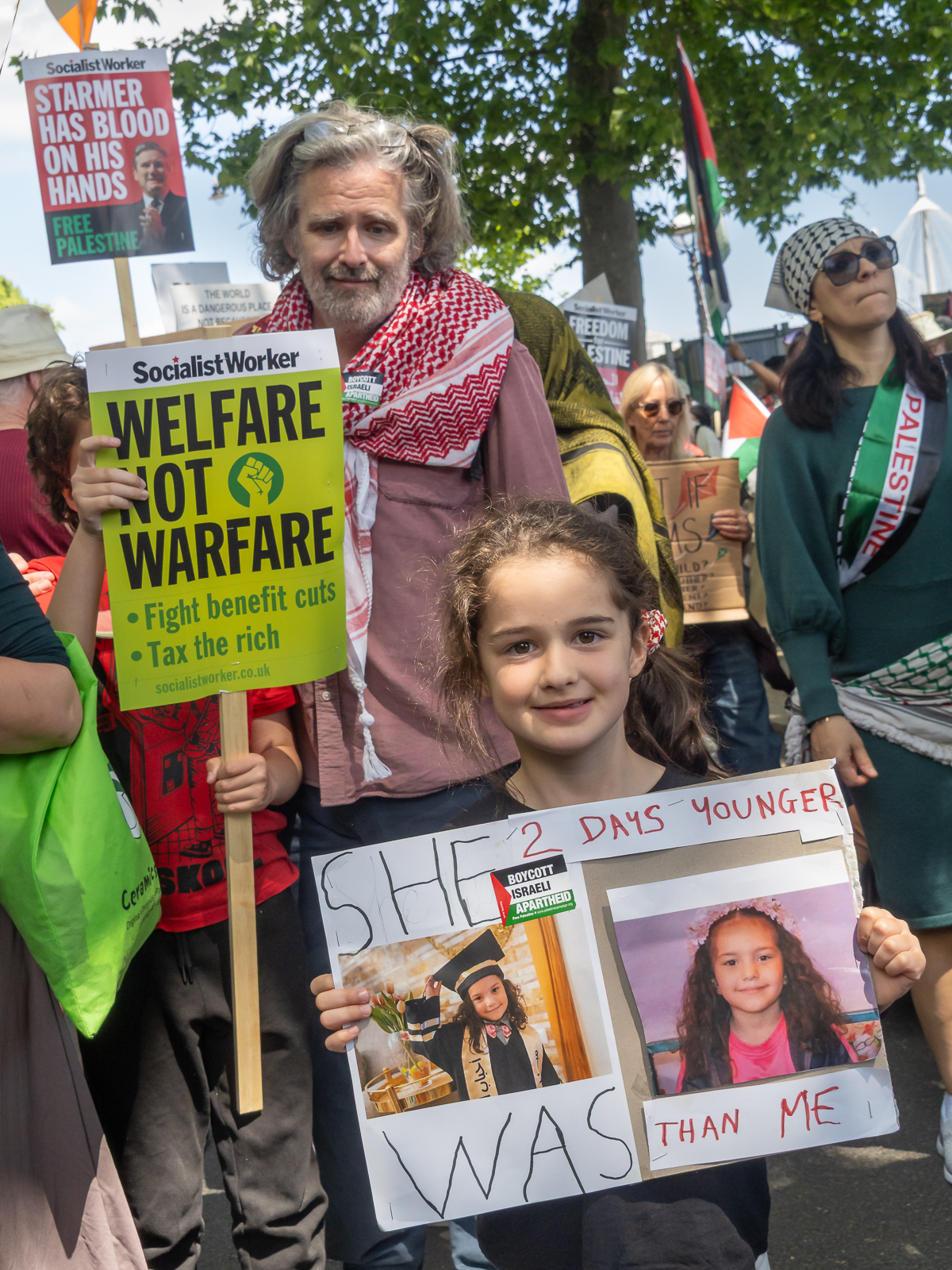
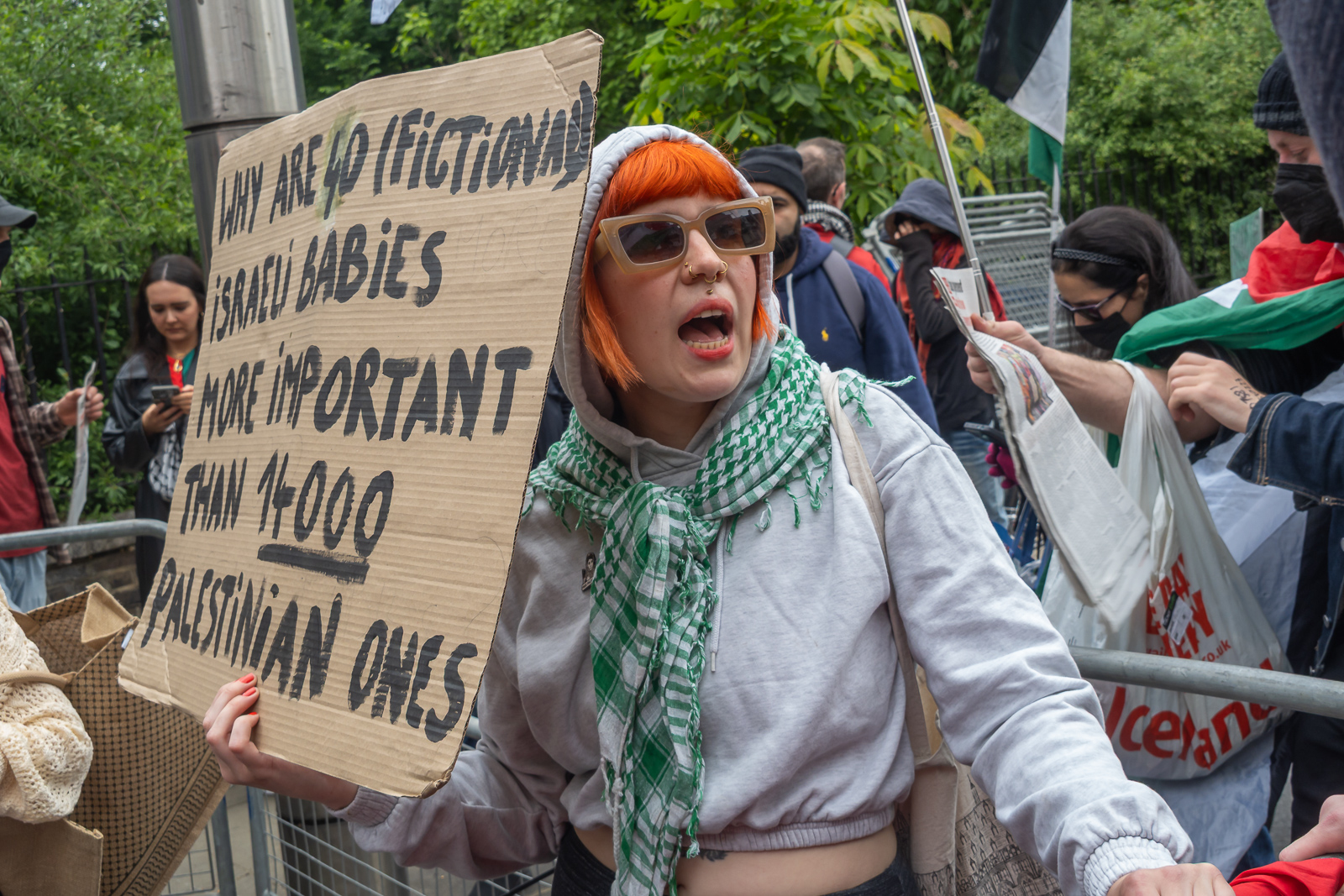
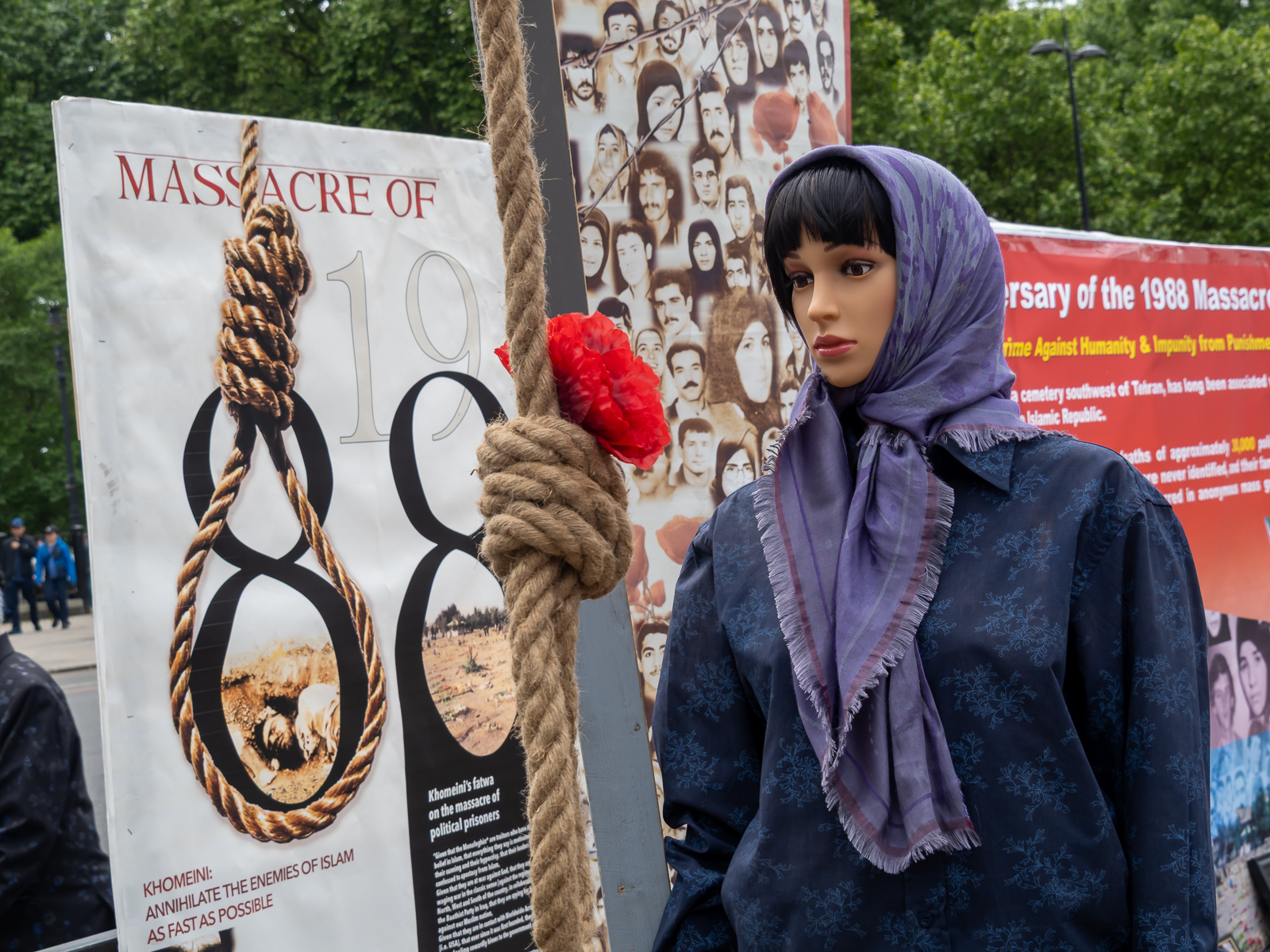
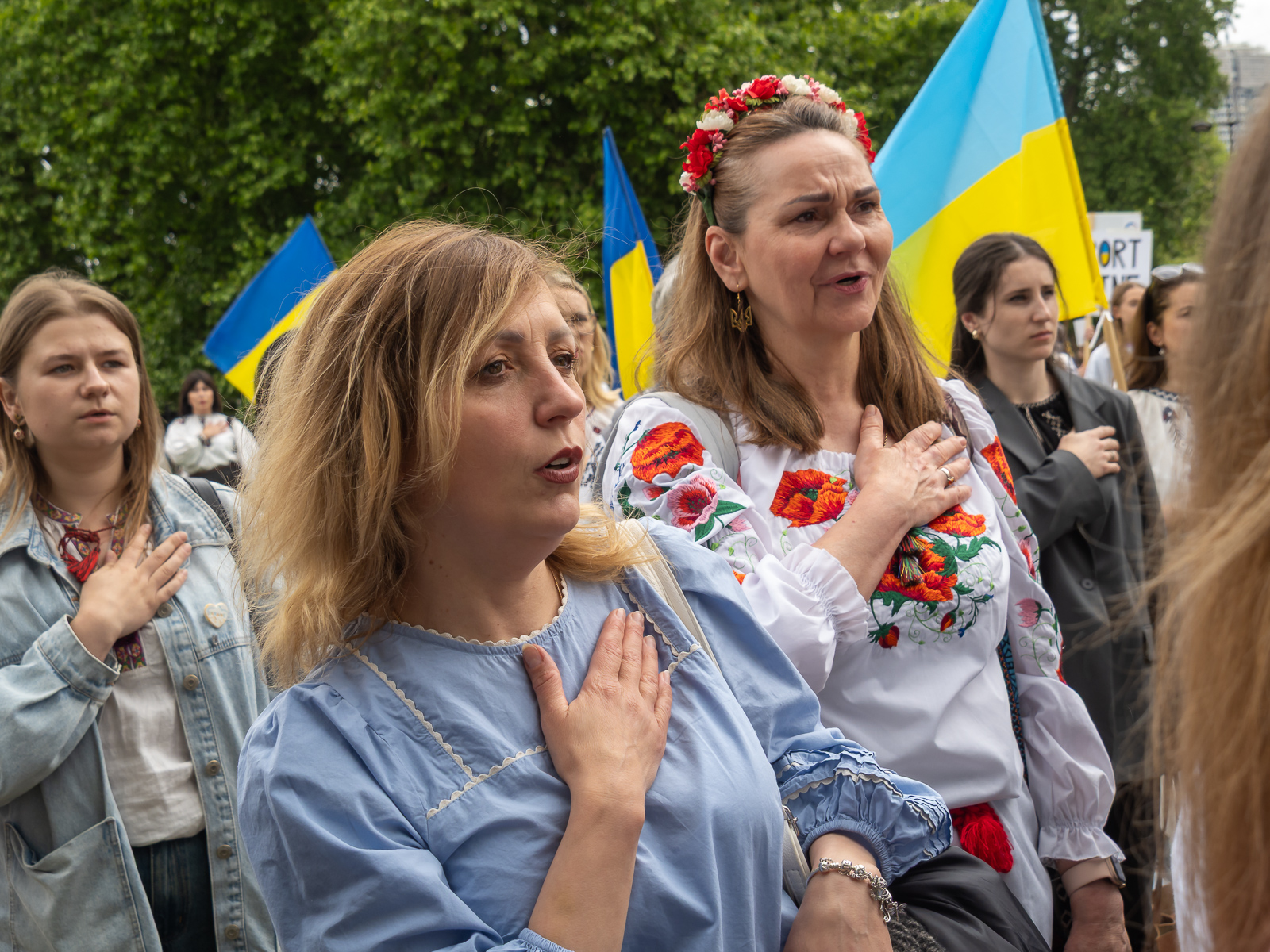
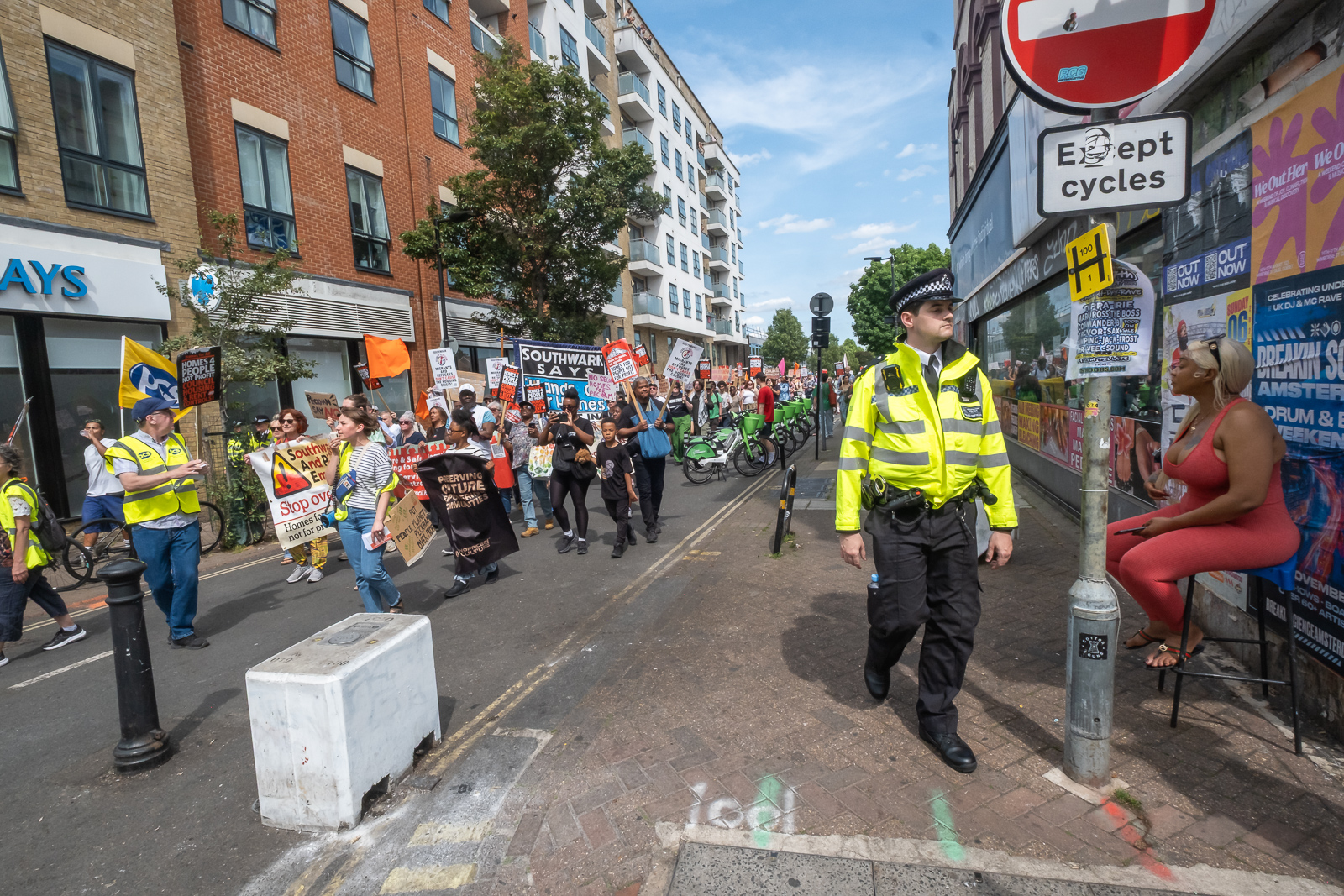
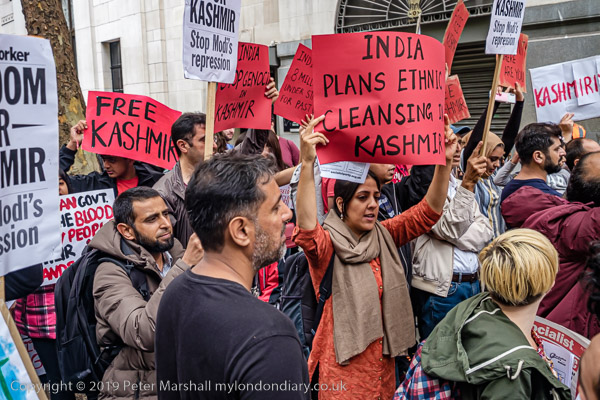
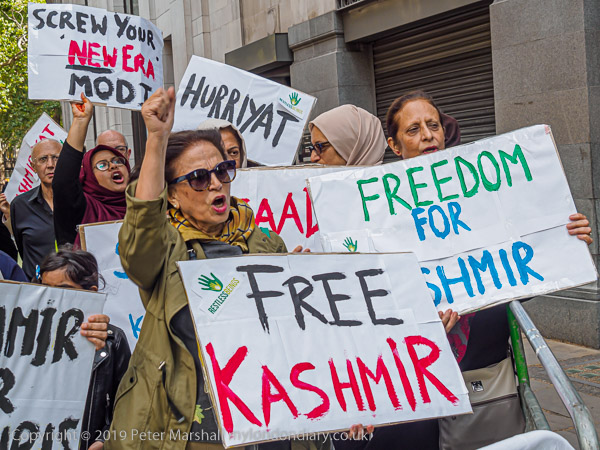
London, UK. 1 May 2025. Socialist Women’s Union. Several thousands met at Clerkenwell Green on May Day before the International Workers Day March to Trafalgar Square. Those taking part included many from London’s various ethnic communities – Turkish, Kurdish, Latin American, West Indian, Indian, Sri Lankan, Tamil, Iraqi, Iranian and more as well as many from UK trade unions, communist and anarchist groups. Many showed their support for Palestine and other international issues. Peter MarshallLondon, UK. 1 May 2025. Hurrah for the Wiphala around the world. Several thousands marched from Clerkenwell Green on May Day for the International Workers Day March to Trafalgar Square. Those taking part included many from London’s various ethnic communities – Turkish, Kurdish, Latin American, West Indian, Indian, Sri Lankan, Tamil, Iraqi, Iranian and more as well as many from UK trade unions, communist and anarchist groups. Many showed their support for Palestine and other international issues. Peter MarshallLondon, UK, 1 May 2025. Sikhs and other supporters of Kashmir protest opposite the Indian High Commission against Modi and his Hindu nationalist government following his threats to Pakistan, suspension of the water-sharing agreement and reprisals against Kashmiris after the 22 April attack which killed 28 tourists. India has implemented a brutal military occupation of areas of Kashmir since they were controversially linked to India at partition in 1947. A smaller protest by the embassy supported Modi. Peter MarshallLondon, UK. 3 May 2025. Ilford. People from Newham and Redbridge march from Ilford and Forest Gate to a rally in Plashet Park, East Ham. They demand food, medicines and fuel be immediately supplied to Gaza where the whole population is being starved to death by the Israeli blockade while the world watches but does nothing. They call for an end to the attacks on the civilian population by Israeli forces and for negations for a peaceful future for Israel and Palestine. Among speakers was a man living in a Palestinian village when it was destroyed by Israel in 1947. Peter Marshall.London, UK. 17 May 2025. Finsbury Circus. Thirty years after Reclaim The Streets held a number of protests against car culture, closing major road junctions temporarily to allow cyclists and pedestrians to enjoy these as free spaces for community and creativity, they came together, hundreds on bicycles and others on foot, to party in Smithfield. Police came to complain about the noise and they agreed to leave and cycle around the City before partying at another venue. Peter Marshall.London, UK. 17 May 2025. As Israel renewed its genocidal attacks on Gaza where people are now starving to death after Israel has blocked all food, fuel and medicines, many thousands including many Jews came to London to march peacefully on the 77th anniversary of the Nakba to a rally at Downing St calling for an immediate and permanent ceasefire, release of all prisoners and hostages and end to the blockade and for the UK to stop arming Israel. Peter Marshall.London, UK. 24 May 2025. Police forced the protest by ‘Fight Racism, Fight Imperialism’ into a pen 150m from the Israeli Embassy. They demand an end to the Israeli siege of Gaza to save the 14,000 babies who will die unless Israel complies with international law and stops its starvation of the people of Gaza and that the UK cuts all military, financial, diplomatic, and cultural ties with the Zionist state. Peter Marshall.London, UK. 24 May 2025. A protest at Marble Arch by the People’s Mojahedin Organization of Iran (PMOI/MEK) called attention to the continuing executions of political opponents by the regime and called for the abolition of the death penalty in Iran. At the end of the Iran-Iraq war in 1988 Khomeini issued a fatwa ordering the massacre of political prisoners and some 30,000 MEK supporters were hanged and executions and torture still continue. Peter Marshall.London, UK, 24 May 2025. Singing their national anthem. Around 2000 Ukrainians, many wearing traditional Vyshyvanka embroidery and women and girls with floral headdresses met for an opening ceremony at Marble Arch with speeches, prayers and performances mainly by children. They called for justice and an end to the Russian invasion and for Ukraine’s stolen children to be brought home. Children then led the procession to the St Volodymyr Monument at Holland Park. Peter Marshall.London, UK. 31 May 2005. A rally and march around the centre of Peckham organised by SHAPE (Southwark Housing And Planning Emergency) called for the redevelopment of the Aylesham Centre to provide social housing desperately needed for the people of Peckham rather than unaffordable luxury flats for rich investors, with just the token 12% developers Barkeley homes propose, as well as offering a future for the current local traders in the market there. Peter Marshall.
More of my favourite pictures from June 2025 tomorrow.
Long Live Mayday! London 2015: I don’t often post recent work I’ve taken on this site but I am still covering events in London though not on the scale I used to. I no longer post regularly on My London Diary as there are almost the maximum possible number of files on that site and I would have to delete older work to continue posting there. But all my new work – or at least my selection of it – now gets posted on Facebook – and you can follow me there.
London, UK. 1 May 2025. Musicians Union prepare to lead the May Day march
As well as albums of new work I also post one of my earlier images every morning – currently colour images from around 1986.
I’m still working on putting a large selection of my earlier work on film on Flickr, both black and white and colour images, mainly of buildings and events in London but also pictures from Paris, Hull and elsewhere. Currently I’ve uploaded almost 40,000 images, mainly from 1974 to 1987, probably around a quarter of those I took. It’s now one of the largest archives of images of London, including many of its less well known parts.
London, UK. 1 May 2025. Stop executions in Iran.
But on Thursday 1st of May, International Workers Day, I was out again on the streets of London, meeting friends and taking pictures at the start of the London May Day March at Clerkenwell Green.
London, UK. 1 May 2025. Socialist Women’s Union.
It was London’s hottest May Day since records began, and I couldn’t walk the whole length of the march taking pictures now. So I started with the marchers and then stopped for the whole long march to go past me, photographing people and banners. Then I walked down the shaded side of Farringdon Road to Farringdon Station to catch the Elizabeth Line – cool in several ways – the one stop to Tottenham Court Road where I changed to the rather warmer Northern Line, arriving at Charing Cross well before the march.
London, UK. 1 May 2025. Kurds call for Freedom for Ocalan.
I walked along Strand and sat down at a bus stop. Traffic had already been stopped along the road ahead of the march, but the TfL indicator board was still showing buses due which would not arrive until after the march had passed and I passed on the news to those waiting so they could find other transport – or stay to watch the march.
London, UK. 1 May 2025. United Voices of the World.
Sitting at the bus stop I was able to eat my sandwich lunch before the march drew close and I walked towards it, continuing moving slowly east as it came past me taking more pictures. I was on my way to the Indian High Commission where I had heard another protest was taking place.
London, UK, 1 May 2025. Sikhs protest opposite the Indian High Commission against Modi over Kashmir
When I arrived at Aldwych I found there were actually two groups of protesters, both there because of the killing of tourists last month in Kashmir. Opposite the High Commission were a group of Sikhs with a effigy of Indian Prime Minister Modi hanging upside down, opposed to his extreme-fight Hindu nationalist government which has threatened Pakistan, suspended the water-sharing agreement and made savage reprisals against Kashmiris after the 22 April attack.
London, UK, 1 May 2025. Supporters of Indian Prime Minister Modi protest against terrorism in Kashmir
After spending a few minutes photographing them I walked across the road to another group of protesters at the side of the High Commission. They had come to support Modi and protest against Pakistan which he claims had supported the militant group which carried out the killing. Part of Kashmir became a disputed territory at partition in 1947 when the local ruler decided to join India despite a majority Muslim population. It was granted some autonomy under an article of the Indian constitution, but this was recently rescinded. The country has been under a savage military occupation by India for many years. Other parts of Kashmir are administered by Pakistan and a smaller area by China.
On May Day I sent three groups of pictures to on-lin agency Alamy, a total of 84 pictures. The pictures in the three albums on Facebook are smaller versions of the same 84 images I posted the following day and a few of them are in this post. Unfortunately I think you need a Facebook login (free) to view the rest.
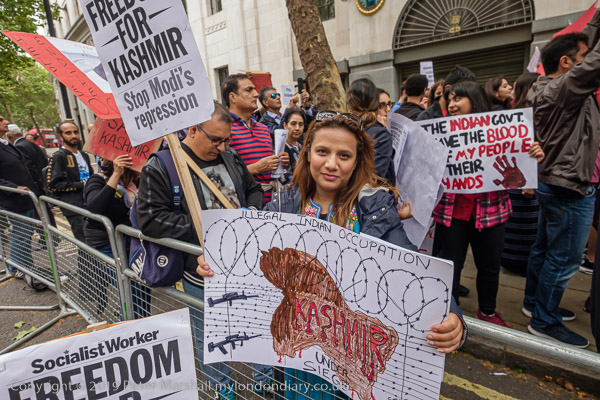
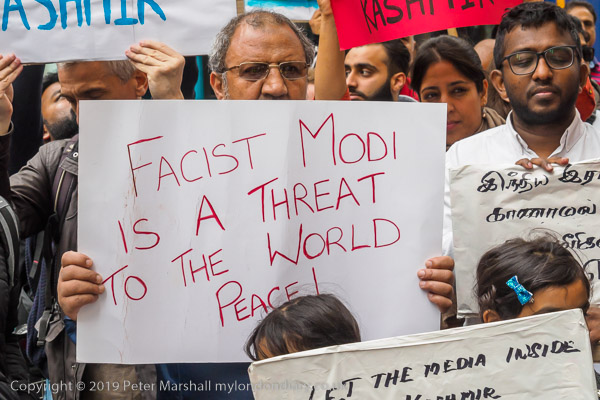
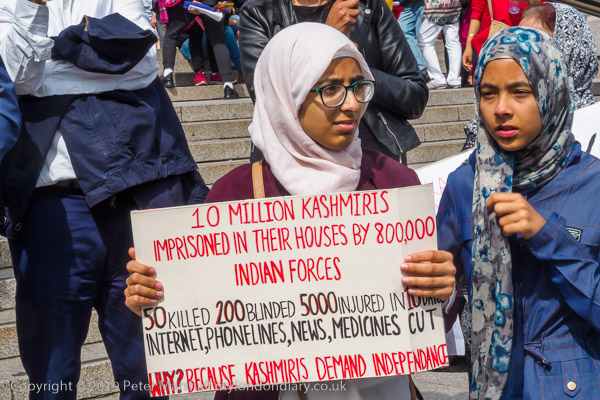
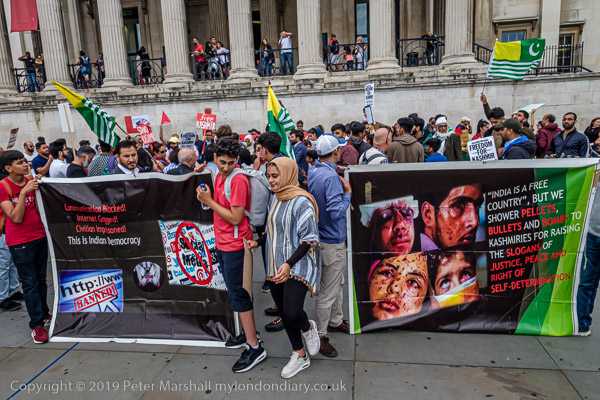
Kashmiris and Cows: On Saturday 10th August 2019 I photographed three events, two of them by Kashmiris after the article of the Indian Constitution which guaranteed some autonomy for their state was revoked. Completely unrelated was a small protest by vegans against diary farming.
Kashmiris protest at India House and Trafalgar Square
When the partition of India took place at independence from Britain in 1947, the state of Kashmir was an anomaly. Although this was a majority Muslim state it was not included in Pakistan as the then ruler decided it should become a part of India.
Kashmir has three regions, Jammu and Kashmir the largest, became a part of India, the Northern areas are under Pakistani administration and a smaller region on the east is controlled by China. The whole area has been disputed by India, Pakistan and China since 1947.
The special status of Jammu and Kashmir was recognised by Article 370 of the Indian constitution. This gave it “the power to have a separate constitution, a state flag, and autonomy of internal administration.“
Many Kashmiris objected to becoming a part of India and campaigned for independence with a brief rebellion leading to war between India and Pakistan in 1948-9. Various other conflicts came in later years and in 1989 an armed insurgency began, at first calling for independence but soon taken over by groups calling for merger with Pakistan.
The uprising has been suppressed over the years by a huge Indian military presence in Kashmir with an occupying force of around 800,000 military and paramilitary personnel and extreme levels of human rights abuses, including torture, deliberate blinding and killings.
In August 2019, under the government of India’s Prime Minister Narendra Modi, Presidential Orders were made revoking Article 370, making Jammu and Kashmir a part of India on exactly the same basis as the rest of the country. They also split Jammu and Kashmir into two different areas, Jammu and Kashmir and Ladakh. Like many, the Kashmiris say Modi is a Hindu fascist and his action has united the country against India.
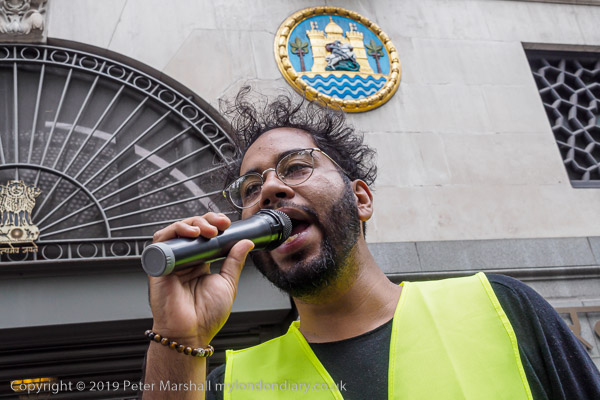
A large and noisy protest took place on the pavement in front of the Indian High Commission, after which the protesters marched to continue their protest in Trafalgar Square.
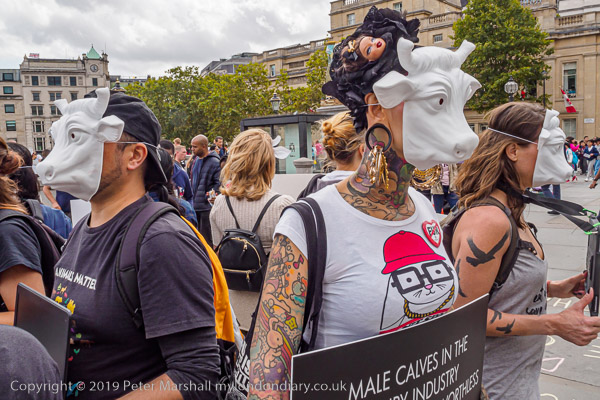
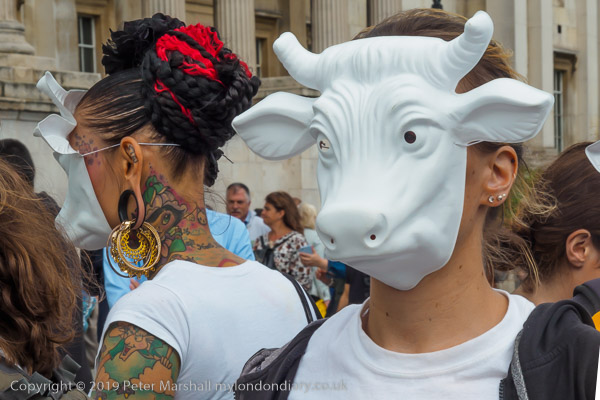
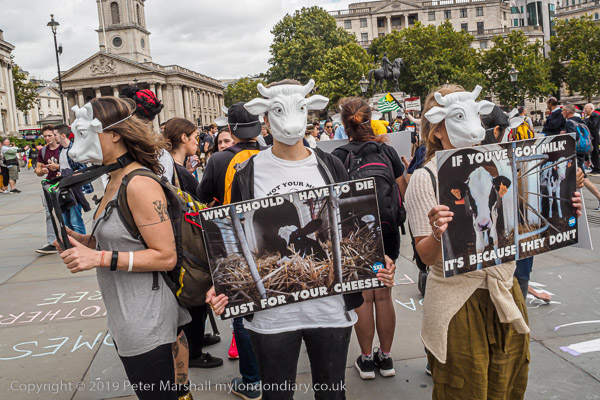
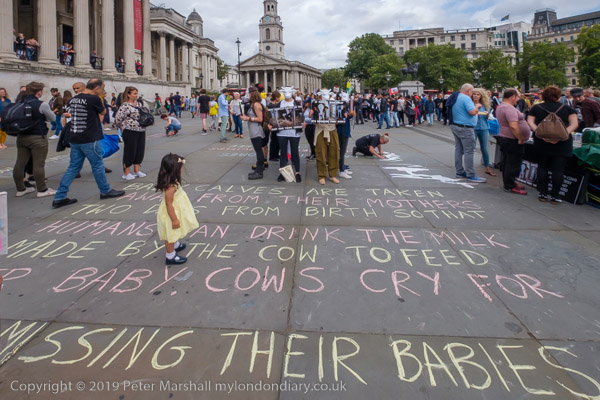
Protesters stood in a small block wearing cow masks in Trafalgar Square calling for an end to diary farming which they claim is inherently cruel, with milk being stolen from cows and male calves being slaughtered soon after birth.
Vegan protesters call cows ‘mothers‘ and calves ‘babies‘, and they say that we ‘steal‘ the milk that the cows produce for their calves, failing to tell people that dairy cows have been bred to produce far more milk than their calves can consume, perhaps 7-10 times as much. And we only have cows in our fields because farmers breed them to produce milk for us to drink. We need to get away from emotional arguments and concentrate on the facts.
Traditional farming treated animals with care and respect – they were (and are) important assets. Some modern intensive practices are certainly cruel and should be condemned, both here and in other countries which mainly have even less strict animal welfare regulations. We could have a dairy industry which treated animals better and many of us would be prepared to pay more for the milk it produced.
There are good reasons to eat less meat and less diary products, but protests like this trivialise the issue. Good reasons why some people become vegans, but also good reasons why we should farm some animals to produce milk and meat. It would be a disaster for the environment if we all became vegan.
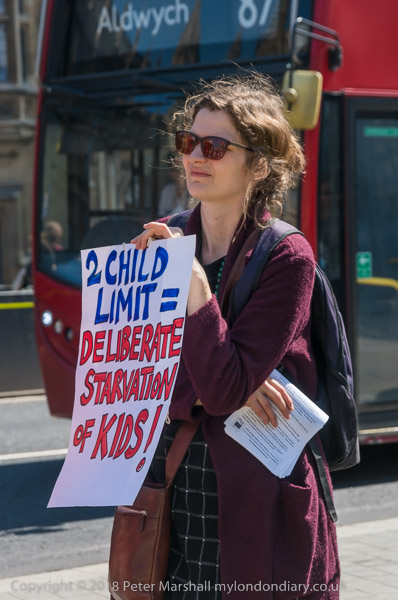
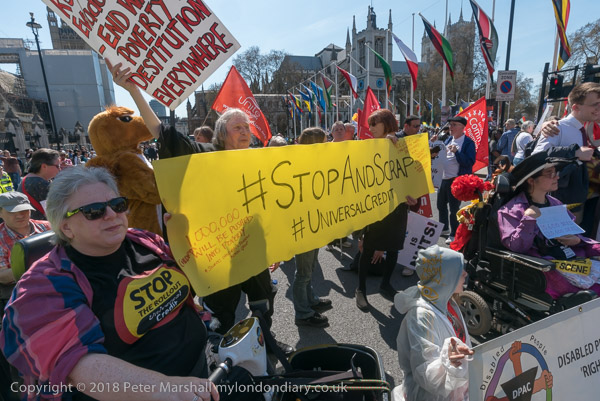
DPAC – Stop & Scrap Universal Credit: A couple of days ago the media were carrying news of a report by the Resolution Foundation on the working of the Universal Credit benefit first introduced in 2013. This found that seven in 10 (71%) families on UC were worse off in real terms now than they would have been under the previous benefits, and that out of work people with disabilities were those likely to have lost most.
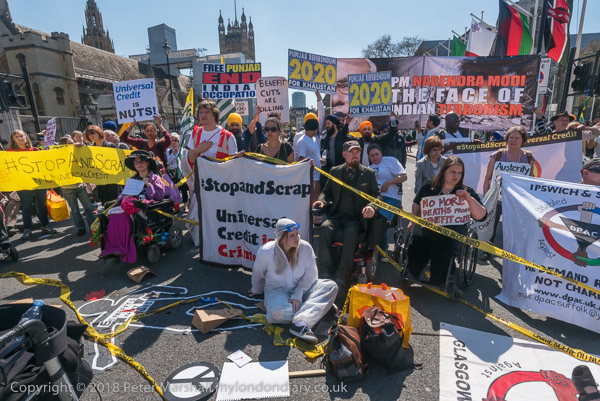
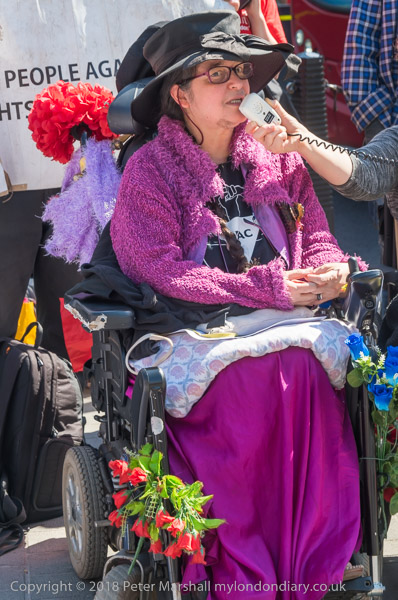
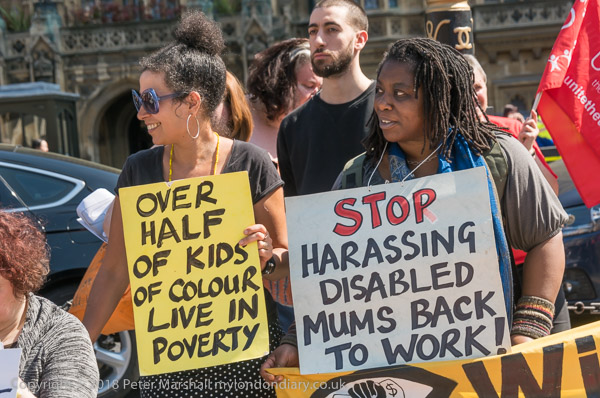
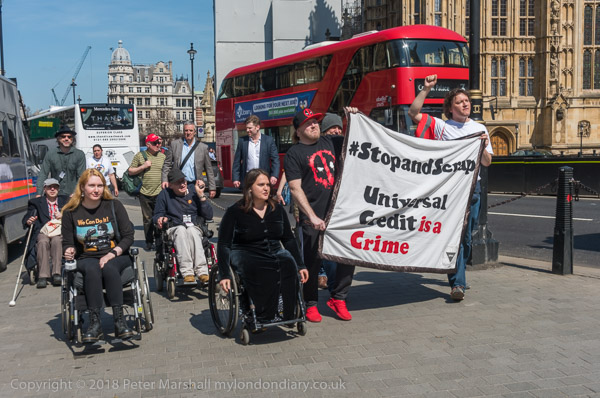
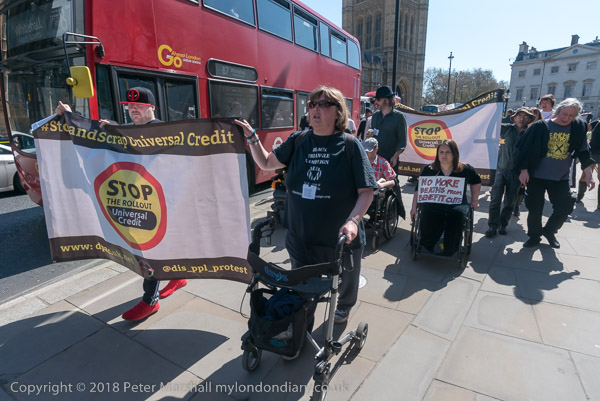
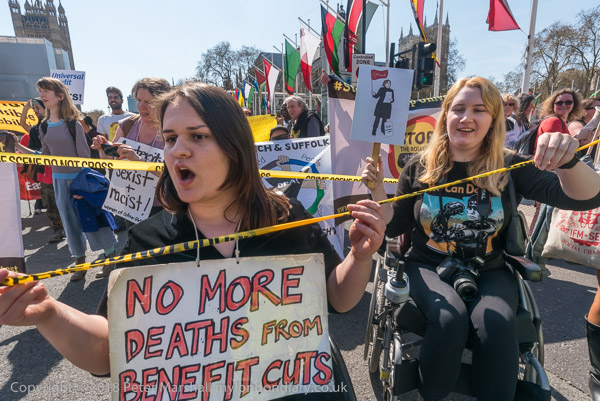
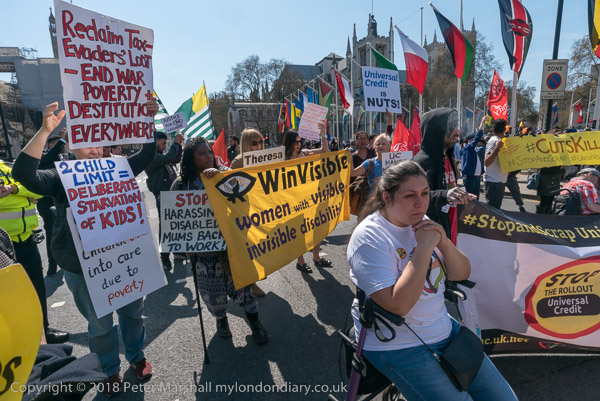
Six years ago, DPAC were already pointing this out and on Wednesday 18th April 2018 campaigners from DPAC (Disabled People Against Cuts), MHRN (Mental Health Resistance Network), Black Triangle, Winvisible and others began a nationwide day of action against Universal Credit in London with a rally in Old Palace Yard and a protest inside Parliament.
Security meant I was unable to cover their protest inside the Houses of Parliament but I met those who had been protesting inside when they came out to join those protesting outside and held a rally in Old Palace Yard.
As that rally ended the campaigners marched into Parliament Square where they blocked the roadway for around half an hour before ending their protest.
DPAC and others say that Universal Credit has so many flaws it must be scrapped, calling it “an economic and political disaster bringing further distress and impoverishment to those forced to endure it“.
Back in 2018 they pointed out it has been particularly disastrous for disabled people. The removal of Severe and Enhanced Disability Premiums means single disabled people lose around £2,000 per year and a disabled couple over £4,000.
There have been some changes in Universal Credit since 2018, but these have mainly been administrative and have not affected the basic unfairness towards the disabled. The Resolution Foundation report suggests that a single person with a long-term disability which prevents them from working would now be £2,800 per year worse off than under the old benefits system.
Their report suggests overall cost of Universal Credit in 2028 will be about £86bn a year, while under the previous system it would have been £100bn, a saving of £14bn, which is being made to the cost of those disabled and others out of work – the poorest groups in our society. In contrast those working and also claiming UC will be a little better off than under to previous benefits system.
As always police found dealing with disabled protesters difficult. It doesn’t look good to be harassing them in the way they would normally act to protesters, and they have a great problem in making arrests of people in wheel chairs or on mobility vehicles. Apparently the Met have only one vehicle which can safely carry either – and only in limited numbers, perahps one at a time.
As well as this protest there was also a large protest in Parliament Square by Kashmiris and Indians from many sections of the community including Tamils, Sikhs, Ravidass, Dalits, Muslims and others against the visit by Prime Minister Narendra Modi, and smaller groups supporting him and his ultra-right Hindu supremacist policies. Indians protest President Modi’s visit Hindus support Modi Save Girl, Educate Girl
And in late afternoon I went to join Environmental group Biofuelwatch holding their ‘Time to Twig’ Masked Ball Forest Flashmob outside the Marylebone hotel where the largest international biomass conference was taking place. ‘Time to Twig’ Masked Ball