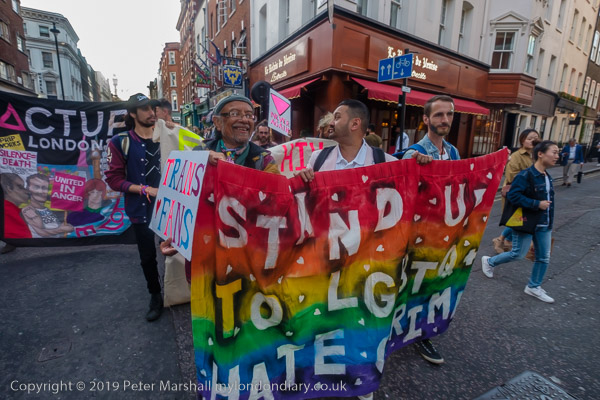
Against Hate Crime

I’d caught a train that should have got me to London in good time to meet the Stand Up to LBGTQ+ Hate Crime protesters outside the Admiral Duncan pub in Soho, chosen because of the nail bomb attack on this gay pub by a Nazi supported in 1999 that murdered three people and injured many more. It was the second in a series of protests to combat the nearly 150% increase in anti-LGBT hate crime in the UK between 2014 and 2018. The campaigners say we should all be able to walk the streets without fear. 
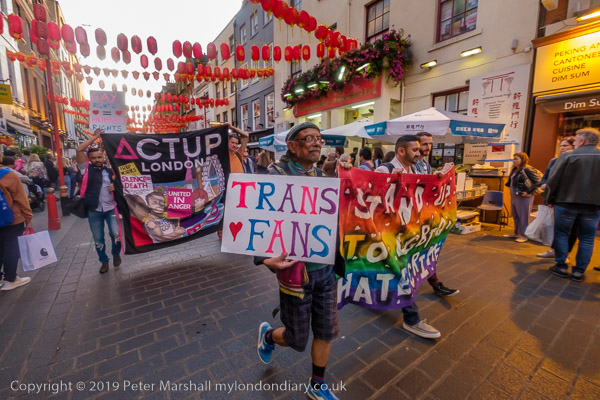
But the South West Railway had other ideas, and my train made several unplanned stops on its journey into Waterloo, arriving around 40 minutes late – over double the normal journey time. It’s hard to understand quite why South West Railway has such a poor record of time-keeping. They use fairly recent rolling stock with automatice doors that cut down calling times at stations by perhaps a minute at each stop. The trains have better acceleration than the older units and I think faster maximum speeds. They cheat by shutting the doors 30 or 45 seconds before the train time – so you may miss the 17.38 unless you are actually there by 17.37:30 – unless it is running late. And most years they manage to add a minute or so to scheduled running time. Back when I first moved to where I now live, the ‘fast’ trains used to get to London in under 30 minutes; now they take 35, an unremarkable speed of 33.6 mph. They are even slower at weekends.
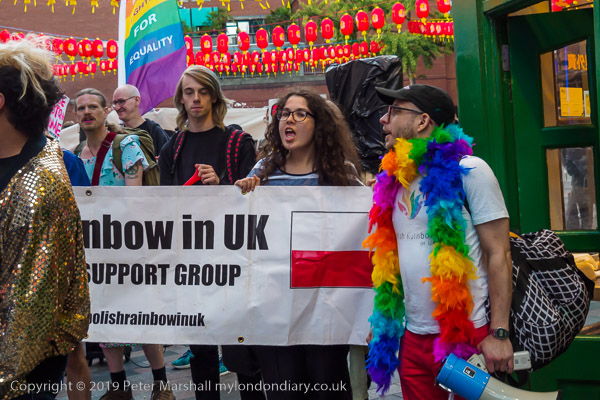
I ran from the station to the bus stop, and fortunately didn’t have long to wait, though buses are now always slow in evening rush hour traffic, though still usually faster than walking over anything but the shortest distance. But I’d known roughly how long it would take and had allowed for that in planning my journey. I ran from the bus stop down Old Compton St, annoyed at having missed the start of the event but hoping I could still find them on their march.
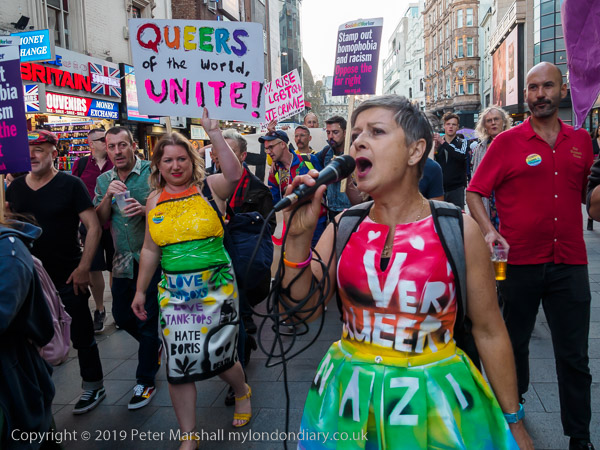
Fortunately they had begun a few minutes later than planned, and I caught them just a few yards from the start of the march, though I was too out of breath to take many pictures immediately. But I was able to go with them on their march through Soho, where they attracted considerable support from many on the streets outside the clubs and bars.

The light was going down noticeably as they marched, though it was still 25 minutes before sunset when they reached Trafalgar Square. But some Soho streets are quite narrow and the light can be low. Trafalgar Square is wide open and there was more light. I was working with the Olympus E-M5II on auto ISO and it wasn’t long before it was sometimes reaching the maximum I’d set of ISO 6400. The results at this setting were noticeably noiser than at ISO3200, but at this and lower ISOs the camera was a pretty good match to the Fuji XT1, which started the evening at ISO 1600 but I later switched to ISO 3200. With a wideangle 10-24mm on this camera I didn’t need to go higher.
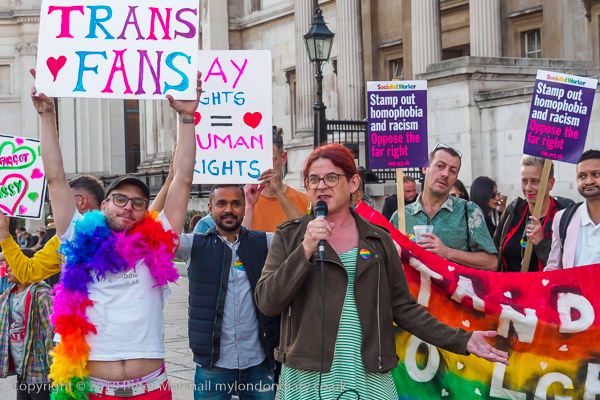
Trafalgar Square had been chosen for the end of the march partly because it was the scene of the murder of Ian Baynham in a homophobic attack almost exactly 10 years earlier, but also because it is a public place with a long record of protests. Protests in the main area of the square now require the permission of the Mayor of London, but the North Terrace in front of the National Gallery, though pedestrianised, still counts as the public highway and protests such as this are allowed.

More at Against LGBTQ Hate Crime


All photographs on this and my other sites, unless otherwise stated, are taken by and copyright of Peter Marshall, and are available for reproduction or can be bought as prints.

There are no adverts on this site and it receives no sponsorship, and I like to keep it that way. But it does take a considerable amount of my time and thought, and if you enjoy reading it, please share on social media.
And small donations via Paypal – perhaps the cost of a beer – would be appreciated.
Regents Canal 200

If you are in London next month you are invited to the private view of the exhibition ‘2020 Vision – Vistas and Views’ at The Street Gallery, University College Hospital, 235 Euston Road, London, NW1 2BU. The gallery is along an area at the front of the hospital – turn right immediately you go through the main entrance – and will be on show until 22nd April 2020.

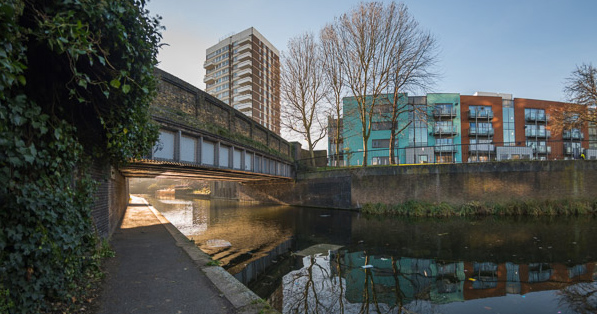
As well as paintings by Hilary Rosen the show includes a dozen pictures from a project I’ve been working on when I’ve had time over the past year, ‘Regents Canal 200‘.

The Regent’s Canal, which runs from Little Venice on the Paddington Arm of the Grand Union Canal to Limehouse Dock was completed and opened in 1820, 200 years ago this year. There are other, more official, celebrations later in the year but I began this project in complete ignorance of these.

I’ve photographed the Regent’s Canal occasionally over the years since the late 1970s, and have hundreds or probably thousands of pictures from it, both in black and white and colour. But since space is limited in the gallery I will only be showing a small selection of the several hundred colour panoramas I’ve made over the past year.

Please RSVP to Laura Bradshaw – laura.bradshaw7@nhs.net 020 3447 7146 – though you will be welcome anyway, and Hilary and I will be pleased to see you there. If you want to print out a copy of the invitation you can open it as a PDF.


Suicide Crisis

I hadn’t realised until I went to this event the terrible scale of the suicide crisis this country is now facing. It isn’t something that is entirely evenly distributed and I have to think for a long time to recall someone I know personally who has actually killed themselves. But while talking to a friend a few months ago she told me that over 20 people she had know had taken their own lives, all disabled people in desperate circumstances because of cuts in benefits, either because of unfair assessements or following benefit sanctions.

I had a shock a few weeks ago, waiting for a train at a busy London station, standing on the platform when something had clearly gone wrong, with railway staff running down the neighbouring platform to stop an incoming train. I glanced back down the track and quickly turned away as some distance away there was clearly a body and a great deal of blood on the line. My train was just coming in and I got on and left without knowing what had happened, but several times a year the trains on my own line are halted because someone has jumped in front of a train at another station.

The last person I knew who did so was a photographer, Bob Carlos Clarke, who in 2006 walked out of the Priory Hospital in Barnes and threw himself in front of a train at a nearby level crossing. A year or two earlier I’d had some long telephone conversations with him about his book ‘Shooting Sex: The Definitive Guide to Undressing Beautiful Strangers’ and he had sent me a CD-Rom with some of his pictures, though I don’t think I ever got round to writing more than a short note about it – it wasn’t my sort of photography.

I’d come across suicide – or rather attempted suicide – at a much closer distance in my teenage years when I’d actually interupted someone who was trying to electrocute themselves, pulling away one of the mains wires they had wrapped around a finger and had burnt into their flesh. It was an event that seared itself into my mind too.

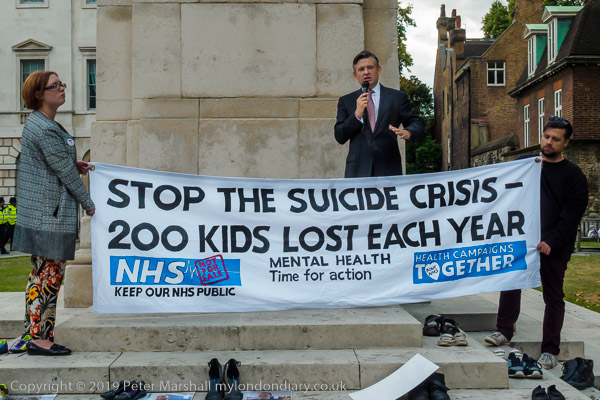
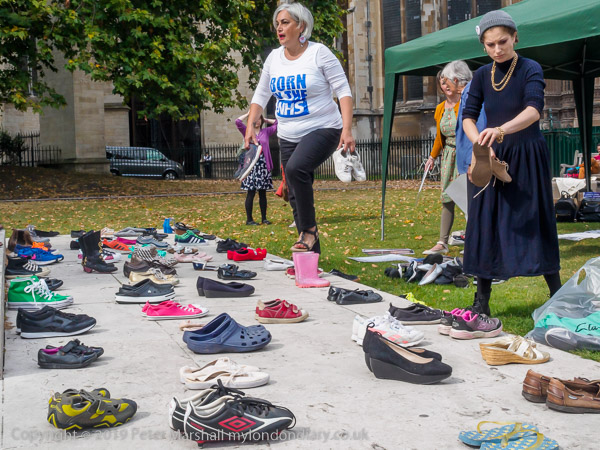
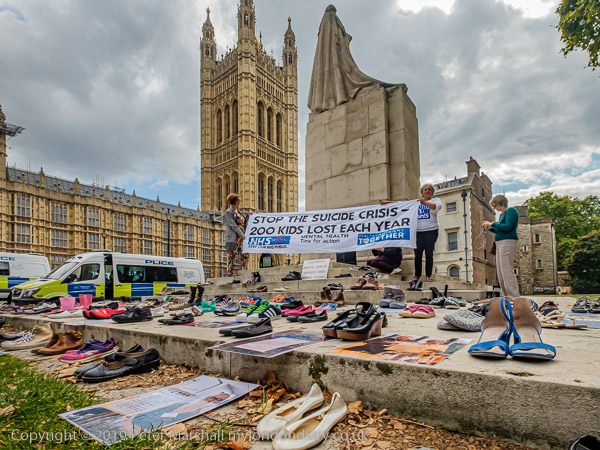
What shocks me now are the statistics on teenage suicides, with UK official figures showing more than 200 school age children now kill themselves each year. The campaigners were laying out 200 pairs of shoes to represent these 200 fatalities, 200 lives ended. One of the main factors that lead to this is the failure of mental health services, which simply lack the resources to deal eefectively with the problem, particularly with the problems of young people. Speakers told some horrific stories of teenagers waiting for months to get the specialist care they desperately need or at being let down by what care is provided.

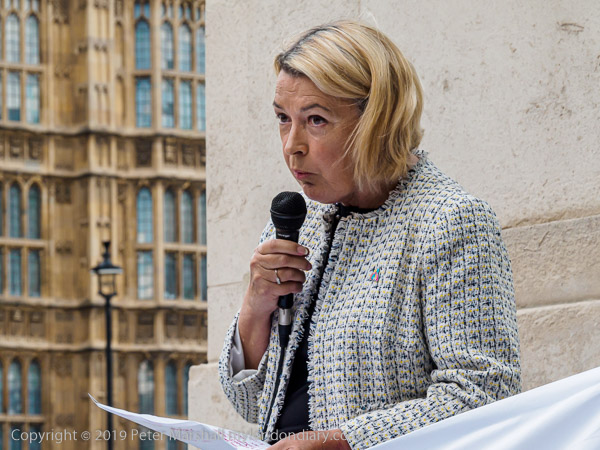
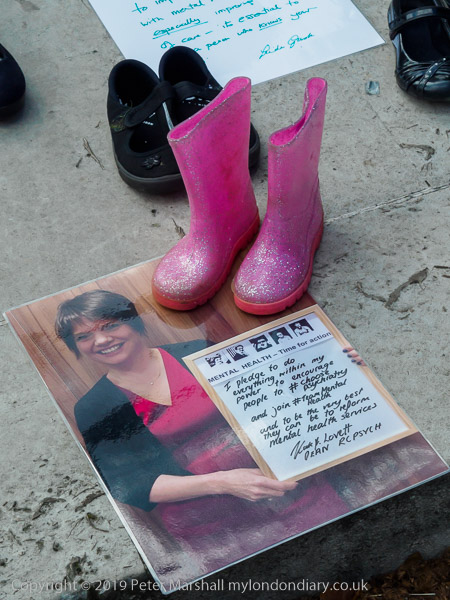
A number of MPs and others had pledged support and some were shown on posters with their promises in writing, GPs and psychatrists came to speak, along with both the Shadow Minister for Mental Health & Social Care Barbara Keeley and Shadow Secretary of State for Health Jon Ashworth came and pledged a Labour government to action. But unfortunately we haven’t got a Labour government.

More at: Stop the suicide crisis.


All photographs on this and my other sites, unless otherwise stated, are taken by and copyright of Peter Marshall, and are available for reproduction or can be bought as prints.

There are no adverts on this site and it receives no sponsorship, and I like to keep it that way. But it does take a considerable amount of my time and thought, and if you enjoy reading it, please share on social media.
And small donations via Paypal – perhaps the cost of a beer – would be appreciated.


London life

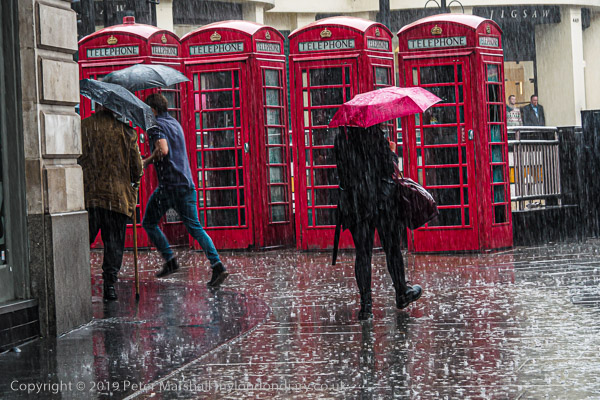
Possibly the only real weather pictures I took in 2019 were a couple during a short but torrential downpour in central London. I was travelling between protests and had stopped to change buses, and was fortunately standing under a bus shelter when what had been the occasional drop of rain suddenly went rogue. When a woman walked past under a pink umbrella I saw there was a picture and manged a couple of frames with a short telephoto before she walked out of frame and, more or less at the same time my bus arrived.

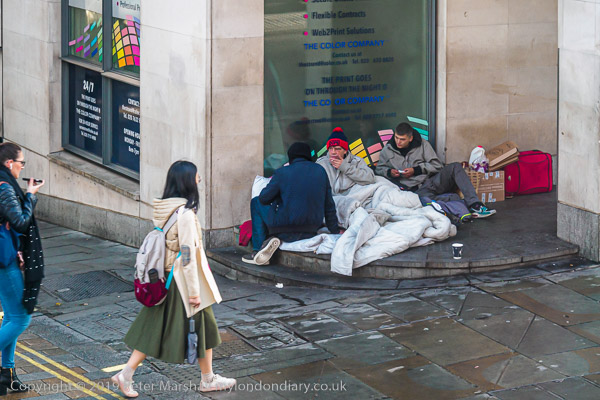
By the time the bus had gone along most of the Strand the rain had stopped and the pavements were beginning to dry. I looked down from the top deck of the bus and saw this group of three men sheltering in front of a print shop with bedding and belongings beside them. It’s a sight that is unfortunately far too common in London now, though virtually unknown in my younger days when I started taking pictures.

Under both New Labour, Tory Lib-Dem coalition and Tory governments we have seen increasing inequalities and a change in government policies, increasingly moving away from an attitude of care for the welfare of the poorest and towards a criminalisation of poverty, with councils bringing in bylaws that regard people living on the streets simply as an incovenient eyesore, fining people who feed those on the streets and also those sleeping rough. We used to say that Britain was a Christian country, but it’s hard to see that in practice now.

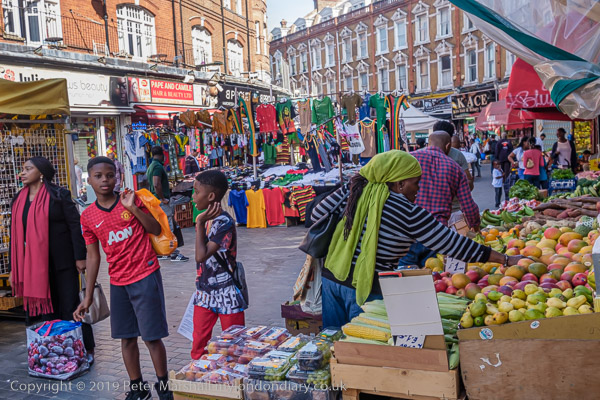
I was in Brixton for a protest against the continuing persecution of Windrush family members and other migrants and the increasing levels of hate crime encouraged by government policies and actions. Places like this are suffering from the Home Office’s ‘hostile environment’ and immigration removal squads. But I’m always impressed by the colour and vibrancy of the place – and so are all those wealthy young people who are moving in and leading its gentrification.

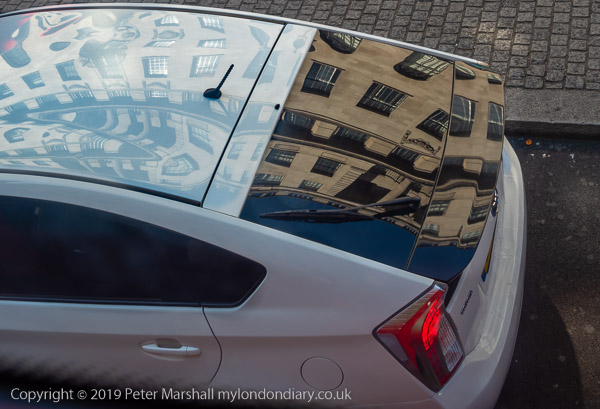
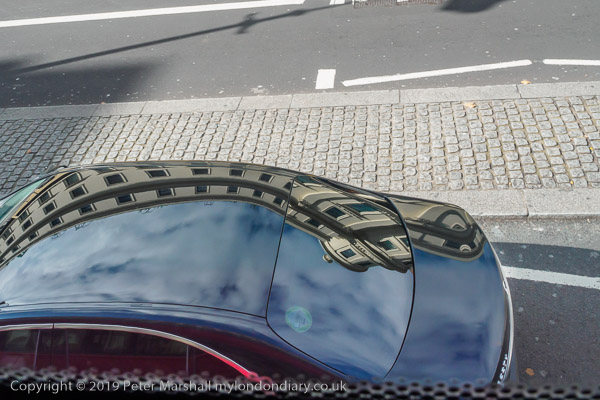
One of those things that you obviously see when travelling by bus – at least if you have the energy to climb the stairs to the upper deck of London’s many double-deckers is the roofs of the cars. I’m always rather disappointed if the bus I’m taking turns out only to be a single decker, as the views from the top deck are so much more interesting.

This month the various traffic jams around Trafalgar Square gave me plenty of time to contemplate the reflections in car roofs and to photogrpah a few of them. It’s rather tricky angling the camera down at an angle and often the glass is too dirty to make it worthwhile; reflections also often spoil the images, though I use my arms and coat to try to cut them out. I do have the solution to this in a giant floppy lens hood, but that sits protecting a little dust on my desk at home whenever I need it.

The line of hexagons at the bottom of this image rather adds to it, and is on the window of the bus. I think this is the full frame as I made the picture and would perhaps benefit from a slight crop at top and right. Although the sun was out, you can see a sky pretty full of clouds reflected in the roof.

See more pictures from my September travels around London on My London Diary at London Images .


All photographs on this and my other sites, unless otherwise stated, are taken by and copyright of Peter Marshall, and are available for reproduction or can be bought as prints.

There are no adverts on this site and it receives no sponsorship, and I like to keep it that way. But it does take a considerable amount of my time and thought, and if you enjoy reading it, please share on social media.
And small donations via Paypal – perhaps the cost of a beer – would be appreciated.

Yorkshire Dales

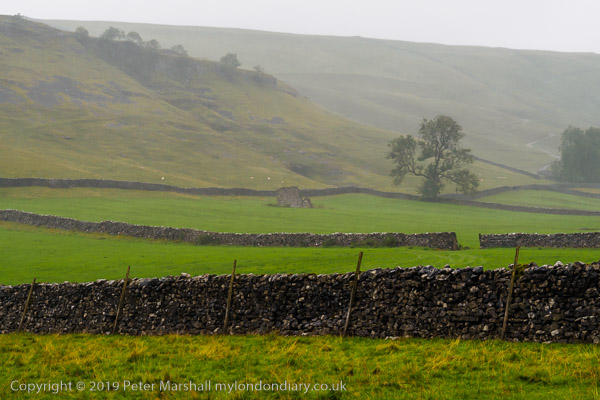
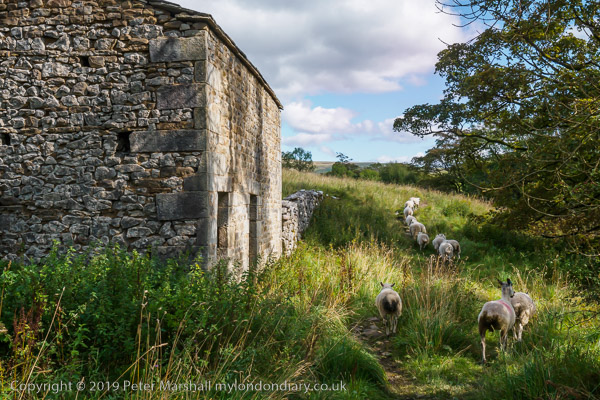
Writing this at the end of a day of lousy weather, wind and rain that caused transport havoc somehow seemed an appropriate time to think back about our week’s holiday last year in Wharfedale, one of the Yorkshire dales. The weather forecast for that week was little more encouraging, but in fact the weather turned out rather better than the forecast. Folowing our great gale back in 1987, when BBC forecaster Michael Fish had told us not to worry about it, according to Wikipedia, “major improvements were later implemented in atmospheric observation, relevant computer models, and the training of forecasters. Perhaps the major aspect of that training was to make all forecasts on the pessimistic side.

And while today there have been floods in some towns, trees blowing down and blocking roads or falling through roofs and it must have been terrible for those concerned, as well as for the many homeless on our streets, it hasn’t been a great disaster for most of us. And many photographers will have been out taking ‘weather pictures’, and a few living in the worst hit areas may have made decent sales. It’s not a speciality I’ve ever had much interest in, though I have sometimes gone out to take pictures in the snow because of the very different look that places have.

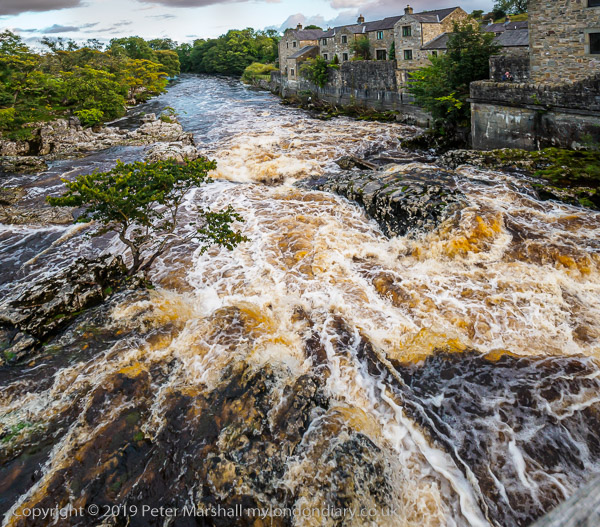
So although the forecast for our holiday week was pretty dire, it didn’t turn out quite so bad, though we did get quite a bit of rain, but there was also some unforecast sunshine. And that rain did make the several waterfalls we visited rather more impressive than in a dry summer.

I took only one camera with me on holiday, travelling fairly light with the Olympus E-M5 II  and just a couple of lenses. No flash, no tripod but several spare batteries made up my kit. It would have been a very light kit with just the 14-150mm, but I also took the slightly buliky but outstanding Panasonic Leica DG Vario-Elmarit 8-18mm f/2.8-4.0 ASPH, something of a mouthful. To be fair it is well less than half the weight of an equivalent full frame lens, but for a holiday I could perhaps just have taken a fixed focal length ultrawide. But such things hardly exist.

The Olympus is a fine camera for holiday use, and I have used it for photographing events, but there I find it just a little disappointing, espcially in low light. With both a physically smaller sensor and a smaller file size the results have sometimes not quite had the image quality I want.

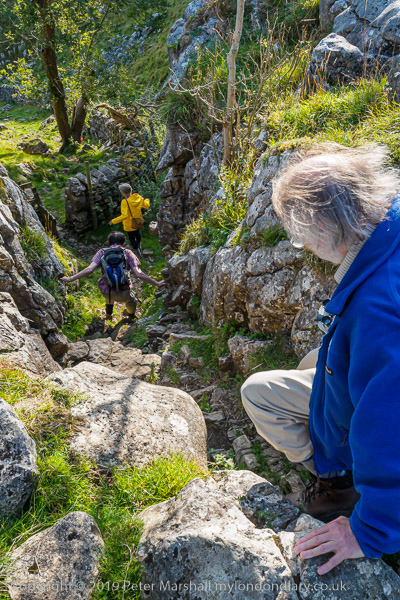
One thing I was pleased to have with me was a poncho. I’d bought one after seeing another photographer working wearing one, but hadn’t yet worn one myself at work. I generally rely on the Met Office’s forecast and dress accordingly and somehow it hasn’t yet been poncho weather, but up in Yorkshire it certainly was on several days, with at least light rain and reasonably warm. Warm enough to work up a sweat walking up hills in a jacket while a poncho gives plenty of ventilation. Most of the time the camera sits in the dry under it, and you can just pull it up on the outside when you want to take a picture.

Here are some links to the pictures:

Kettlewell and Starbotton
Skipton
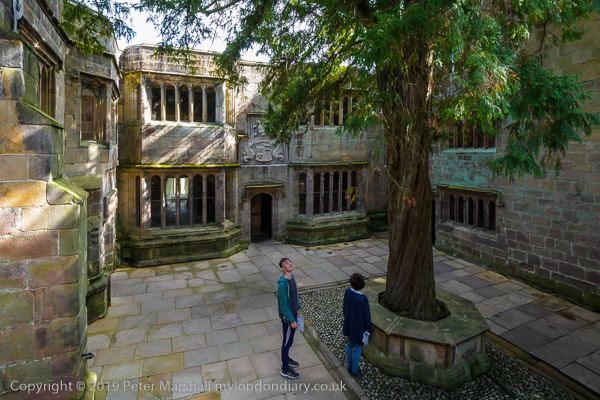
Bolton Castle
Wensleydale waterfalls
Kettlewell & Arncliffe circular
More Kettlewell
Skipton Castle
Litton Church & Falls
Buckden circular
Kettlewell final
Linton
Conistone walk


All photographs on this and my other sites, unless otherwise stated, are taken by and copyright of Peter Marshall, and are available for reproduction or can be bought as prints.

There are no adverts on this site and it receives no sponsorship, and I like to keep it that way. But it does take a considerable amount of my time and thought, and if you enjoy reading it, please share on social media.
And small donations via Paypal – perhaps the cost of a beer – would be appreciated.

Jan 2020 – My London Diary

My London Diary for January 2020 is now complete. The month ended on a sad note as we left the European Union, something we just have to try and make the best of, at least for the moment. Rather than the fight over whether or not to leave we will now be fighting against some of its more dangerous and oppressive consequences, and perhaps we will see greater national unity in some of those struggles as Brexiteers too find out what Brexit really means.

I’m still trying to cut down on the new work that I do, and to cope with my huge archive of images on film. On Facebook I’m currently uploading a picture a day from those black and white images I took in 1984, while on Flickr I’ve posted albums of pictures from 1977 to 1982. Since I last used film around 2005 there is quite a long way to go. I’m chosing a little more carefully which events to cover and realising I can’t do everything.

Jan 2020

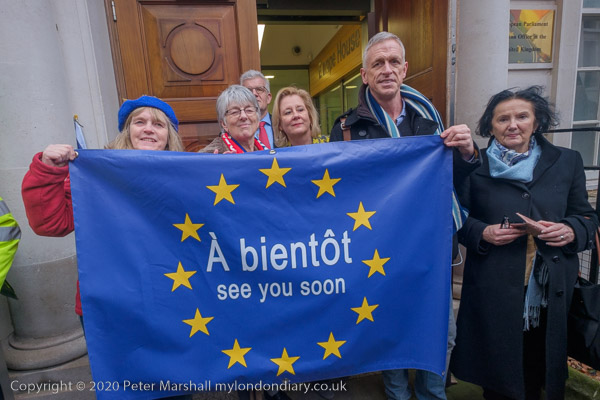
À bientôt EU, see you soon
Extremist Brexiteers Behaving Badly
British National (Overseas) Passports

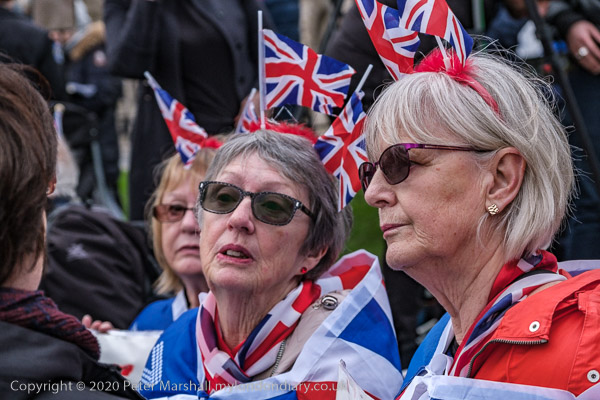
Brexiteers celebrate leaving the EU
Cargill, worst company in the World
Twickenham walk

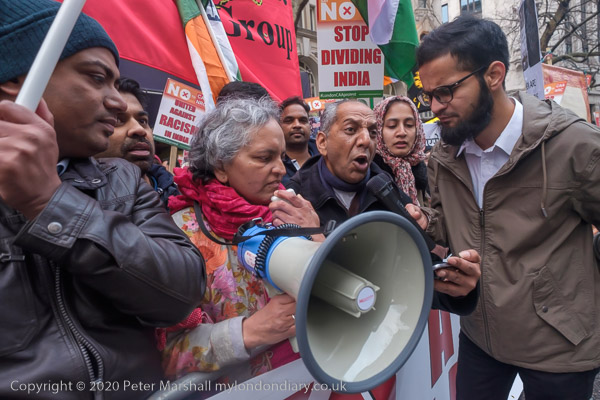
March against fascism in India
Zimbabwe Embassy weekly protest
Rally Against Fascism in India
Resisting State Violence – Brazil to India

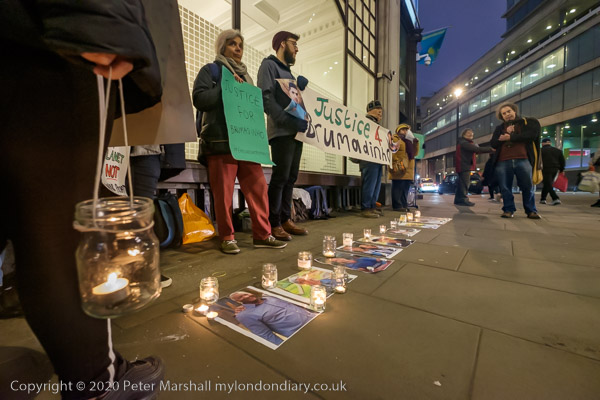
Brumadinho mine disaster vigil
Regent’s Canal panoramas
Ugandans at UK-Africa Investment Summit
Egyptians at UK-Africa Investment Summit

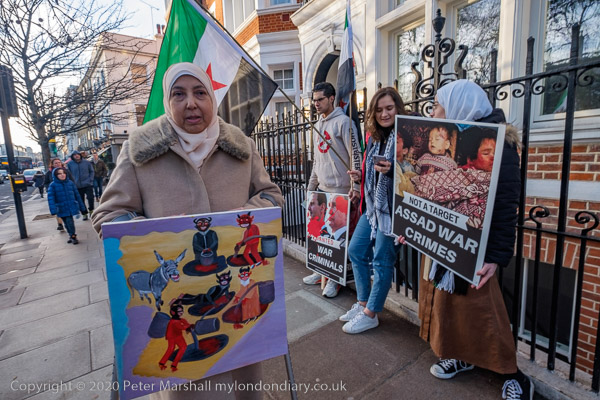
Against war crimes in Idlib
Earth Strike Oxford St rolling protest
‘Stay Put’ Sewol silent protest
Support for Anti-regime Protests in Iran
Release the Russia Report

Fight Inequality Global Protest
No War on Iran rally

No War on Iran march
Act over Australian Bushfires
Justice for Cyprus Gang Rape Victim
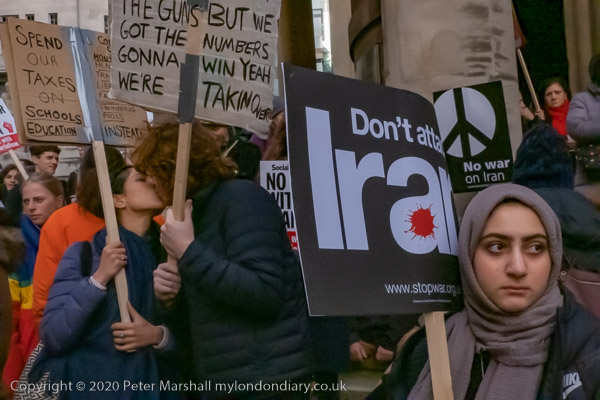
No War With Iran

London Images


All photographs on this and my other sites, unless otherwise stated, are taken by and copyright of Peter Marshall, and are available for reproduction or can be bought as prints.

There are no adverts on this site and it receives no sponsorship, and I like to keep it that way. But it does take a considerable amount of my time and thought, and if you enjoy reading it, please share on social media.
And small donations via Paypal – perhaps the cost of a beer – would be appreciated.

Students for democracy

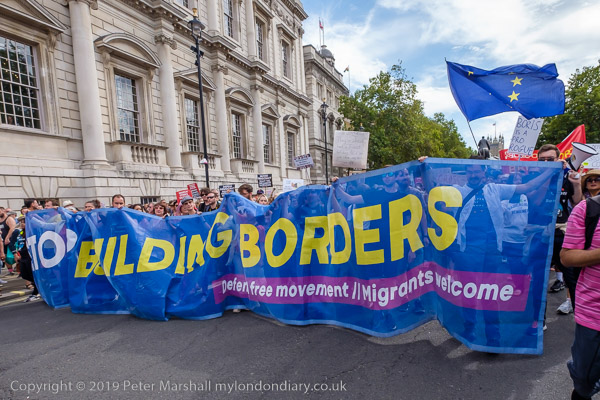
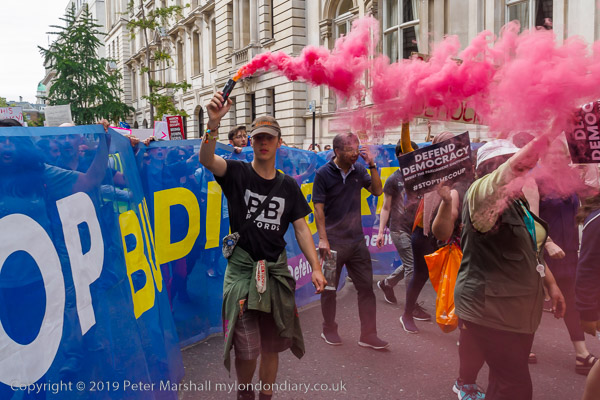
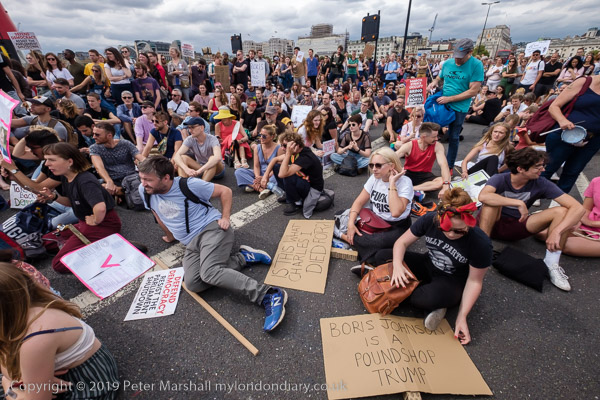
After a lengthy rally in a packed Whitehall, so full that police asked the organisers to tell people at the end only to move out in the direction of Trafalgar Square to avoid the danger of people being crushed as the Parliament Street end was so packed, Youth Strike for Climate and other mainly young protesters decided it was time for some more direct action.

It had been a long rally, with speaker after speaker, and the crowd in front of the stage was so packed that I was unable to move through it as I usually do during the more tedious of the speeches. There were some good speeches, and some well-known speakers, but I now find standing in one place for a long time makes my legs start to itch and throb, inflaming my varicose eczema.

So when the Youth Strike moved off, I was more than happy to follow them, though I did hope they would not move too far. There were other groups that marched as well as those I was with, some going into the West End, but fortunately these marchers went to a rather more convenient place for my journey home.

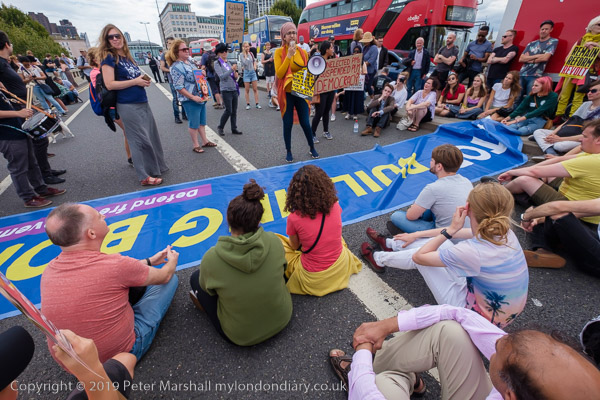
As they marched up Whitehall, police appeared to be forming a cordon across the top of the street, and they turned right down Whitehall Place, then continuing up Craven Street to The Strand. Police made no further effort to stop them, with just a few officers marching with them as they made their way onto Waterloo Bridge and sat down, blocking the south-bound carriageway.

They began their own rally there, and there were several short speeches, but the lure of Waterloo Station just a short distance further on soon proved too great, and I left to go home. As I walked off the bridge, several vans full of police arrived and were doubtless about to attempt to re-open the bridge to traffic, but I’d had enough.

More pictures Students March to Defend Democracy.


All photographs on this and my other sites, unless otherwise stated, are taken by and copyright of Peter Marshall, and are available for reproduction or can be bought as prints.

There are no adverts on this site and it receives no sponsorship, and I like to keep it that way. But it does take a considerable amount of my time and thought, and if you enjoy reading it, please share on social media.
And small donations via Paypal – perhaps the cost of a beer – would be appreciated.

Democracy under threat

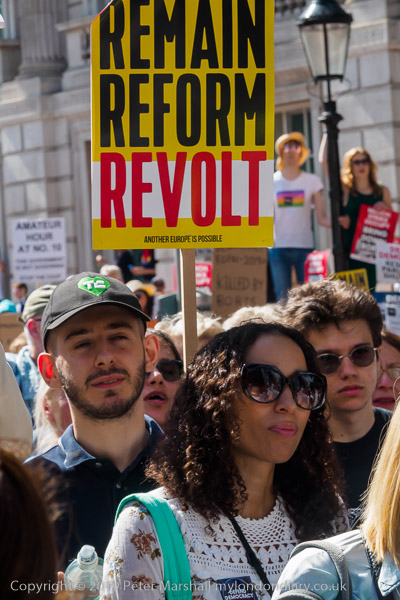
Democracy in this country is certainly not perfect, but what we have is the result of hundreds of years of history, of the fight for power between the monarchy and a parliament which has long represented the interests of the rich and powerful. An early victory along the road came with Magna Carta, when the barons who had spent the night just a few hundred yards from where I now live, forced King John to sign a document that outlined some basic freedoms and the principle that the monarch was subject to the laws of the land.

It wasn’t a document that did a great deal for the peasants or the serfs, though two years later another charter by Henry III did restore some of the rights of free men which had been appropriated following the Norman invasion.

Despite the rise in the twentieth century of the Labour movement, our democracy remains one that largely protects and serves the interests of the rich and powerful. And although theoretically we are all equal under the law, in practice this has never been the case. And although the constraints and enforcements are generally more subtle than in most countries we are still a feudal country in many ways, with power still residing in the ownership of land, including huge areas by the descendants of those Runnymede barons, as well as the ownership of media. And occasionally the monarchy and its agents still bites – as Dr David Kelly’s staged suicide shows.

Much of the more recent amelioration in areas such as worker’s rights has of course come from our membership of Europe, driven by countries which had the sense to behead their royalty or lost them in wars. There is a huge irony in the continual parroting by some working class Brexiteers that Brexit is “taking our country back“. It is – but giving it back to the rich.

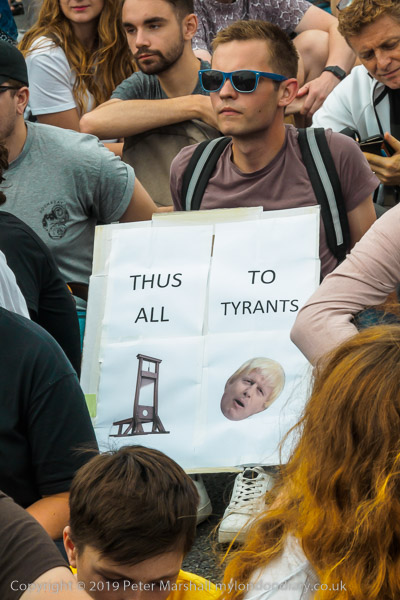
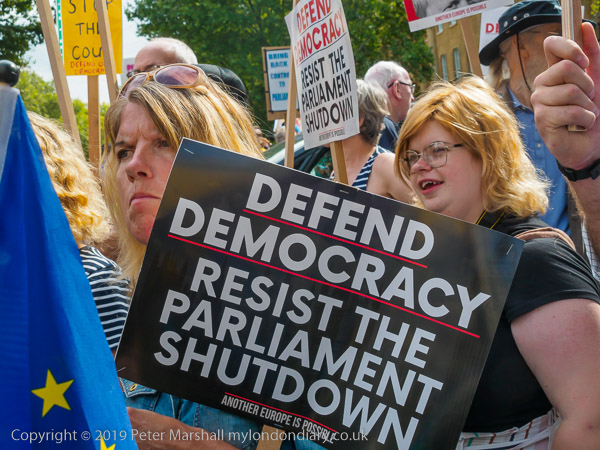
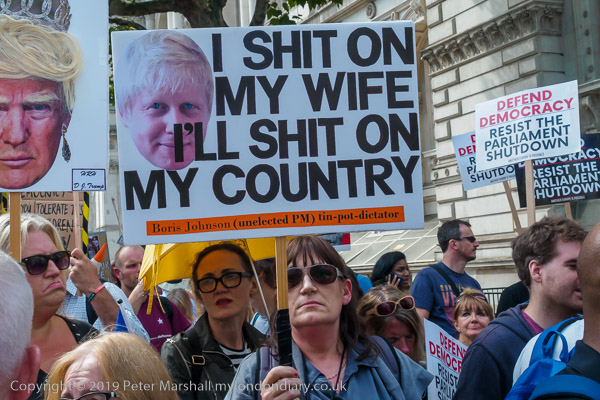
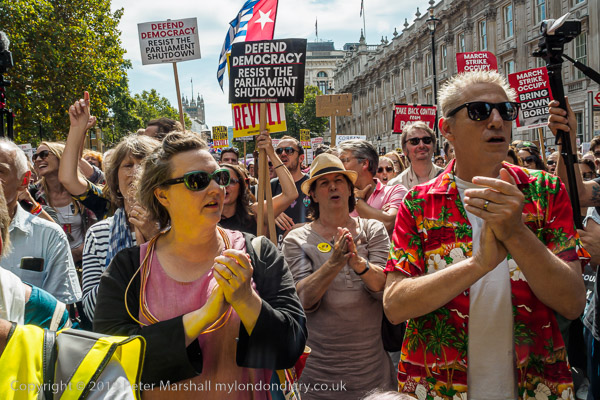
Boris Johnson’s government is a part of this process of restoring control to wealthy elites, taking power away from Parliament. The government tried to close down debate on leaving Europe without a deal by simply shutting down Parliament. Eventually the Supreme Court decided that the move was illegal. Now that the Tories have a large majority it seems certain that the powers of the court will be limited to prevent such legal scrutiny occuring again. And already parliament is having its powers to debate any new trade agreements removed.

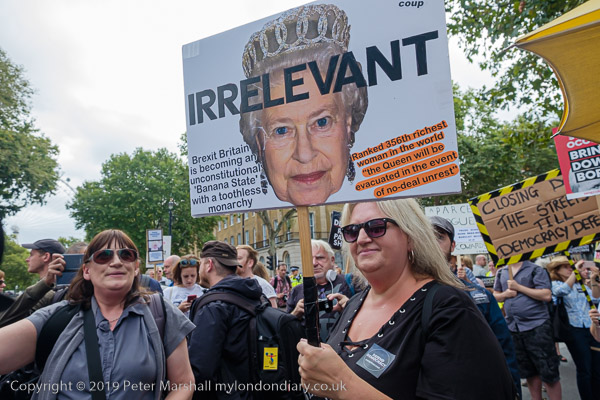
Although ‘Boris’ cultivates the image of a clown, it’s wrong to think he is one, or indeed that he is really in charge, rather than just a figure-head being allowed to perform by others with far more serous designs. And while some posters featuring the monarchy were amusing, the suggest that they carry that we would somehow be better off if the monarchy was more powerful is misguided. We may well be heading to become an unconstitutional ‘Banana State’ but we would be better fighting for a people’s republic.

More pictures: Defend democracy, Stop the Coup.


All photographs on this and my other sites, unless otherwise stated, are taken by and copyright of Peter Marshall, and are available for reproduction or can be bought as prints.

There are no adverts on this site and it receives no sponsorship, and I like to keep it that way. But it does take a considerable amount of my time and thought, and if you enjoy reading it, please share on social media.
And small donations via Paypal – perhaps the cost of a beer – would be appreciated.

On the Moor

Staines Aqueduct and water works

It was August Bank Holiday, the last Monday in the month, and I thought vaguely about going up to photograph the carnival in Notting Hill as I’ve done in many previous years. But only rather vaguely; I used to revel in the loud music and the crowds, feeling the ground and my whole body vibrating to the powerful bass, dancing along with the crowds by the sound systems and Mas bands.

River Colne, Staines Bypass from the sluice for the River Ash

But more recently, though I still get a thrill from carnival I also get tired rather quickly, and soon find myself wanting to go home or anywhere to enjoy some peace and quiet. And since I left regular employment to go full time into photography, Bank Holidays have lost the attraction they used to hold. I’m my own boss and can take any day off, and am more likely to be working on them and weekends than on weekdays.

Bank Holidays have often become times for us to go on overlong country walks, taking advantage of the earlier times we can get the lower ‘Super Off-peak Fares’ on our local trains to get to our starting point. But this time both Linda and myself were hobbling a little – I’d been on my feet too long taking photographs over the previous week and she was still suffering from a minor bike accident, and, as she reminded me, there was plenty to do in house and garden.

River Colne and Staines Moor

I can’t quite remember what that plenty was, or how much or probably little I did of it, but by mid-afternoon we were both of us ready to give up and go out for a short local walk. It turned out to be a little further than either of us anticipated, having forgotten quite how long taking the path we did would commit us to, and what we had intended to be a couple of miles turned out to be five, with the last two or three becoming rather painful. But at least it was a fine day.

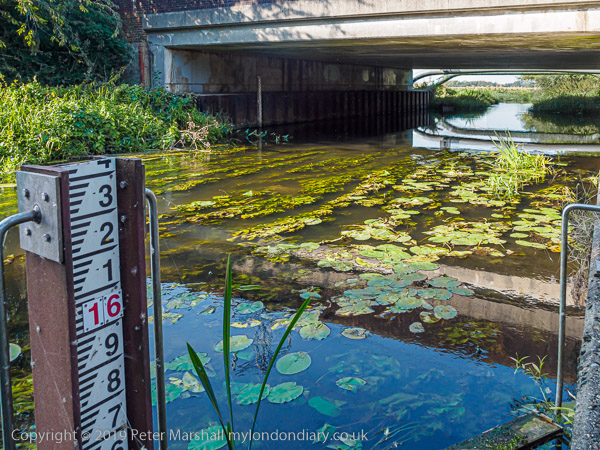
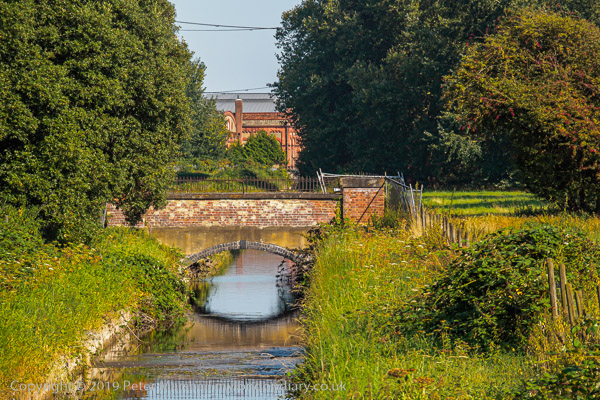
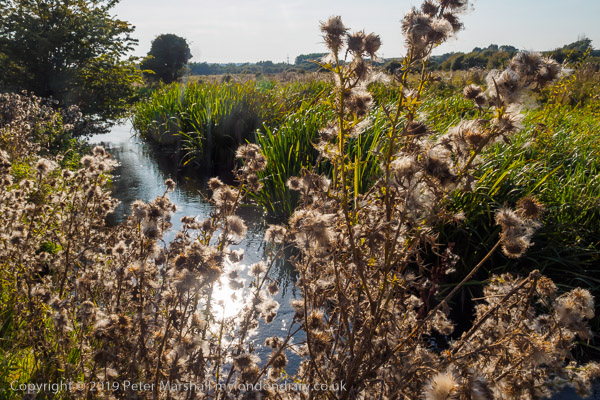
Staines Moor is an oddly interesting place. Dead flat apart from the ant hills and a man-made lump once part of a rifle range. Continously grazed for at least a thousand years but not ploughed, a SSSI. Part of a number of areas of common land which used to surround Staines, though the part our house backs on to missed out on registration. There were fights and riots when parts here were enclosed, with rancour continuing into the early years of last century over the Lammas. And fights which still continue over gravel raising, which has taken place over much of the area – and gravel companies who own the moor and have worked around its edge certainly still have their eyes on it. It’s a curiously quiet place surrounded by noise from the M25, the Staines Bypass and aircraft climbing or descending to its neighbour Heathrow. A flat area with on two sides the long sheep-grazed flanks of giant reservoirs.

Our walk took us beside or past four of the rivers of Staines – and just briefly close to home by the other two, the Thames and Sweep’s Ditch. The four are all streams of the Colne – the main river, the Ash, Bonehead Ditch and the Wraysbury River. We also twice crossed the Staines Aqueduct built in the early years of the 20th centruy to take water from the Thames at Wraysbury to Staines and Hampton, still present though at least partly replaced by a 2.4m diameter tunnel in 1960-63. It was responsible for considerable flooding in Staines in 2014, overflowing into the Ash.

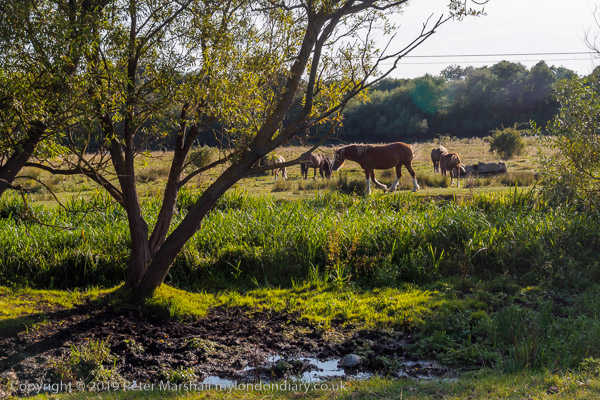
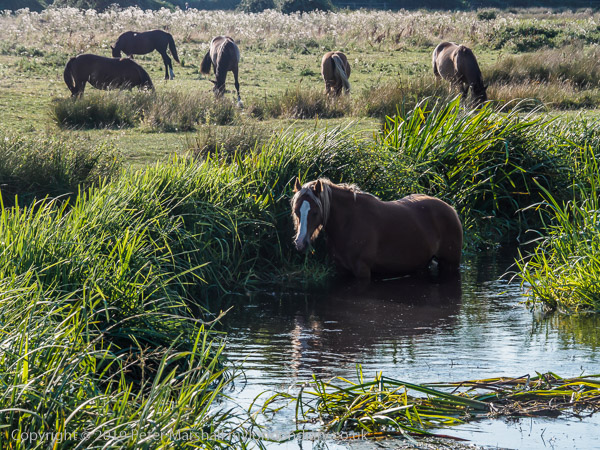
The moor is still grazed, though rather less intensively than it used to be. We live on the wrong side of Staines to have grazing rights, and in any case came too late to the area to register for ‘farrens’ in 1965. So none of those horses or cows in the pictures are ours.

Too many more pictures at Staines Moor.


All photographs on this and my other sites, unless otherwise stated, are taken by and copyright of Peter Marshall, and are available for reproduction or can be bought as prints.


LGBTQ+ in Poland under threat

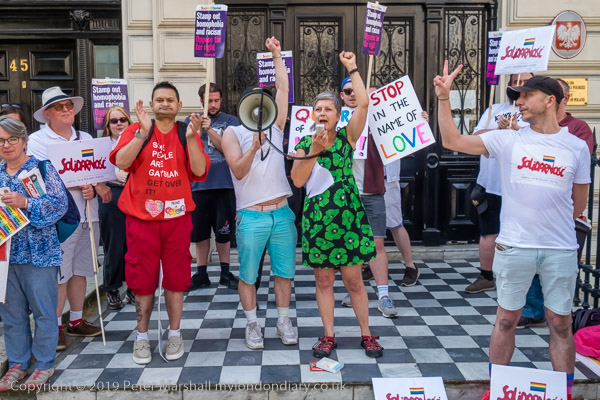
Poland has a long history of tolerance, with homosexuality only being criminalised by occupying powers (most recently during the second world war), and consensual same-sex acts were decriminalised under the Penal Code of 1932 with the age of consent being set at 15.

But Poland is also in many respects a deeply conservative country, with a 95% Roman Catholic population. Many basic human rights are still denied in Poland, and various EU directives on equal treatment get ignored as “unconstitutional”. Amnesty, quoted by Wikipedia, in 2015 concluded that “the LGBTI community in Poland faces widespread and ingrained discrimination across the country” and that “Poland’s legal system falls dangerously short when it comes to protecting lesbian, gay, bisexual, transgender and intersex (LGBTI) people and other minority groups from hate crimes”.

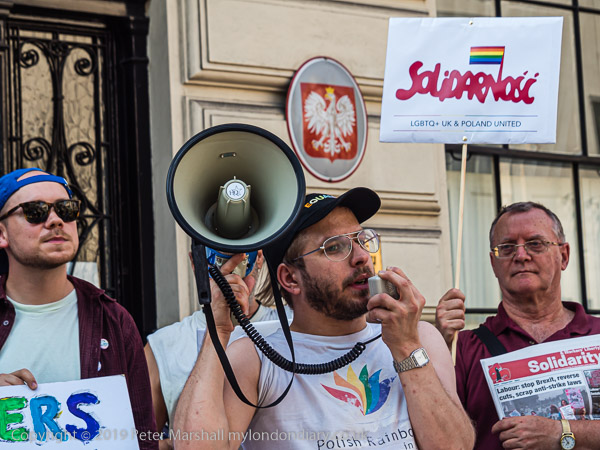
Things have got succesively more difficult since the Law and Justice (PiS) party came to power, becoming a majority government in the 2015 elections. Their campaign in the 2019 elections was strongly around opposition to gay rights, and several cities and provinces covering most of south-east Poland issued declarations of ‘ LGBT free zones’, later amended to be called ‘LGBT ideology-free zones’. In December December 2019, the European Parliament voted by over 4 to1 to condemn the over 80 LGBTI-free zones in Poland.

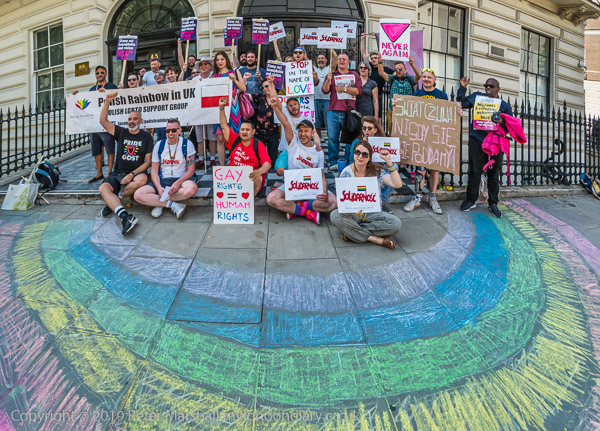
One small photographic problem was with a large chalk rainbow which the protesters had drawn in front of the protest. Showing it all in a picture that made sense was not easy. Even using the full-frame fisheye lens it was difficult.

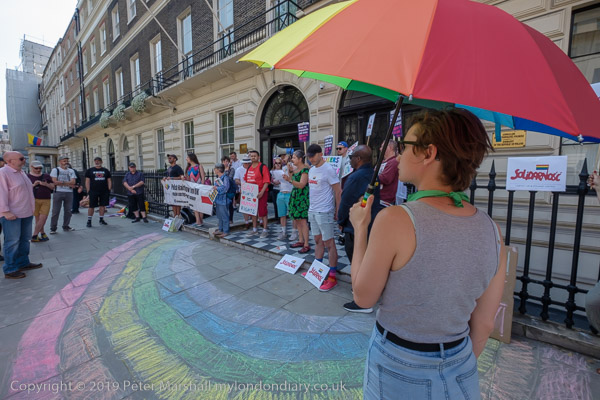
A view from one side was perhaps an improvement, and the rainbow umbrella certainly helped.
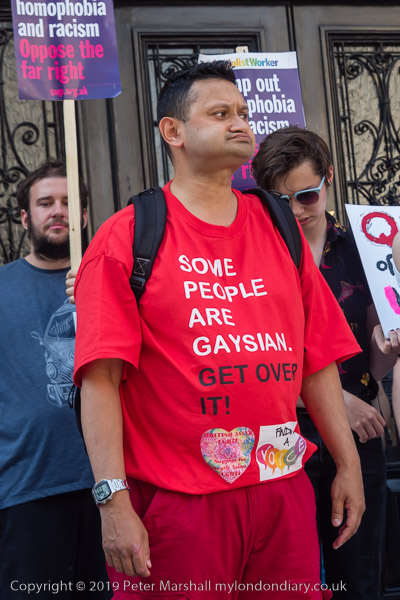
The event was a strong expression of solidarity with the Polish LBGTQ+ community, and included speeches by Peter Tatchell, Nicola Field of Lesbians and Gays Support The Miners and Weyman Bennett of Stand Up to Racism as well as by Polish Rainbow in UK.
More at Solidarity with Polish LGBTQ+ community.


All photographs on this and my other sites, unless otherwise stated, are taken by and copyright of Peter Marshall, and are available for reproduction or can be bought as prints.

There are no adverts on this site and it receives no sponsorship, and I like to keep it that way. But it does take a considerable amount of my time and thought, and if you enjoy reading it, please share on social media.
And small donations via Paypal – perhaps the cost of a beer – would be appreciated.