Looking Back on 2014 – Part 3

Continuing some of personal favourites from the pictures I took in 2014, these are from June to the start of August. As usual the links below the picture will take you to the story on My London Diary.


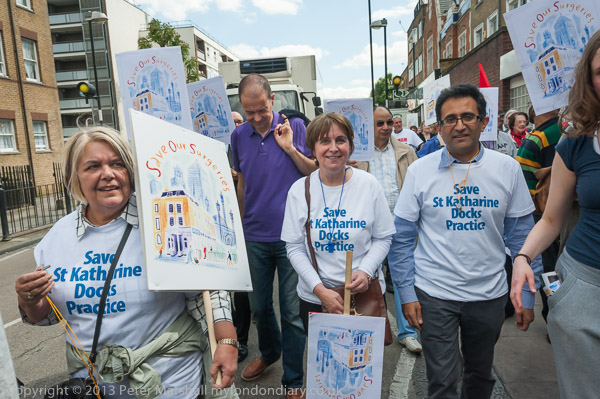
Tower Hamlets – Save our Surgeries – Tower Hamlets, London. Thu 5 Jun 2014


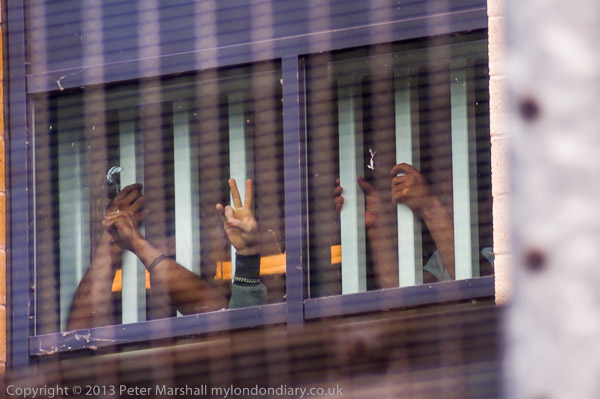
Support Detainees in Harmondsworth – Harmondsworth Detention Centre, London. Sat 7 Jun 2014


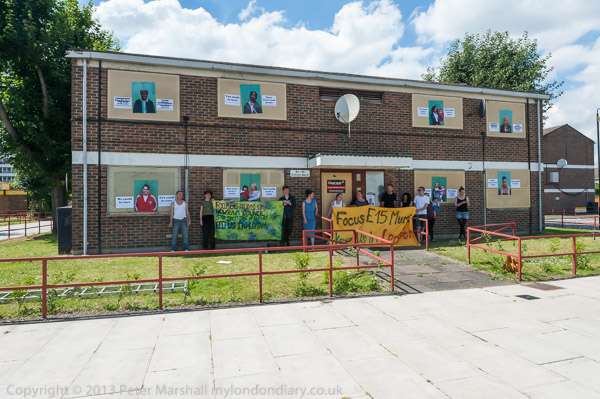
Focus E15 Mums Expose Carpenters Estate – Carpenters Estate, Stratford, London. Mon 9 Jun 2014


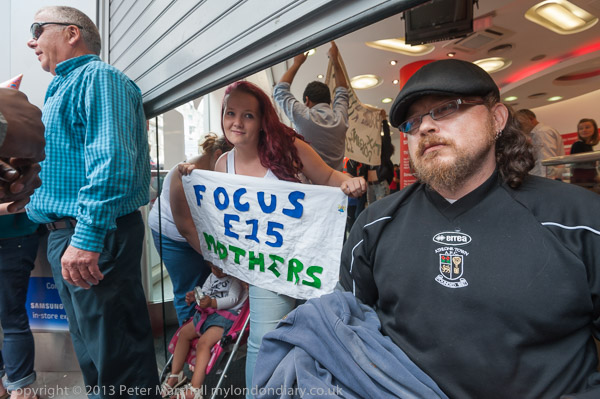
UK Uncut Party at Vodafone – Oxford St, London. Sat 14 Jun 2014


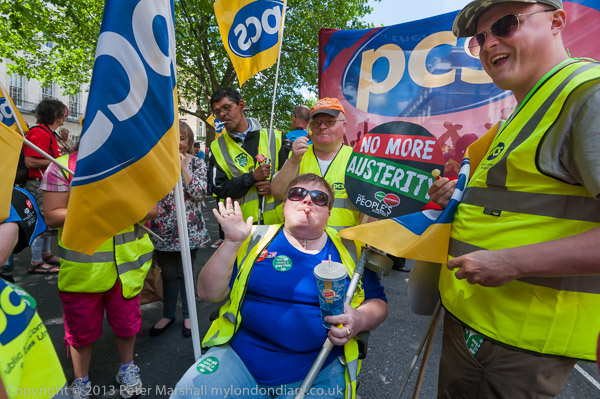
No more Austerity – demand the alternative – London. Sat 21 Jun 2014


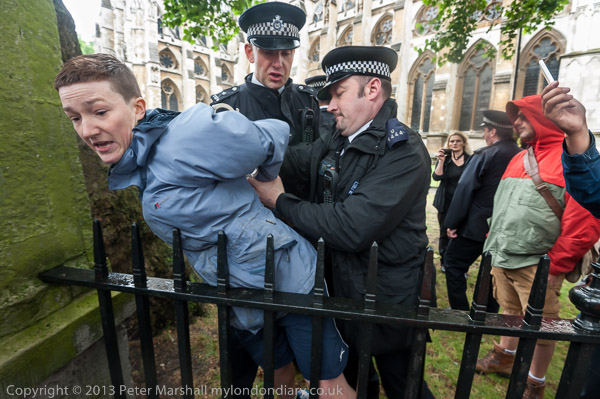
Occupy Westminster Abbey – save the ILF – Broad Sanctuary, Westminster Abbey, London. Sat 28 Jun 2014


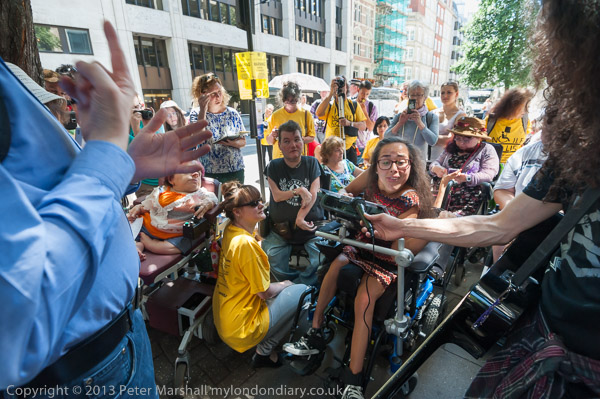
Independent Living Tea party – DWP, Westminster, London. Fri 4 Jul 2014


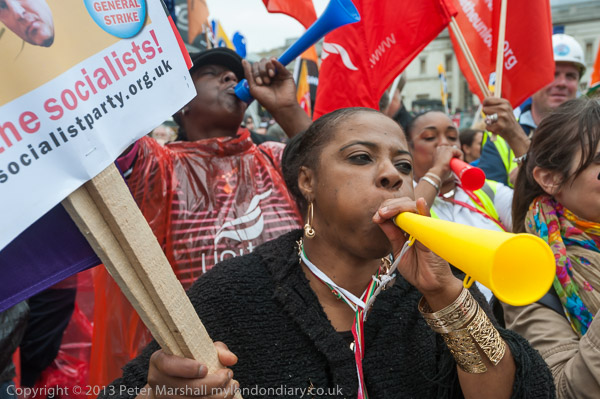
Public Service Workers Strike for Fair Pay – BBC to Trafalgar Square, London. Thu 10 Jul 2014


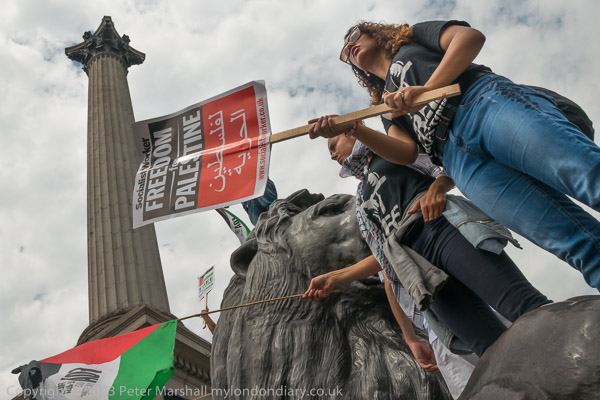
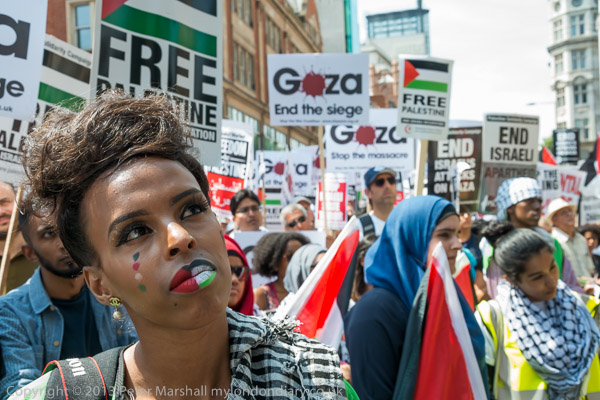
End Gaza Killing Now – Downing St to Israeli Embassy, London. Sat 19 Jul 2014


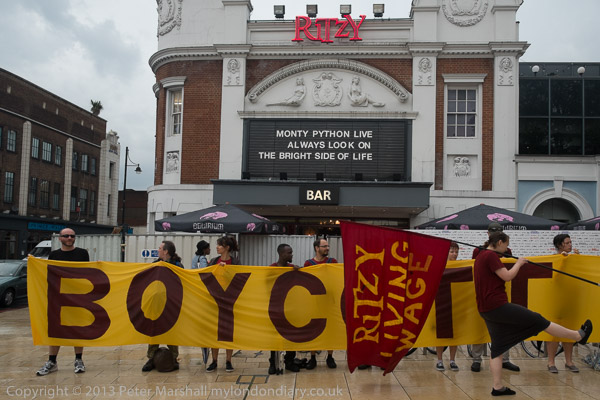
Ritzy workers strike for Living Wage – Windrush Square, Brixton, London. Sun 20 Jul 2014


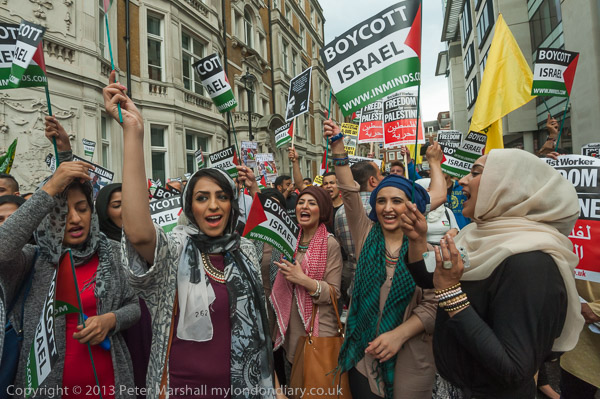
Al Quds Day march for Jerusalem – BBC to US Embassy, London. Fri 25 Jul 2014


Israeli Embassy rally – End Gaza Invasion – Kensington High St, London. Sat 26 Jul 2014


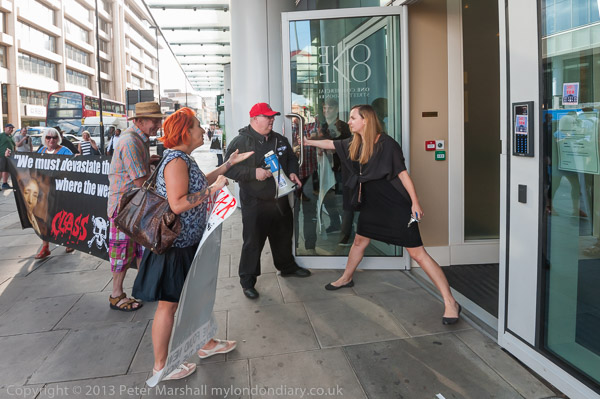
Class War – Rich Door, Poor Door – One Commercial St, Aldgate, London. Wed 30 Jul 2014


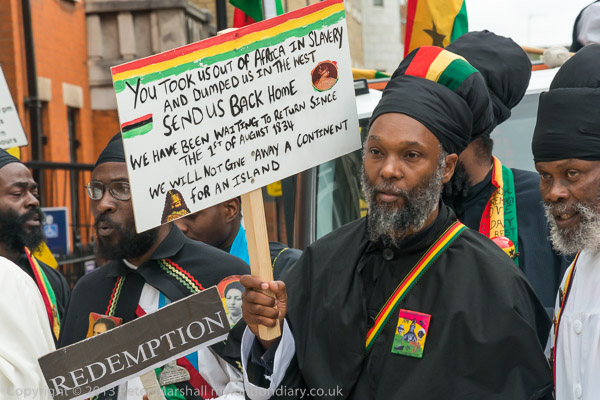
Rastafari demand reparations for slave trade – Windrush Square, Brixton, London. Fri 1 Aug 2014


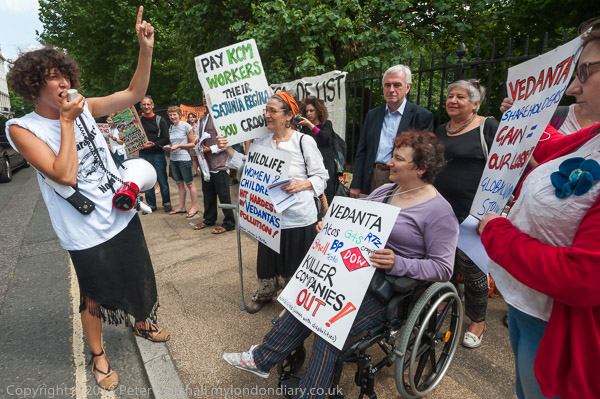
Vedanta told ‘End your killing’ – Lincoln Inn’s Fields, London. Fri 1 Aug 2014

To be continued…

Continue reading Looking Back on 2014 – Part 3

November

Newspapers and the media are busy reviewing the year at the moment, but it will be a while before I get around to that – if I ever do. Things seem to be happening faster than ever, and I never quite manage to catch up. Some people deny that Harold Macmillan ever said “Events, dear boy, events“, but I think the denial is because he never was quoted in print, though I think it – or something very like it – was in a radio interview. I’m also fairly sure I heard him joking “We are all Marxists Now” though he will have known he was quoting J K Galbraith, if not that Galbraith was quoting Ernest Belfort Bax.

But rather than listen to that rather boring speech after your Christmas lunch (and I think she will only abdicate over her dead body) you could do worse than have a look at some of the events I covered in November.

Nov 2014

Neo-Nazi ‘Free the Golden Dawn’ Opposed
Solidarity with Mexican students


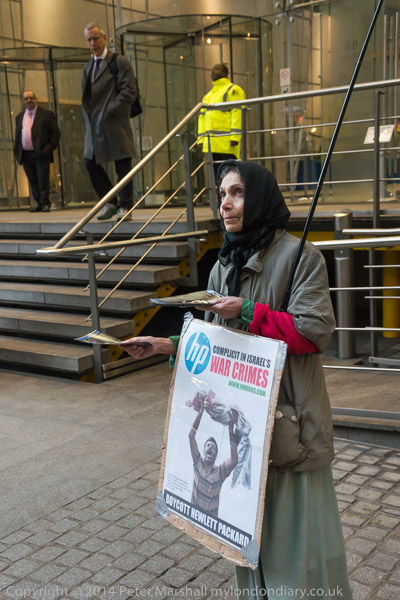
Stop Arming Israel protest at HP
No More Deaths from Fuel Poverty
Candlelit Vigil for Michael Brown
Class War Xmas Ceasefire Special
Focus E15 Support Homeless Mother
We Stand With Shaker


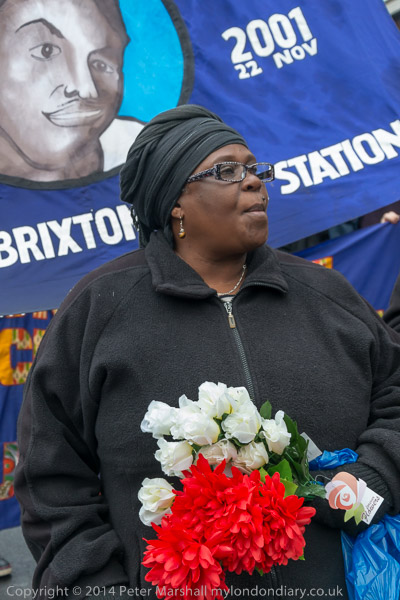
Still No Justice for Ricky Bishop
Class War Griff Rhys Jones Mansion Tax
Justice for Shahzad & Shama
Occupy Democracy at Supreme Court
Zero tolerance for Zero Hours
NHS Vigil for Efford Bill
Don’t Let Them Drown!


‘Bye Bye Redrow’ Poor Doors Street Party
No fees, No cuts, No debt!
Shaker Aamer protests continue to shame UK
Feeding the Poor is not a Crime
Unknown Victim of Traffic Violence


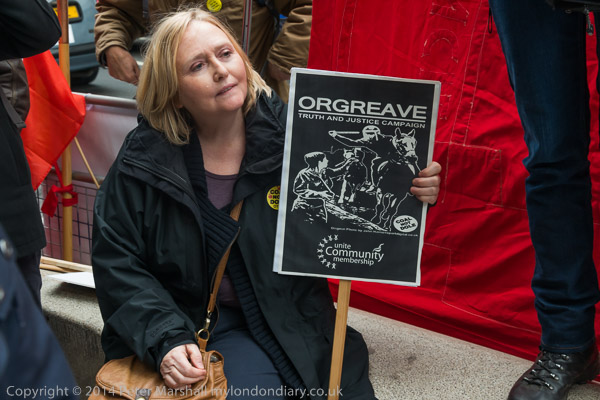
Orgreave Truth and Justice Campaign
Class War hunt Ian Duncan Smith
Class War Women in Red
Lambeth Walk
Shut Down Racist Immigration Prisons
IWGB protest at Royal Opera House
IWGB protest at Deloitte
Trafalgar Square Poppy Memorial


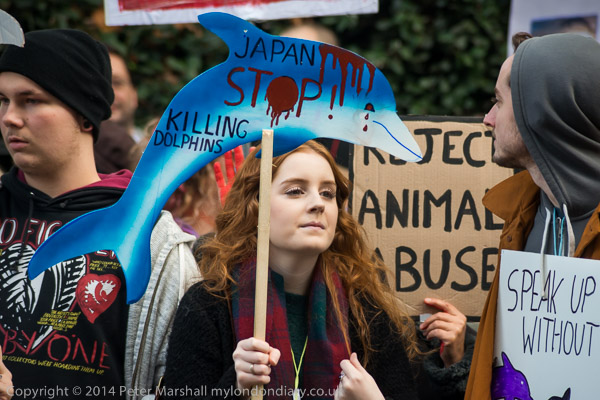
Taiji Dolphin slaughter protest
Fukushima Nuclear Protest
Brent Housing Sit-in
Guy Fawkes ‘Anonymous’ Million Mask March
Poor Doors Guy Fawkes burn Boris
Boycott Hewlett Packard – Sustainable Brands


Global Solidarity With Kobane
Revolution Banner Drop
Against acid attacks on Iranian women


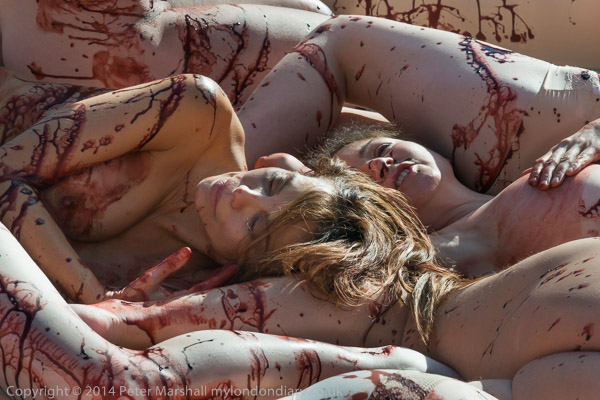
PETA World Vegan Day Naked Protest

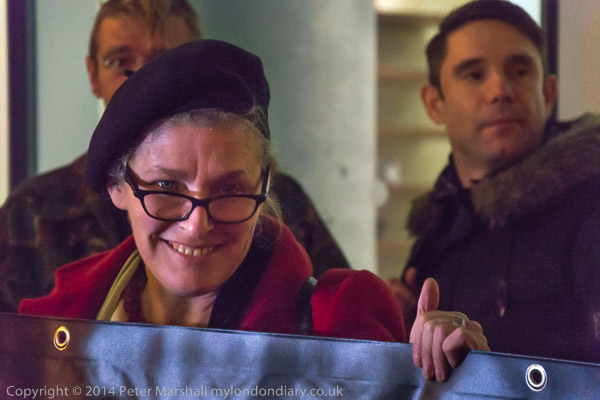
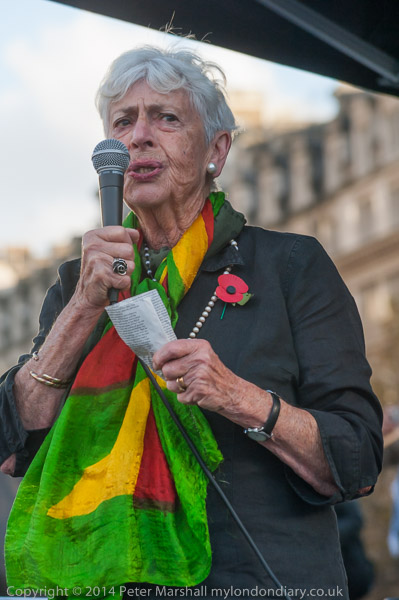
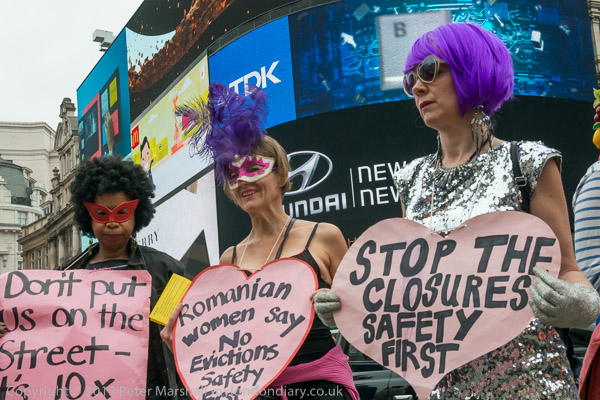
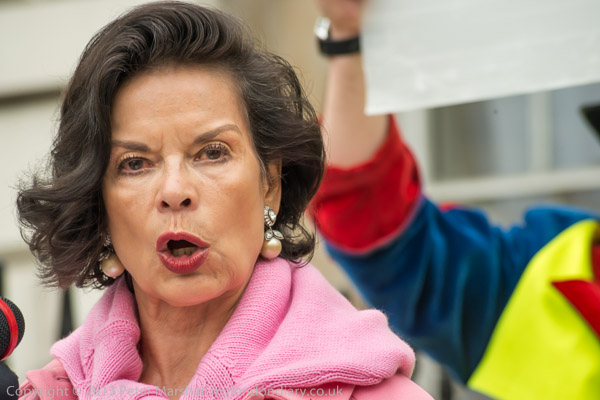
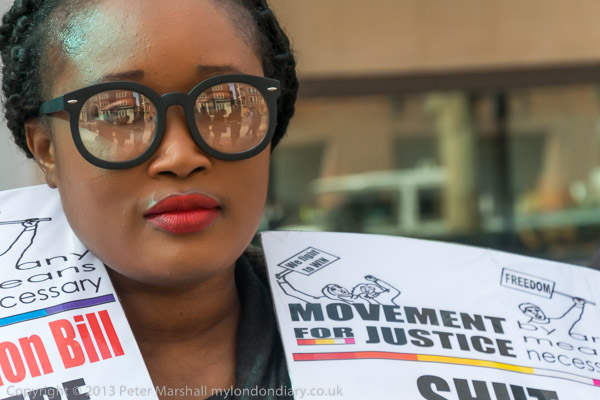
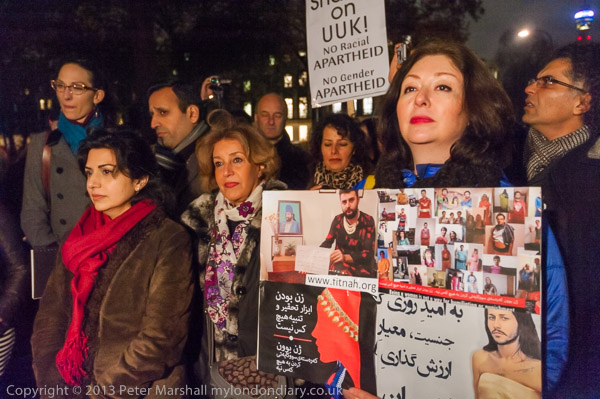
I decided to chose pictures of women that I took at some of the protests for all the pictures on this page, though you will find I photographed some men as well.

Continue reading November

Clients and Pricing

I don’t write much about the commercial side of photography, realising my limitations in that sphere. Of course I try to quote sensible rates when asked, usually taking a look at my union’s recommendations, or if I can’t find anything helpful there looking at what others might charge.

Petapixel has an interesting article on pricing by Don Giannatti, When Pricing Your Photography, Focus on the Value of Your Images which seems to contain some good advice over pricing.  Giannatti has written a couple of books about creative and financial success and also two and a blog about lighting.

I’m no longer greatly interested in making money myself, though a bit comes in handy and I’m usually disappointed at the low fees the agencies I submit work to charge (and the low percentage of that which comes to me.) And even more disappointed that one of them seems to have stopped doing the basic business of checking up whether the companies it sends work to actually get around to paying for it. It’s one of the various services they get their 50% or more for, and certainly in their interest to do so as well as in mine.

But in a situation where fees are generally dropping to uneconomic levels for photographers it’s important to try and hold them up for my colleagues and not to undercut them. Occasionally I will work for free, but only for organisations without money and without any paid staff and whose work I admire and support – if organisations can pay people to work for them they can pay me too.

Another recent article on Petapixel is the cautionary tale of a wedding photographer who found himself at the wrong end of a $300,000 lawsuit. Poon vs. Tang (really) is a tale that seems to have finally come to a happy end for the photographer but there are several morals that one should draw. Firstly, never work for lawyers.

But more importantly have a clear understanding of exactly what you are agreeing to provide, preferably in the form of a written contract. I’ve seldom had a formal contract, except those sent me by a few large companies (which I’ve sometimes amended before signing to remove the silly stuff) but perhaps a clearly stated e-mail (or in the old days letter) is as good.

Second, you have to be mad to supply every RAW file you take to a client. Personally I don’t supply RAW files as I don’t rely on anyone else to process my work as I want it done. But not even removing the ones that are out of focus or blurred or where you pressed the shutter accidentally is just ridiculous. I don’t even upload these to my own computer let alone anyone else’s.

If you’ve not already got an application that lets you quickly look at RAW files and select the ones you need to keep – one of the few things Lightroom is hopeless at except with very small groups of files – then I suggest you invest in  Fast Picture Viewer Pro. It claims to be the fastest image viewer ever and certainly knocks spots off of Lightroom. They claim that if you have 1000 raw images you can deal with them in around 20 minutes, selecting and copy the 100 you want to keep and importing them into Lightroom, while using Lightroom itself would take around 1 hr 10 minutes. If anything I think they understate the time advantage.

The only small downside is that I could set up Lightroom to import the whole lot, then go and have a leisurely meal while it did so. Now I have to spend around 15 of that 20 minutes before going to eat!

WE ARE THE LANDSCAPE

COLLECTIVE PHOTOGRAPHIC EXHIBITION

dominikgigler
Photograph © Dominik Gigler

Press Release

The East is being redefined. The Olympic fever has put an outcast on the map. The mainstream is now investing the once despised. It is not the first time the East has been given a facelift. The continuous migrations, the war and previous rejuvenations turned this landscape into something both identifiable and adaptable. The East End was and remains a land of experiments where the individual shapes his surroundings. 11 artist photographers familiar with its background and morphing captured its idiosyncrasy through various methodologies. Still the East End cannot be defined and the proud inhabitants are its essence. The East is not a landmark to contemplate but a hub to be lived and inspired from.

Curated by Tendai Davies and David Boulogne

Artist photographers are Paul Walsh, Kajsa Johansson, Dominik Gigler, Arnau Oriol, Susan Andrews, David Boulogne, Alessandra Chíla, Chris Dorley-Brown, Peter Marshall, Mike Seaborne, David George

Opening night Tuesday 9th September from 6.30pm, public from 10th Sep – 5th Nov
The Russet, 17 Amhurst Terrace, London E8 2BT Open daily 9am – 11pm

Train: Dalston Kingsland, Rectory Road, Hackney Downs, Hackney Central
Bus: 67, 76, 488, 149, 236, 243

General enquiries contact David Boulogne
david@2exposures.com 07949033085
Sales contact Tendai Davies
tendai@therusset.co.uk 07733444421

Visit http://2012pics.blogspot.co.uk for more details


As you can see, I have work in this show which opens next week in Hackney. I’ve made my 5 prints, just need to frame them and get them there. I’ll write more about my work for the show, which comes from my book ‘London dérives 1975-1983‘ (ISBN 978-1-909363-08-3) later. Hope to see some of you at the opening – please RSVP to David Boulogne if you can come.

Time and Lucy

On Lens Culture you can see a small set of self-portraits by Lucy Hilmer from a continuing 40 year series of annual portraits, Birthday Suits, made every April 22nd with her “wearing nothing but her white Lollipop underpants, shoes and socks” started on her 29th birthday in 1974.

It isn’t her only long-term project – on her web site you can find out about her series ‘The Wedding House‘, where she and husband Bob Elfstrom return every anniversary to make a self-portrait every anniversary since the first in 1985, and a series of Valentine postcard portraits of her daughter Annie sent out to “just about everyone her family ever knew” every year from 1987-2010.

Her web site doesn’t as yet have many pictures on it, though rather more is apparently “Coming Soon…” and there are PDFs of her work in magazines and a link to the Photobook Review blog worth exploring.

Hilmer is of course not the only photographer to make some kind of annual record of their life as time passes. Perhaps the best-known example is The Brown Sisters by Nicholas Nixon, which he began in 1975, a year after Hilmer. You can see all from 1975-2011 on Imgur, and the 2012 image is among the selected images at the Fraenkel Gallery, which are well worth looking at on full-screen.


About Minor and Ray

I’m not sure when I first got to know the work of Minor White. Like many my first introduction to the wide spectrum of photographic history and contemporary practice came through Helmut & Alison Gernsheim‘s ‘A Concise History of Photography‘ from which he is remarkably entirely absent, not fitting the ‘Neue Sachlichkeit’ vision that both focused and constricted their view of the medium.

Probably I had already seen some of White’s work when I got to know Raymond Moore (who got two pictures and an appreciative mention in the Gernsheim’s opus) through a series of workshops with him and Paul Hill at Paul’s Photographers Place in Derbyshire in the late 70s, but it was Ray’s appreciation and understanding of his work that really got me interested. Ten years ago I wrote:

In 1970, Ray read a feature in an American magazine about Minor White. He was already aware of White’s photographs, but the description there of White’s ideas, especially his interest in Zen, excited him as they seemed so similar to his own views. On a sabbatical from Watford, he decided to go to America to visit White, and photographers Aaron Siskind and Harry Callahan, whose work he knew from in books. Ray stayed with White in America and they got on well; Ray saying “It came as something of a relief to find that people felt the same way as I did. I had been interested in Zen for a long time, even while I was a painter, and it was very exciting to see how this had been developed in photography.”

Ray’s work went down very well in America, and he was given solo shows at both the Art Institute of Chicago and George Eastman House in 1970, with a further show at a in Boston gallery in 1971. (Carl Siembab Gallery)

(You can read more of my thoughts and some comments on Ray and the workshops at Remember Ray Moore, posted here in 2010.)

It was perhaps an indication of how little White’s work was known in the UK at the time that I found it very difficult to get hold of a copy of his then out of print major work, Mirrors Messages Manifestations (1969), the only copy that could be located for loan to British Libraries was at the British Library in Boston Spa, which I was required to sign for in blood to be allowed to live with for a month. It certainly changed my photographic thinking at the time.

It was a Facebook post by film-maker and photographer Rina Sherman with a link to Minor Words: Photography and Writing by Michelle Dunn Marsh that sparked off my thoughts about Minor White and led to this post. Marsh’s article, mainly about his sequencing, includes a short sequence of his prints and was written as the first major retrospective of his work since 1987 is on show at the J Paul Getty Museum  until October 19, 2014.

I had been thinking of writing more about White, but a little Googling found to my surprise something I had made earlier,  one of my own articles on White, first published in two parts on another web site in 2001, as  Minor White – Spiritual Journey and Minor White – Equivalents which save me the bother and may still be of some interest. But don’t expect any of the links to work after 13 years – and I gave up maintaining them in 2007.

It is slightly easier to find examples of White’s work on-line than it was when I wrote that piece, but there are still relatively few examples given his importance in photography.

There are some pictures on Luminous Lint, a usefully encyclopaedic site on photography, and also at major museums such as SFMoMA (only 10 of the 26 images in their collection have images on-line) and MoMA, but I was able to find very little at the Princeton University Art Museum which houses the Minor White Archive and has loaned 30 pictures to the retrospective. The largest collection on line is at the Art Institute of Chicago which has around 50 images on line, but on a disappointingly small scale.

There is of course an article about him on Wikipedia, and also some images on the Masters of Photography site as well as scattered images elsewhere across the web. You can also read John Szarkowski’s comments on White from ‘Looking at Photographs‘ where White’s Capital Reef, Utah, 1962 was reproduced, along with some other of his pictures at Atget Photography.

Work by Raymond Moore is harder still to find. His archive, prepared at considerable expense after his death by his young widow, Mary Moore Cooper, failed to find a buyer (another reflection of the lack of interest in the UK cultural establishment in photography) and his negatives, contact sheets made from them, drawings, correspondence, publications and between 700-1000 prints – estimated according to a Guardian article in 1990 to be valued at £440,000 – still so far as I know languishes in store at Sothebys.

Private View Invitation

uclh arts and heritage

invites you to

City Streets and River Paths

Watercolours by Hilary Rosen MA (RCA) and photographs by Peter Marshall

Private View
6.00pm-7.30pm 16th June 2014

Exhibition Dates
13 June 2014 – 30 July 2014

The Street Gallery
University College Hospital, 235 Euston Road, London, NW1 2BU

RSVP guy.noble@uclh.nhs.uk 020 344 75451
uclh arts had been generously funded by UCLH Charity

Download the official invitation here

==================================================

Regular readers will have noticed I’ve not been posting as much as usual in the past few days. As usual that’s partly because I’ve been busy taking photographs, and sometime in the last week or so I passed what perhaps should have been a significant milestone, publishing my 1,000th story on the main agency I send work to, Demotix. I think it happened on the last dayt of May, but I was too busy to notice. They didn’t either.

One little extra that has occupied me in the last few days is sending out invitations to the show ‘City Streets and River Paths’ with work by myself and painter Hilary Rosen. It should be easy to do, particularly when most go by e-mail, but although scammers seem pretty good at sending multiple e-mails it took me quite a while to get lists of e-mails together and then to get my mail service to let me send the messages out. Inevitably too some of the addresses were out of date, and I then had to look to see if I had a newer e-mail for the person concerned.

So if you’ve not had an invitation yet by e-mail, it may not be because I didn’t mean to send you one, but simply down to my incompetence. Of course you may have been really unlucky and got two or three invitations… And one from Hilary!

I was hoping to post the actual invite on this blog, but came up with one practical problem. My picture on the invitation (there were two versions printed, one using a picture of mine and the other one by Hilary) is rather long and thin and the card is 1/3 A4, about 210 x 97 mm. It’s an aspect ratio that doesn’t fit well on this blog, where portrait format images fit rather better. So at the top of the page is my small re-written version.

So you are welcome to have a better copy – but will need to download it as a PDF here, or come along in person on Monday, when I should still have a few copies of the actual card left. And of course it would be good to see any >Re:PHOTO readers, whether old or new friends.
Continue reading Private View Invitation

Time March is On

Time March is on is certainly what I’ve been thinking for a while about My London Diary, though it was a lot easier to think than to do.  There are 38 stories in the month and as usual the odd little things that get missed out or where there simply wasn’t a story to be told.  And of course although its my diary, there are aspects of my life that for various reasons don’t get recorded in it.

But I think this is complete now:

March 2014


Keep Soho Sexy

World Sindhi Congress Protest


Mothers Against Fracking


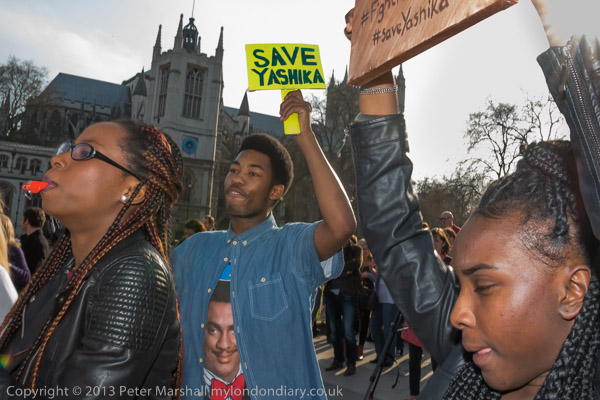
Fellow Students Fight for Yashika
Kilburn Uniform Day
Mothers march for justice
Teachers March on NUT Strike Day
Wandsworth Panoramas


Kites Not Drones Solidarity with Afghanistan
Stand Up to Racism
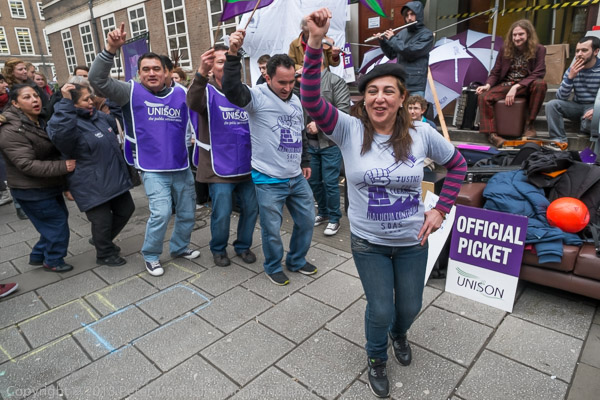
SOAS Cleaners Strike Again
Japanese Dolphin Massacre Protest
Druids celebrate the Spring Equinox


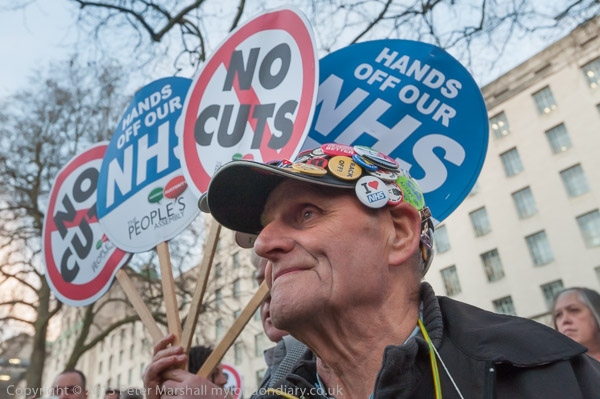
People’s Assembly Budget Day Protest
Protest over Uganda Gay Hate Laws
Fracked Future Carnival at Shale Gas Forum
Fracked Future Carnival in Knightsbridge
Climate Revolution March to Fracked Future Carnival
SOAS Insight Day – Justice for Cleaners
Save Our Lions – Ban Canned Hunting
English Volunteer Force march in London
Fukushima Nuclear Melt-down Remembered
Syrians March for International Action
London March for Freedom for Tibet
Ukraine Vigil


End Sexual Abuse at Yarl’s Wood
Badger Army Says End Culls
Pay UAL Cleaners a Living Wage
Stop Hospital Killer Clause 119
Reopen Chase Farm A&E
Million Women Rise March
Outraged Lawyers Legal Aid Protest
London is not for sale
Anniversary Tribute to Chavez
Ash Wednesday Act of Resistance


SOAS Cleaners Picket Line
City of London Pancake Races
Against Worldwide Government Corruption

Continue reading Time March is On

Up Willesden Junction


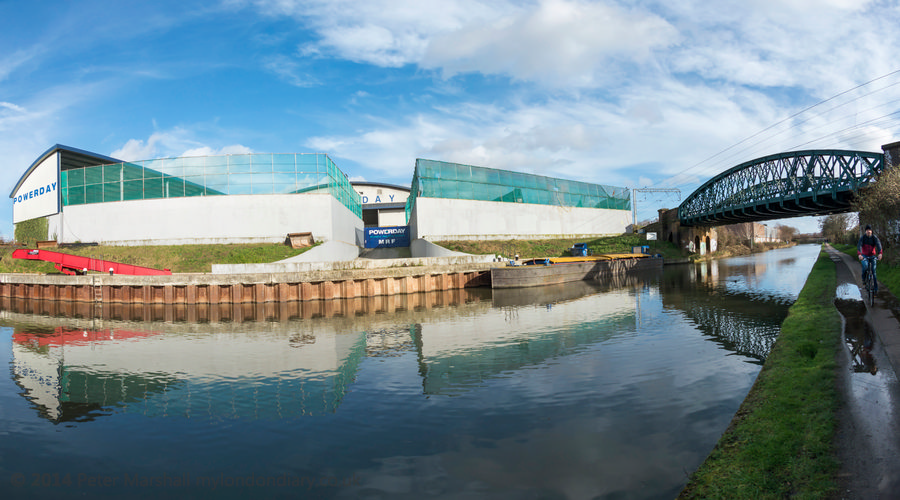
The line from Richmond to Willesden Junction goes over the canal on the bridge at the right.

Trains are my favourite form of travel – if I have to travel. Though I don’t always feel good about them when I need to join the rush hour crush to or from London, especially when SouthWest Trains put on a 4-car unit in place of the normal 8 carriages, as happened at times during the flooding. They’ve also developed a habit of doing the same trick (doubtless simply to save their costs) on some Sunday services which leave many standing, though not quite at the sardine level of rush hours.

But given that the trains are running reasonably to time and have sufficient room, trains are a civilised way to travel. Generally comfortable, seats with enough width and legroom at least for a person of my reasonably average size and smooth and fairly quiet (one of the few ways the railways have improved since my youth, though if they still had windows you could open and stick your head out you would no longer get soot in your eyes.)  You can sit and read a book, or look out of the window at the changing scene.

One of my favourite journeys for looking out of the window always used to be the line around the north of London, which used to run from Richmond to Broad St, right into the City of London. Though in the old days you did need to clean the outside of your window before boarding if you wanted to see out.  The journey perhaps got even more interesting when the service changed to run to North Woolwich via Stratford after the closure of Broad St in the 1980s, though I missed the section between Dalston Junction and the City.

The line is still fascinating, though with the new Overground trains you sit with your backs to the window and get a crick in your neck trying to look out. But the transfer to TfL has certainly resulted in a better service on the line. For much of its route it gives an elevated view of the northern suburbs of London, reaching parts that might otherwise remain unknown except to their residents. I’m one of many photographers of London have used it as a basis for projects, either formally or informally in past years, and Mike Seaborne‘s series very loosely linked to it is one example.

One particular area on the line where I usually put down my book and look out is just before Willesden Junction, where the line crosses the Grand Union Canal before going through an industrial area and reaching the station.  (Like Clapham Junction which isn’t in Clapham, Willesden Junction isn’t in Willesden – railway companies appear to have delighted in confusing travellers from their early days.)  Many years ago I took many pictures around this area, but since then it has changed quite a bit, and every time my train has gone through I’ve thought it would be good to get off and take another look, but have never had the time to do so, always on my way to other places and events.

But on a Sunday morning at the start of February it was a nice day, and I’d decided to go to an event in Willesden. Normally I’d have got off two stations down the line past Willesden Junction – though only a couple of miles away, but I decided to pack some sandwiches and go a couple of hours earlier so I could get off and take some photographs. Afterwards I could take a bus to where the event was starting.

I was a little worried at the weather as I walked to the station – there was a clear blue sky with not even the usual Heathrow vapour trails, something of a killer for the panoramic images that I intended to make. But my luck was in, and after the journey (it took a little longer than usual thanks to engineering works and a bus replacement service) there were some interesting clouds.
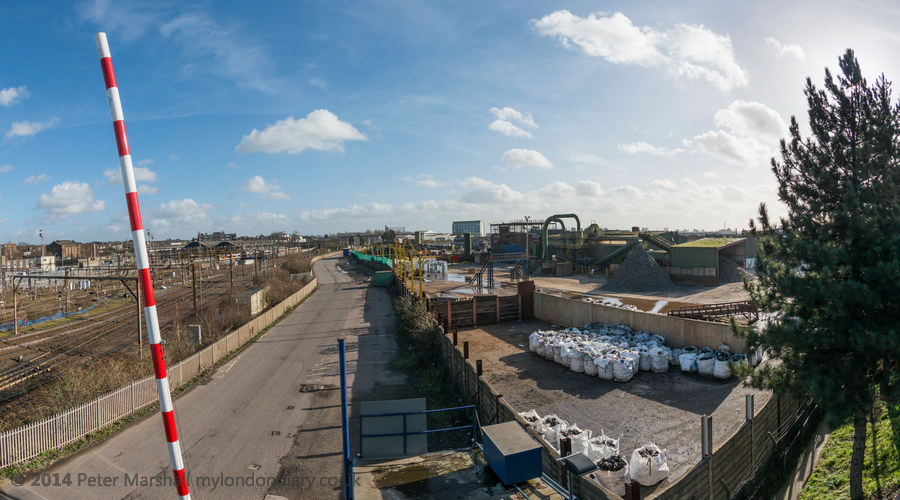
There is a well-hidden but well-used footpath that follows the side of the Willesden Junction to Clapham Junction line as it goes over the many tracks of the main line to Euston, before descending into the industrial estate. It used to overlook a huge metal reclamation site, but this seems to have been very much cleared up now.
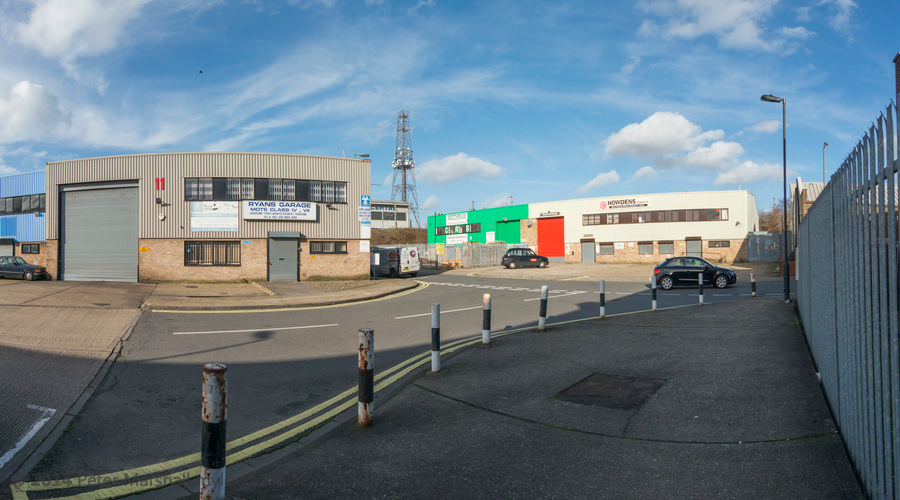
Much of the area north of the canal is now a huge car auction site, but there are also other companies around with warehouses and factories. Another path now leads to a footbridge across to the canal tow path on the opposite bank, but having gone to it to take pictures I returned and made my way to Scrubs Lane (it leads past the North Pole to Wormwood Scrubs, one of London’s larger commons, but I didn’t go that far.)
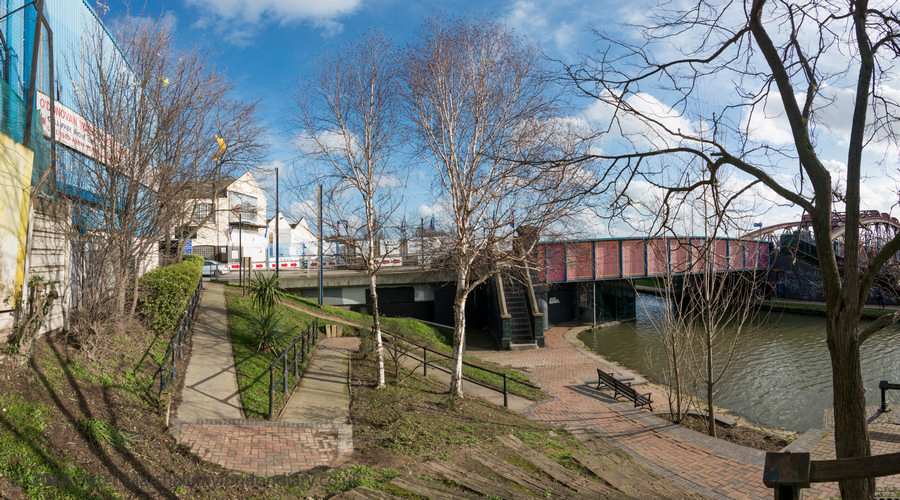
I sat on a bench to eat my sandwiches in the sun (it was surprisingly mild for London in February) in a small memorial park to Mary Seacole, a remarkable Jamaican woman who used the profits from her general store and boarding house in Jamaica to nurse wounded British soldiers in the Crimean war, as well as medical work in Jamaica, Cuba and Panama. The memorial park was created around the time of the bicentenary of her birth a few years ago here, close to where she was buried in St Mary’s Catholic cemetery in 1881. She has become a controversial figure in the debates over the construction and teaching of British history, with many feeling she was largely sidelined because she was black.
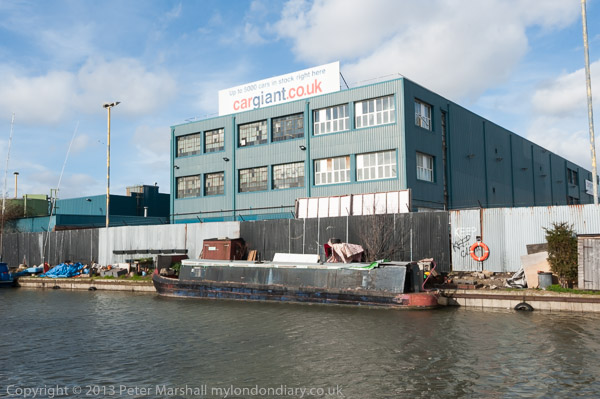
I crossed the canal and walked west along the towpath. Once past the Mary Seacole Garden and Mitre Junction it isn’t the most exciting of walks now. I was annoyed coming down onto the towpath to find a fence on top of the wall which I had photographed over years ago now making this impossible, at least without some way to raise my camera higher than I could reach up. And further on, what had once been a busy railway site at Old Oak Common now just had a few new distant sheds.
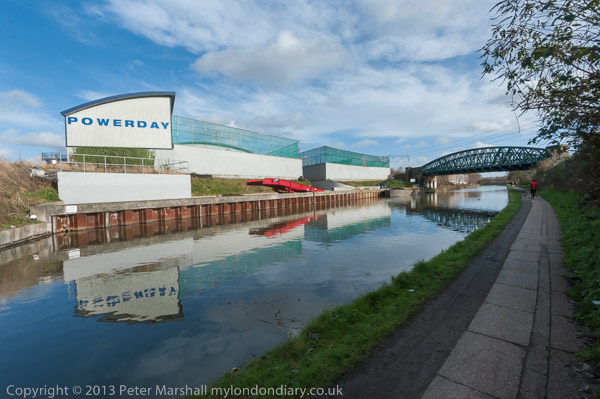
The top picture on this post was also something of a disappointment – and it works better on the less wide 16mm rectilinear view above, taken from a more distant viewpoint. But my disappointment was that there was a much better view from the train, a little before it reaches the bridge. The extra height makes a great difference, and there was a fence in the way so I couldn’t climb to get closer to the railway view.

More of the pictures from my walk, which continued with a demolition site, and, at the end of my bus ride to Willesden Green, a splendid 1930s building I photographed before in the 1980s, a Buddhist temple and some fading murals  in Harlesden, Willesden & Mary Seacole

All pictures were taken with either a Nikon D700 with 16-35mm lens or a Nikon D800E with 16mm fisheye. The latter images were converted using PtGUI to equirectangular projection.

Continue reading Up Willesden Junction
December 2013 Posts


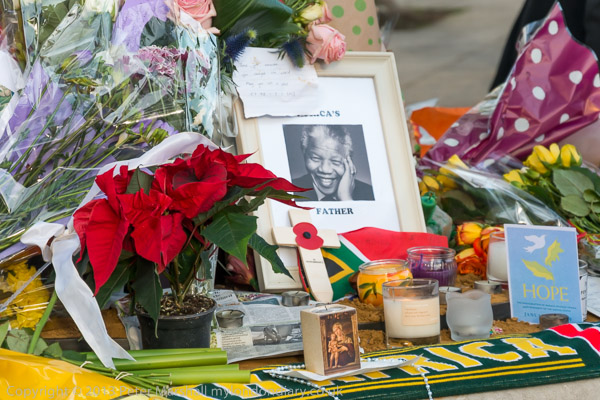
Tributes to Mandela in Parliament Square

December 2013

Walks around Staines


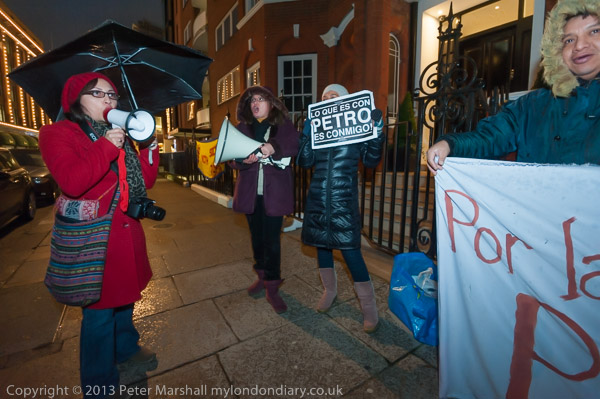
Reinstate Colombian Mayor Petro
Harrods & IRA Bomb Victims Memorial
Vigil for Chelsea (Bradley) Manning
Staines Moor


Against PayDay Loans and Austerity


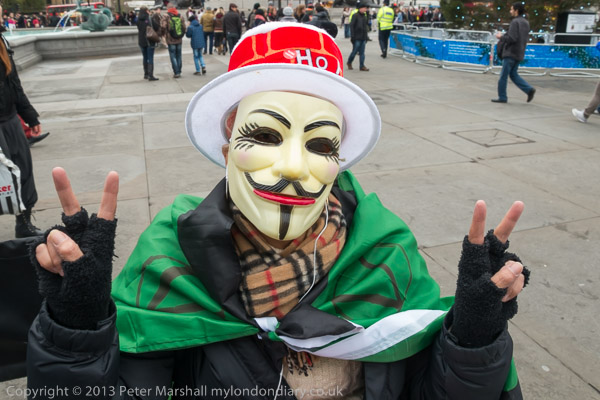
‘Elf Not Wealth’ Anonymous Event
Hunger Strike for Sikh Freedom


Hizb ut-Tahrir Spokesman held in Pakistan
Cops Off Campus National Student Protest
Human Rights Day Candlelit Vigil for Syria


Against Sex Segregation in Universities
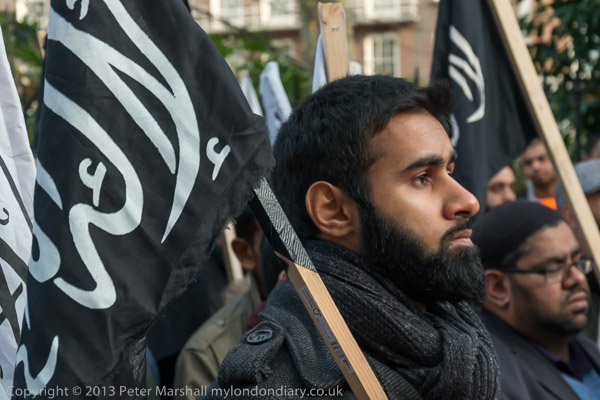
Human Rights Day Pilgrimages for Syria
Tibetans Walk Backwards for Human Rights


Photographers Support Photography
‘Cops Off Campus’ Protest Police Brutality
Bereaved protest at CPS Failures
Tributes to Mandela
EDL Protest Supports Marine A


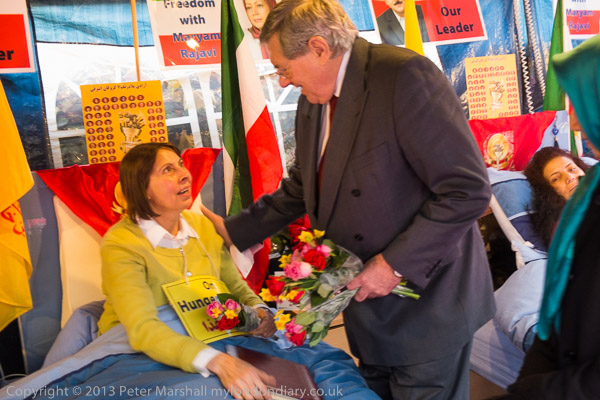
PMOI continue Hunger Strike
Release Shaker Aamer
Continue reading December 2013 Posts