Happy New YEAR? We Can Hope. We can only hope 2022 will be a better year than 2021, though despite everything I found plenty to enjoy in the last year. But I’m not making any resolutions, other than to try and keep going as best I can.
Some Thoughts on 2021
The first few months, still under lockdown and largely isolating at home were dull. When a trip to the dentists is the highlight of your week you know there is something seriously wrong.

But the vaccinations – my first at the end of January and the second in mid-April – were very welcome. I’ve no sympathy for those who refused them, their arguments are entirely specious – like those for not wearing masks – apart from a very small group with genuine medical reasons.
I was fortunate not to have more than a little soreness from the needle for the day or two after the injection. Though I was rather disappointed when a few weeks later a lateral flow blood test for antibodies gave a negative result, though these tests are apparently even less reliable than those for Covid – where I’ve been pleased so far to always get a negative.
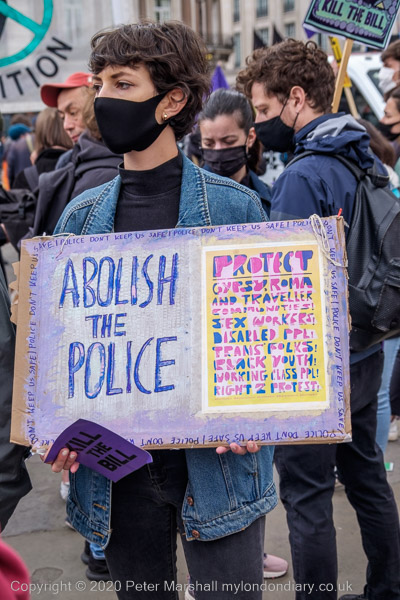
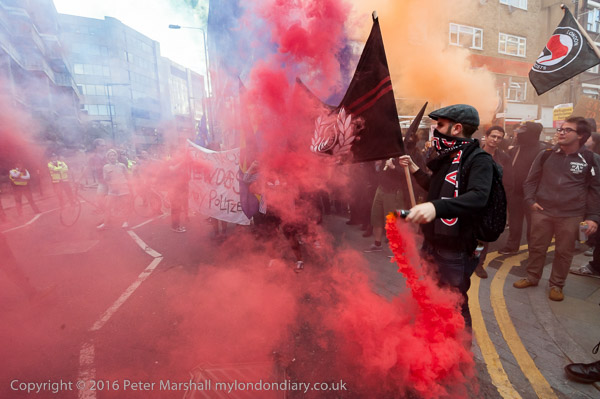
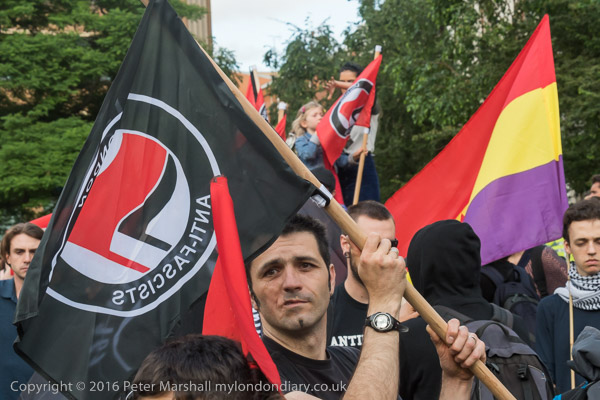
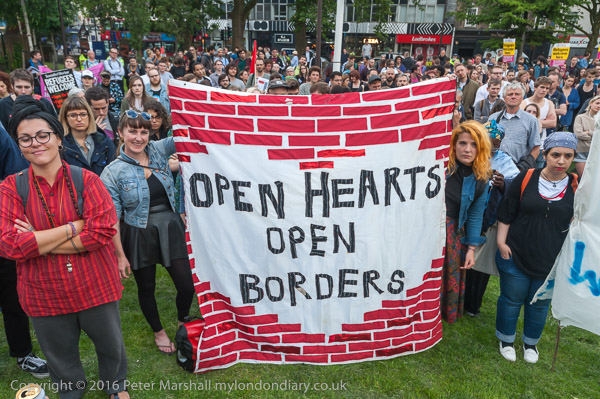
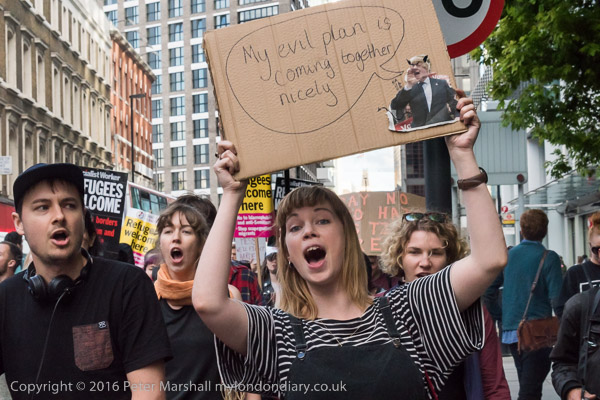
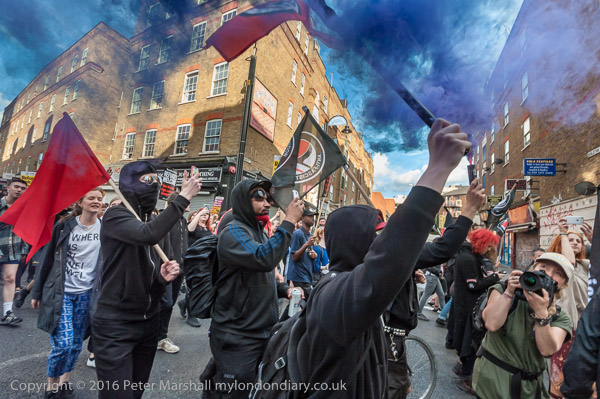
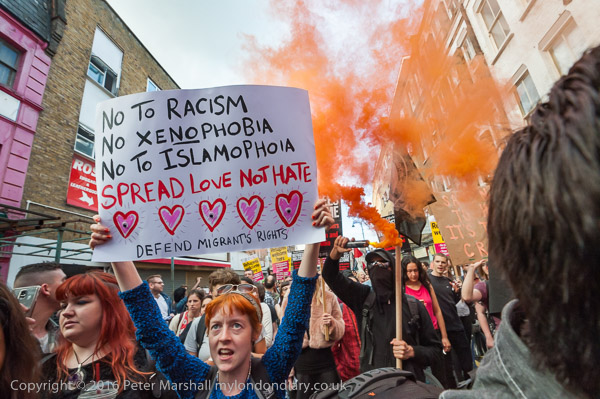
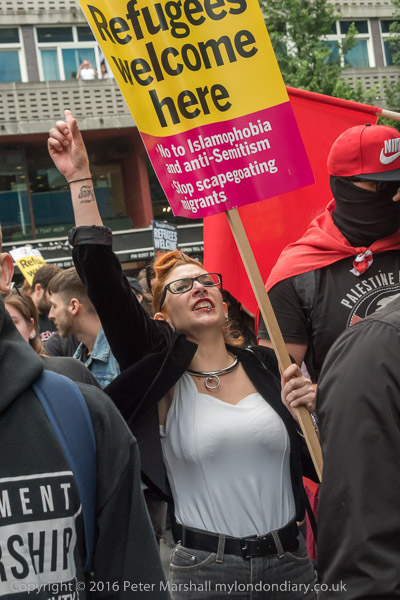
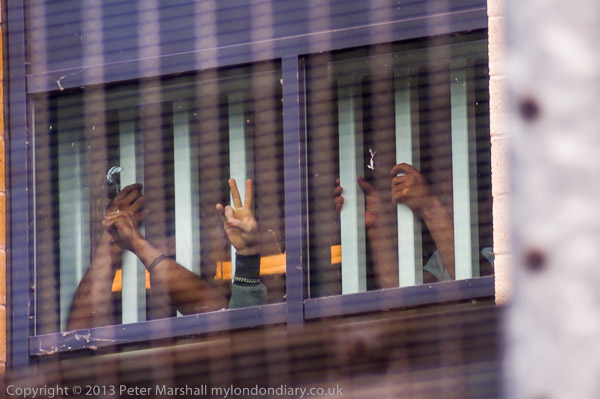
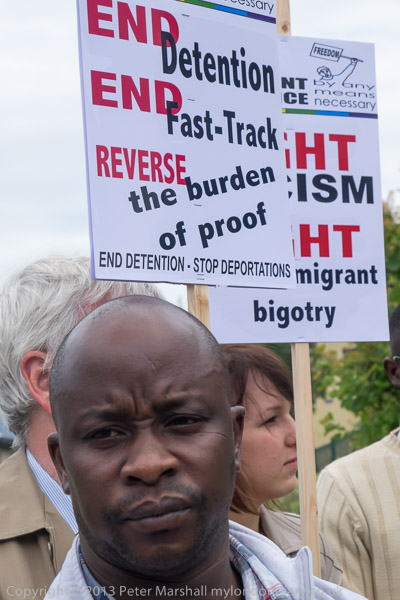
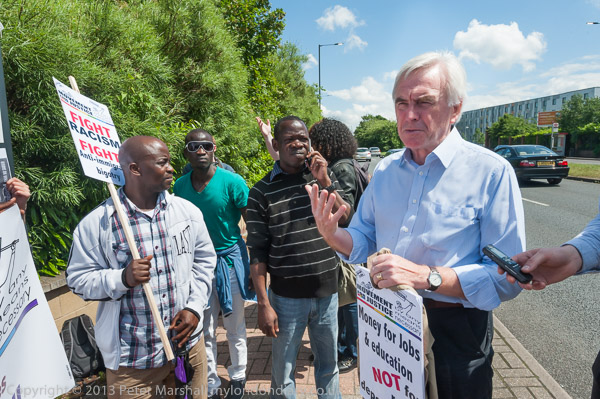
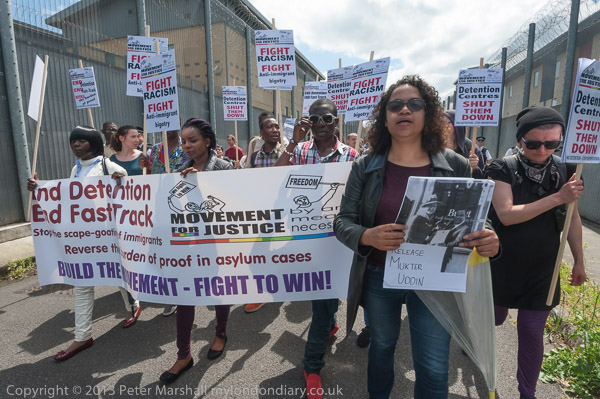
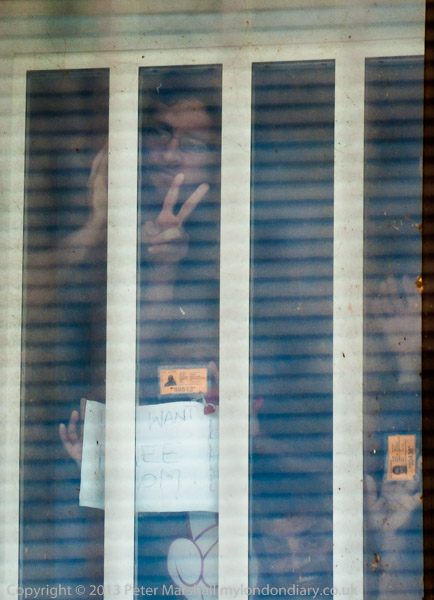
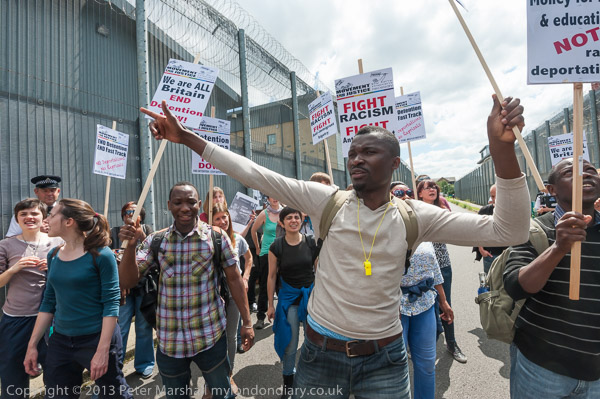
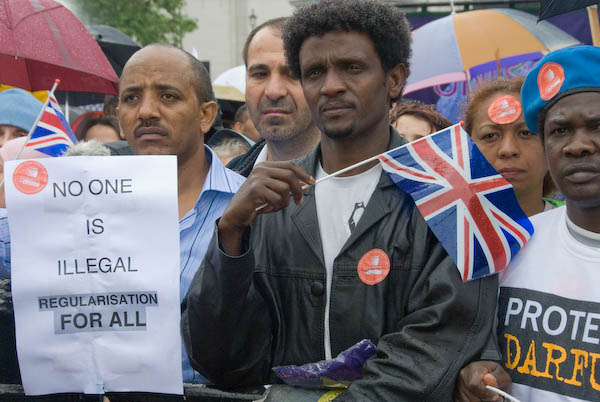
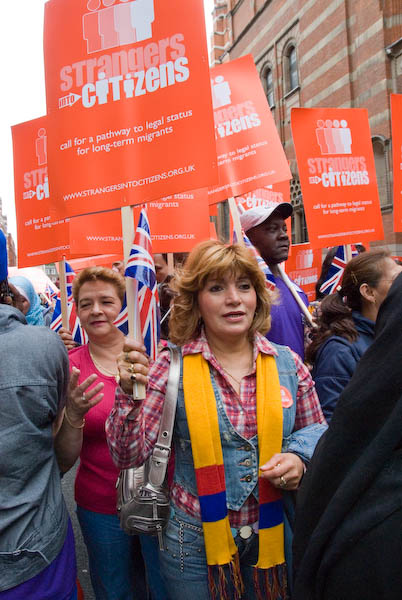
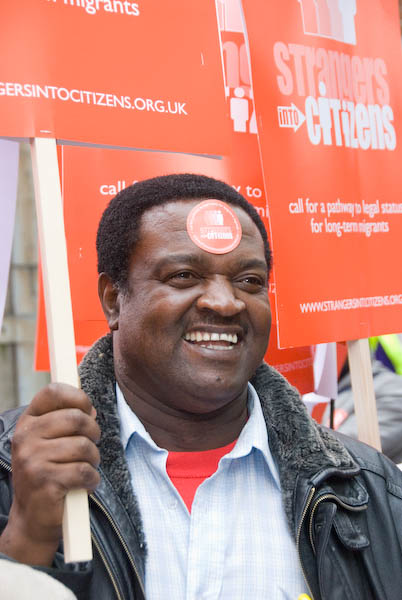
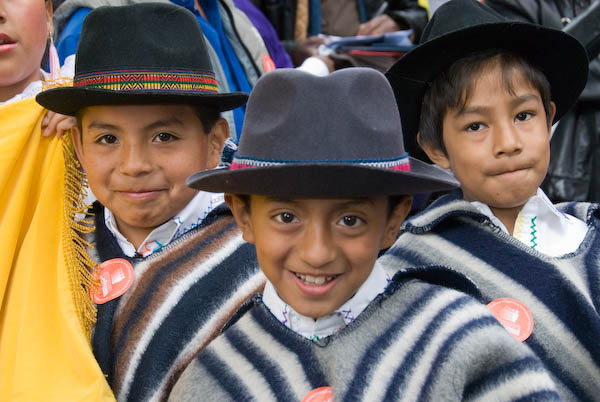
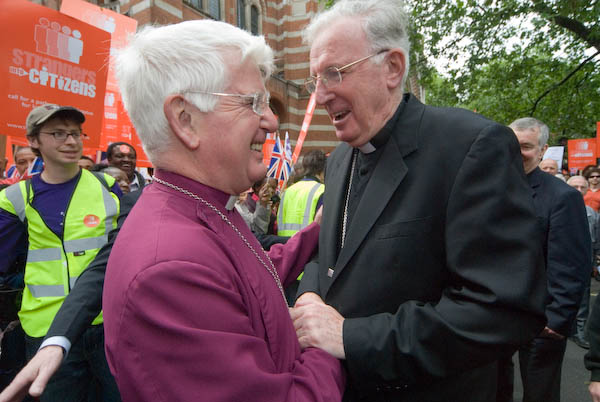
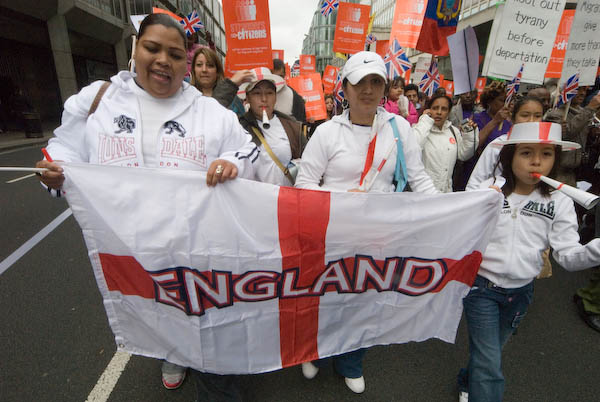
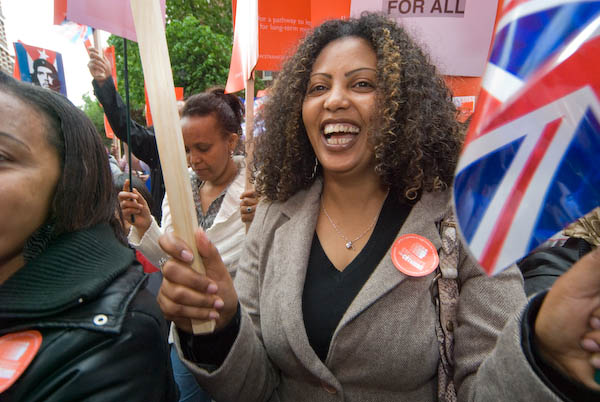
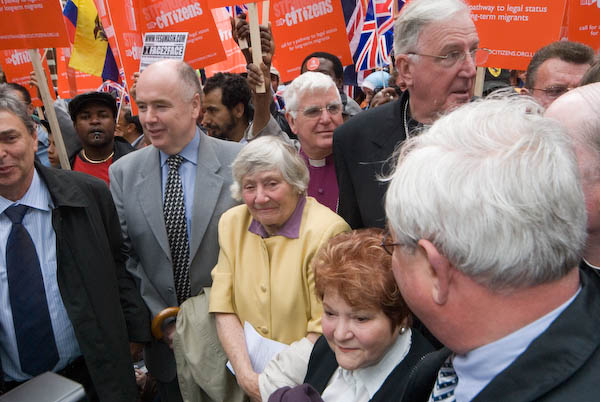
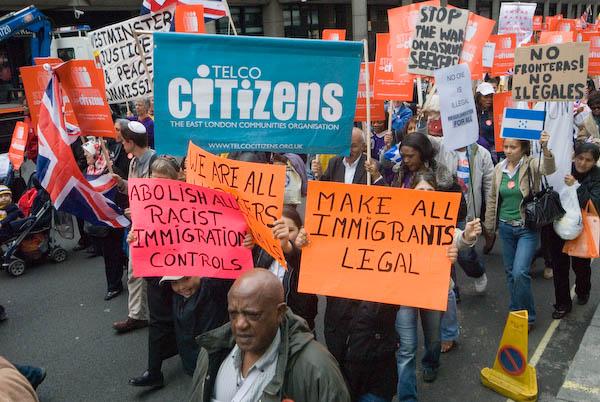
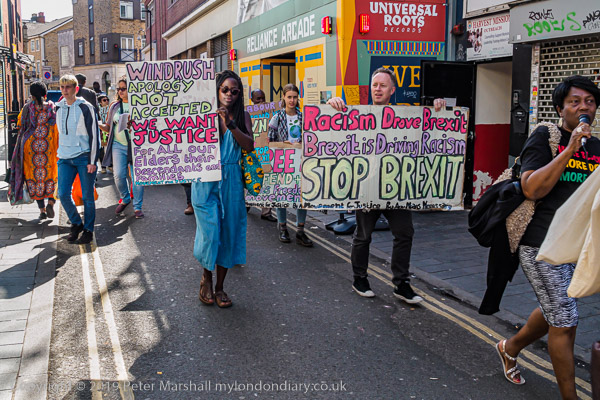
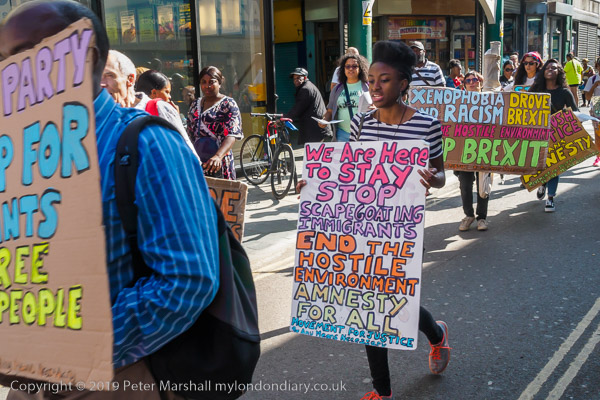
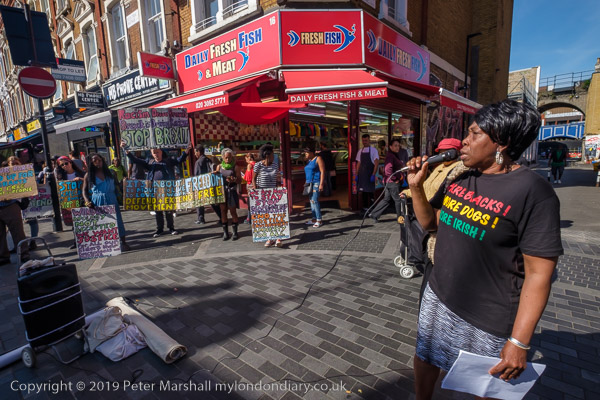
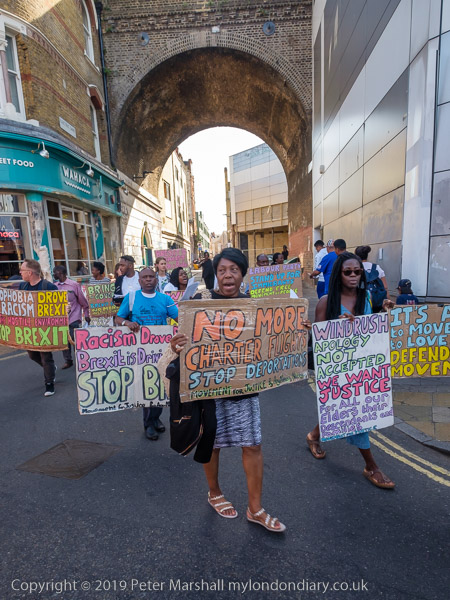
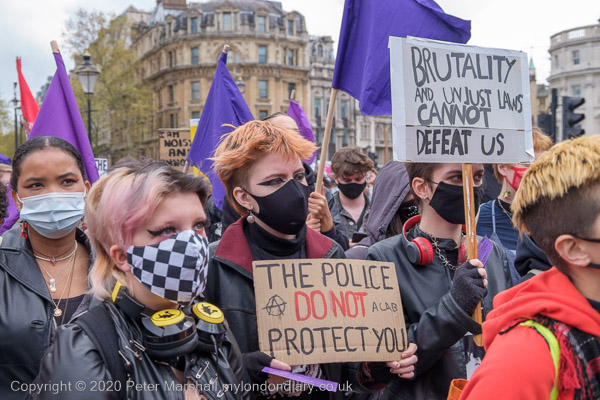
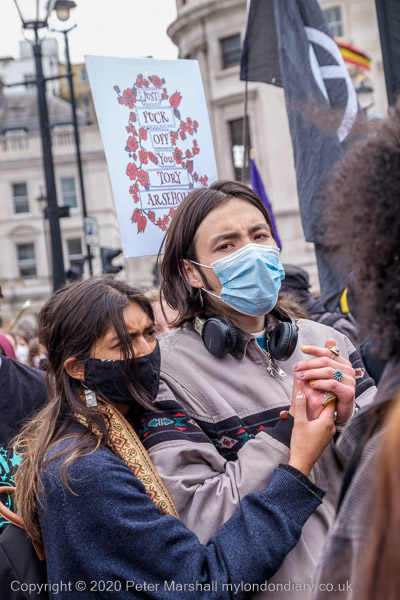
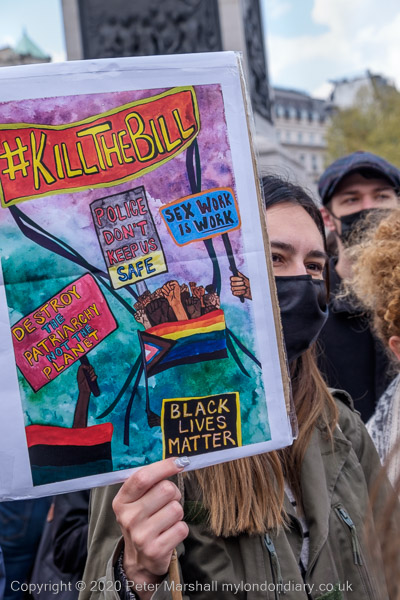
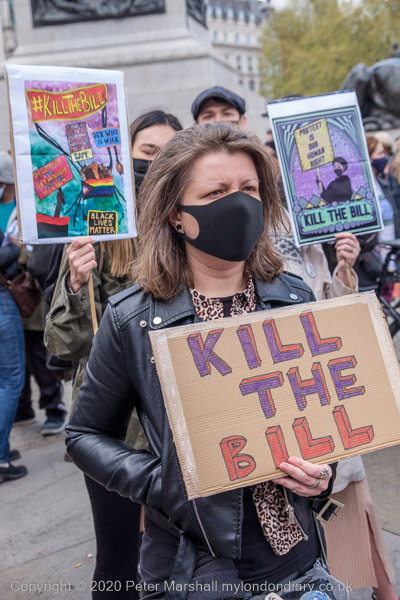
But a couple of weeks after the second dose I felt confident enough – despite my advanced years and diabetes – to go up to London rather than miss another May Day. Although the official May Day March was cancelled there was a large protest taking place. The pictures here are all from that day.
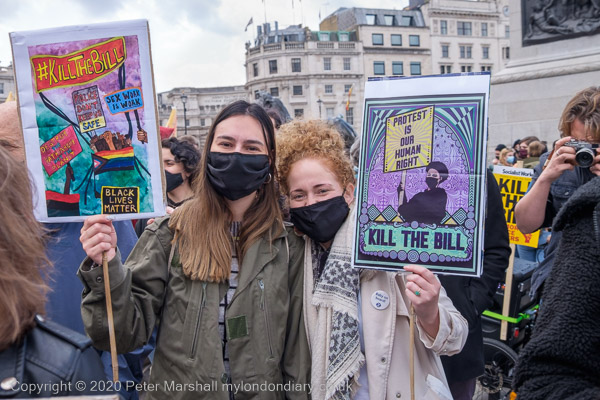
Of course I wore a mask – as did many of those in the protest against the Tory bill attempting to seriously limit our rights to protest also did, even though we were out of doors. It did after all get quite crowded on the streets. Even some of the police wore masks.
It was good then and on later days when I went up to London to meet many I’d not seen for over a year, though sad to remember there are some I won’t see again, largely victims of the Boris Johnson’s failures to bring in effective measures in time.

As the year went on I continued making occasional visits to London to photograph events, though many were still cancelled. I decided also to cut down on the number of events I attended, concentrating on those I felt more strongly about that were taking place on Saturdays, seldom covering things during the week. And although I’ve not posted these on my own web site, pictures are available on Alamy. You can go to my Alamy portfolio page to see them all.
I also began occasionally meeting socially with family and a few friends – though still rather cautiously and keeping in mind the need to avoid too much risk. We kept mainly outdoors and mainly ate in near-empty pubs.
But then came Omicron, since when things for me have rather closed down again, even though I got my booster early. We had Christmas and Boxing Day meals with only two of our immediate family and I’ve again stopped going to London.

On the plus side, the hiatus since early March 2019 has given me the time to get to grips with digitising and posting online many photographs from my early years – now almost to the end of 1992 with the black and white work. Now I have over 18,000 images on-line in albums on Flickr, mainly black and white images of London – but also Hull and Paris and a few other places, and some in colour.

So far those images have generated over 4.5 million views and a considerable amount of feedback, though rather to my surprise much of this has been about the cars on the streets in some pictures rather than the buildings or people I was photographing.

I think though I’ve not checked that I’ve also managed to put a post here on >Re:PHOTO for every day in 2021, something I can’t promise to do for 2022. It takes up quite bit of my time, though it helps that I can write the posts a day or two in advance and schedule them to be posted.
There are no adverts on this site and it receives no sponsorship, and I like to keep it that way. But it does take a considerable amount of my time and thought, and if you enjoy reading it, please share on social media.
And small donations via Paypal – perhaps the cost of a beer – would be appreciated.