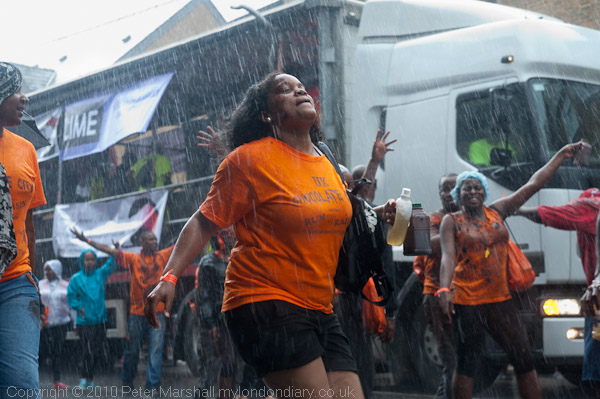
Carnival Day


A heavy shower at Carnival in 2010

Yesterday I was thinking I might go along to London’s greatest street festival, the Notting Hill Carnival, today. Then I looked at the weather forecast and decided against it. The carnival will still go on and there might be some interesting images in the wet, but the forecast is for continuing heavy rain until 2am tomorrow (when it changes to just light rain with a possibility of heavy showers.)
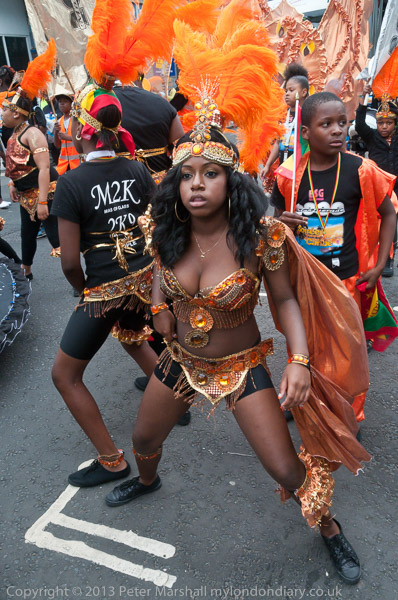

Notting Hill, 2009

So today I’m going to forgo the Red Stripe and dancing on the streets, and tomorrow at least I will still have my hearing unimpaired.  Back when I used to spend both the Sunday and Monday at carnival it would take me three or four days to recover, and probably suffered a little long-term hearing loss. You don’t just hear some of those truly giant sound systems, you feel them in your feet as the tarmac pulses to the beat and in your body as your vital organs move with it. And you dance even as you take pictures.
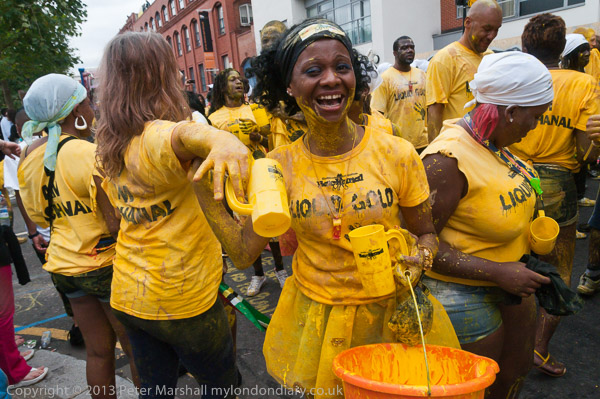

Notting Hill, 2009

It wasn’t until 1991 that I first went to carnival. Living a little outside London I had been put off by the scare stories carried by the press about violence there, a few of them true. With perhaps a quarter of a million people packed onto the streets there were always a few incidents but in general the mood is mellow. People are there to enjoy themselves, but if you are careless with your wallet in any large crowd it can disappear.

I have my own little story, one year when I was in a crowd of dancers at a sound system just off Ladbroke Grove – which I wrote about last time I went to . Last year I was a few hundred miles away in Yorkshire over the holiday weekend and missed the event. It did seem very quiet up there.
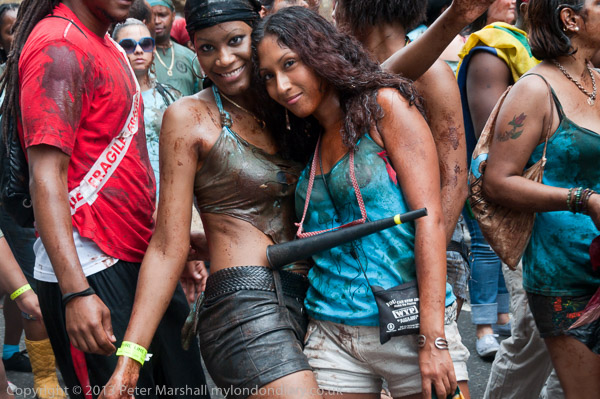

Notting Hill, 2009

Other than 2013, the only other year I’ve not been to carnival was 2005, when a minor but very painful knee injury stopped me. I tried to get there, but by the time I’d dragged myself the quarter mile to my nearest railway station was in such pain I had to give up, resting for a while before managing to make my way home.
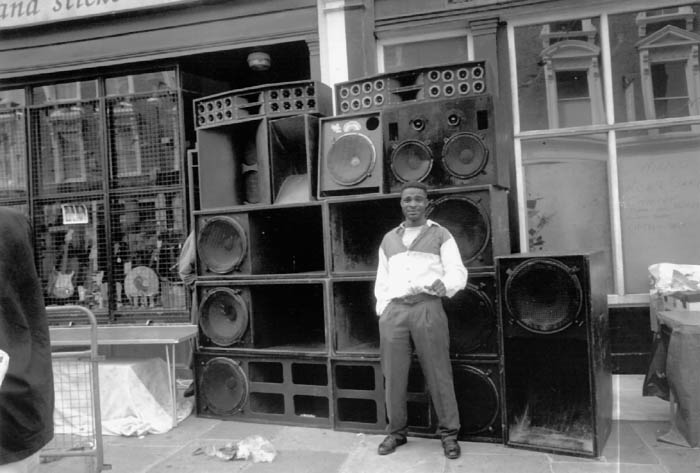

Notting Hill, 1990s

One of the first sets of pictures I put on-line were from carnival, and these are still there on a site called Fixing Shadows, and some of these were also in my contribution to an exhibition a few years ago, English Carnivals, which has rather improved scans.
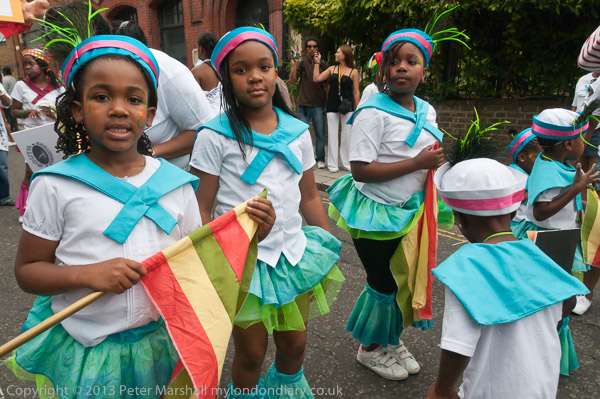

Notting Hill, 2009

But in writing this piece, I discovered that somehow I’d never managed to put the pictures that I took on Childrens’ Day in 2009 onto My London Diary.
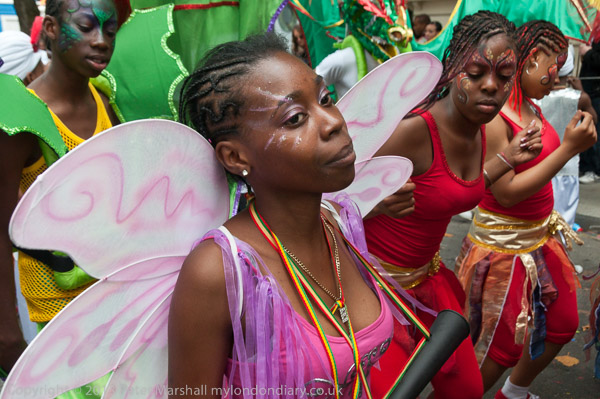

Notting Hill, 2009

I’ve also never added those from the following day when a few of us walked the 15 mile Epping Forest Centenary Walk – which you can do annually together with the Friends of Epping Forest (the 2014 walk is on Sunday 14 Sept) at a slightly more leisurely pace with less chance of getting lost and some explanatory talks en route. But perhaps I was just too tired after those 15 miles to put the work from the two days on-line. But included here are a few pictures from Notting Hill in 2009 that I’ve not posted before. All were taken on a DX format Nikon D300, mainly with a Nikon 18-200mm but some with a Sigma 10-20mm.
Continue reading Carnival Day
Exit re-enters stage left

Exit was the most significant single documentary project in UK photography in the 1970s (if not in the whole century), and although it gained some publicity – and a showing at the Side Gallery in Newcastle (home to most of the rest of significance in the genre in this country) in 1982, as well as publication by the Open University of ‘Survival Programmes in Britain’s Inner Cities‘ (ISBN-10: 0335101119) in the same year, it soon disappeared in the morass of theory than engulfed British photography in the lost final decades of the twentieth century.

Documentary was old hat. Seen as outdated, lacking in discursive mumbo-jumbo the project failed to be recognised and legitimised by academic flummery. And although the OU got some funding from the Arts Council, the two testimonials on its rear cover come from Peter Townsend, Professor of Social Policy at the University of Bristol, the leading sociologist of the era and Chris Hamnett, Lecturer in the Faculty of Social Sciences at the OU. The academic photography establishment preferred to hold its nose and look the other way, largely towards its own navels.

This was work in a tradition that many – largely those who were ignorant of it and had failed to understand it had rejected. But it was also fresh, compelling and highly political. And it was probably most importantly the political nature – telling the truth about our inner cites – that made it too hot to handle for the major galleries that should have shown it.

There were notable images in the book, taken between 1974 and 1979, by all three photographers, Nicholas Battye, Chris Steele-Perkins and Paul Trevor, though for me it was particularly the work of Trevor in Liverpool that stood out. Steele-Perkins writes informatively about the group in Photoworks (via David Hofmann  who I thank for posting the link on Facebook) and includes this about how they divided up the country:

We all did some work in London as we all lived there, and we all did some work in Glasgow, but most of Paul’s time was spent in Liverpool, Nick’s in Birmingham and mine in Newcastle, Middlesbrough and Belfast.

His article also gives a good idea of the shoe-string nature of the project, and how the photographers worked, and of the importance of the interviews along with the photographs.  The first image on his Magnum portfolio is from Belfast in 1979.

I first met Paul Trevor in the’80s and went to several events where he showed and talked about his work, in Survival Programmes as well as in East London and in India, and I was highly impressed. But it was only in 1997 when I reviewed a book giving a very one-sided view of the magazine ‘Camerawork*‘ (not to be confused with Camera Work!) which Trevor had been one of the nucleus from its first issue in 1976 that I got to know him personally. I sent him my draft review for comments, and as well as correcting some of my misconception he also contributed his own review to the small magazine, LIPService, I was then editing for London Independent Photography. You can read the text of my review for ‘Visual Anthropology Review‘ on-line and the final article with illustration here if you have a Wiley Online Library account. Though why they should charge for accessing my work without giving me a share is something of a mystery.

The following year ‘Visual Anthropology Review‘ published a feature with 20 of my pictures from the Notting Hill Carnival with text by George Mentore (my name does not appear in the abstract – and again you pay but I get nothing) and also an article by Dale Newberry, ‘Photography and the visualization of working class lives in Britain‘  (same terms) in which Trevor’s work was featured, and I was rather surprised to find how little known his work was at that time in the USA.  I got the front cover of the magazine, with a rather better image by Trevor on the back.
More recently, I wrote about his work in Liverpool and the book and show there in 2011, Like you’ve never been away. It’s a nice book, with much better photographic printing than Survival Programmes, though with its portrait format some of the images disappear rather disastrously down the gutter.

Grain, the new Photography Hub and Network for the West Midlands at the also new The Library of Birmingham, has recently acquired a collection of over 250 vintage prints from Exit Photography Group as a gift from the the Calouste Gulbenkian Foundation who funded the original project, although I think there are only 3 pictures – one from each photographer currently on line. There is a large collection – 125 pictures –  of Paul Trevor’s work from Liverpool – reproduced from his contact sheets in a rather strange sepia –  on Flickr.


* Camerawork is now apparently rare. I just found a bookseller offering a copy of a single issue for £32.95 (+ postage). I have an almost complete set and gave away some spare copies…   You will be lucky to find a copy of Survival Programmes for less than £100 too.

June comes to an end


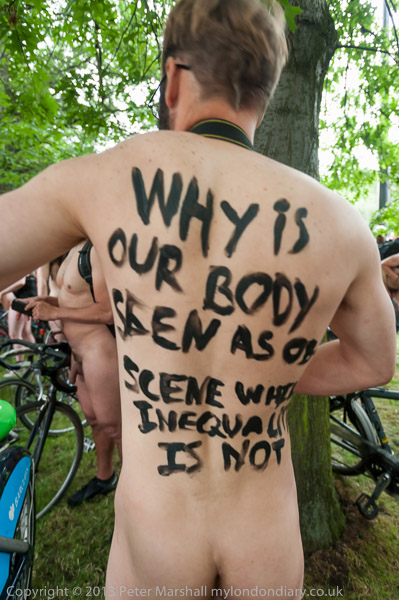
A good question from the World Naked Bike Ride – though the picture could be tighter framed

I finished putting my work for June on-line at My London Diary a couple of weeks ago, and have also now written posts here about those events I felt I had something to say of interest about.  But although as I write August is halfway over, I still haven’t found the energy to start putting July’s events onto my diary.  Perhaps it will happen today, perhaps later in the week.

I see My London Diary as a record of some of the details of my life here and the events I cover rather than just the day to day reporting.  It covers a wider range of posts – including some things which definitely aren’t news, like some of my walks and holidays –  and goes into more depth telling stories through pictures than the selected images which are almost always uploaded the same day – if never as fast as Demotix and other agencies would like. Its an archive of my work rather than news, and largely a record of particular subcultures in a city in a particular era, and one that reflects on wider world issues. So although I think it important to keep on recording events day by day, keeping up to date on my web site is less of a priority.

Continue reading June comes to an end

Boots and the ILF

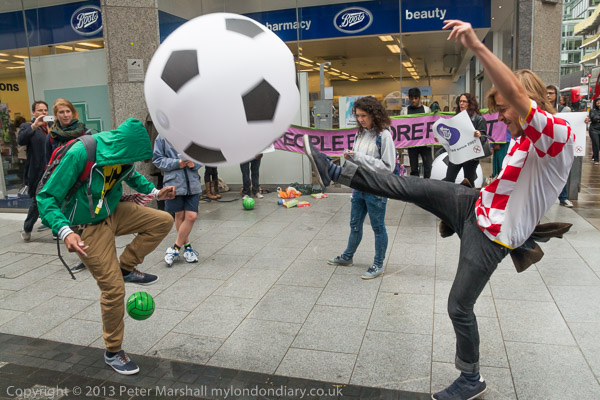
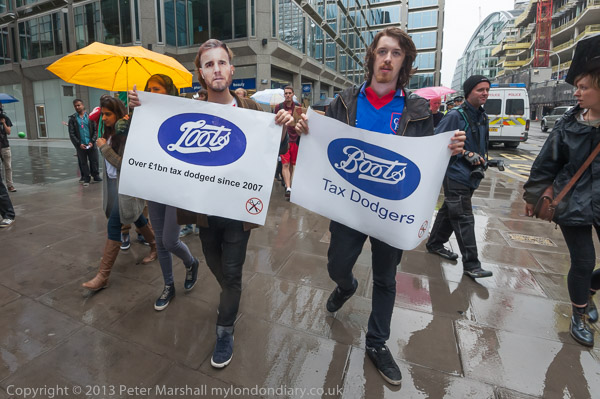
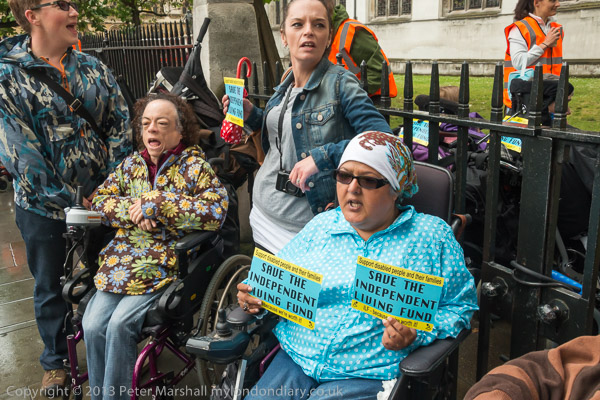
It was a football-themed protest outside Boots by UK Uncut, but although Boots (or ‘Loots‘ as some of the posters called them in a nice version of their logo) have been dodging tax, I knew that the protest there was only a diversion.  UK Uncut were there to occupy the police while DPAC and Occupy London were getting busy with another protest somewhere not very far away.

Obviously the protesters wanted to keep what they were doing a secret from the police, and surprisingly seemed to have managed to do so, but I felt just a little left out of things in that they hadn’t trusted me more. Of course I wouldn’t pass it on to the police, and I think most of the protesters know me well enough to know that.

I could have gone to one of the planning meetings for the event – which I had known about – but there is a line between being a part of a protest and reporting on it that I think it is important to stay clearly on one side of. Not that protesters can’t photograph protests, but you can’t be a part of the protest and report objectively on it;  a little distance is vital. But it would have been nice to know what was happening and when – as I have done at some previous protests by DPAC – so as to be at the right place at the right time.

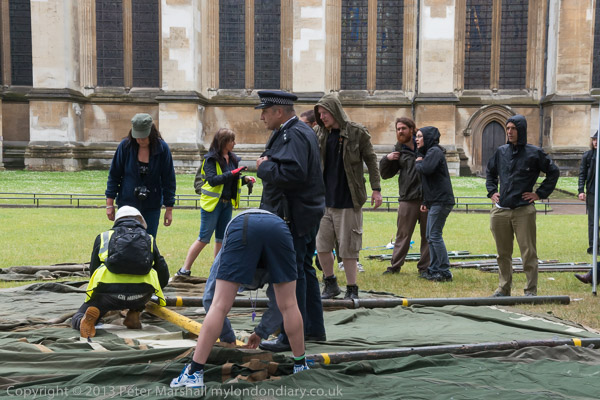
As it was, by the time the protesters from Boots had marched down to Westminster Abbey to join the others already there we were just a vital minute or two late. So I wasn’t able to photograph the initial stage of the protest, and I would have liked to have done so.

I had to make a choice quickly whether to go over the fence and join the protesters or stay with the others who were outside the fence. It wasn’t hugely high, and there were certainly places I could have managed to go over even despite my age and condition (I have a real problem now with balance if I take my feet off the ground.)  But I wasn’t sure if I wanted to, and certainly was not convinced if I had done so that I would have been able to leave when I wanted, even by showing my press card. The police are not always helpful to the press.

There were a few things I might have been able to do better inside. Although my picture shows quite clearly the officer standing on the tent so that it could not be erected, a closer viewpoint with a wide-angle might have been better, and would have shown more of the abbey behind.

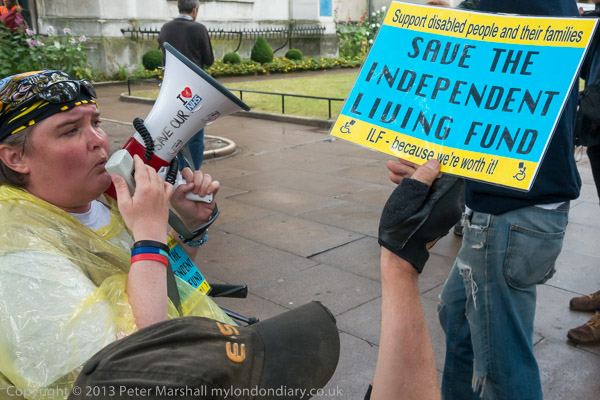
And while I was able to take some decent pictures of Paul Peters of DPAC speaking by leaning as far as possible over the fence, being able to move a few feet further might have been better. But at least I was able to get pictures, if rather more with the 70-300mm than I would have liked.

Using that lens should have had one big advantage. It was dull and raining slightly, and the long lens hood on that zoom is a great rain shield. Unfortunately I’d lost the lens hood a few days previously, and although the replacement I’d ordered arrived that day, it only came after I’d left home. So I was taking pictures using my left hand to shield the front of the lens.

It was raining enough for most of the pictures taken with the 16-35mm to have a least one area with some diffusion caused by rain on the filter, including a whole series where I got a little excited and didn’t wipe the lens until I’d taken quite a few frames.

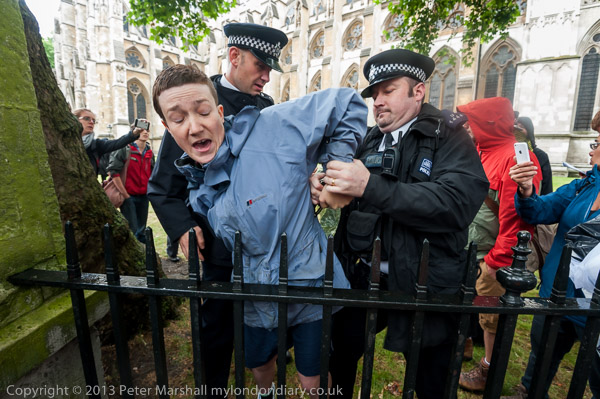
I’d I had been inside I would not have been able to photograph the protesters who had been left outside, and would also have missed the pictures of the arrest, where the protester was pushed against the fence by two officers, nor to run around to photograph as the protester was put into the police van.

As more and more police arrived, it did become harder to take photographs as most of them formed a line around the area inside the fence a couple of yards away from it. Fortunately there were a few feet between each of them, and by moving around I was able to see through the gaps. At times there was quite a crush of onlookers and other photographers at the fence which made this difficult, but I was quite pleased with what I was able to do.

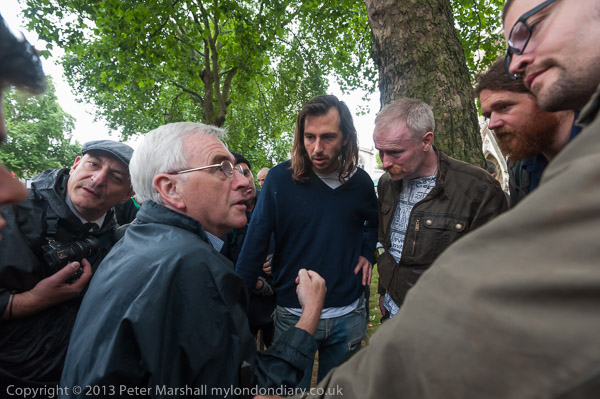
Among others outside the fence was MP John McDonnell, who spent a lot of time trying to contact the Dean of Westminster and get him to allow the protesters to set up a temporary camp in the area to protest against the ending of the Independent Living Fund. Unfortunately although the Church of England has made some principled statements against the loss of the ILF, the Dean wasn’t prepared to talk to the MP or the protesters, but simply wanted the police to get these people off his grass.

Being outside did have the advantage that when I got tired  I could simply walk away and catch the train home. But by then I’d decided there was unlikely to be much of interest happening.

You can see the pictures I did get both of the earlier protest, UK Uncut ‘Boot Out Boots’, and also the protest proper, Occupy Westminster Abbey – save the ILF

, and find out more about the protests there.

Continue reading Boots and the ILF

Safeguarding Truth

An excellent article published yesterday in Ochre, Safeguarding Truth in Photojournalism: Ami Vitale’s Survival Guide which looks at how the way in which some of Vitale’s images were appropriated and misused on the web, and how this hit the photographer:

It literally stopped me in my tracks,” she said in an interview with Ochre. “There was a week I thought this was enough: I’m quitting. And then I realized that this was actually just a call to action to try to educate people, protect yourself and the people you photograph as best you can.

The article goes on to explain the steps that she took, along with others who helped her to do this, and has a great deal of good advice and links to resources. (Ami Vitale is one of the photographers mentioned in the previous post, Inge Morath & Danube Revisited.)

I posted about the misuse of her images and her response here in May, in Image Abuse, and much of the advice in her survival guide has also been covered here in previous posts, though it is good to have it all put together in the Ochre article.

She says “I hated watermarks before. I thought they were so tacky.” I thought the same, and came very reluctantly to my decision to use a relatively discreet visible copyright message in 2010 after some very much more minor problems with the unauthorised usage of my own work, though I’d advocated their use in a post here a year earlier. Virtually every image I’ve posted on the web since then has carried this visible watermark,  though sometimes its been midway through the year when I’ve got around to changing the date.

Much earlier I made sure that every image carried my contact details in the metadata, though that too often gets stripped out. With my watermark along the bottom of the image that too is easily removed, but for anyone to do so would be clear evidence of guilt, and my experience is that most people who use images without consent don’t remove it. Most unauthorised use of images on the internet is by people who just aren’t aware of copyright or think it doesn’t apply to their use.

There are a few aspects of the Ochre article that relate to the USA and its peculiar copyright system, which makes the enforcing of copyright financially non-viable in the US unless photographers register their images with the US Copyright office, while permitting punitive damages for registered images. Its a system that non-US photographers can use as well, but the surprising fact quoted in the article is that “less than 3% of professional photographers surveyed by the American Society of Media Photographers in 2010 registered their work.”

There is also some information about the PLUS (Picture Licensing Universal System) Registry which I mentioned back in 2008, and again three years ago in PLUS Makes Progress , and it is apparently still making progress – if it does seem rather slow. You can register for free – as I did in 2011 – and this enables you to be found in the registry from your name or some other information. But to get real benefit from it you will need to become a supporting member – and for individual photographers  -“small businesses with one employee, the contribution of $125 per year (reduced to $75 per year for members of participating trade associations)” may not seem worthwhile.

I was also very pleased to hear of yesterday’s US court judgement which affirmed the damages of $1.2m awarded to photographer Daniel Morel after AFP and Getty stole his images of the Haiti earthquake. The court did make one minor adjustment, ruling that there was insufficient evidence that Getty was guilty of half of the DCMA violations, which will same them just a few pennies.  I can’t pretend to understand all of the court ruling, but – as in the earlier trial – it is certainly damning. I’ve never understood why AFP and Getty felt the case was worth fighting and didn’t come to a settlement with the photographer as soon as they discovered what had happened.  Presumably they just thought they were big enough to bully their way through, though perhaps the award and presumably the costs they will have to pay might make them think differently.

I have posted before about the Morel case, but there is more information on Jeremy Nicholl’s The Russian Photos blog, and though as I write he has yet to respond to the latest news, doubtless he soon will. His last post in January about the AFP/Getty appeal estimated that the case will cost AFP and Getty to well over $10m, most of which will go to the lawyers – including those who presumably told them the case was worth pursuing. For the lawyers it certainly was!


Wet Pride

I don’t like taking pictures in the rain. Not that I particularly mind getting wet, certainly not in summer when its reasonably warm. As I was going out a couple of weeks ago when the forecast had been for heavy showers, my wife said to me “Have you got something waterproof” and I replied “Yes, my skin.”  It’s what my father used to say. In summer, the light clothing I wear dries out in minutes once it stops raining.

But I also carry a small folded umbrella slipped into the back of my camera bag. It’s light and takes up no usable space, slipping between the outer bag and the protective shell inside. Although it’s there I seldom use it, and almost never when I’m taking pictures. I don’t really have a spare hand and holding an umbrella cuts down mobility, apart from too often wandering into the edges of pictures with the 16mm. Forget it with the fisheye.

I also have a cheap plastic Optech rainsleeve in an outside pocket of the bag, but I’ve yet to use it. I’m sure its a good idea, but somehow I’ve never got around to putting it on. I’ve never actually thought about it until the camera is so wet it seems hardly worth it.  I guess it would be worth it for extended periods of rain. It has a drawstring to pull it tight around the lens and a hole for the viewfinder. You are supposed to be able to unscrew then screw back the viewfinder eyepiece to hold it in place, but I’ve never managed to move this on either of my Nikons (even after unlocking by closing the viewfinder shutter) – and if I did manage it, I’d be sure to lose it!

Both the D700 and D800E bodies seem pretty waterproof, and the 16-35mm lens is also quite well sealed, though the 18-105mm definitely isn’t.  But I don’t think the sleeve or similar devices would help with my main problems.

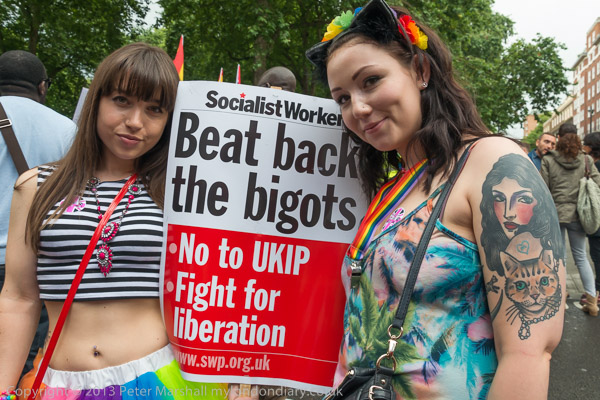
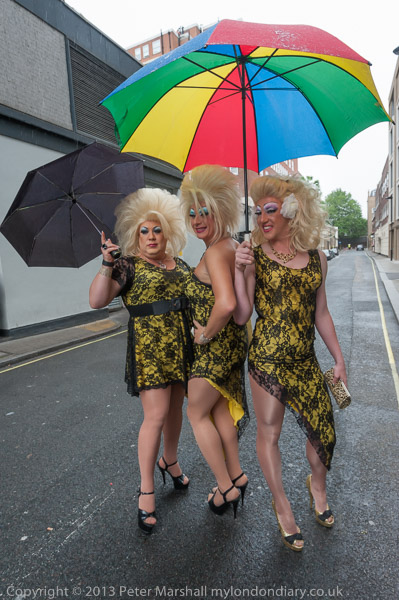
I was photographing people getting ready for the annual Pride parade in London, and while there was the odd drop of rain they and I kept going about our business more or less as normal – and when it really pelted down they and I took shelter in doorways along Baker St, emerging as the rain eased off. The umbrellas at least make some of the pictures a little different.

Photographing in light rain, the main problem is with drops of water on the front of the lens – on the UV filter rather than the real glass that this protects. Lens hoods help to keep the rain off, but can’t be very effective for wide-angles.  If I’m wearing a jacket I’ll keep the cameras under this as much as possible, but in summer I’m usually just in shirt sleeves.

So its ‘wipe and shoot, wipe and shoot’, holding a microfibre cloth in my left hand, on my palm between hand and camera much of the time.  Most of the time I’m cursing myself for being a cheapskate and buying microfibre rather than chamois, which I think works better, but last time I needed a new cloth I didn’t have a lot of cash on me. I try too to wipe any water from the lens barrel too, especially with the 18-105mm which extends to zoom. That barrel changing its length is a pump which takes in moist air and minute water droplets to the lens. The 16-35 has internal zoom and focus, not altering its length at all and is much better in that respect, but in extended damp conditions the large glass surfaces inside tend to get steamed up, diffusing images. I’ve yet to find a solution for that.

But however much you wipe the 77mm filter on the 16-35mm has a terrific attraction for rain-drops, and a fairly high proportion of images taken in the rain are going to suffer from at least one diffuse area because of them. Sod’s law operates to its fullest, and those drops head for the most important areas of your best pictures – or certainly of mine.

Post-processing can save a few, particularly where the defect is in a less important area. Though I used to tell students that every area of their pictures was important and they were responsible  for everything in them (latterly I’d say ‘every pixel’) you can get away with more in some areas than others.  I’m sure I’ve posted this tip before, but to save you looking it up again should you need it, I have my own Lightroom preset for the Adjustment Brush:

Contrast: 22;      Highlight: -22;      Clarity: 32;
other settings at 0

Brush with this, then adjust the Exposure setting to suit the individual case. If it looks too contrasty of course you adjust that as well. It can’t entirely solve the problem, but does work wonders. Possibly you could fiddle with the numbers and improve it.

Rain also causes problems with using flash – and I think the picture above is the only one I made using flash fill, though several others would have benefited. But flash illuminates the raindrops and it is seldom a useful effect, and flash units are best kept dry – the high voltages they produce can probably fry the circuit boards if a little dampness helps them short – and if they leak to the hot shoe would be terminal for the camera too, though I’ve often used them in light rain without problems. You can get rainsleeves with room for a flash if you really need to work in heavy weather.

Having photographed the front of the parade starting off, I slowly worked my way back through those waiting to follow it, intending when I got to the back to take the tube and catch up with the front as it reached Trafalgar Square. But it took me so long to take pictures as they waited to leave that this year I didn’t have time to get back to the parade as I had another event to photograph. Some days there is far too much happening in London.

You can see more of my pictures – in which as well as the usual stuff I try to concentrate on the more serious aspects of Pride – at Rain on Pride Parade.

I usually put pictures on My London Diary at least roughly in the order they were taken, there are two sets of pictures here, the first two pages taken with the D800E/18-105mmDX and the rest with the D700/16-35mm. Minor computer problems meant these pictures did not get sorted in ‘Date Taken’ order as usual.
Continue reading Wet Pride

More River Panoramas


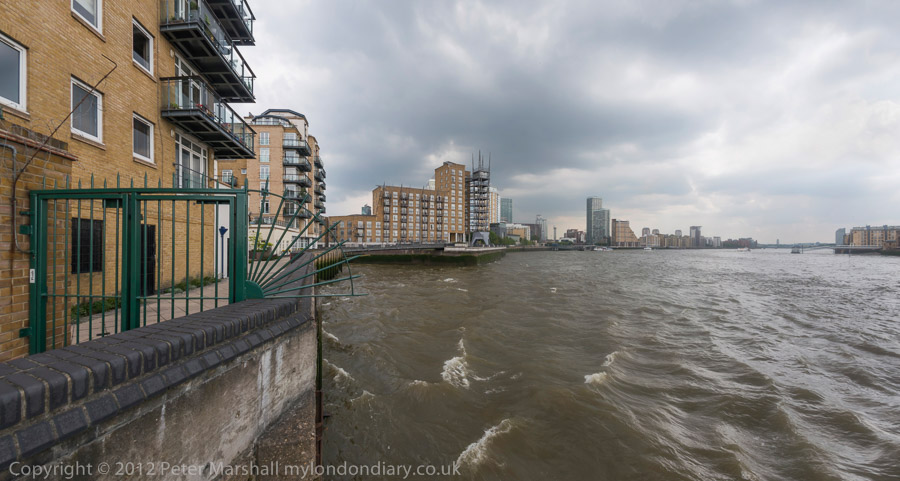
The Thames path goes through a gate open during daylight hours D800E, 16mm

I bought my first proper panoramic camera towards the end of 1991, having lusted after one for some years. I’d thought about the possibilities on offer – not all that many – but it was mainly cost which had stopped me getting one before. I’d played with panoramas a bit, taking multiple images, had used cheap single-use cameras that called itself panoramic and had investigated masking down wide-angle images taken on Kodak Ektar 25, but all these were a pain and not really satisfactory.

The single use camera did give images in a panoramic format, but didn’t have a very wide angle of view – perhaps around that of a 28mm lens. With a cheap lens and using fast colour negative film, the images were OK at the 4×10″ they were designed for, but decidedly soft and grainy when I took them up a little in size. Fixed focus meant they were not sharp at infinity, and a lack of aperture and shutter control limited use to bright sunny days.

Masking down the 35mm Extar X negatives taken in a normal camera to around 36x15mm certainly gave better technical quality (even better than Kodachrome 25), but was still limited in its field of view by the lenses I owned, the widest of which was a 21mm f3.5 Zuiko which fitted my Olympus OM4 bodies. There were wider lenses available – including a 16mm f3.5 full frame fisheye, but I didn’t own one and there was no simple way to correct the curvature that this produced.  The 90 degree field of view of the 21mm still didn’t seem quite enough to me.


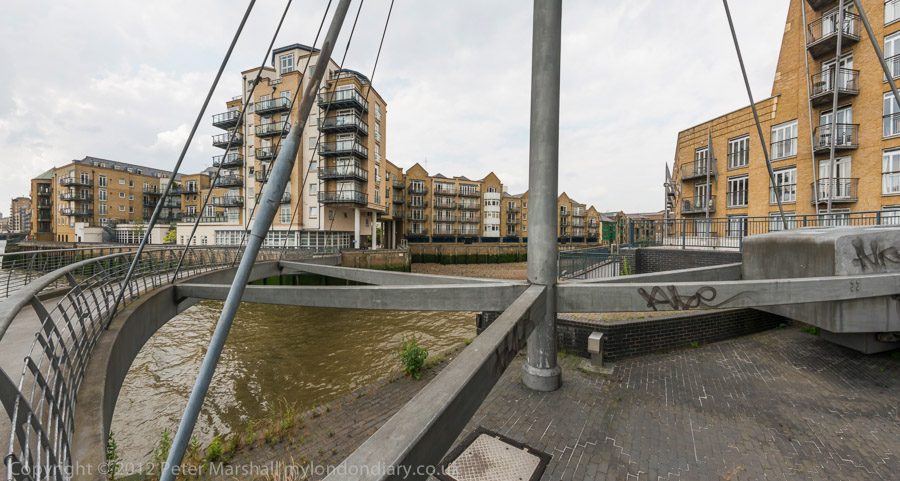
The bridge for the Thames path across Limekiln Dock D800E, 16mm

I wanted a camera that was portable, gave a decent negative size and I could afford. I had no desire to make huge prints, and hated processing 120 film, so those producing longer than usual negatives on 35mm looked good. But the prices didn’t.  Eventually I saved around a month’s salary and bought a Japanese Widelux F8, and began my real work with panoramic images.   Later I replaced this by a cheaper Russian Horizon camera, which apart from a better range of shutter speeds also had a viewfinder (the Widelux just had arrows on top to indicate the angle of view) which incorporated a spirit level, making hand-held use for landscapes a possibility. And later still came the Hasselblad XPan, which, at least with a 30mm lens, gave rectilinear panoramas at around the sensible limit of angle of view.


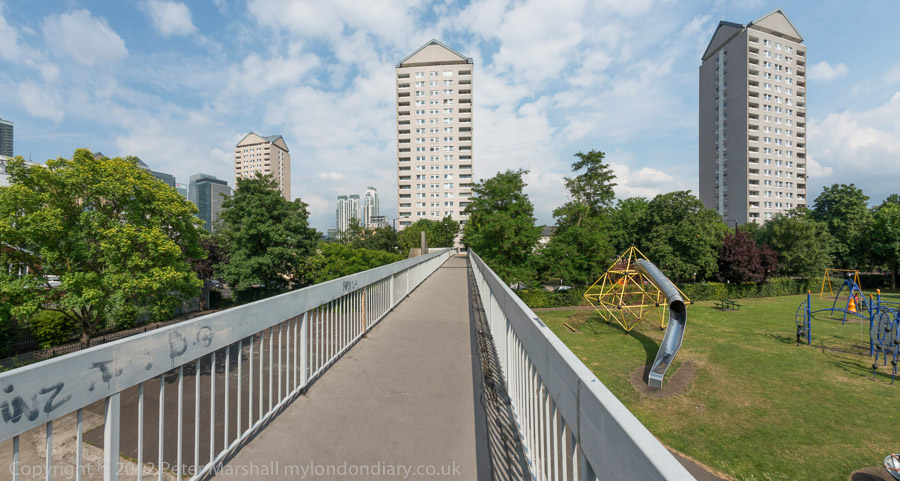
This bridge was built to connect the council estate to a riverside park across a road then busy with docks traffic D800E, 16mm

When I took up digital photography serious with a Nikon D100 in 2002, it became possible to stitch together images digitally to make panoramas. But it was still much easier to take them on film, with a single press of the shutter release, especially when there were moving objects in the frame. So ten years after going digital, I was still – at least theoretically – using film for panoramas. Except that I wasn’t. Film had become just too much of a hassle. I was simply taking fewer panoramas – and making those from multiple digital images.

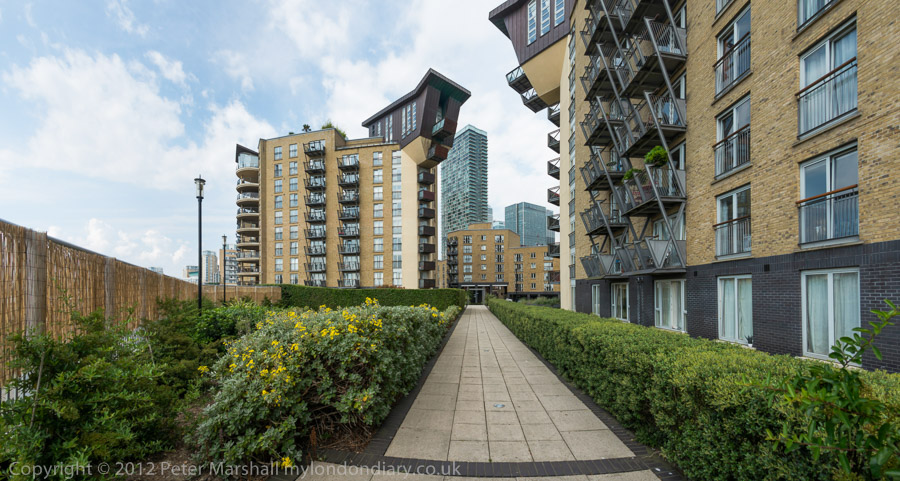
It was the high quality 32Mp files of the D800E that made me rethink and go back to making panoramic images from a single exposure. Using the Nikon 16mm full-frame fisheye I can digitally process the images and end up with panoramas 9706 pixels wide and a 146 degree horizontal angle of view.  The full vertical angle is actually larger than I want, and I crop the images down, usually to around a 1.9: 1 aspect ratio, which gives a little freedom about where to place the horizon – the digital equivalent of a rising/falling front.  The D800E also has built-in level indicators in the viewfinder, which are vital.


Riverside flats D800E, 16mm

Now my main limiting factor in making panoramic images is simply time to do so, with so many other things to photograph – as well as writing about it. And also the weather, as clear blue or evenly grey skies can ruin many pictures. Not to mention my legs, which no longer take long walks and standing around to make pictures without complaint.

Also important is the time spent in post-processing, which is considerably longer than for straightforward images. Adding a minute or two for each image would perhaps not be too vital, but where you can directly assess a normal image with a glance at the preview, for these panoramas you really have to process them to the end result before you can be sure if they work. Processing these images from a single afternoon held up my updating of My London Diary for some days.

Over the years I’ve watched – and occasionally photographed – as the Thames in London has turned from the post-industrial landscape that features in my London’s Industrial Heritage  into living space for the rich, with blocks of luxury flats now lining most of its banks.  In the process the river has lost much but not all of its fascination, and the rest of us have gained much greater access to a riverside that now has much less worth seeing.

The weather for my walk was London’s best – highly changeable. Spells of light rain, impressive clouds, grey skies and blue skies. Even on digital – usually far truer to life than film – it often looked too extreme, and I had to lighten some of the dark clouds. With open views like most of these you do get a lot of weather.


The view from Island Gardens D800E 80mm on 18-105mm

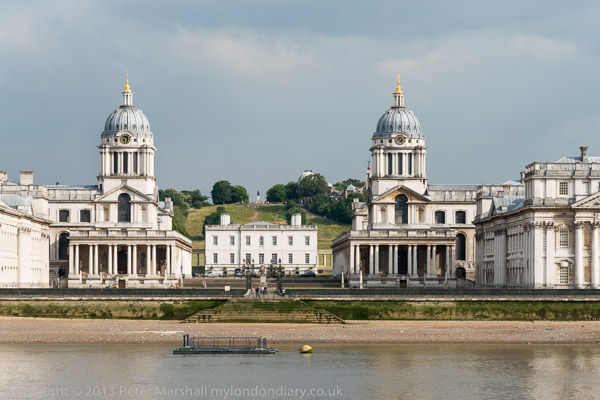
I’ve divided the pictures from the walk into two sections, largely for convenience of reference, with pictures from Limehouse and then from Millwall – Isle of Dogs. At the end of the walk – a pleasant mainly riverside stroll of perhaps 6km which took me two and a half hours with a camera but would have been half that without – I also took a few other pictures of Greenwich from the Isle of Dogs.  Arguably the view from Island Gardens is one of London’s finest, and at that time of day is at its best.
Continue reading More River Panoramas

No More Austerity

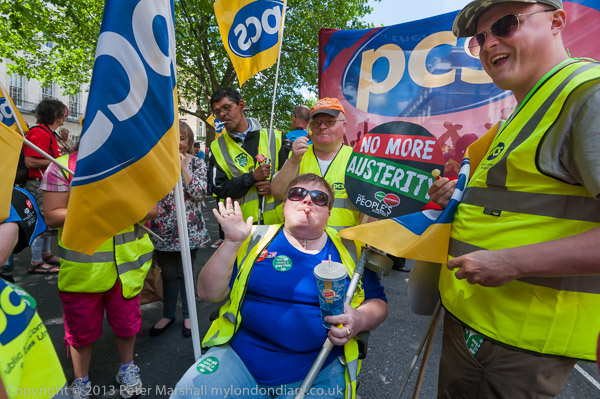
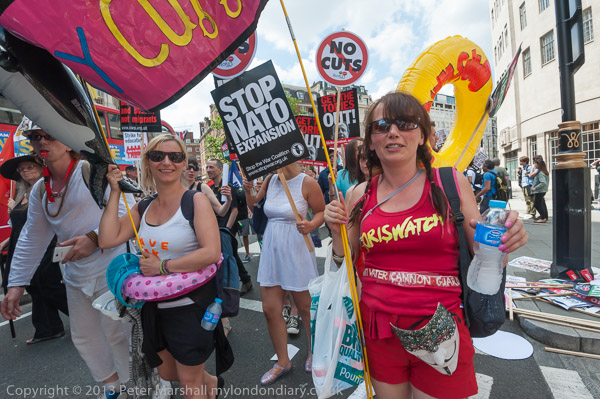
It was one of those days when I spent rather a lot of time running around London looking for things that either didn’t happen or I decided there was nothing much to photograph. On top of which there was also one of London’s largest protests, the No more Austerity march and rally organised by The People’s Assembly, trade unions and campaign groups starting from outside the BBC.

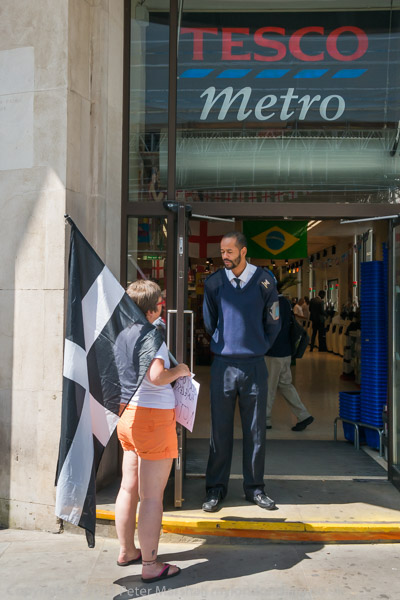
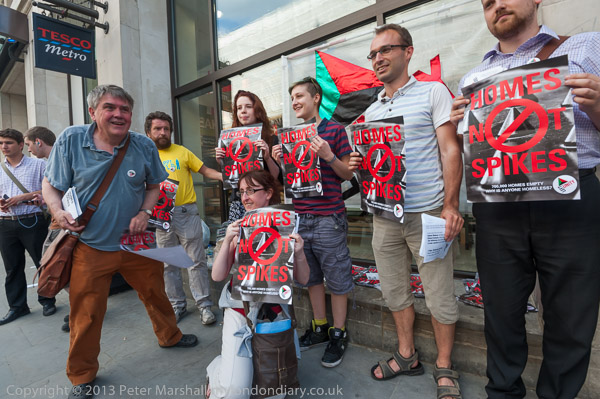
Two groups had promised to hold protests on their way to the big one, and I did manage to find one of these, a protest outside the Regent St Tesco branch where earlier protests and direct action had led to the removal of ‘homeless spikes’, designed to stop rough sleepers resting there. The Call for Nationwide Homeless Spikes Ban was smaller than I had hoped, but there was a story and it’s demand for a nation-wide ban was reinforced by a protester from Cornwall – carrying a Cornish flag – and policed by a Welsh police officer. But of the beach party themed flash mob taking the underground to the more austerity march I saw no sign, though I did I think find them later on the anti-Austerity march.

I’d also planned to cover two unrelated protests, one at Downing St and the other at the US embassy. I went to both shortly after their advertised starting times; opposite Downing St there were a small group of people, but no sign of them beginning a protest. At the US Embassy there was a small protest taking place, but little to photograph. I took a few pictures, talked to the protesters, who told me there were more coming and I promised to return later when they thought there would be more. But when I returned to both groups later, neither were anywhere to be seen, and I didn’t have enough material for either to make a story.

No More Austerity was different. A large protest with perhaps 15-20,000 people marching from outside the BBC, who almost entirely failed to notice it (a short mention appeared belatedly on the local news.) The organisers claimed 100,000 on the march and at the rally, and some papers quoted that unrealistic figure as fact.

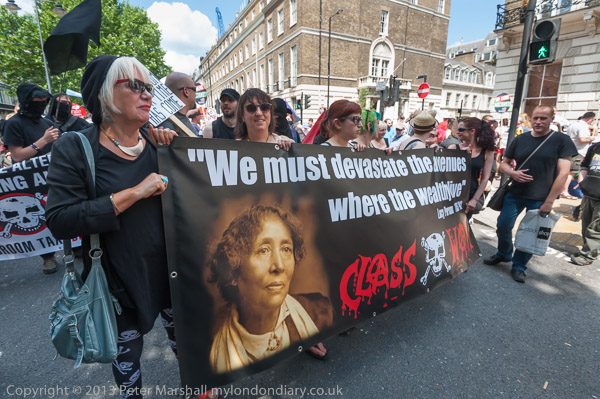
My main problem in covering the event was simply it was too large and too crowded, at least at the start, and there was just too much to photograph. Too many interesting banners – such as that carried by the ‘Class War Womens’ Death Brigade’ with its typically uncompromising quote from US anarchist activist Lucy Parsons (Chicago police called her ‘More dangerous than a thousand rioters!’) “We must devastate the avenues where the wealthy live”  as well as a rather fine crocheted less controversial ‘Tax the Rich’.

It was also rather warm, and I could have done without the extra rushing around central London for the missing protests I tried to find as the end of the march reached Oxford Circus, a quarter mile or so from the start.

When there are large protests in London like this, traffic is hugely disrupted, and the only ways to get around quickly are either on foot (or bike) and the tube. But underground stations are seldom very close to where you want to be, so that too involves a lot of walking or running. Often too, as on this Saturday, key lines or stations are closed for engineering works, and I found I had to do rather more on foot than I liked, particularly when carrying a heavy bag on a hot day. So when I finally arrived at Parliament Square, a short walk from Westminster tube – I was as hot and tired as the protesters who were just arriving having marched the whole distance.

Fortunately the organisers had arranged for a fairly large press area in front of the platform, unlike at some other events, which made it easy for us to work, and particularly to photograph the speakers at the rally. The microphone then became the main problem, with some speakers apparently trying to hide from my camera behind it, along with a metal lectern that almost completely hid some of the less tall.


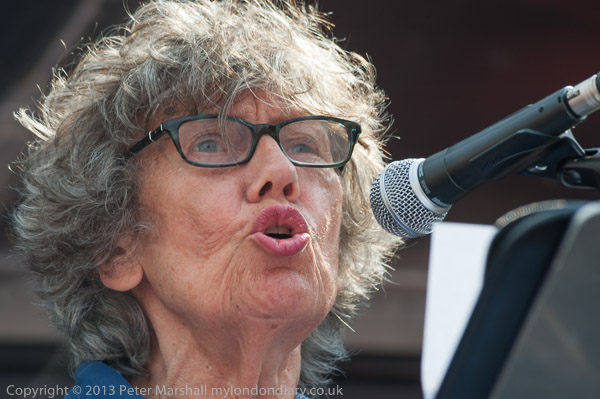
Celia Mitchell reads one of her late husband Adrian Mitchell’s poems

What surprised me greatly about the rally was that there were no speakers from the most active group of anti-austerity protesters, DPAC and other groups of the disabled. I later learnt that this was because the event organisers had refused to provide disabled access to the stage, or rather asked that DPAC should pay for it. It seemed unbelievable that any left group should be so clearly anti-equality; had they known in advance I suspect many of those who did speak would have boycotted the event.


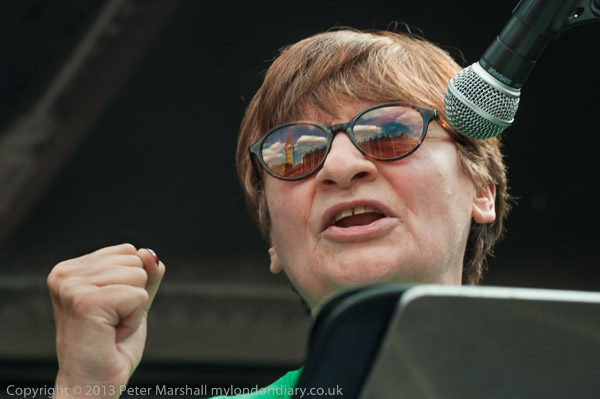
NUT General Secretary Christine Blower with a reflection of Big Ben in her sunglasses

Something I did find annoying were the continual announcements that Russell Brand was on his way to speak at the rally. I expected him on past performance to be the least interesting of the speakers, and while his support brings publicity for the cause I think the whole cult of celebrity is something that the left should try and oppose. When he hadn’t turned up an hour and a half after the rally started I decided it was time to go home. Of course it was pictures of him on stage that dominated the press coverage of the event.

I was quite pleased with some of the pictures I made of the speakers, mainly using the longer end of the 75-300mm zoom, though some were on the 18-105mm. It wasn’t too crowded in front of the stage and I was able to move around quite a bit, which makes a big difference. There were also relatively few large video cameras, which also rather impede movement, particularly as you try to avoid being in shot. And of course there was no sign of the BBC!

Pictures from the day at:
Call for Nationwide Homeless Spikes Ban
No more Austerity – demand the alternative
People’s Assembly Rally
Continue reading No More Austerity

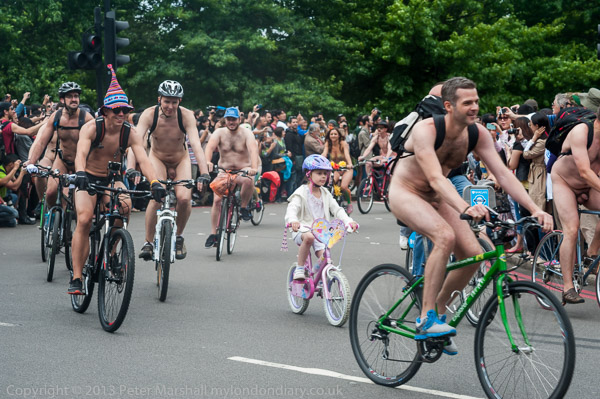
Naked Riders

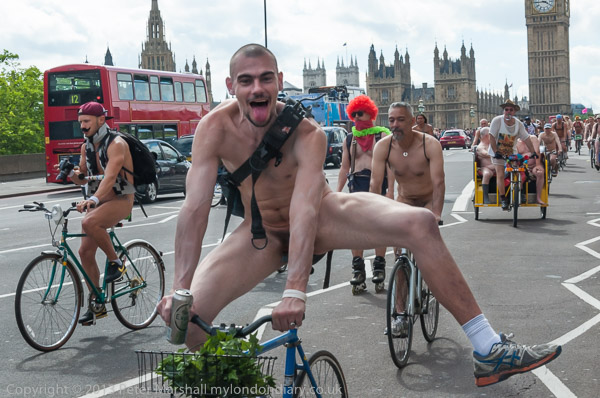
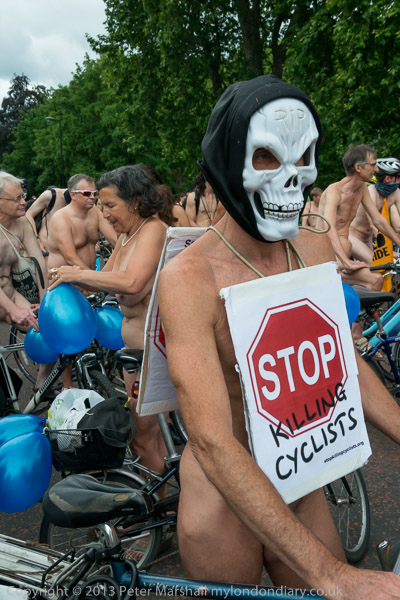
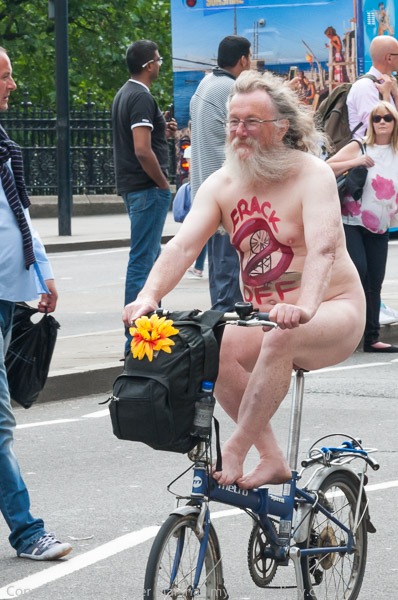
I’m not sure whether I look forward to the annual World Naked Bike Ride in London or not. I’ve nothing against looking at more or less naked people on bicycles, or even photographing them, but it does produce some photographic problems. I’d be a lot happier about it if the ride were rather more obviously a protest, but despite the efforts of a few taking part, things like posters and placards are few. Only a very small minority of riders have flags or posters on on their bikes; slightly more have some slogans painted on their bodies, but it’s still a fairly low percentage.

Of course the ride attracts a lot of onlookers, many with cameras, there for various reasons. But it also seems to attract a number of stewards who like to shout and insult photographers, and I don’t welcome being insulted while trying to do my job. Back in previous years I’ve had some discussion with the organisers about this, and in particular about them trying to impose policies on photography which tried to restrict the rights of photographers, which were silly, unlawful, inappropriate and unenforceable. I think they have moved away from this, but there are still one or two individuals who like to run around shouting at people.

Most of the riders seem happy enough to be photographed, at least by photographers who behave sensibly, and I rather feel that if people don’t want to be photographed without their clothes on they should stay dressed in public. And you don’t have to be nude to ride – the advice is to be “as naked as you dare.”

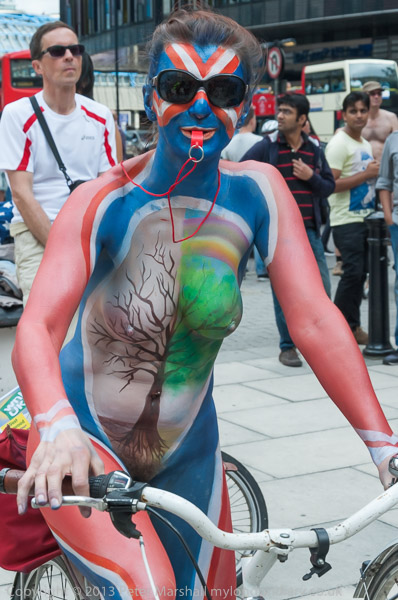
In photographing the event I try to concentrate on those riders who are clearly trying to make a point – generally about some aspect of ‘car culture’ or bike safety – and also those who have taken a great deal of trouble over their appearance. The set of pictures on My London Diary makes the event look far more focused than it is in reality. My pictures also show a considerably higher percentage of women riders, mainly because more of them appear to have body paint or slogans that make them of interest; the ride itself is far more male.

I’m also aware that while I have no problems with naked bodies, they may offend some people – and some publications. Facebook and other web sites have a great problem with nudity and sometimes ban even the least offensive of images. When thinking of what to post, particularly through agencies, and also when taking pictures, I make sure to take as many as possible that are unlikely to offend. So as well as thinking about framing, I’m also often carefully positioning handlebars and other objects to obscure parts of the anatomy. And just occasionally I have indulged in a little burning in of areas to hide detail that might offend some.

In previous years, many of those who rode in the event have appreciated the images that I took, and have told me so. I’ve yet to have a single complaint (though having said this it will doubtless happen this year) either from those in my pictures or those looking at them. But if you think you may be offended, please don’t look at the images at World Naked Bike Ride London on My London Diary.
Continue reading Naked Riders

Focus E15 and DPAC at UK Uncut Vodafone Protest


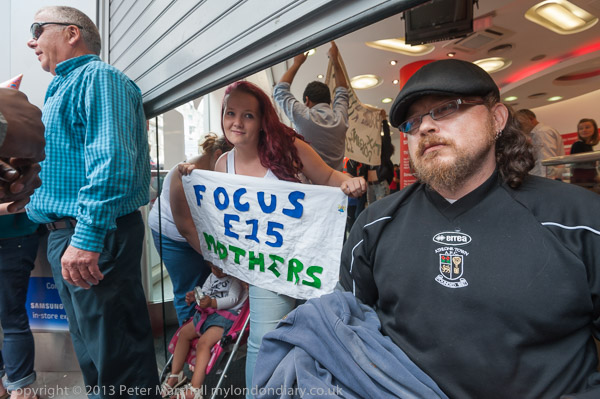
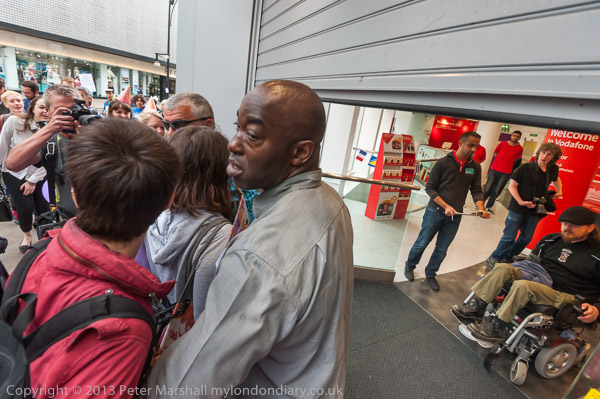
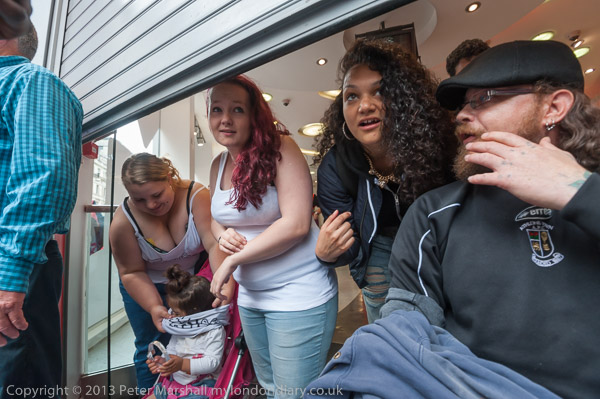
Focus E15 Mothers and Andy Greene of DPAC block the Vodafone doorway

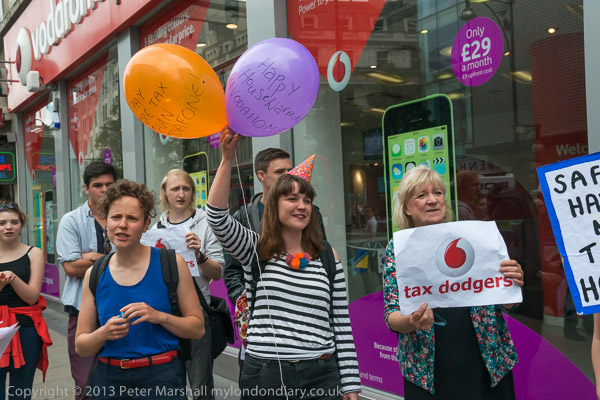
Focus E15 Mums were again to the fore a few of days later, along with a disabled activist from DPAC, Andy Greene, when UK Uncut, a group who seem to have been rather less active recently, renewed their protests against tax dodgers with a party at Vodafone in Oxford St.

The UK Uncut group that met up in Cavendish Square before marching the quarter mile or so to Vodafone were in fact a diversionary tactic, though they actually failed to draw much if any police attention. I’d realised this as we hung around in the square, but hadn’t come to the decision to trust my conclusion and head in advance to Vodafone in Oxford St. I’d checked in advance and we were also within easy walking distance of their Marylebone High St store and I could have missed the action if I’d made the wrong choice.

It was also important not to alert the Vodafone security or the police to what was about to happen. With a largish camera bag and a couple of cameras around my neck I am a little conspicuous.

As we set off and it became obvious where we were heading I did wonder about running ahead – and one of my colleagues did so – but I decided to keep with the leading UK Uncut protesters and to photograph their attempt to get into the store.

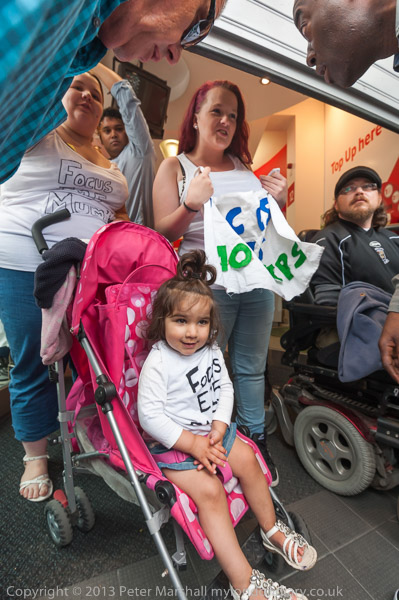
I was just ahead of them as they reached the shop and moved to the right as they were stopped in the doorway so I could take pictures. It turned out to be the right decision as I watched the shutters coming down on the door being stopped as a wheelchair protester moved underneath them. The shutters had to stop, and as they did other protesters from inside the shop, several mothers from Focus E15, one with her daughter, came forward to stand in the doorway facing me.

The situation outside the shop got rather confused, not helped by the security men employed by Vodafone appearing to be rather amateur – and they had no uniforms or ID. When one of them threatened a protester rather graphically I got into an argument with him and he denied having made what was a very clear threat. Fortunately after a few minutes couple of police officers came and quietened things down, though there continued to be some friction between protesters (and photographers) and security over the small area in front of the store doorway which was private property.

I was on the very edge of that private space (and occasionally straying a foot inside it) , close enough to Andy Greene in the wheelchair that I could have reached out and touched him. I would really have preferred to be a little further back – the situation was tight even with the 16-35mm, but if I had moved others – protesters and photographers – would have got in front of me and blocked my view.

After a few minutes of this stand-off, I did move away and photograph the protest party that was taking place on the wide area of pavement outside the store, before going back and taking a few more pictures of those in the doorway. I needed to get down low to get a clear view between two of the security men, which put me at the right kind of level for Safia, Jasmin’s daughter.

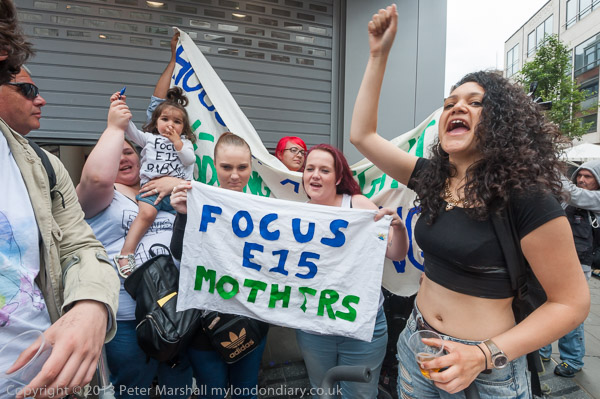
The protesters outside the store continued to have something of a party, passing around non-alcoholic drinks, holding balloons as well as placards and banners, and with the few small children present playing games. There was some music, and people sang a song urging Vodafone to pay the tax it owes, and flyers were handed out on the busy shopping street.

Finally, the protesters inside the store decided it was time for them to come out and join in the party outside and they came out celebrating, with Jasmin coming to the microphone to speak about Focus E15 and  their now much wider protest over housing. Many of the photographers had left by this time, rushing away to file their pictures and missed this part of the protest.

Shortly afterwards it began to rain, bringing the speeches, picnics and childrens’ games to an end as most people found shelter. It soon eased off, but the protesters were beginning to drift away, and I decided it was time to leave too.

More at UK Uncut Party at Vodafone.

Continue reading Focus E15 and DPAC at UK Uncut Vodafone Protest