John Benton-Harris – Surprise Party

We should as a photographic nation be celebrating today, with features in the colour supplements and photographic magazines, the 70th birthday of one of the most important figures for British photography in the second half of the last century, who happily is still going strong now.  But you are unfortunately unlikely to read about it anywhere but here.

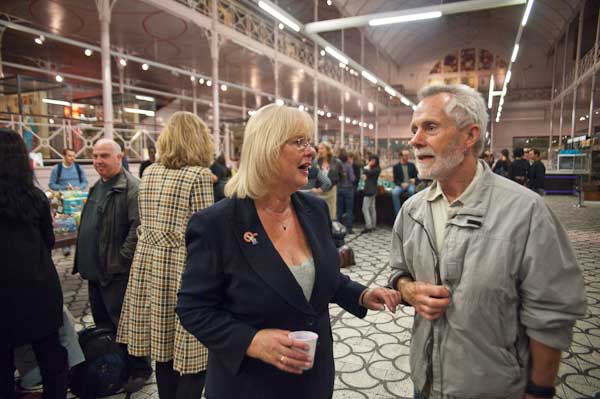
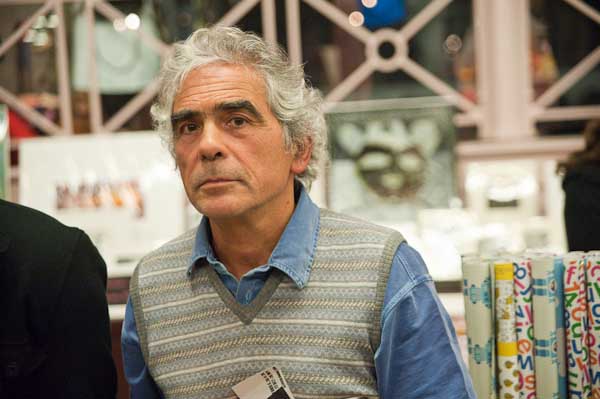
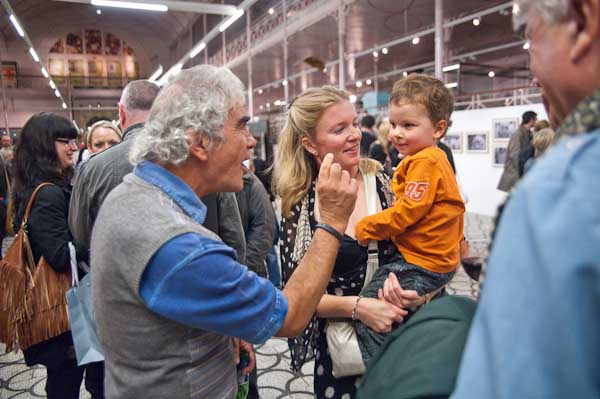
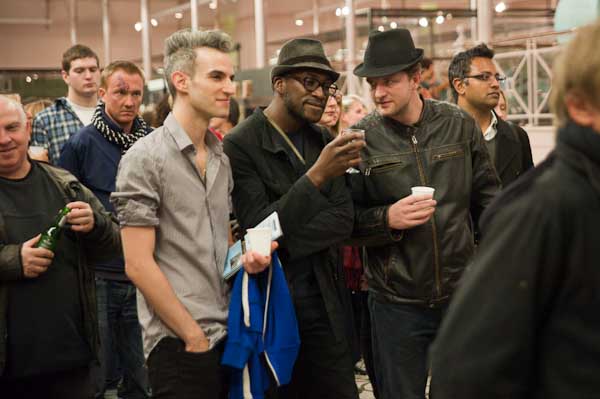
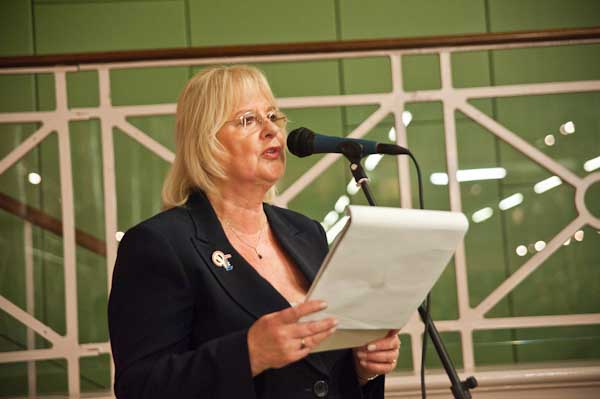
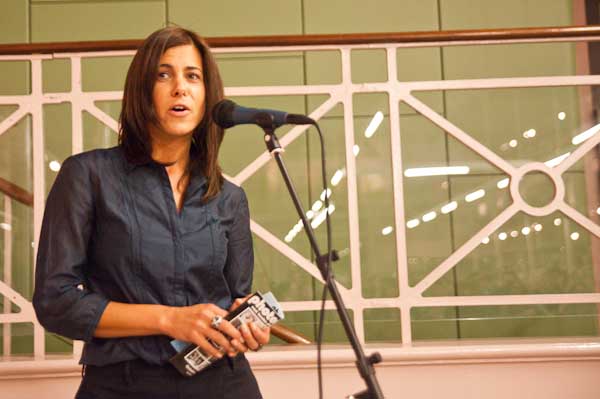
Yesterday I was privileged to attend the surprise birthday celebration for John Benton-Harris in the sports club opposite his home in Croydon, with his family and a decent smattering of photographers.
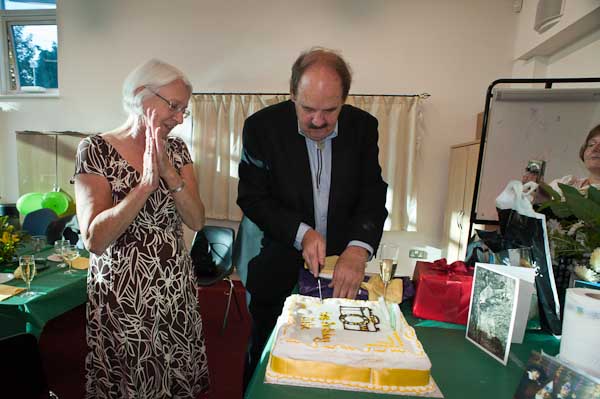
© 2009 Peter Marshall

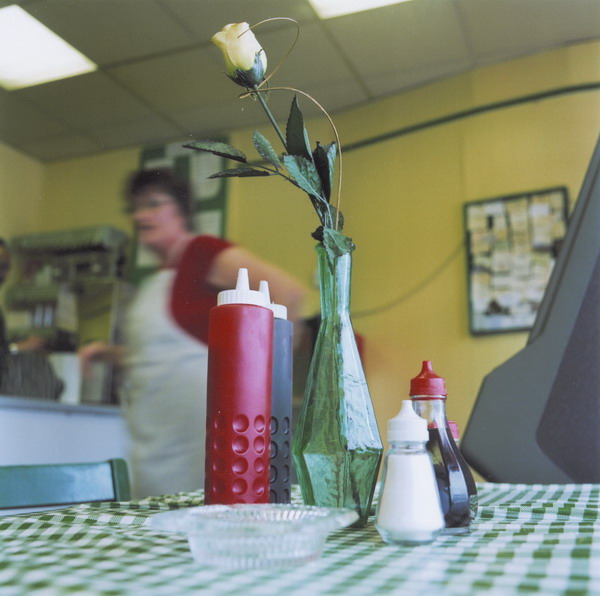
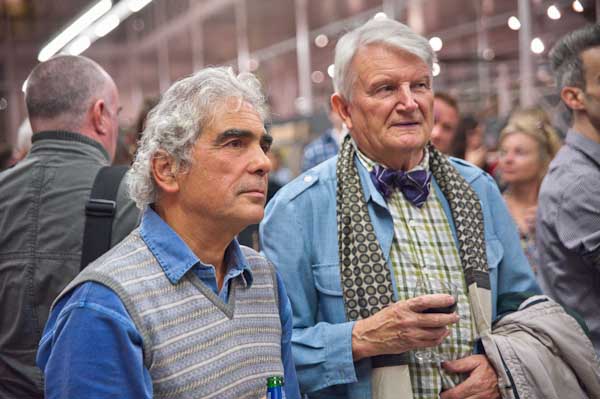
Those of us who were around in the 1960 and 70s remember the great breath of fresh ideas that came across the Atlantic and re-vitalised the medium here. Two people in particular, both separately students of Alexey Brodovitch in New York and New Haven, played a greater role than any others by coming and working here. One was British, Tony Ray-Jones, who died tragically young – only 30 – in 1972, having produced  the work that was published posthumously as ‘A Day Off – An English Journal‘ in 1974. The other was an American from the South Bronx who took leave from his post as a photographer in the US Army in Italy to photograph Churchill’s funeral in 1965. While in London he met a young woman who changed his life, and as soon as he was able, moved to London and married her, continuing his photographic career here. You can see both of them in the picture above.
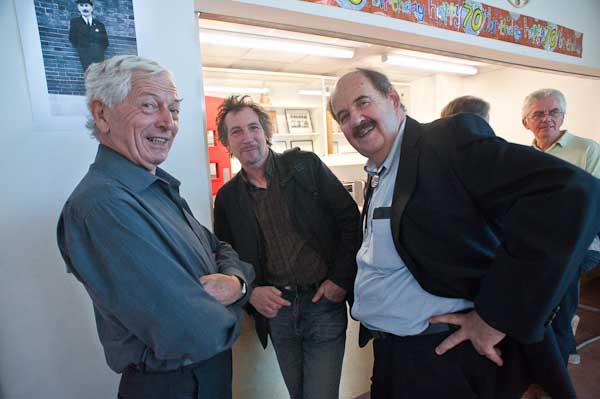
© 2009 Peter Marshall

Two years ago at the FotoArt Festival in Bielsko-Biala, Poland,  it was slightly daunting to take to the stage immediately after the notable historian and writer of ‘A World History of Photography‘, Naomi Rosenblum, particularly as the talk I was going to give had a considerable overlap with the lecture on the  history of street photography she had just given.

My  ‘On English Streets’ used illustrations from the work of John Thomson, Paul Martin, Sir Benjamin Stone, Margaret Monck, Bill Brandt, Martin Parr, Paul Trevor and of course John Benton-Harris, as well as some of my own pictures (I’d talked there about Tony Ray-Jones on a previous occasion or he too would have featured.) Here is my script for the part of the talk which was about John:

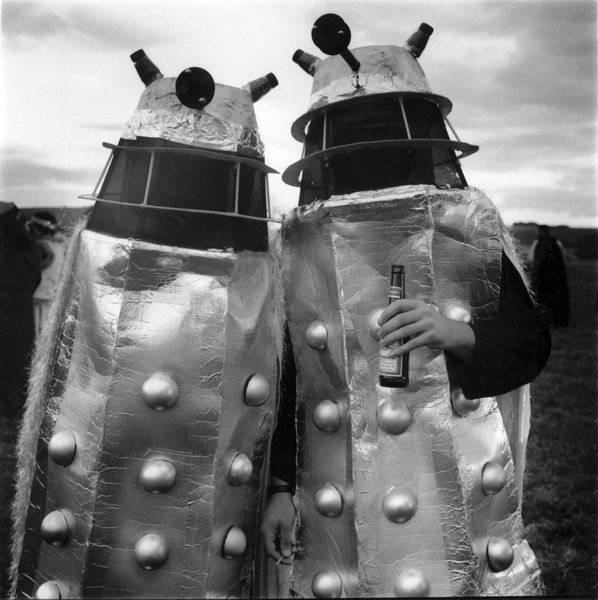
His vision of England – certainly in the early years here –  was very much based on the ideas about it he had picked up from films set in the country, particularly those made by British film studios. But his view as an outsider certainly made him more aware of the class differences here and the key ways in which they are signified – and in particular the importance and readings of hats, which appear in so many of his pictures.When John met another Brodovitch graduate, Tony Ray Jones  in London, and found they shared many ideas (Ray Jones had studied at Brodovitch’s class in New Haven, and they had not met in the USA.) Both had the experience of having worked in a supportive visual environment that they found almost completely lacking in word-centred Britain, where no one seemed to care about photography. It must have come as a shock to John to have moved from a New York where he knew everyone who was anyone to a London where there was no one to know, although Ray Jones would have known exactly what was in store when he returned here. Together they provided an energy, a dynamic, that catalysed others to shake up of the dusty world of British photography, particularly editors Bill Jay and Peter Turner, who took over from Jay at Creative Camera.  Benton-Harris curated several influential shows with Turner, particularly American Images: Photography (1945-80) at the Barbican in 1985.

The new breeze that ran though British photography affected all of us, perhaps reaching its apogee in volumes such as Creative Camera Collection 5, which featured, as the first of three major portfolios, 27 images by Benton-Harris (as well as a well hidden set of three pictures from me.)
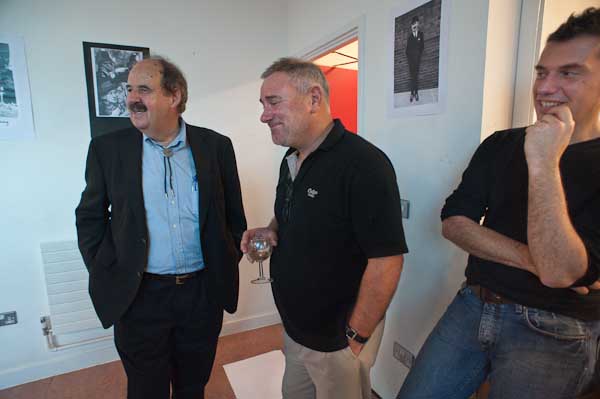
© 2009 Peter Marshall

Those coming to the party had been sworn to secrecy, but were asked to nominate their favourite image by John, and these had been printed up to poster size and were stuck up around the sports hall for the party – you can see some in the background of these pictures. I’d printed out the presentation slides for his section of my talk as a small present and was pleased to see that my choice included several of other people’s favourites.

Also on display was a series of pictures of John as a young man with a camera on the streets of Rome, taken by his friend George Weitz, there at the party (I’m afraid the link to the piece I wrote on John for About.com no longer leads to it – like the several thousand other pieces I wrote for them it is no longer available on line.)

Part of the reason why John is not as highly known as he should be is that it is not easy to see his work, much only available in long out of print books and magazines. A reasonably diligent search on the web only reveals a couple of pictures of him and two poorly scanned images of St Patrick’s Day, neither his best work on the theme. We really need a well-produced book of his work from the first twenty or so years in England, as well as other publications covering his later work.
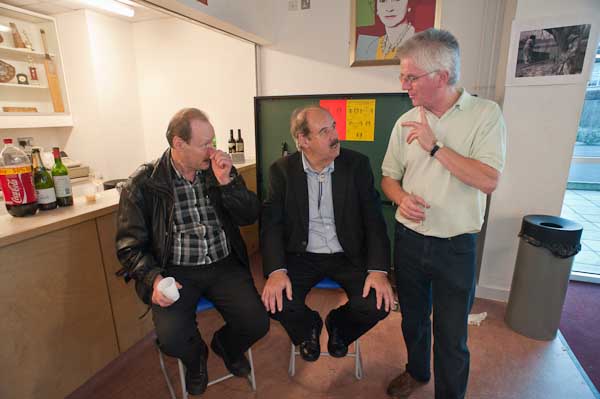
© 2009 Peter Marshall

Probably the best way publication is still the major portfolio in Creative Camera Collection 5 mentioned above, still available secondhand at a very reasonable price in the USA, though more expensive here – and prices of this and the other CC Year Books do now seem to be rising fast. (My favourite on-line bookseller lists a copy at a US bookseller for £6.47 below an ‘ex-library’ copy apparently in poorer condition from a UK store for £56, though most copies are in the £16-25 range.)

But it is also unfortunate that credit wasn’t always given to him for the things that he did do. The catalogue for the ground-breaking Barbican Show American Images 1945-80 does state in the acknowldegements “Peter Turner and John Benton-Harris have been the motivating force behind the show and without their unstinting efforts as organizers, American Images would never have happened” and it carries a short note by him and about him, but essentially it marginalises his contribution to a show which was almost entirely dependent on his contribution and insights, if slightly diluted by the efforts of others.

Unforgivably he was not even included in the index to the catalogue, and the front cover which should have stated ‘Organised by John Benton-Harris & Peter Turner‘ simply says ‘Edited by Peter Turner‘.

It is also hard to understand why use wasn’t made in the catalogue of his personal knowledge of many of the photogrphers included (which was essential in putting the show together) to provide greater insight into their lives and work. As his occasional contirbutions to this site show, John is capable of writing with considerable force and insight.

John has recently returned from another extended trip to the USA, doubtless with many interesting digital colour images as on his recent previous trips. I also hope he will write up his thoughts about some of the shows that he saw there for this site. It would be nice if here or elsewhere he would also share some of his images with us.

More pictures from the party on My London Diary.
Opening night

Thanks to all who made it to the opening of ‘Taken in London‘ at Shoreditch Gallery at the Juggler in Hoxton Market last night. It was great to see so many photographers, including some of the best in London, so many old friends, and to meet some new people. It really was a very pleasant evening.

For once I went up to London and didn’t take pictures, though I did have my camera with me I just didn’t get the time to take it out of the bag and was busy talking to people for more than two hours.  Fortunately my fellow exhibitor Paul did occasionally top up my glass, or I might have forgotten to have a drink.

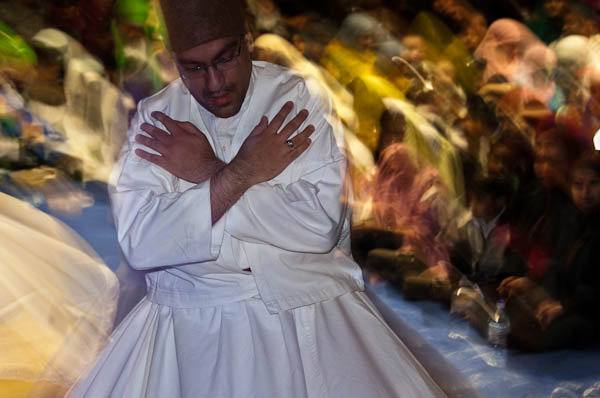
© 2009 Peter MarshallWhirling dervish at Eid Milad-Un-Nabi celebrations, Tooting, March 2009

The show continues until the end of the month, so there is still plenty of time for anyone who couldn’t make the opening to see the work.  The Juggler is a nice place to visit if you are around Shoreditch or Hoxton for a coffee and cake or roll (though I can seldom resist a bottle of Budvar there.)

Talking to the gallery owner he told me that there had been quite a few visitors already, many clutching their Photomonth booklets. There are around 20 galleries taking part in Photomonth within easy walking distance of the Juggler in the areas on either side of Shoreditch High St/Kingsland Rd, and although opening dates and times differ, it’s an area for a good afternoon out in the next few weeks. Full details and map on the Photomonth web site as well as in the booklet.

You can also see some of the work from the show on the Taken in London web site, although the final selection I made is rather different from there, with much more work from 2009. All of the pictures are of course somewhere on My London Diary – with around 50,000 others!

Irving Penn (1917-2009)

Irving Penn died yesterday, October 7, aged 92. One of the great American fashion photographers of the last century, he was a great influence on many other photographers, but although I wrote a little about him, I never warmed to his work. There is a fine long obituary feature on him in the New York Times, written by Andy Grundberg, and another with a slide show of nine of his pictures on their Lens blog.

You can see more pictures on Photography Now, though it’s a site which annoys me by resizing my browser window, but it does show his work well. There are many more pictures on the Art Pages site, hosted in the Ukraine, where copyright is perhaps rather different. The site isn’t in English, but if you click on any of the thumbs to view, then clicking on it again brings up an enlarged version, and clicking on the link to the top right of the picture goes on to the next. It includes some pictures I don’t think I’ve seen before.

Viva Cuba! Havana Cultura

I’ve never been to Cuba, although like many its story has fascinated me and I’ve written in the past about the country and its photographers, including the pictures of Batista’s Cuba by Constantino Arias (1926-92),  Raul Corrales (1925-2006) who in 1959 was official photographer to Fidel Castro and later worked for the government’s ‘Revolucion’ magazine and Alberto Korda (1928-2001) whose image of Che still graces t-shirts and more around the world, as wellas  and younger photographers such as José A. Figueroa (1946-) and a dozen or so others.

Visiting photographers have also created fine work there. Among the outstanding examples are three Magnum photographers, Burt Glinn, who photographed the   RevolutionDavid Harvey, with some fine colour work – and he also used to run some gerat workshops there. Only the fees, air fare and carbon footprint prevented me from rushing to them. And another fine colour photographer, Alex Webb

Quite different was the work of Mexican Pablo Cabado, in his book on Cuba in 1990 – 12 pictures on Fifty Crows.

© 2009 Peter Marshall

Although I haven’t yet got to Cuba, last night I did have a very enjoyable evening in Bethnal Green, thanks to Havana Cultura, a global art initiative from Havana Club Rum to introduce the world to the fabulous culture of Havana.

© 2009 Peter Marshall
Along with around 50 other bloggers I was their guest at Chamucos Bar in the basement of Green and Red more or less opposite the top of Brick Lane. The Mojitos were flowing and the music from Gilles Peterson’s Havana Cultura album to be released on 26th October was playing – and I wrote this while listening to it again – watch out for it, some great stuff. Mojito Mayhem was one of the meetings of the London Bloggers Meetup, and we also got a couple of presentations from fellow bloggers.

© 2009 Peter Marshall

Havana Cultura has a great web site with lots of information about Havana, including photographer René Peña’s (b 1957) favourite views. But what was more interesting to me was to see a video of him talking about and showing his work, in particular a series called “White Things“, exploring the way that people consume things. The pictures show them with consumer objects, not necessarily white, but lit, exposed and printed to make them white against the darker skin of the people. As well as the video and text about him and his work there are also links to some of his pictures.

Doubtless somewhere on the Havana Cultura site you can also find details of the ‘Havana Twitter Treasure Hunt’ which uses clues on Twitter  – @_havanacultura_  and you will find the answers on the Havana Cultura’ web site. The first prize is two tickets to Gilles Peterson’s exclusive Havana Cultura album launch party in Paris on 26th October.

Tech Note:

All pictures 24-70mm Sigma on Nikon D700, with SB800 mainly bounced from a fairly white ceiling. It was rather dark in parts of the bar and I had to turn on the focus assist light. Shooting at a ISO 2000 and on program – which gave 1/60 f9 for most pictures – meant the ambient lighting helped fill in the distant areas. Lightroom helped a bit too!

Taryn Simon TED Talk

Taryn Simon was for me the outstanding finalist among those shortlisted for the 2009 Deutsche Börse prize at the Photographers’ Gallery, for her work ‘An American Index of the Hidden and Unfamiliar‘ which gained the 2008 Infinity Award for publishing from the ICP, and was one of the best shows to grace the Photographers Gallery in recent years. But of course the judges though otherwise.

However TED shares my opinion. On their web site they say “TED is a small nonprofit devoted to Ideas Worth Spreading. It started out (in 1984) as a conference bringing together people from three worlds: Technology, Entertainment, Design. Since then its scope has become ever broader.” And of course quite a lot more. Put simply, TED gets the best ideas over a very wide range of fields from around the world and presents them. It’s a great honour to be invited to take part.

The best of the 18 minute presentations by those invited to speak are made freely available on their web site –  under a Creative Commons license, so they can be freely shared and reposted.  Taryn Simon‘s is one of these, and you can watch her on the TED site as she talks about two of her projects. One is on the hidden sites, a number of which were in the Photographers’ Gallery show, and she adds some interesting comments on how she did the work and why. (You can see some with the accompanying texts from the link near the bottom of her web site page.)

Her earlier project, ‘The Innocents‘ (2003),  has a particular photographic interest as she has photographed men wrongly committed to long jail sentences for crimes they did not commit on the basis of photographic evidence.  She talks about how showing photographs to crime witnesses can produce unreliable results; often people remember photographs they have seen before and identify these rather than actually remembering the criminal and finding them in the pictures, and gives at least one case where police deliberately mislead a witness. The men were all cleared when further evidence – often DNA – became available and Simon has photographed them in locations with a particular significance to them – their alibi locations (some were convicted despite having many witnesses to testify they were elsewhere) , place of arrest or the scene of the alleged crime.

Simon’s portraits (and the hidden places) are interesting even if you do not know the story behind them, but the stories provide an added dimension which both anchors and intensifies their meaning. They give us some ideas about what we mean by truth in photographs, showing how misleading photographic evidence can be – and what a critical effect this can have on some lives. There are five images from this series on the Gagosian gallery site, and five with an essay and questions at MoCP.

Hanging Day at the Juggler

Yesterday we hung our show, Taken in London, at the Shoreditch Gallery, part of The Juggler, a café in Hoxton Market – which, rather confusingly is not where Hoxton Market actually takes place. The street Hoxton Market with the Juggler is just north of Old Street, behind the Holiday Inn and on foot you get to it by turning right about ten yards up Pitfield Street, then first left. It’s an open pedestrian square and a very pleasant place to sit at the tables outside the Juggler on a sunny day with a tuna mayo roll and a bottle of Budvar or a coffee. The weather was right for it yesterday, but we were too busy for sitting around, though we did pause briefly for refreshment.

© Paul Baldesare
One of Paul Baldesare’s pictures for the 2005 show Café Life

The gallery has got a little smaller since I first hung a show there, the appropriately sited Café Life in 2005 – prints,paintings, drawings and photographs on that theme – with one end of the room being taken for storage, but it’s still a nice space, now basically two walls, each with enough space for around 20 double-hung 20×16″ frames, so ideal for a show by two photographers – myself and Paul Baldesare, though this time there were very few cafés in the pictures.

© Paul Baldesare
Oxford Circus, Paul Baldesare

Hanging  where you, as here you have to drill holes and screw the frames to the wall with mirror plates, is really a job that calls for three people, and we had another photographer, Dave Trainer, to lend his professional expertise (as he told us during the day, he was once covered with Picasso’s paint while hanging one of his works.) Dave showed with us last year, again at the Juggler, in our show English Carnival.

© Dave Trainer
From the series ‘Today I’m Someone Else’  by David Trainer in the show ‘English Carnival’

Getting forty or so pictures fixed in the right places wasn’t entirely plain sailing (the walls could be described as distinctly choppy to continue the metaphor) but eventually we were able to stick up the text and captions that I’d printed a couple of days earlier and stand back, and it didn’t look bad.

Although some of the work is shown on the exhibition web site,  I’d decided that I wanted to include quite a few more recent pictures, and roughly two thirds of my pictures are now from 2009, including a couple from August.

© 2009 Peter Marshall.
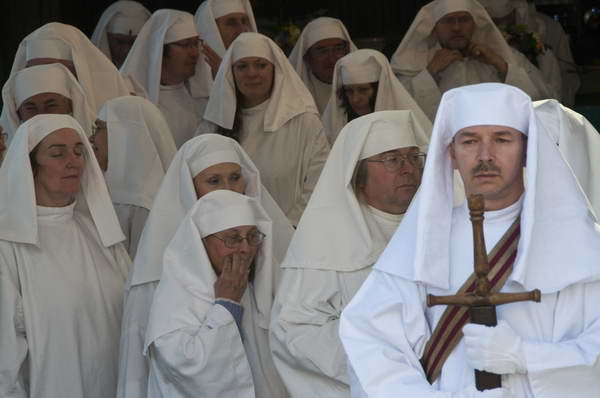
Druids gather to celebrate the Spring Equinox, March 2009
© 2009 Peter Marshall.
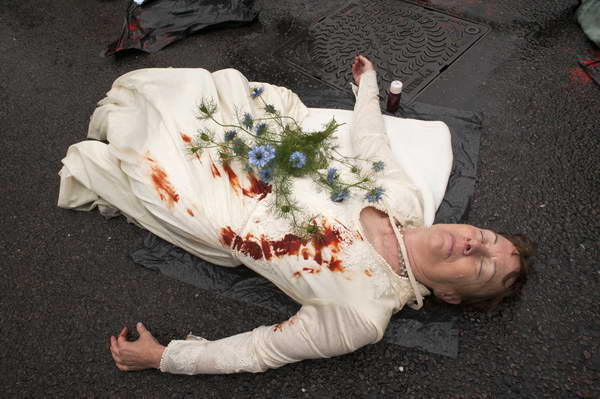
Wedding die-in at Northwood Against War in Afghanistan, May 2009

The show continues until 31 Oct and the private view is on Thursday  8 Oct, 6.30-8.30pm – it would be good to meet some of you there.

East London Photography Festival
Taken in London is a part of Photomonth 2009 The East London Photography Festival, and of the This Is Not A Gateway Festival 2009.

Paul Trevor – Photomonth2009 Opening

Last night Photomonth2009 was officially opened at the Museum of Childhood, part of the V&A Museum in Bethnal Green. It was an appropriate venue for several reasons. The V&A – at its South Kensington site – was one of the first museums to collect and buy photography, starting around 150 years ago,  and has one of the finest collections around which is accessible to visitors through their Print Room, as well as various exhibitions. It is a great experience to go there and handle vintage prints by great photographers such as Eugene Atget, Edward Weston and so many more there.


Festival director Maggie Pinhorn and Mick Williamson

The buildings that make up most of the Museum of Childhood were actually physically transported from South Ken into East London and opened in 1872, very much as a part of a mission to bring culture to the masses (a massive failure which you can read more about in Cathy Ross’s ‘The Romance of Bethnal Green‘ – the feature includes a few of the photos I supplied for the book.)

Photomonth, based in an East London which has now become the artistic centre of the capital,  is a rather more successful attempt, including a huge number of photographic shows and events as I mentioned previously.  It is very much the largest photographic event in this country, and I think the most important and most vital, though I’d like to see it even bigger and better as a London photo festival.

If you read my several postings last November on the events in Paris – the dealer trade show ‘Paris Photo‘, the ‘Mois de la Photo‘ and the ‘Photo-Off‘ fringe festival (see the >Re:PHOTO archive for November 2008 and  MyLondonDiary for the same month) I think you are likely to share my feelings that some of the most exciting things on show were in the fringe (and there were some on the fringe of the fringe too.)

While Paris becomes an inclusive festival by the presence of these different strands, Photomonth sets out to be so from the start – open to all photographers who want to participate, through major museums and arts centres, small galleries or any other spaces they can find to hang work. The Photomonth Photo-open at the Old Truman Brewery provides an even wider opportunity for taking part.

What is perhaps most important is that it is largely a photographers festival rather than a curators festival. Photography in this country suffered a near-fatal blow around 40  years ago when the Arts Council decided to concentrate funding on galleries and curators rather than on artists and photographers which almost halted the immature but developing photographic culture of this country in its tracks.


Paul Trevor

Photomonth opened with a photographer who first became known in those few years of opportunity in the 1970s, Paul Trevor, who I wrote about a little for last year’s Photomonth.  His show ‘Childhood‘ in the Museum of Childhood is a small selection of 20 pictures featuring children from the many thousands of pictures in his ‘Eastender Archive.’ Most were taken in the 1970s and 80s around where he was living in the Brick Lane area, and they include several of his justifiably best-known pictures, some of which I first saw in ‘Camerawork’ soon after they were taken. Although the printing is adequate in letting you see his images, it perhaps lacks the kind of depth and dimensionality his work really needs to be seen at its best.

Also on display at the V&A Museum of Childhood was a small series of large (3 times life-size and 105×134 cm)  head and shoulder profile views of one-year-old children by Bettina von Zwehl. The catalogue note says “With her distinctively precise and patient approach, von Zwehl creates images which challenge traditional expectations of how young children are portrayed” but I found them rather boring.  You can make up your own mind, at least from small reproductions of ‘Profiles Three, 2005’ on her web site The size on the web or on in the Photomonth catalogue, which you can pick up free at any of the participating venues, is really at least as much as I feel a need to see.

It was a well-attended opening, with many well-known photographers, including of course Paul Trevor. A temporary exhibition showcase of dolls very much attracted the attention of both Martin Parr (and myself.) Jenny Matthews is one of the festival patrons (I didn’t see the two others, Tom Hunter and Stephen Gill, but they may have been there.)  Far too many other photographers were there to name them all.

There were just three short speeches,  one welcoming us to the museum and a second by Festival Director, Maggie Pinhorn of Alternative Arts, who had the idea for the festival a few years ago and got it running with little or no support from the arts establishment. It’s still a festival that runs on a shoestring with the support of a few sponsors. The third and final speech was by someone from the World Photography Organisation which is sponsoring the new Youth Photography Award as a part of the festival.

Photomonth 2009

Photomonth 2009 opens officially later this week on 1 October with a preview of Childhood from Paul Trevor‘s East Ender Archive at the Museum of Childhood (part of the V&A)  just a few yards up the road from Bethnal Green tube, as well as the launch of the photomonth youth photography award.

Photomonth is the UK’s largest photography festival, with over 150 exhibitions and events in 85 venues in East London, which is perhaps why it lasts two months – until the end of November.  It actually spread out rather more, as some of the shows included – such as the Amnesty’s exhibition of the winning entries by Eugene Richards, Jim Goldberg and Lefteris Pitarakis shortlisted for the 2009 Amnesty International Media Awards opened at The Human Rights Action Centre, 17-25 New Inn Yard, London, EC2A 3EA on 20 Oct and continues until 5 Nov 2009 – another show surely not to be missed.

Photomonth is a very inclusive show, with a very wide range of both genres and experience, aiming to show the diversity of contemporary photography. As well as exhibitions, here are also various events including a photofair in Spitalfields Market, an open show, portfolio reviews, a photomonth lecture, talks, debates, workshops and seminars. Details of everything on the photomonth web site.

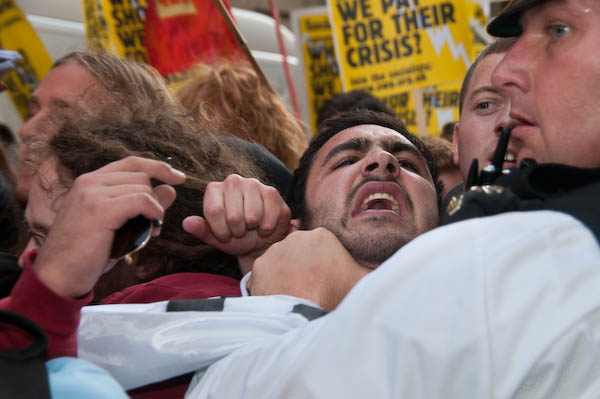
The front page of the site also has a grid of images which can be viewed larger as a slide show. Clicking on any of the pictures loads a larger version (in a few cases too large) and moving your mouse close to the top right or left causes ‘Next’ and ‘Previous’ tabs to appear. It gives some idea of the range of work on show in the festival, with the oldest image by “William Henry” being a W H F Talbot calotype from the first years of our medium. Among other photographers who are included are Martin Parr, Yousuf Karsh and several other well known names I leave you to discover. And then there’s this picture:

© 2008 Peter Marshall
March on the City © 2008, Peter Marshall

And of course, Taken in London, with work by myself and Paul Baldesare, part of photomonth 2009 opens on Saturday 3 Oct at the Shoreditch Gallery in The Juggler in Hoxton Market.  You’re invited to the private view on October 8th.

Soth in Bogota: Dog Days

Alec Soth went to Bogotá, Colombia in 2002-3 with his wife to adopt a young girl, Carmen, whose birth mother gave her a scrapbook in which she had written “When I think about you I hope that your life is full of beautiful things.’’ It led Soth to try to make a book of beautiful images for his daughter of the city of her birth, ‘Dog Days Bogotá by Alec Soth‘, and in the Boston Globe you can read more about it in a short piece by Mark Feeney. It’s there in the Globe because a show of work from it opened on September 9 and runs until November 28, 2009 at the Stephen D. Paine Gallery of the Massachusetts College of Art & Design (or MassArt.)

Both the paper and the gallery use the same single picture – of a dog looking towards camera on the tip of a hill overlooking the city bathed in bright sunlight, but you can see 49 pictures from the book (half as many again as in the show)  on the Magnum site as thumbnails or as a slide album.

Although the Magnum copyright overprinted watermark appearing five times on each image is less obtrusive than some, it is occasionally rather annoying, but even so these images are worth looking at.  There are five without this on the Magnum page for the exhibition.

Nachtwey in Indonesia

The National Geographic has a set of colour pictures by James Nachtwey that I find interesting, not just for the pictures themselves, but also for the questions they raise.

Indonesia: Facing Down the Fanatics  has on its opening page the statement “A more tolerant Islam is confronting extremism in the world’s most populous Muslim country“, but some aspects of what these images show are chilling.

A white hooded member of the ‘Front Pembela Islam’ points a finger to his head, imitating a gun.  The caption tells us that the red-letter motto on the hood reads “Live respected or die as a martyr“, and that this group intimidates bar owners, prostitutes and other “purveyors of vice” (and photographers are probably included among them) before and during Ramadan. It is perhaps little comfort that it also says that last year the leader of the group was jailed for inciting violence.

The next picture shows women from a Sharia Patrol issuing “citations” to men who failed to attend mosque, and although another caption comments that a “trend toward a stricter Islam hasn’t translated into support for militants, even among fervent believers”  it seems clear that it also hasn’t translated into the kind of free society that I would feel comfortable living in.